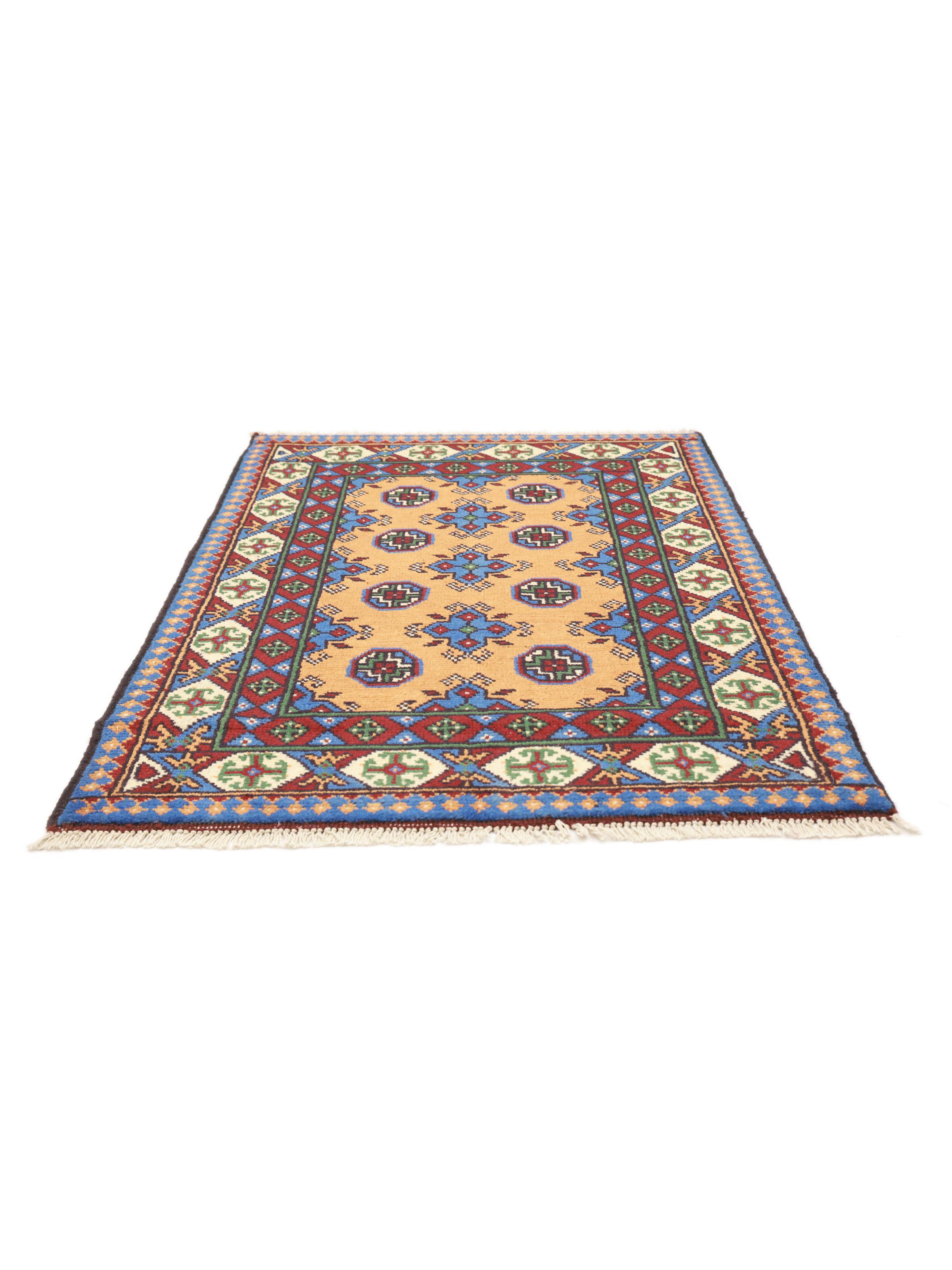
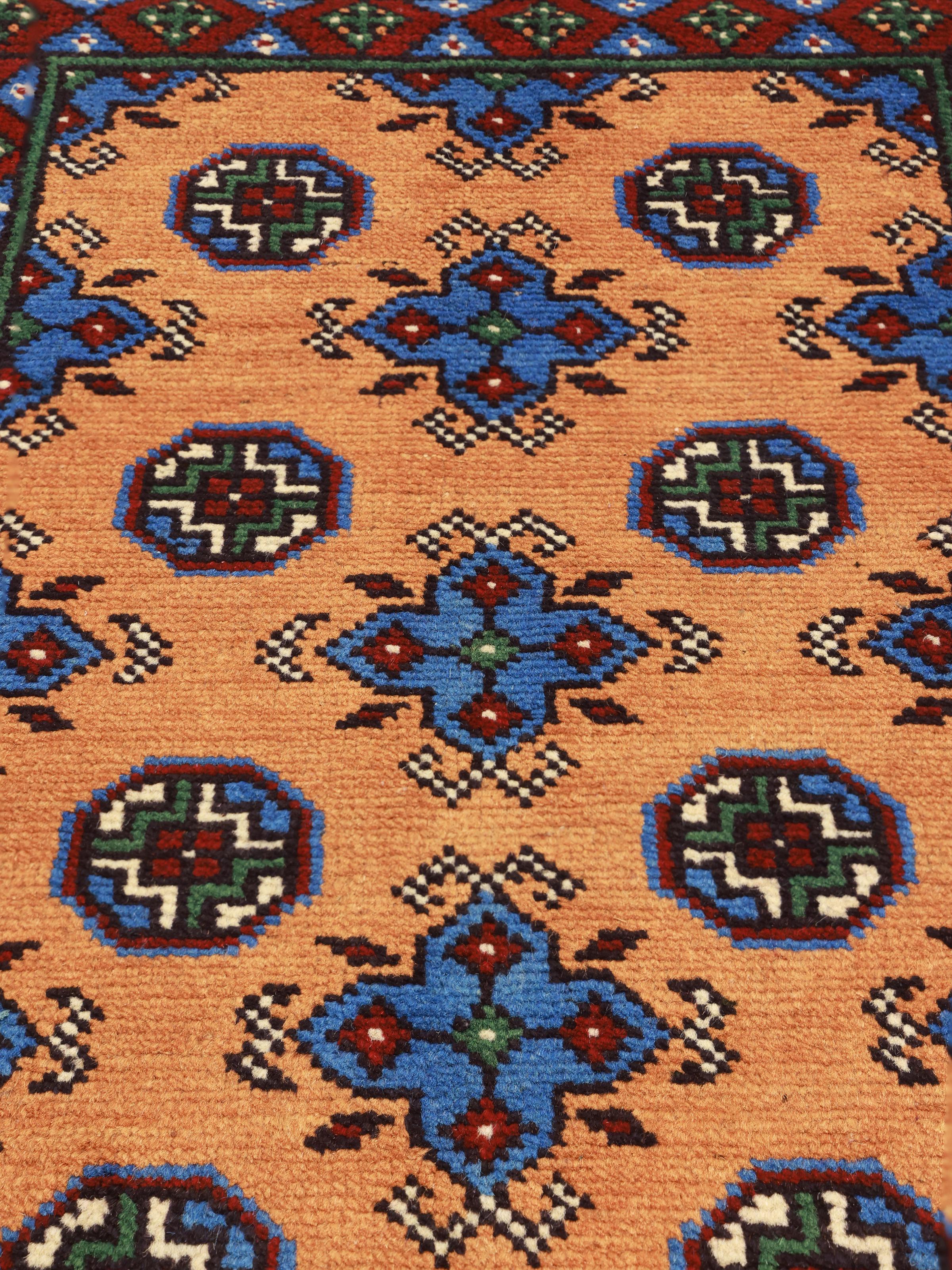
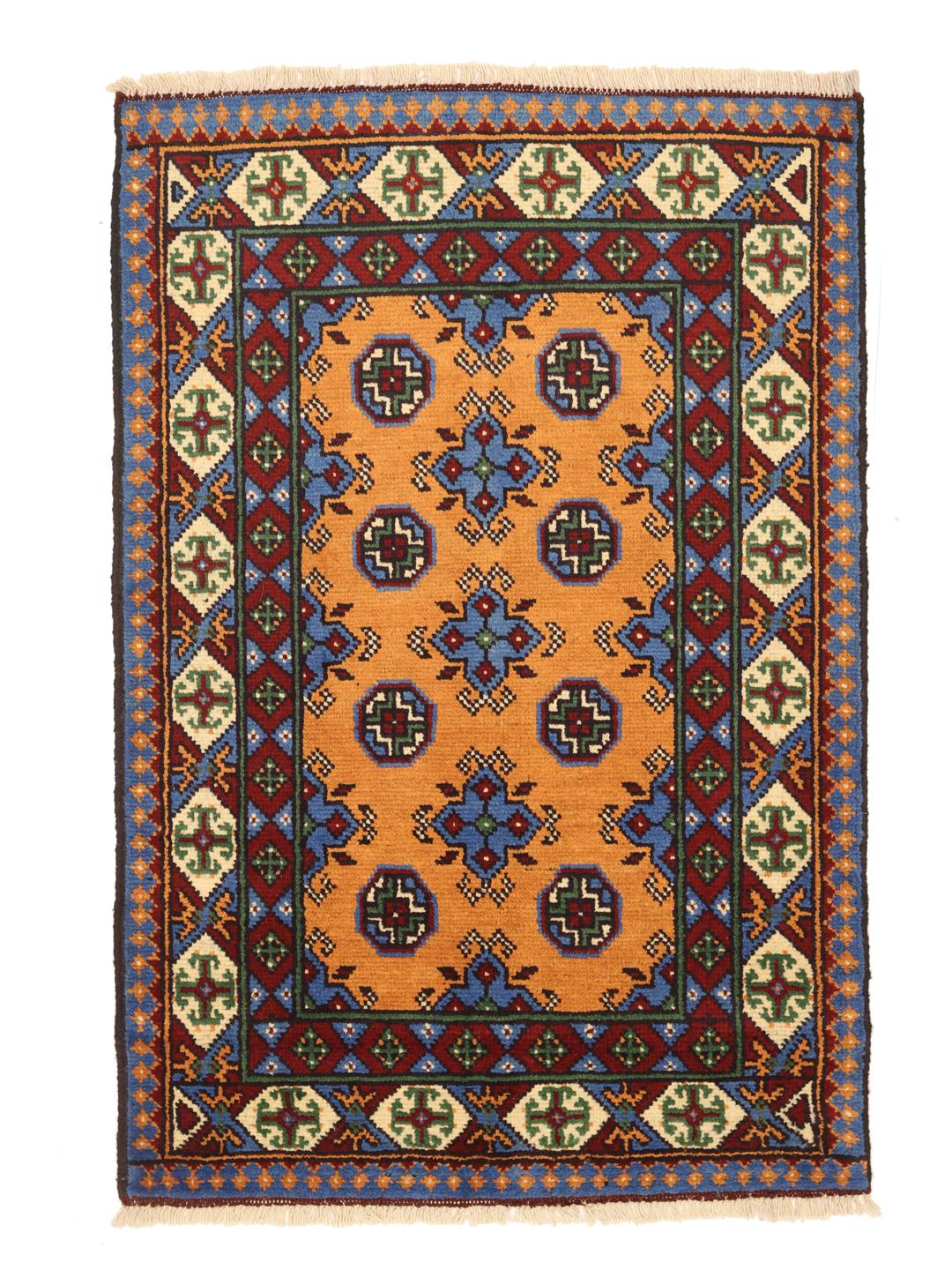
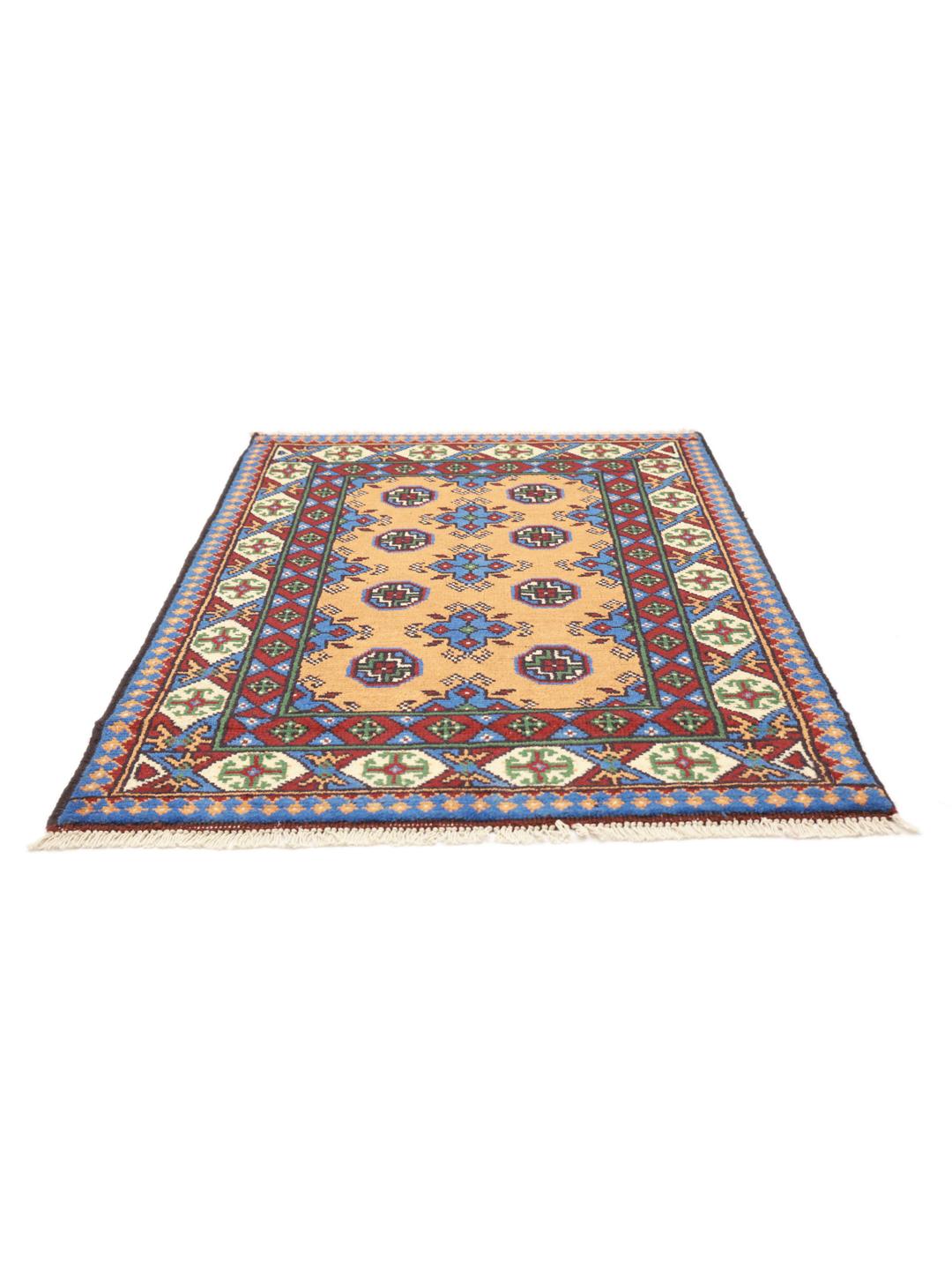
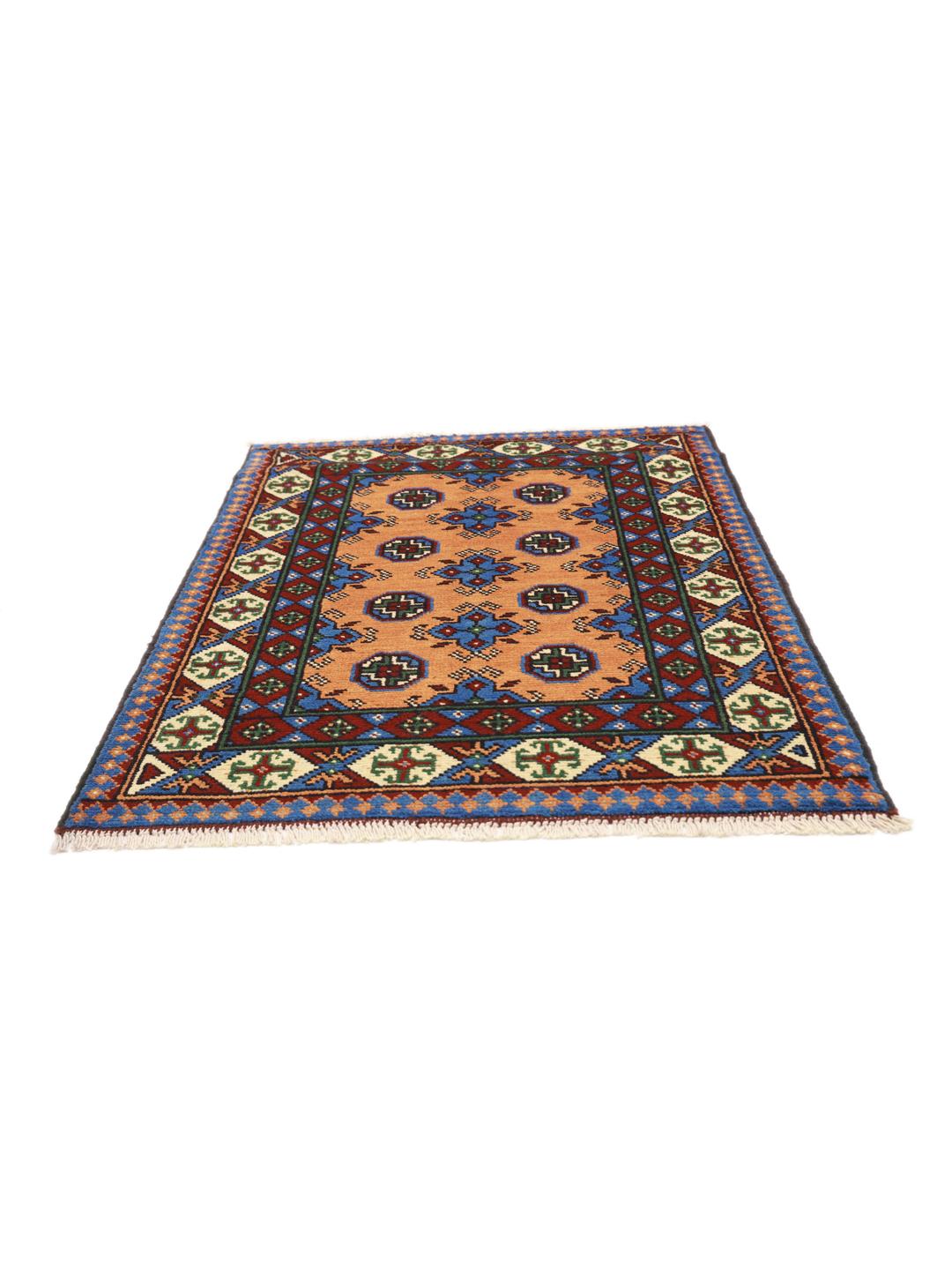
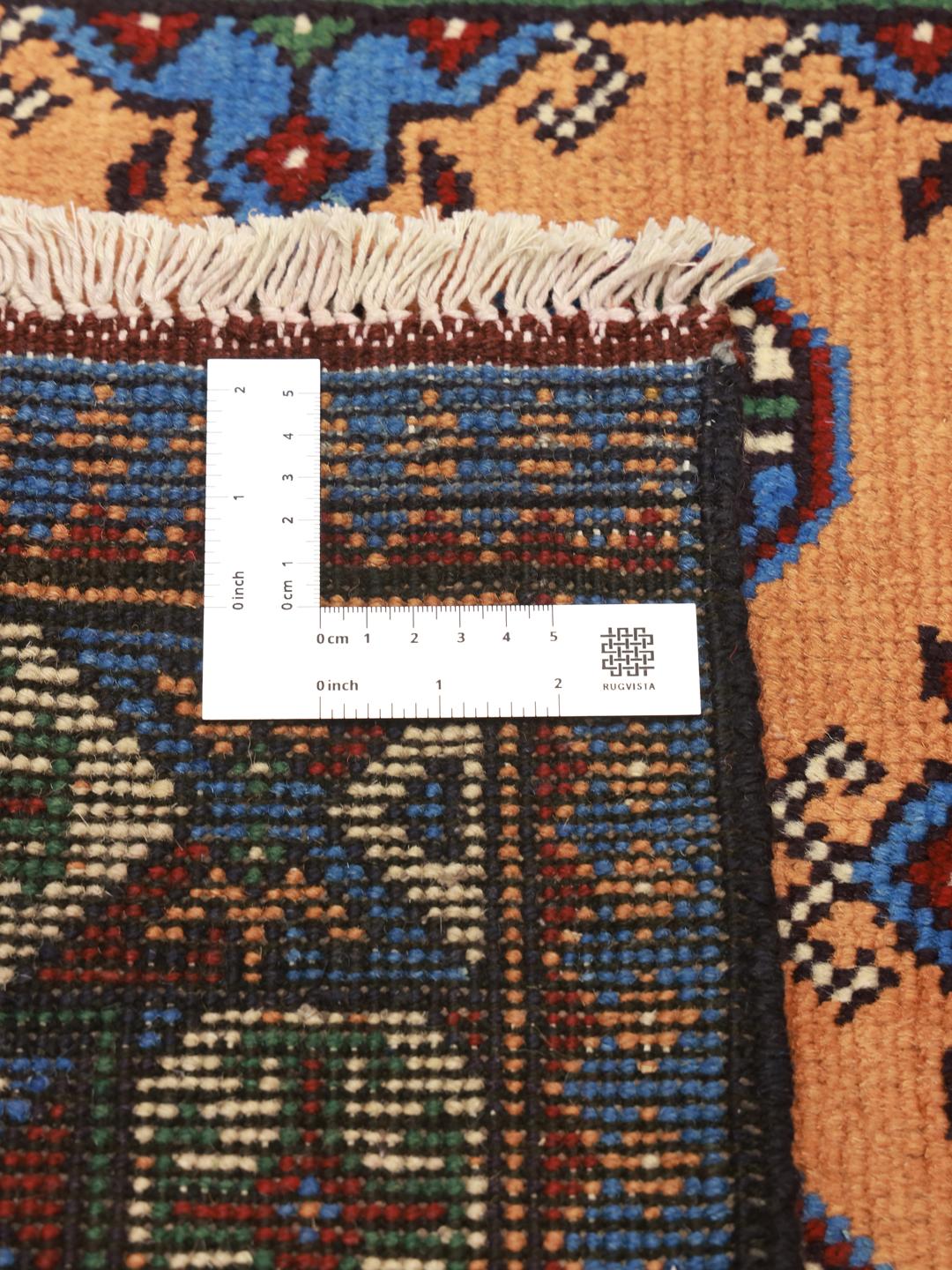
The Afghan Akhche rug draws its name and heritage from the region of northern Afghanistan, where weaving is a cornerstone of local culture. These rugs are deeply rooted in the traditions of the nomadic and semi-nomadic tribes of the area, who have passed down their design language through generations. The evolution of these styles reflects the complex history of the region, blending ancient tribal motifs with more formal, structured layouts that have gained popularity in international markets.
The term Akhche refers to a specific lineage of these rugs, known for their focus on rich, earthy colour palettes and geometric precision. These rugs often utilise traditional weaving techniques that prioritise strength and longevity, creating a finished product that is as reliable as it is visually striking. The use of hand-spun Wool is a hallmark of this tradition, lending the surface a natural lustre and a depth of colour that improves with age.
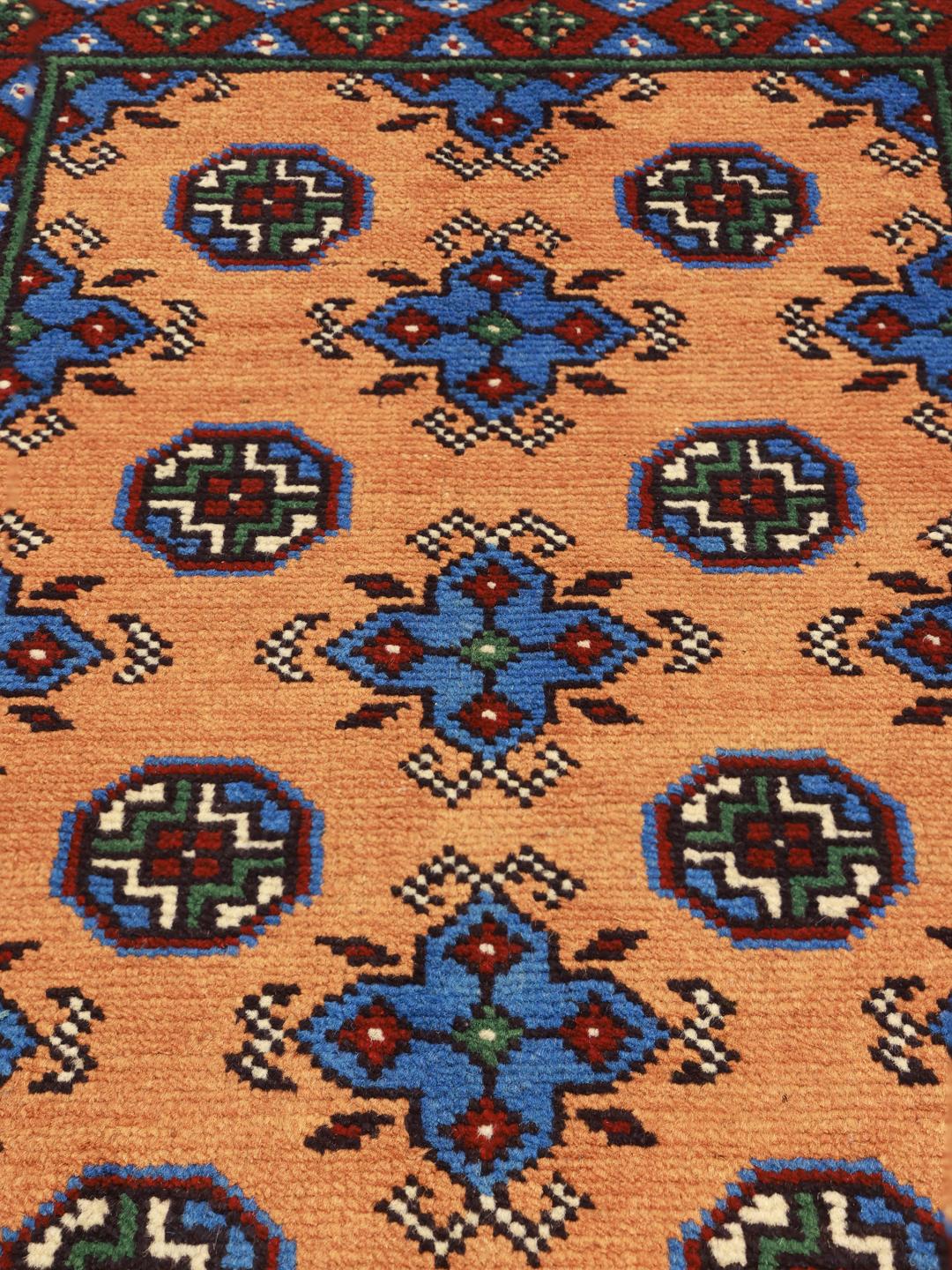
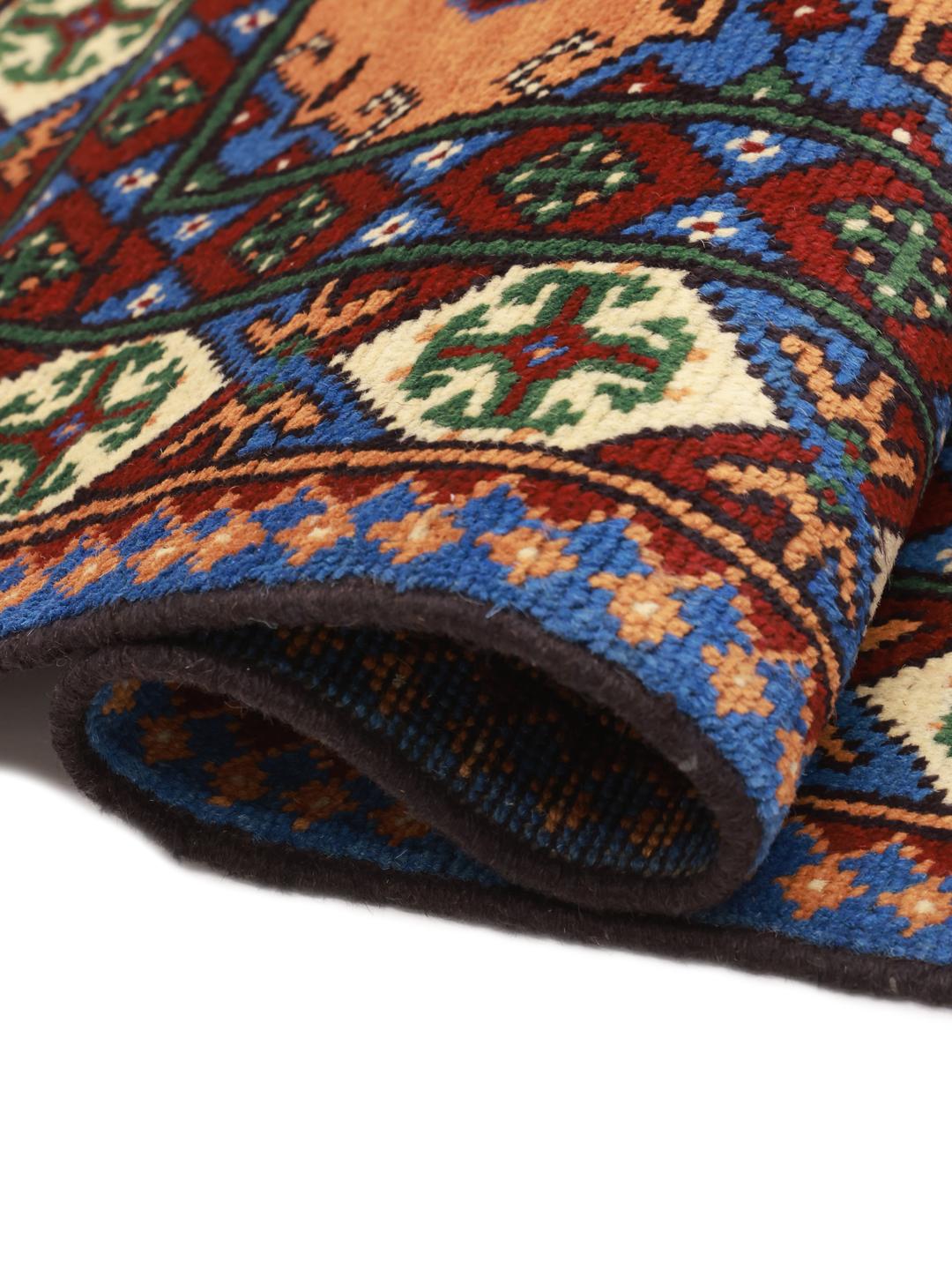
Visually, these rugs are defined by their bold, repeating motifs. You will often see stylised medallions, geometric shapes, and intricate borders that frame the central field. These patterns are not merely decorative but are deeply symbolic, often representing the weaver's environment or tribal identity. The way colours are balanced within these geometric frames is a testament to the weaver's eye for composition, creating a visual rhythm that is both orderly and dynamic.
Collecting an Afghan Akhche rug is an opportunity to own a piece of living history. These rugs are highly valued for their authenticity and the sheer human effort required to bring them into existence. They represent a bridge between the past and the present, offering a sense of heritage and enduring skill that mass-produced items cannot replicate. By bringing one into your home, you are preserving a craft tradition that has sustained communities for centuries.