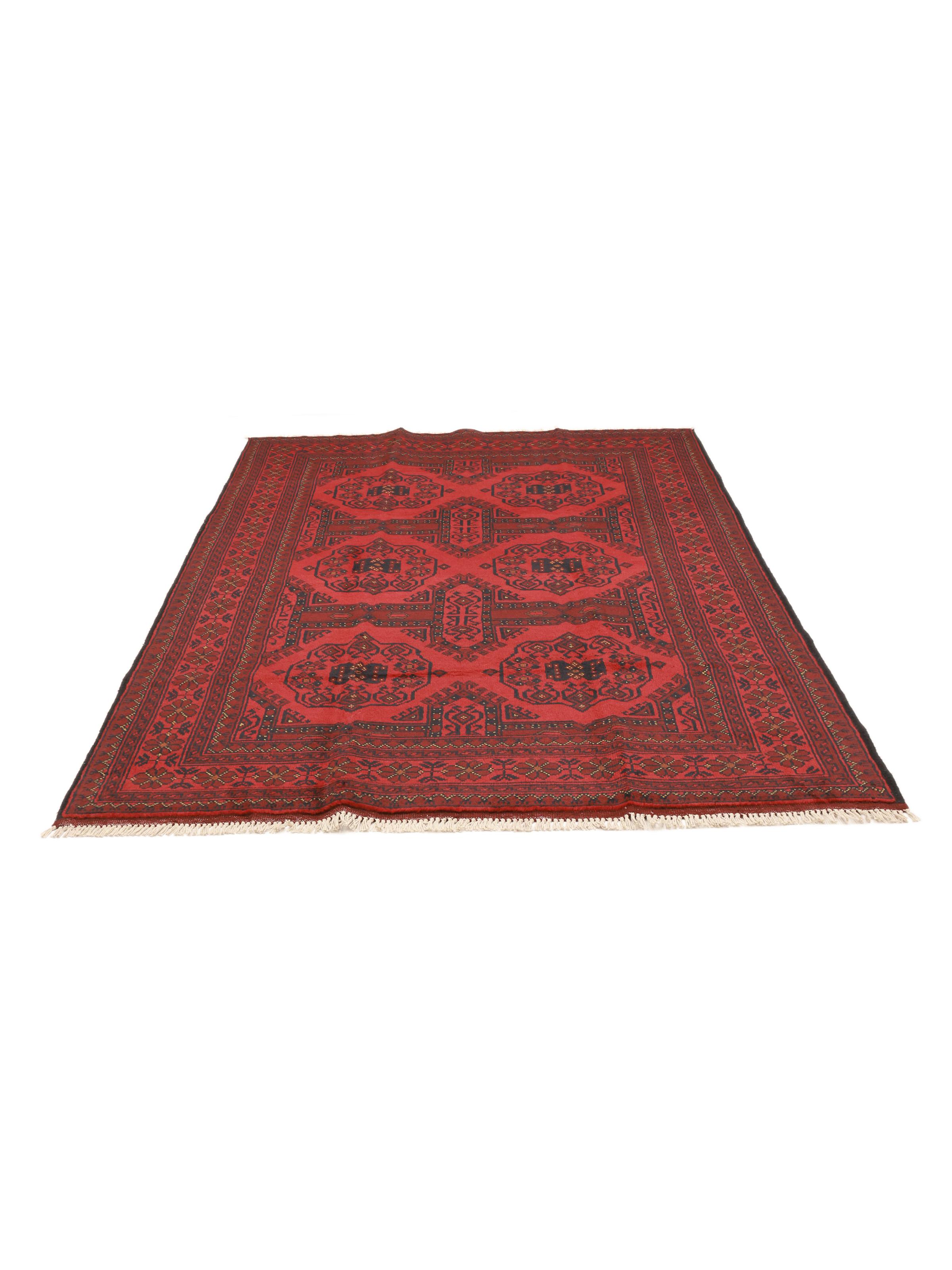
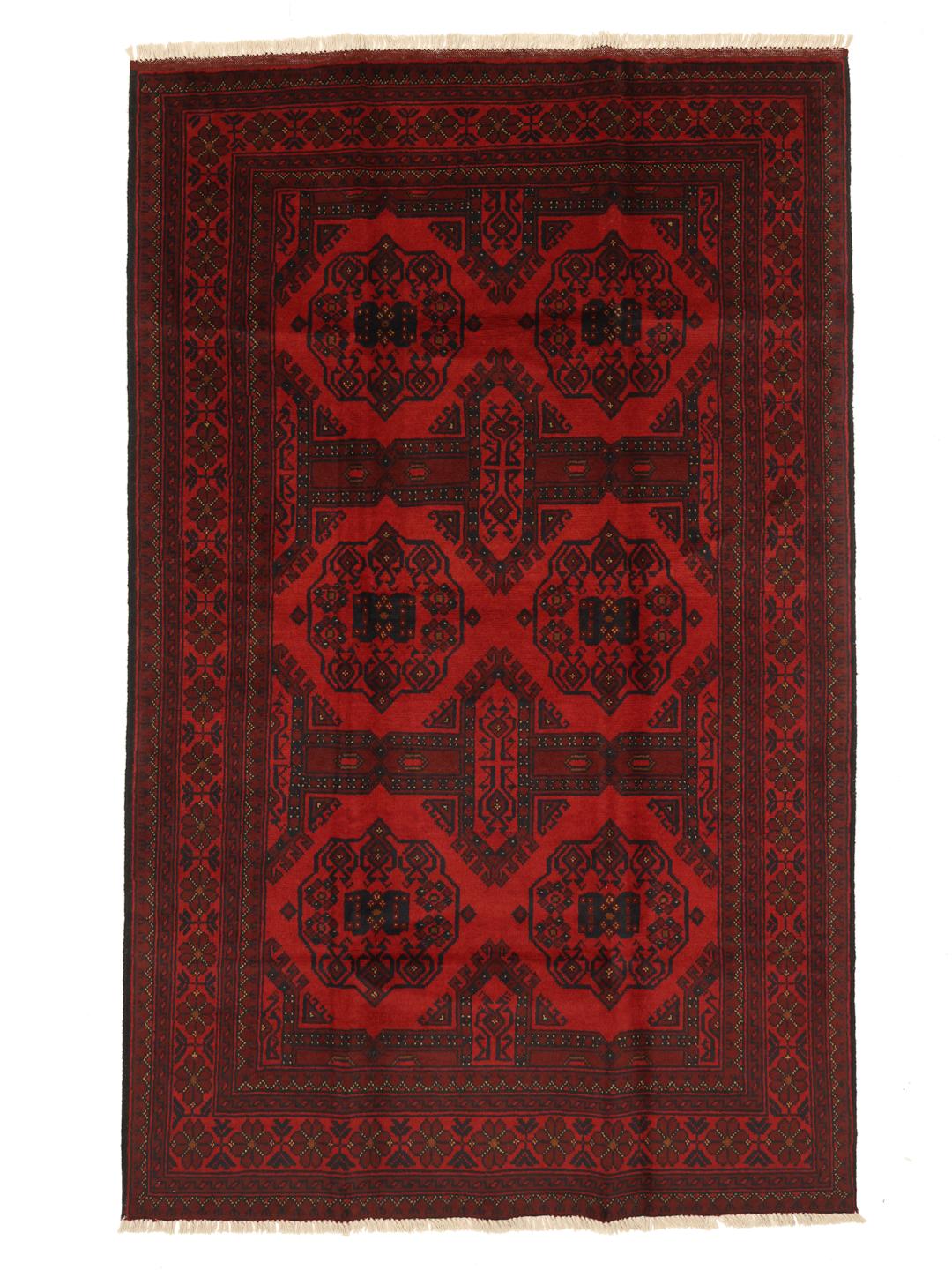
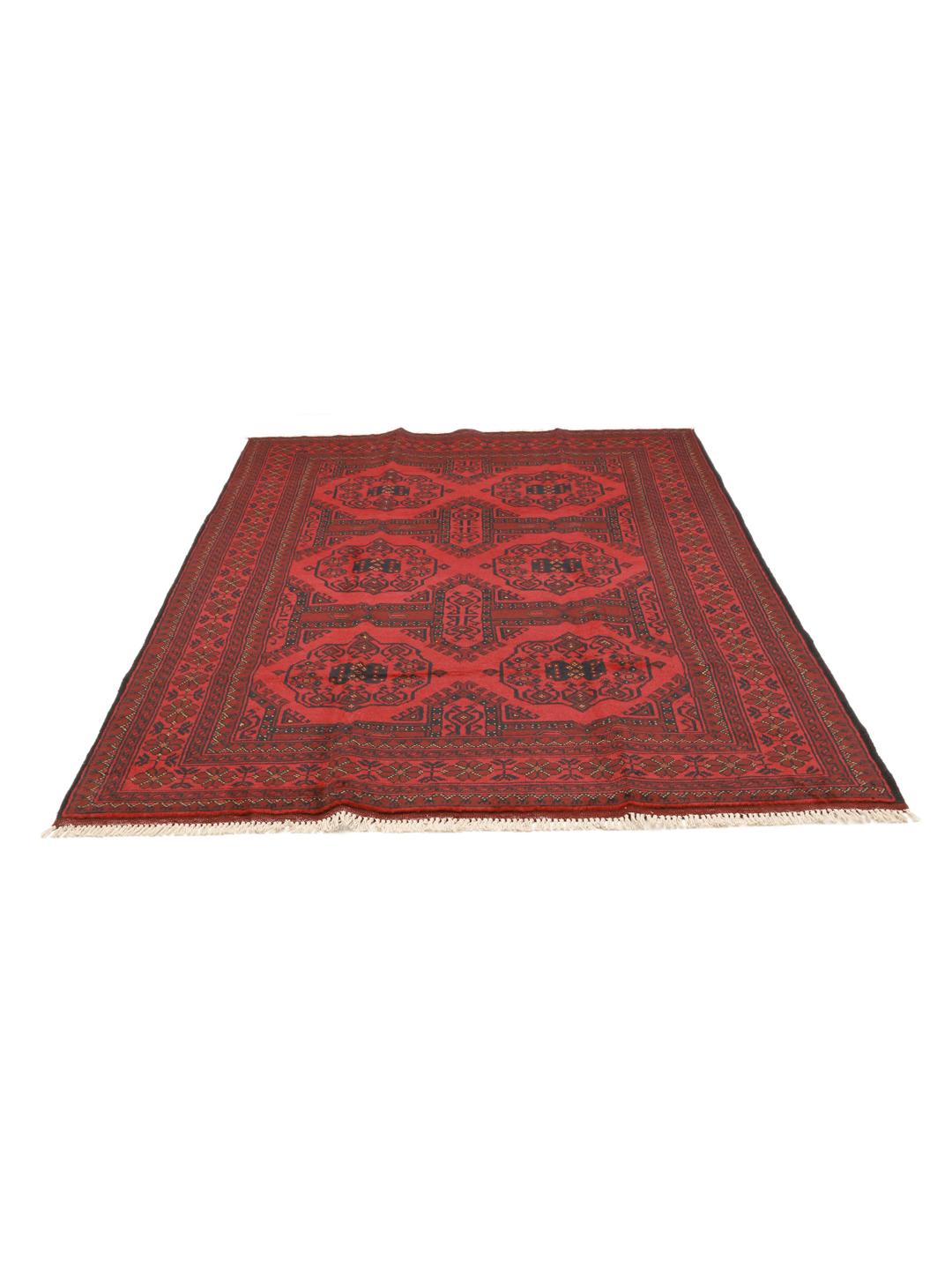
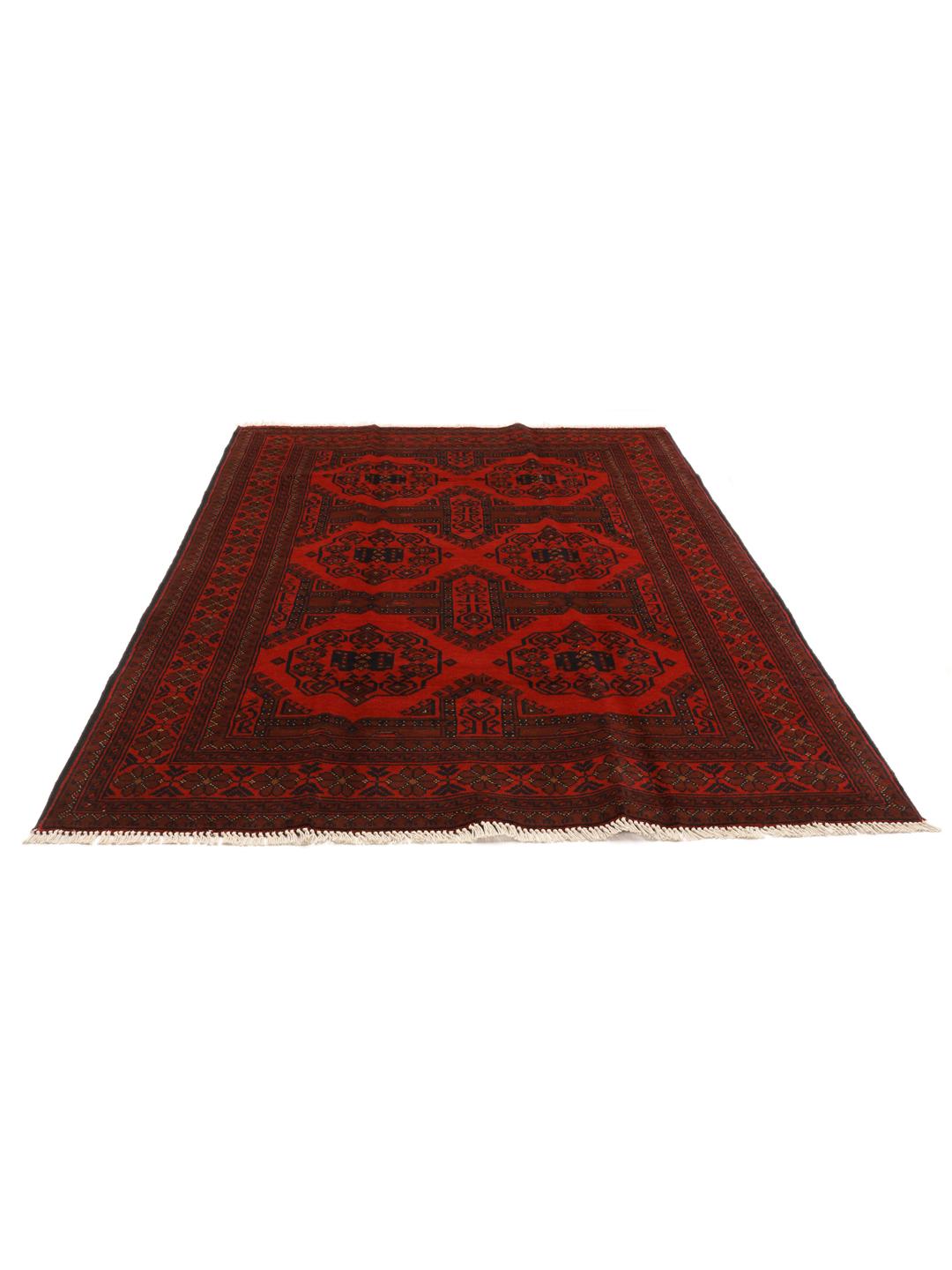
Afghan Khal Mohammadi rugs are celebrated for their deep, saturated red palettes, which are often described as the signature of this tradition. The name itself honours a legendary Afghan weaver who is credited with developing these specific, iconic patterns and colour schemes. These rugs originate from the northern regions of Afghanistan, where nomadic and semi-nomadic tribes have long maintained the tradition of weaving as a core part of their cultural identity.
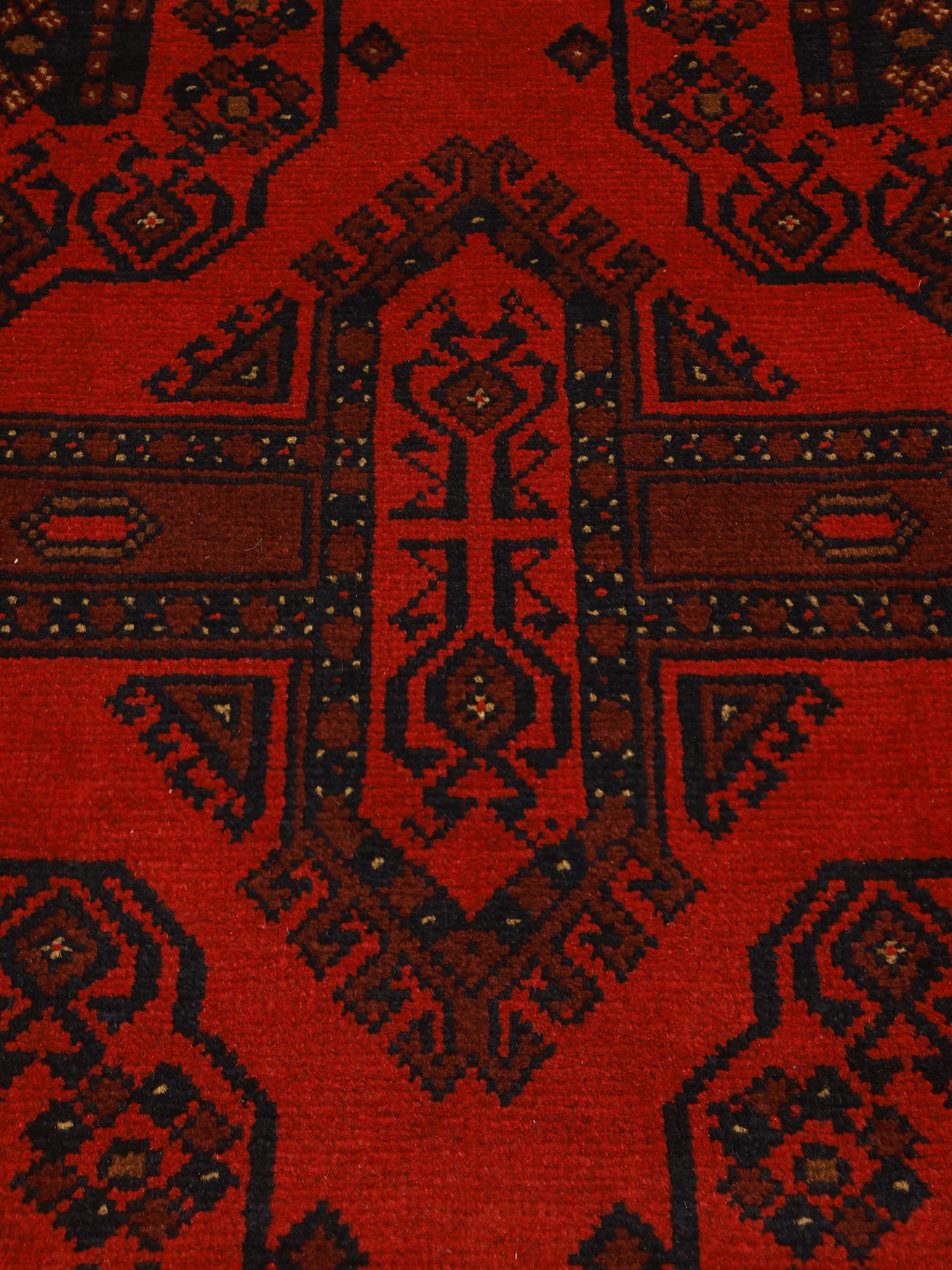
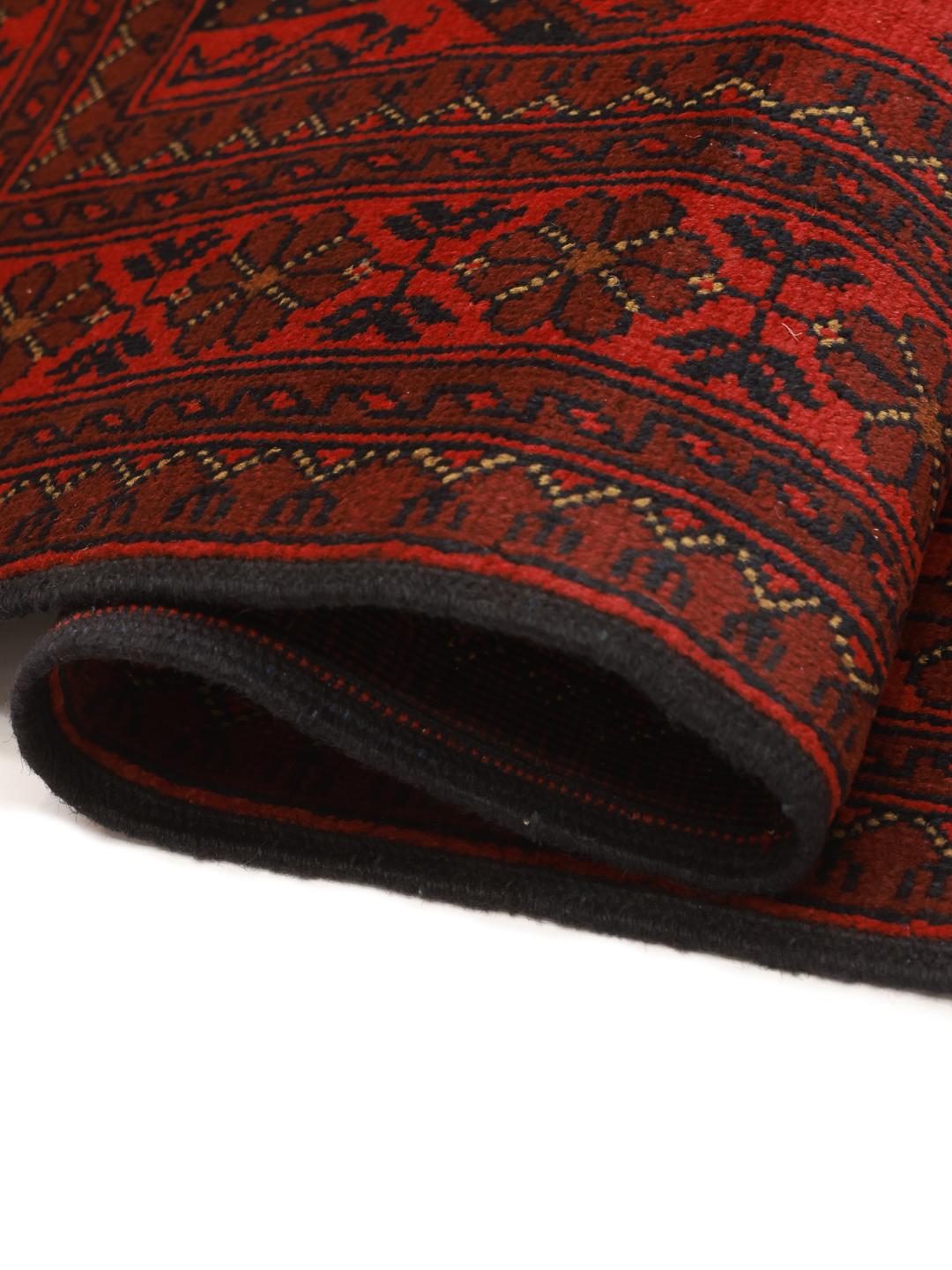
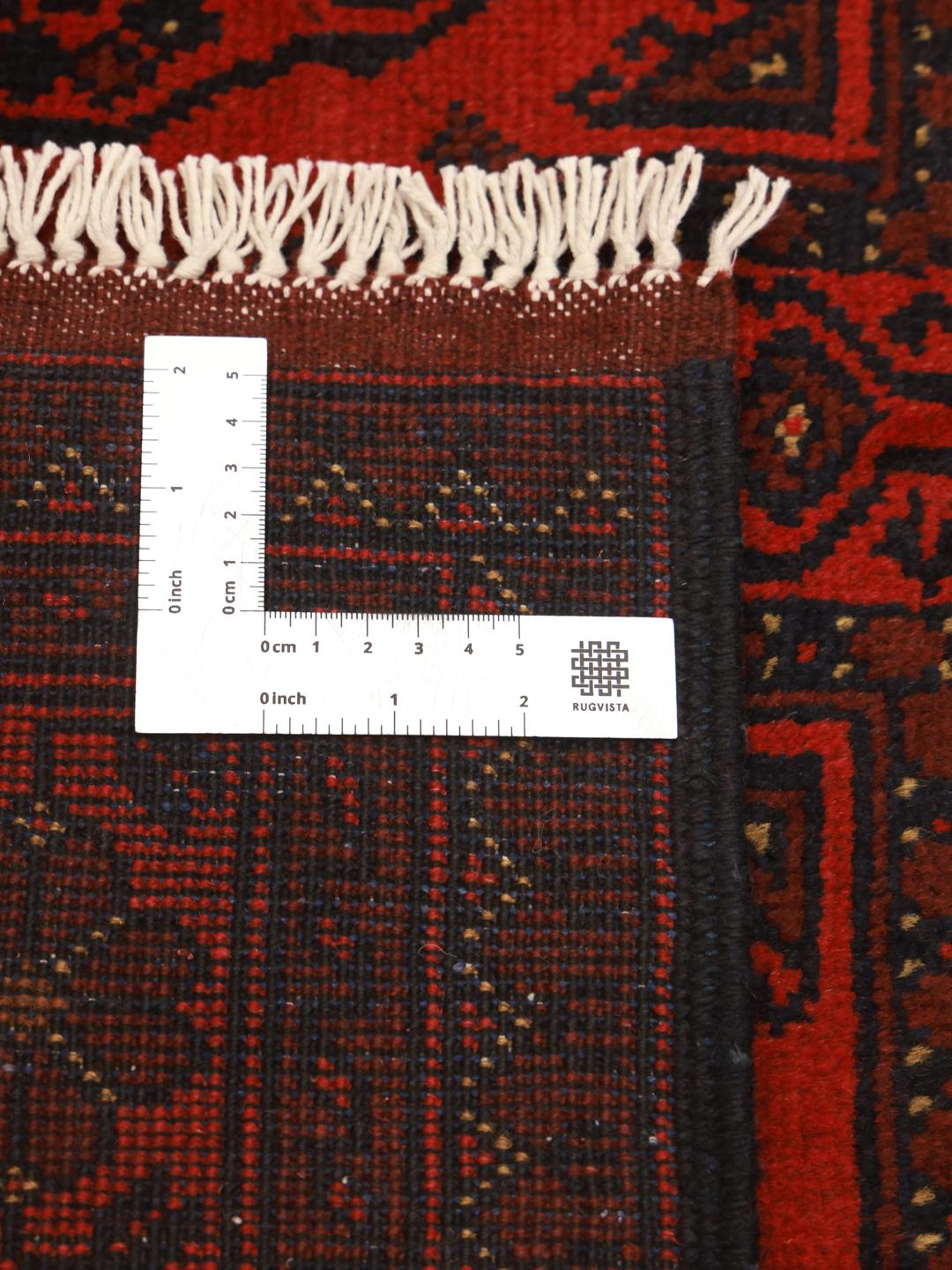
The technical quality of these rugs is defined by their dense, hand-knotted construction. Using high-quality Wool, artisans create a pile that is known for its resilience and natural lustre. The Wool is typically dyed using traditional methods that produce deep, varying shades of red, which can range from brick to dark maroon, often accented with darker, moody tones in the geometric details.
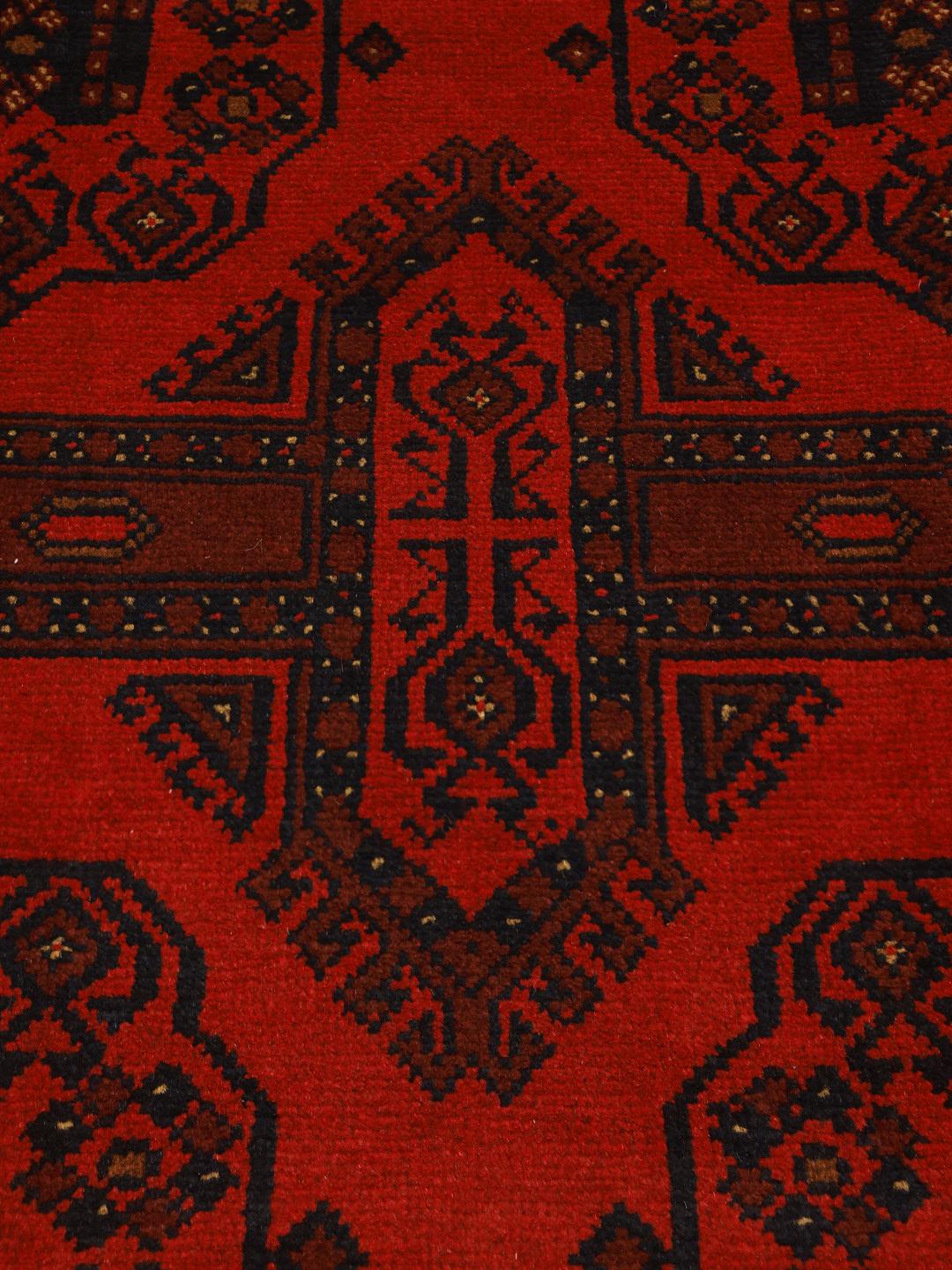
Visually, these rugs are characterised by their bold, repeating motifs, often taking the form of geometric guls or medallions. These shapes are arranged with a sense of symmetry that creates a balanced, harmonious look. The borders are typically filled with intricate, smaller-scale floral or geometric elements that frame the main field, providing a structured contrast to the more open, central patterns.
Collecting an Afghan Khal Mohammadi rug is an investment in a living heritage. These rugs are valued not only for their aesthetic beauty but also for the incredible skill required to produce them. Owning one is a way to bring a piece of Central Asian history into your home, serving as a testament to the enduring nature of traditional, hand-crafted art that resists the fleeting trends of modern manufacturing.