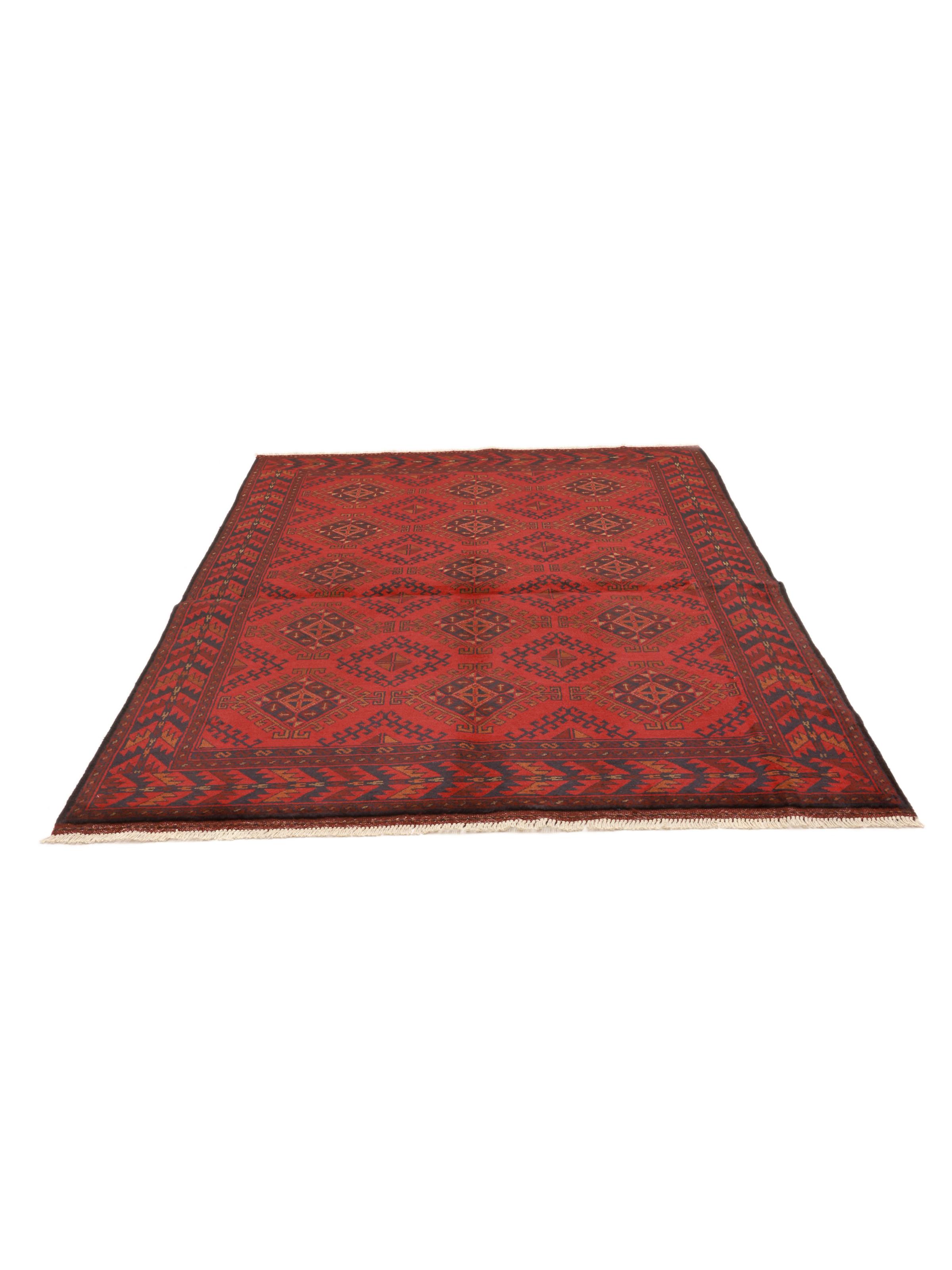
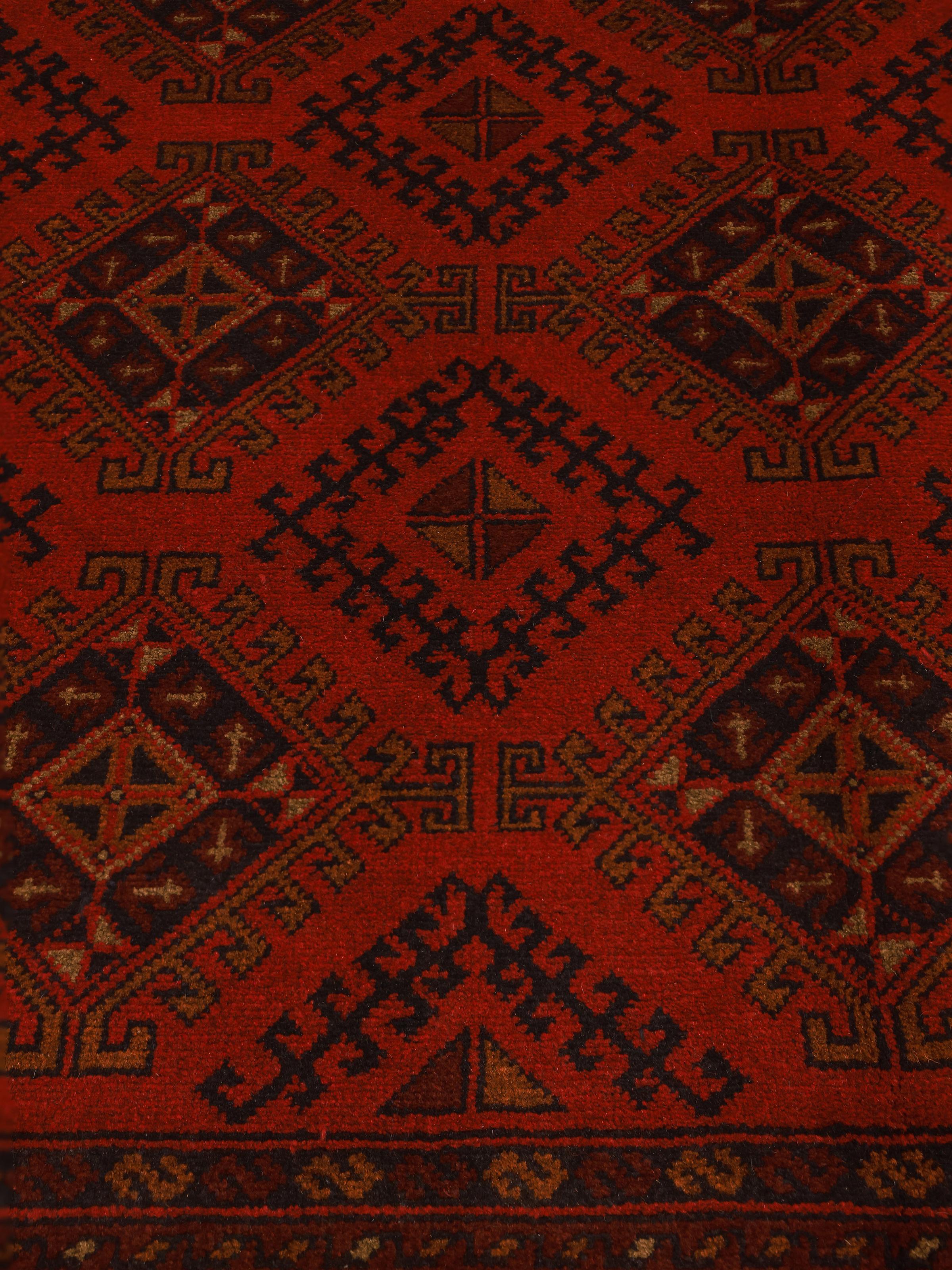
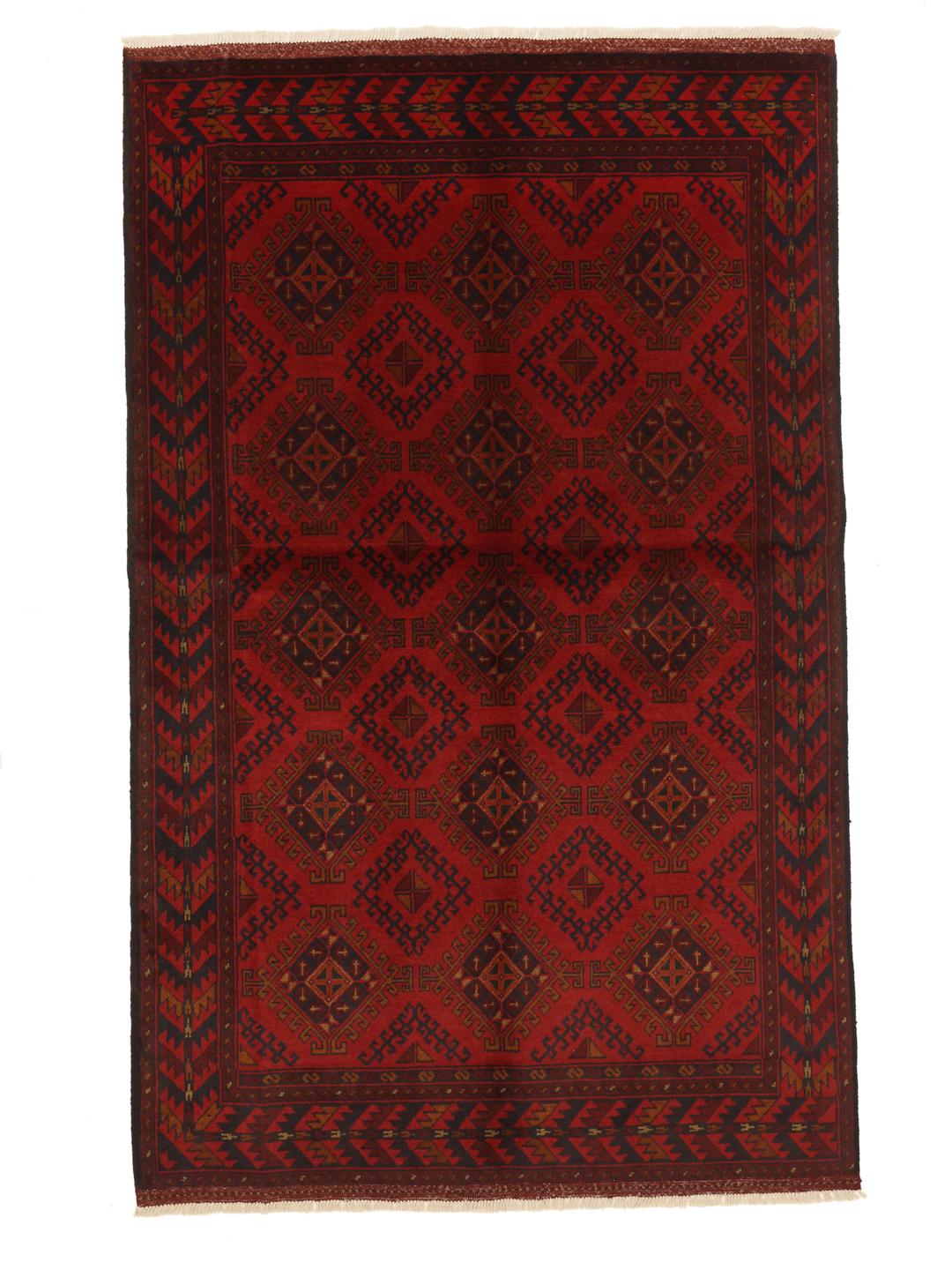
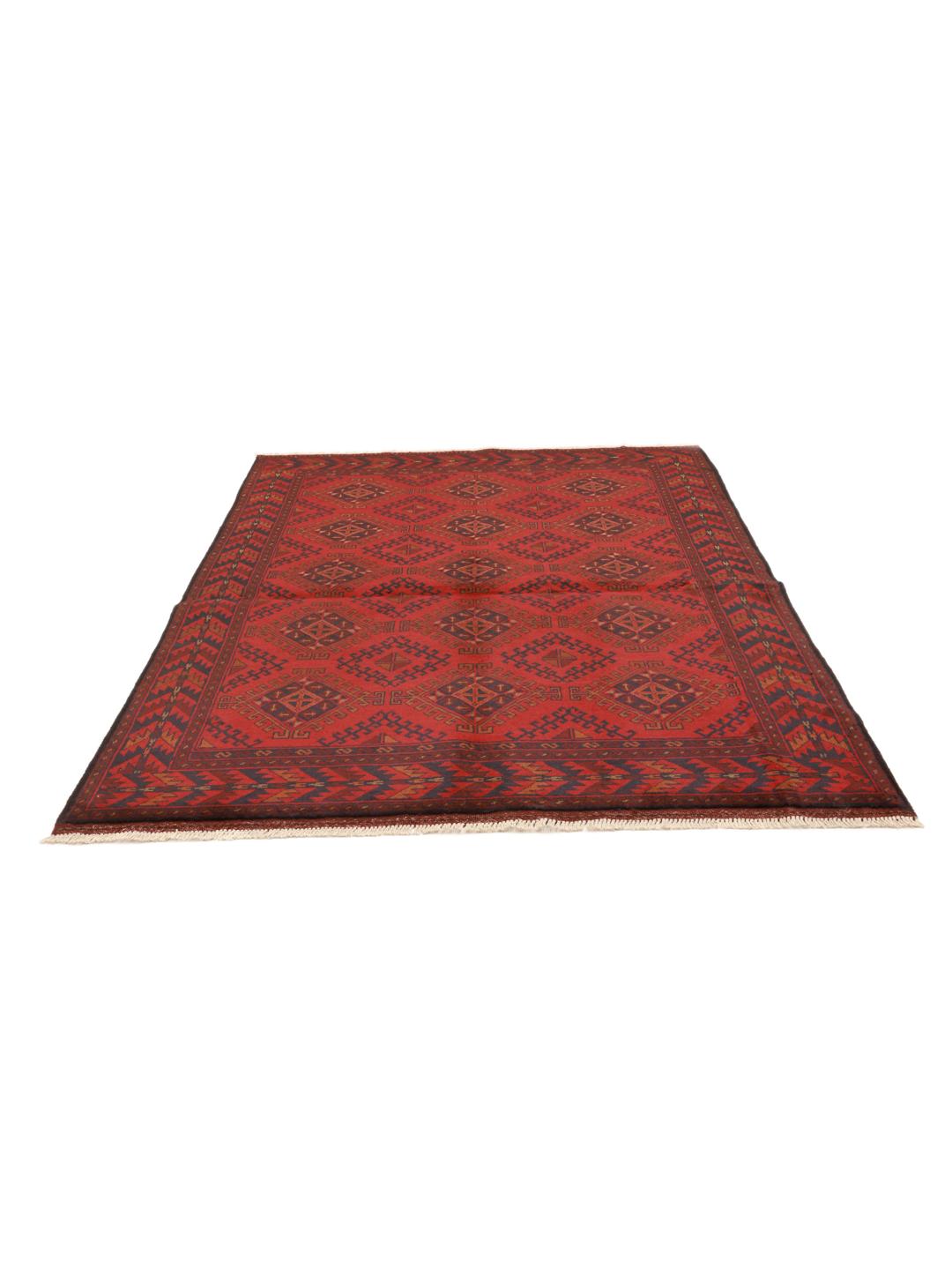
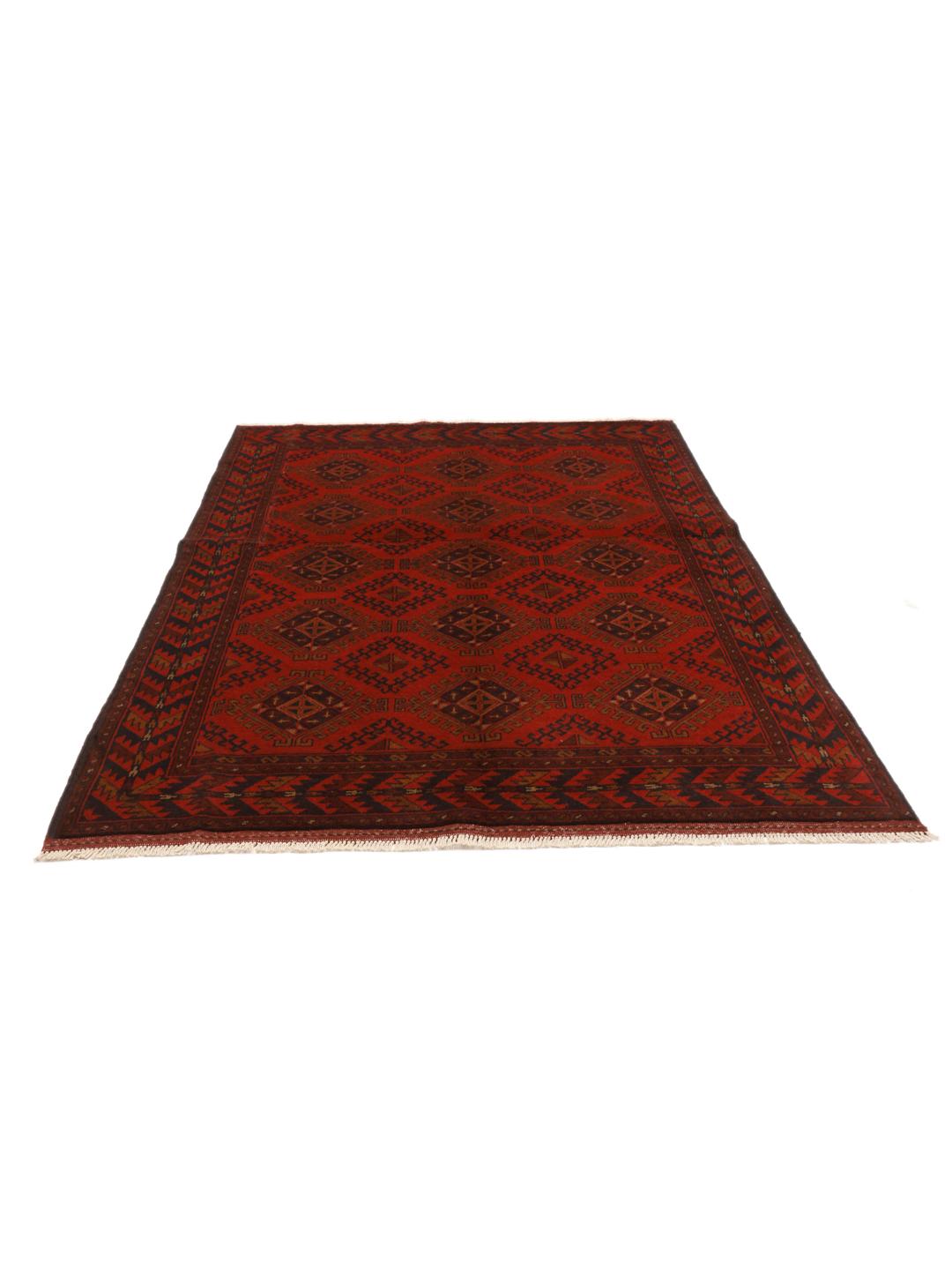
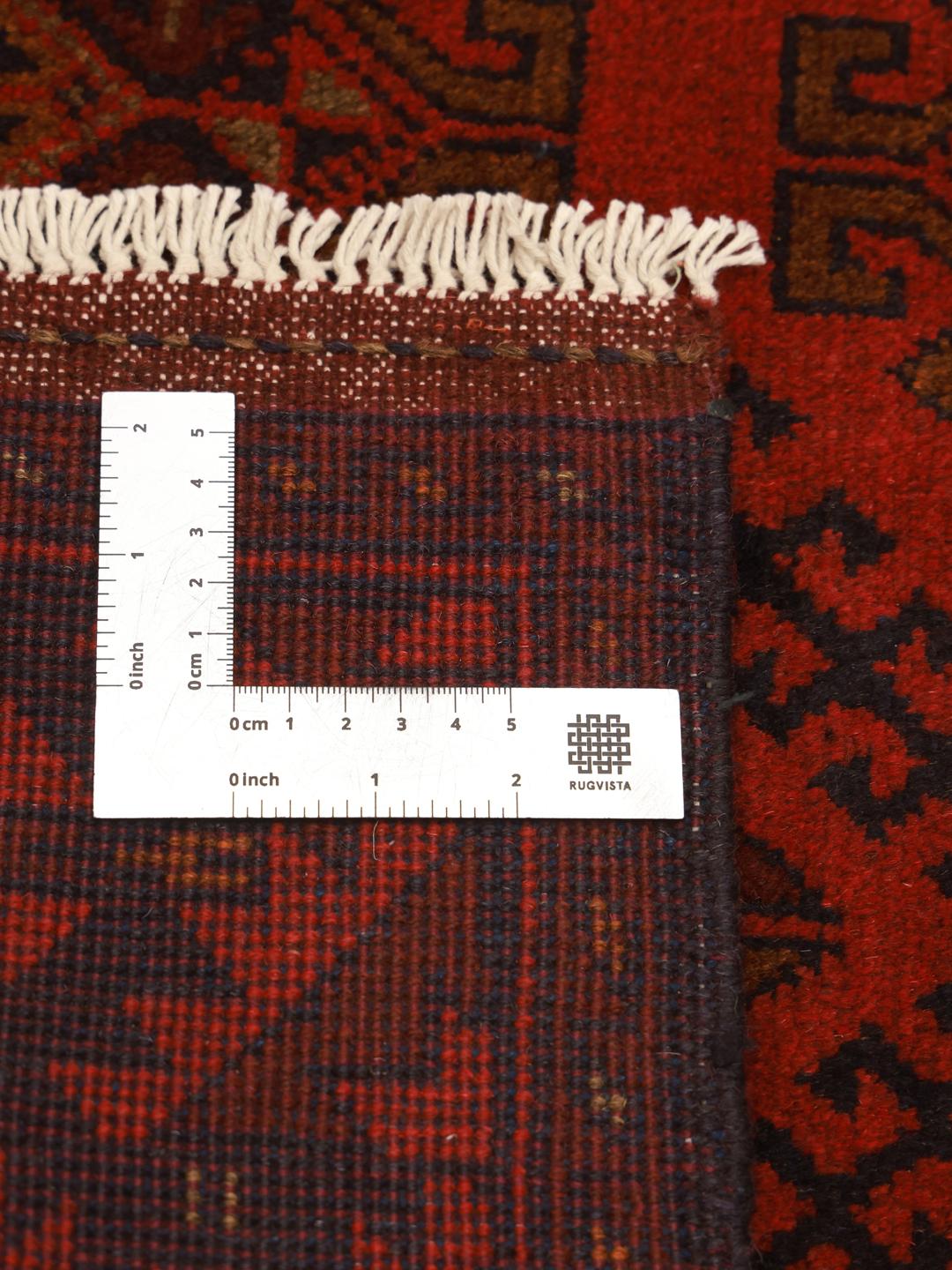
The Khal Mohammadi rug tradition is deeply rooted in the nomadic and semi-nomadic cultures of Afghanistan. Named after the legendary weaver who first developed this specific style, these rugs are celebrated for their bold, masculine aesthetic and their ability to bridge the gap between ancient weaving techniques and contemporary interior needs.
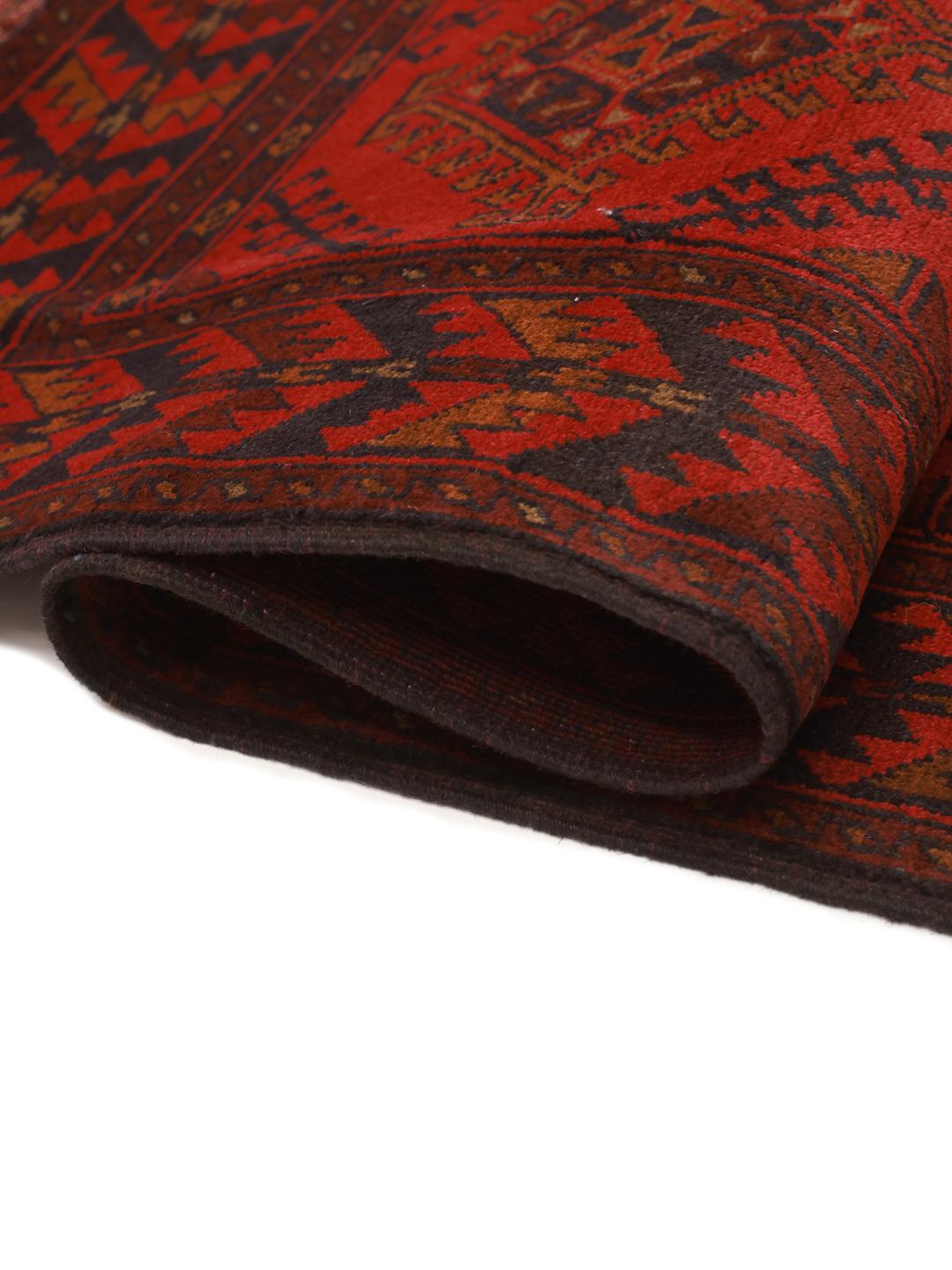
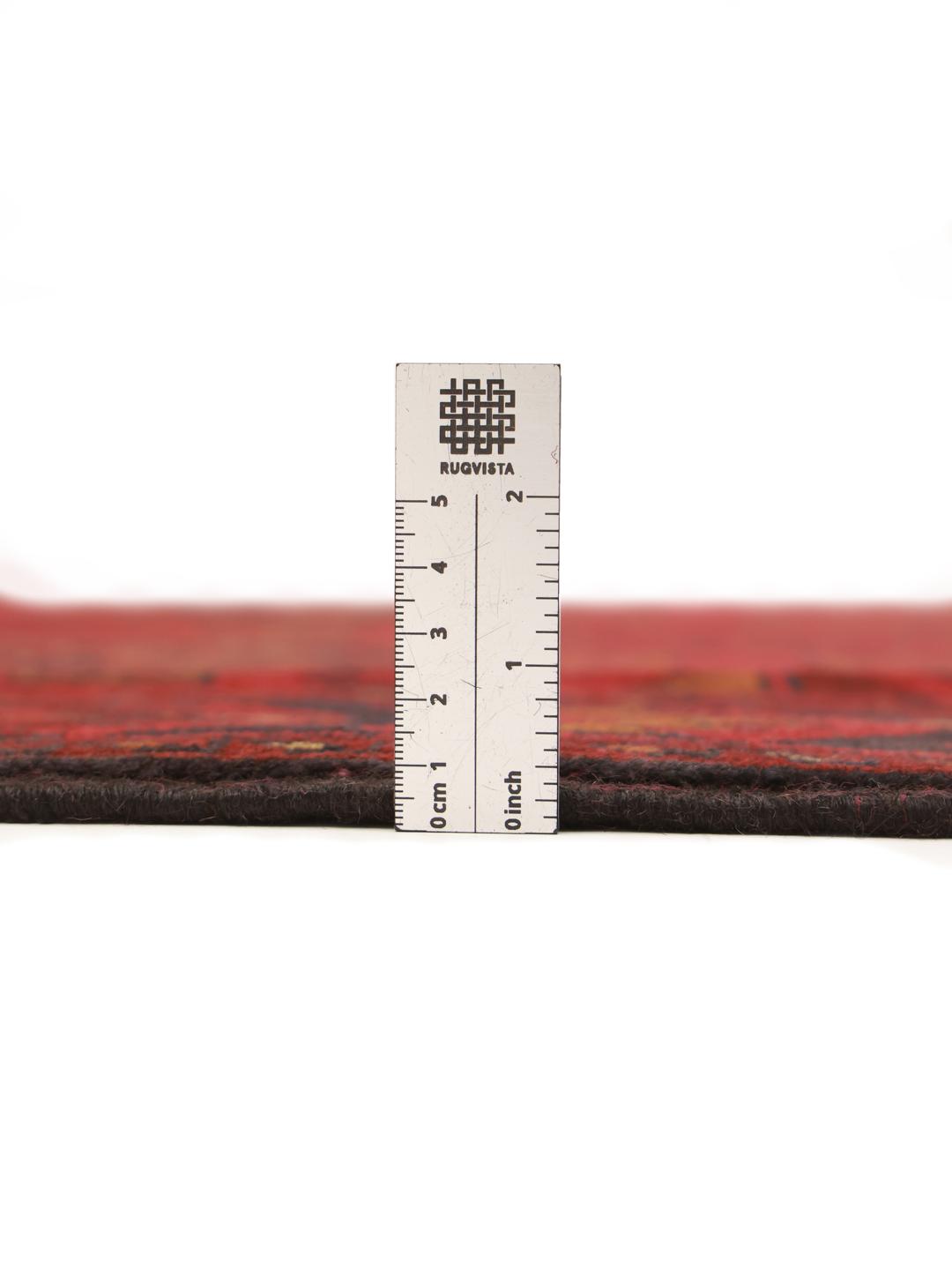
These rugs are typically constructed with a sturdy foundation, ensuring that the finished product is not only beautiful but exceptionally durable. The use of high-quality wool, often sourced from local sheep, is central to the tradition. This wool is processed with care, often using traditional vegetable dyes that create the iconic, deep, and shifting shades of red that these rugs are famous for.
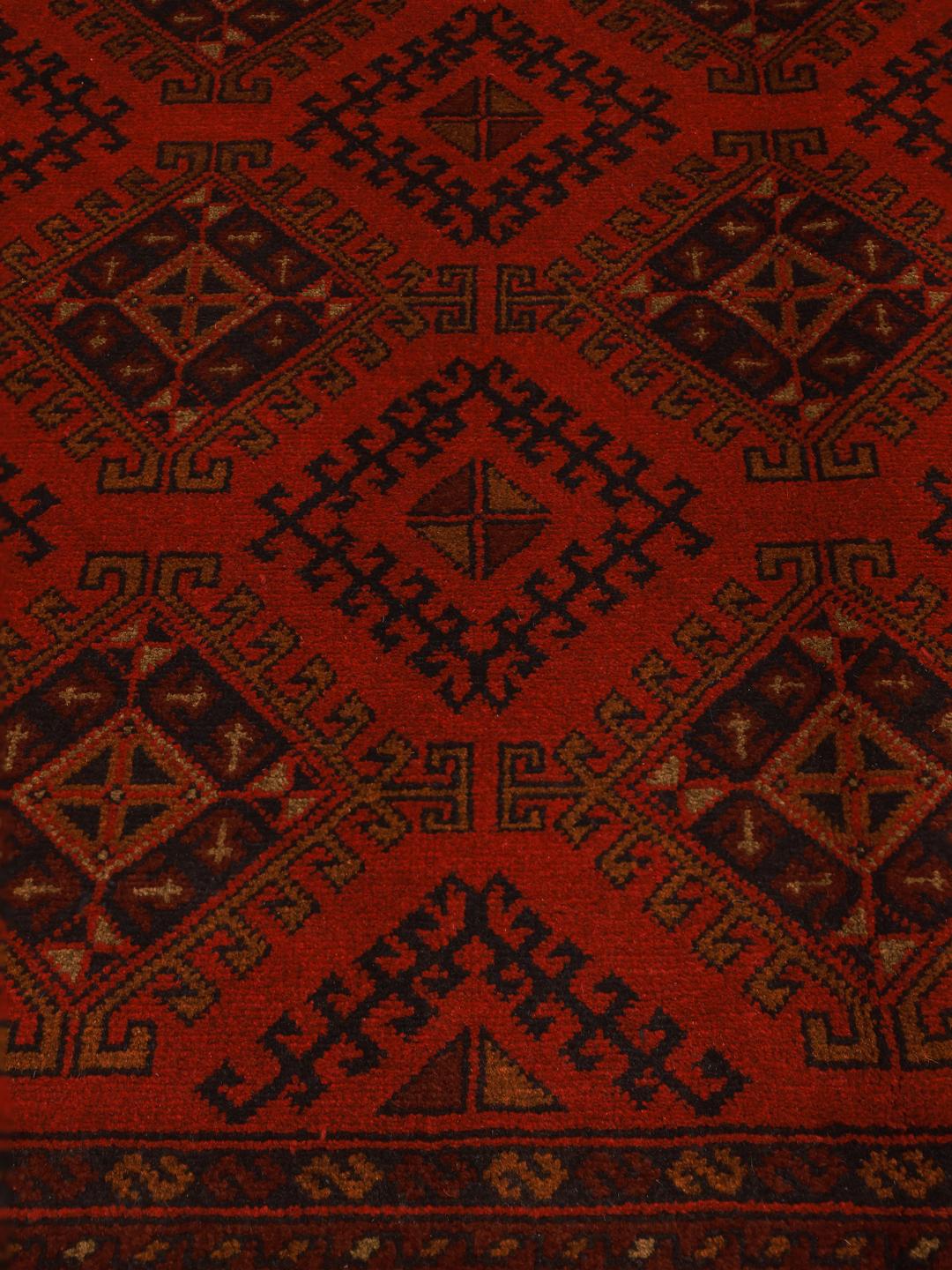
Visually, the Khal Mohammadi is instantly recognisable by its dark, rich field often filled with repeating geometric motifs or stylized elephant-foot designs. These patterns are usually framed by bold, contrasting borders that pull the composition together. The dark-red and black colour palette is designed to withstand the test of time, both physically and stylistically.
Owning an Afghan Khal Mohammadi is about more than just floor covering; it is about connecting with a resilient artistic heritage. Collectors value these rugs for their authenticity and the sheer skill required to produce them. Each rug serves as a document of a specific time and place, carrying with it the history of the weavers who dedicated themselves to the loom.