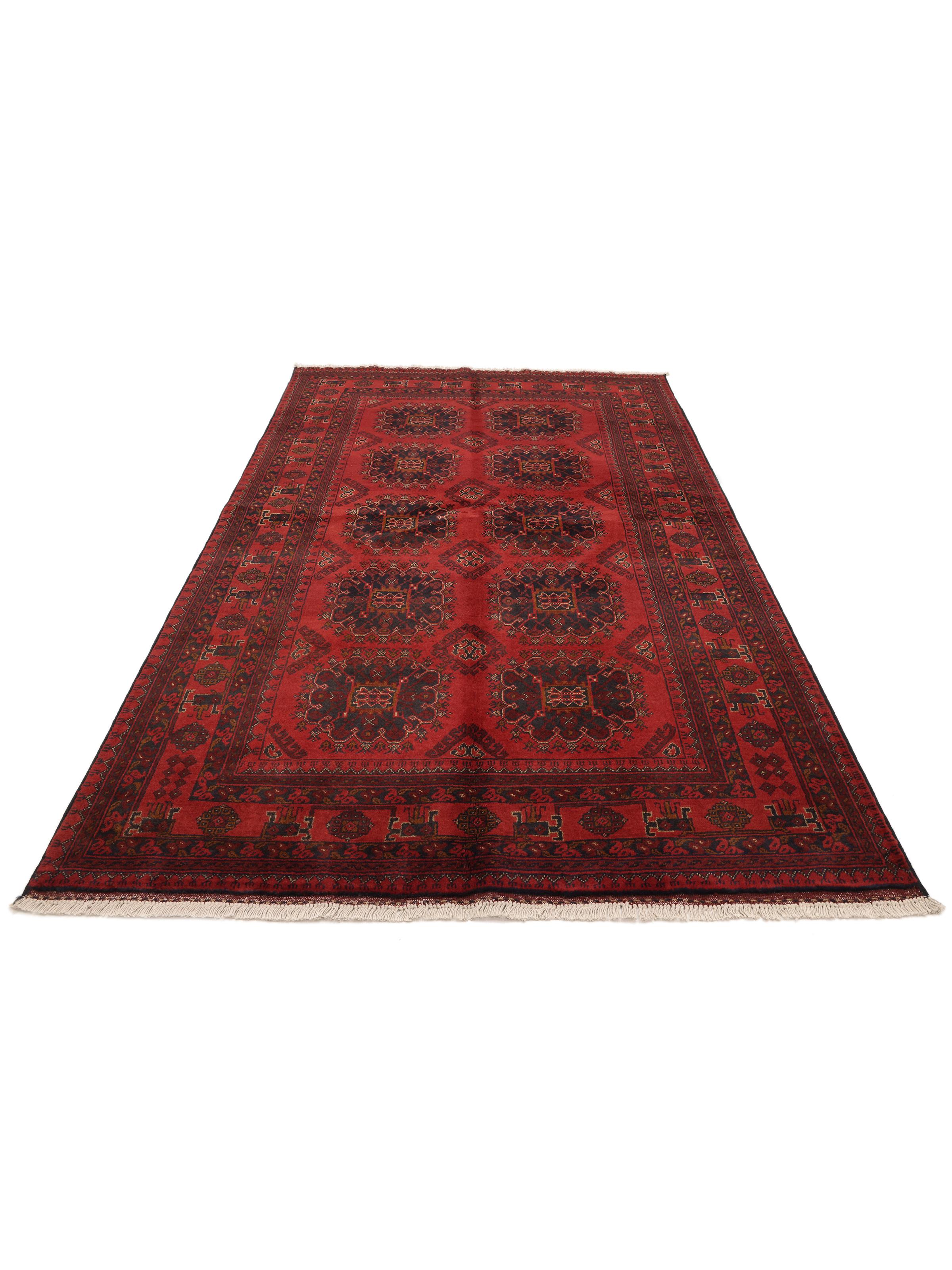
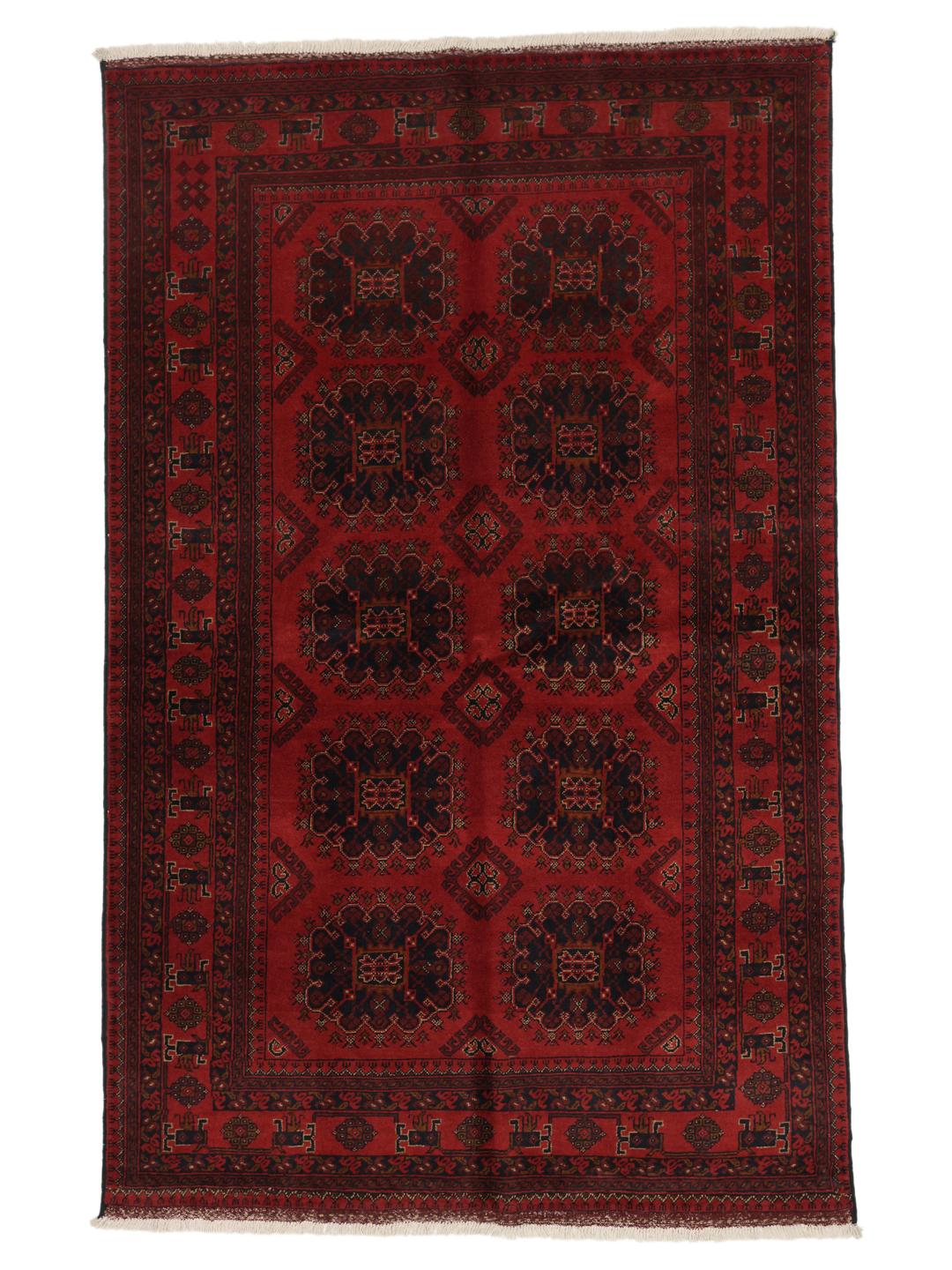
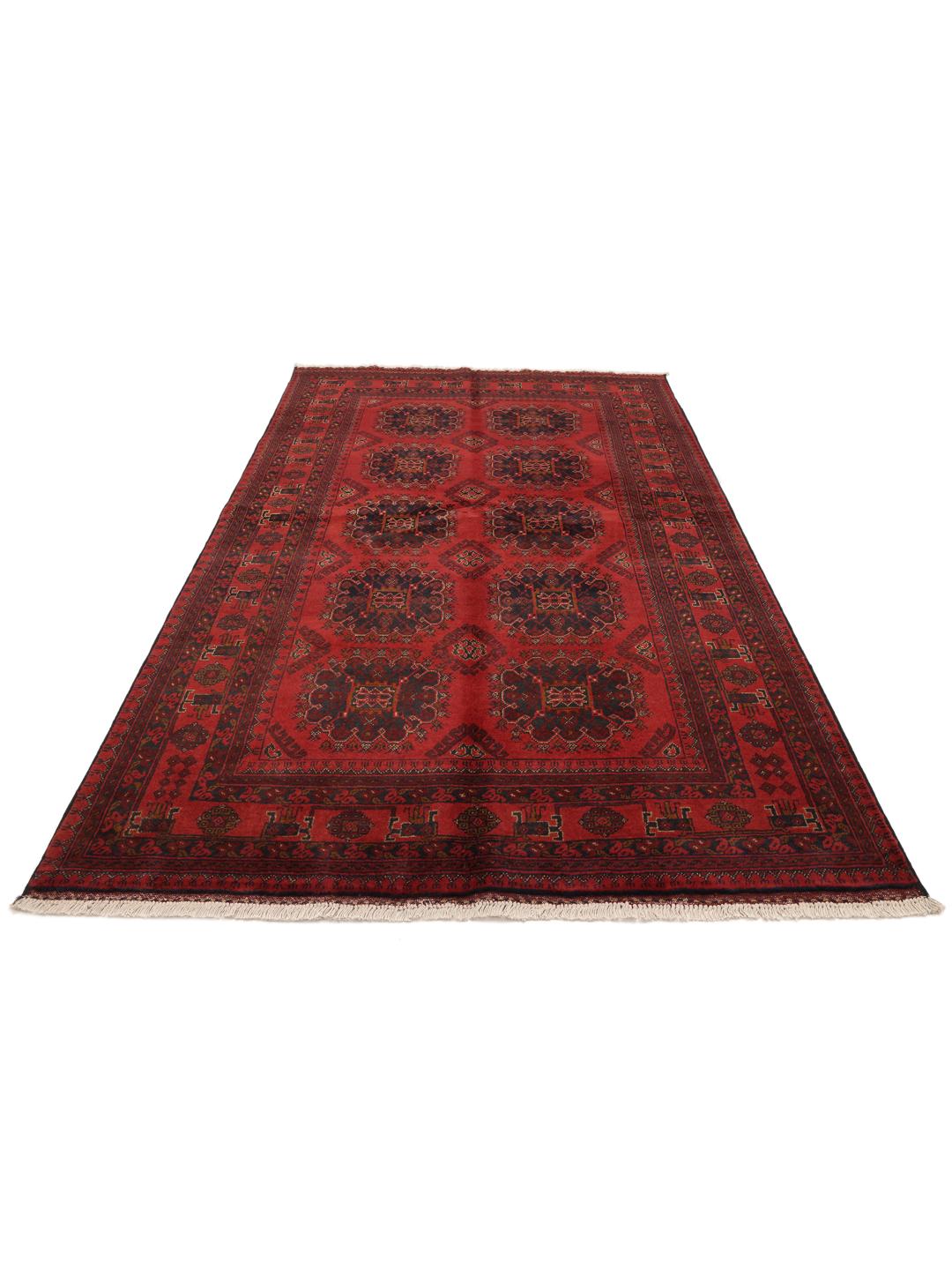
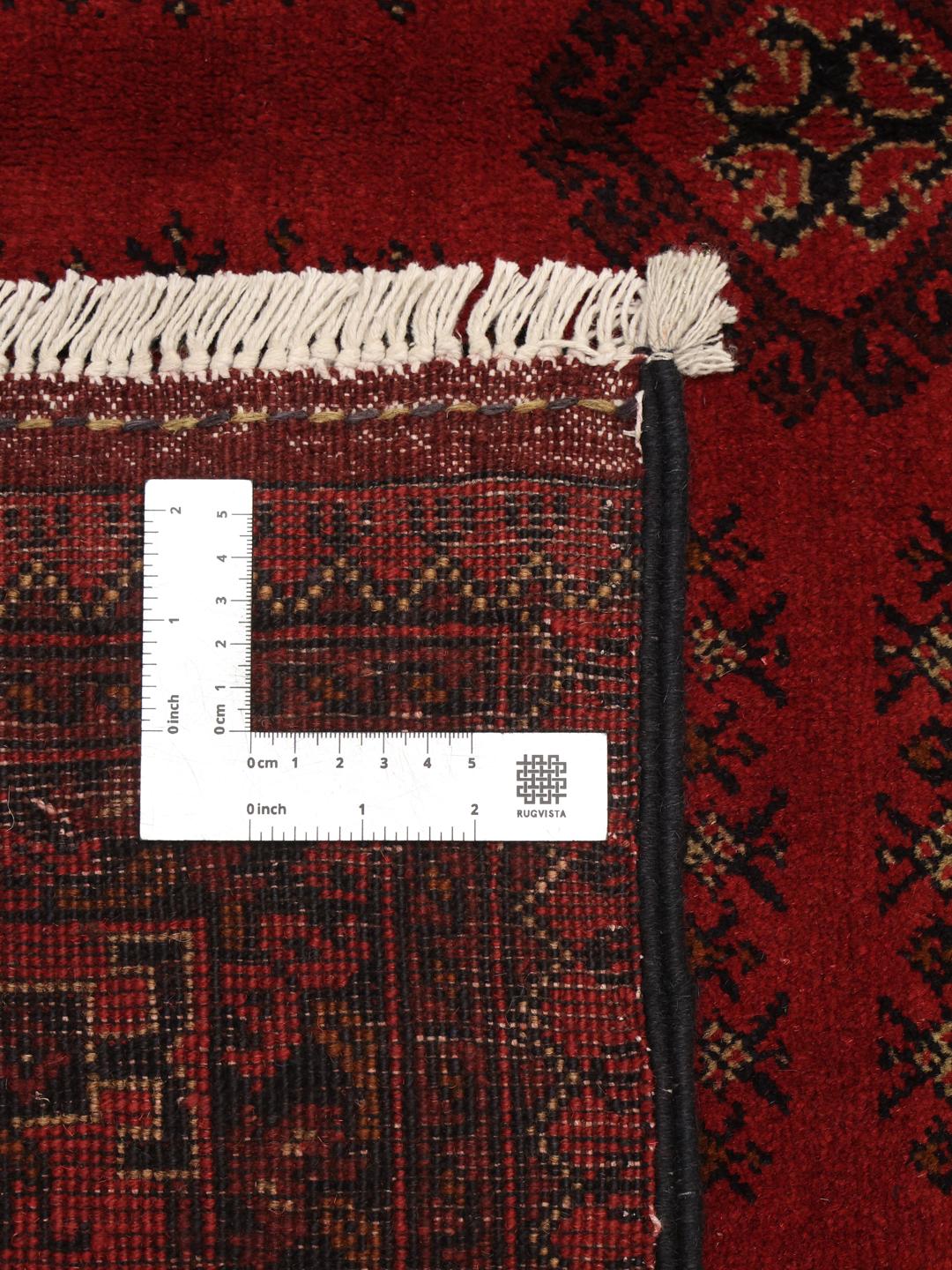
The Khal Mohammadi rug is named after the legendary Turkmen weaver who developed its signature style in northern Afghanistan. These rugs have become synonymous with the finest traditions of the region, evolving into a distinct category that is highly sought after by collectors for its consistency and deep, evocative colour palette. The history of these rugs is deeply tied to the nomadic and semi-nomadic tribes who have perfected the art of Wool preparation and natural dyeing over centuries.
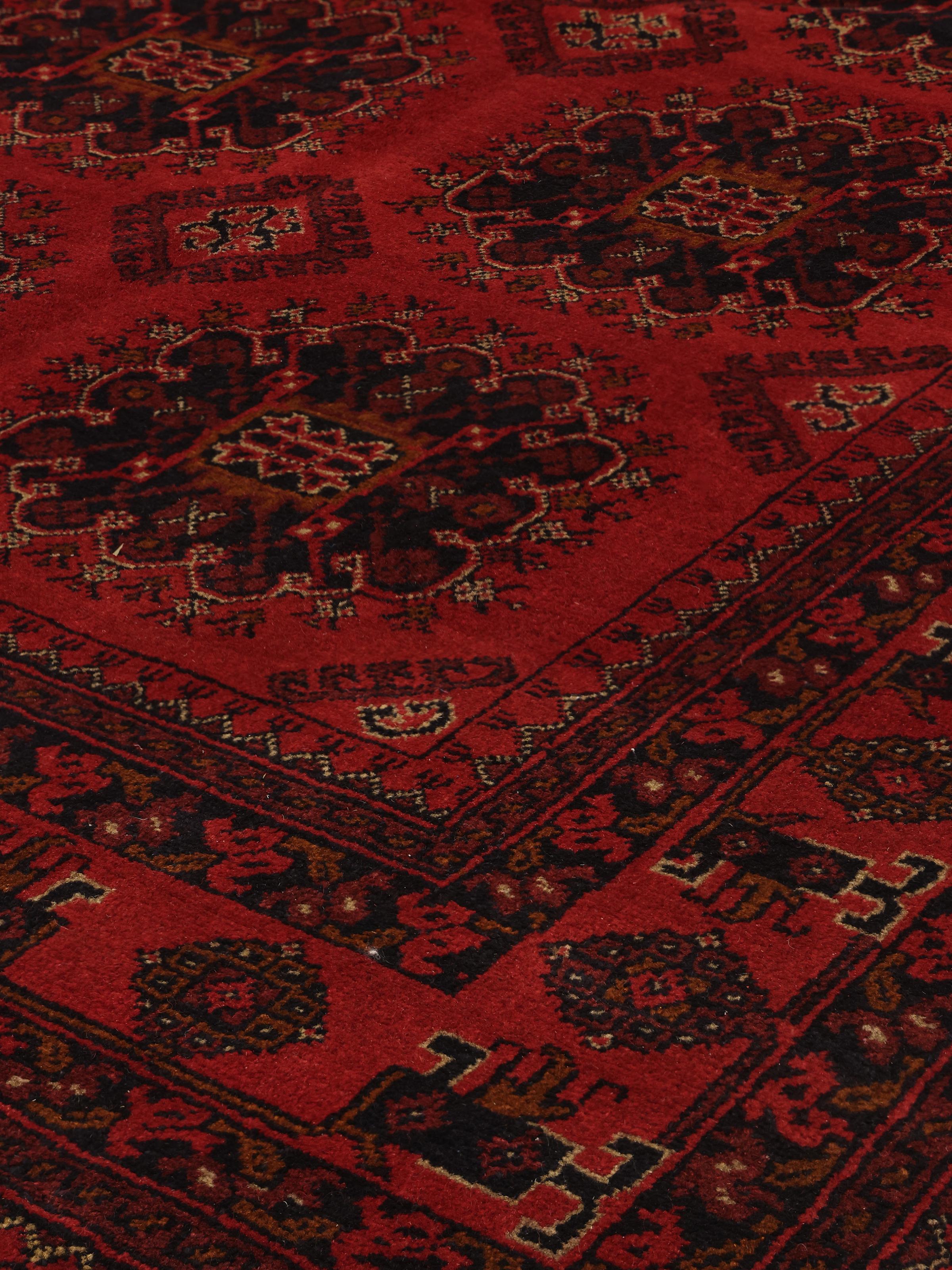
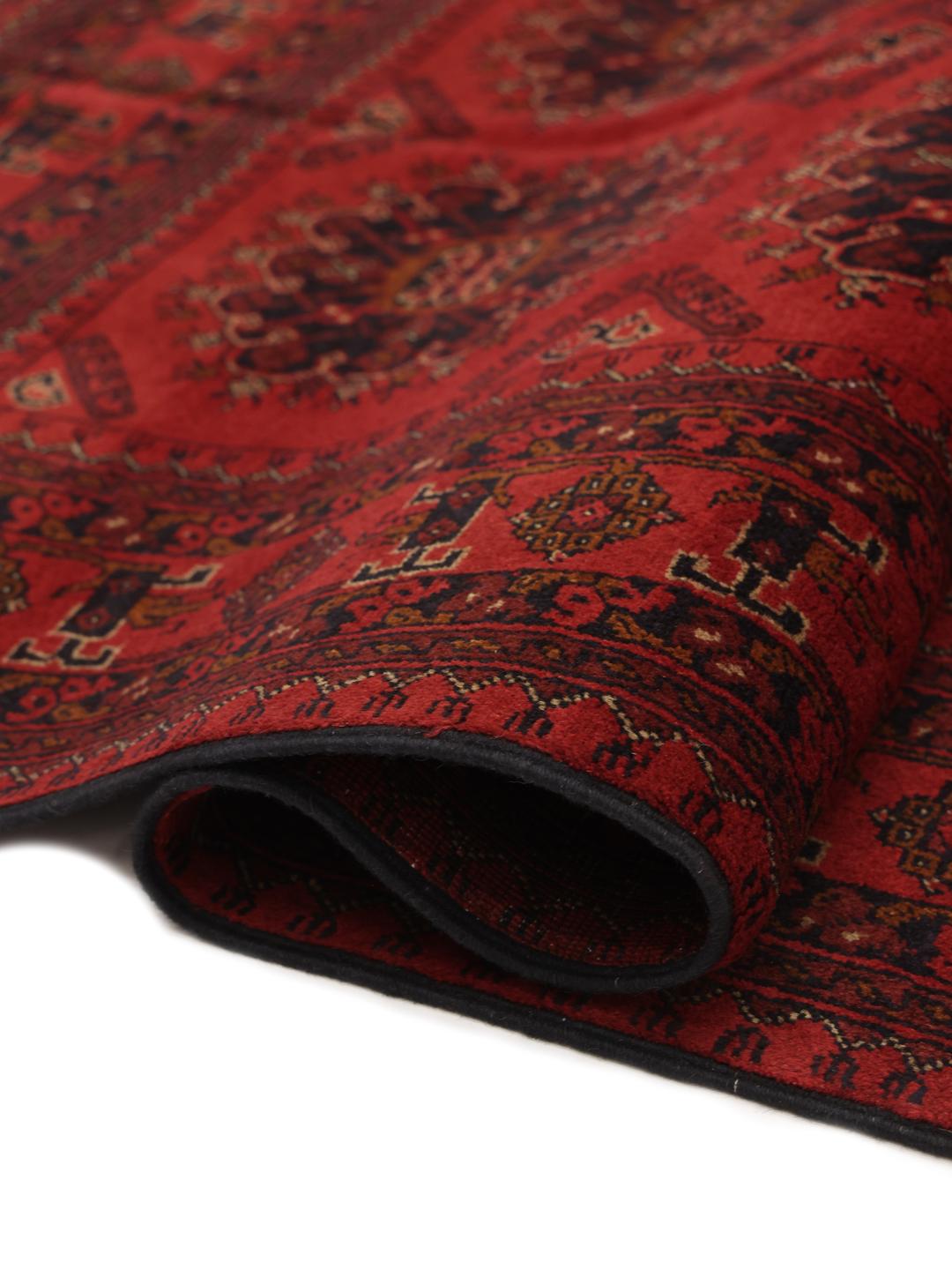
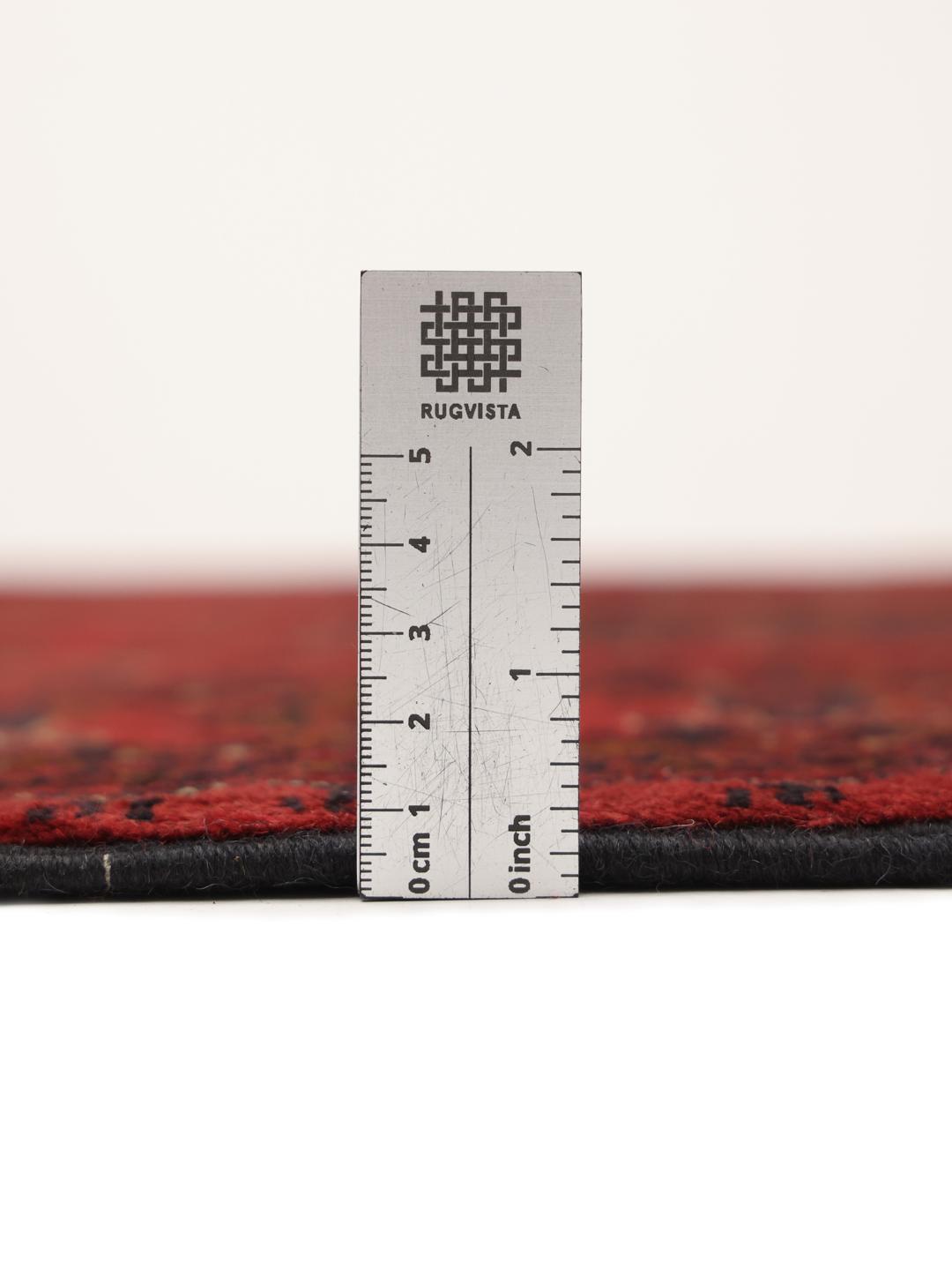
Technical excellence is at the core of the Khal Mohammadi tradition, which is renowned for its dense, sturdy construction. The term refers to a specific approach where the Wool is carefully prepared to ensure a lustrous, high-quality finish. This density is essential for the longevity of the rug, as it protects the foundation and ensures that the intricate patterns remain crisp and vibrant even after years of use in a busy home.
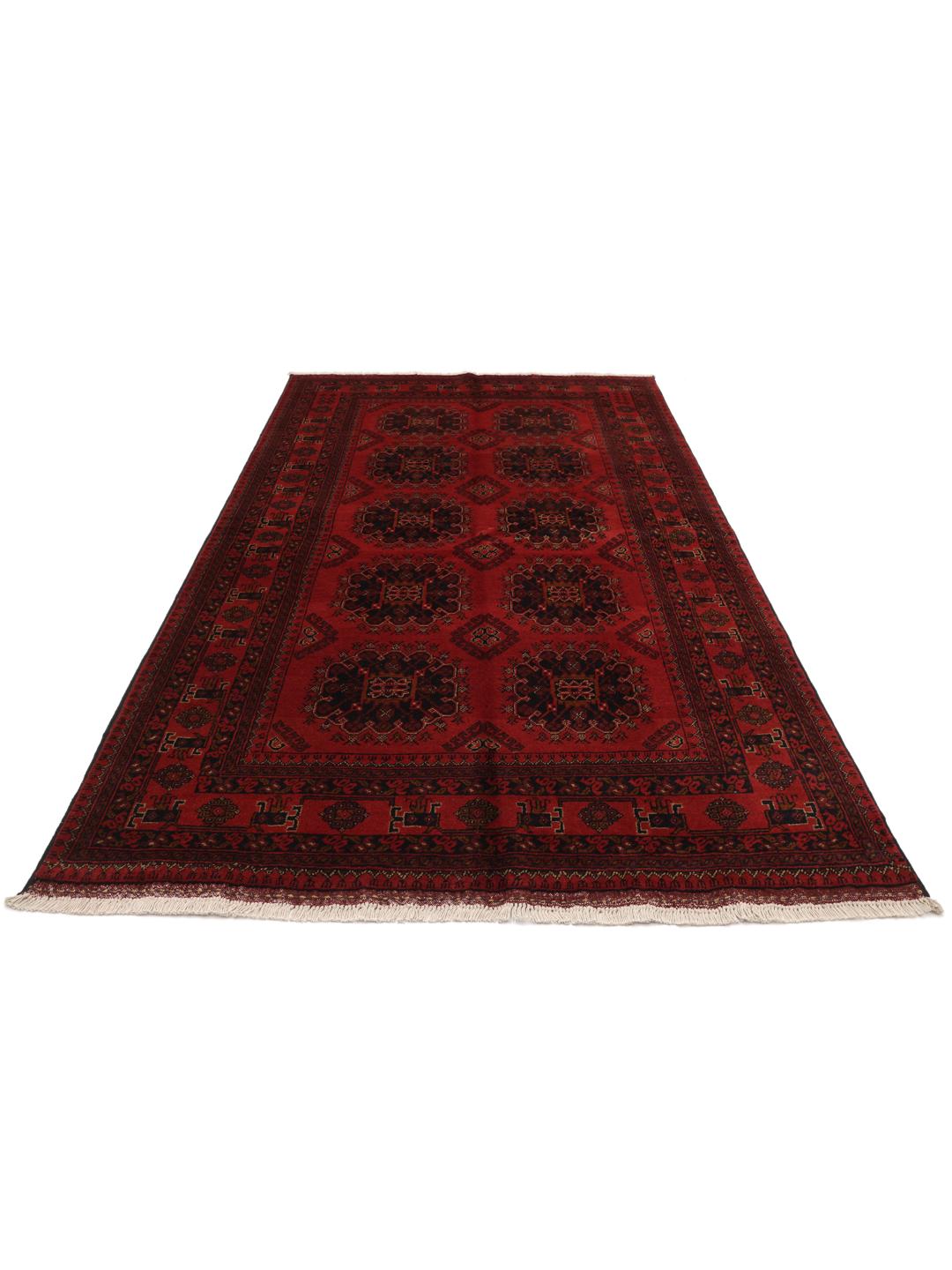
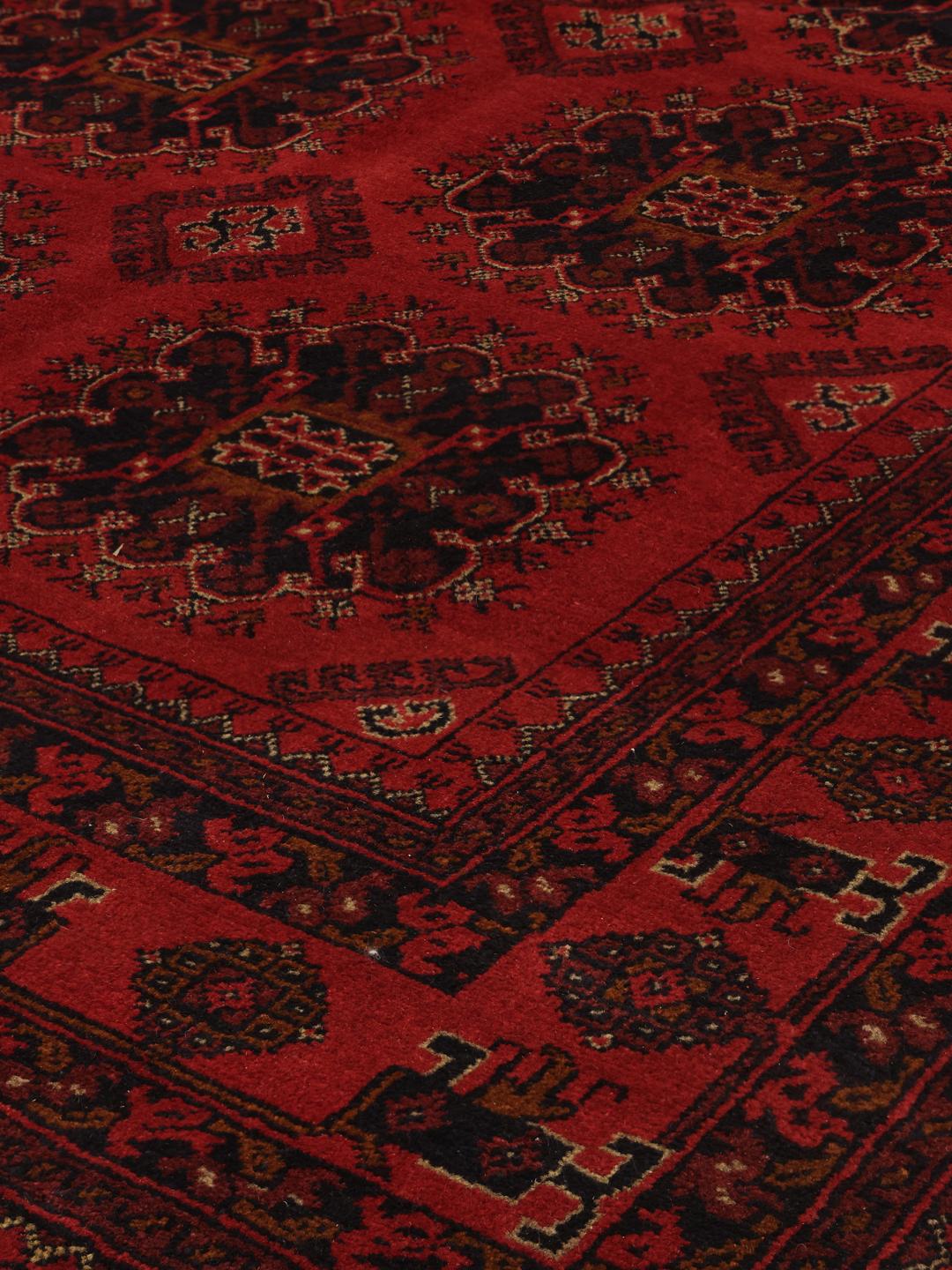
Visually, these rugs are instantly recognisable by their dark, moody red fields, often described as oxblood or deep crimson. This is typically contrasted with geometric 'gul' motifs—octagonal medallions that represent traditional tribal symbols—and complex borders that frame the field. While the colour scheme is quite consistent, each weaver brings their own subtle interpretation to the layout, making every rug a unique reflection of the artisan's personal vision within the established tribal canon.
Collecting an Afghan Khal Mohammadi is an opportunity to own a piece of living history. These rugs are valued not just for their aesthetic appeal, but for the human skill and cultural heritage they represent. They are considered some of the most durable and reliable rugs produced in the Middle East, making them a wise choice for those who value authentic craft and want a piece that will age gracefully, gaining character and depth as the years go by.