The Khal Mohammadi rug takes its name from the legendary Afghan weaver who first developed this specific style. Originating from the northern regions of Afghanistan, these rugs are deeply rooted in the traditions of the Turkmen tribes. Over generations, these weaving techniques have evolved into a distinct regional identity, characterised by the use of deep, earthy reds and a commitment to preserving traditional aesthetics in a modern world.
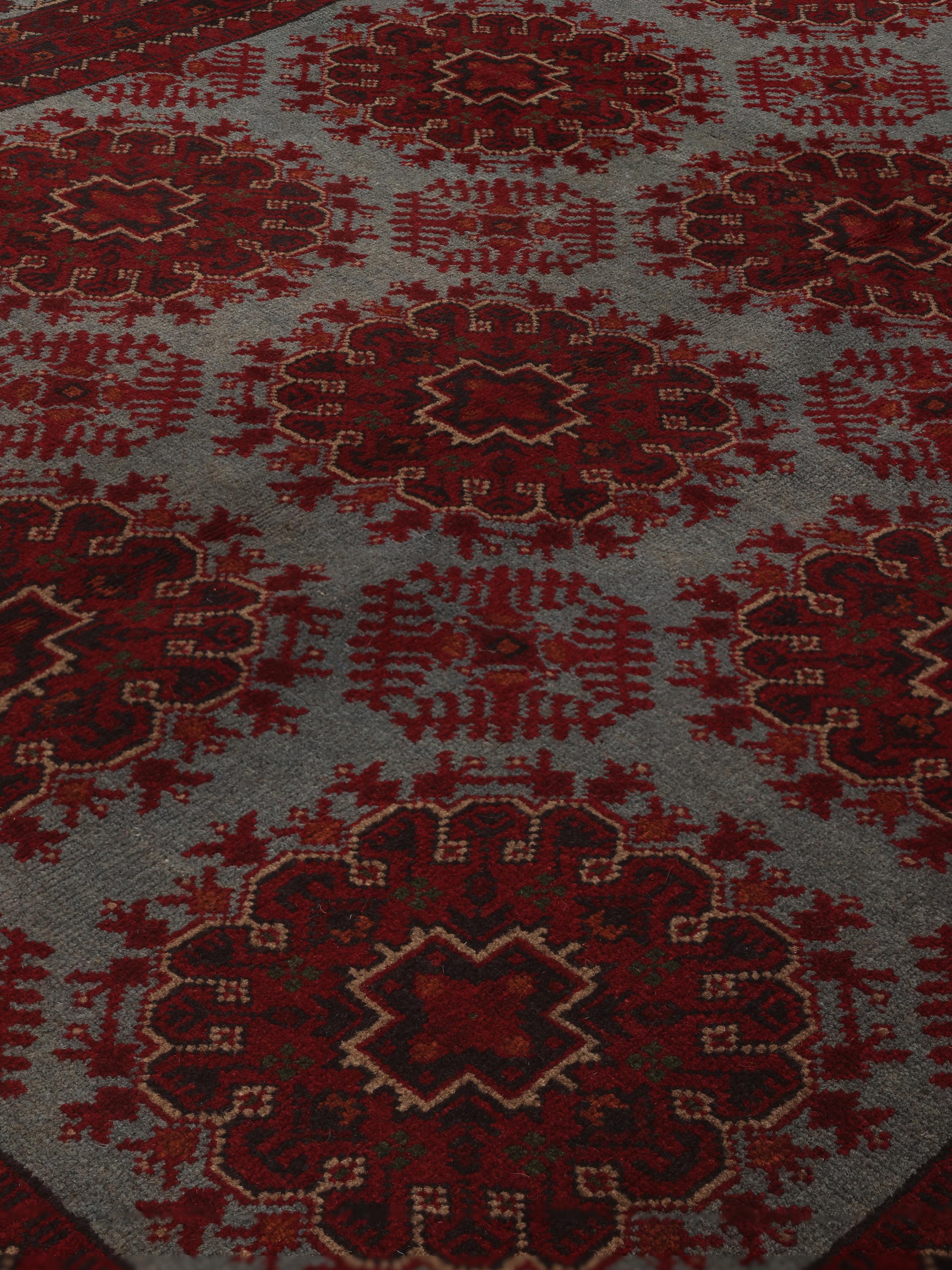
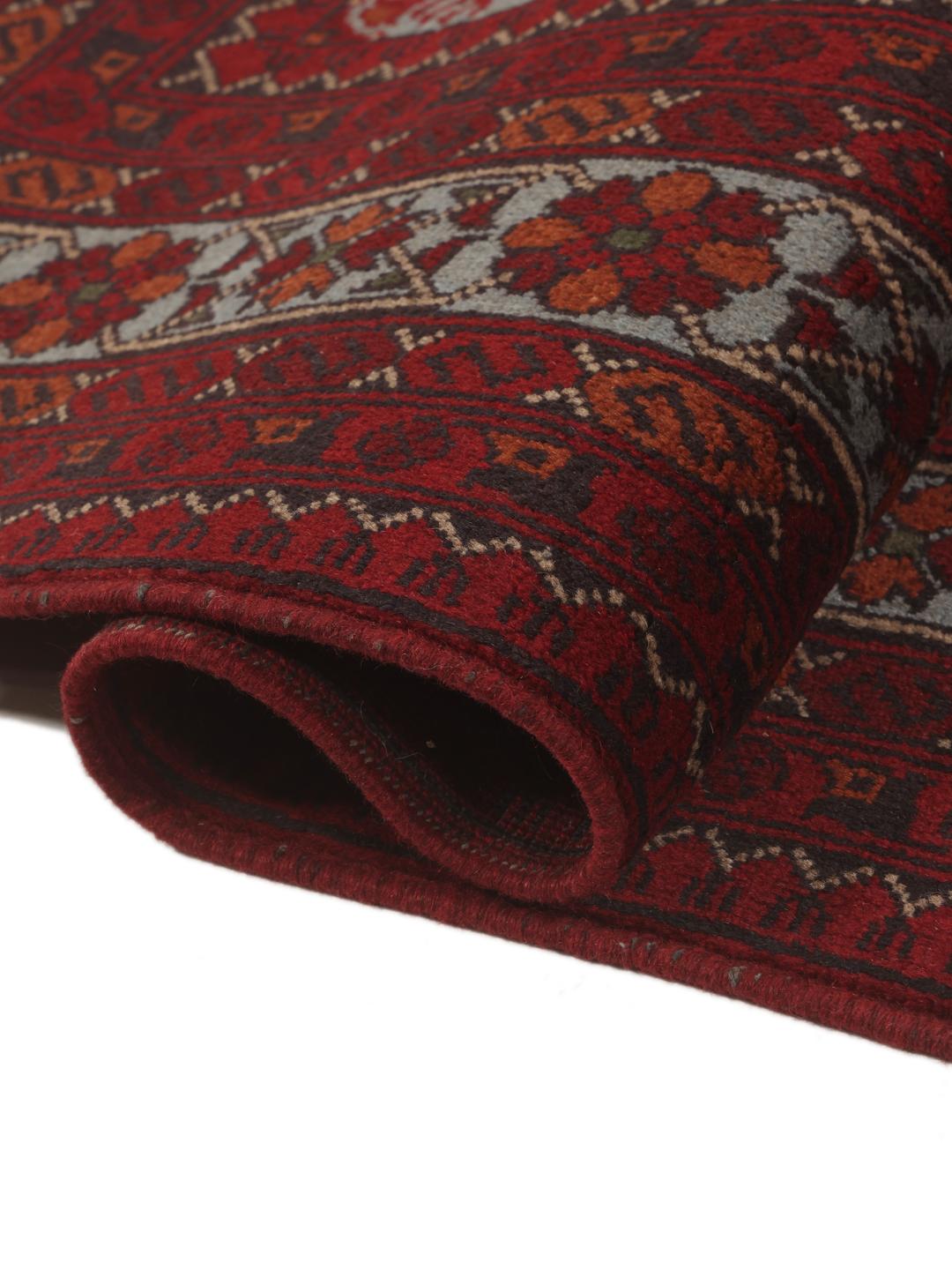
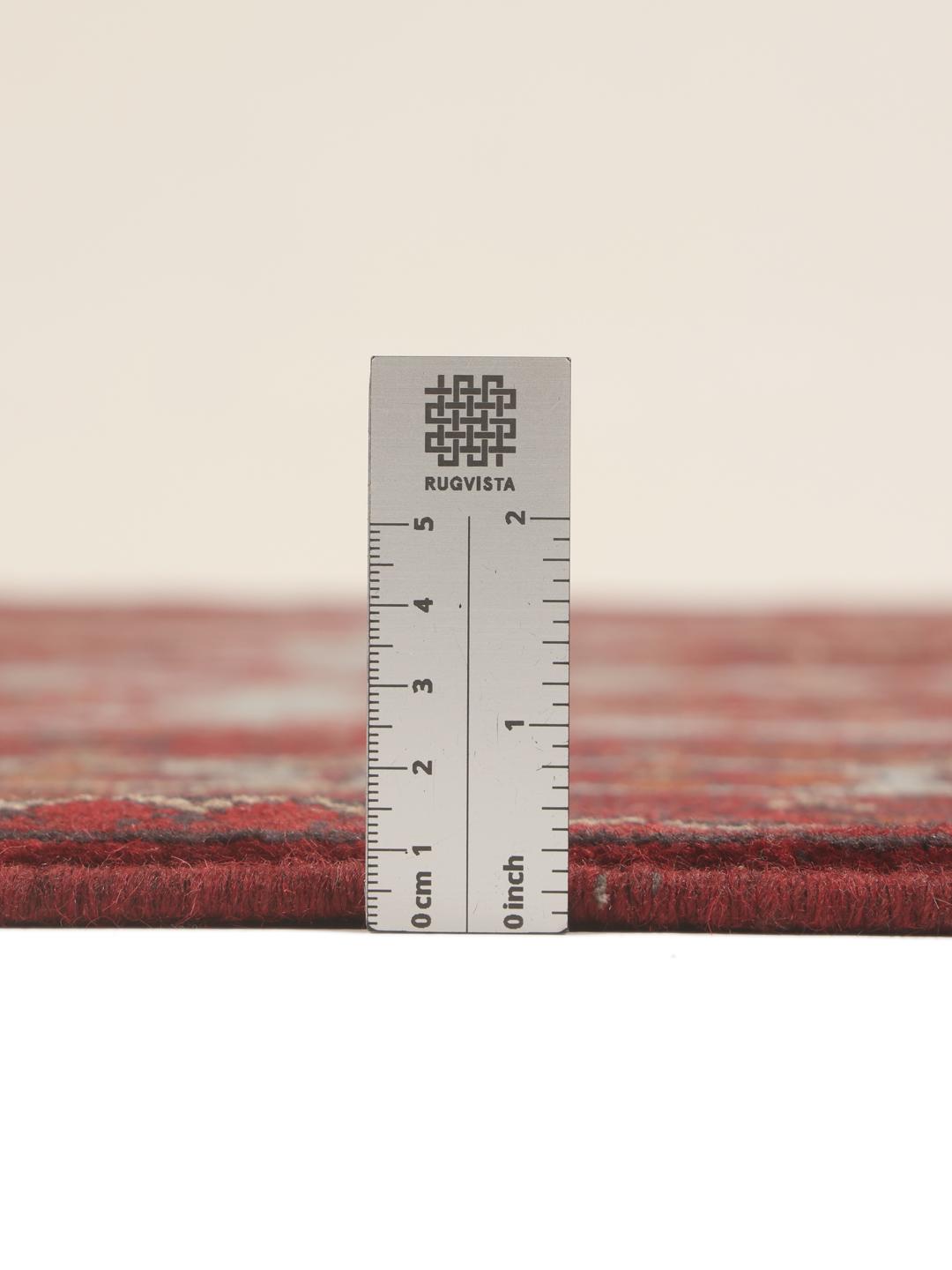
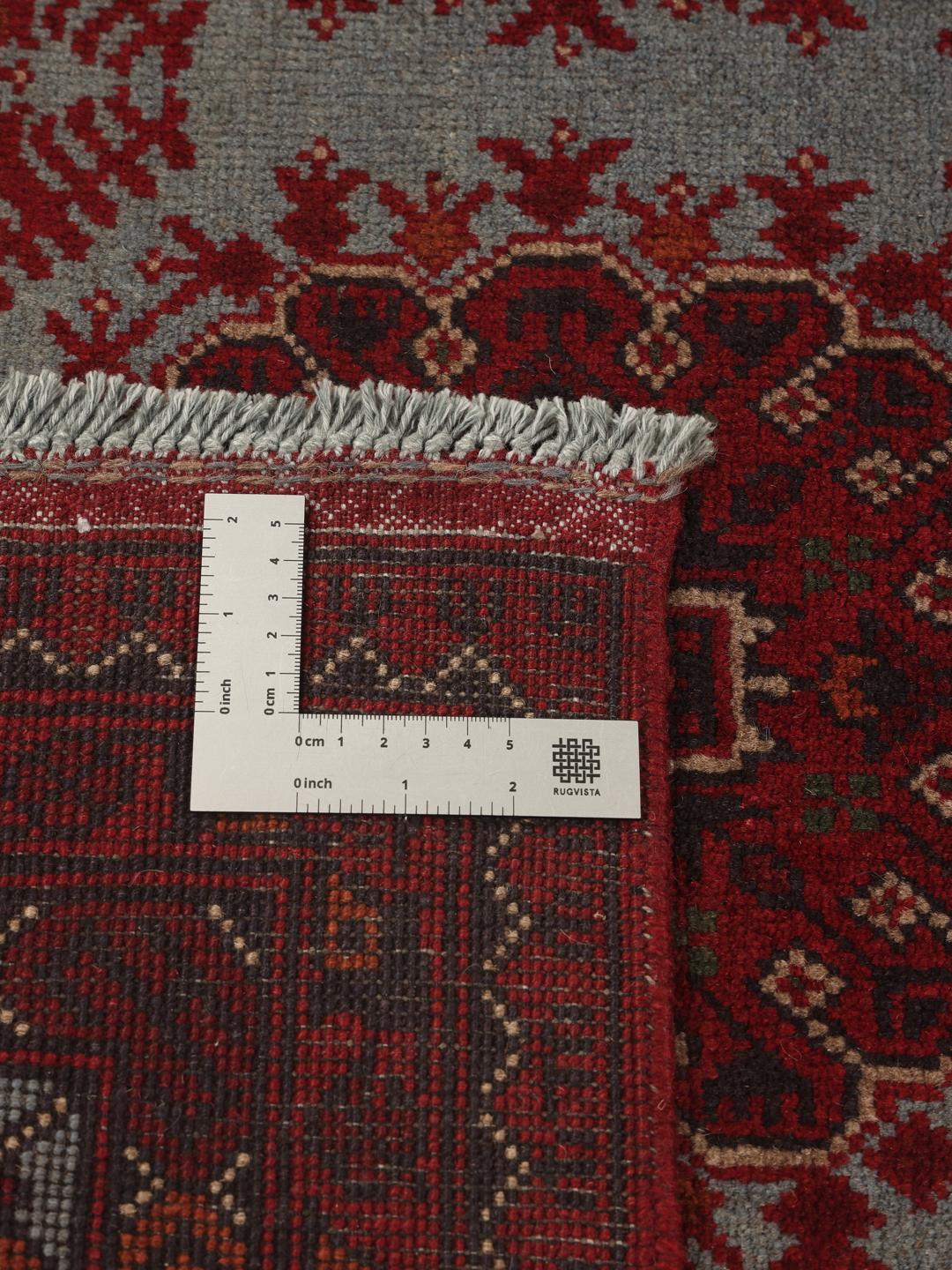
The craftsmanship behind these rugs is defined by the use of high-quality wool, often sourced from local sheep. This wool is celebrated for its natural lanolin content, which gives the pile a soft, lustrous sheen and makes it remarkably resistant to dirt and wear. The 2-ply construction, where two strands of wool are twisted together before being knotted, provides a structural strength that allows the rug to endure for decades, becoming more beautiful as it ages.
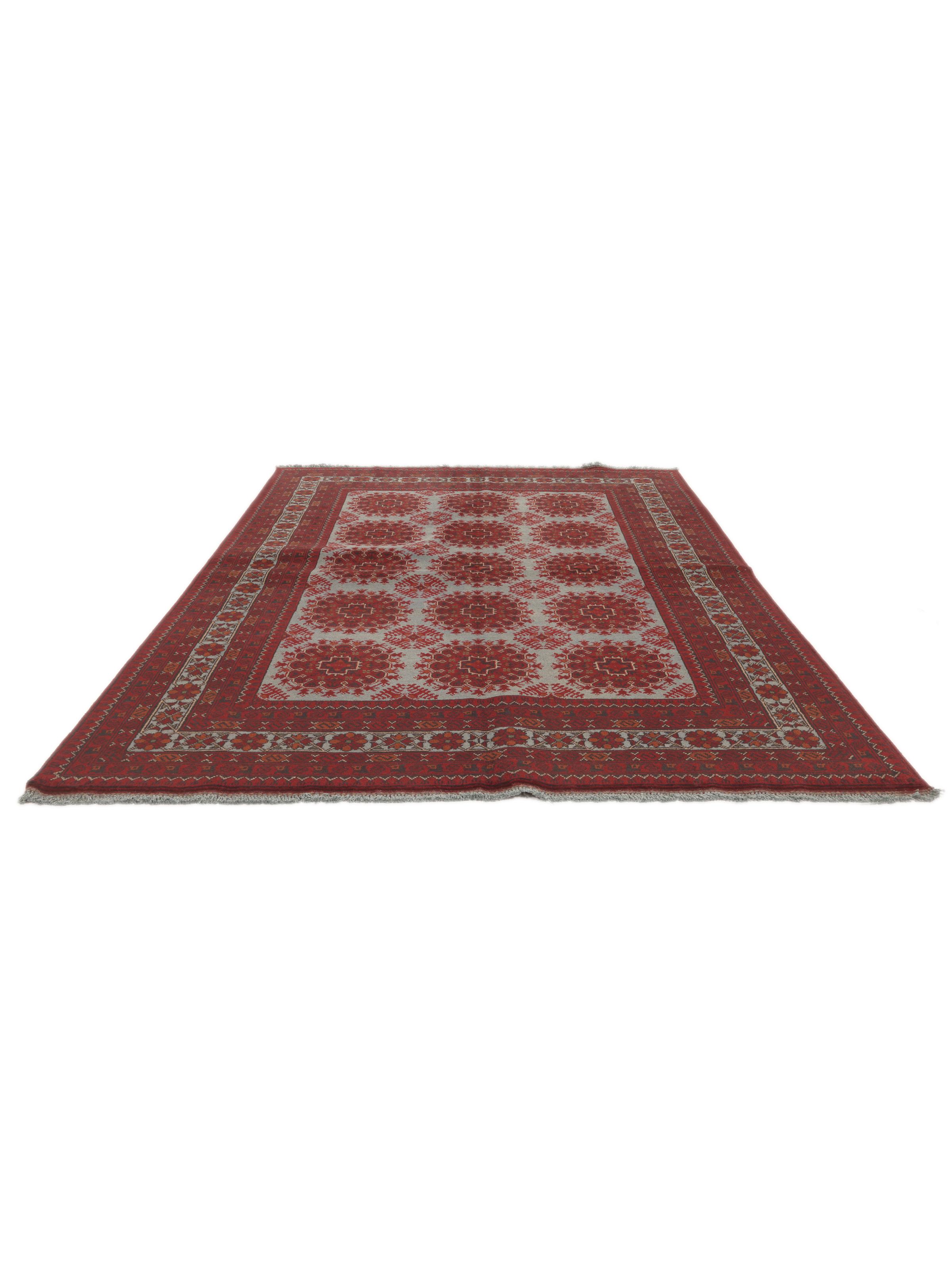
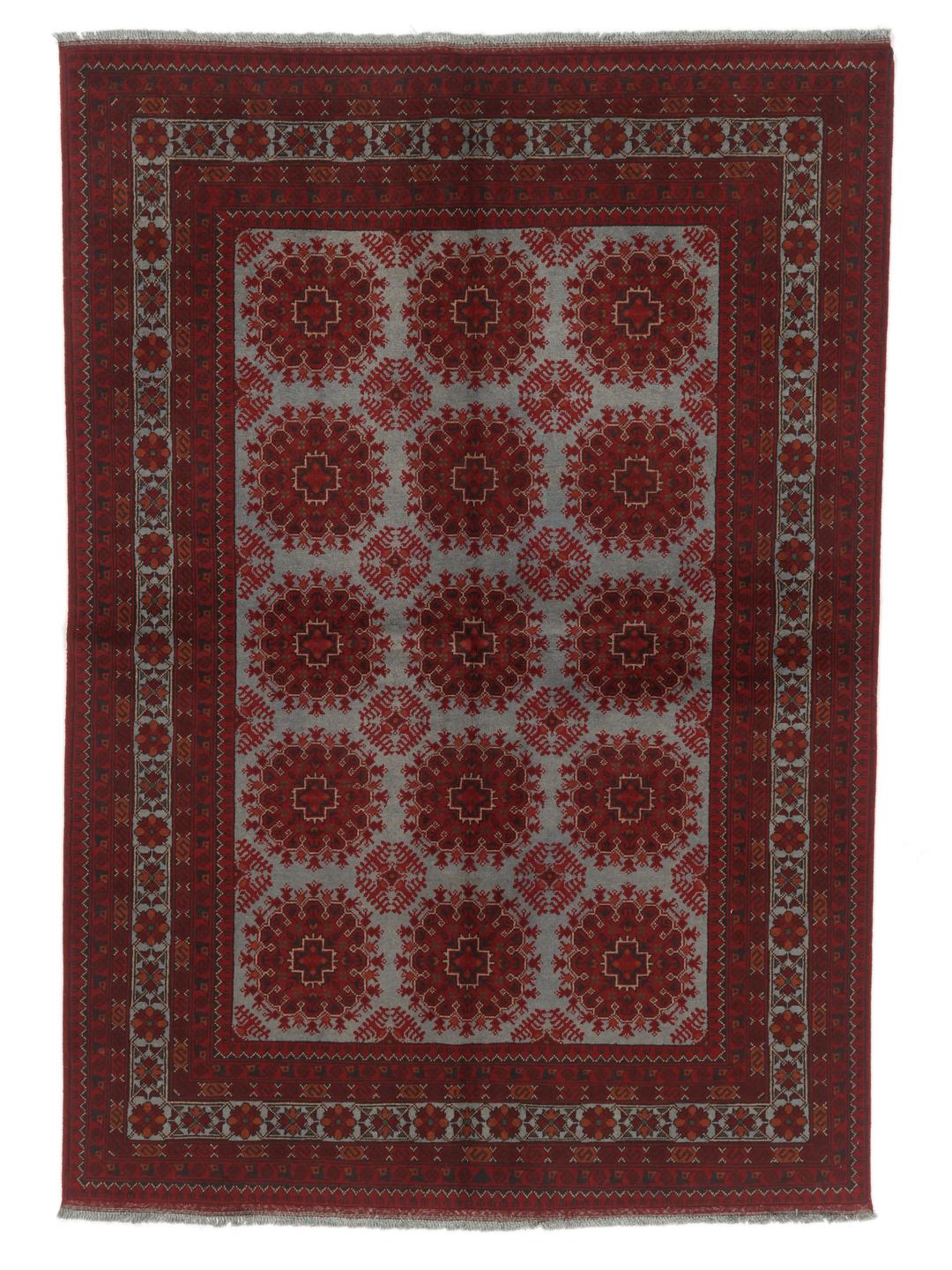
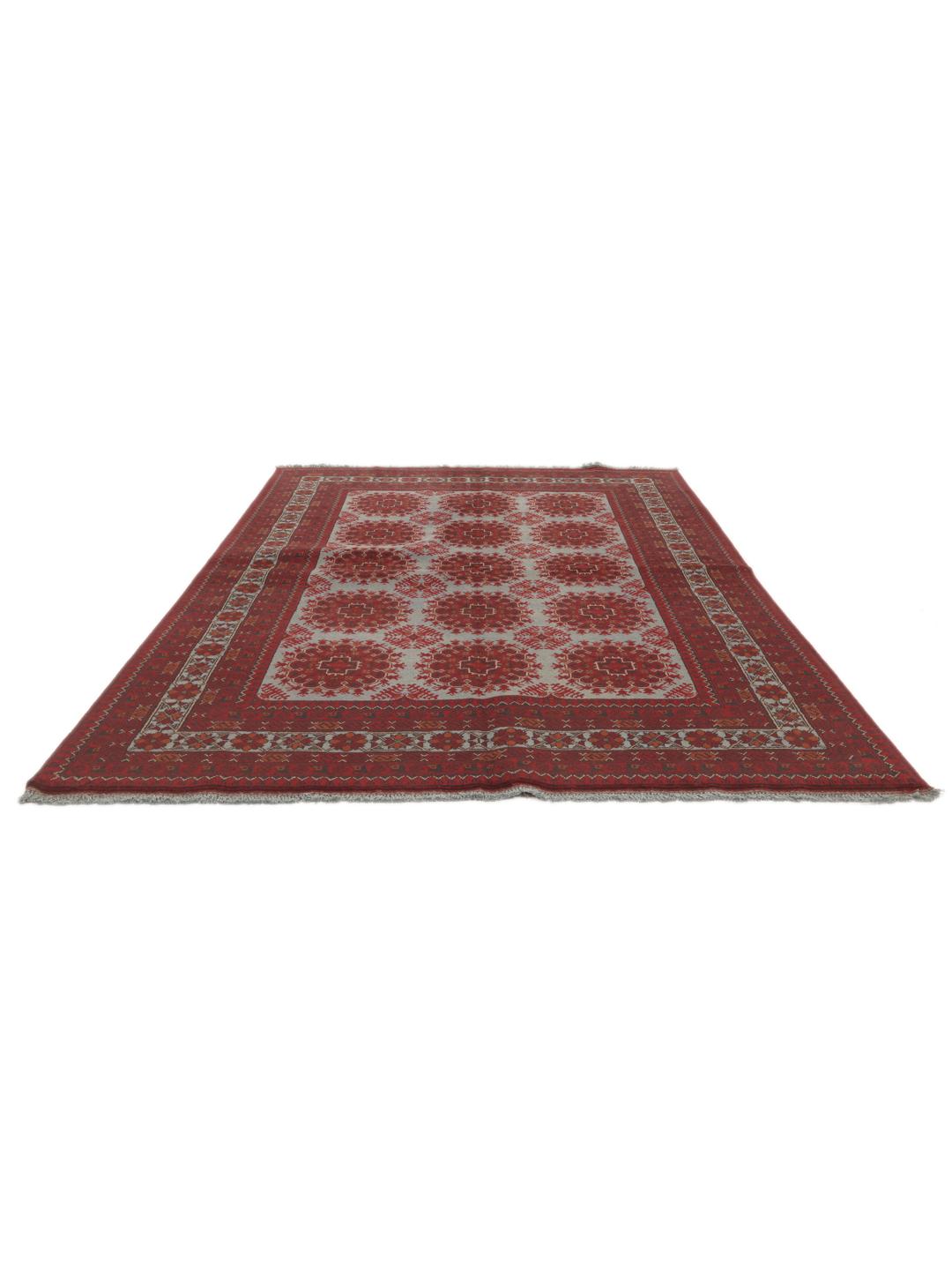
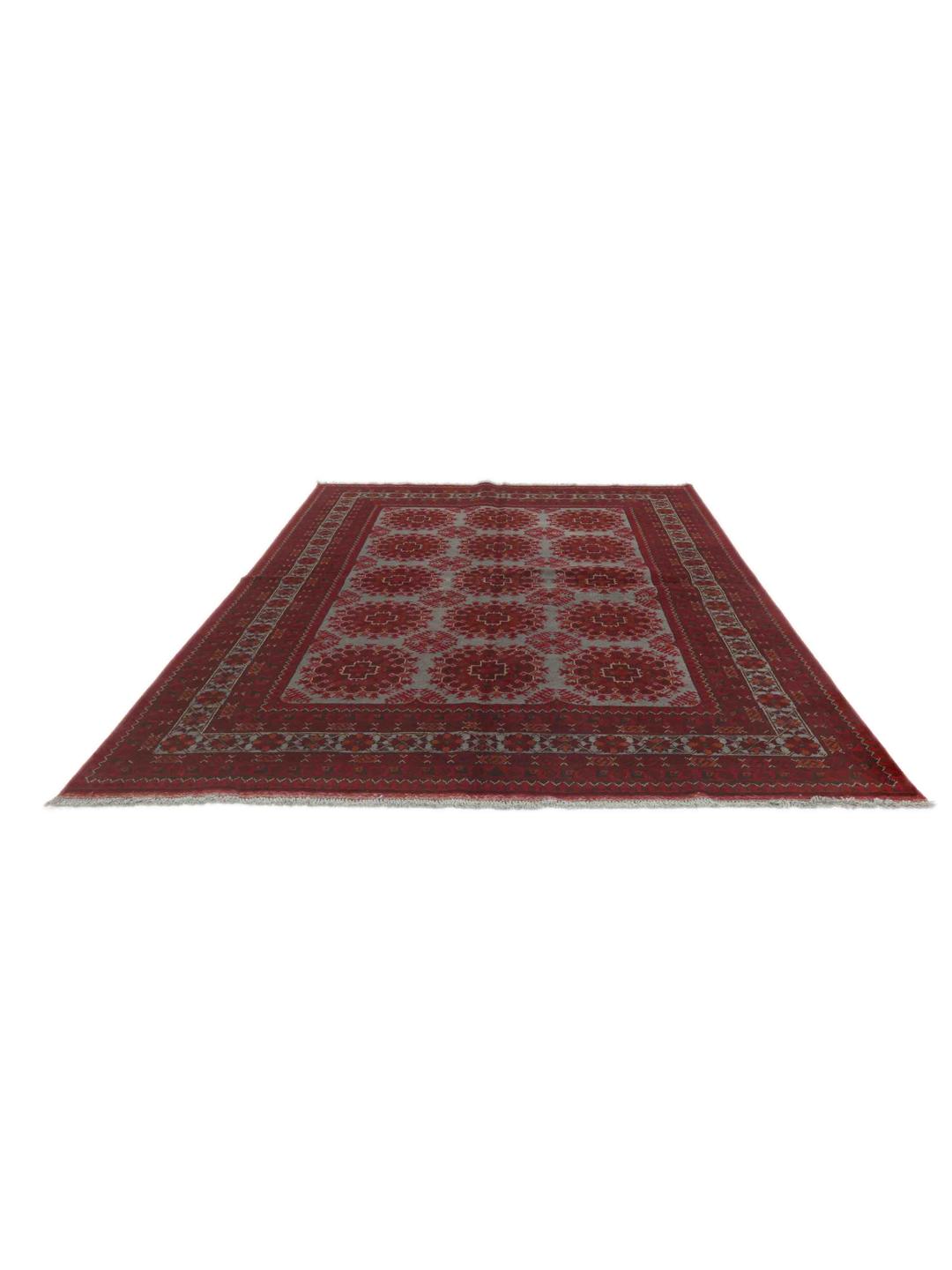
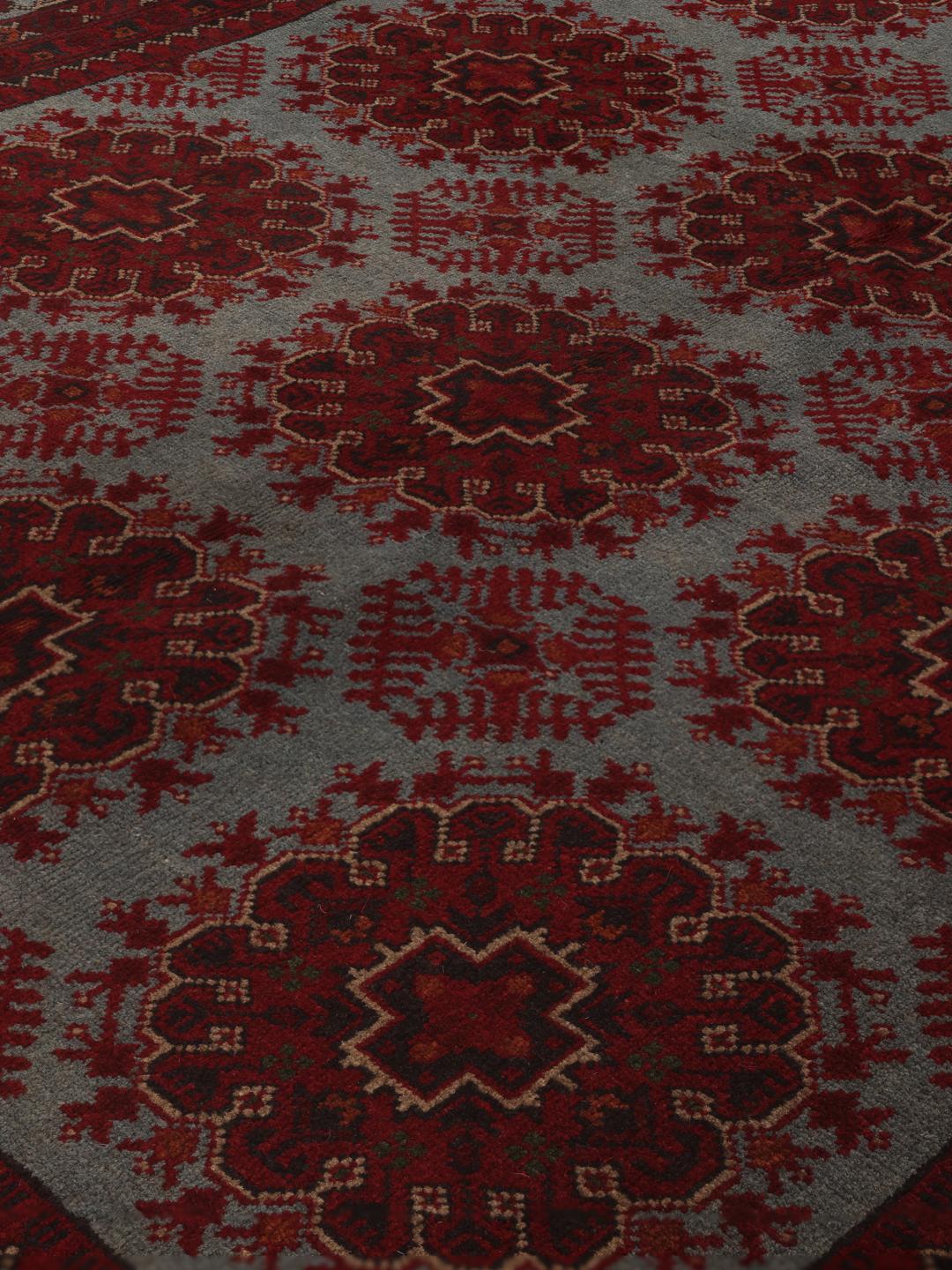
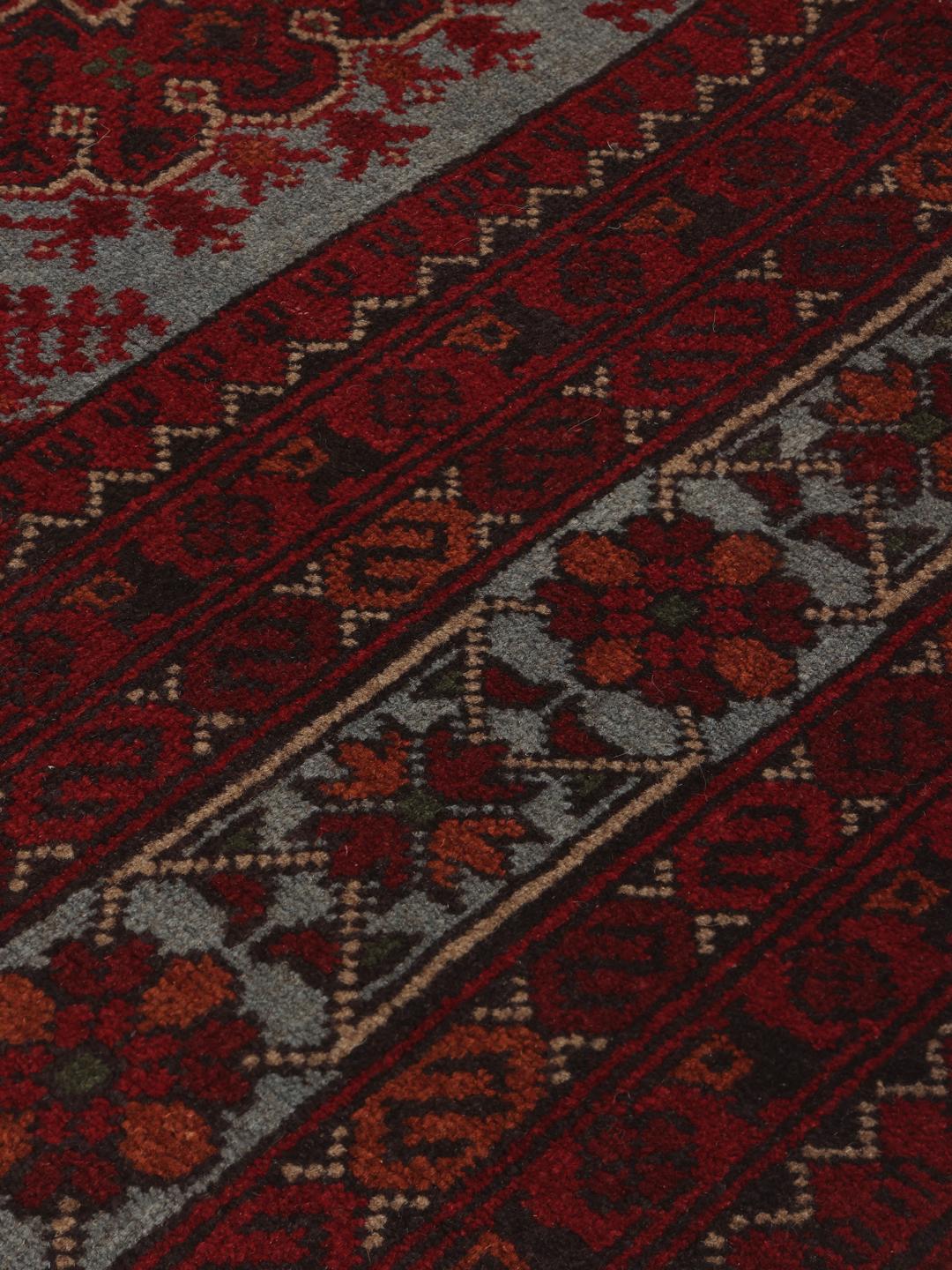
Visually, Khal Mohammadi rugs are renowned for their bold, repeating motifs, often featuring the classic 'gul' design—an octagonal or elephant-foot medallion that symbolises tribal identity and protection. The borders are typically formal and geometric, framing the field with a precision that highlights the maker's mastery of symmetry. The deep red tones are achieved through traditional dyeing techniques that produce a colour depth and warmth that chemical dyes struggle to replicate.
Collecting an Afghan Khal Mohammadi is an investment in cultural heritage and human skill. These rugs are highly valued by enthusiasts for their authenticity and the way they reflect the resilience and artistry of the people who make them. Owning one is a way to bridge the gap between ancient craft traditions and contemporary home styling, bringing a sense of grounded, enduring quality to your living space that mass-produced items cannot provide.