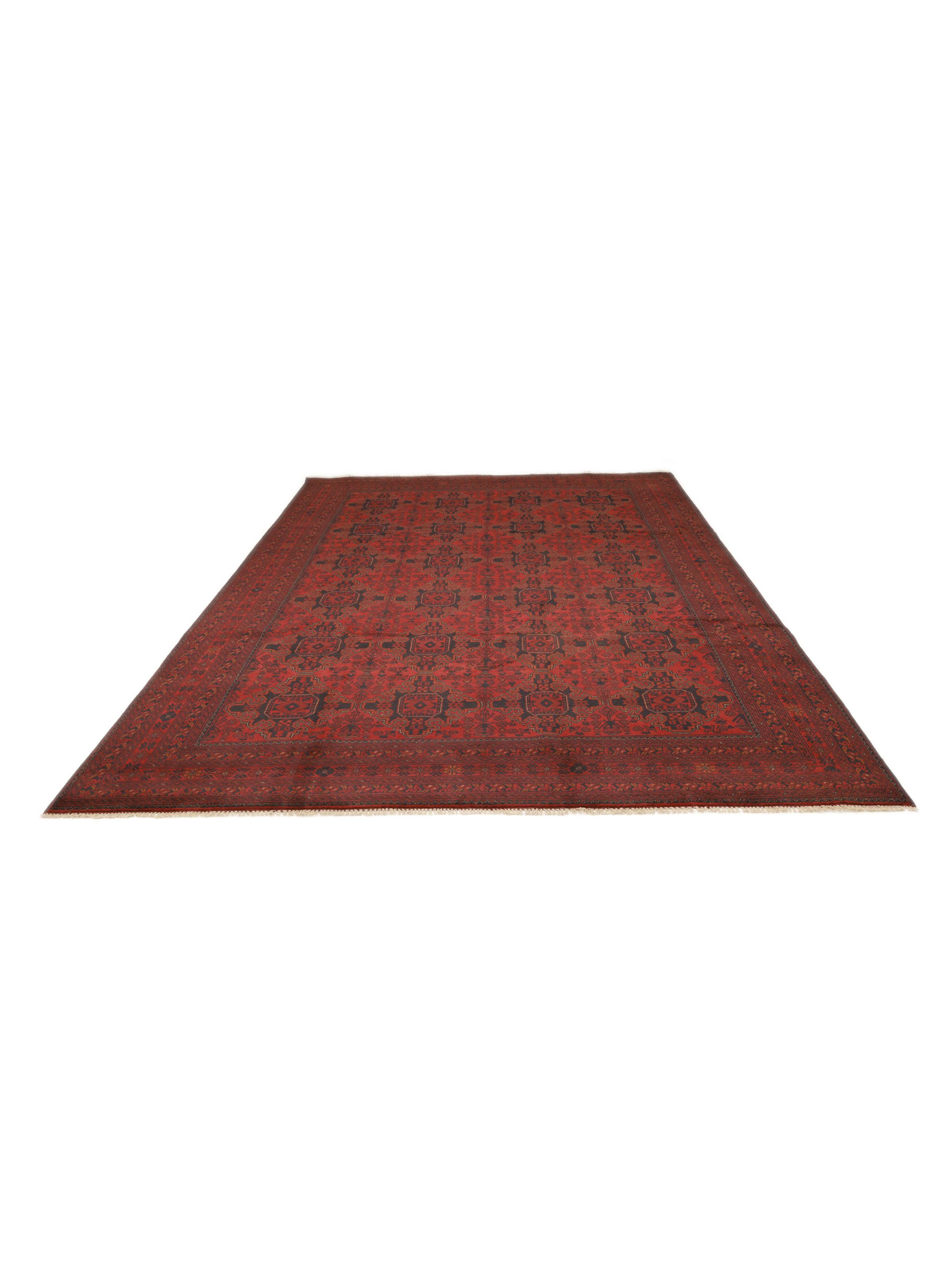
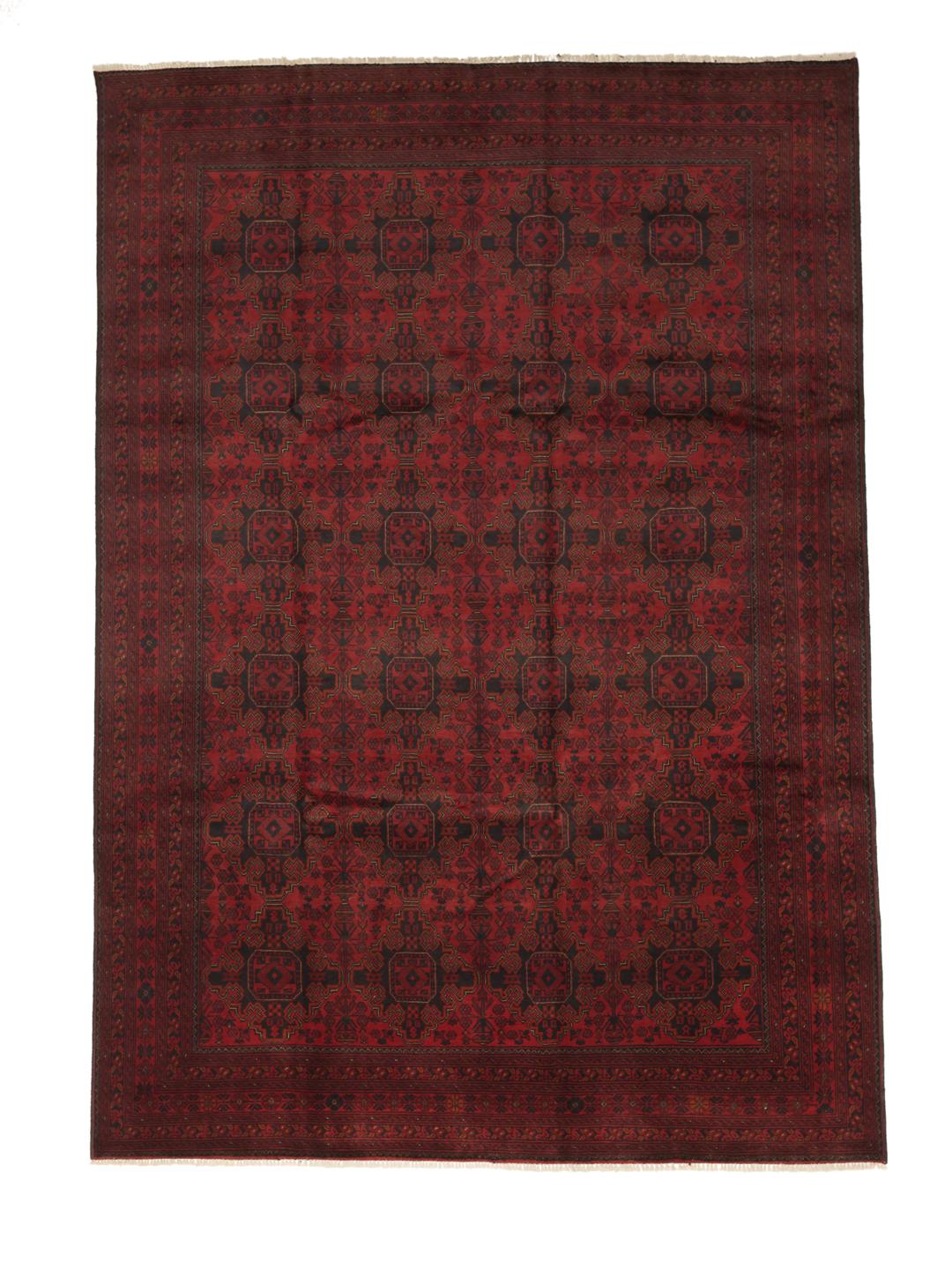
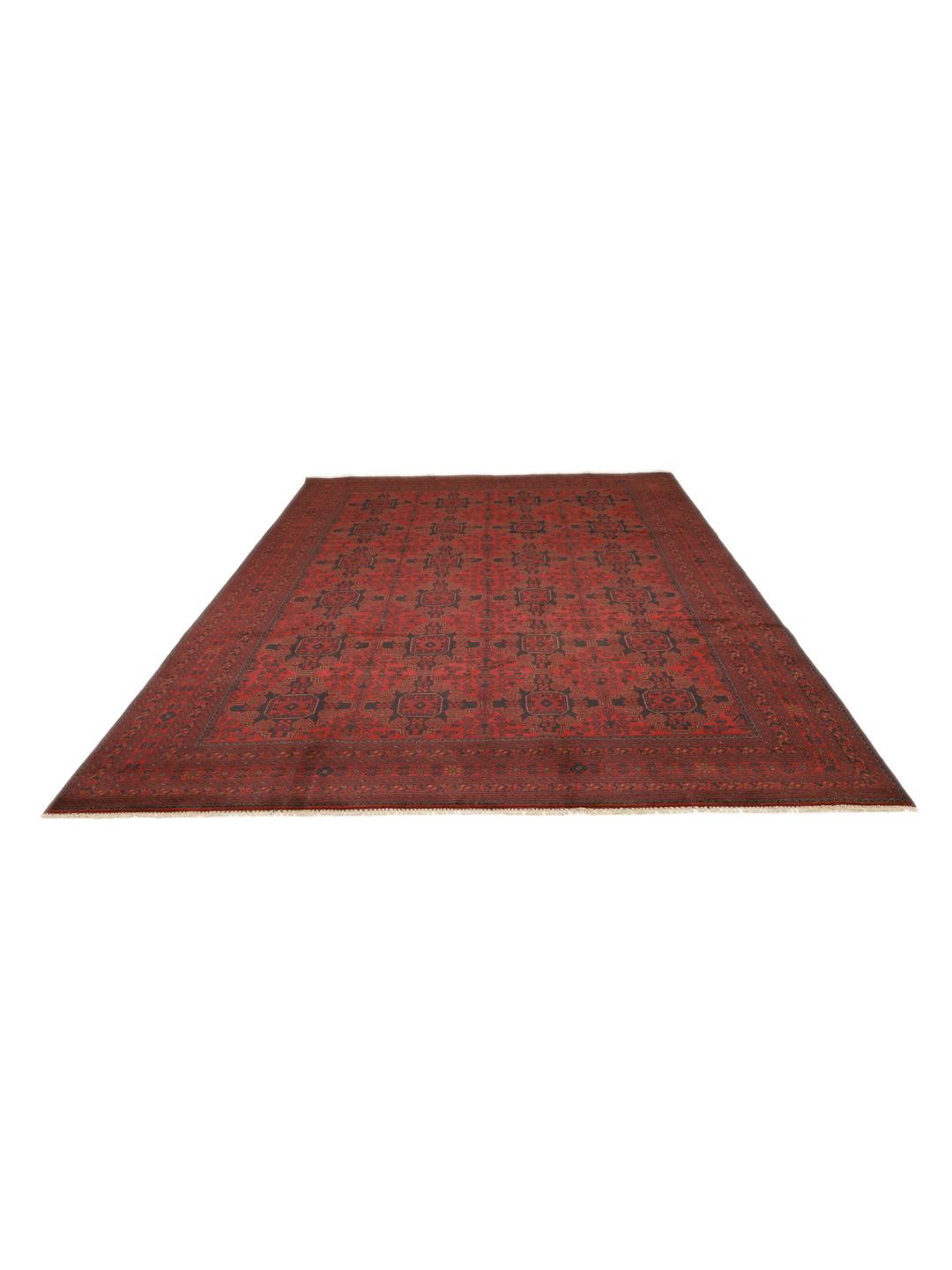
The Khal Mohammadi rug takes its name from a legendary Afghan weaver who developed this specific style in the mid-20th century. While rooted in the ancient weaving traditions of the northern Afghan regions, this style evolved into a distinct aesthetic that is now globally recognised for its deep, saturated colour palette. It represents a bridge between ancestral nomadic weaving techniques and a more refined, settled approach to rug production.
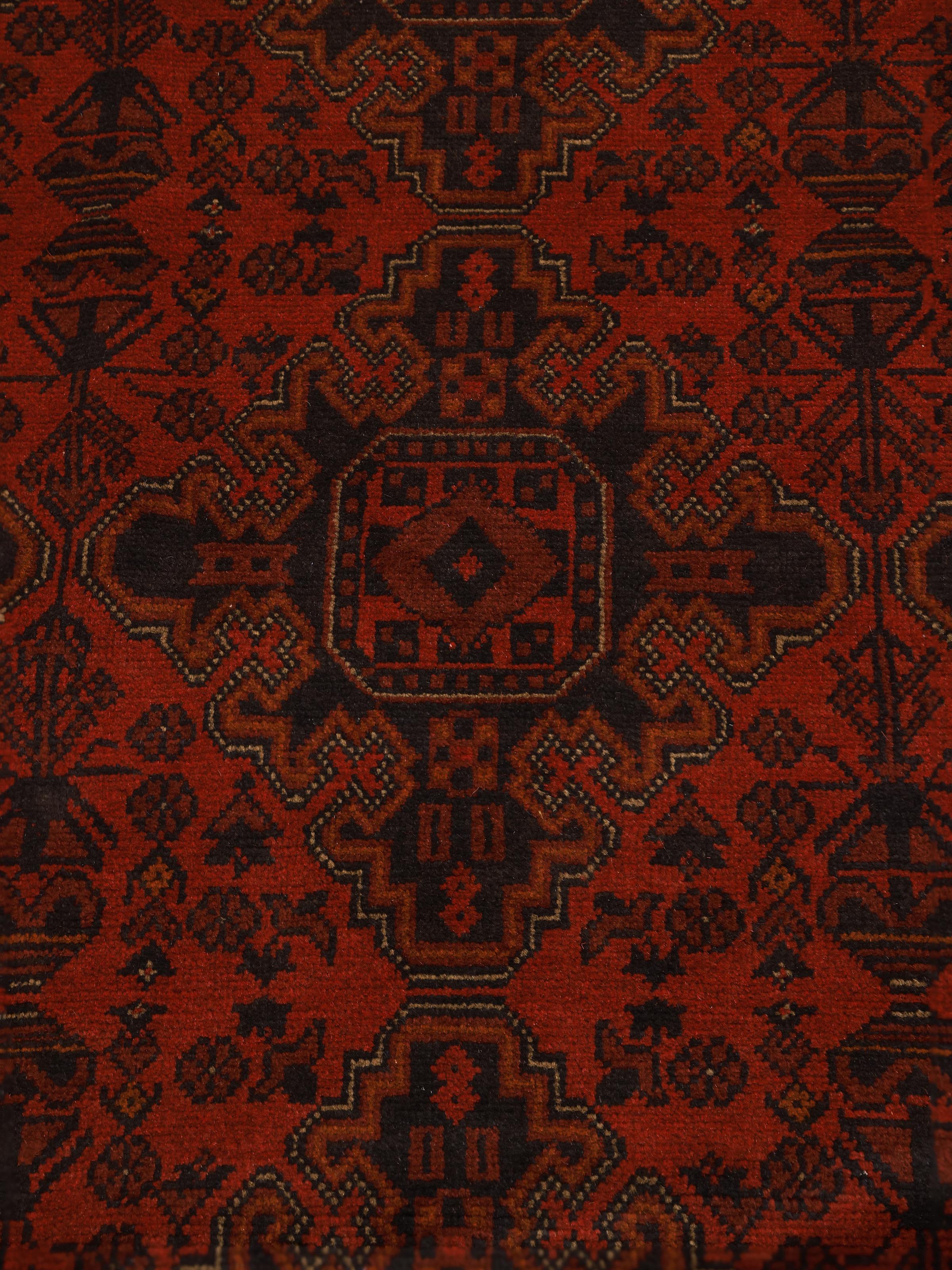
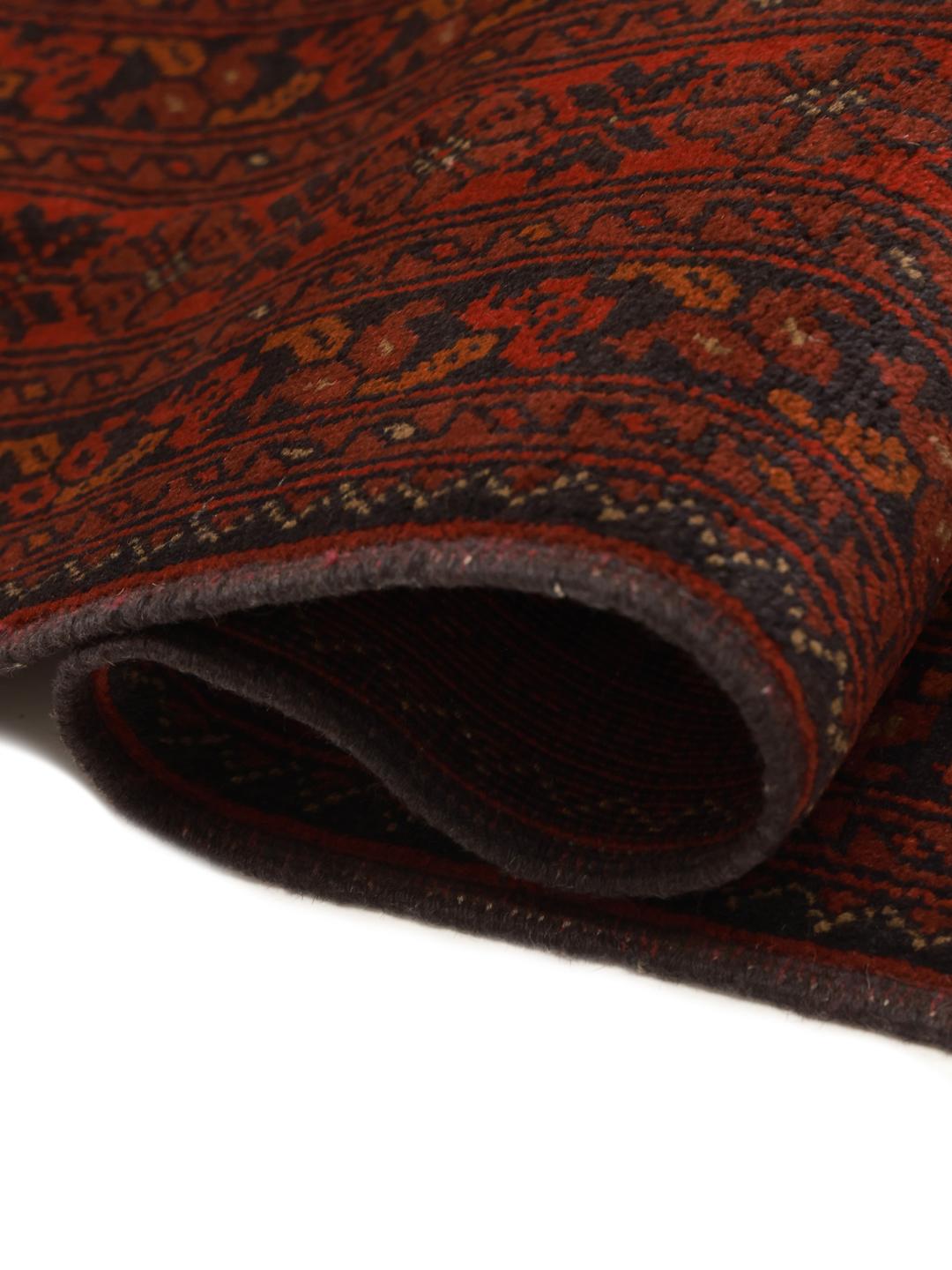
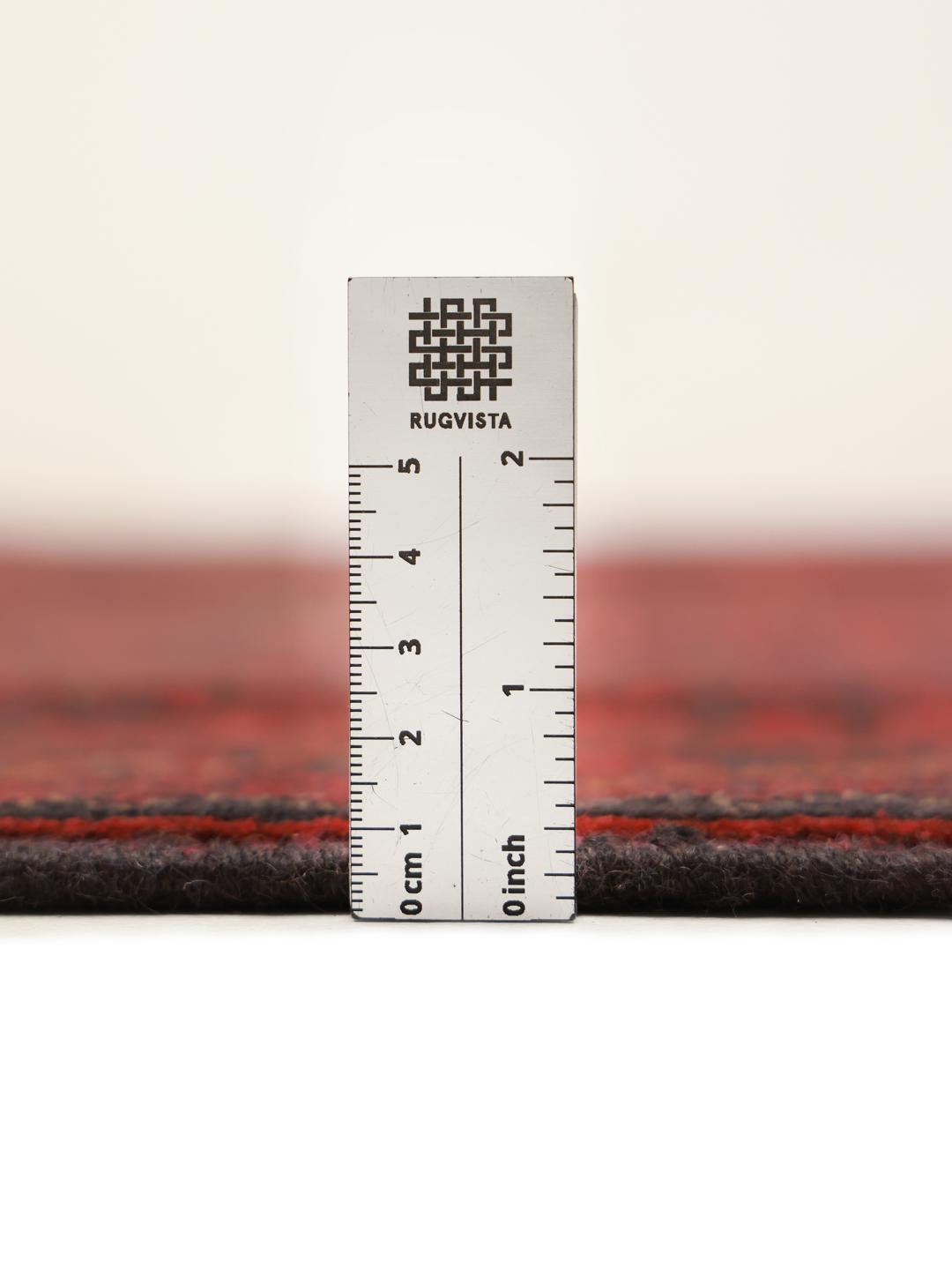
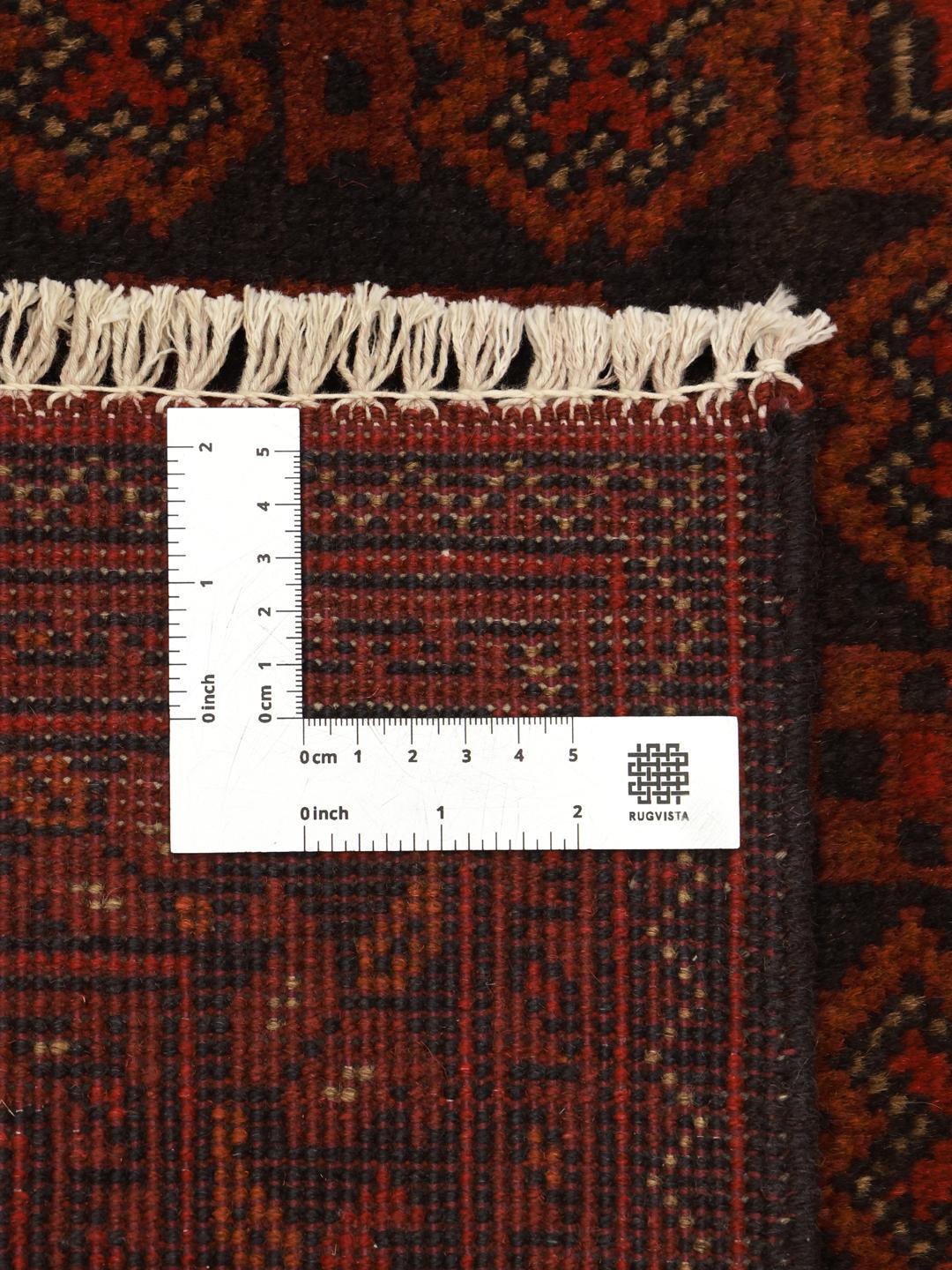
The construction of these rugs is characterised by the use of high-quality wool, which is often sourced from local sheep. This wool is prized for its natural lanolin content, which gives the pile a soft, lustrous sheen and makes it incredibly durable. The foundation is built using a sturdy cotton base, providing the necessary tension to support the thousands of individual knots that make up the finished design.
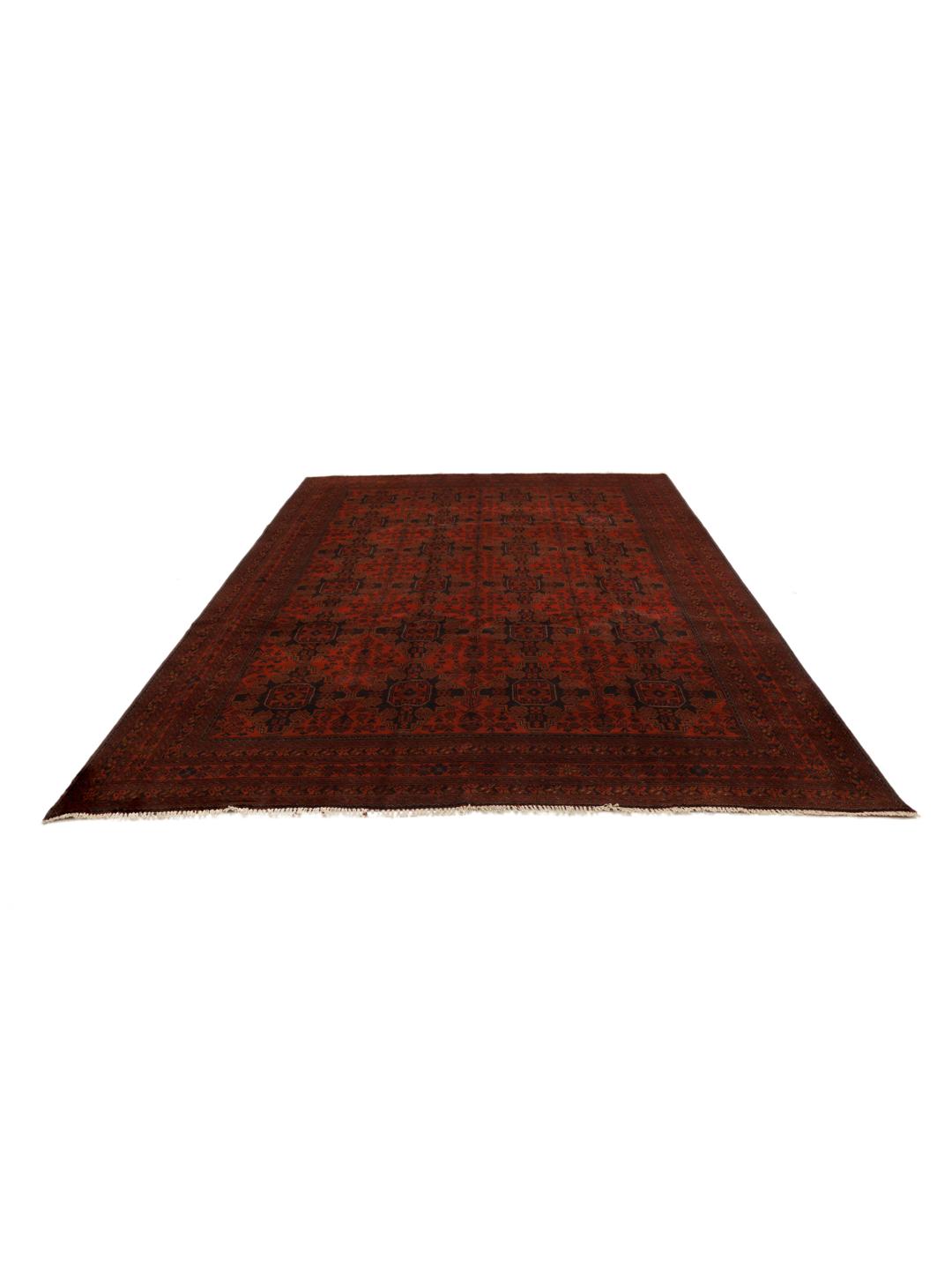
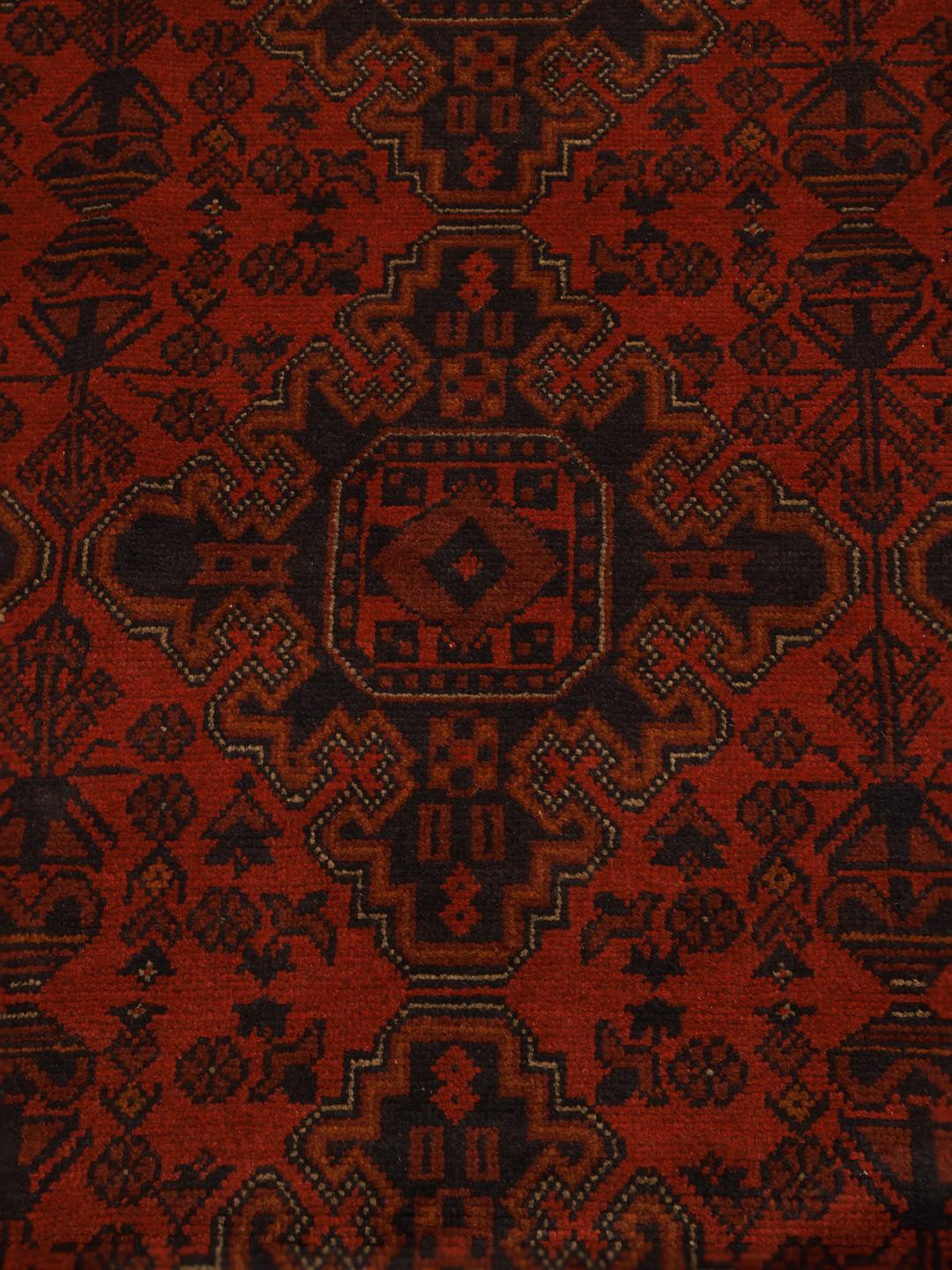
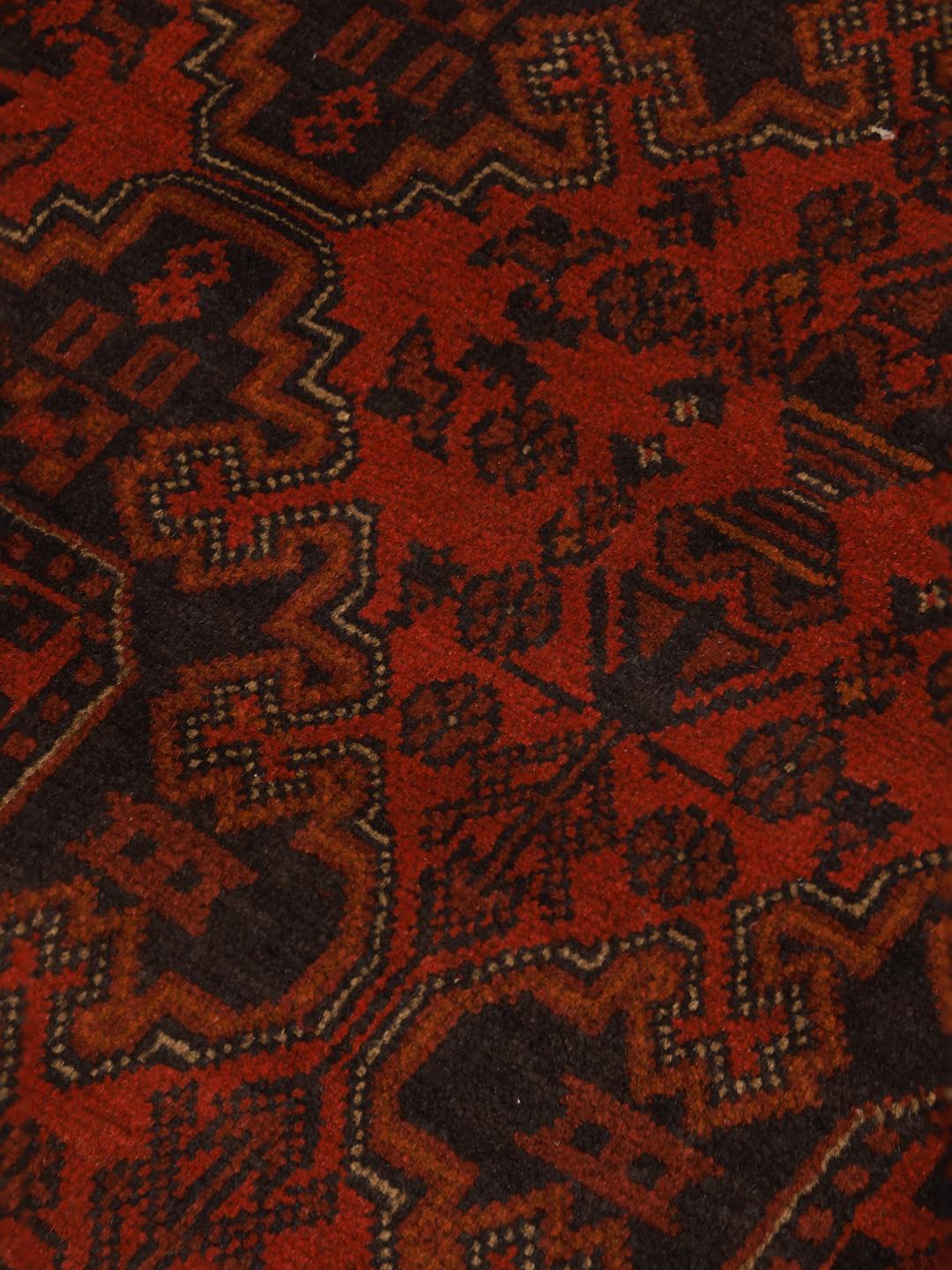
Visually, the Khal Mohammadi is easily identified by its signature dark, repeating gul motifs—often octagonal or elephant-foot shapes—set against a deep, vibrant red field. These motifs are typically framed by intricate, formal borders that mirror the geometric precision found in the centre. The deep red tones are often achieved through traditional dyeing methods, resulting in subtle, beautiful variations in shading known as abrash, which adds depth and visual movement to the rug.
Collecting a Khal Mohammadi rug is an act of preserving a specific chapter of rug-making history. These pieces are highly valued by collectors for their consistency in quality and their bold, evocative design language. Owning one is an invitation to connect with the heritage of the Middle East, offering a level of artistic expression and cultural weight that mass-produced items simply cannot provide.