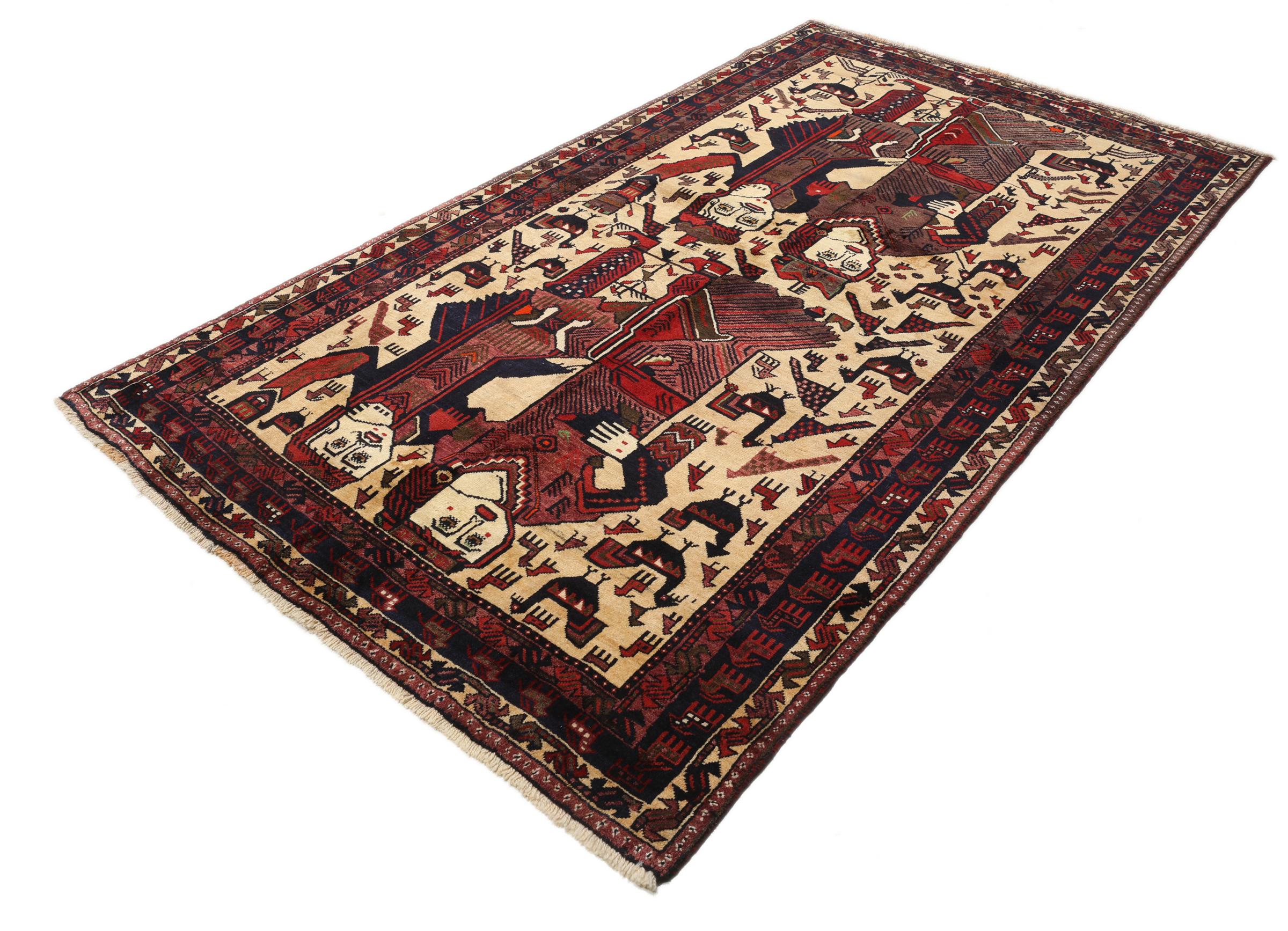
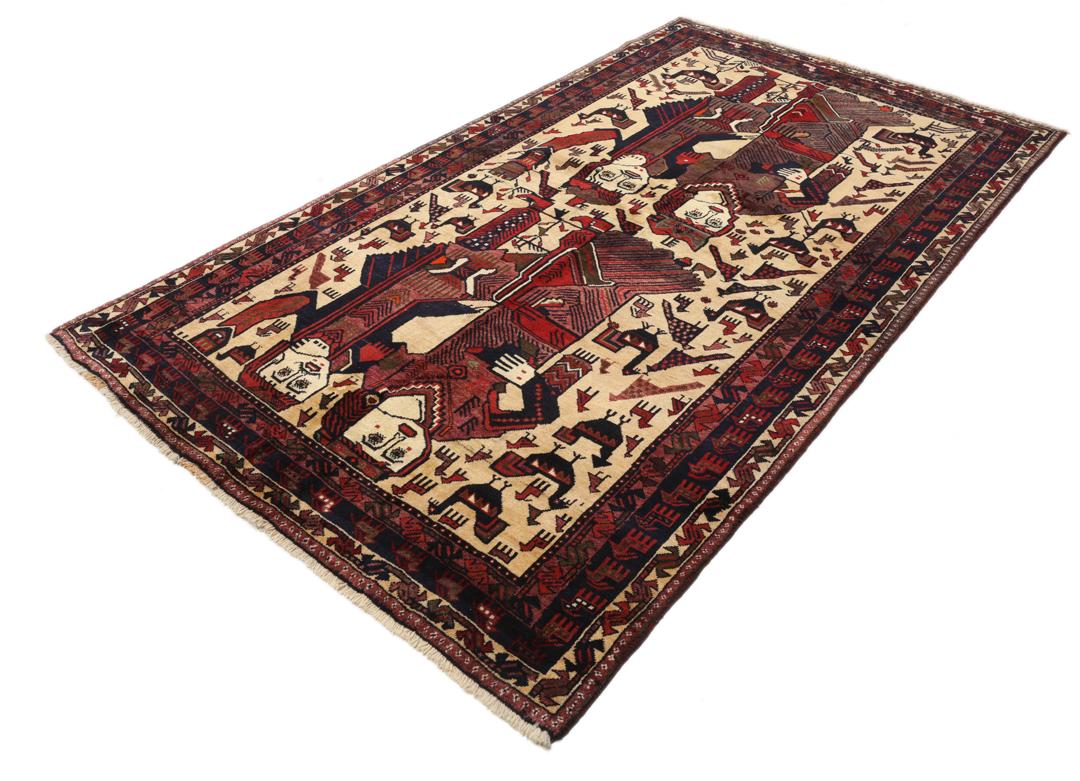
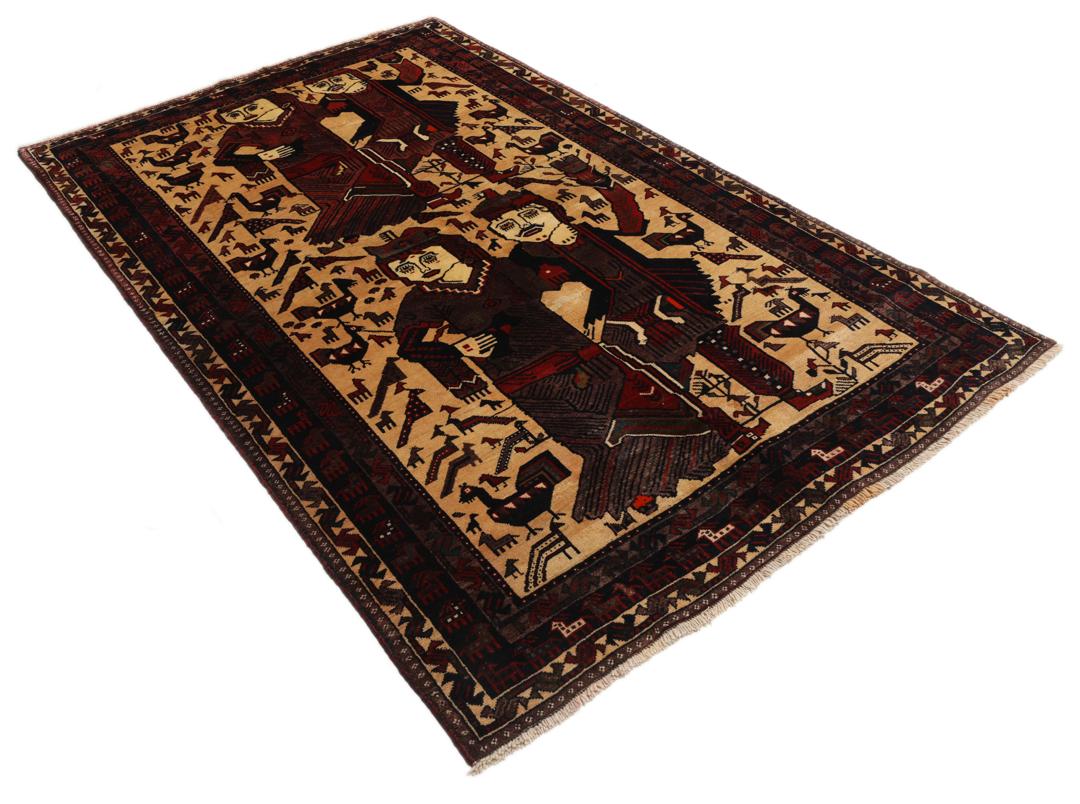
The Afshar rugs originate from the nomadic and semi-nomadic tribes of the Middle East, a region with a deep-rooted history of textile artistry. Traditionally, these tribes were known for their skill in creating durable, functional items that served both as floor coverings and as expressions of cultural identity. Over generations, the Afshar tradition has evolved, blending the practical needs of nomadic life with a sophisticated aesthetic that has gained recognition among collectors worldwide.
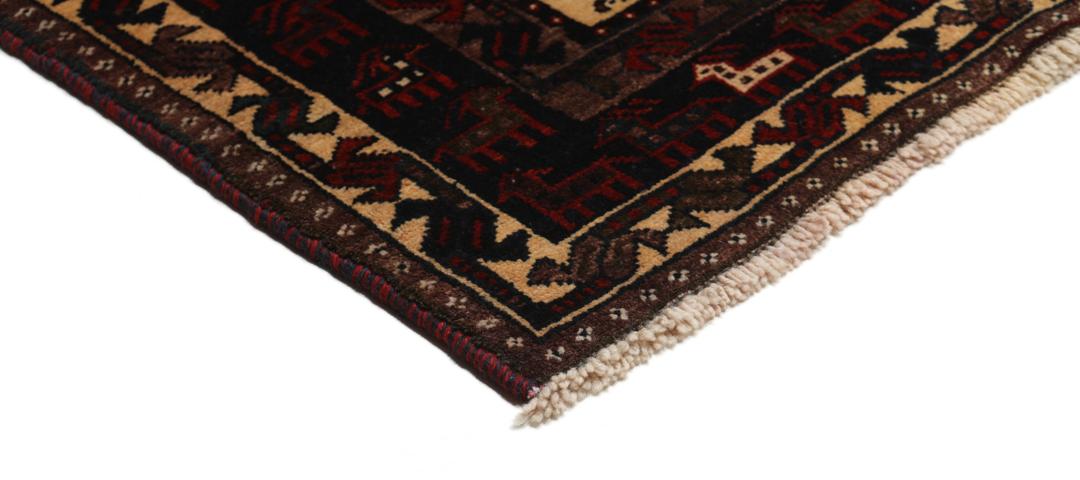
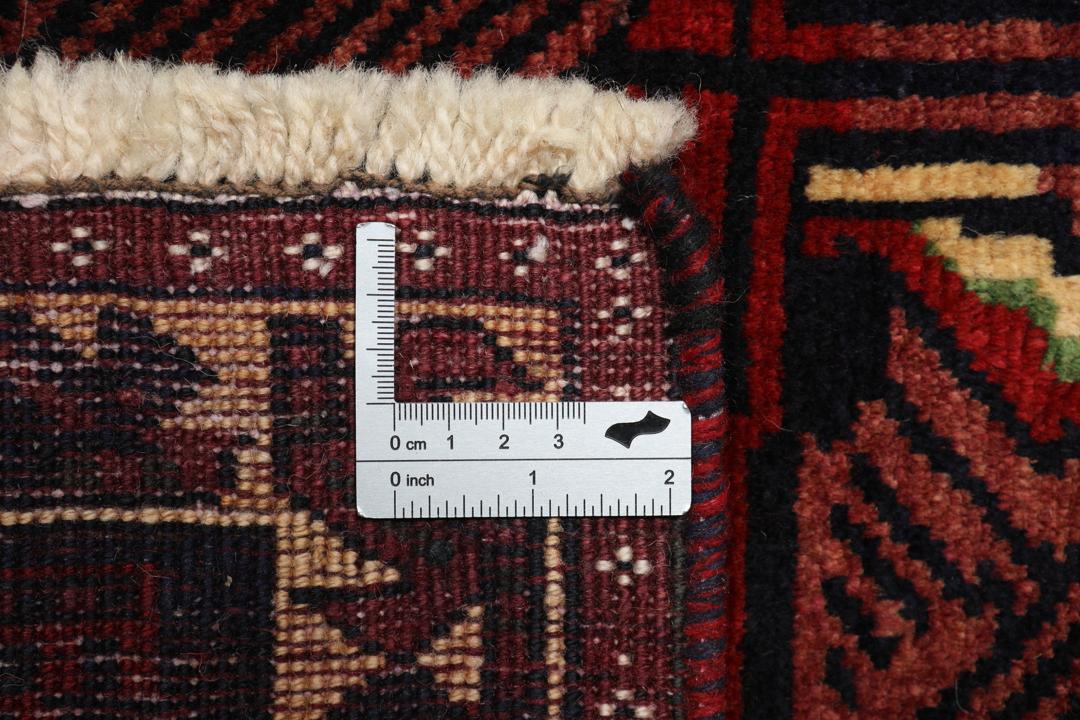
Technical terms such as hand-knotted describe the fundamental method used to construct these pieces, where individual strands of wool are looped around the warp threads. This technique is essential for creating the distinctive, dense pile that defines the Afshar aesthetic. The quality of the wool used is paramount, as it determines the rug's lustre and its ability to withstand decades of daily use, ensuring that the piece remains a cherished heirloom.
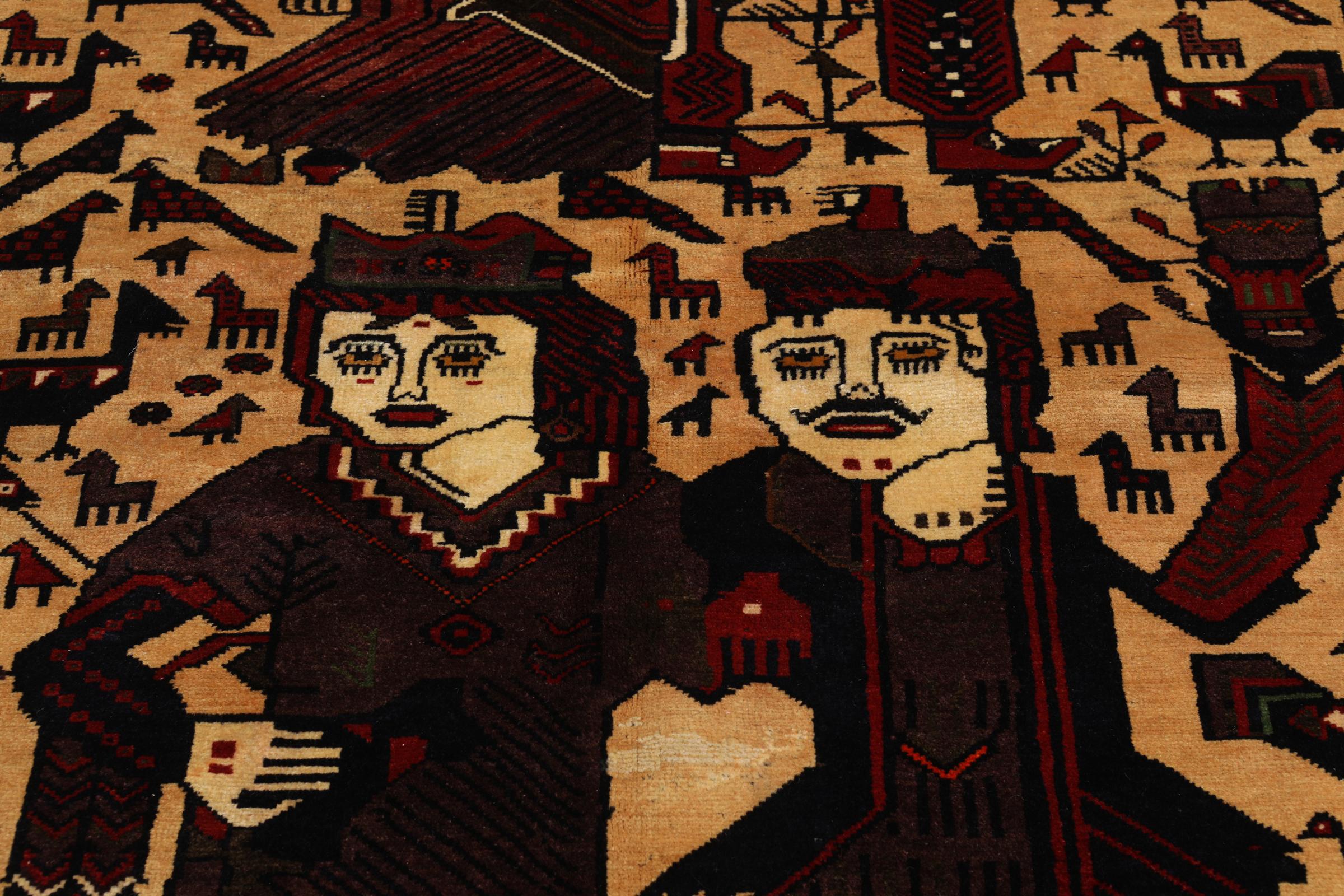
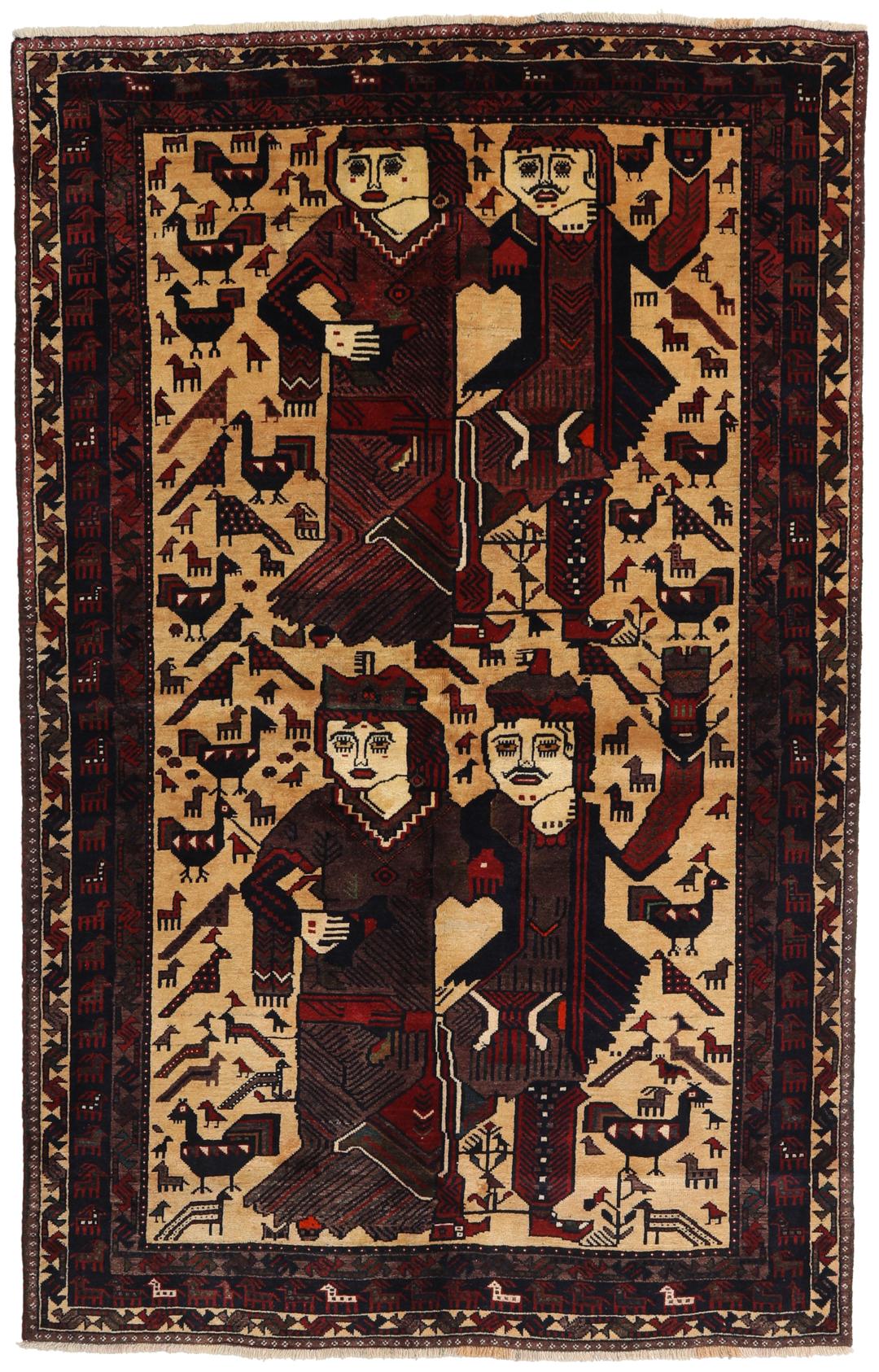
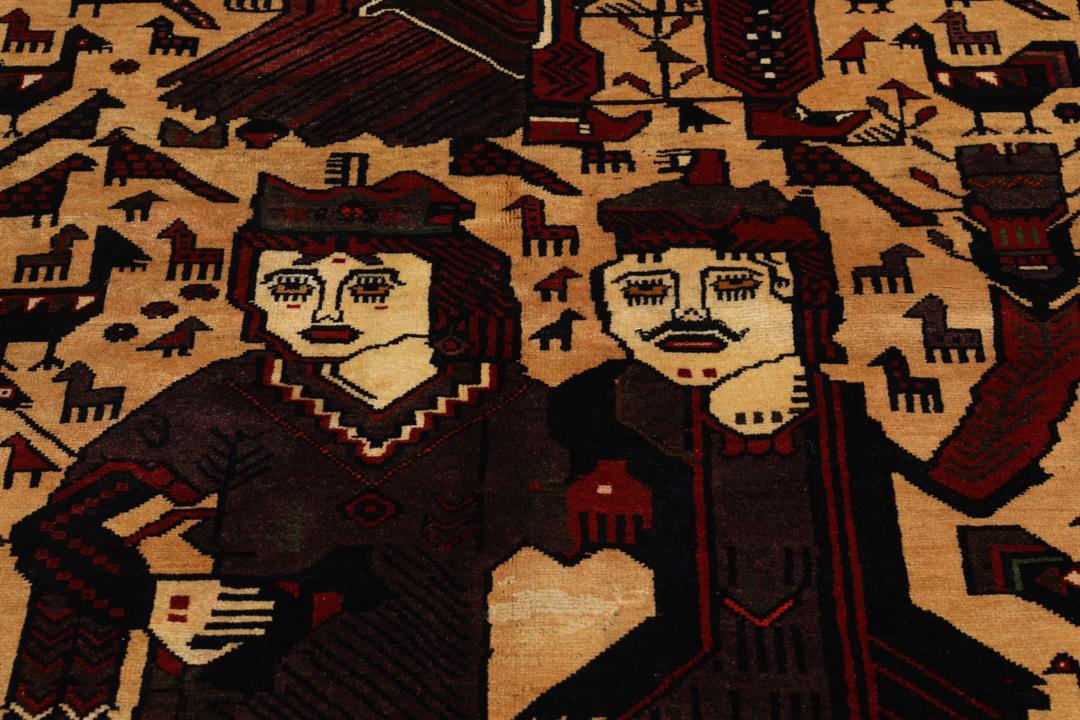
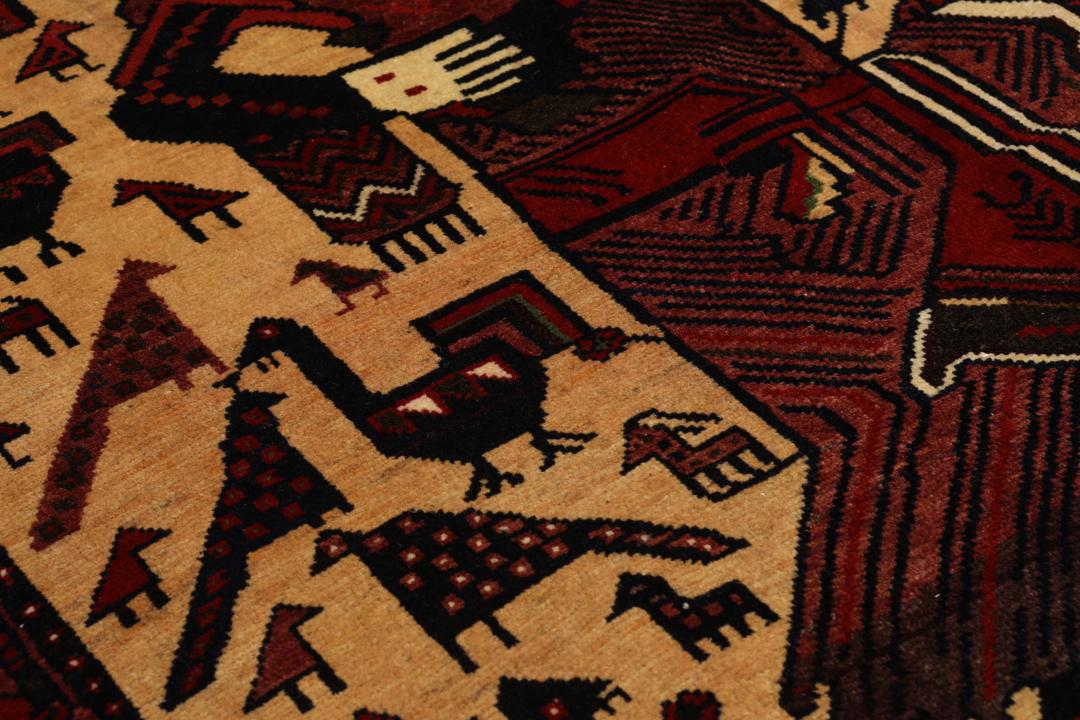
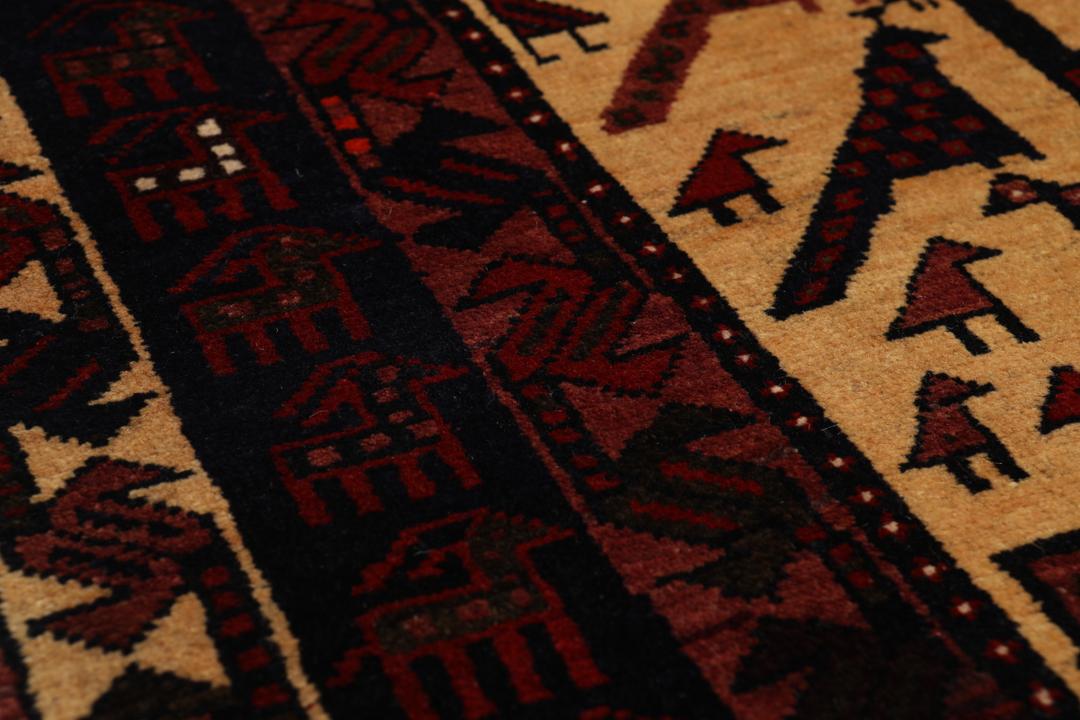
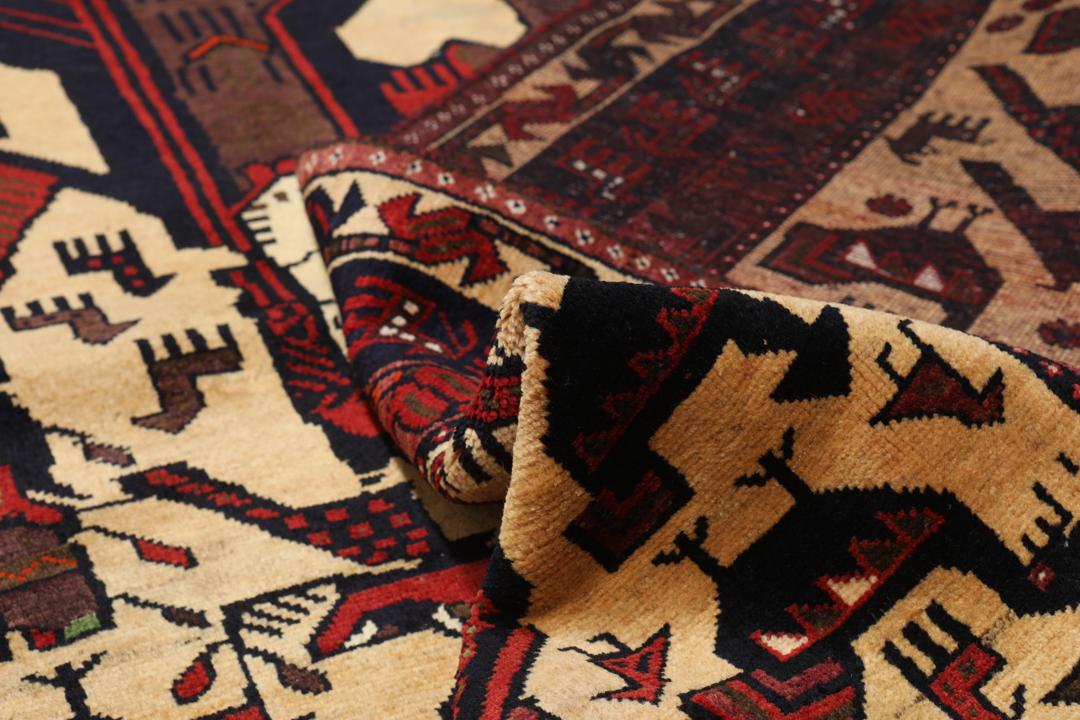
The design language of Afshar rugs is famously expressive, frequently featuring pictorial motifs, geometric patterns, and stylized representations of human and animal figures. Unlike more formal urban carpets, these rugs often embrace a more spontaneous and storytelling approach to design. The use of vibrant, earthy palettes is a signature trait, often set against a contrasting field that makes the intricate symbols and figures pop with life and energy.
Valued for their authenticity and the skill required to produce them, Afshar rugs are highly regarded by those who seek out genuine craft. Owning a piece from this tradition is an act of preserving a heritage that spans centuries. It signifies an appreciation for the human element in production and the unique character that only a hand-made item can possess, making these rugs a cornerstone of any curated, characterful home.