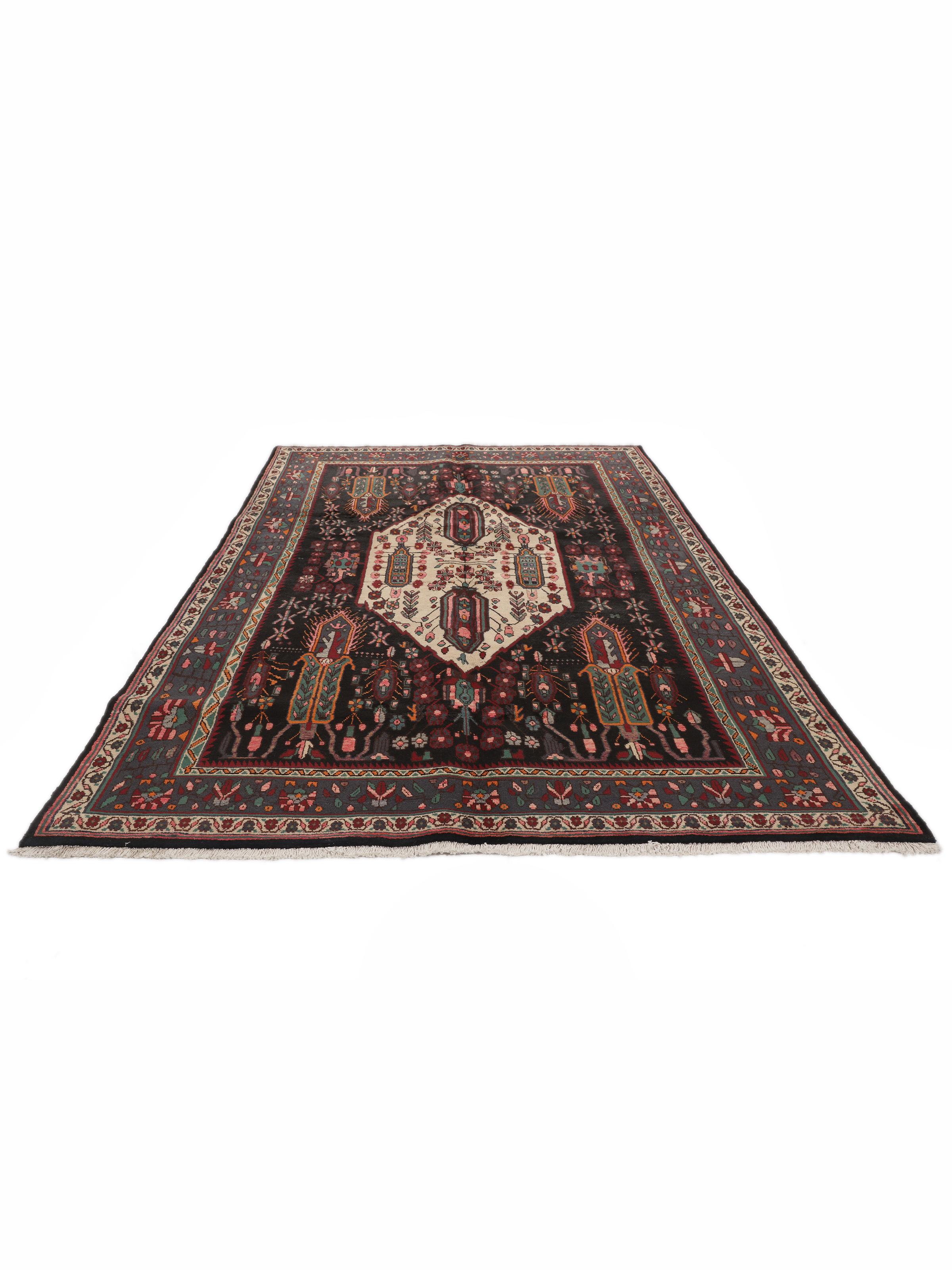
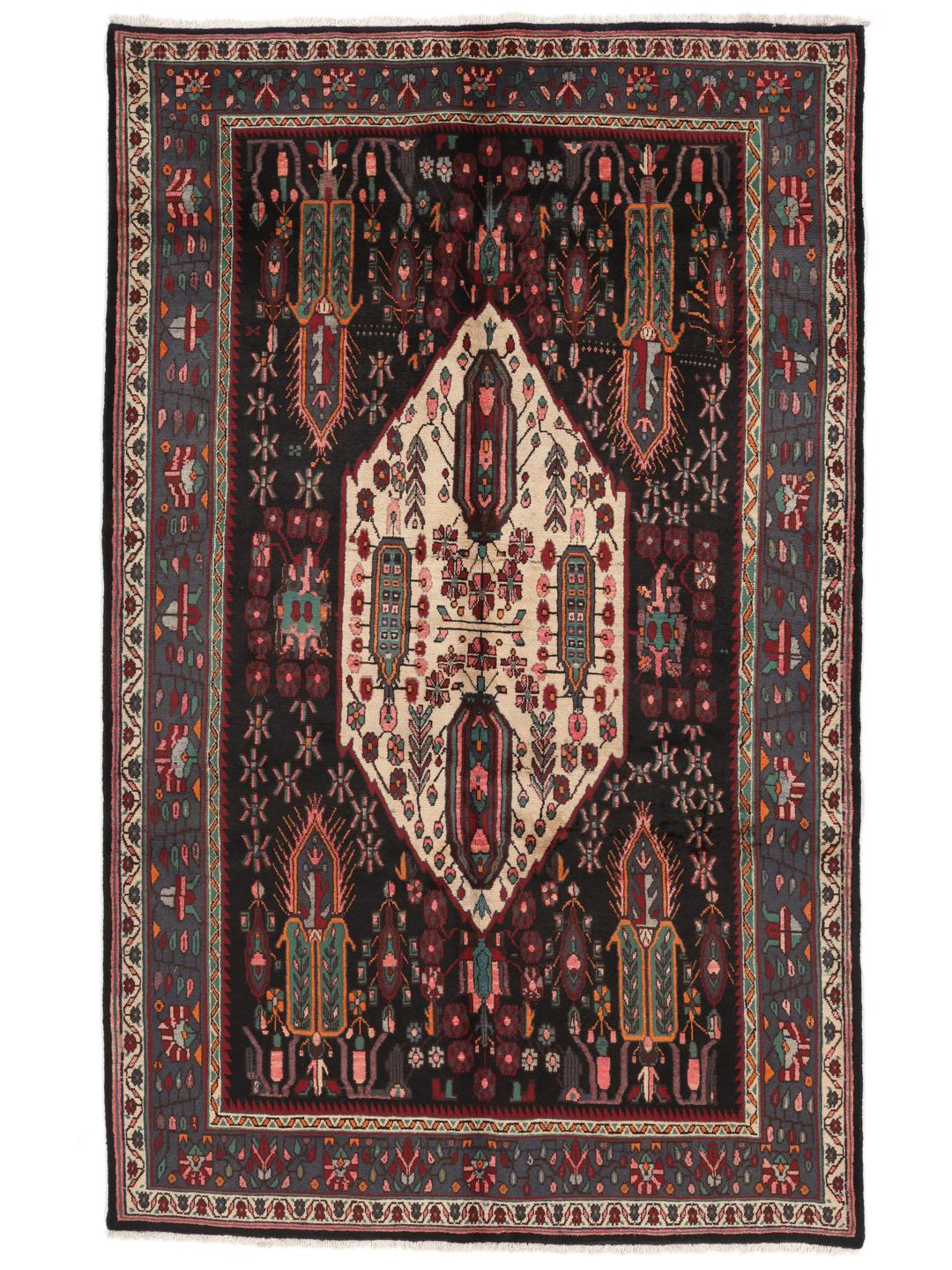
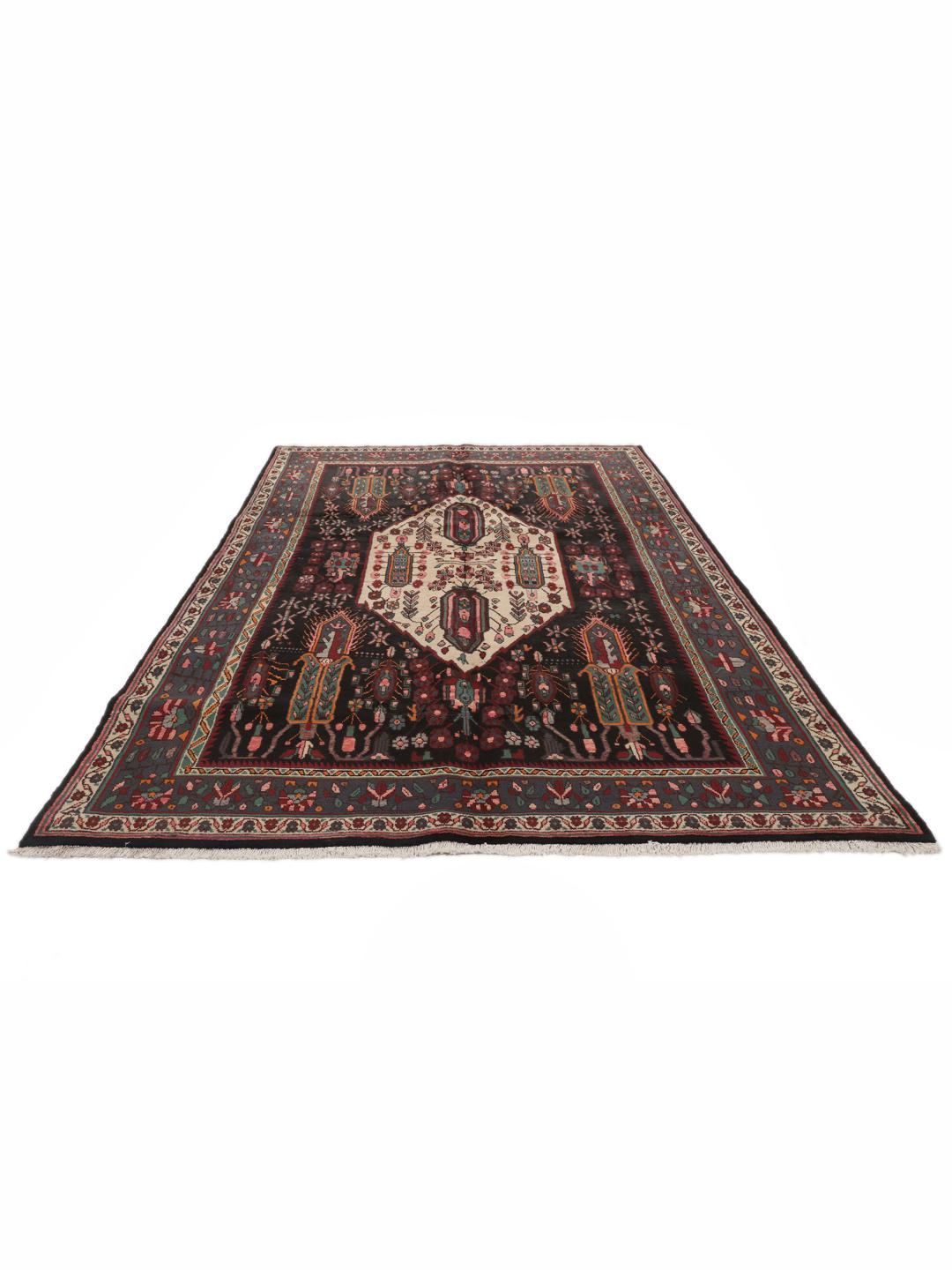
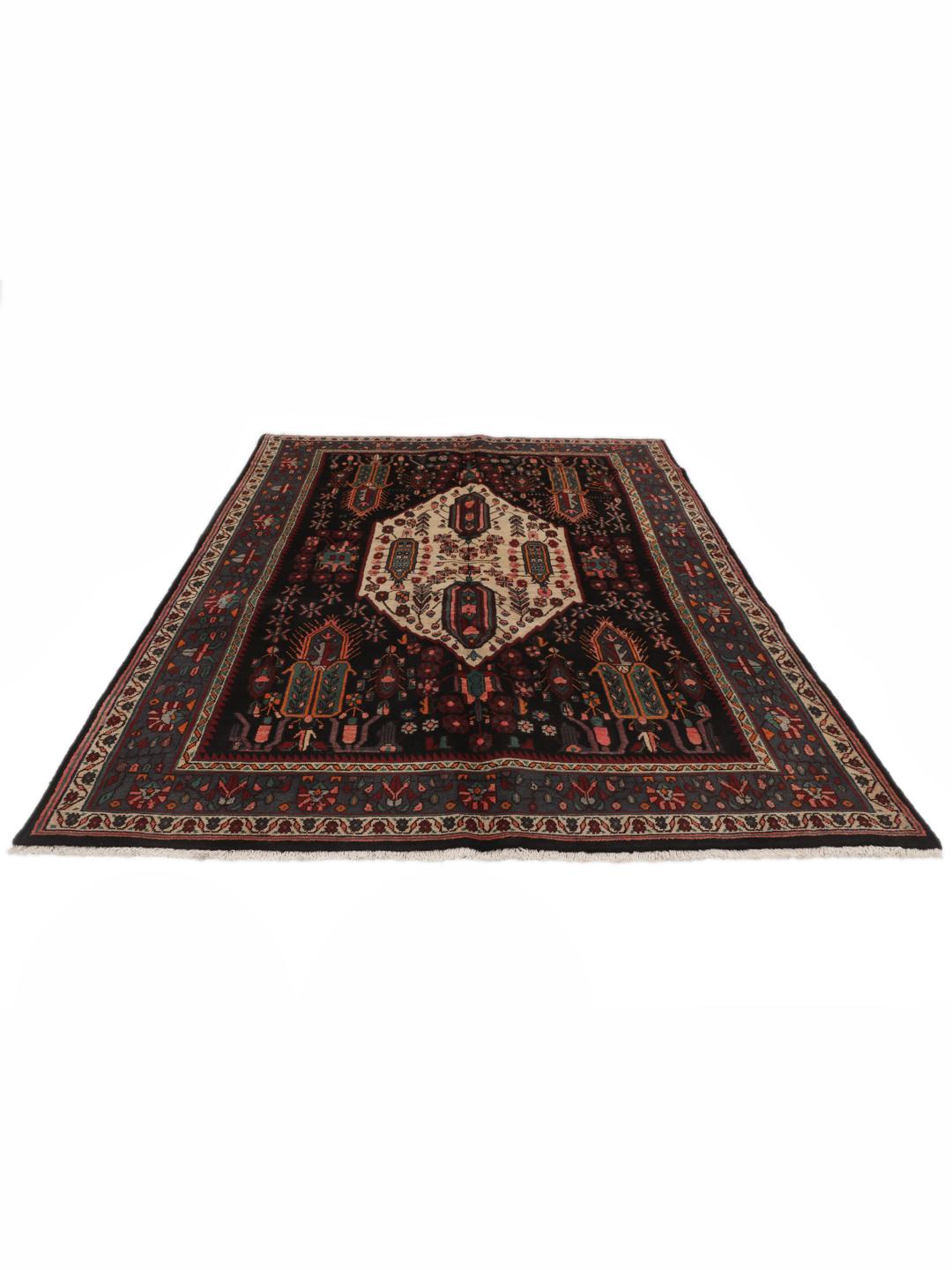
The Afshar rugs originate from the nomadic and semi-nomadic tribes of the Kerman province in the Middle East. These tribes, known for their resilience and distinct cultural identity, have developed a weaving tradition that is deeply integrated into their daily lives, often reflecting the stark beauty of the mountainous landscapes they inhabit.
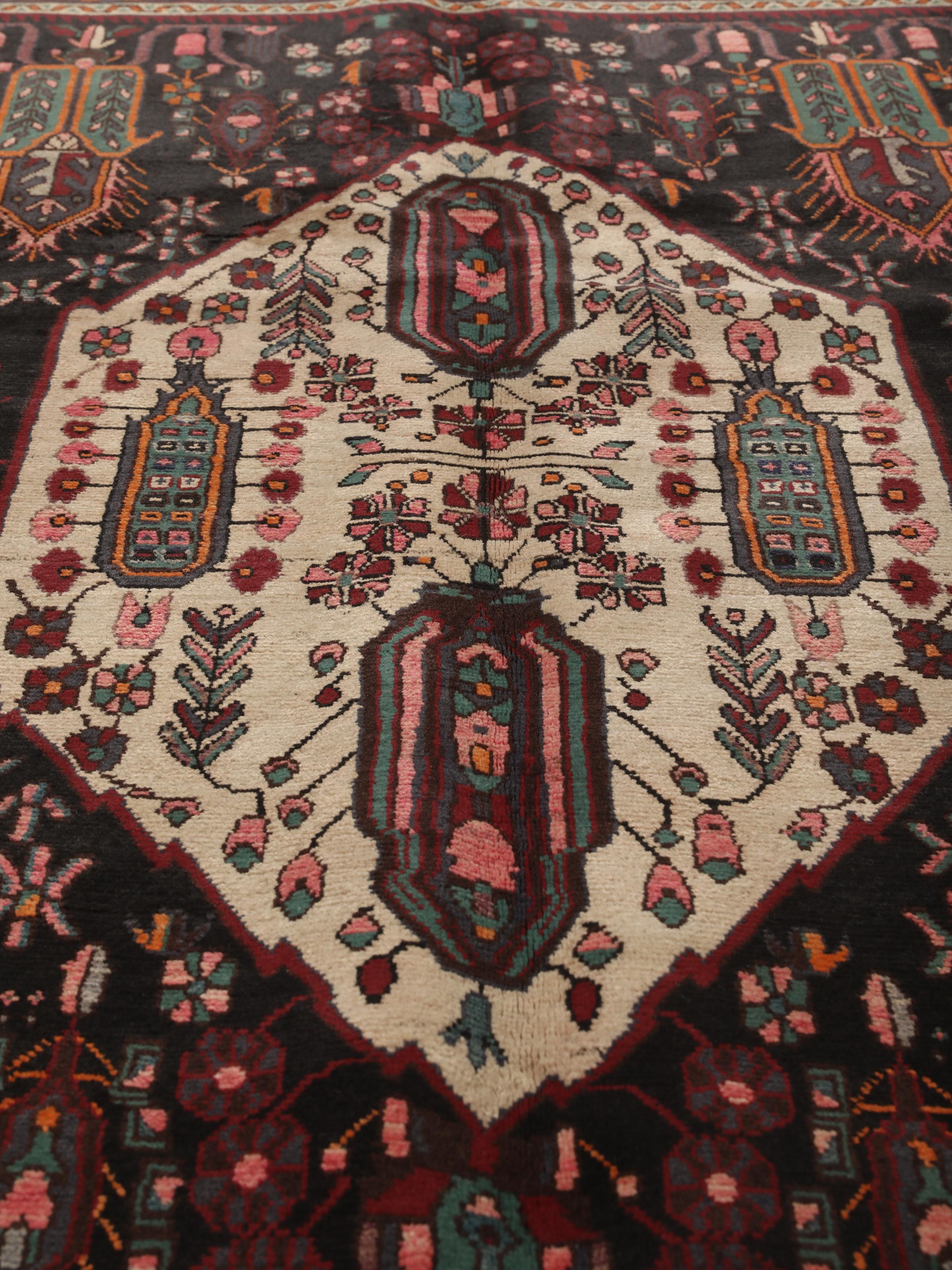
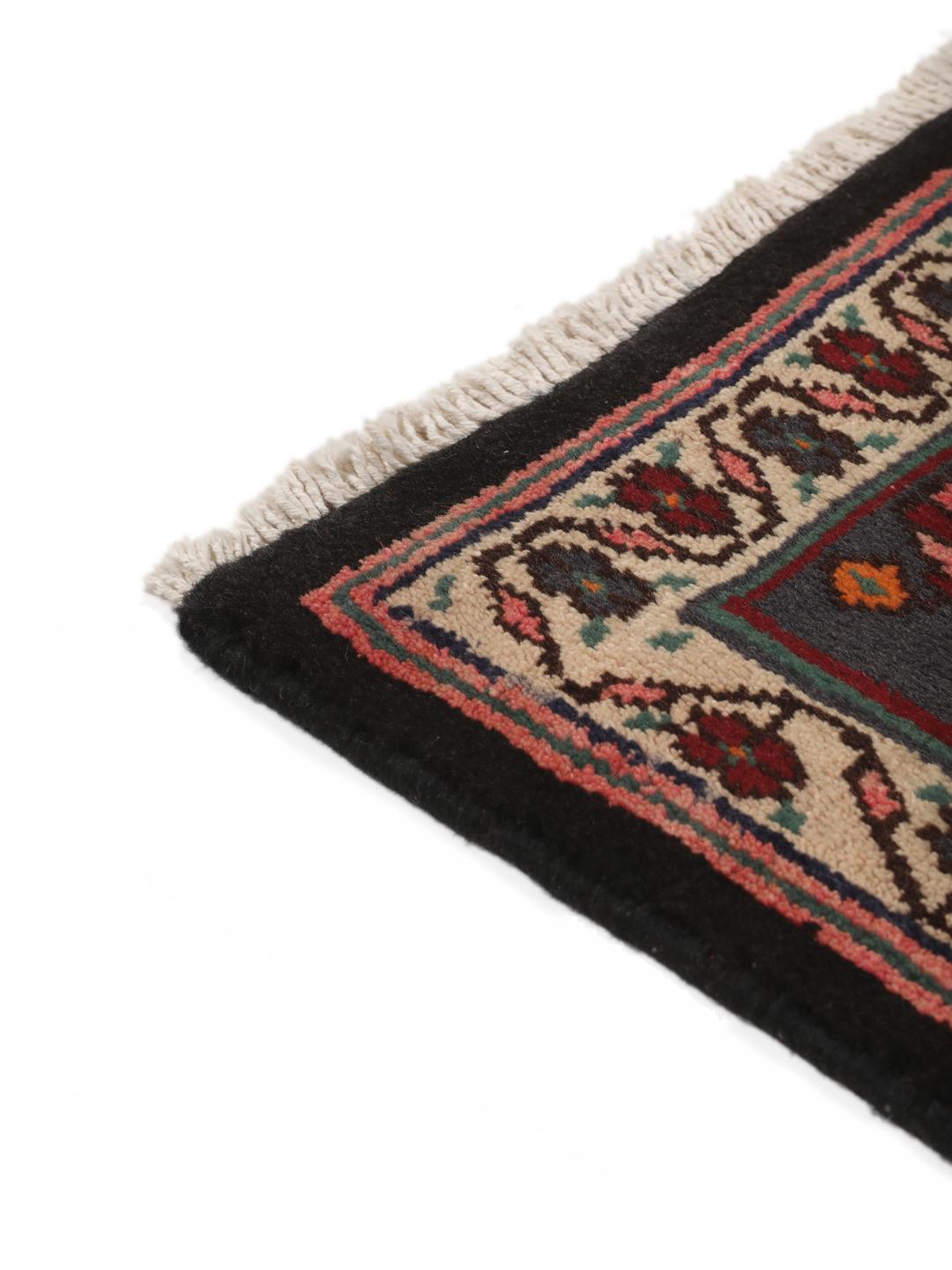
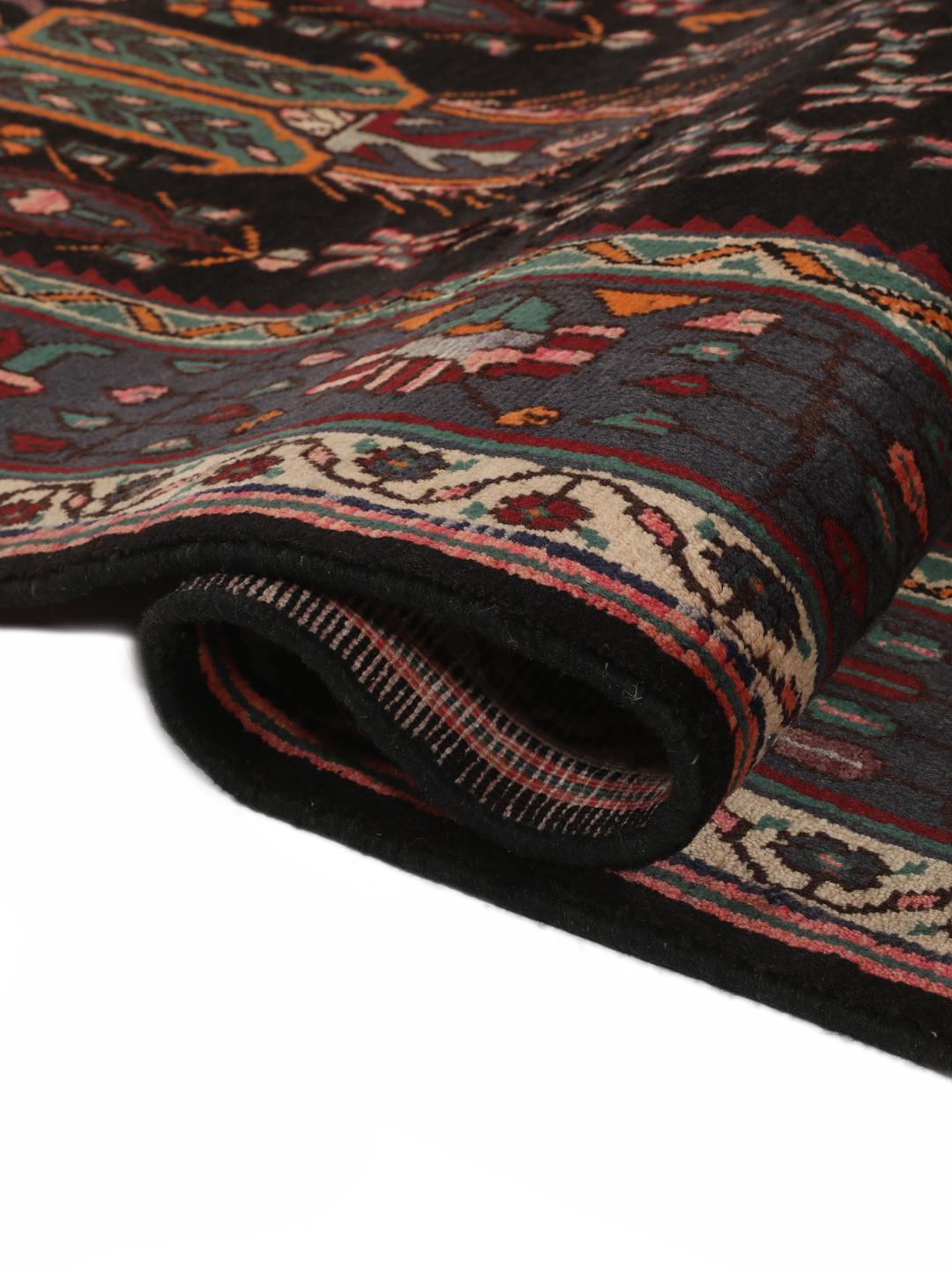
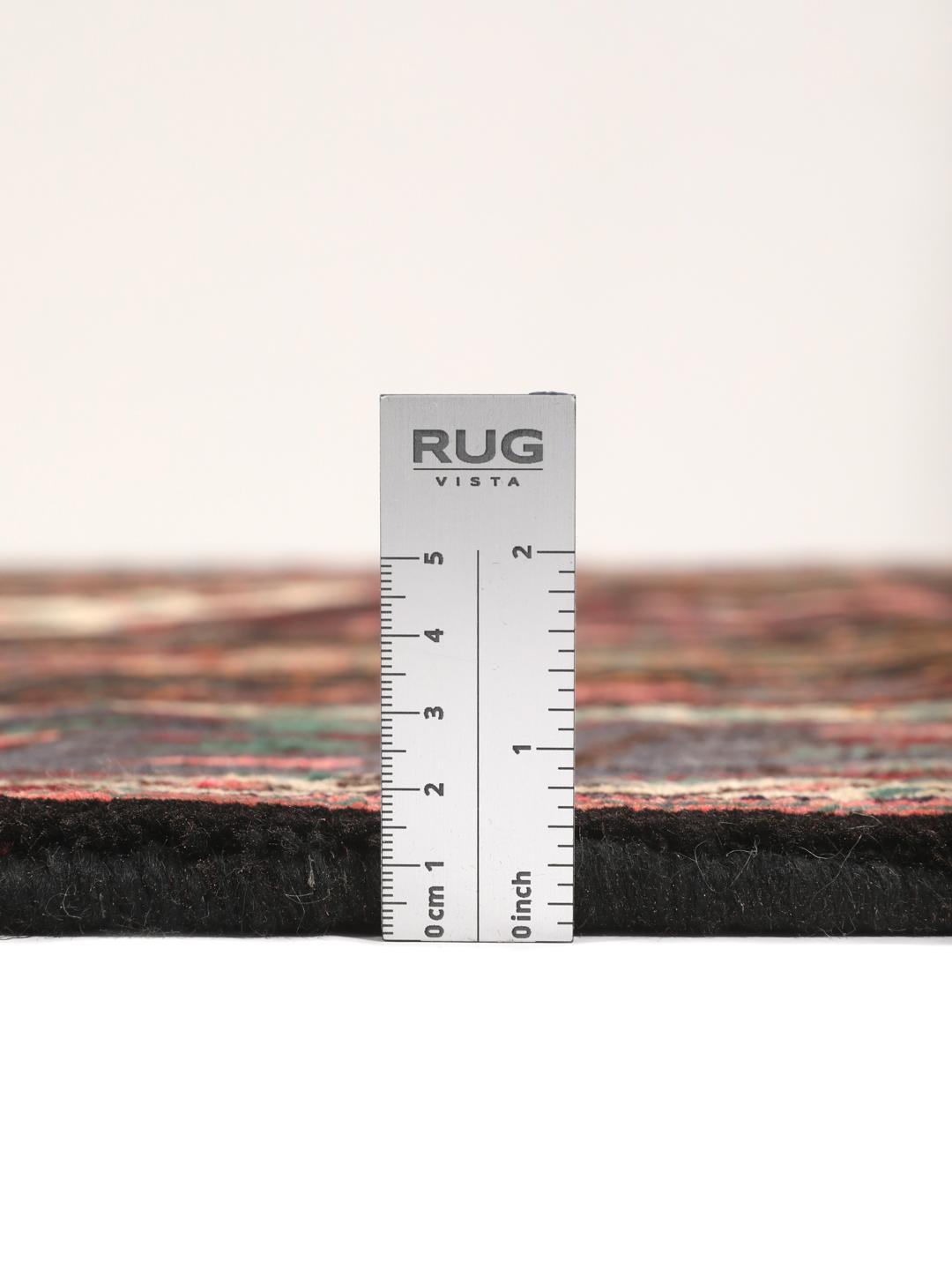
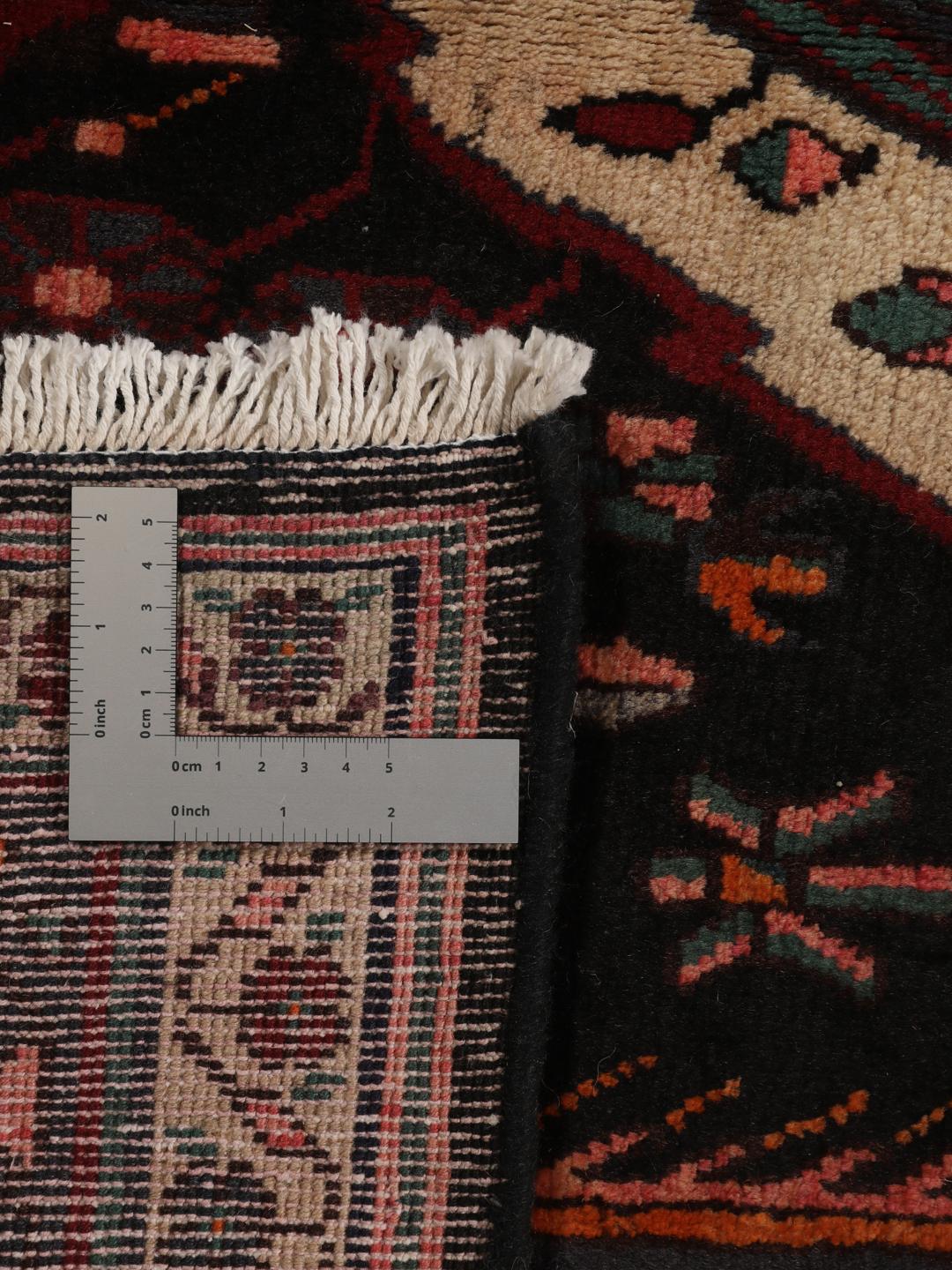
The construction of an Afshar rug is defined by the use of high-quality wool, often sourced from the tribes' own flocks. The term hand-knotted refers to the technique where every single knot is tied by hand onto the foundation, a process that creates a much more durable and valuable pile compared to mass-produced alternatives. This density is what gives the rug its signature longevity and depth of colour.
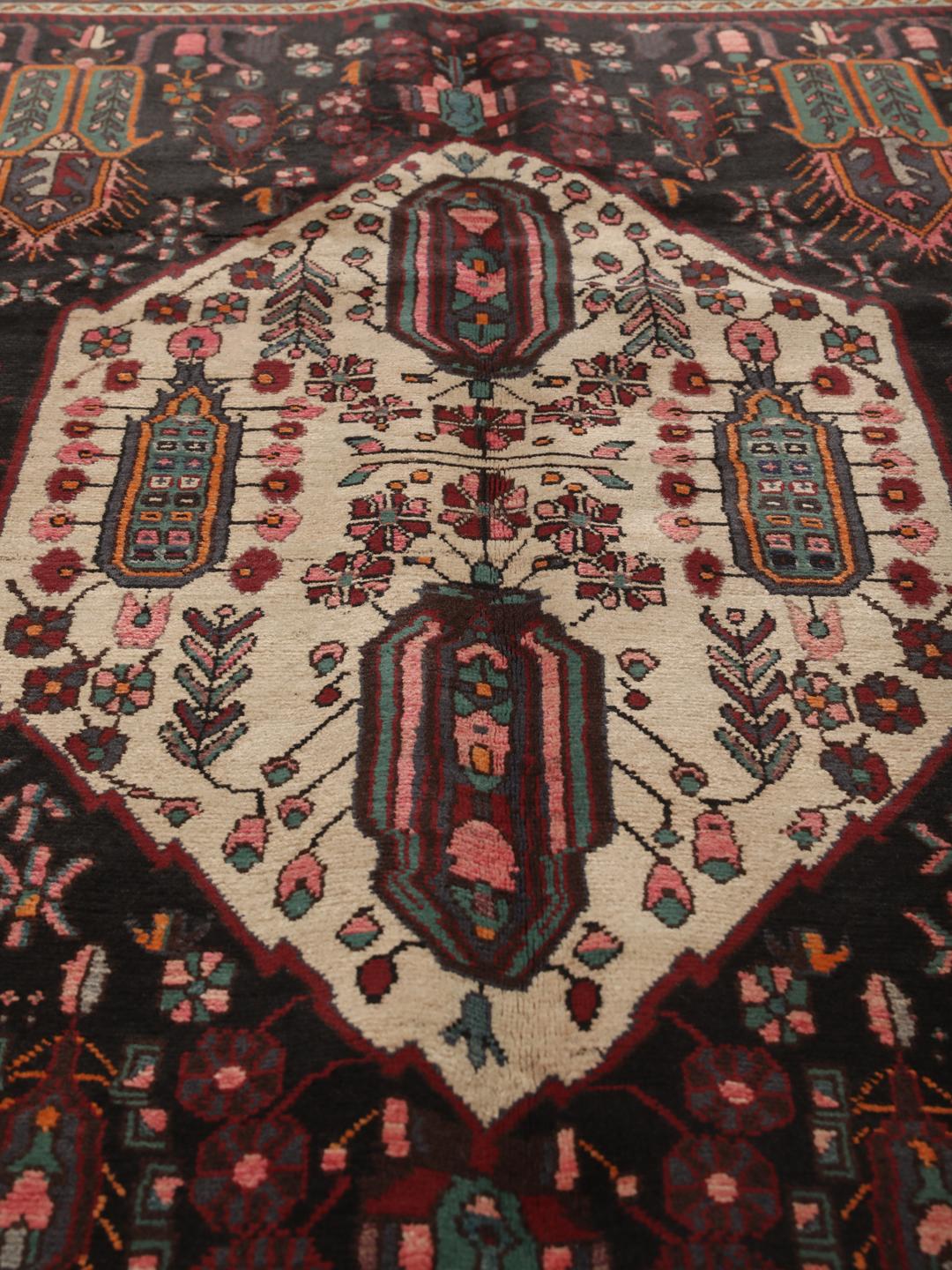
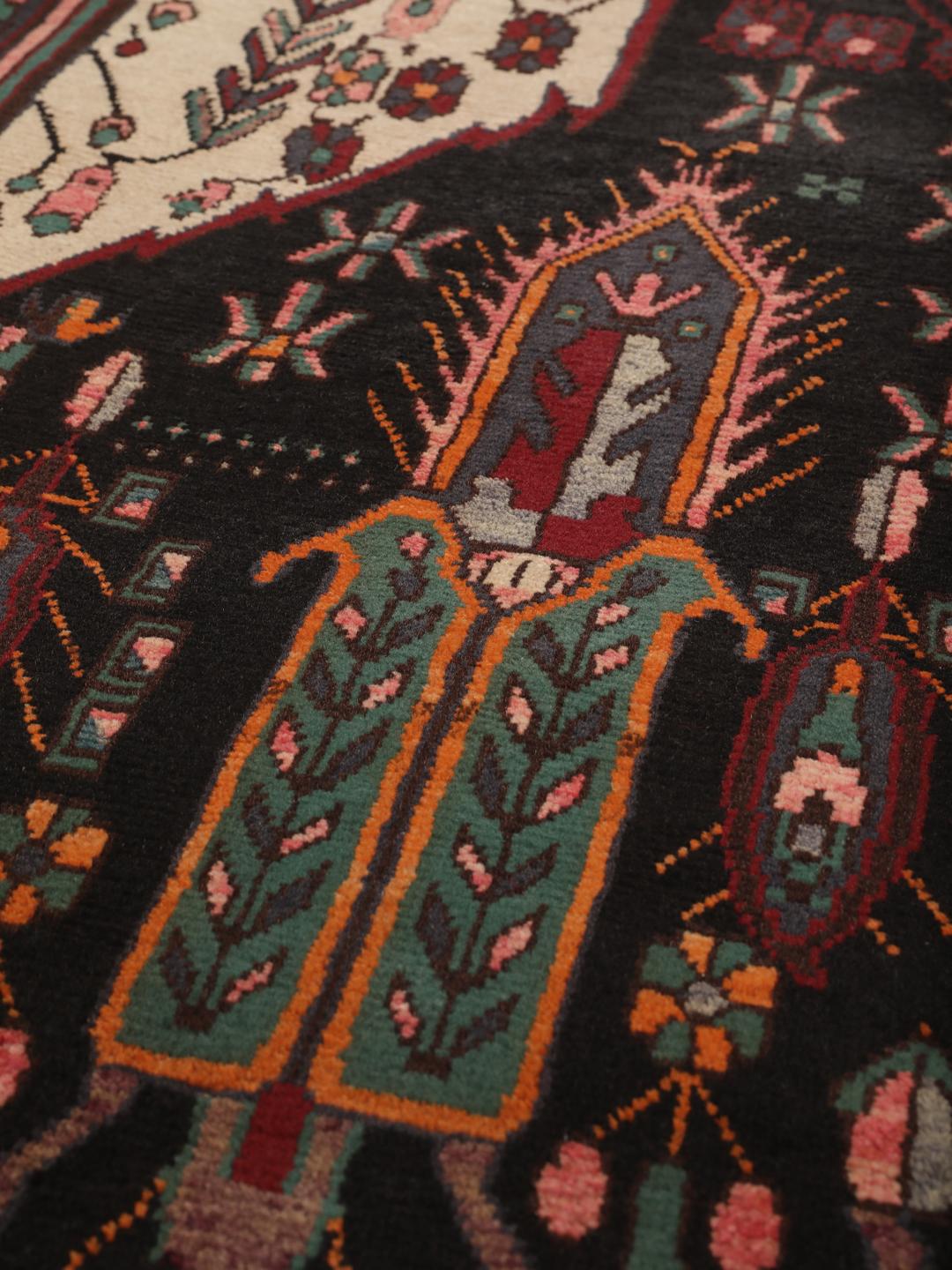
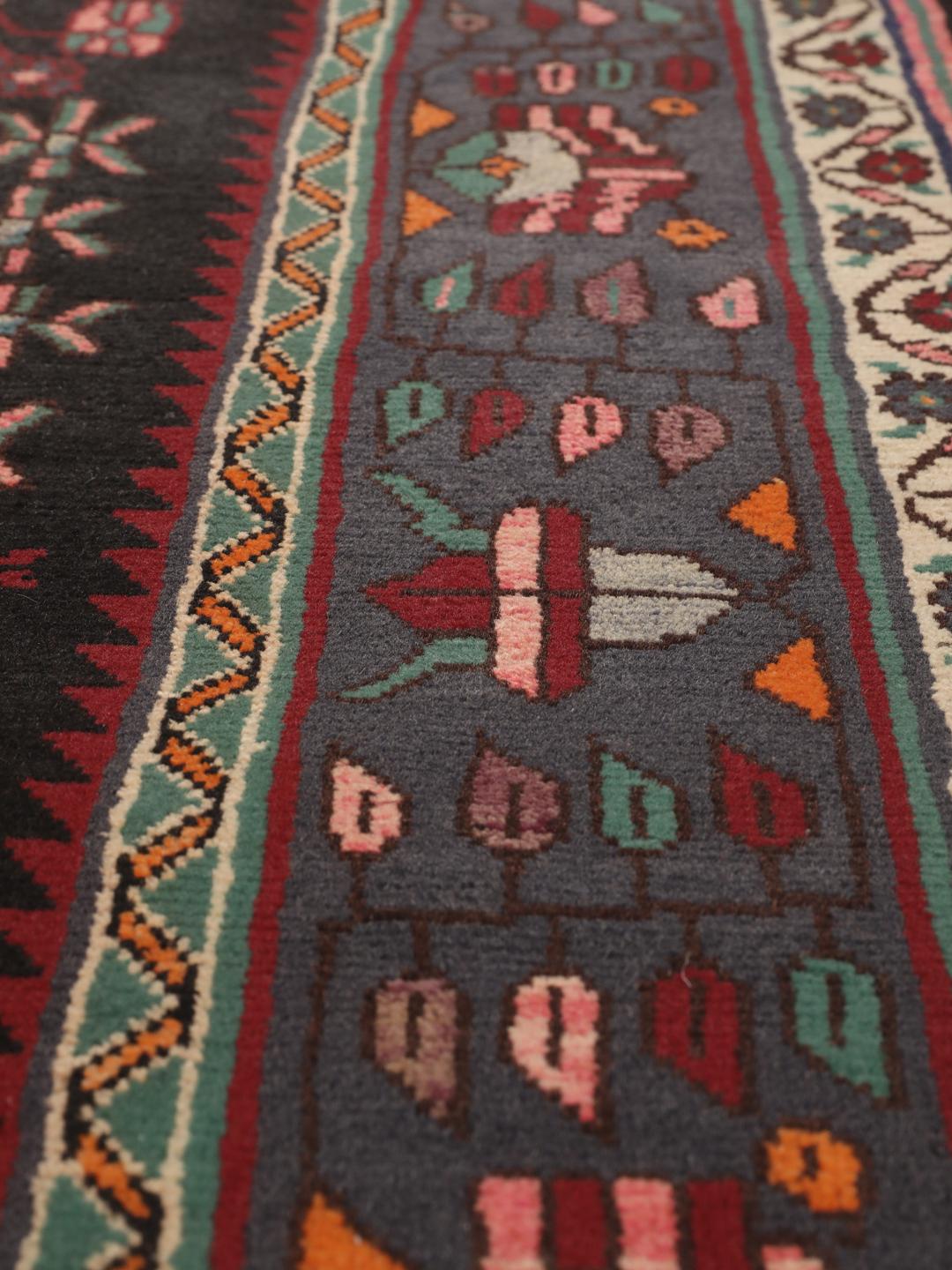
Signature design elements in Afshar weaving typically focus on geometric interpretations of floral and botanical motifs. You will often find central medallions, such as the one featured here, surrounded by stylized shrubs or repeating symbols that represent the tribe's heritage. The inclusion of deep, earthy tones mixed with contrasting lighter shades is a hallmark of this tradition, designed to stand out in the traditional tent or home.
Collecting an Afshar rug is a way of preserving a nomadic craft that is increasingly rare in the modern world. Because these rugs are produced in small quantities by individual weavers rather than in factories, each piece serves as a cultural artifact. Owning one means holding a piece of history that values skill, patience, and a connection to ancient artistic lineages.