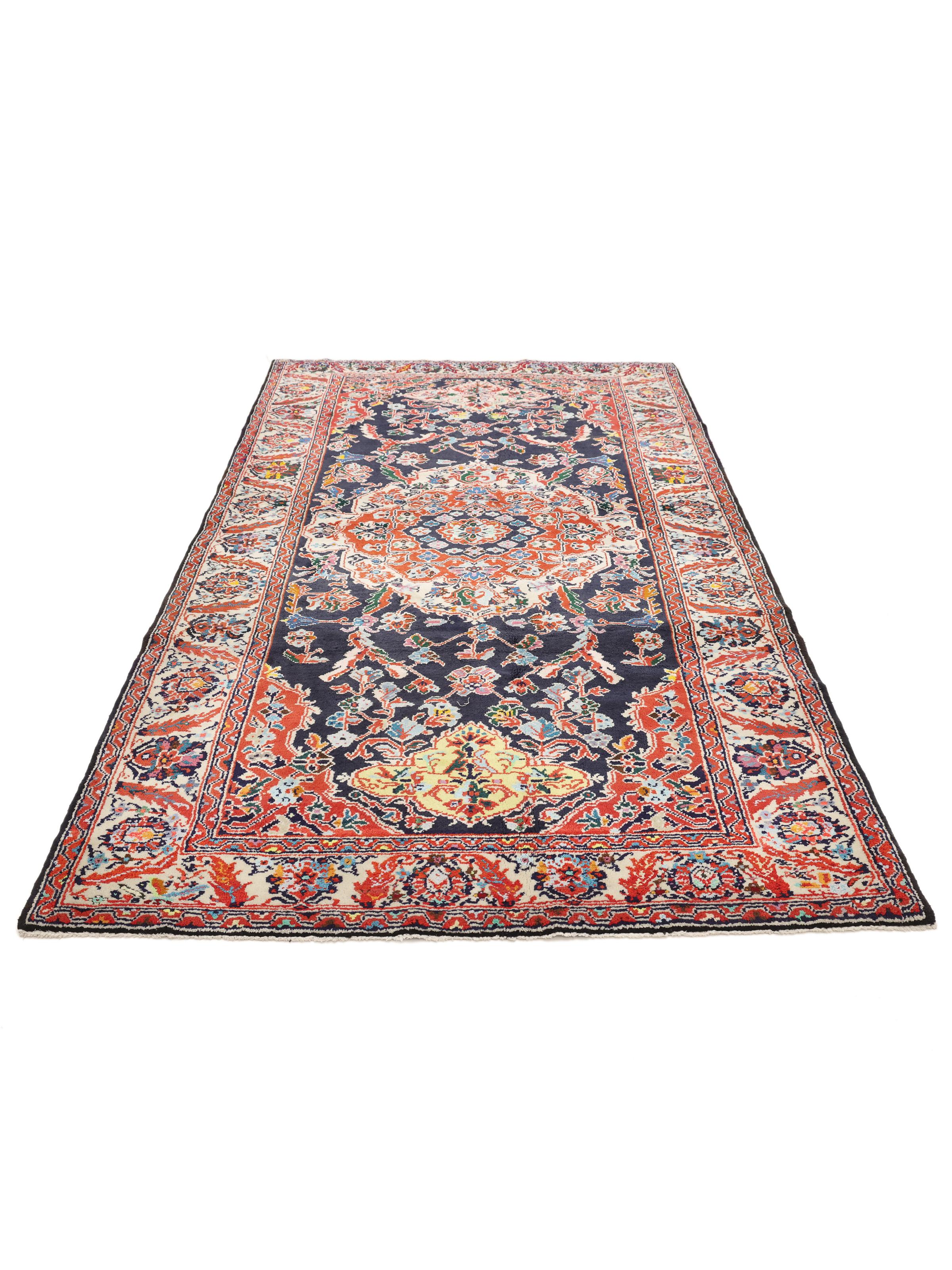
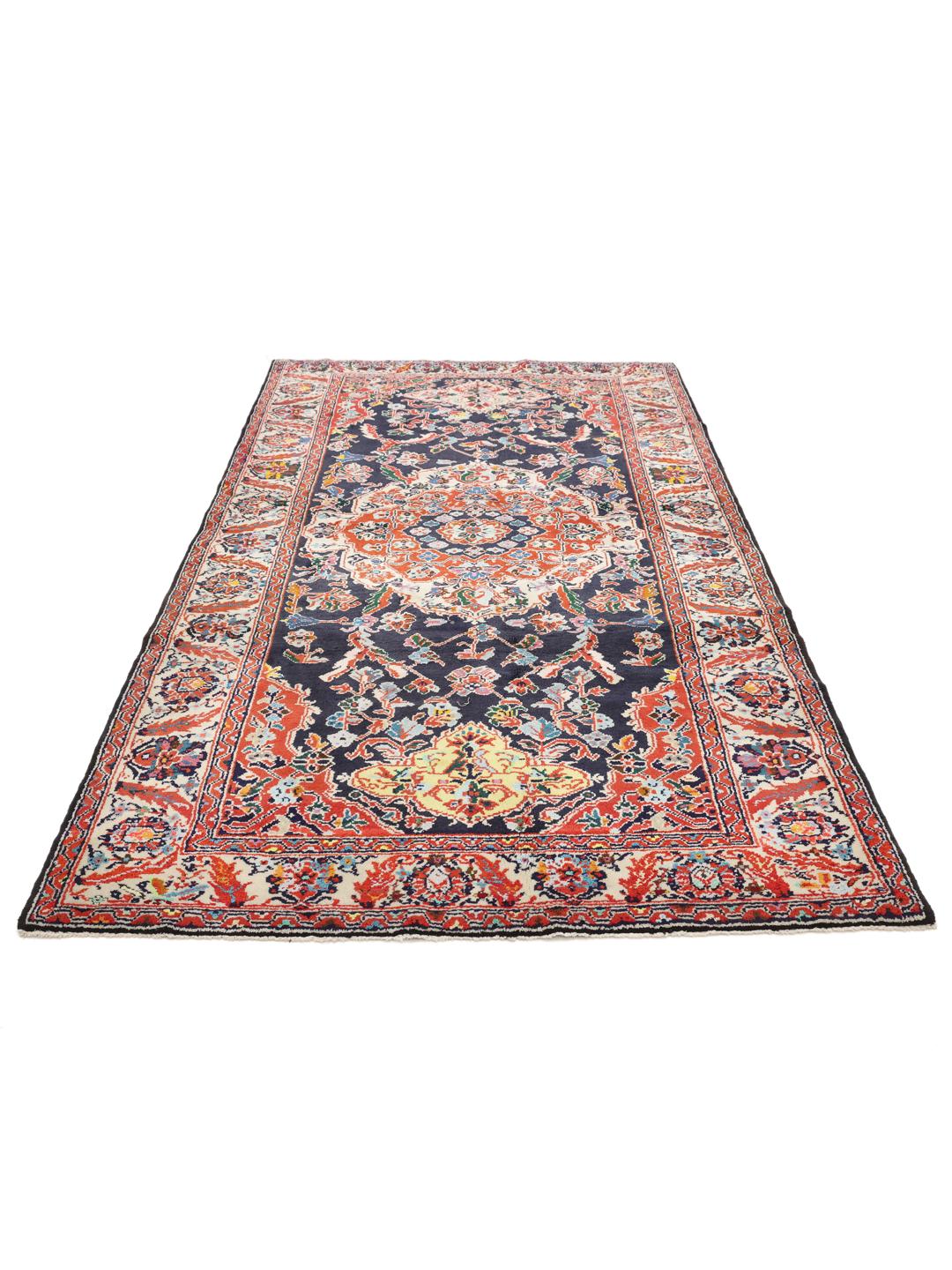
The Ardebil rug takes its name from the historic city of Ardebil in the northwestern part of the Middle East. This region has long been a centre for textile production, famous for its ability to blend artistic expression with technical mastery. The legacy of Ardebil rugs is perhaps most famously linked to the renowned pair of 16th-century carpets housed in major museum collections, which set the standard for the intricate, large-scale floral compositions that define the style today.
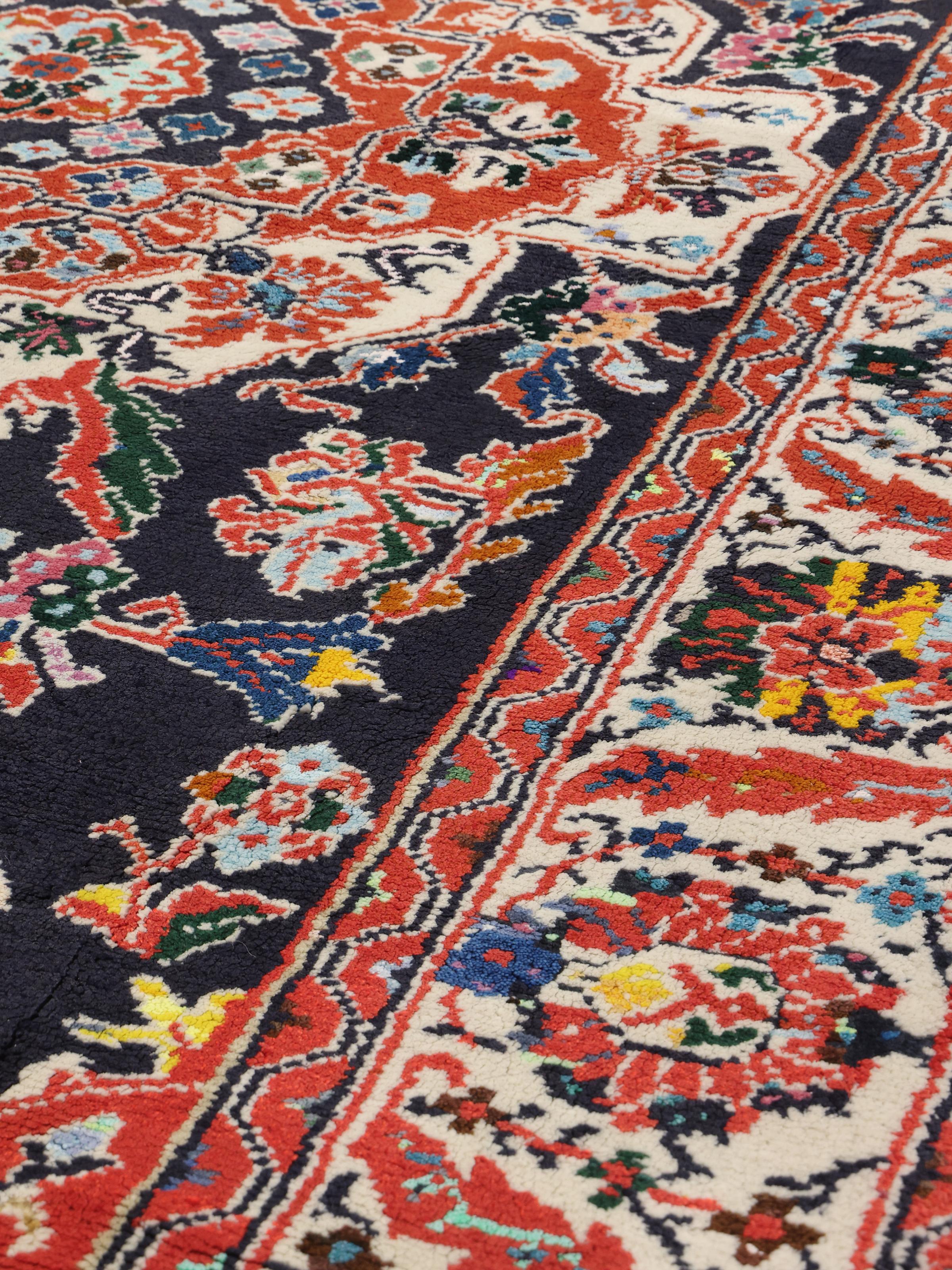
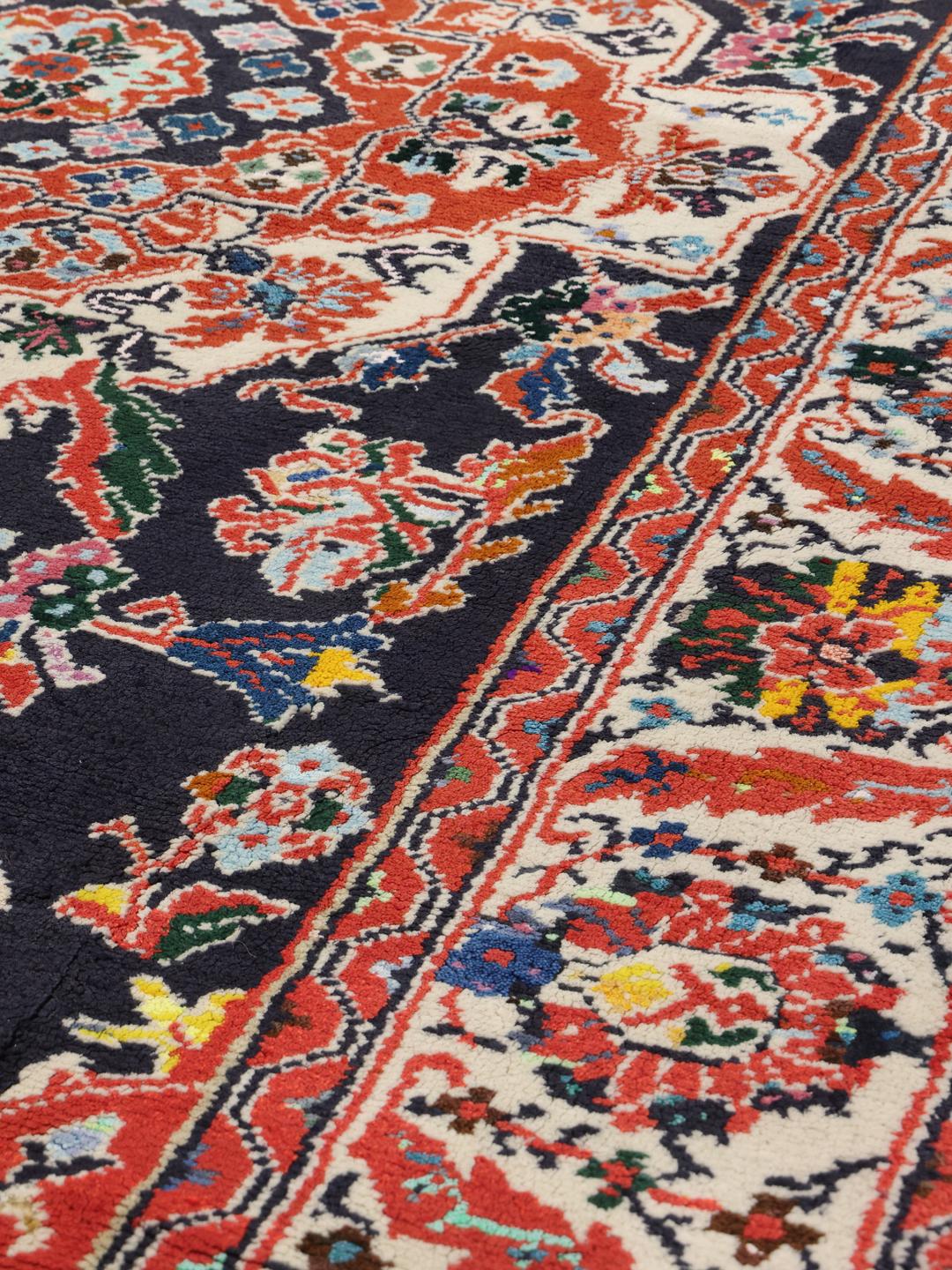
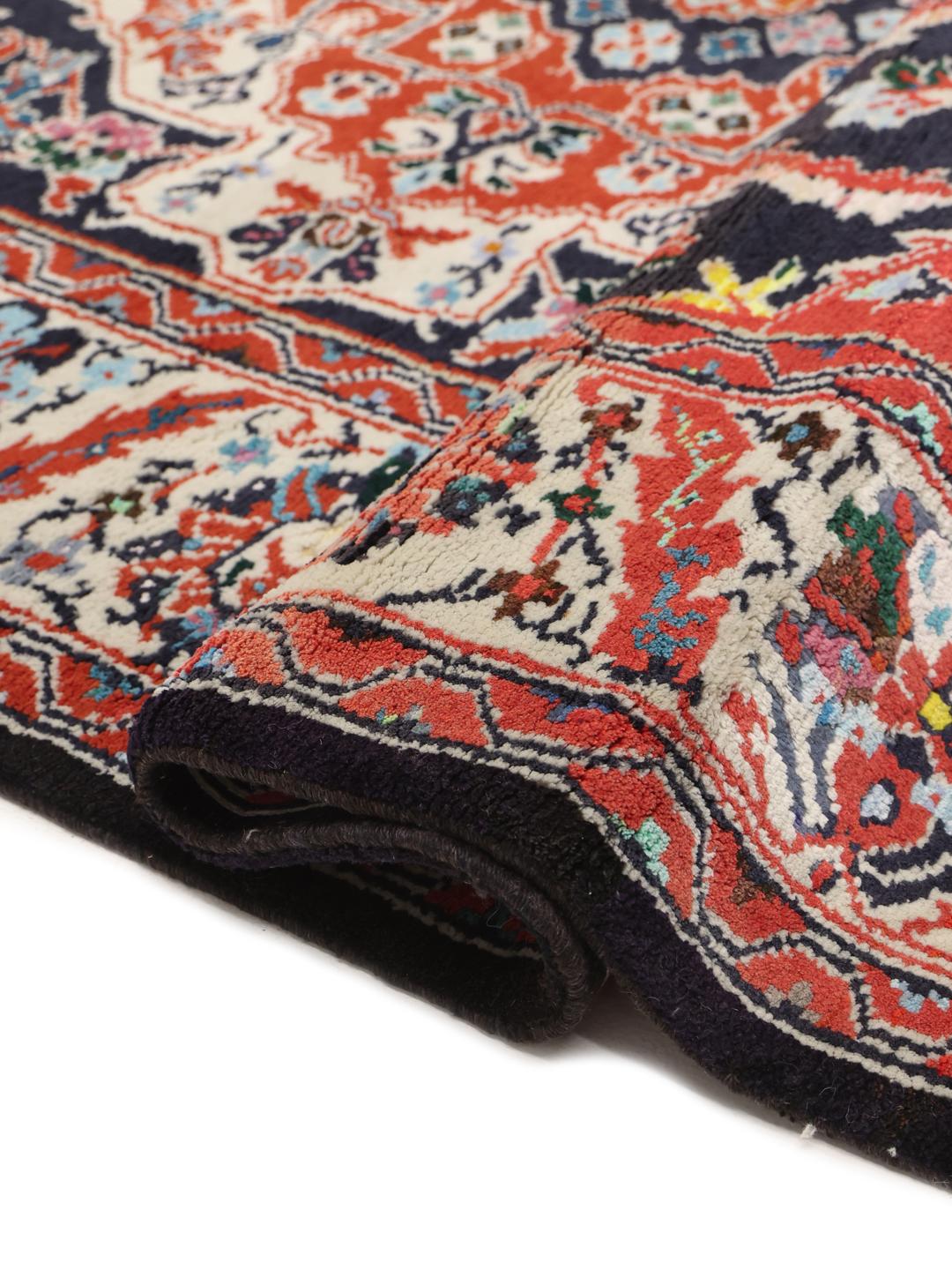
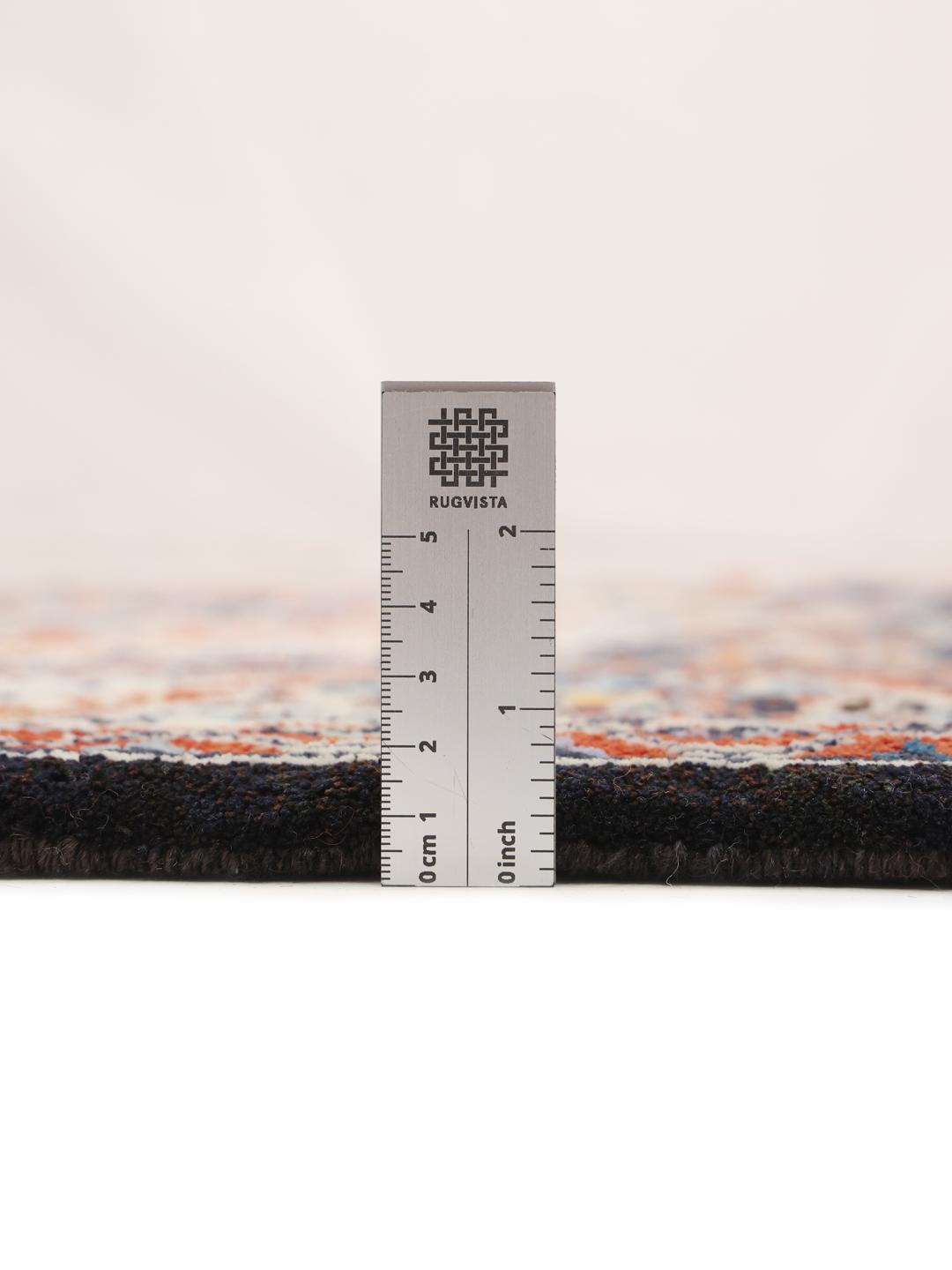
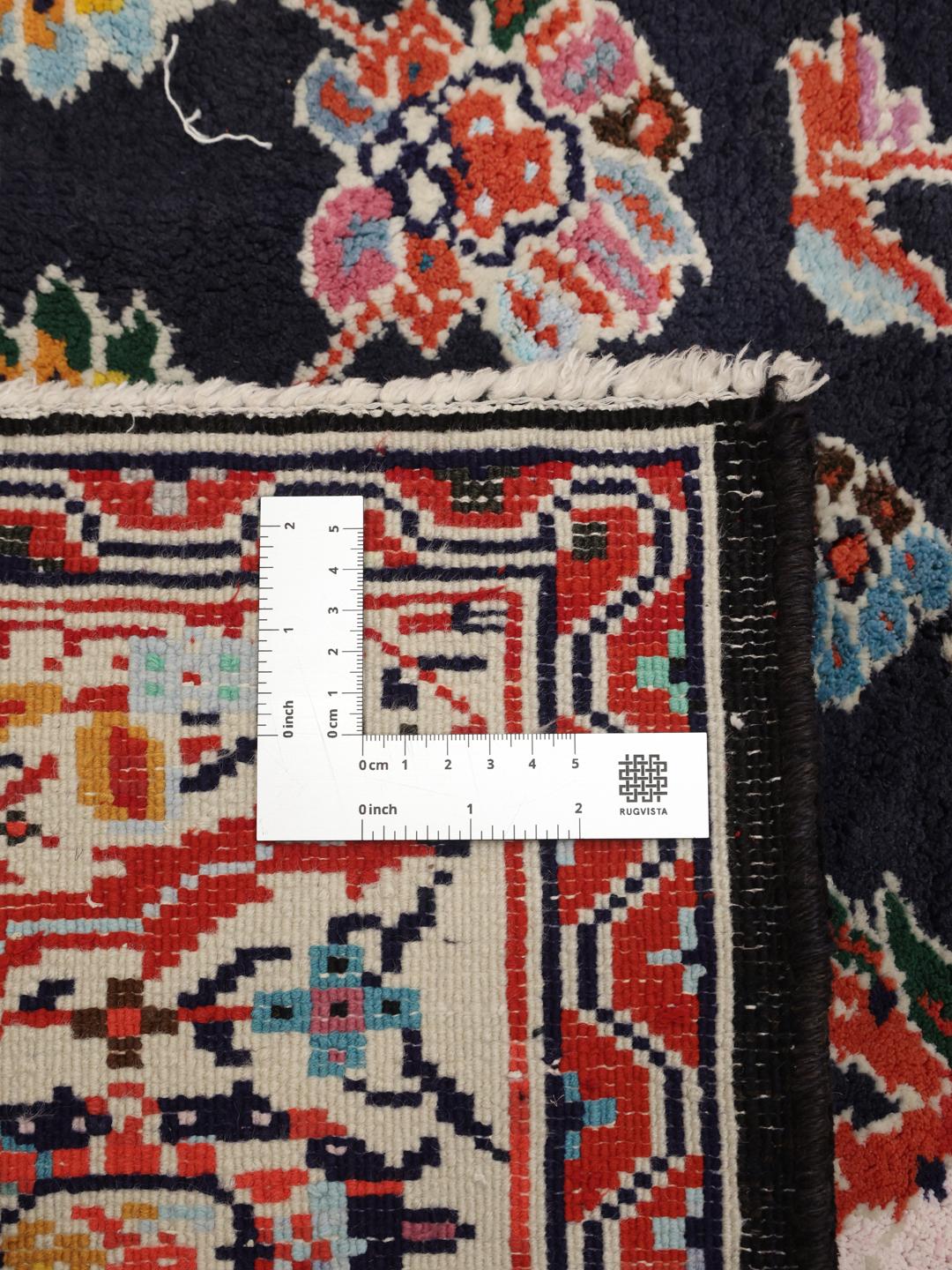
A defining technical feature of these rugs is the use of a dense knotting technique, which allows for extremely fine detail and a luxurious, long-lasting pile. This density is not merely for show; it is what gives the rug its structural integrity, ensuring that the intricate patterns remain crisp and vibrant over decades of use. The foundation, crafted with a sturdy cotton base, provides the necessary tension to support the heavy, soft wool pile that characterises these exceptional pieces.
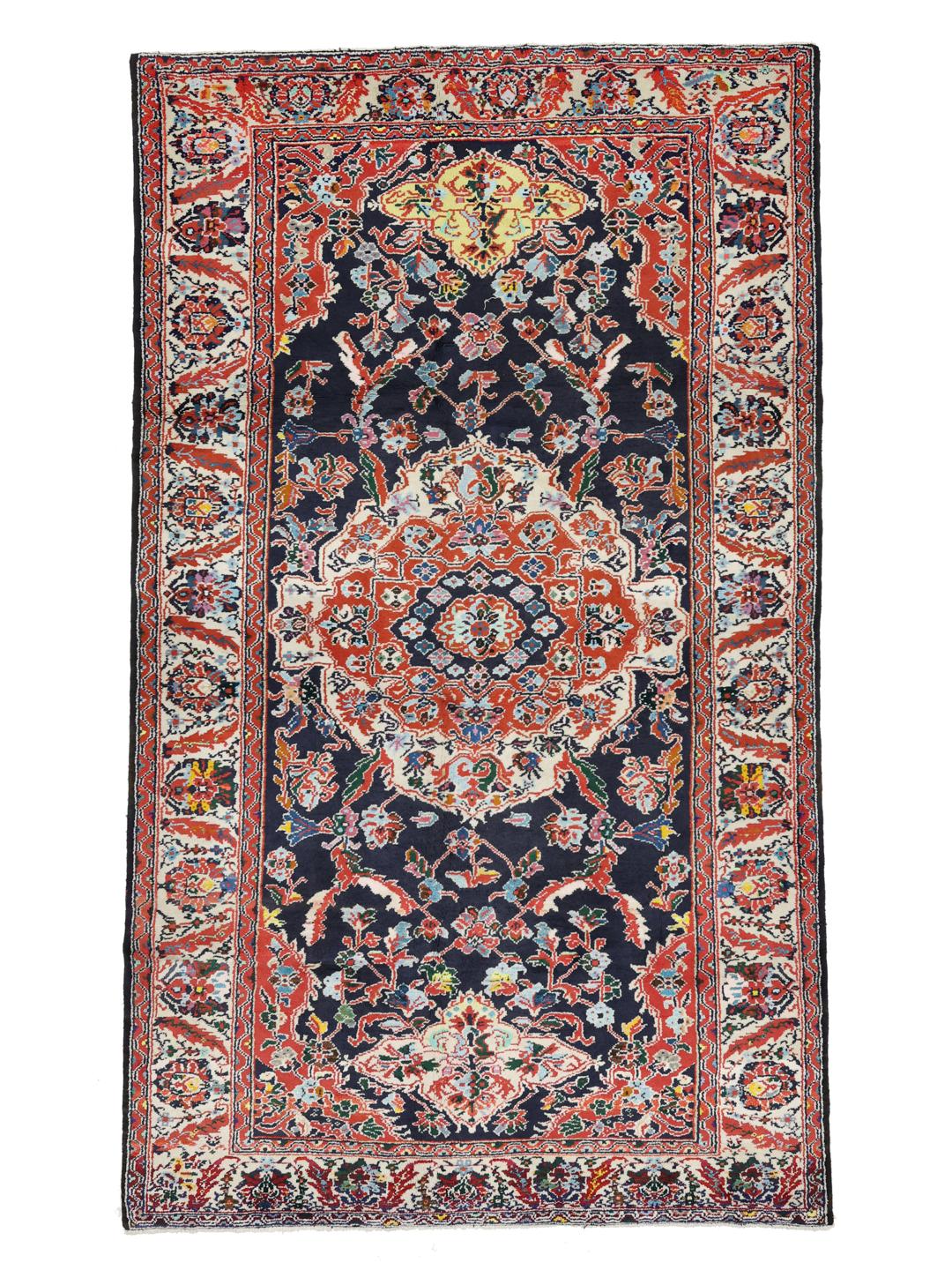
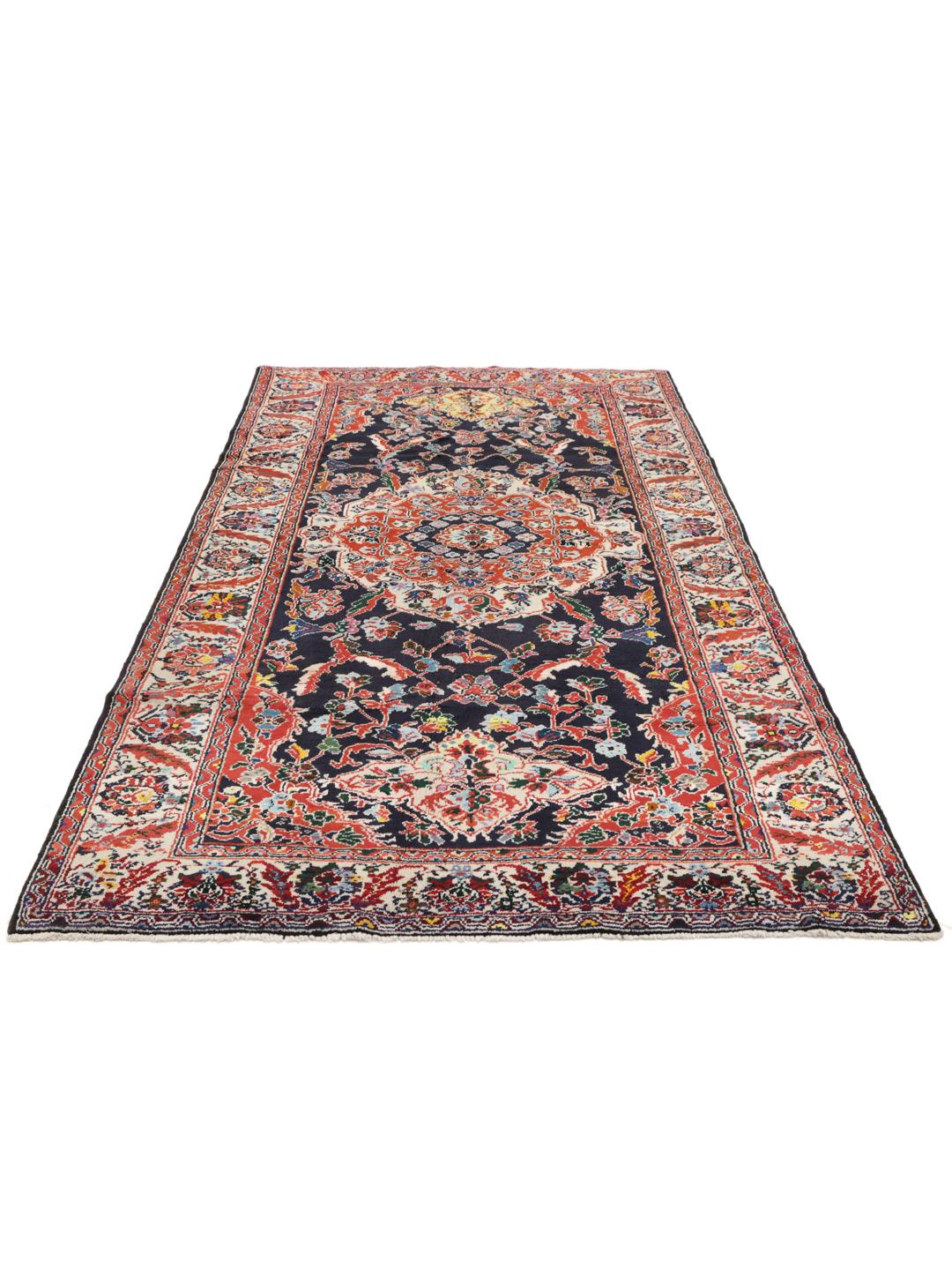
Visually, Ardebil rugs are known for their sophisticated layouts, which often feature a large, central medallion surrounded by a sea of scrolling vines, palmettes, and floral blossoms. The borders are typically just as elaborate, featuring continuous floral guards that frame the central field perfectly. This specific rug showcases the classic dark field that makes the bright, saturated reds and secondary accent colours pop, a hallmark of the most sought-after examples in this tradition.
Owning an Ardebil rug is more than just purchasing a floor covering; it is an act of preserving a piece of cultural history. These rugs are highly valued by collectors for their complexity and the sheer level of skill required to bring such a design to life. To live with an Ardebil rug is to surround yourself with a tradition of excellence that has been passed down through generations, making it a true heirloom-quality addition to any home.