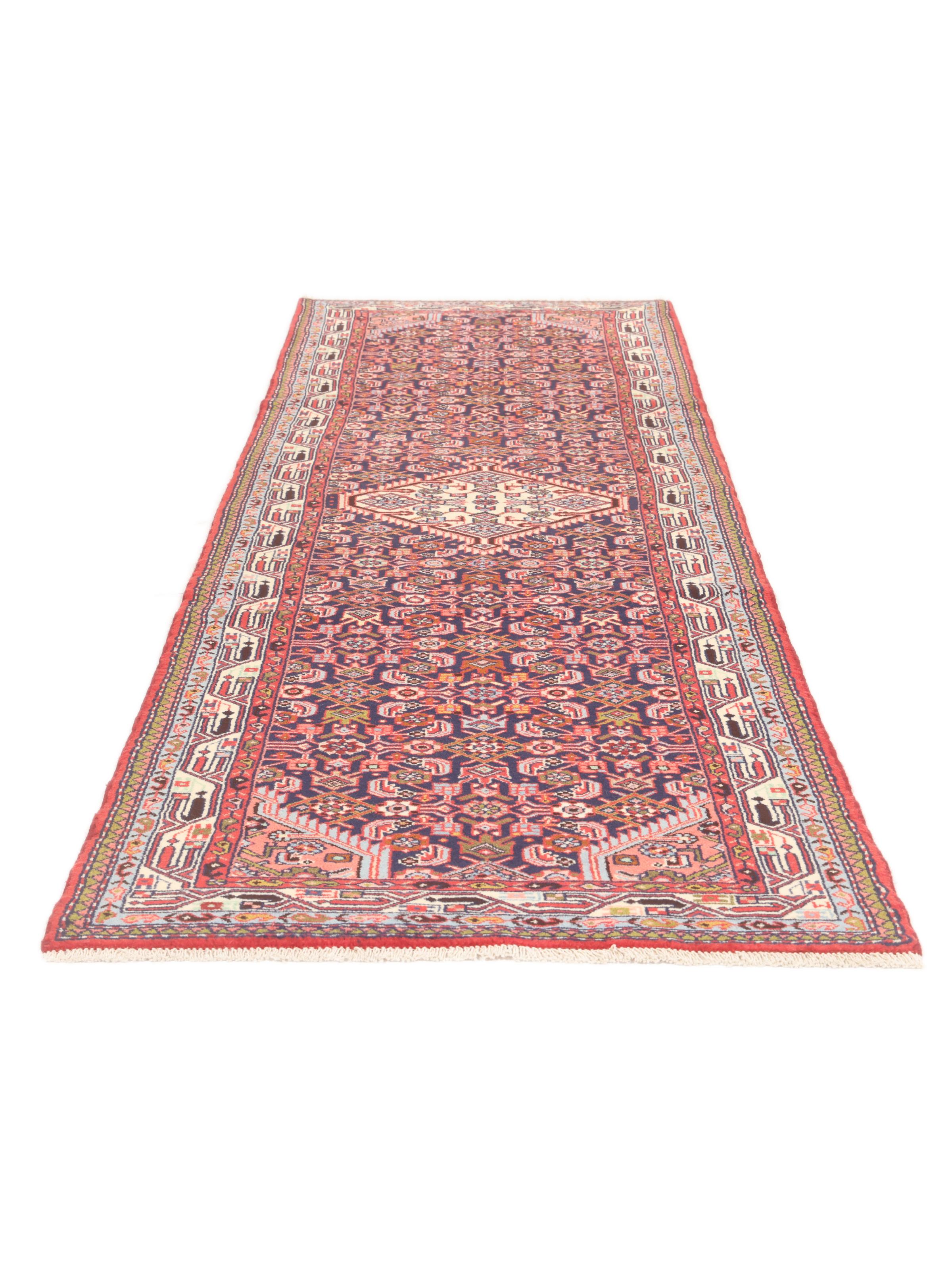
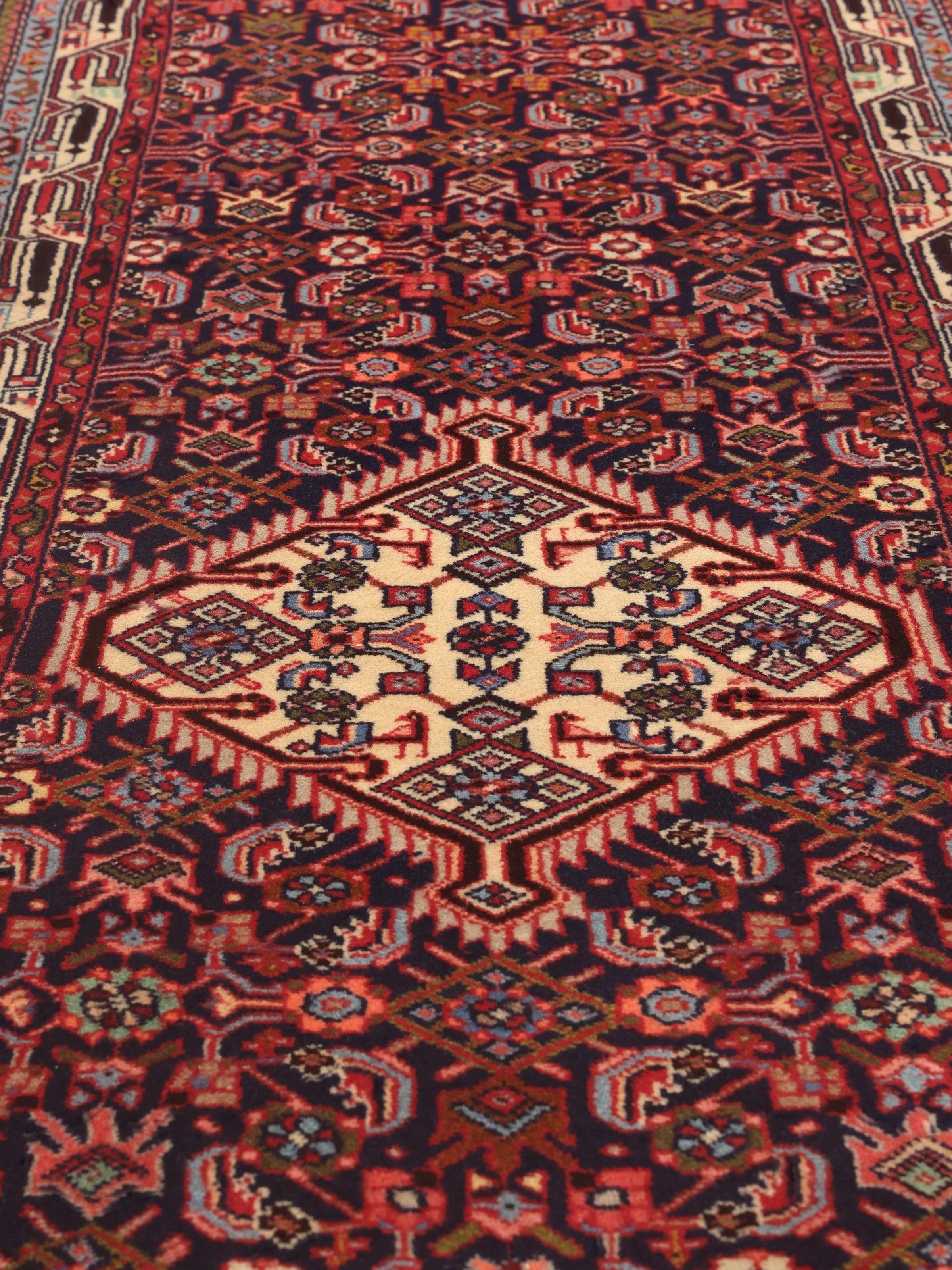
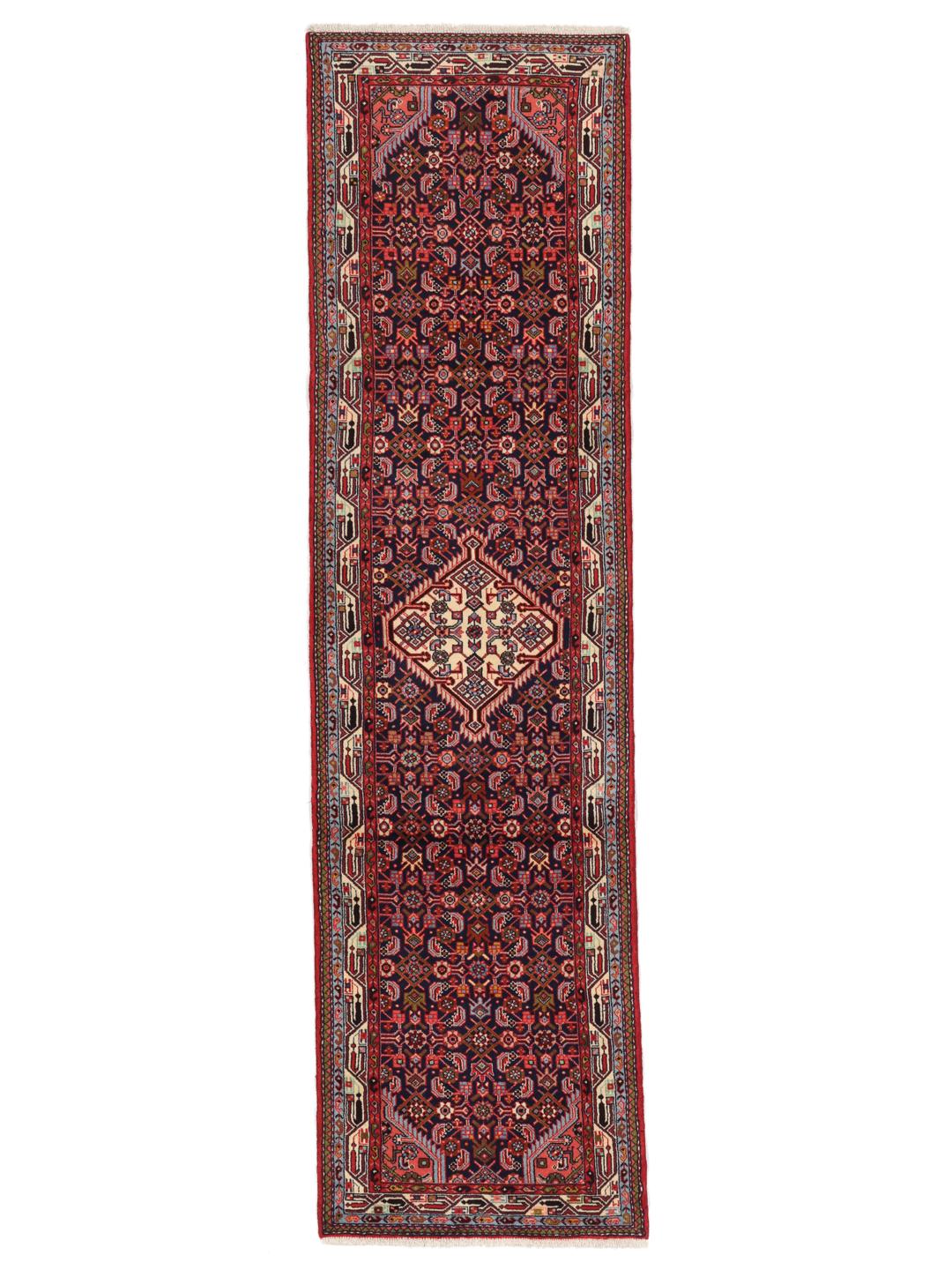
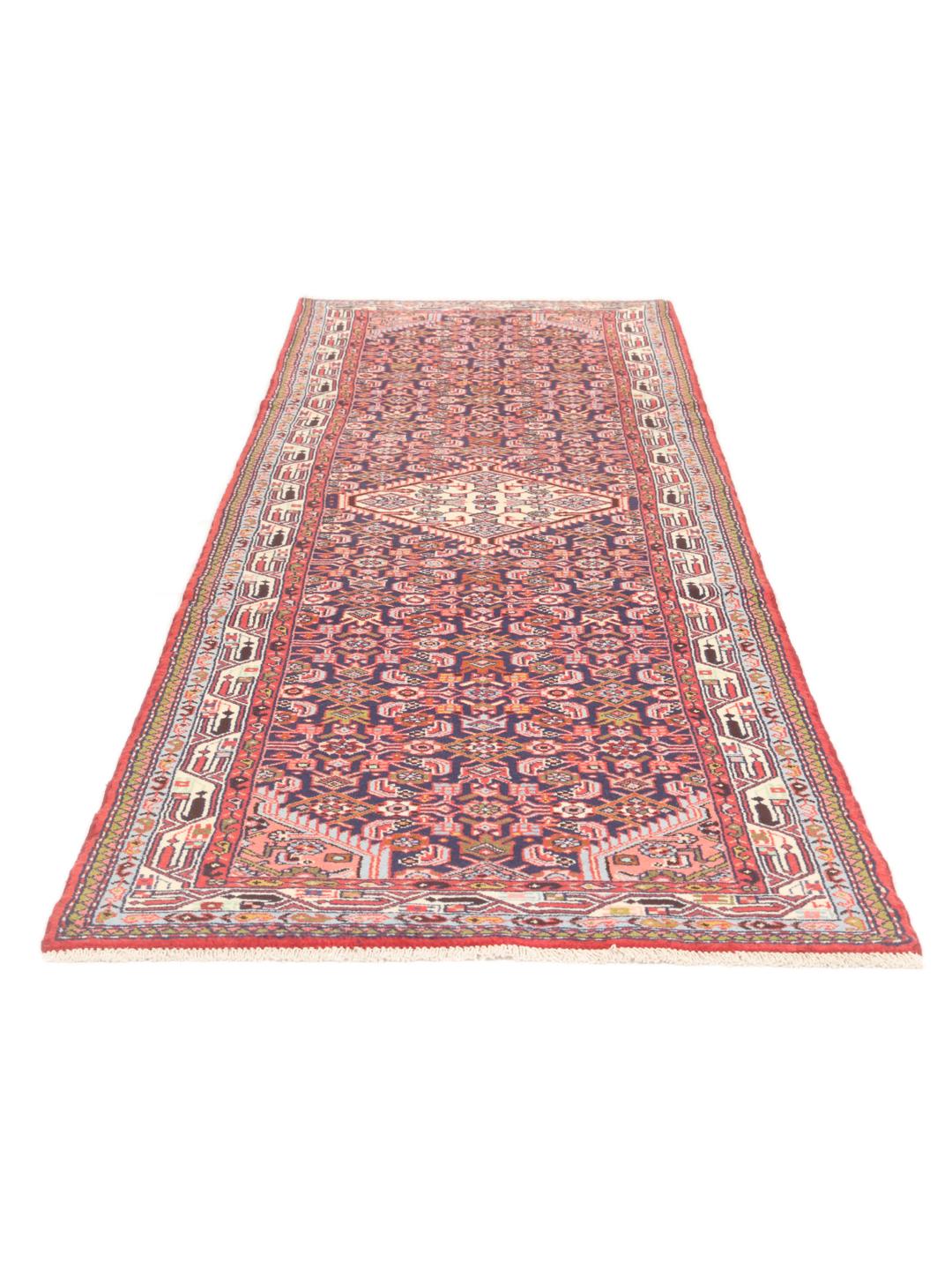
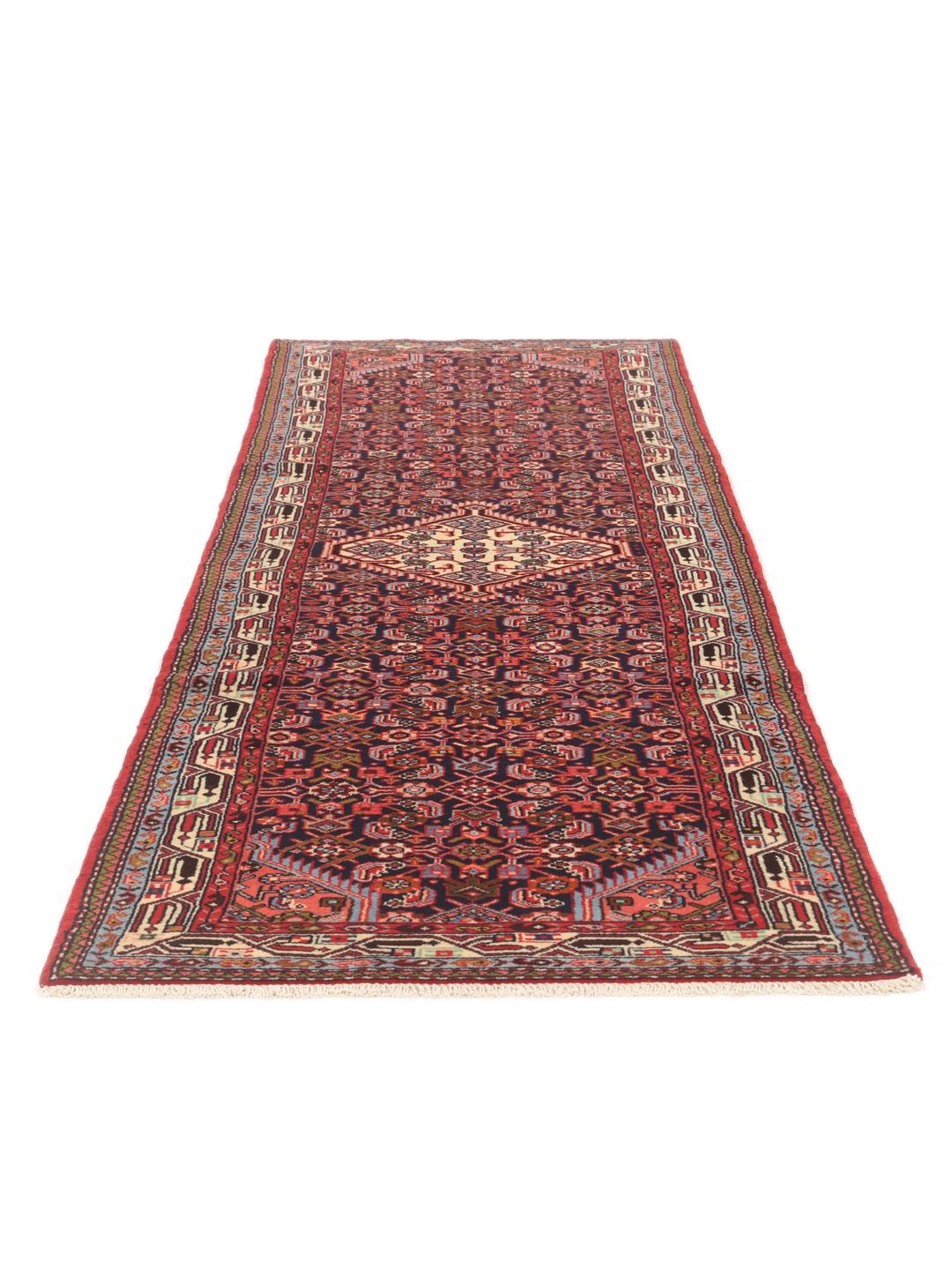
The Asadabad runner originates from the region surrounding Hamadan in the Middle East, an area long celebrated for its prolific and distinct weaving traditions. Hamadan serves as a primary hub for a vast network of villages, each contributing unique variations to the classic Middle Eastern rug aesthetic. This specific style reflects the long-standing heritage of the region, where rug weaving has been a central pillar of local culture for generations.
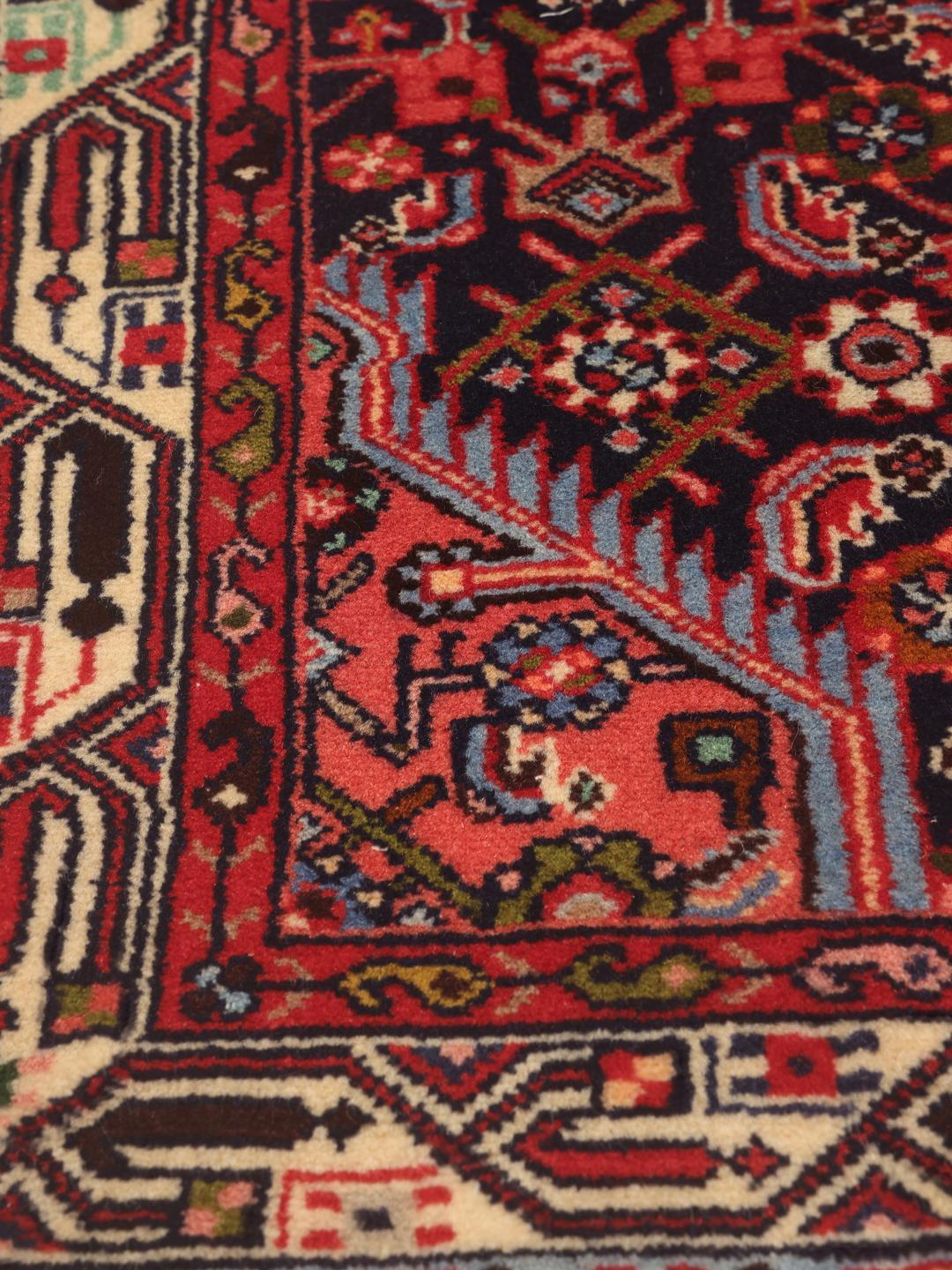
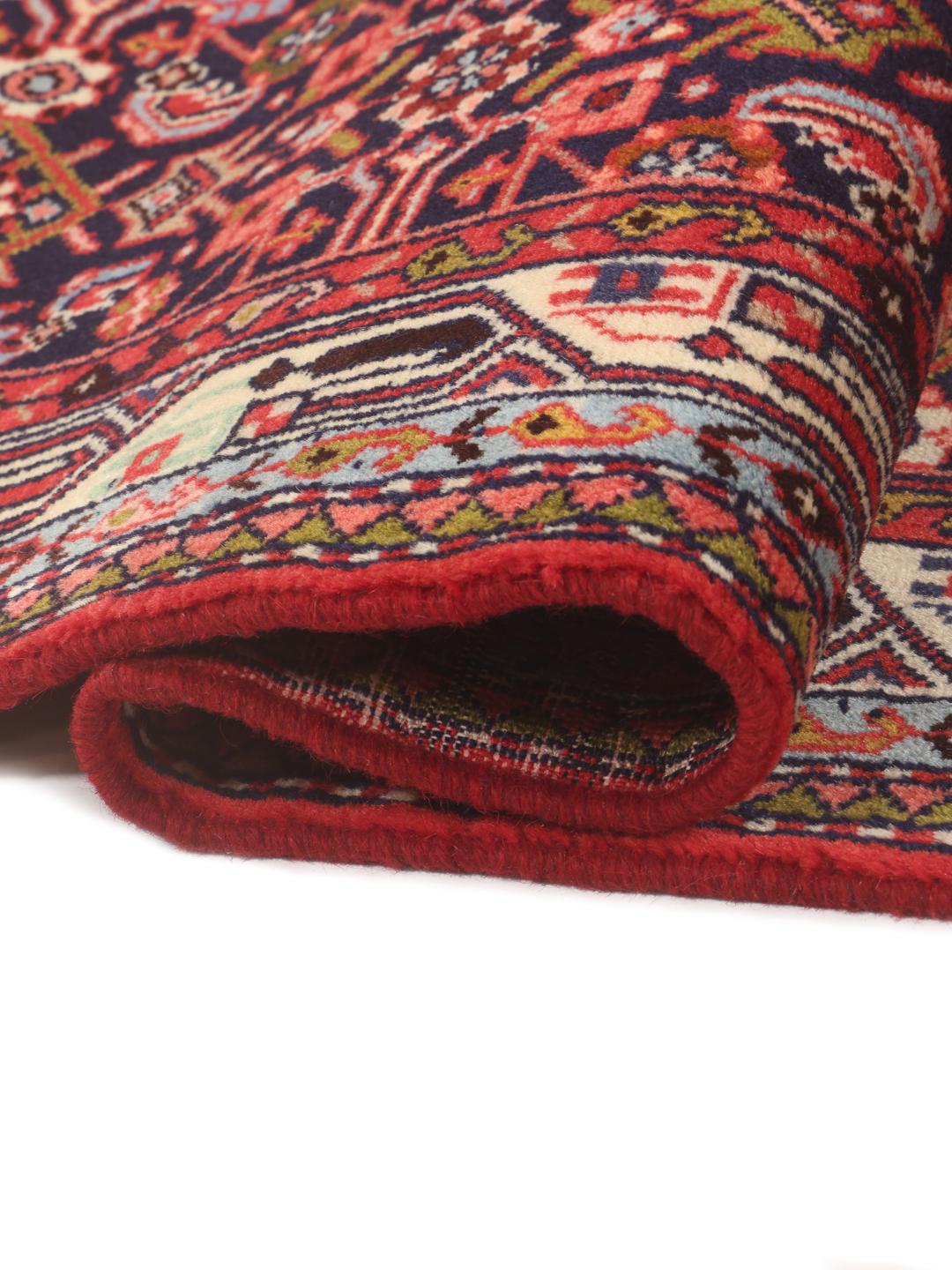
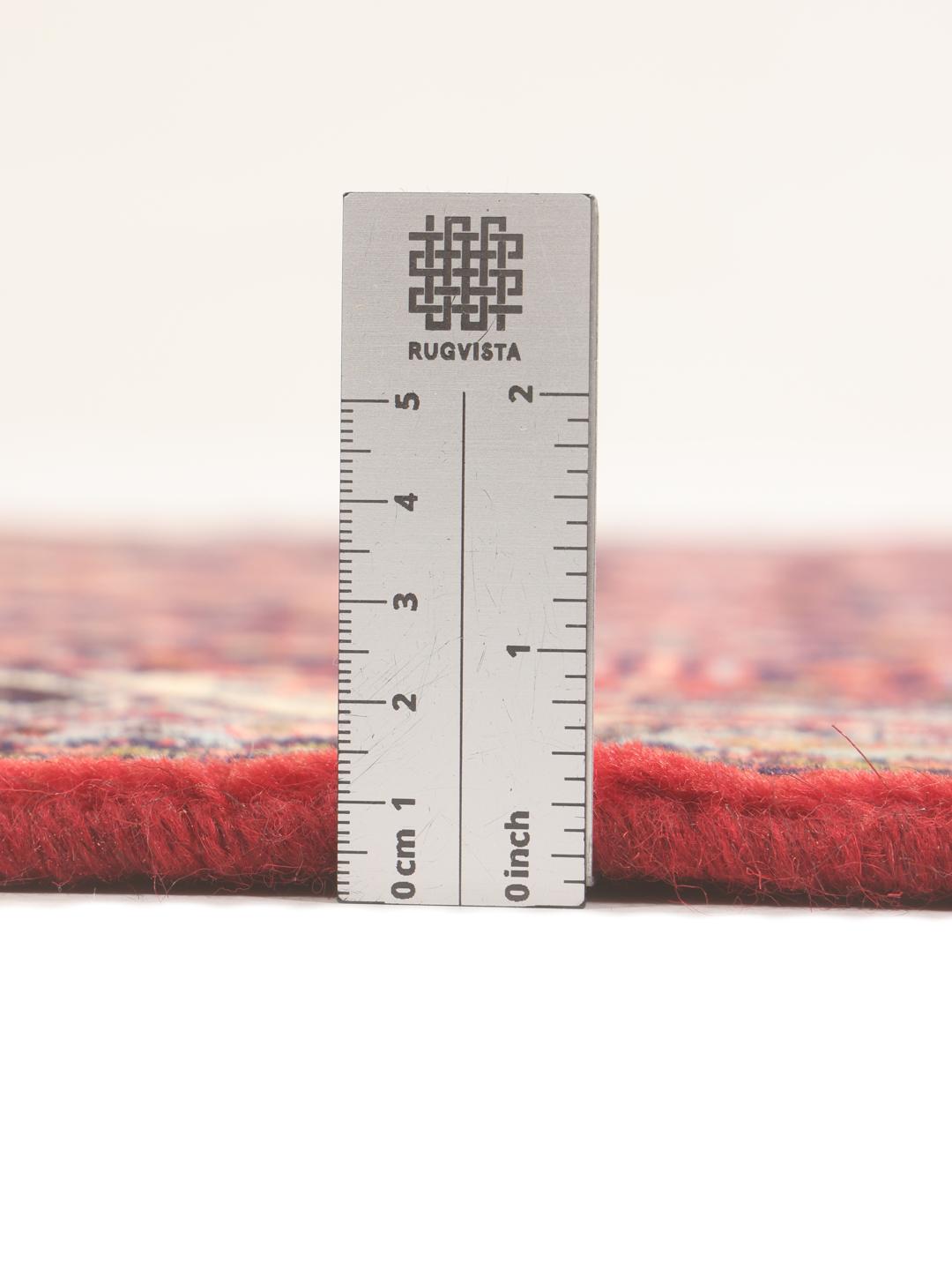
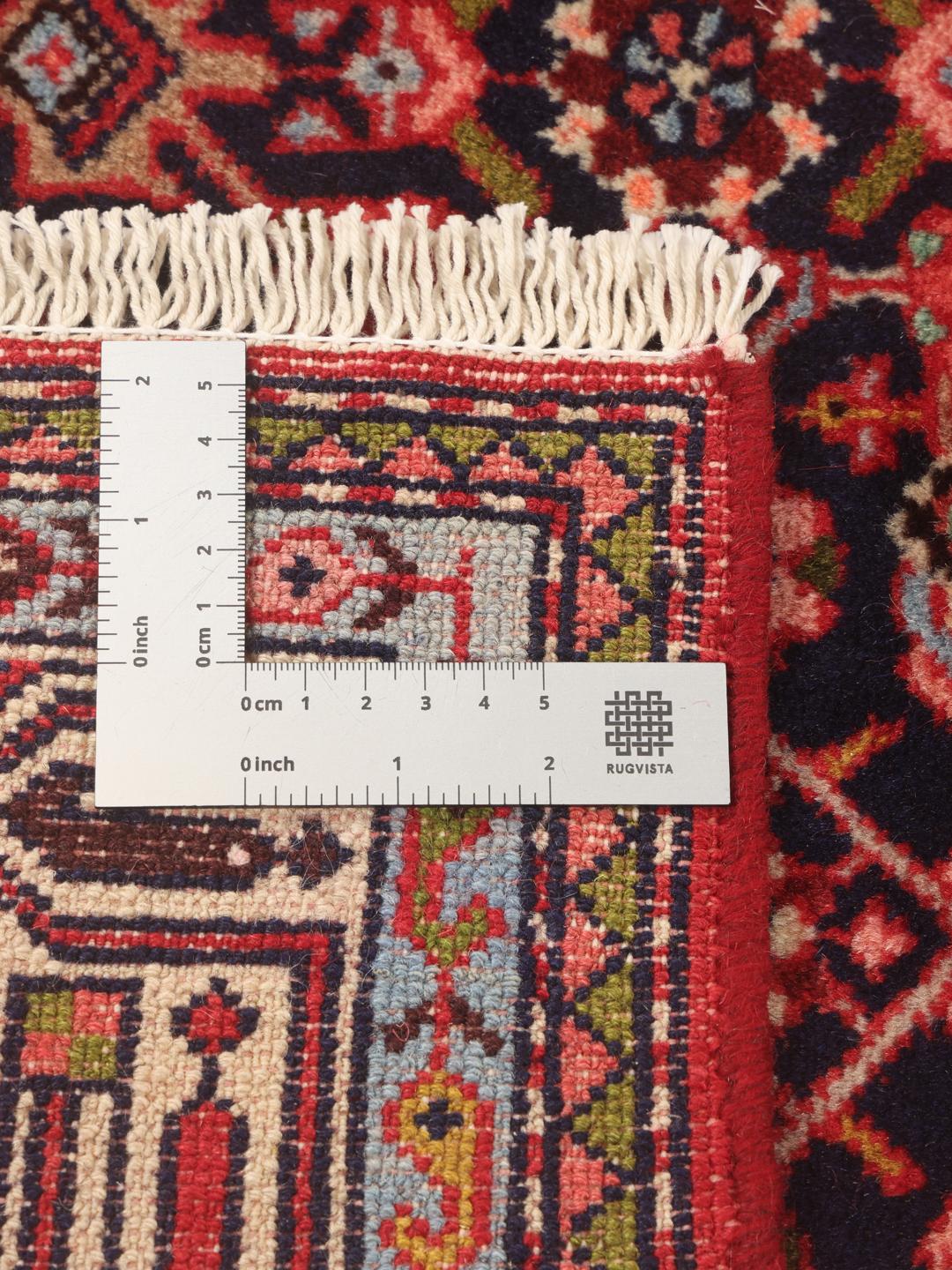
The craft of these rugs is defined by the use of sturdy, high-quality wool, which is often sourced from local mountain sheep. The term hand-knotted refers to the traditional method where individual strands of wool are tied onto a foundation, creating a pile that is incredibly robust. This method allows for the creation of intricate, detailed patterns that are woven directly into the structure of the rug, rather than printed on the surface.
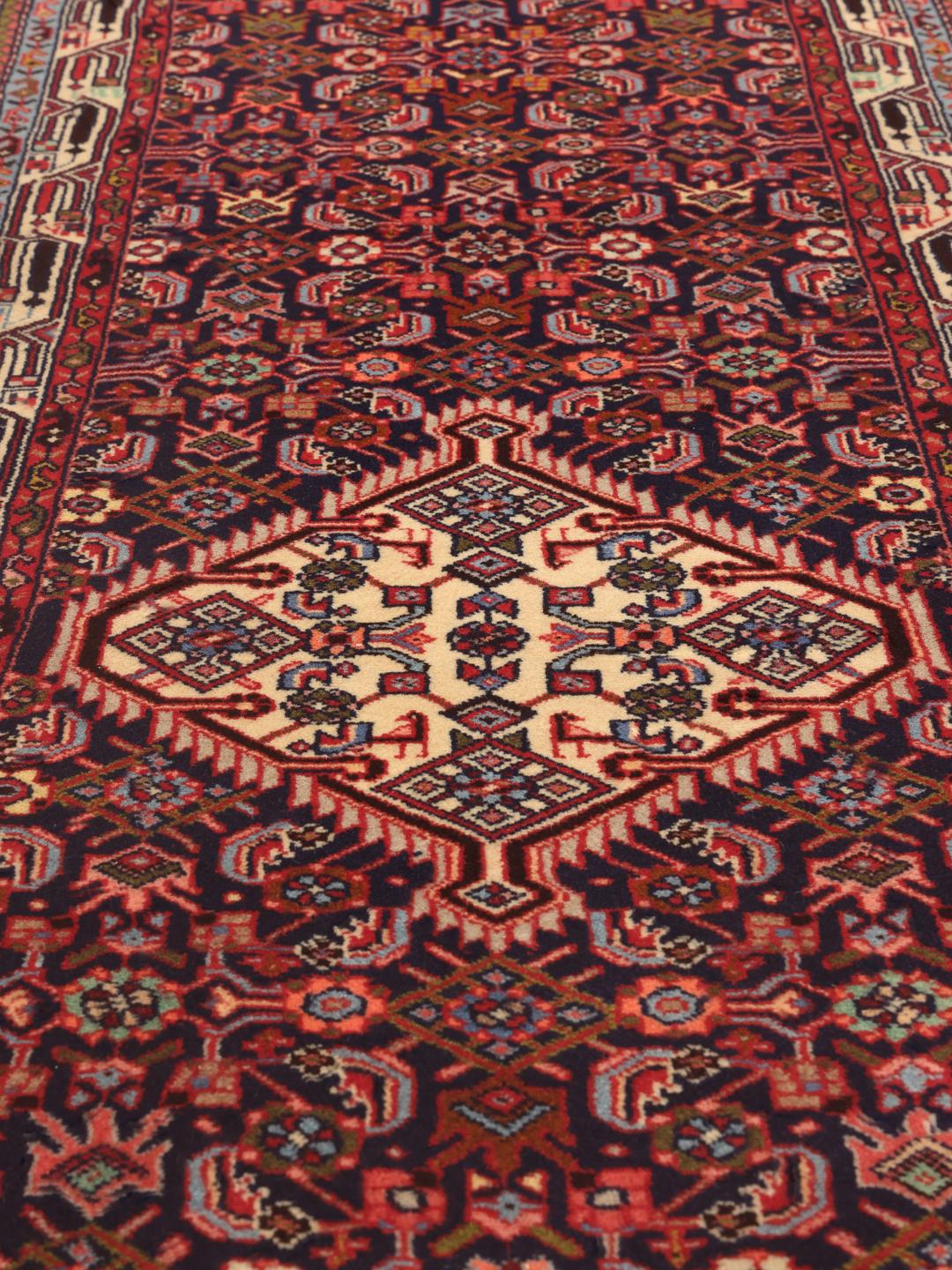
Visually, these runners are known for their geometric motifs and deep, saturated color palettes. You will often find central medallions or repeating patterns that draw inspiration from local flora and regional symbols. The border designs are typically formal and structured, framing the field and providing a sense of balance to the complex, repeating elements found within the centre of the rug.
Owning a piece from this tradition is an investment in human skill and cultural history. These rugs are highly valued by collectors not only for their durability but for the way they preserve traditional design languages that have evolved over centuries. By choosing an Asadabad, you are connecting your living space to a legacy of craftsmanship that values detail, patience, and the timeless beauty of hand-wrought textiles.