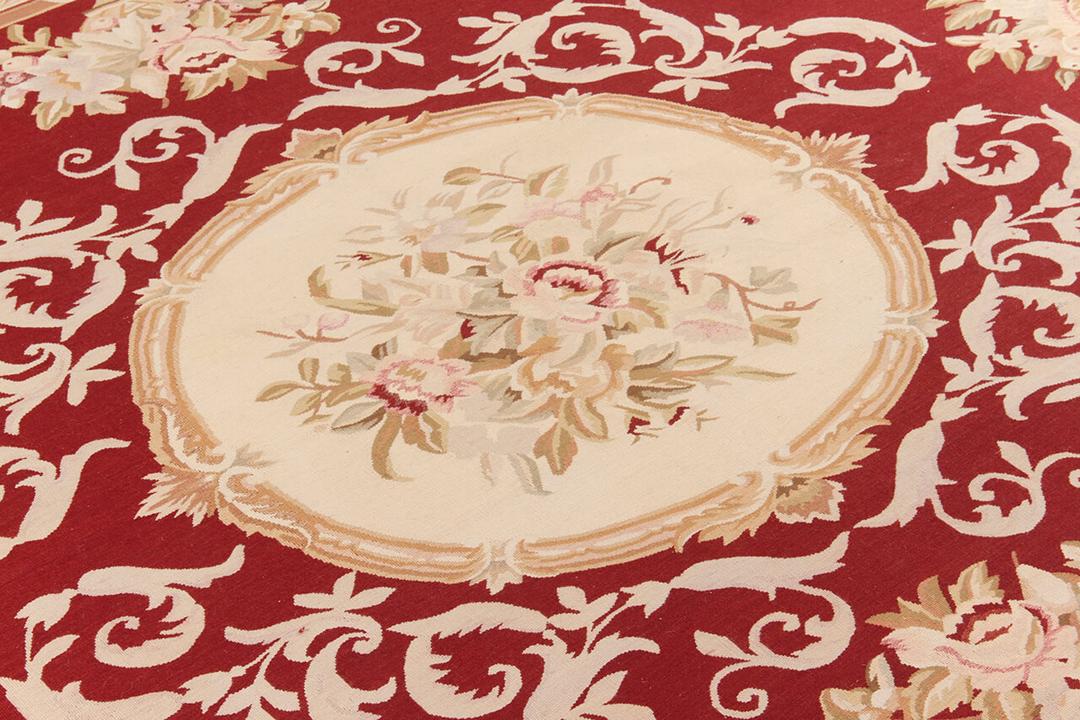
The Aubusson tradition traces its roots back to the 17th century in the French town of the same name, where weavers were commissioned to create fine tapestries and rugs for the nobility. These pieces were celebrated for their painterly quality, often featuring neoclassical themes, floral arrangements, and architectural borders that mirrored the refined tastes of the era.
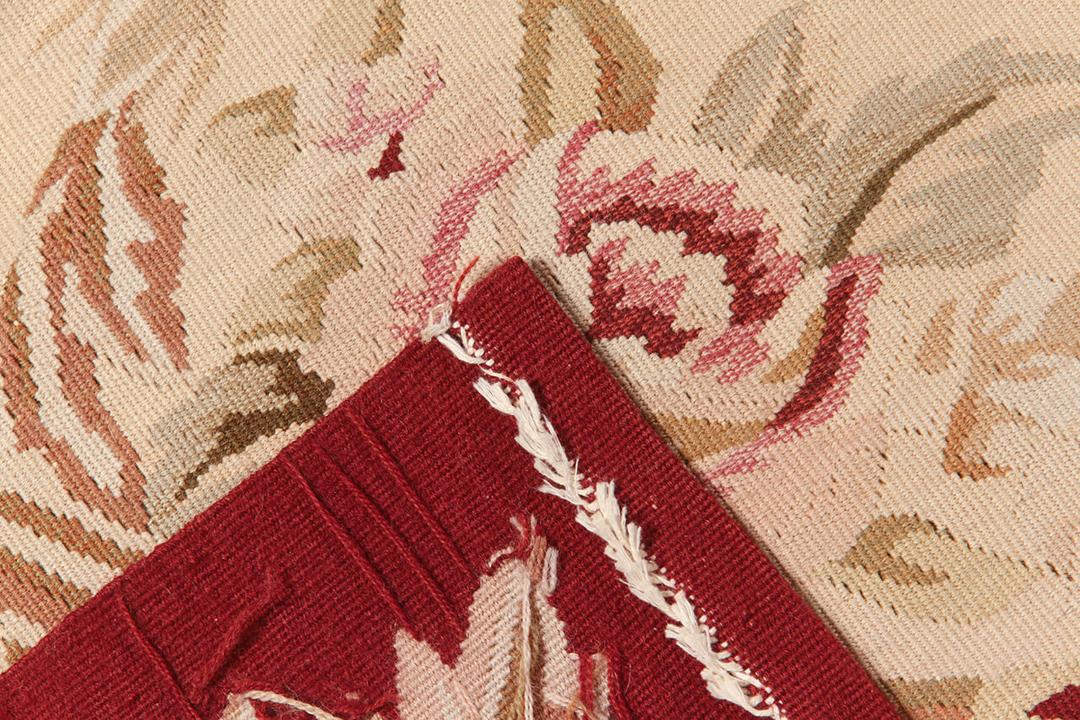
While the style originated in France, the techniques have been embraced and adapted by skilled artisans across the globe, including in China. The term 'kilim' refers to the flat-weaving technique used, which distinguishes these rugs from pile-based carpets. This method results in a thinner, more versatile rug that is prized for its clarity of pattern and ease of placement in modern interiors.
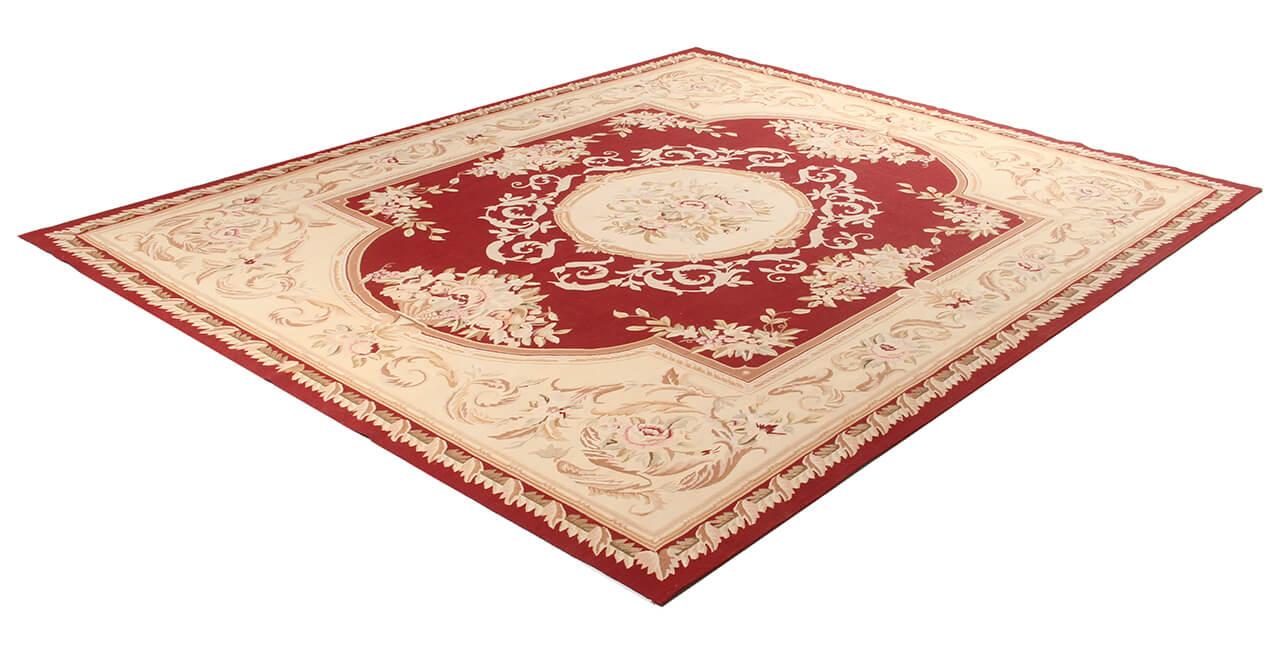
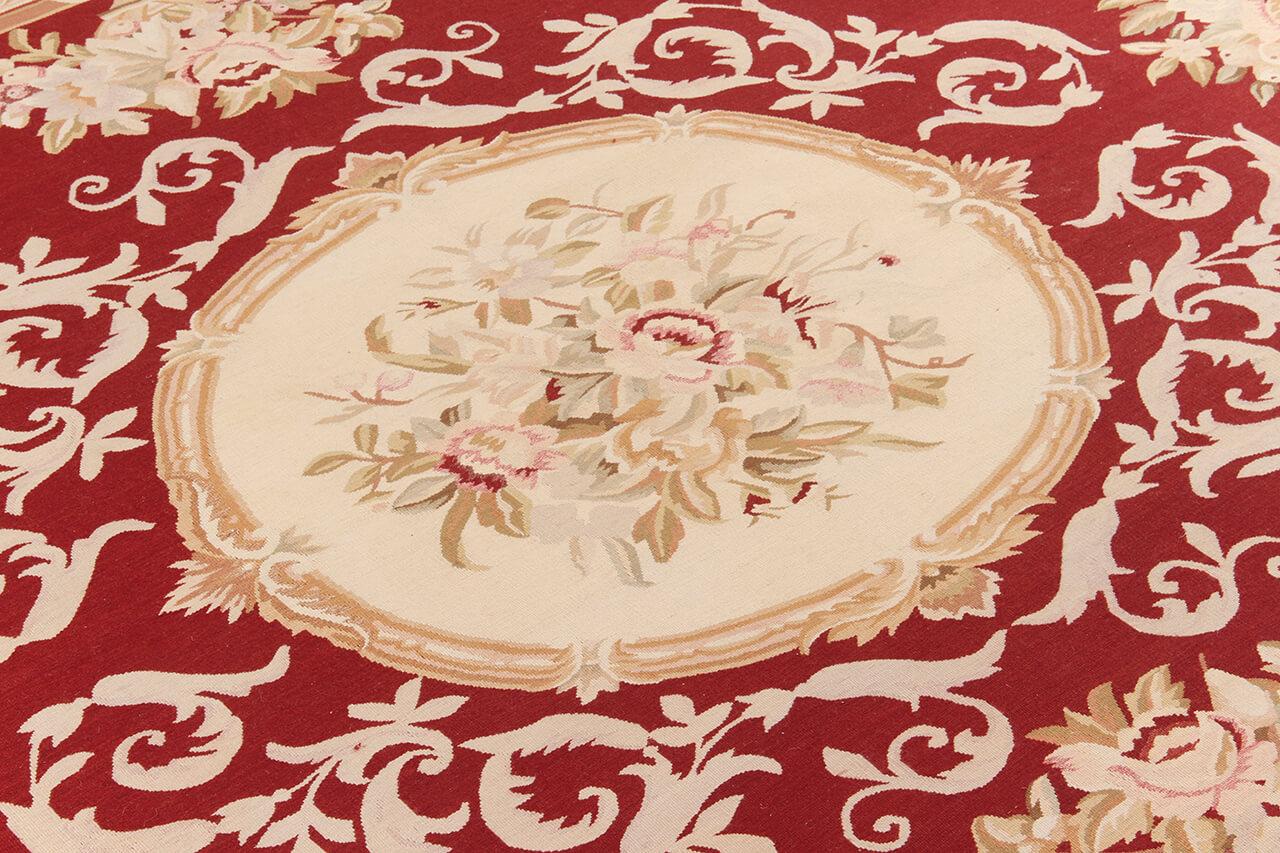
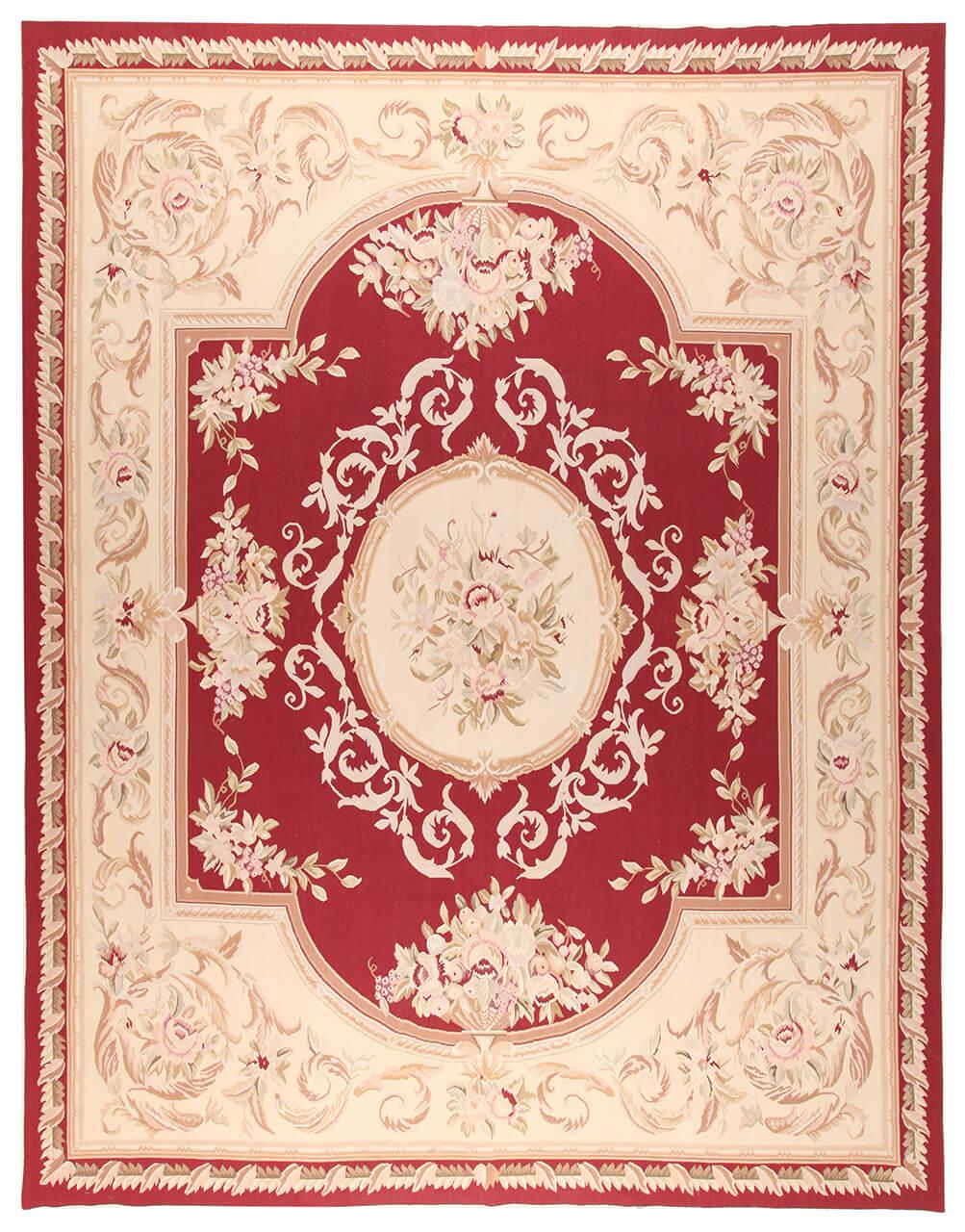
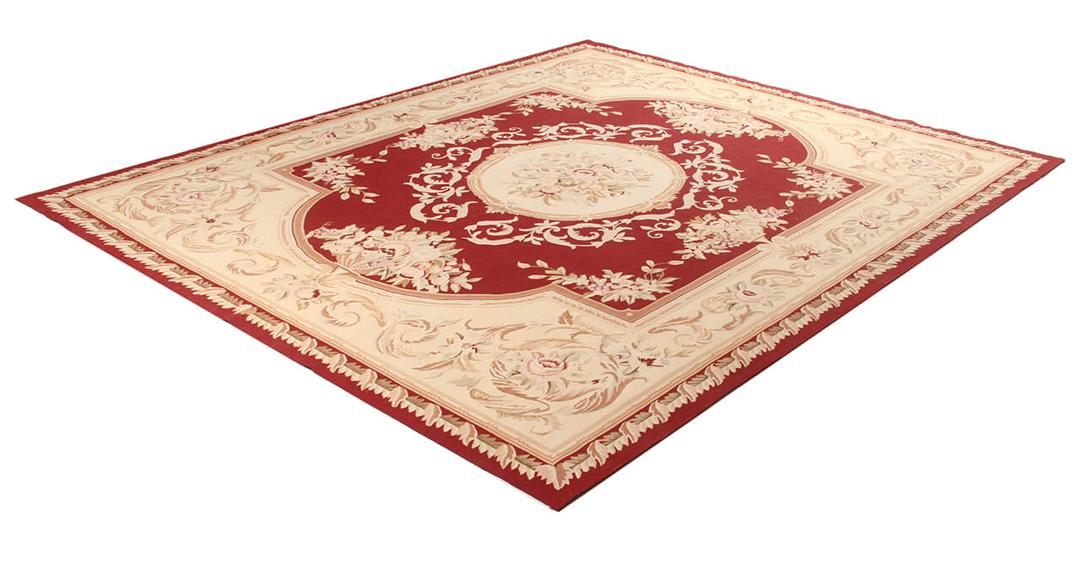
The signature design elements of an Aubusson-style piece include a central medallion, often oval or circular, surrounded by lush garlands of flowers and intricate scrollwork. The use of a formal border is essential, acting as a frame for the central scene and adding to the rug's balanced, sophisticated appearance.
Today, these rugs are highly valued by collectors for their blend of historical design and artistic skill. Owning an Aubusson-style kilim is an invitation to celebrate a long tradition of decorative arts, offering a piece that connects your living space to a legacy of beauty and technical mastery.