The Bakhtiari rug tradition originates from the mountainous regions of the Middle East, where the Bakhtiari tribe has practised the art of weaving for centuries. These rugs are deeply rooted in the lifestyle of nomadic and semi-nomadic peoples, reflecting the natural beauty of their landscape and their distinct cultural identity. Over generations, these weaving traditions have evolved, blending tribal heritage with sophisticated design sensibilities.
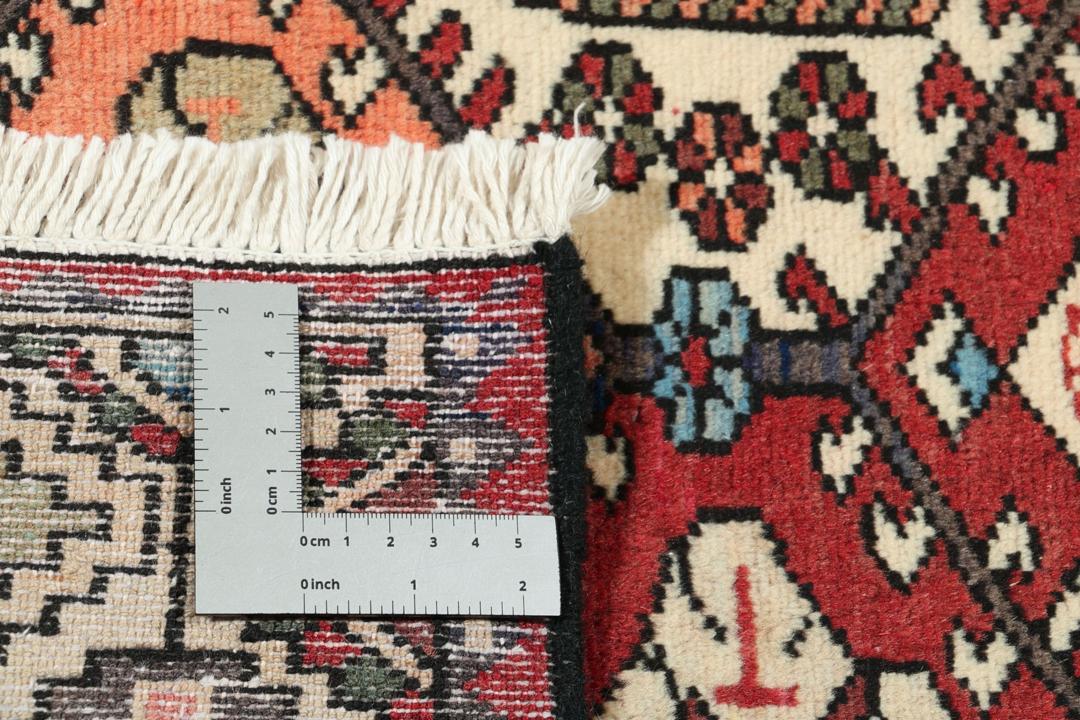
The term Bakhtiari refers to the specific provenance and the unique cultural context of these rugs. The construction often features a foundation of cotton, which provides the necessary stability for the dense wool pile. This combination of materials is chosen for its strength and ability to hold intricate patterns, ensuring that the rug remains both a functional floor covering and a decorative masterpiece that can withstand the test of time.
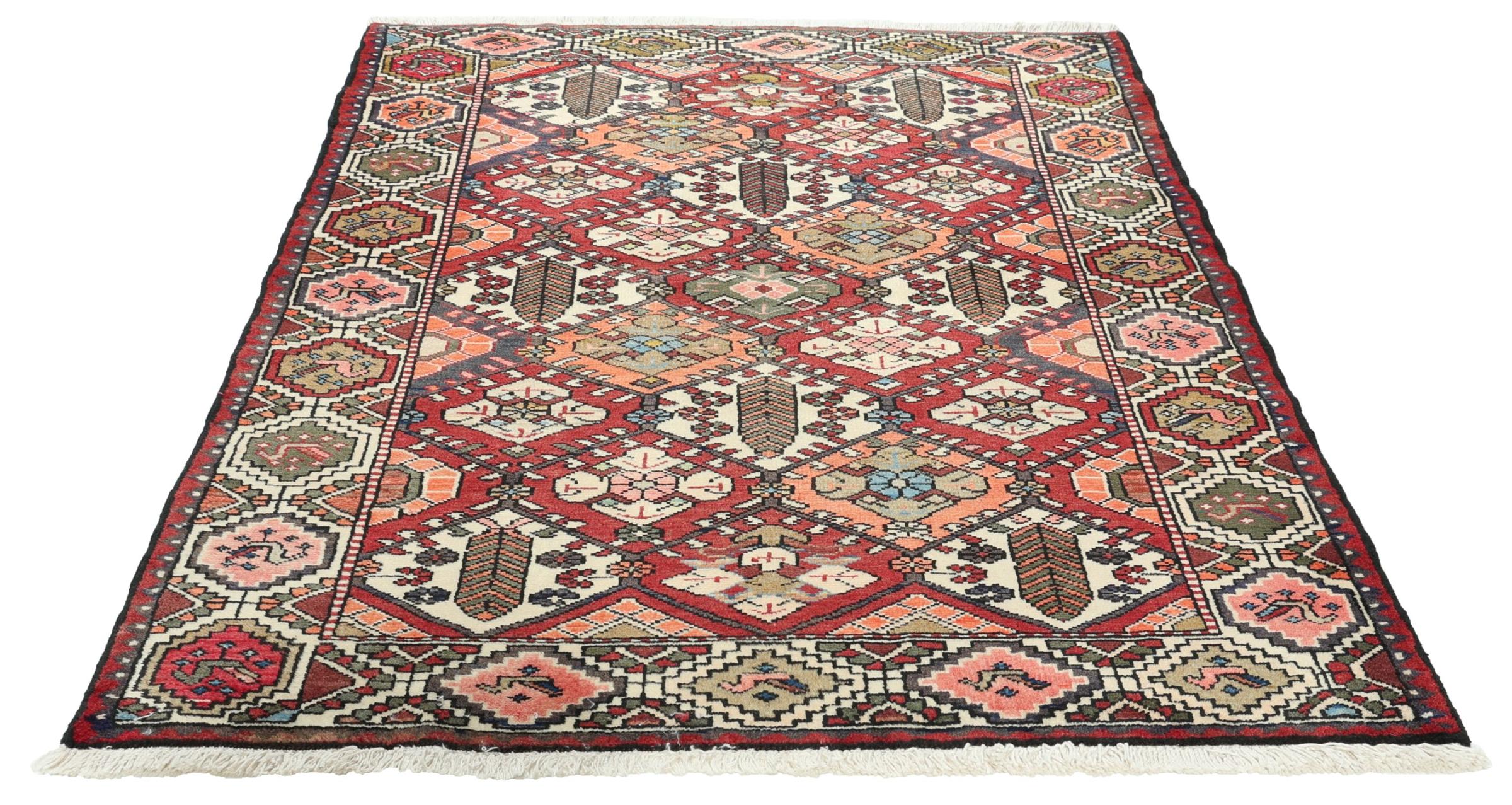
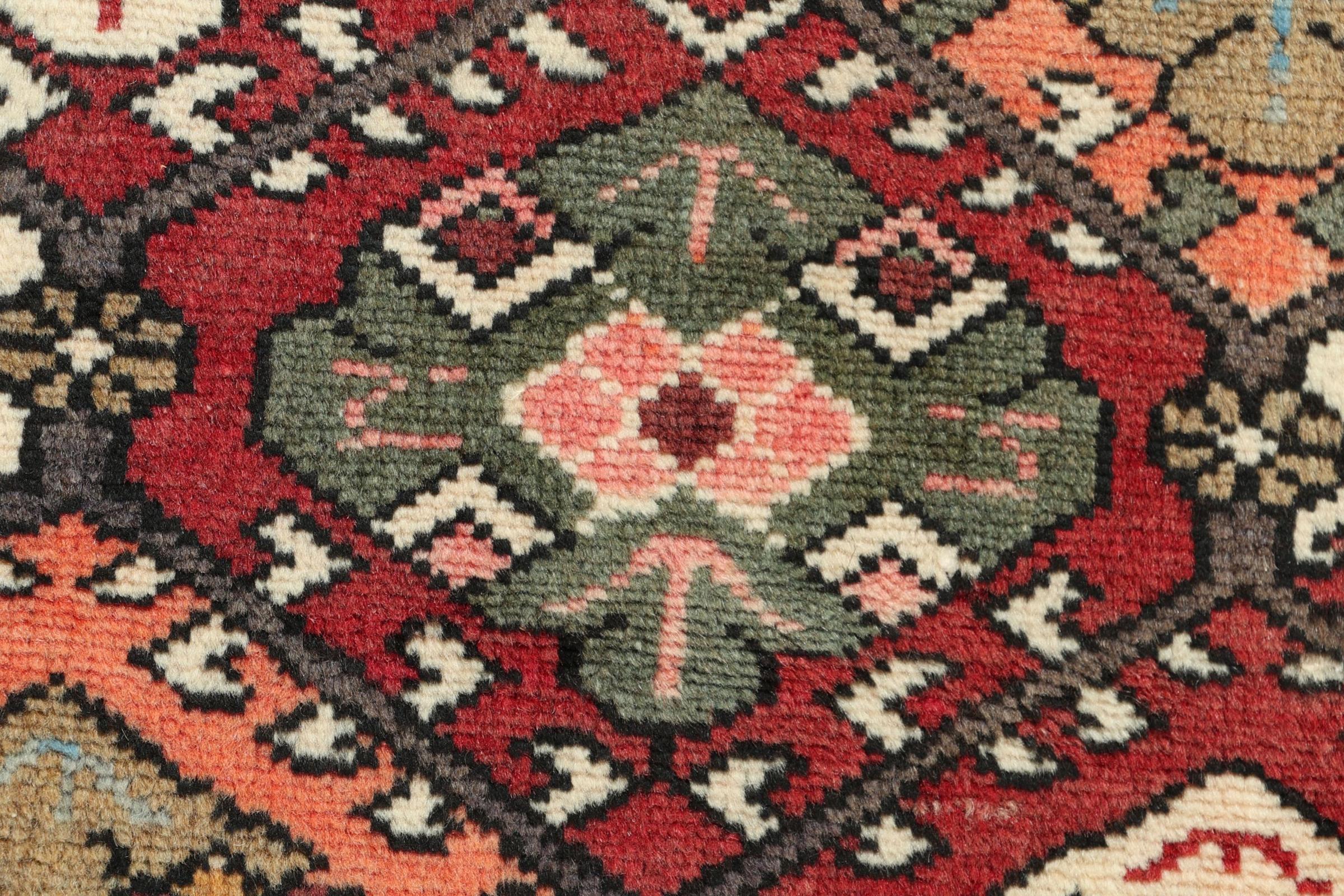
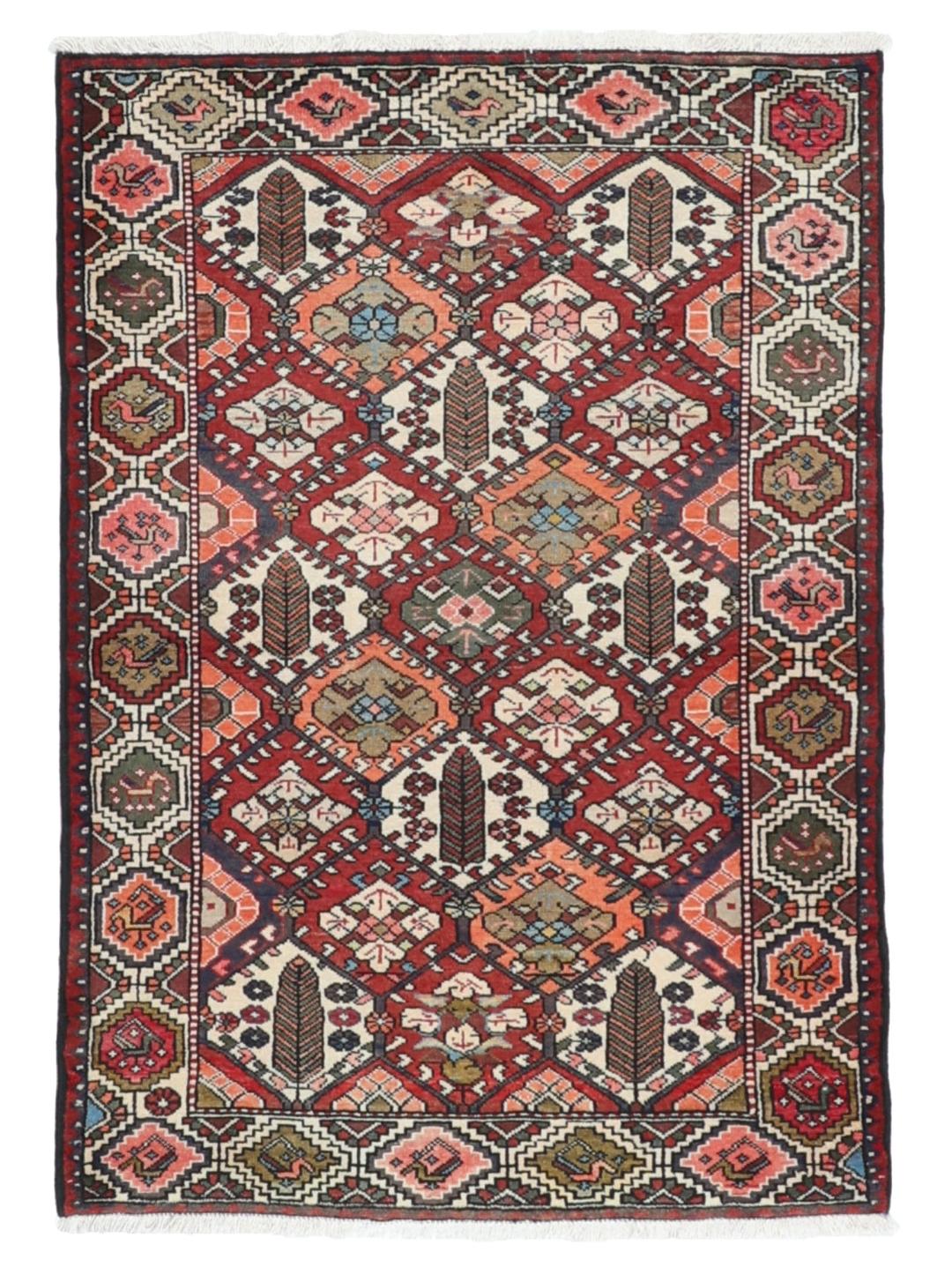
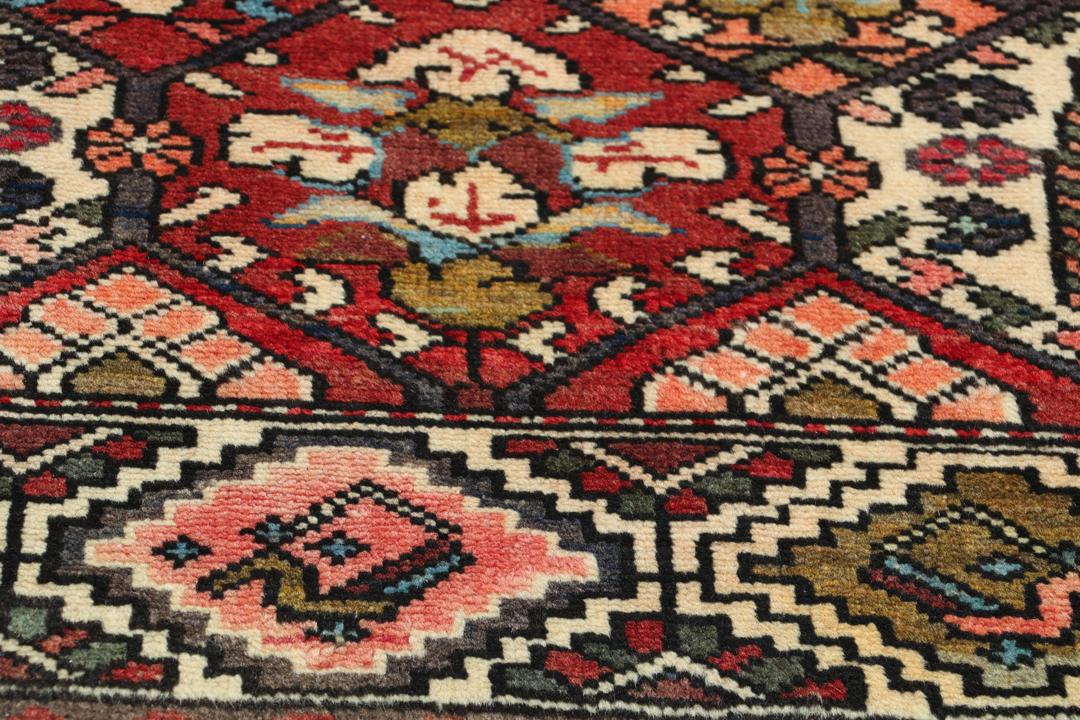
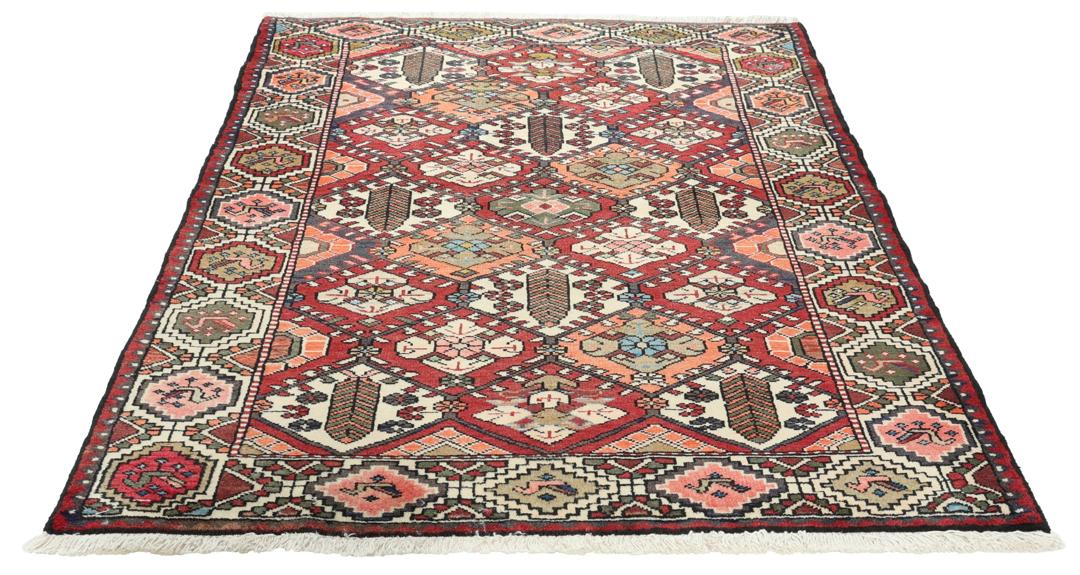
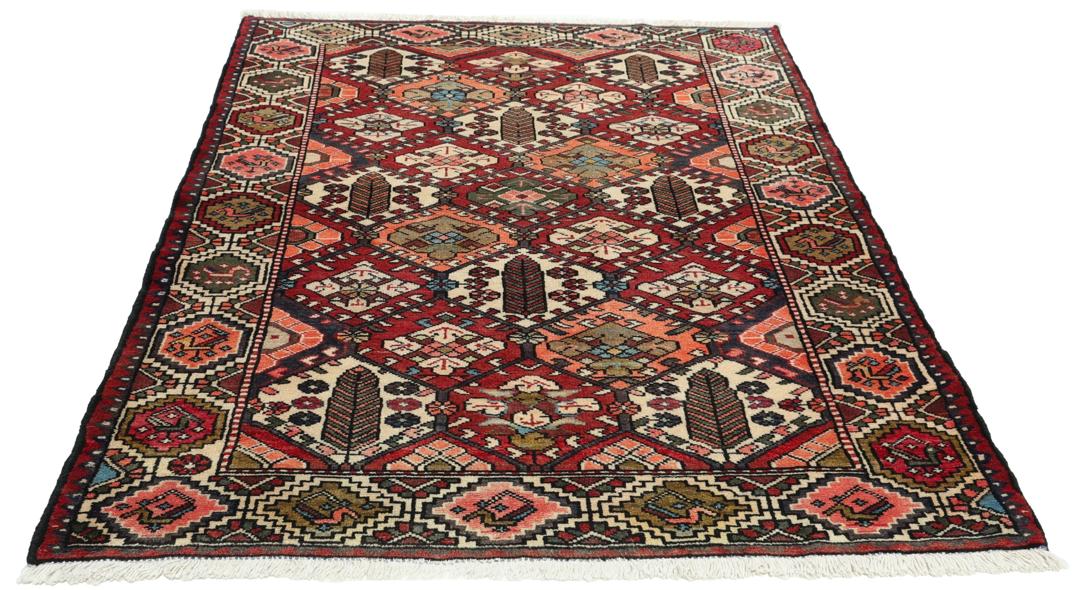
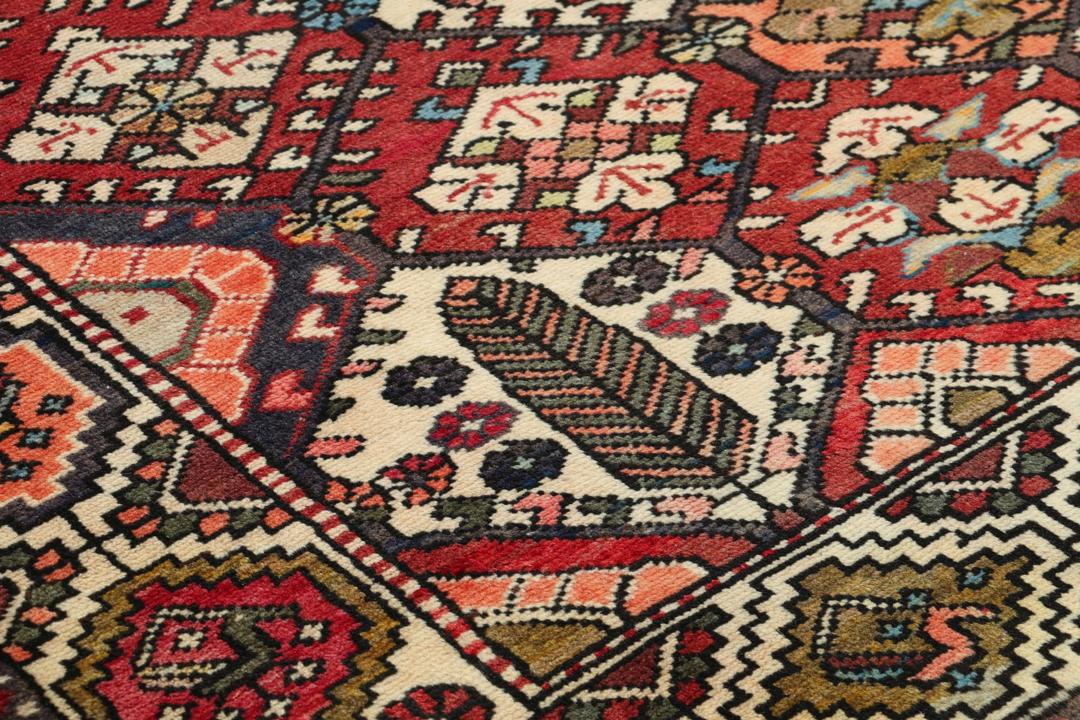
Signature design elements of this tradition often include bold, geometric medallions or the classic garden-inspired layout, where the field is segmented into repeating panels. The use of natural dyes and earthy palettes, ranging from deep reds to soft beiges, is a hallmark of the style. This particular piece showcases the rhythmic repetition of motifs, creating a balanced and harmonious look that is characteristic of the finest tribal weaving traditions.
Collecting a rug from this heritage is an investment in cultural history. These rugs are highly valued not only for their beauty but for the skill required to translate complex traditional patterns into a finished product. Owning one means preserving a legacy of craftsmanship, as each rug serves as a tangible link to the history of the region and the talented hands that brought it to life.