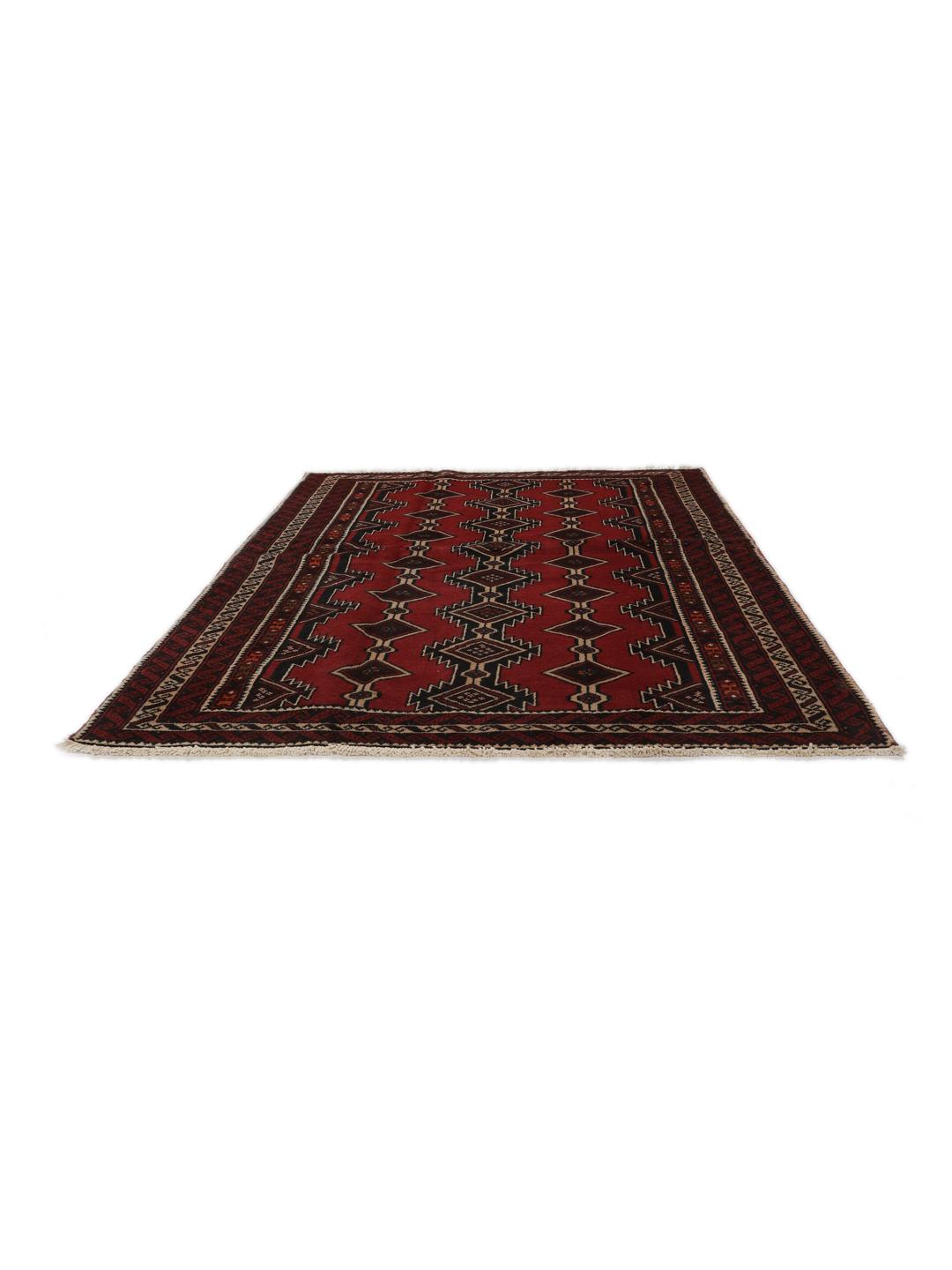
The Baluch rugs originate from the nomadic and semi-nomadic tribes living along the borderlands of the Middle East. These tribes have a long history of weaving, creating textiles that were historically essential for nomadic life, serving as floor coverings, tent bags, and animal trappings. The tradition is deeply rooted in the harsh, rugged landscape of the region, which has heavily influenced the practical and aesthetic choices of the weavers.
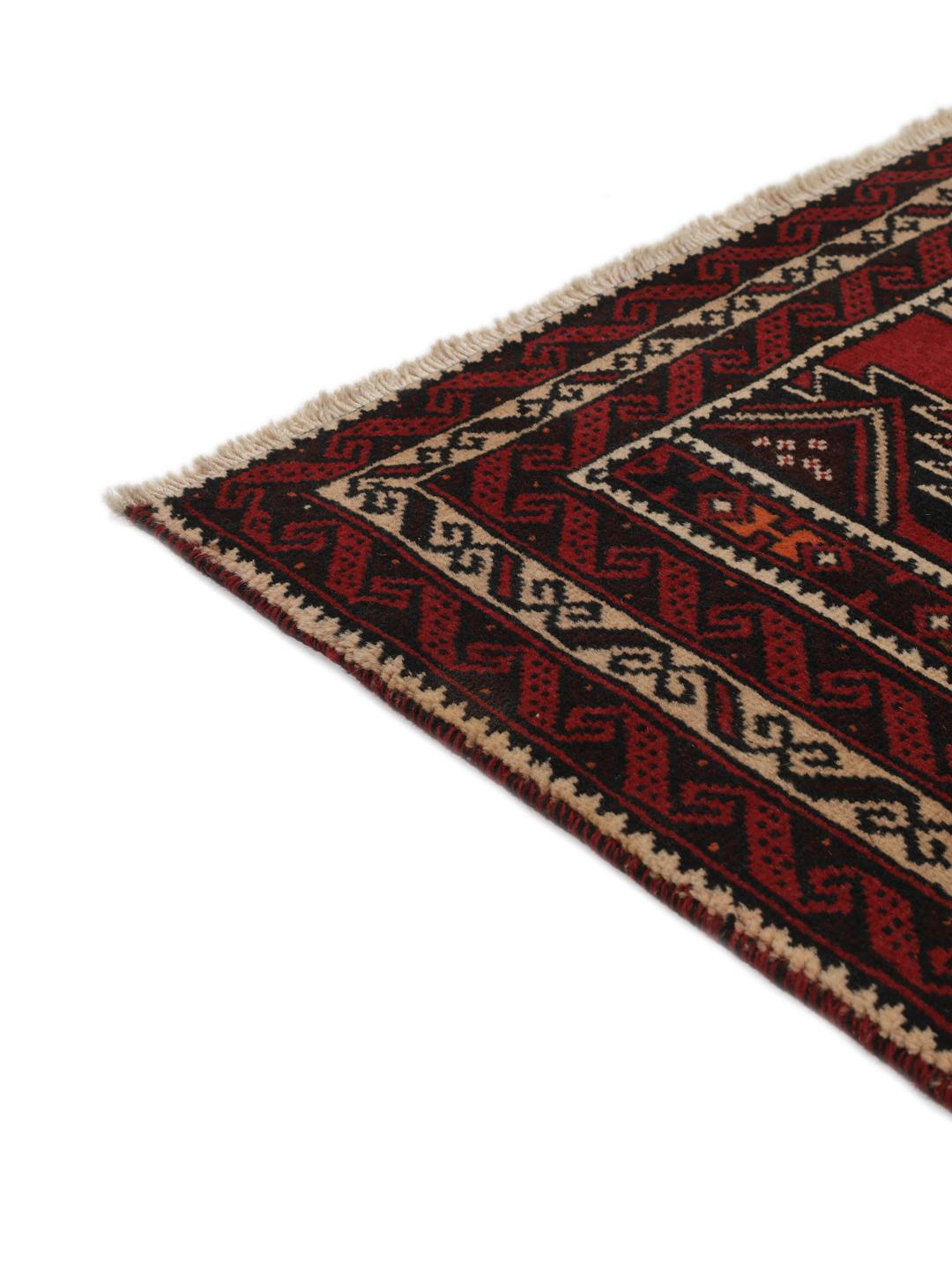
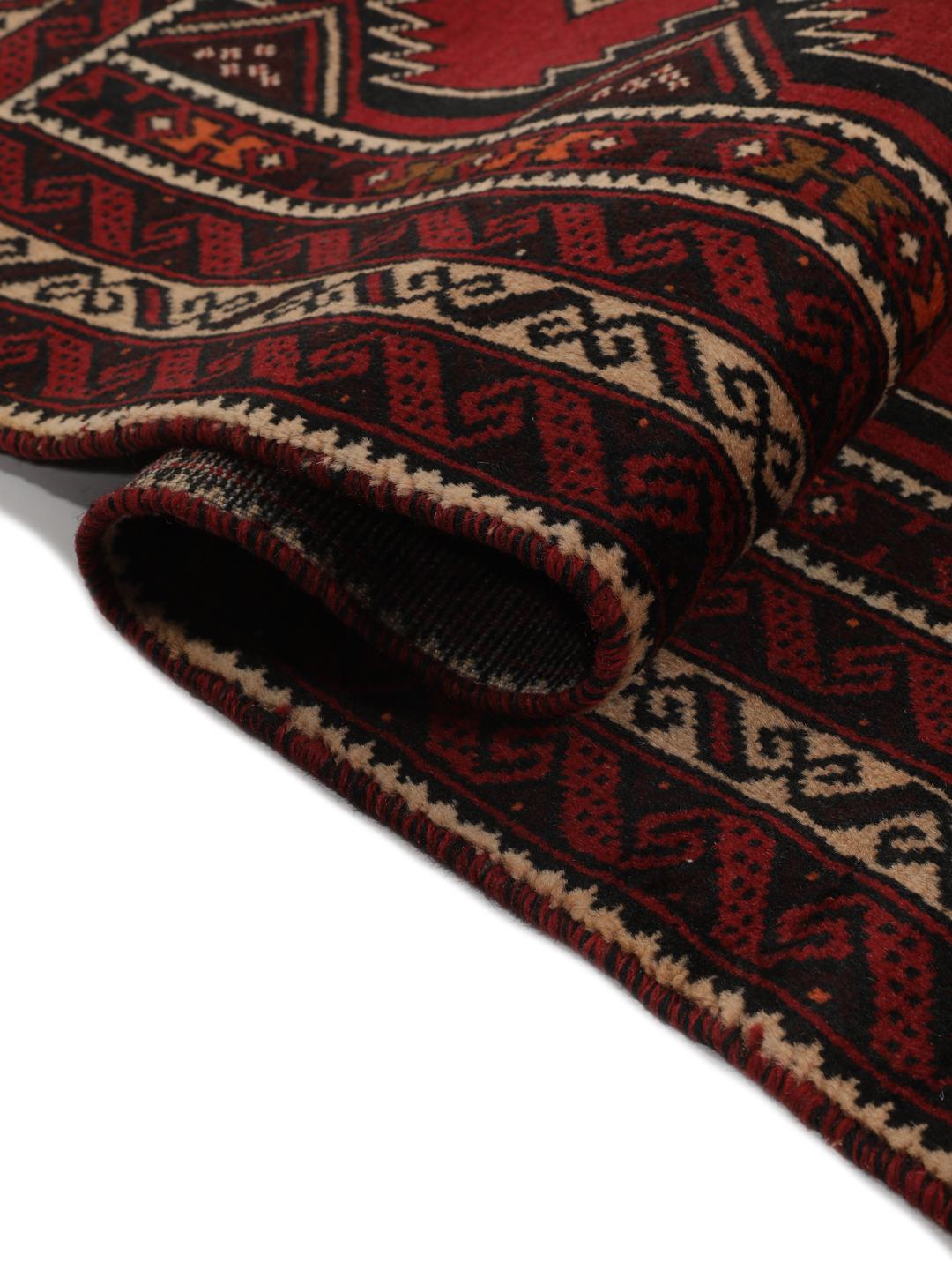
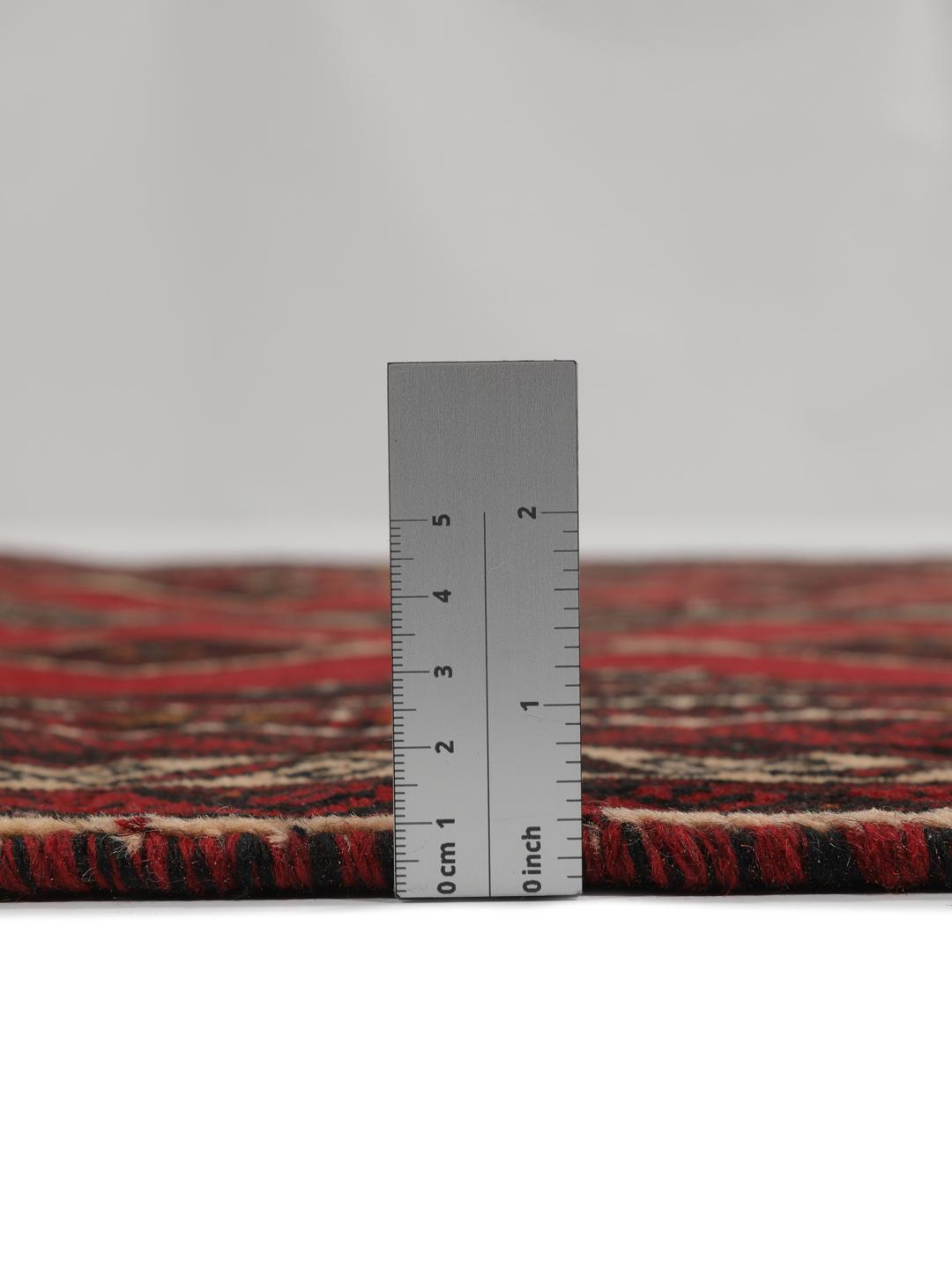
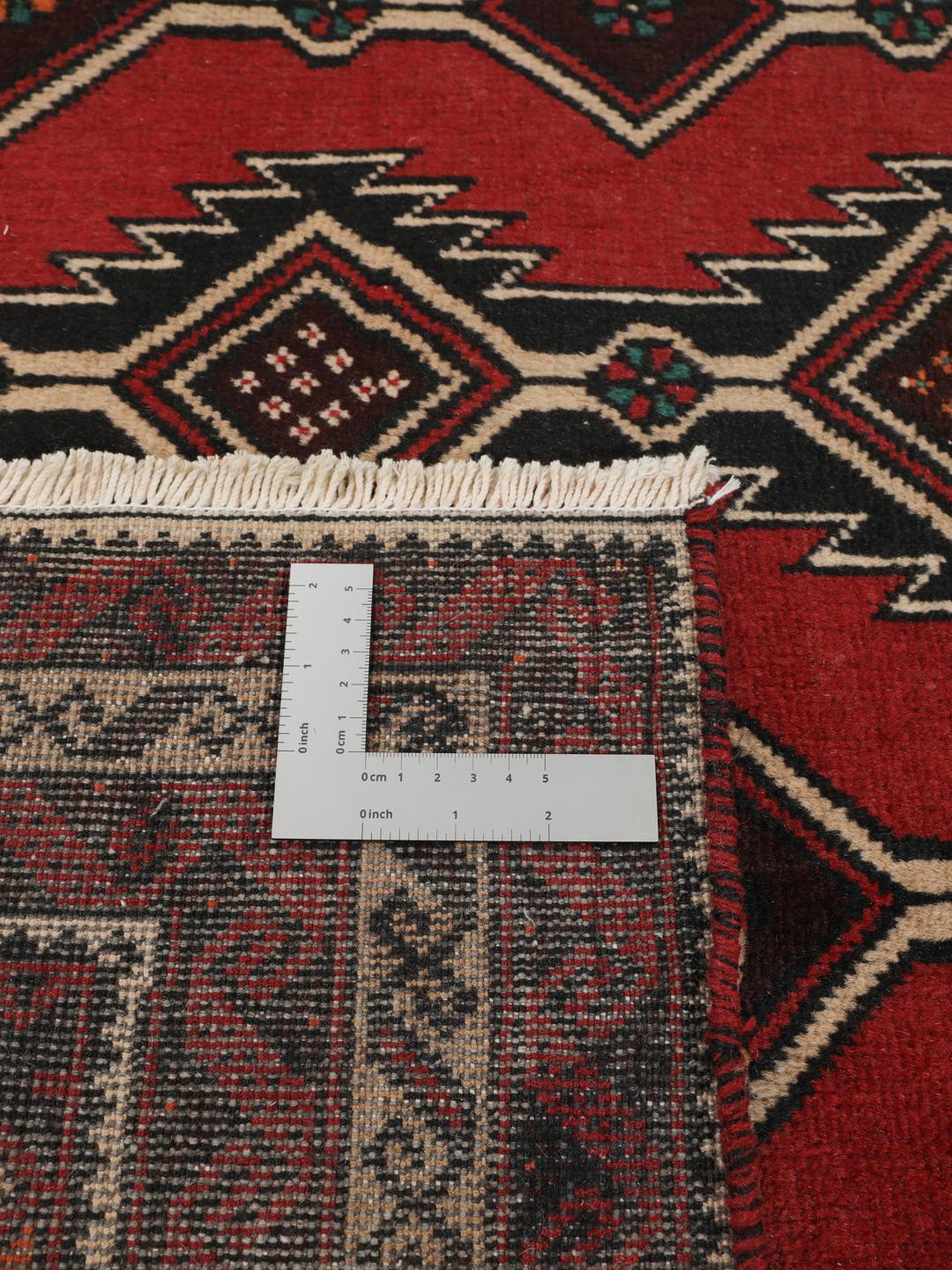
The technical quality of these rugs is defined by their construction, which often utilises a fine weave that provides both flexibility and durability. The Wool used is typically sourced from the tribe's own flocks, chosen for its natural lustre and resilience. This direct connection between the weaver and the raw material is a hallmark of the Baluch tradition, ensuring that every rug is an honest reflection of its environment and the artisan's expertise.
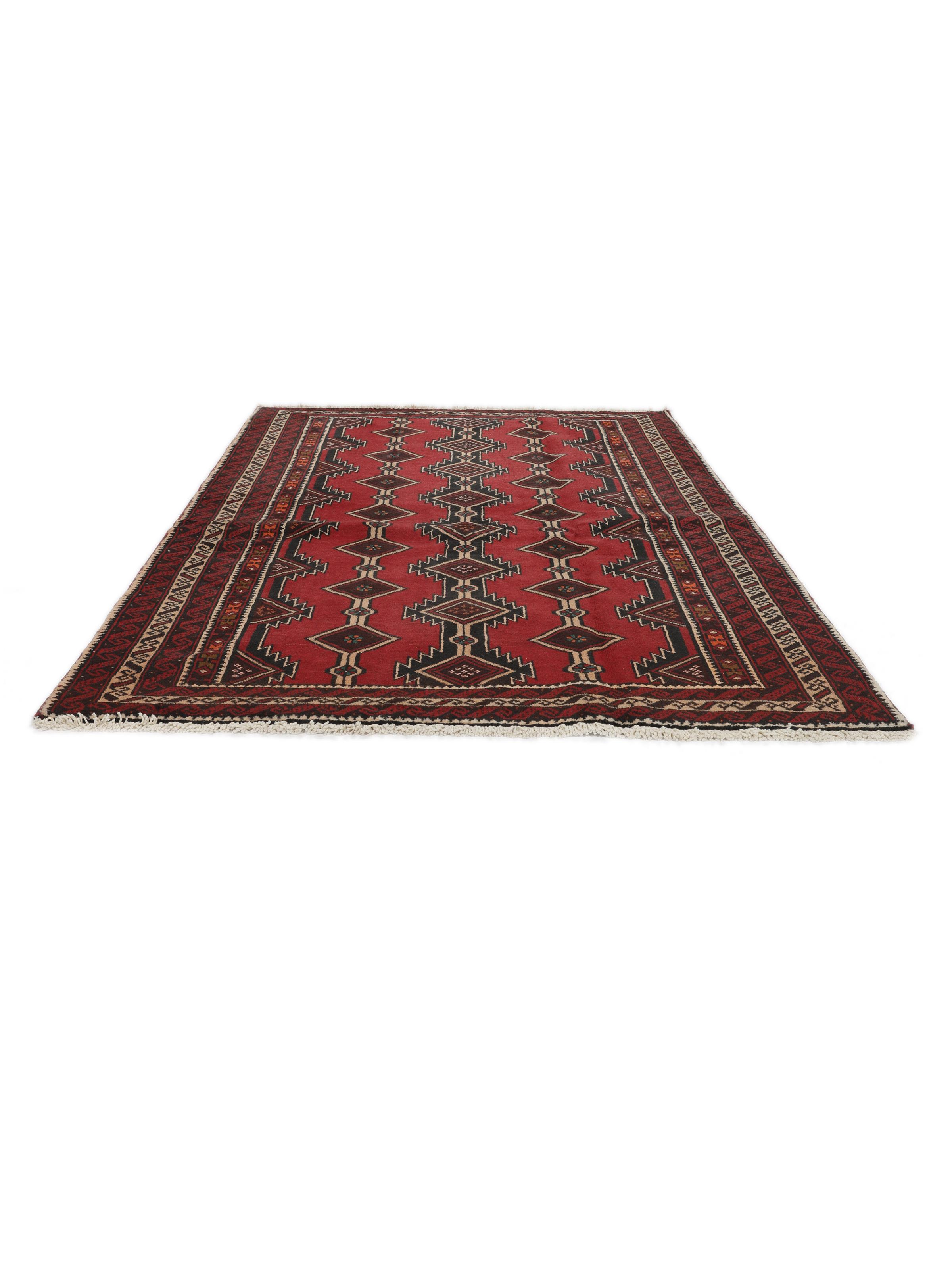
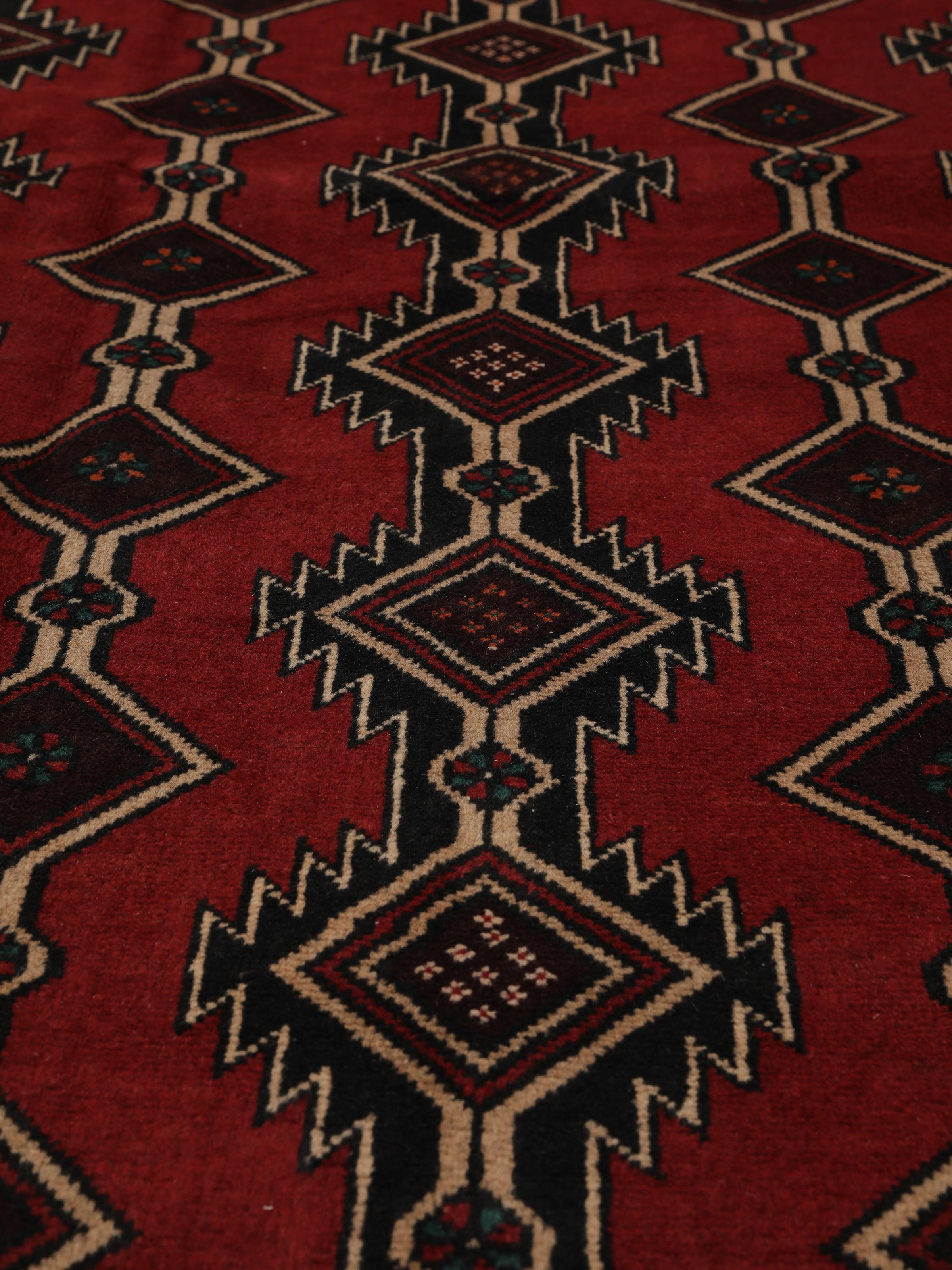
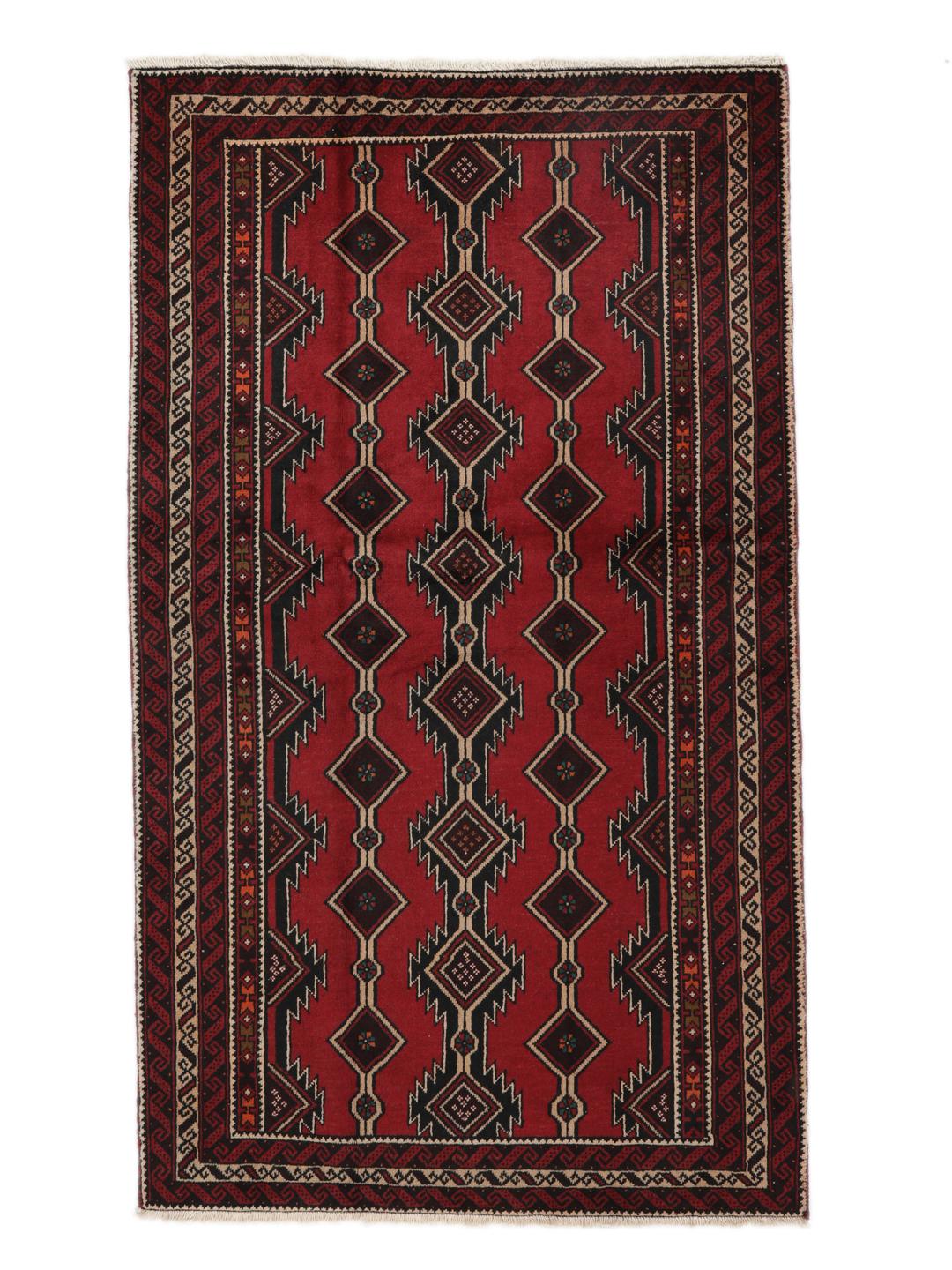
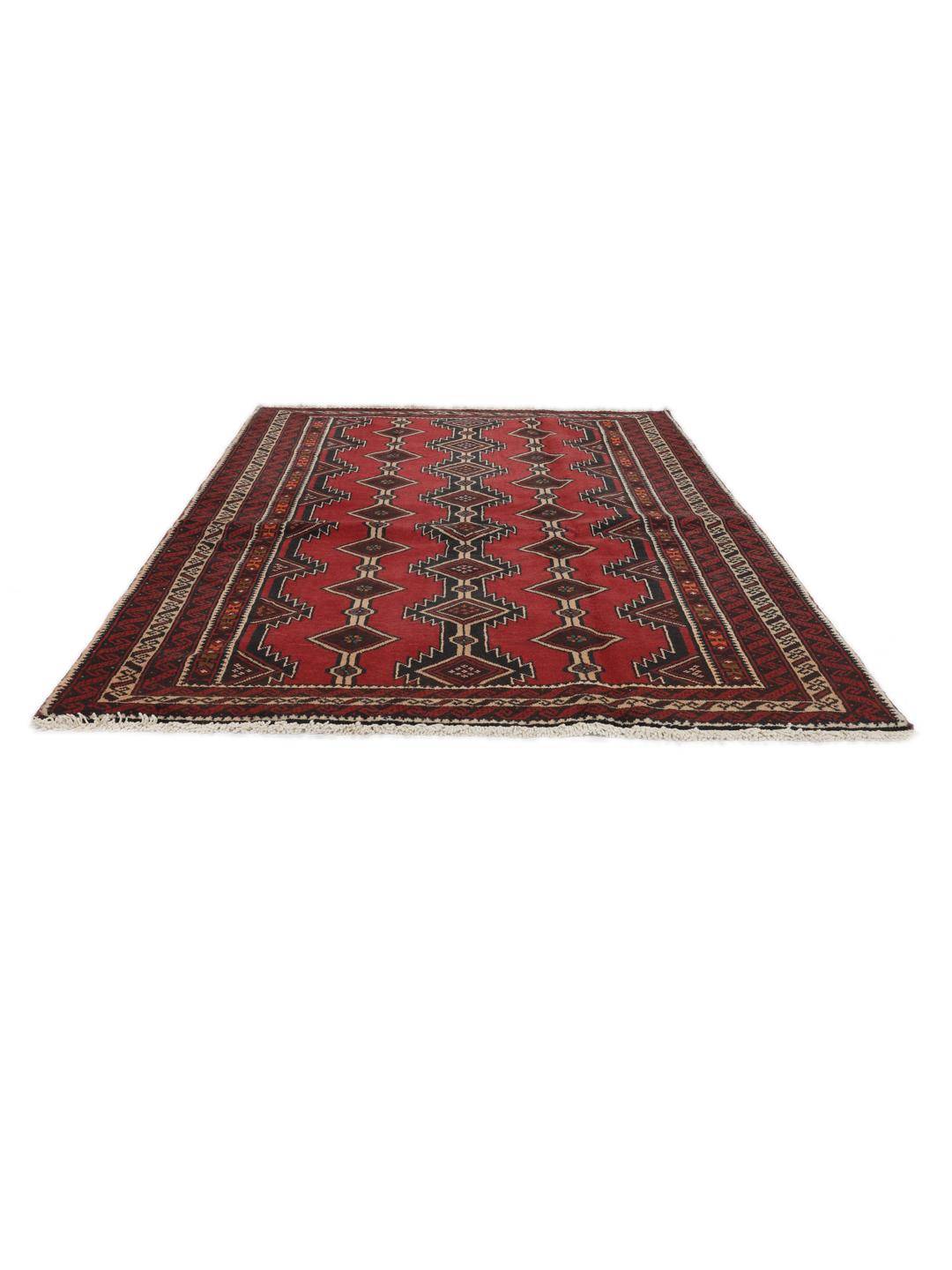
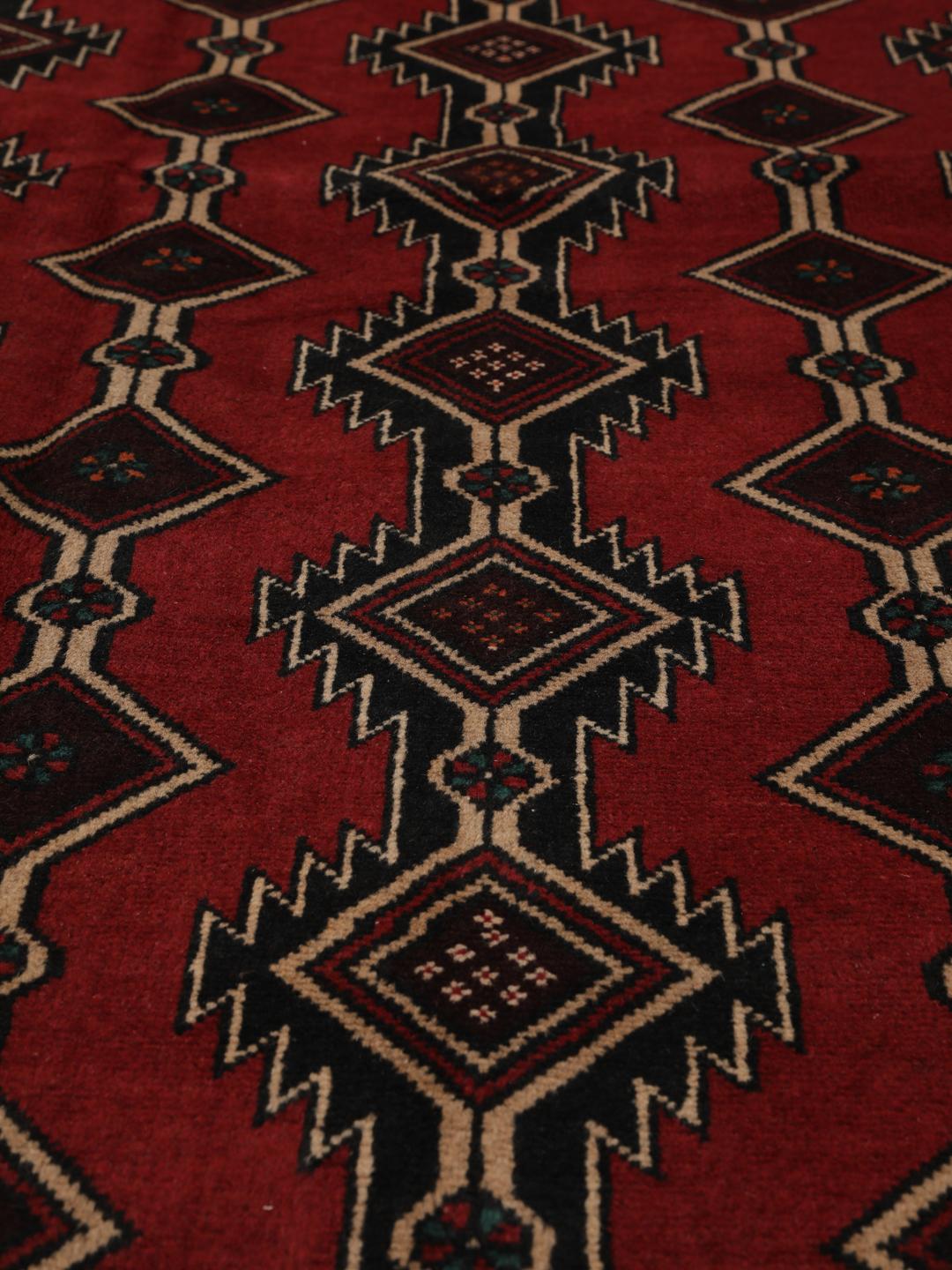
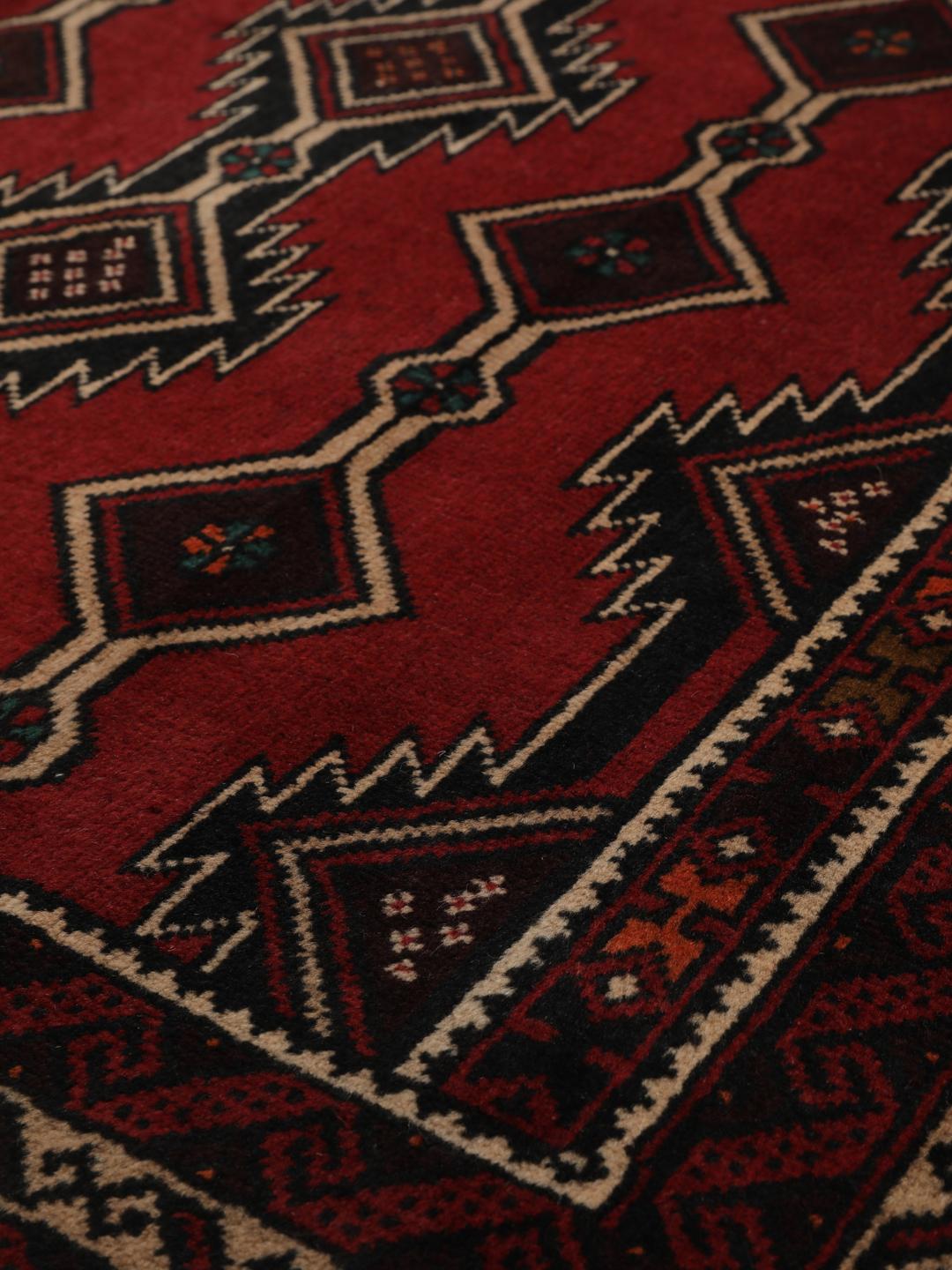
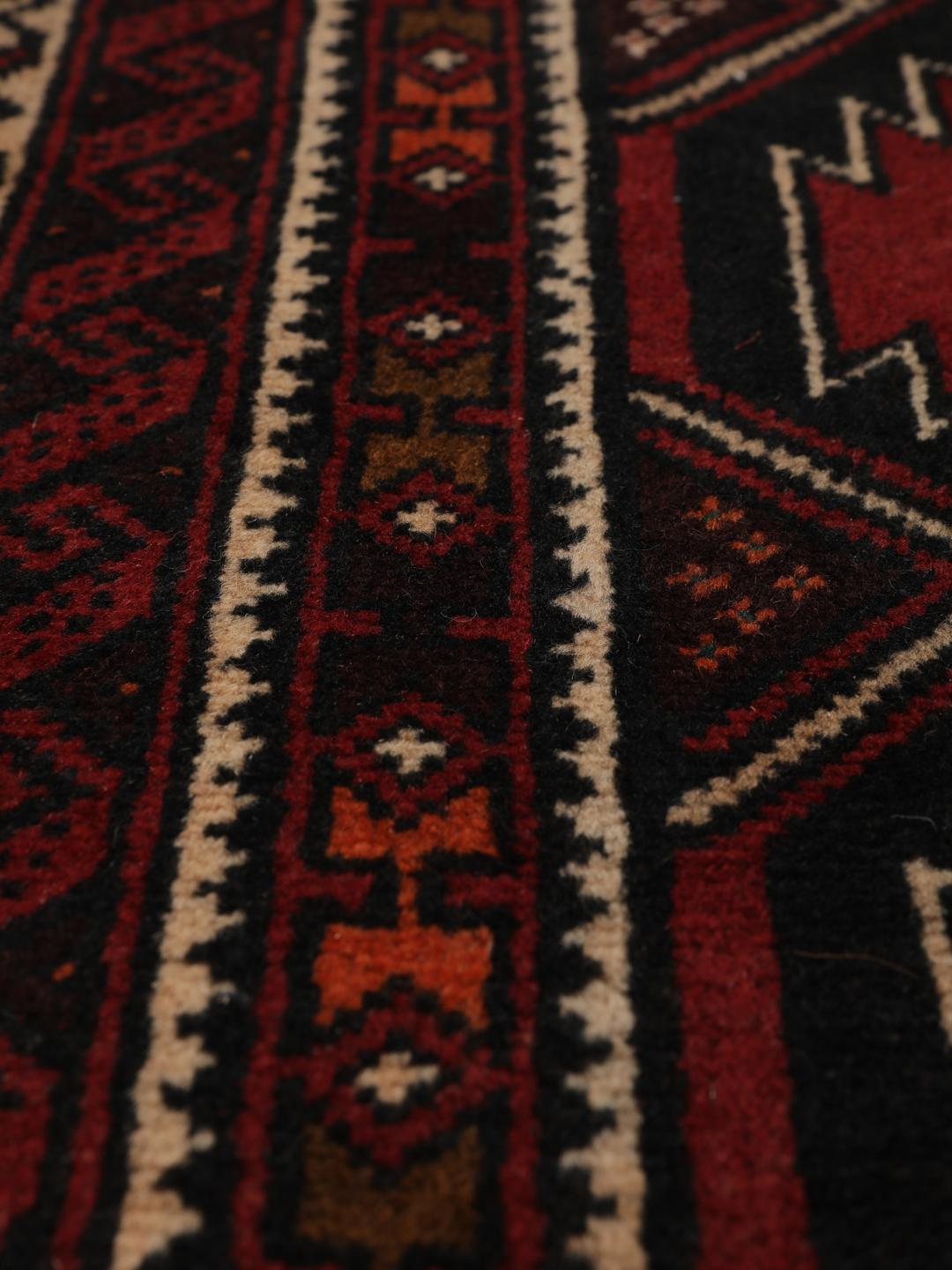
Signature design elements for Baluch rugs often feature geometric motifs, including diamonds, triangles, and stylised floral or animal forms. The colour palette is traditionally composed of deep reds, browns, and blacks, often accented with ivory or dark blue. These patterns are not merely decorative but often carry symbolic meanings or tribal identifiers, making each rug a visual narrative of the culture from which it emerged.
Collectors value Baluch rugs for their authenticity and the skill required to produce such intricate designs without the aid of modern technology. Owning a piece from this tradition is an opportunity to preserve a fading art form. It serves as a testament to the enduring human desire to create beauty in everyday objects, offering a sense of connection to a rich, nomadic heritage.