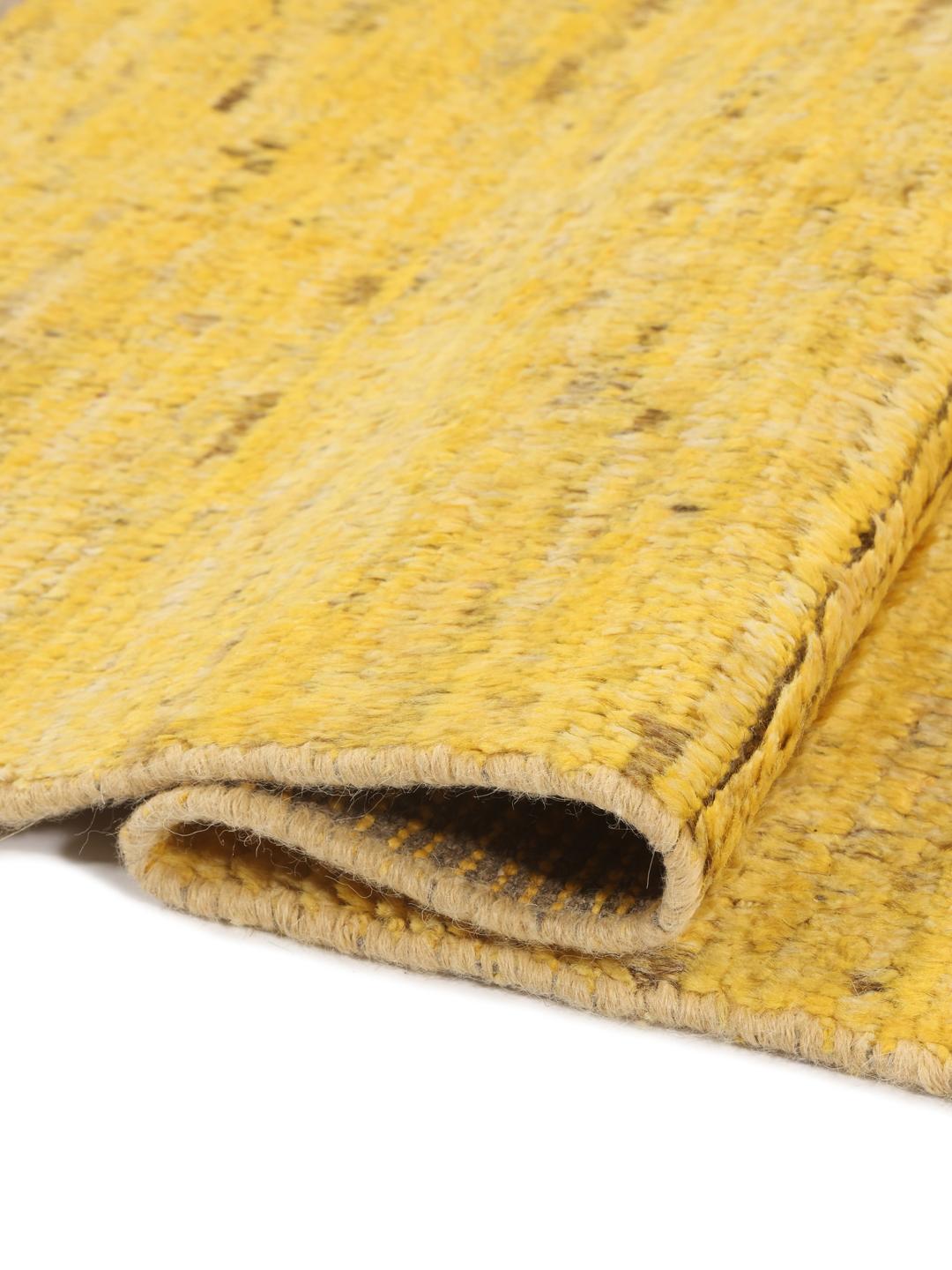
Gabbeh rugs have a long history rooted in the nomadic traditions of the Middle East, where they were originally woven for personal use by tribal weavers. Unlike more formal, intricate styles, the Gabbeh was traditionally designed as a thick, protective sleeping mat, prioritising comfort and warmth above all else. Over time, these rugs have evolved into a celebrated modern category that values simplicity, bold colour, and the expressive freedom of the weaver.
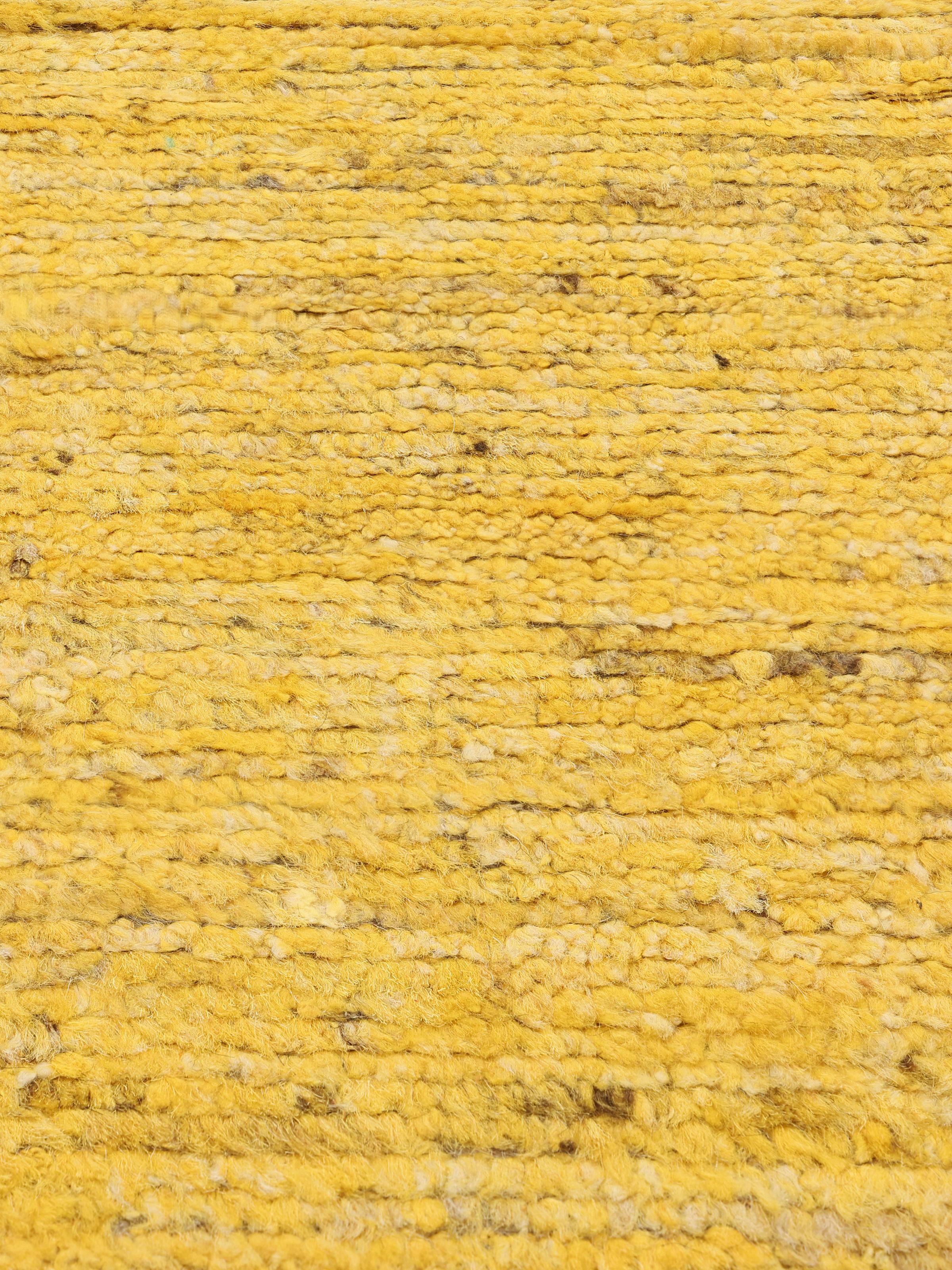
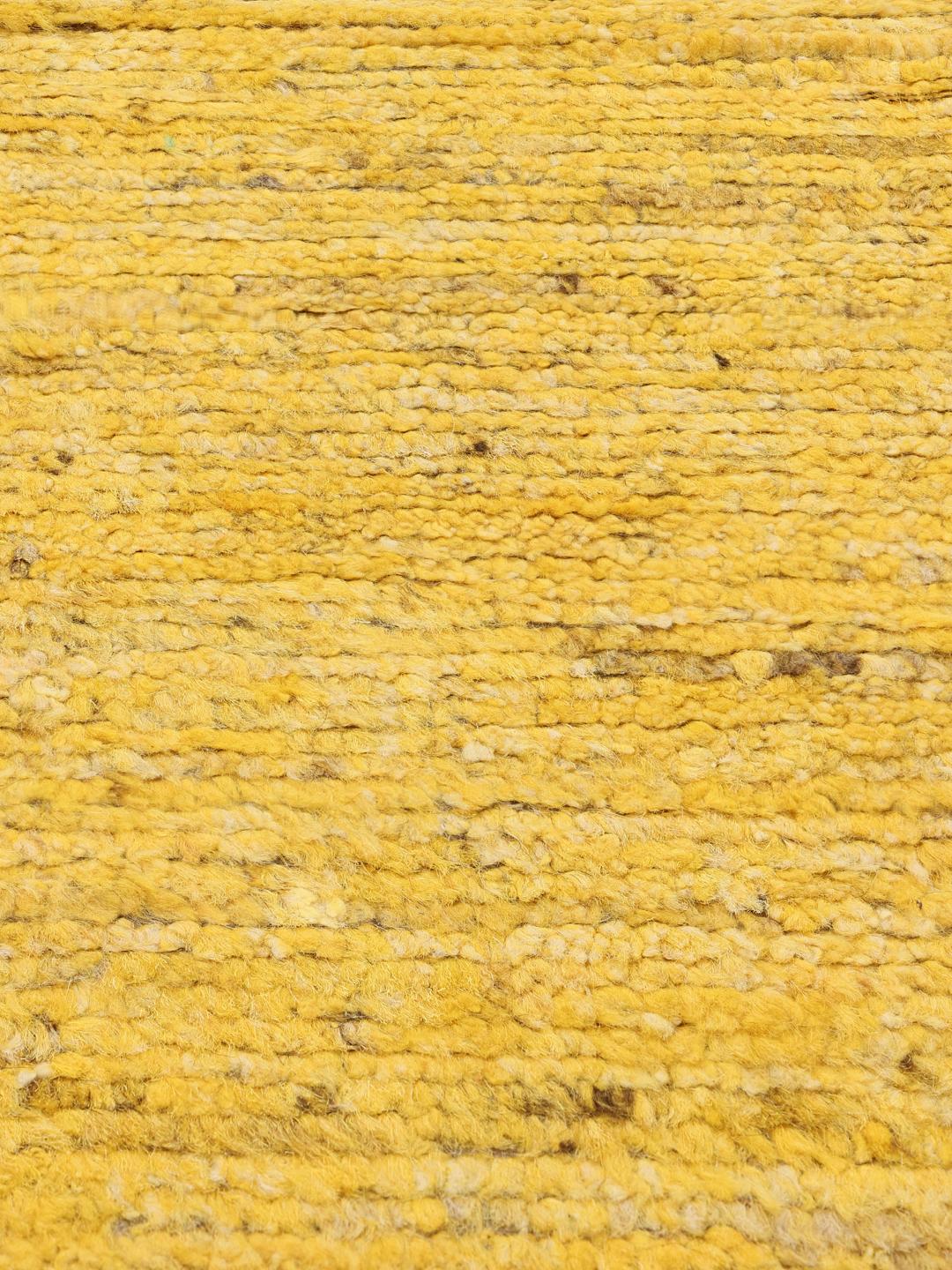
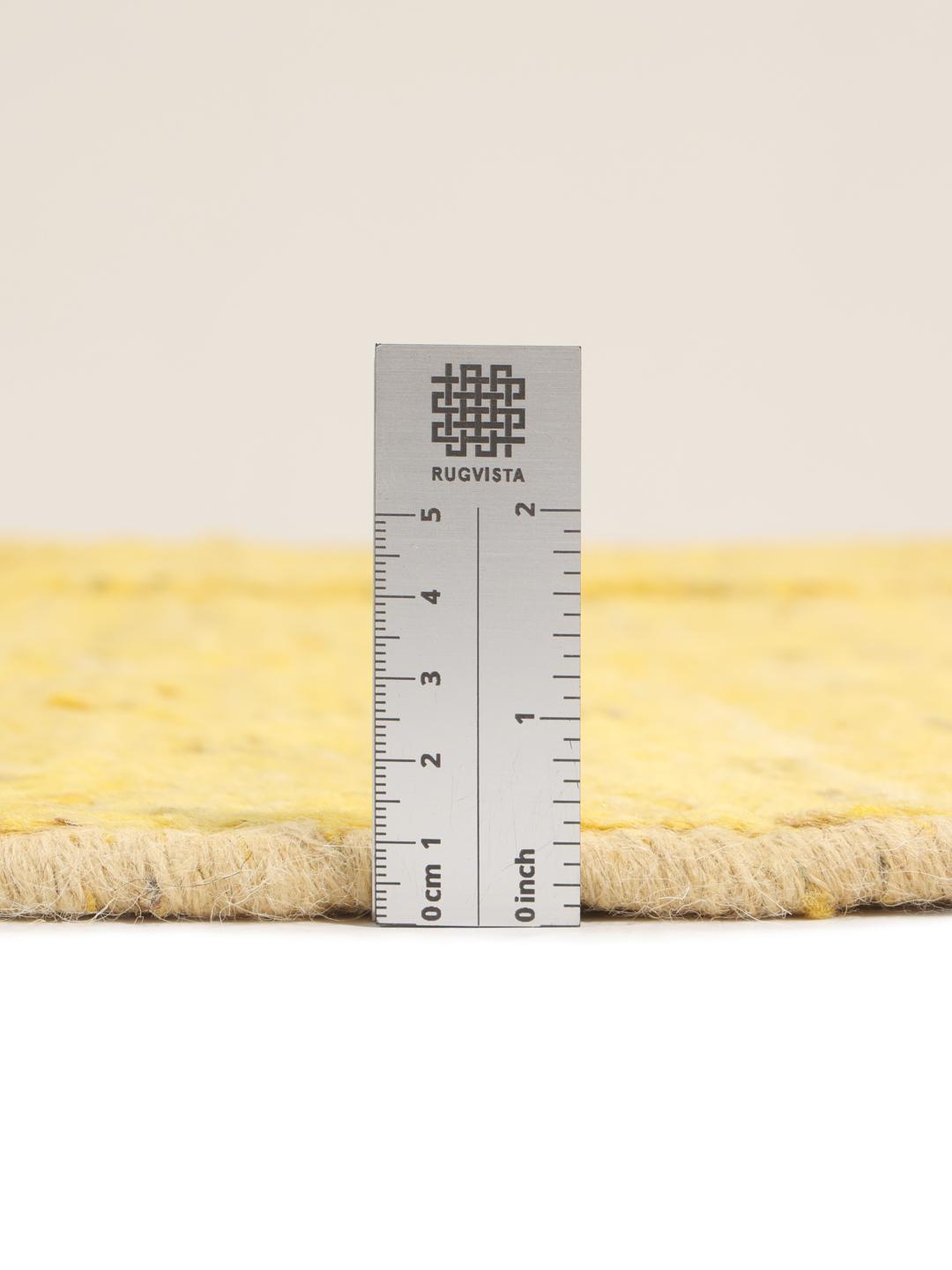
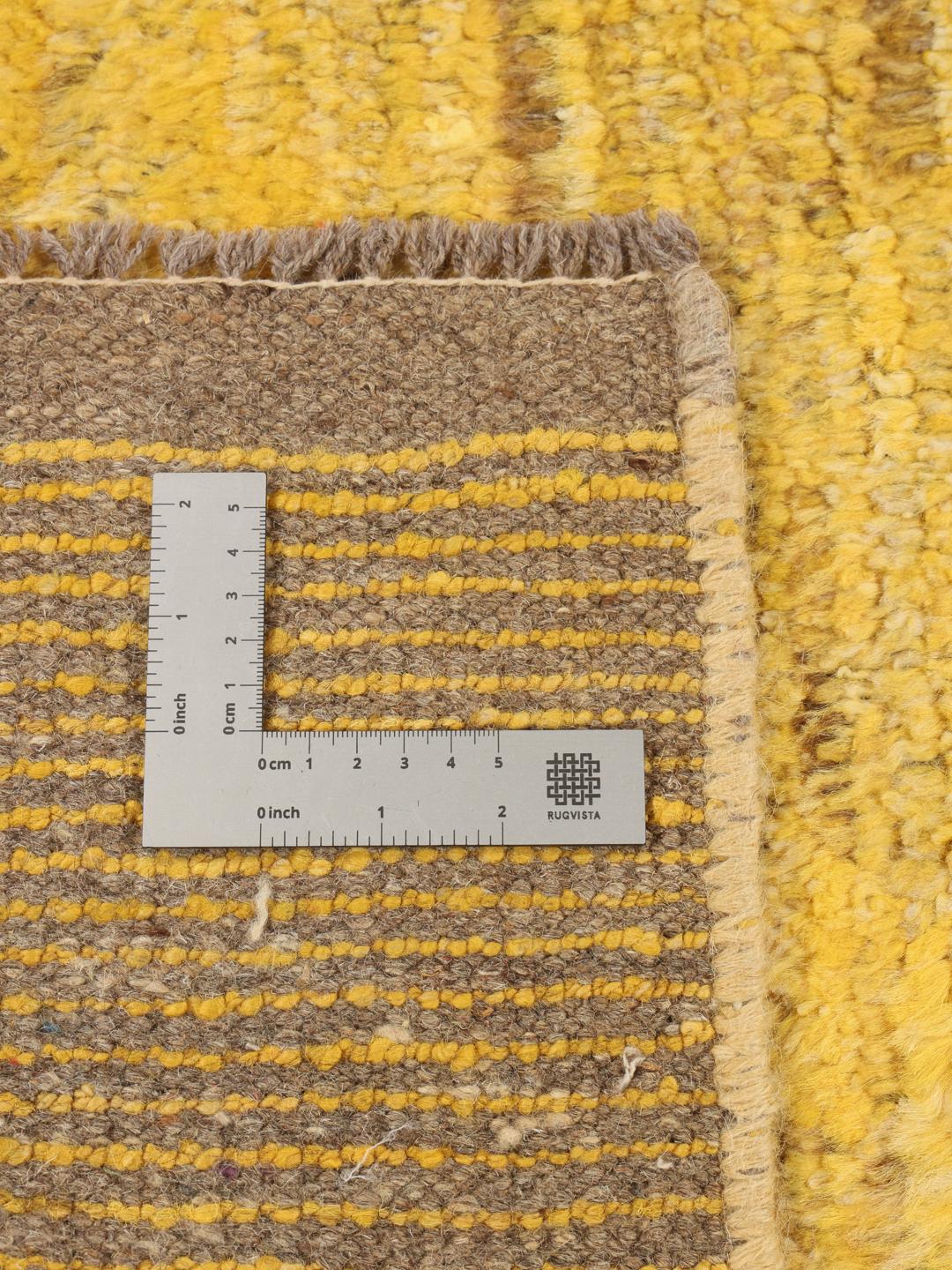
The term Gabbeh itself refers to a rug that is 'raw' or 'natural' in its construction, often featuring a higher, deeper pile than other traditional styles. This construction is key to the rug's tactile appeal, as the thicker, looser twist of the yarn creates a softer, more luxurious surface that feels incredibly lush underfoot. It is a style that favours the beauty of the material itself over complex, repetitive patterns.
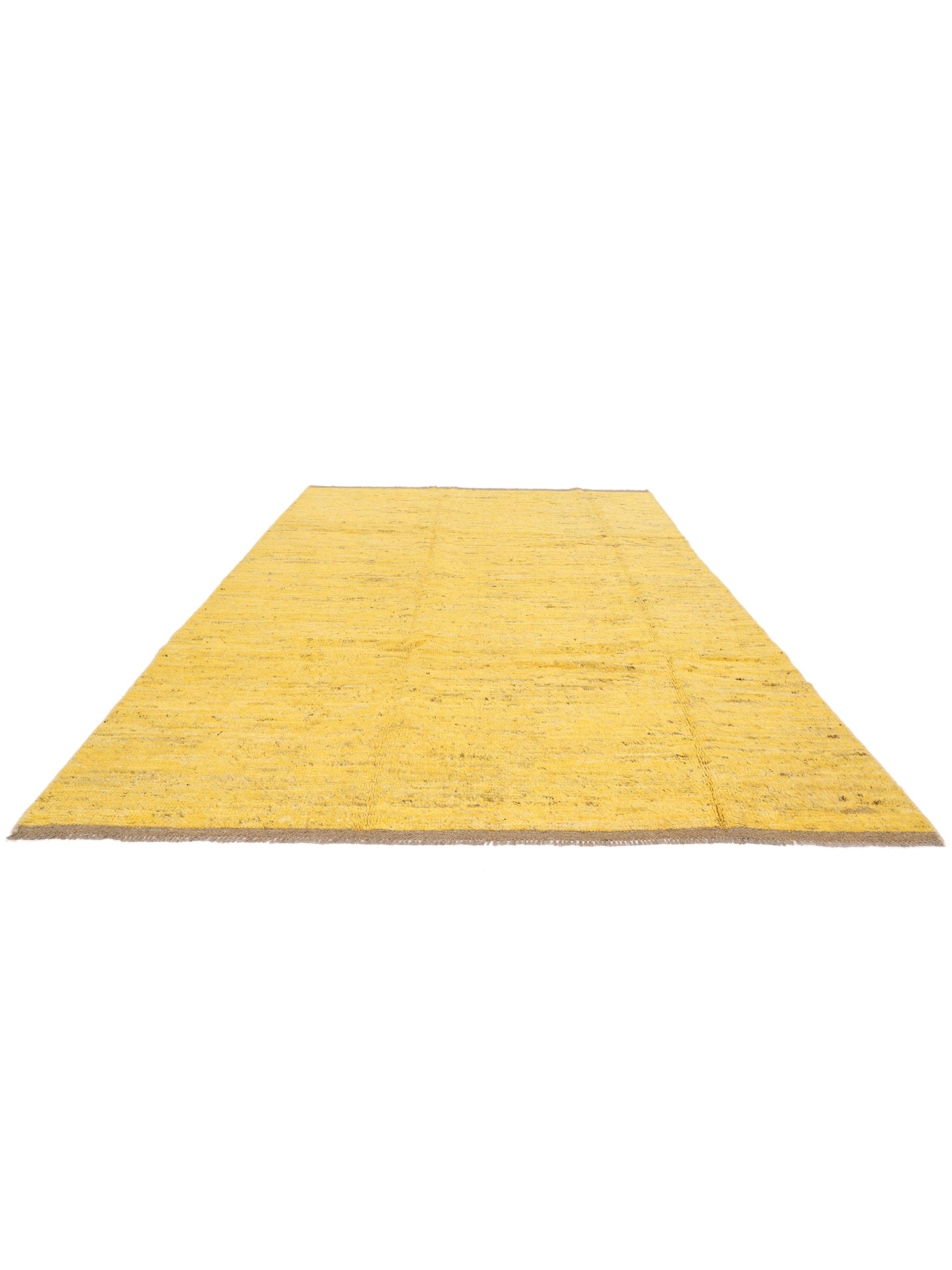
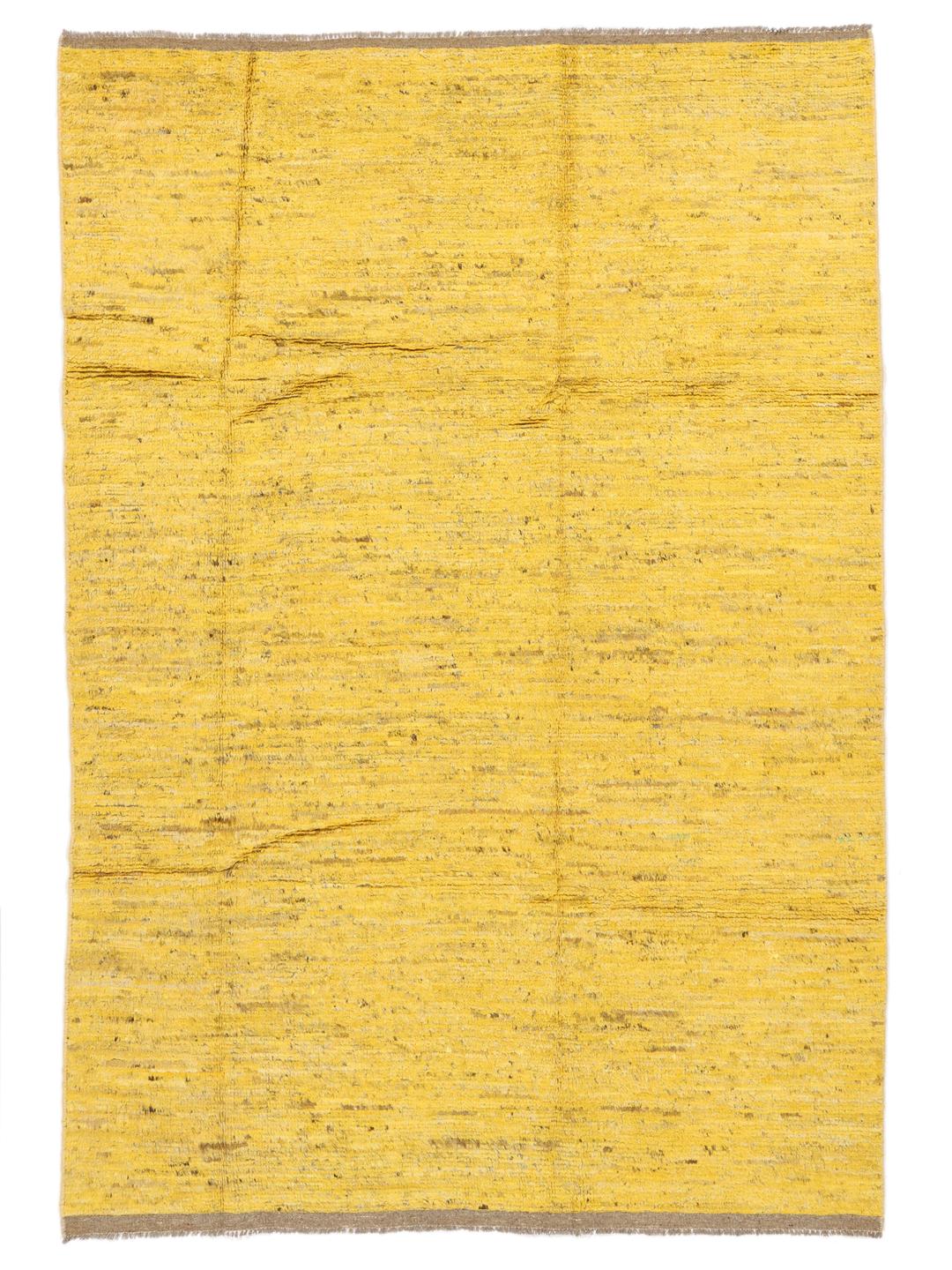
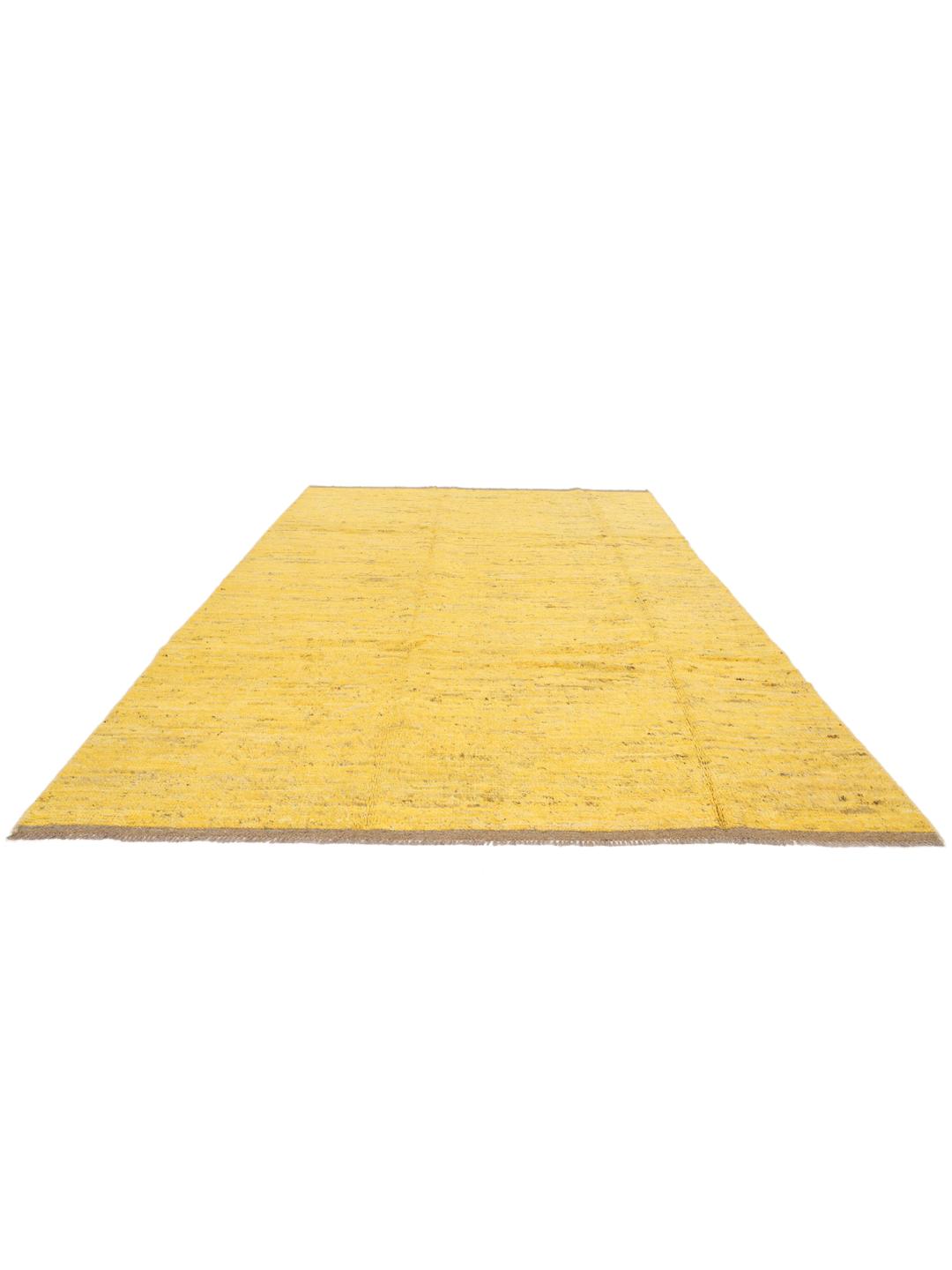
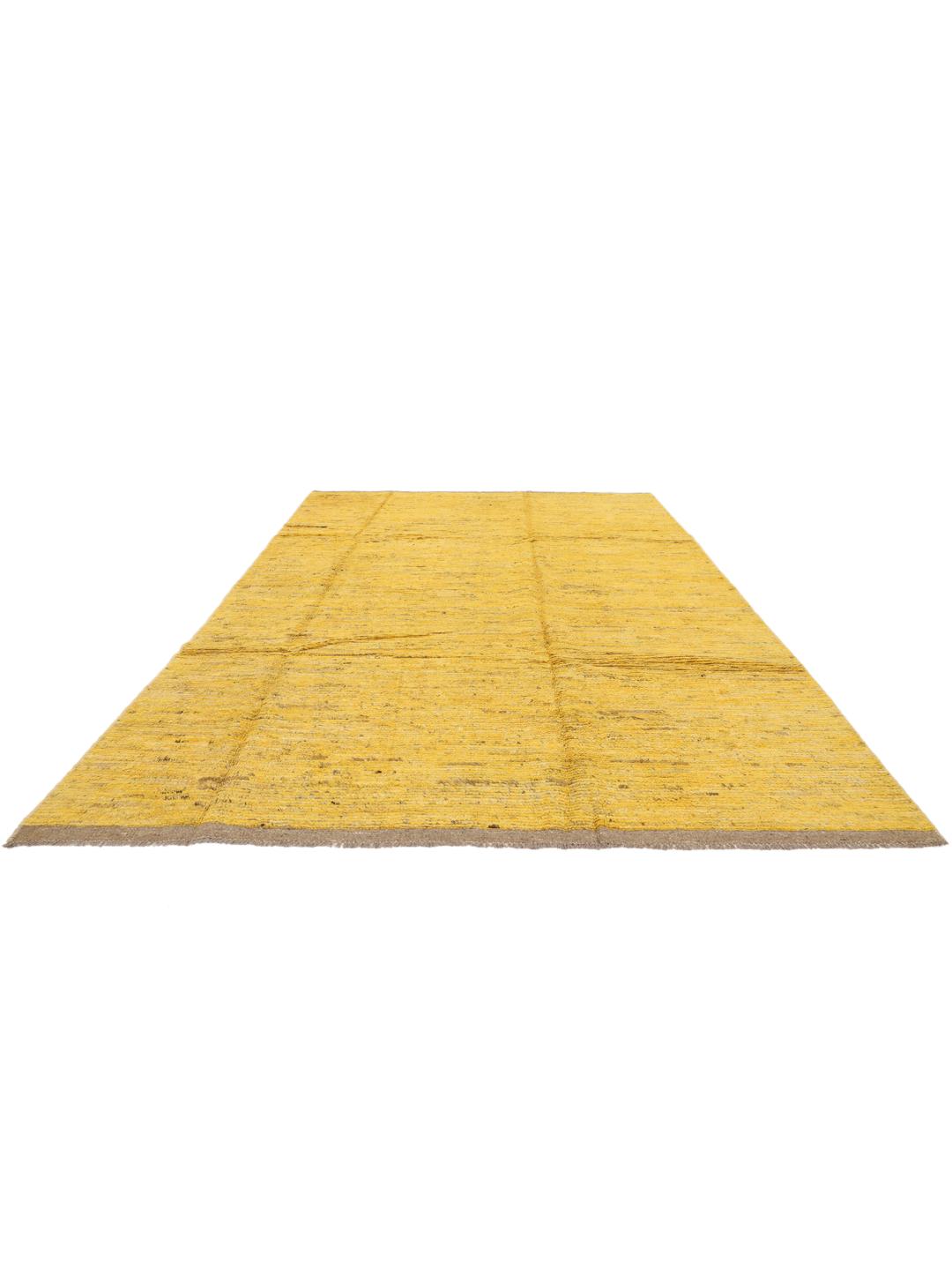
Visually, these rugs are known for their minimalist approach, often focusing on solid fields of colour or simple, organic shapes. By stripping away the dense, crowded designs found in other traditions, the Gabbeh highlights the subtle shifts in dye and texture that occur naturally when wool is processed by hand. This rug, with its vibrant, singular hue, captures this tradition of using colour as a primary design element to evoke a mood of warmth and positivity.
Today, these rugs are highly sought after by collectors who appreciate the blend of ancient craft and contemporary aesthetic. Owning a piece from this tradition is an investment in a storied heritage of human skill, where the focus remains on the integrity of the materials and the individual touch of the maker. It is more than just a floor covering; it is a piece of cultural history that brings a quiet, enduring sense of place to any modern home.