Berber rugs are deeply rooted in the traditions of nomadic and semi-nomadic tribes, originating from the mountainous regions of North Africa but finding a vibrant evolution in the craft hubs of Afghanistan. These rugs are historically celebrated for their connection to the landscape, with weavers using their craft to tell stories through symbols and motifs passed down through generations.
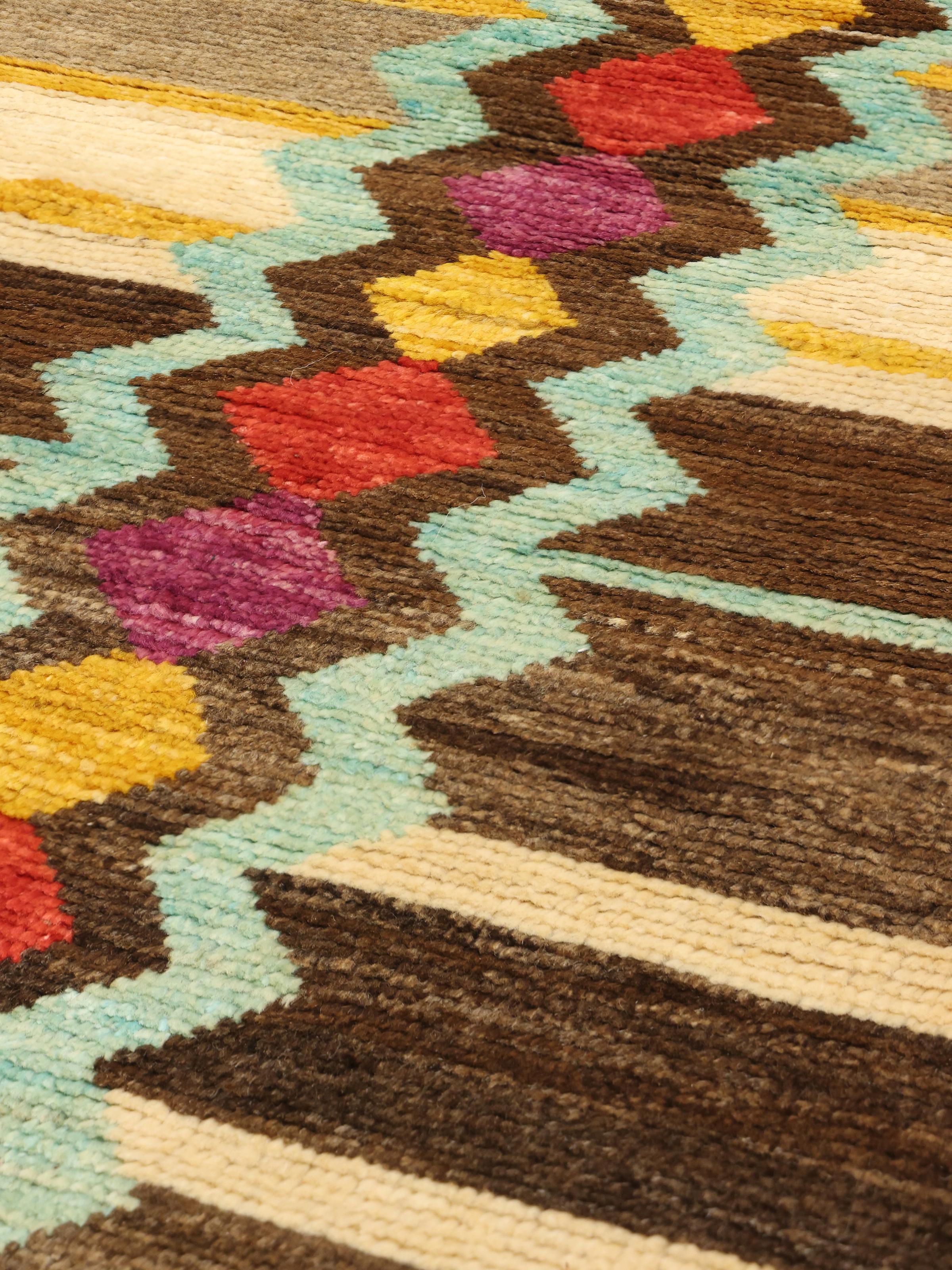
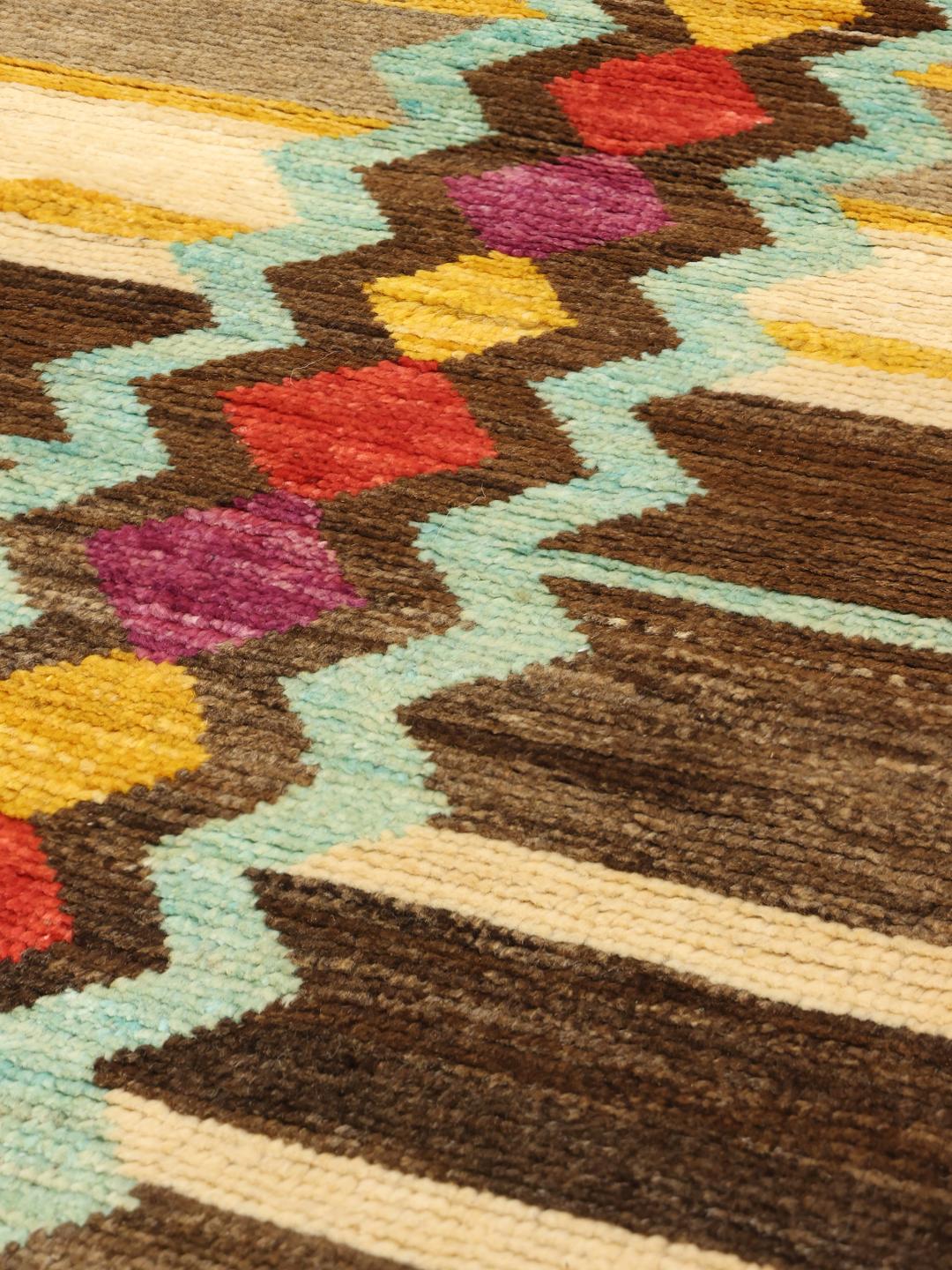
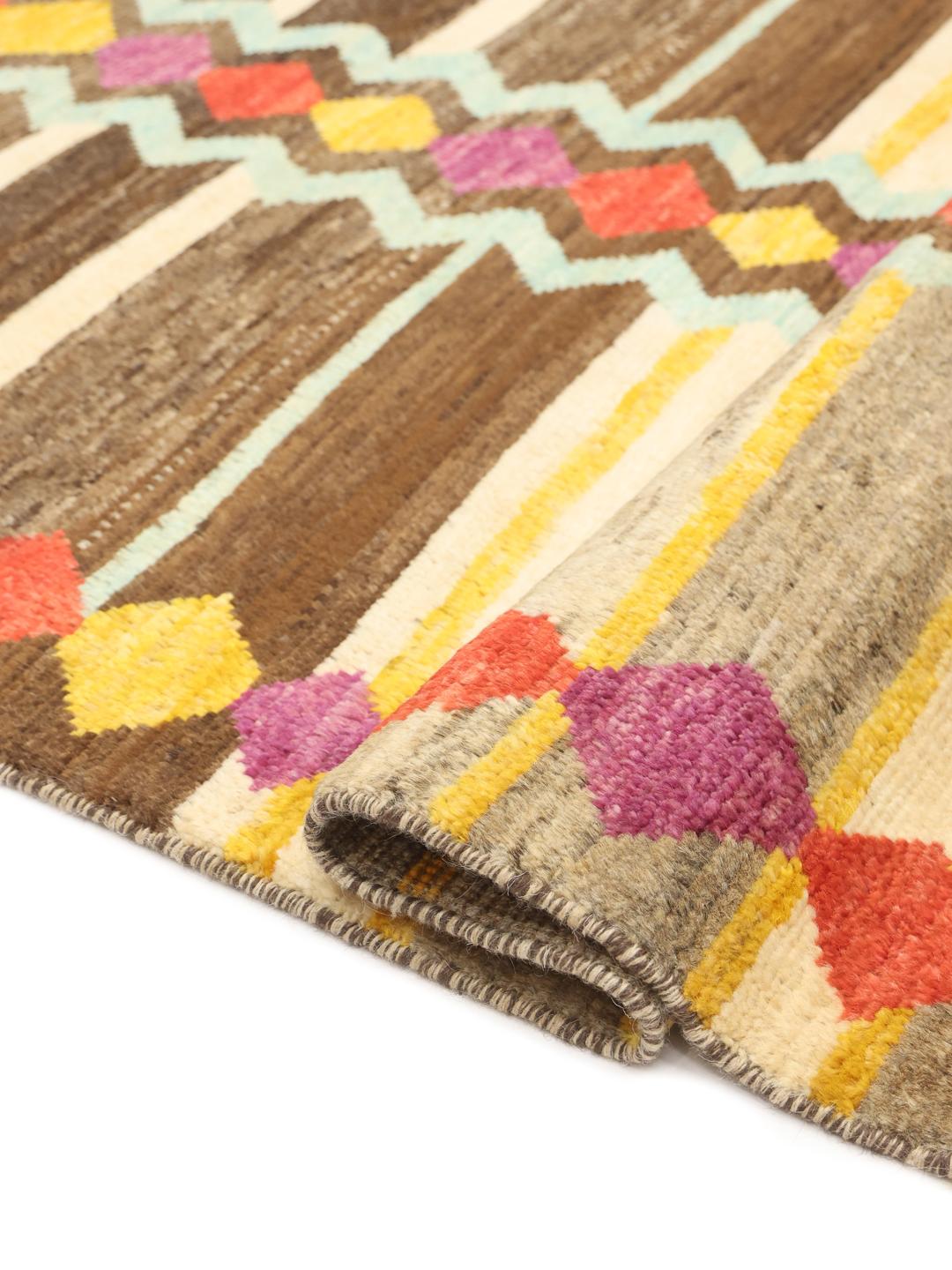
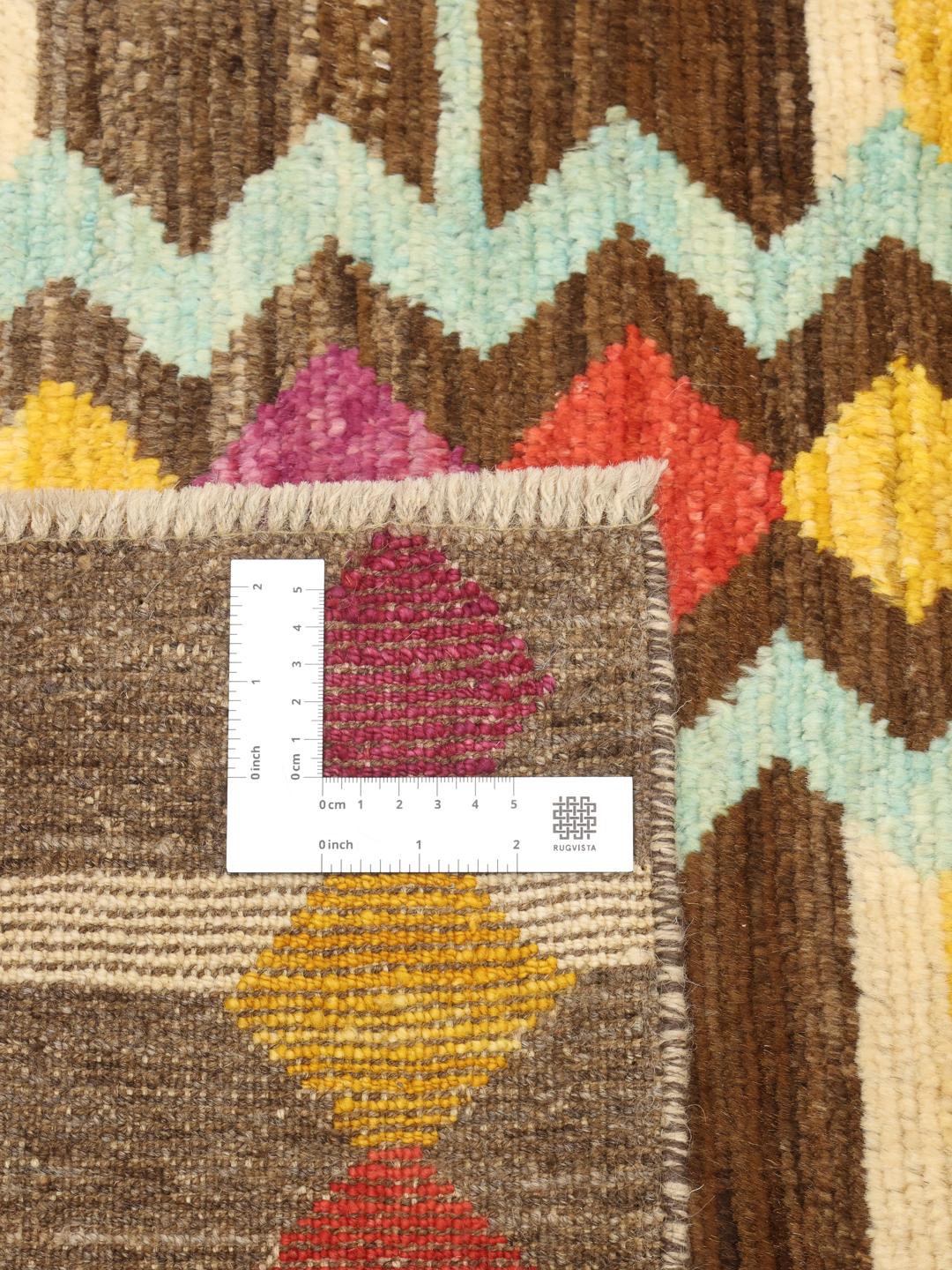
The term hand-knotted refers to the traditional method where individual strands of Wool are tied to a warp and weft foundation. This technique is the hallmark of high-quality rug making, as it creates a pile that is incredibly resilient and capable of holding intricate patterns. For the owner, this means a rug that not only looks beautiful but also retains its structure and vibrancy even after years of daily life.
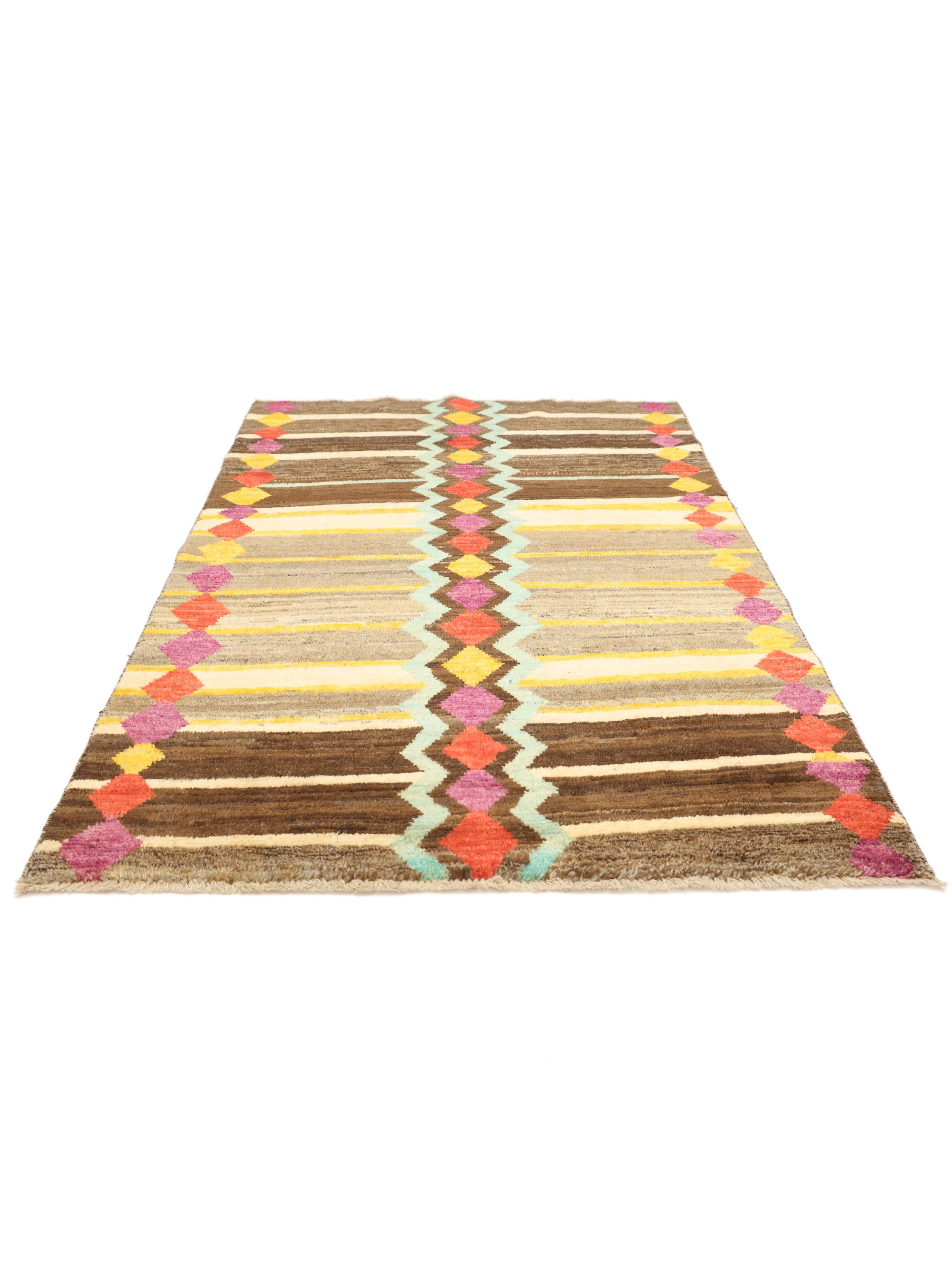
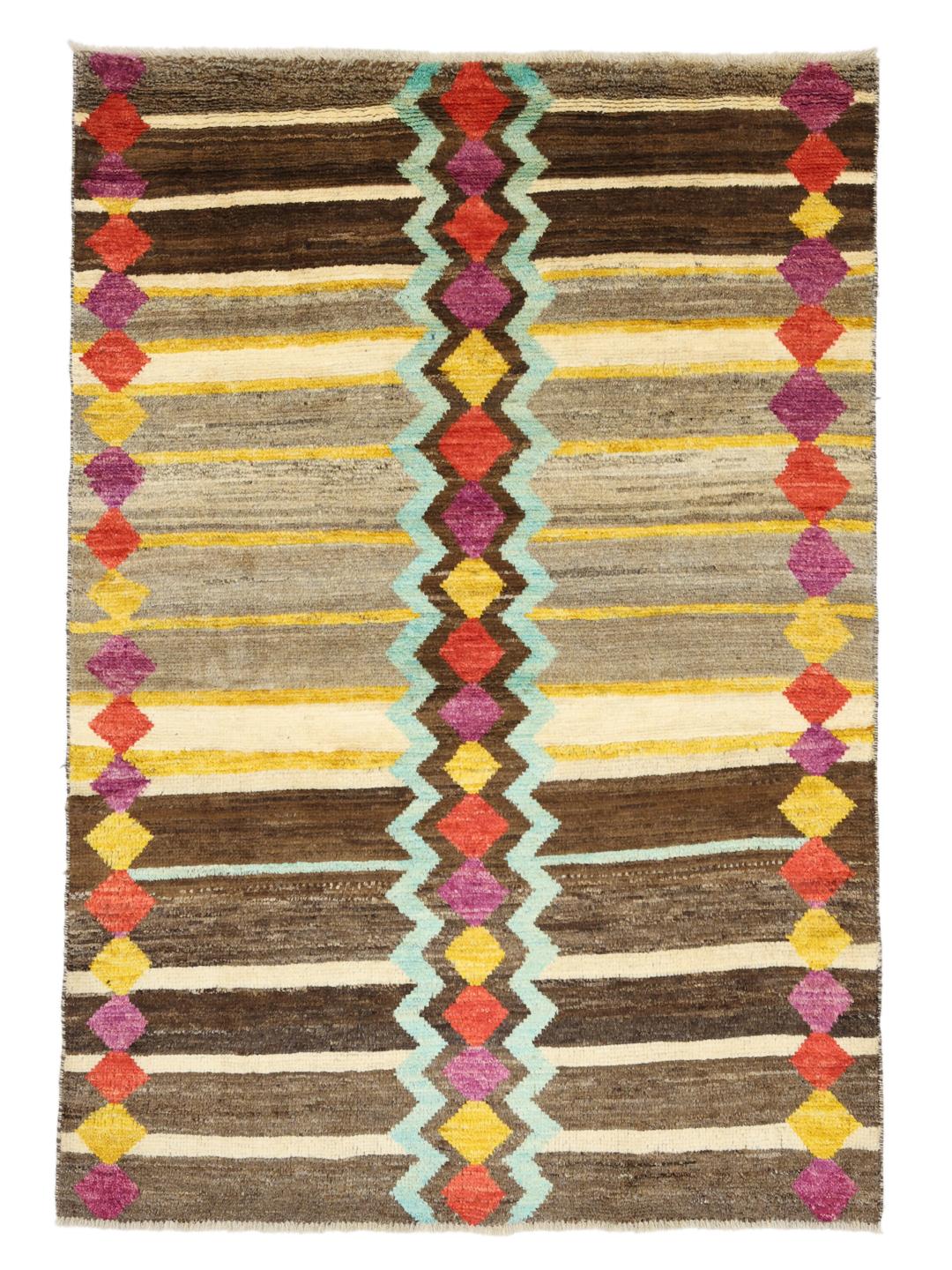
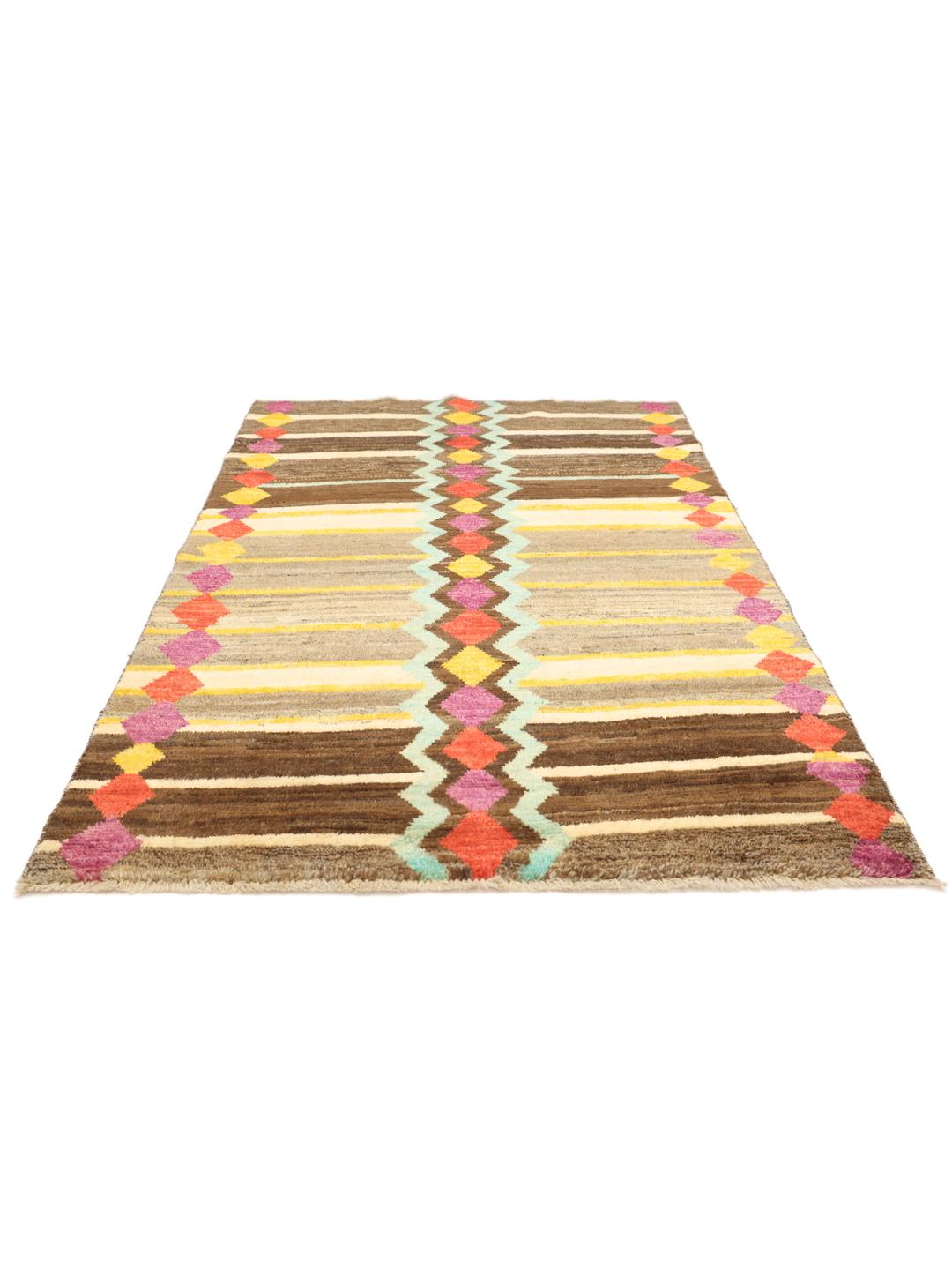
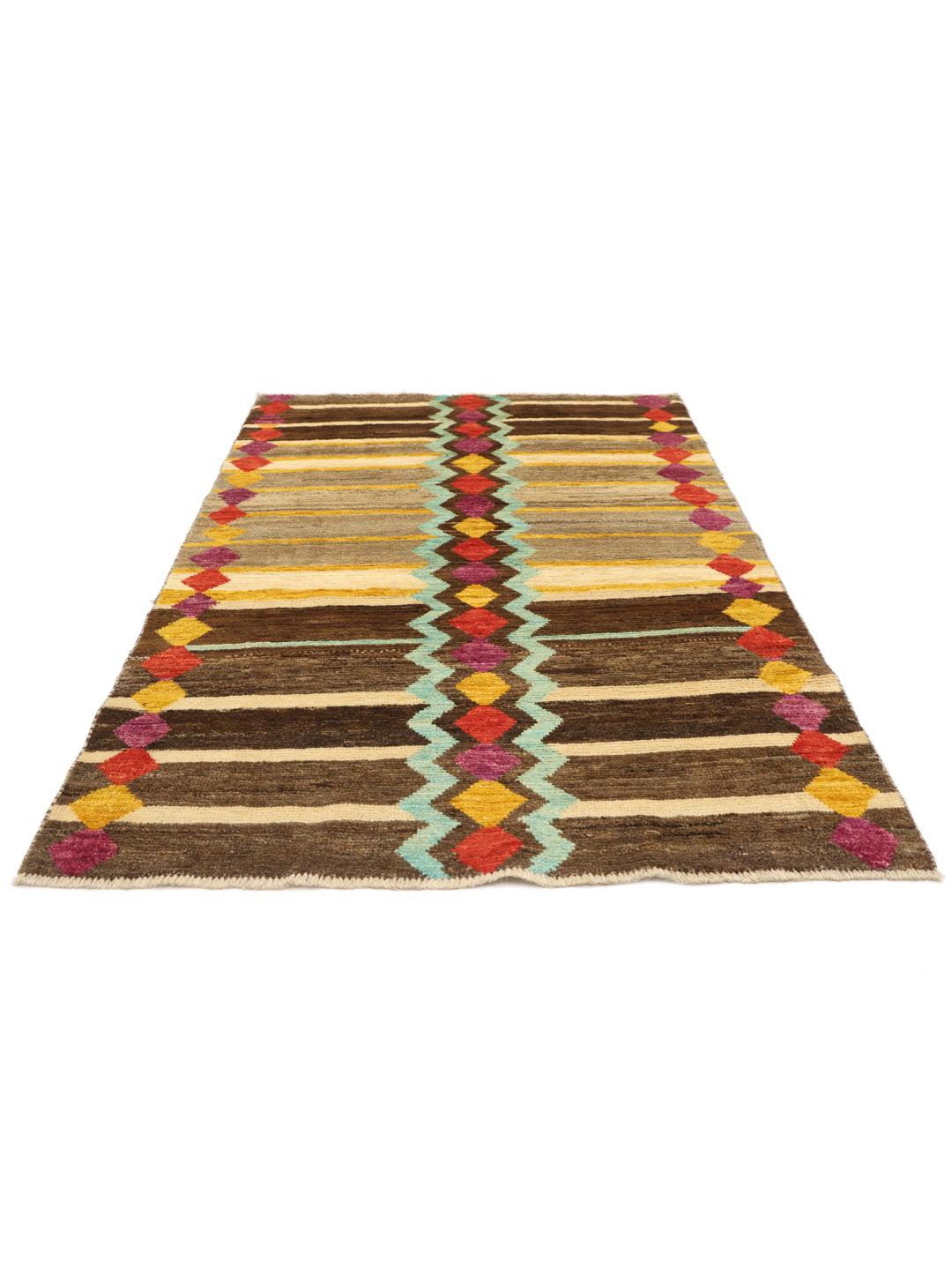
Design-wise, these rugs are known for their bold, spontaneous use of colour and geometric shapes. While many traditional styles rely on symmetrical, formal layouts, this Berber tradition often incorporates more expressive, tribal-inspired elements like diamonds and stripes. The use of varied colours in this piece highlights the artistic freedom typical of this style, where the weaver often improvises the palette based on available materials.
Collecting a rug from this tradition is an investment in cultural heritage. These pieces are valued for their authenticity and the human story behind every knot. By choosing a one-of-a-kind rug, you are preserving a legacy of craft and supporting the continuation of artistic traditions that prioritise durability, individual expression, and a connection to the natural materials used.