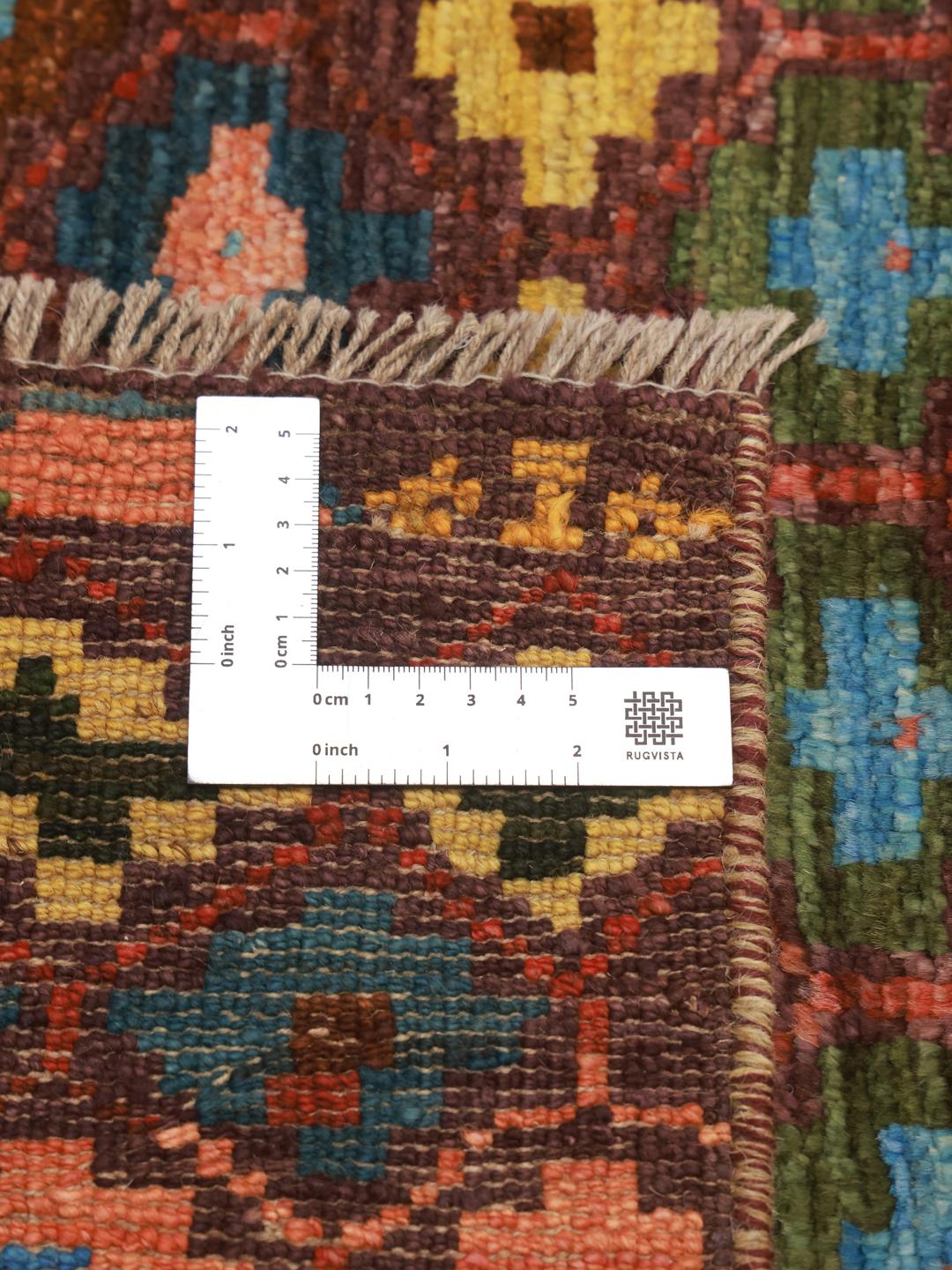
Berber rugs are deeply rooted in the nomadic traditions of the Middle East and surrounding regions, where weaving has served as both a practical necessity and a form of cultural expression for centuries. While the term Berber is often associated with the indigenous tribes of North Africa, the style has evolved significantly, with Afghan artisans adopting and reinterpreting these classic motifs to create their own distinct, colourful traditions.
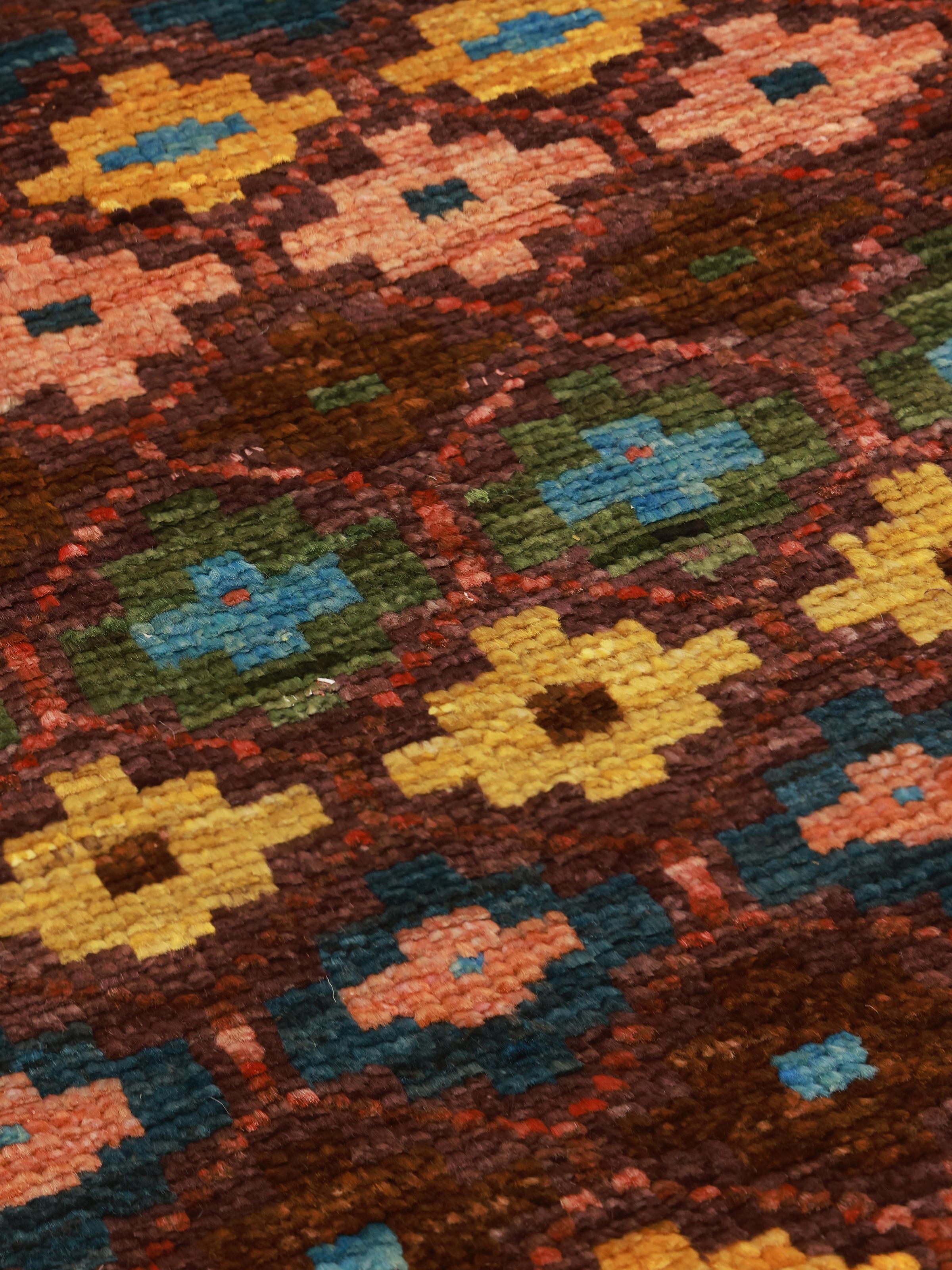
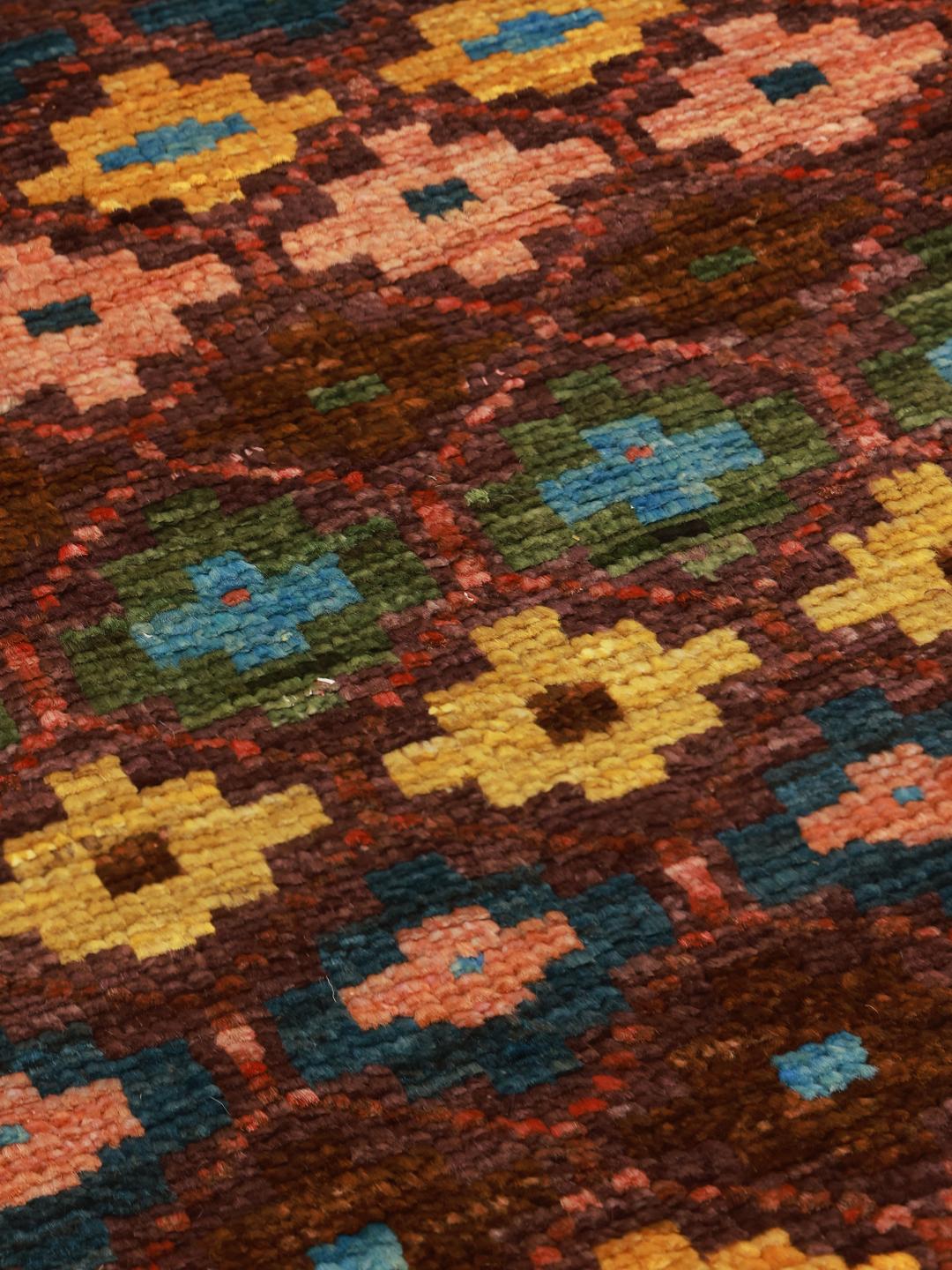
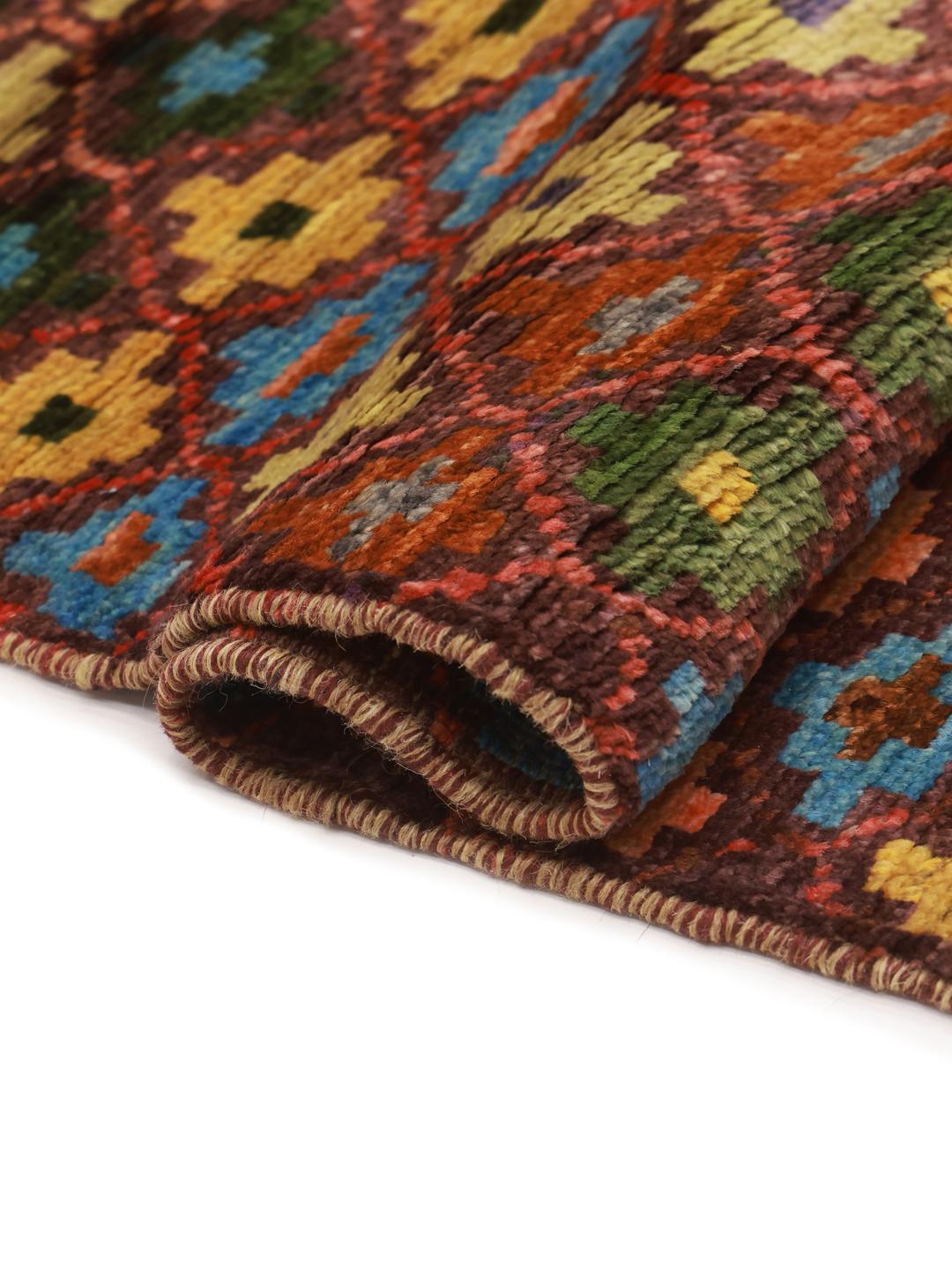
The craftsmanship behind these rugs relies on the use of high-quality wool, which is often sourced from local, high-altitude sheep. This wool is celebrated for its natural lanolin content, which gives the pile a soft, lustrous sheen and an impressive ability to repel dirt and moisture. The technical skill involved in the hand-knotting process is what allows for the creation of intricate, repeating patterns that remain sharp and clear even after generations of use.
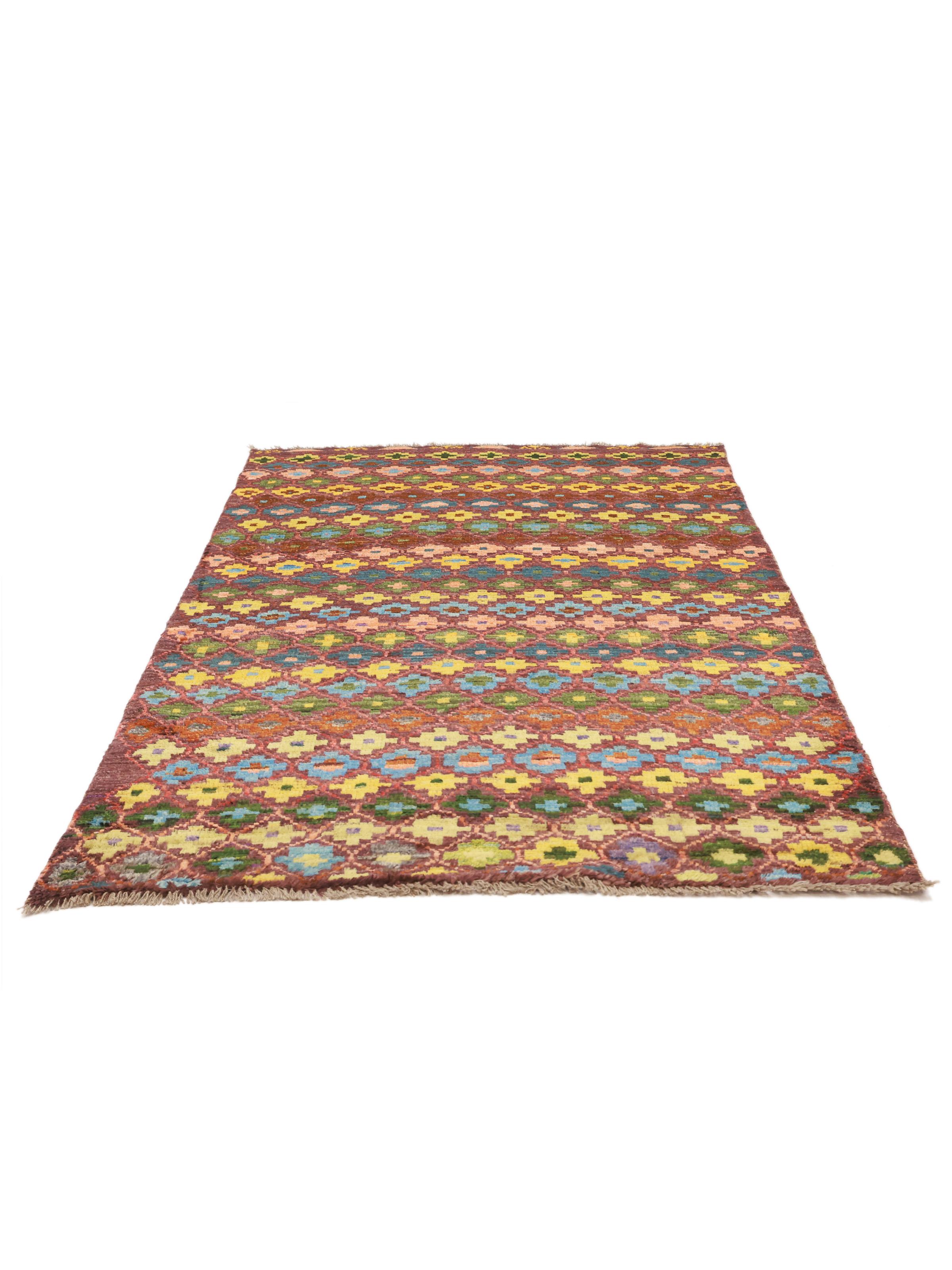
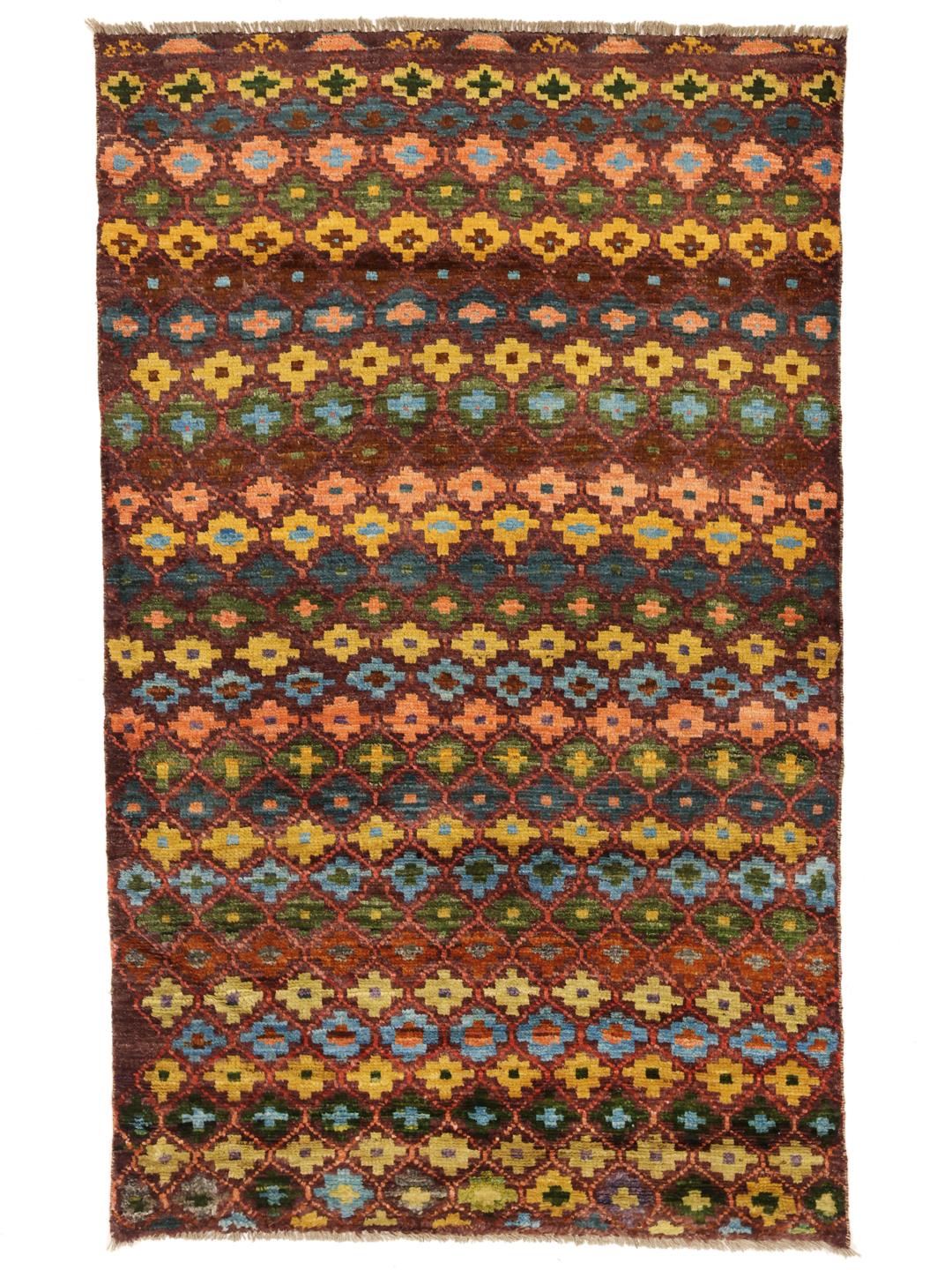
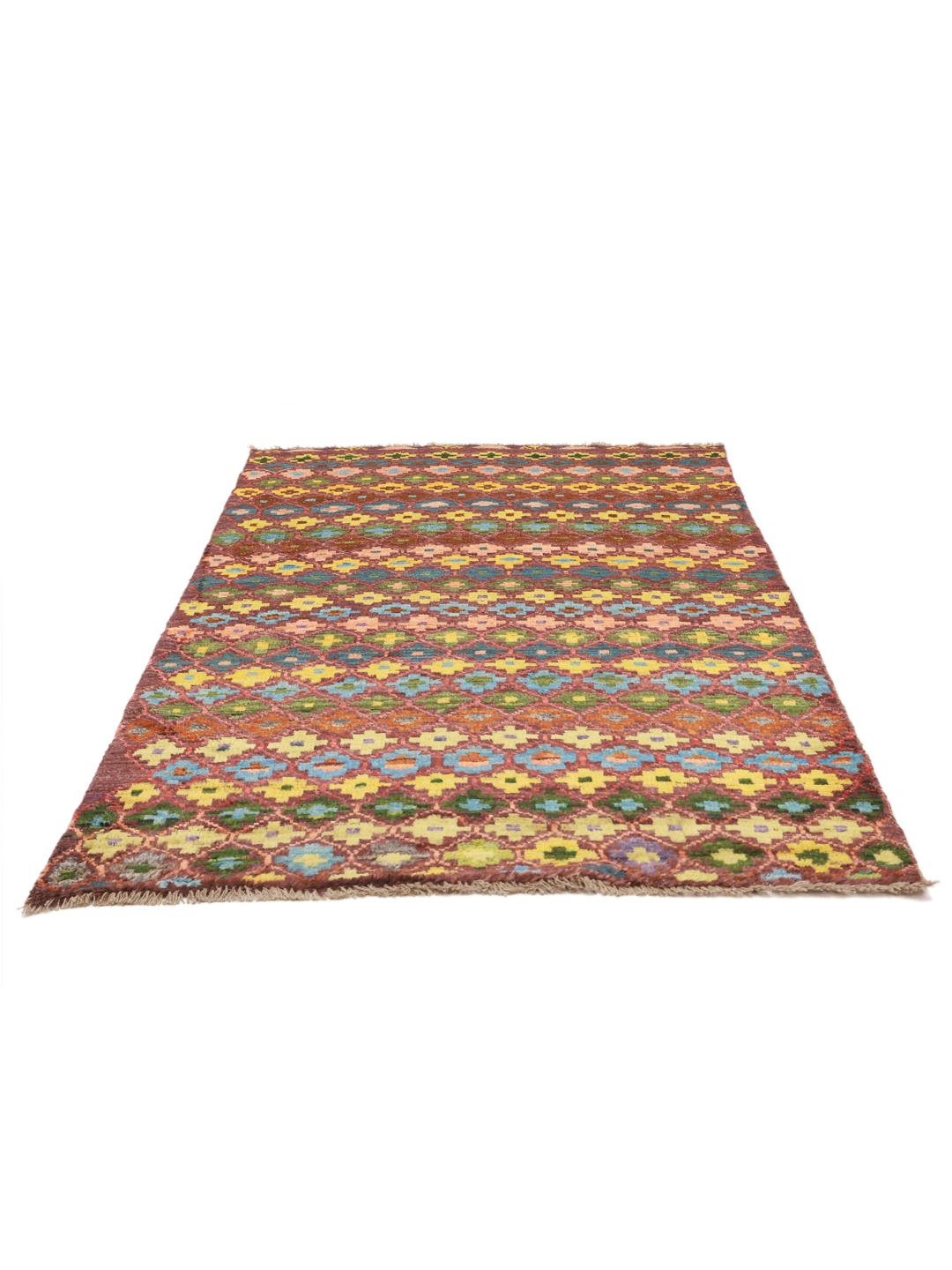
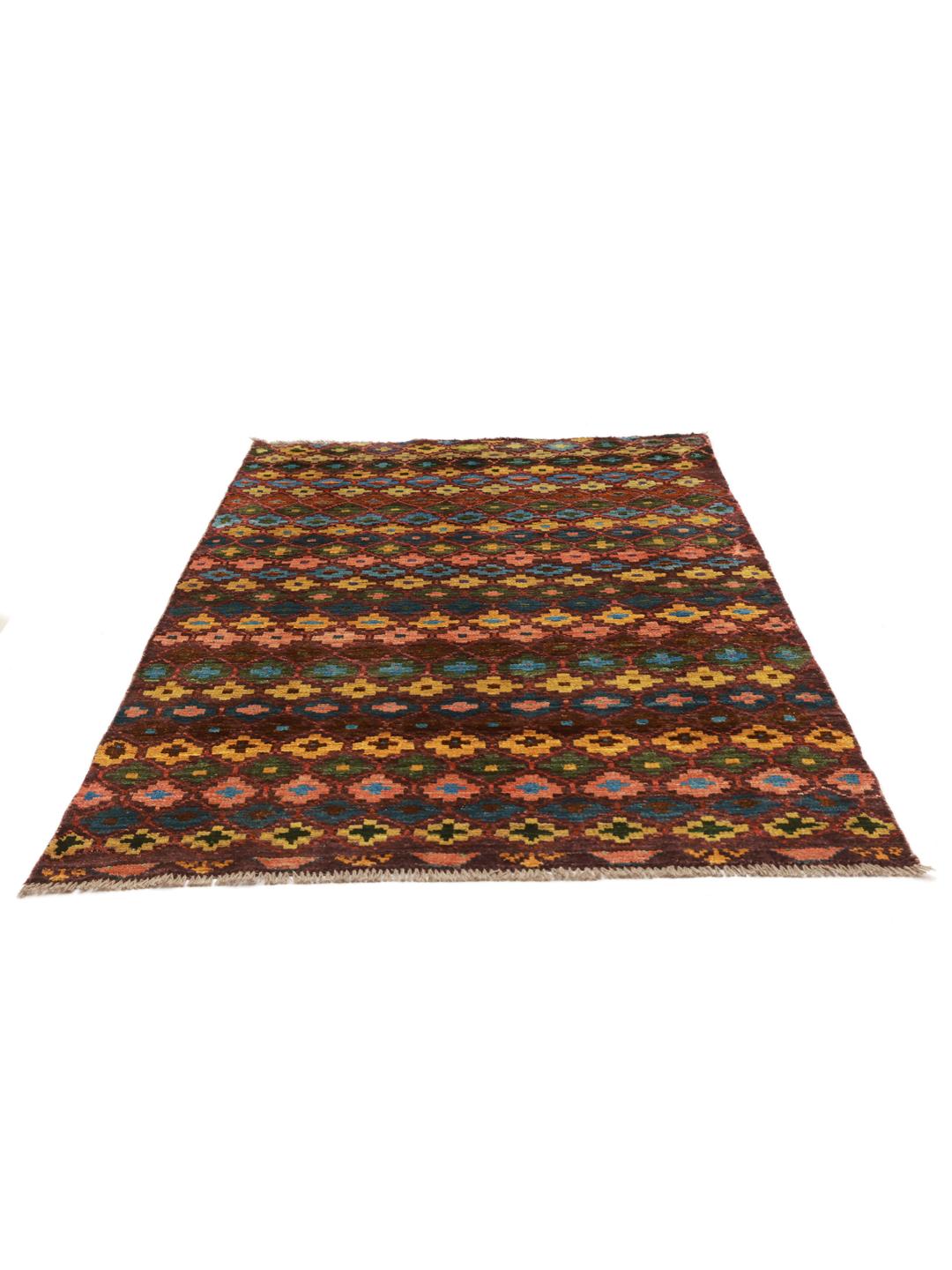
Signature design elements in these rugs often include geometric medallions, diamonds, and tribal motifs that have been passed down through generations of weavers. The use of vibrant, saturated colours is a hallmark of the tradition, with each hue traditionally derived from natural dyes. In this particular piece, the interplay of bold colours against a dark field highlights a sophisticated approach to pattern, creating a rhythm that is both orderly and expressive.
Collectors value these rugs for their authenticity and the way they bridge the gap between ancient craft and contemporary living. Owning a piece from this tradition is an act of preserving a heritage of skill, as each rug represents countless hours of human effort and a deep understanding of textile geometry. It serves as a reminder that the most beautiful things in our homes are often those that carry the history and the hands of their makers.