Berber rugs are rooted in the ancient, nomadic traditions of North Africa, yet their influence has spread across the Middle East, inspiring artisans in regions like Afghanistan to adopt and reinterpret these bold, geometric styles. These rugs were historically crafted to serve as functional items for shelter and warmth, often featuring patterns that carried deep cultural meanings or tribal identities.
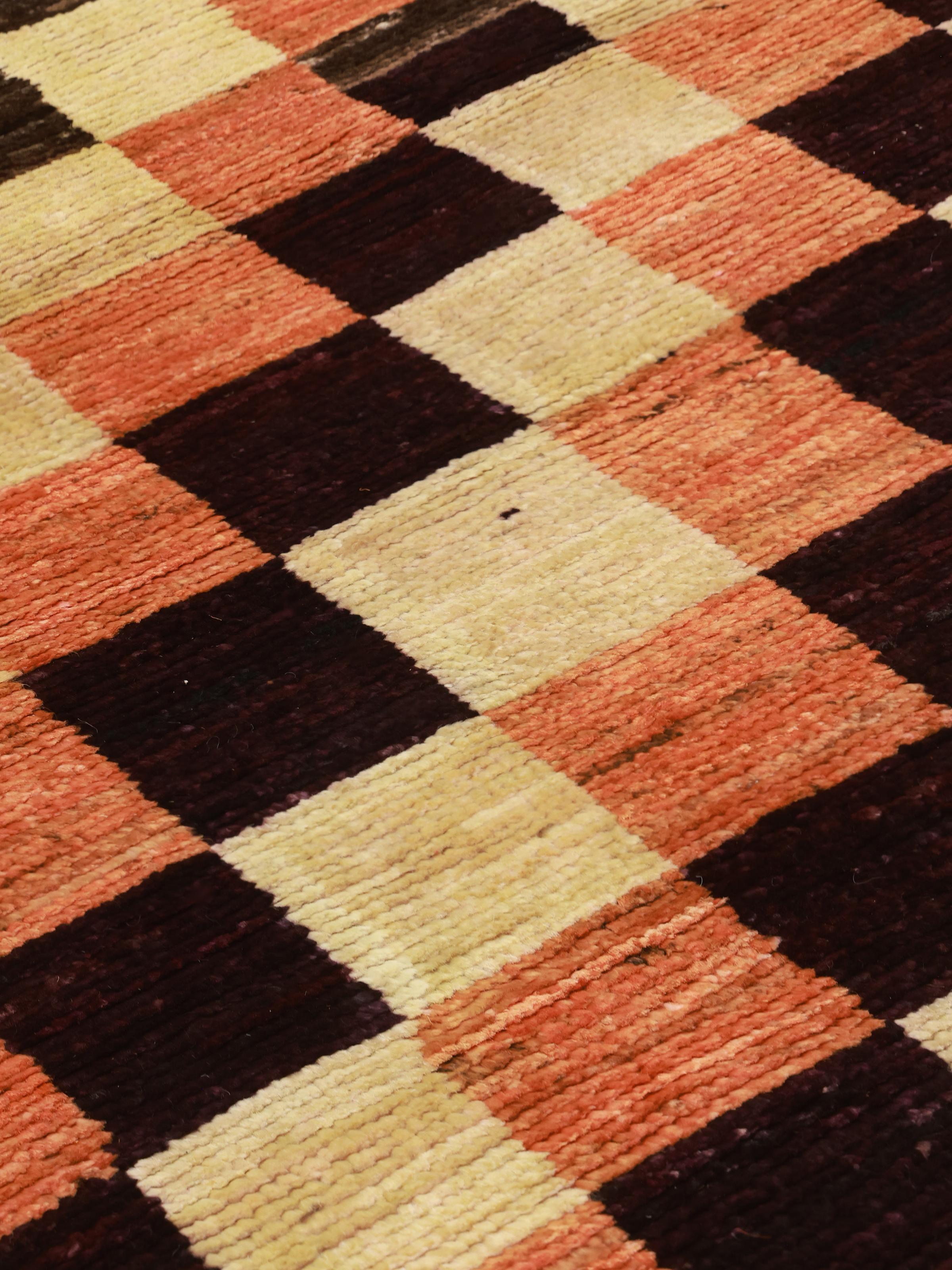
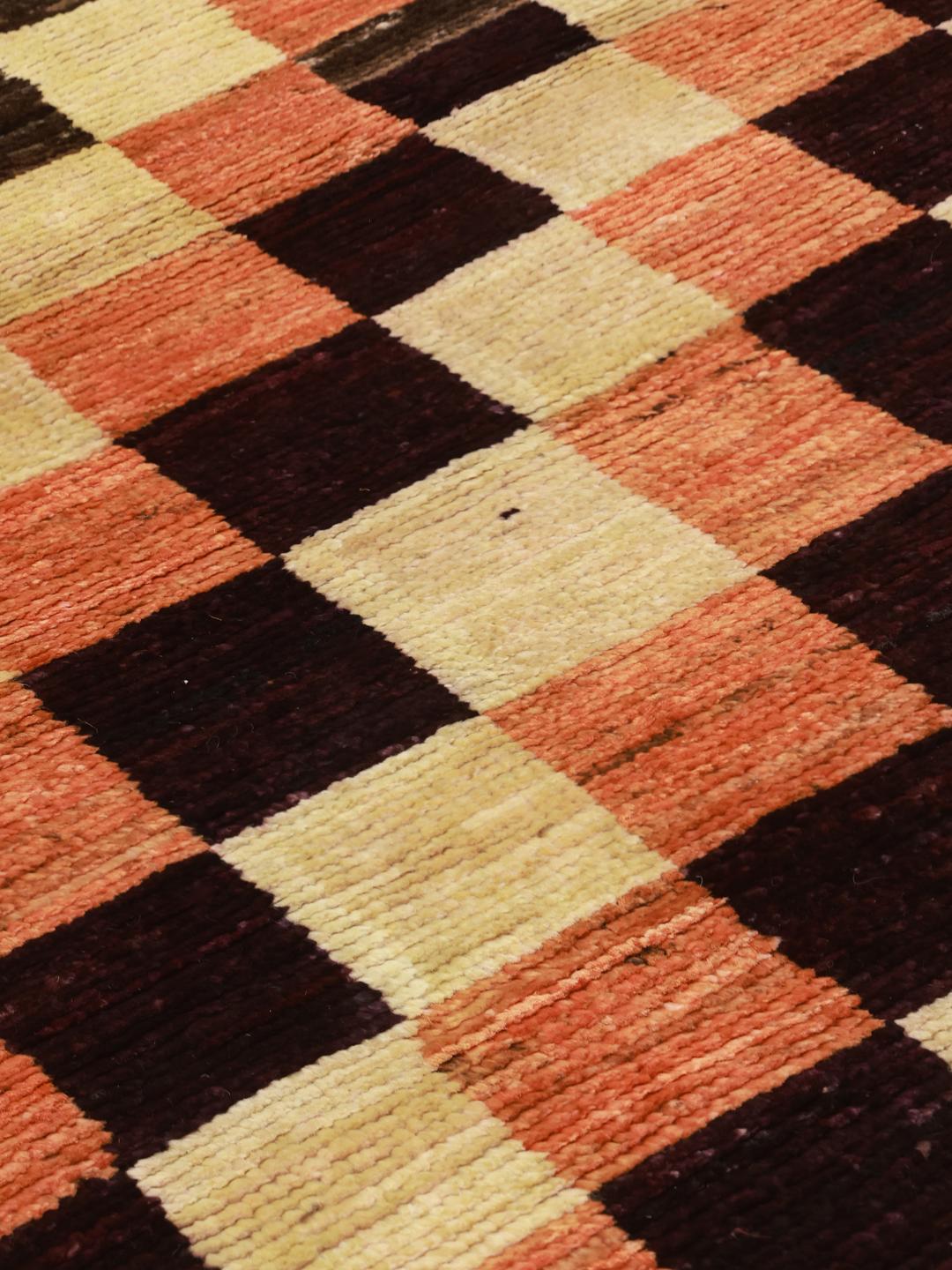
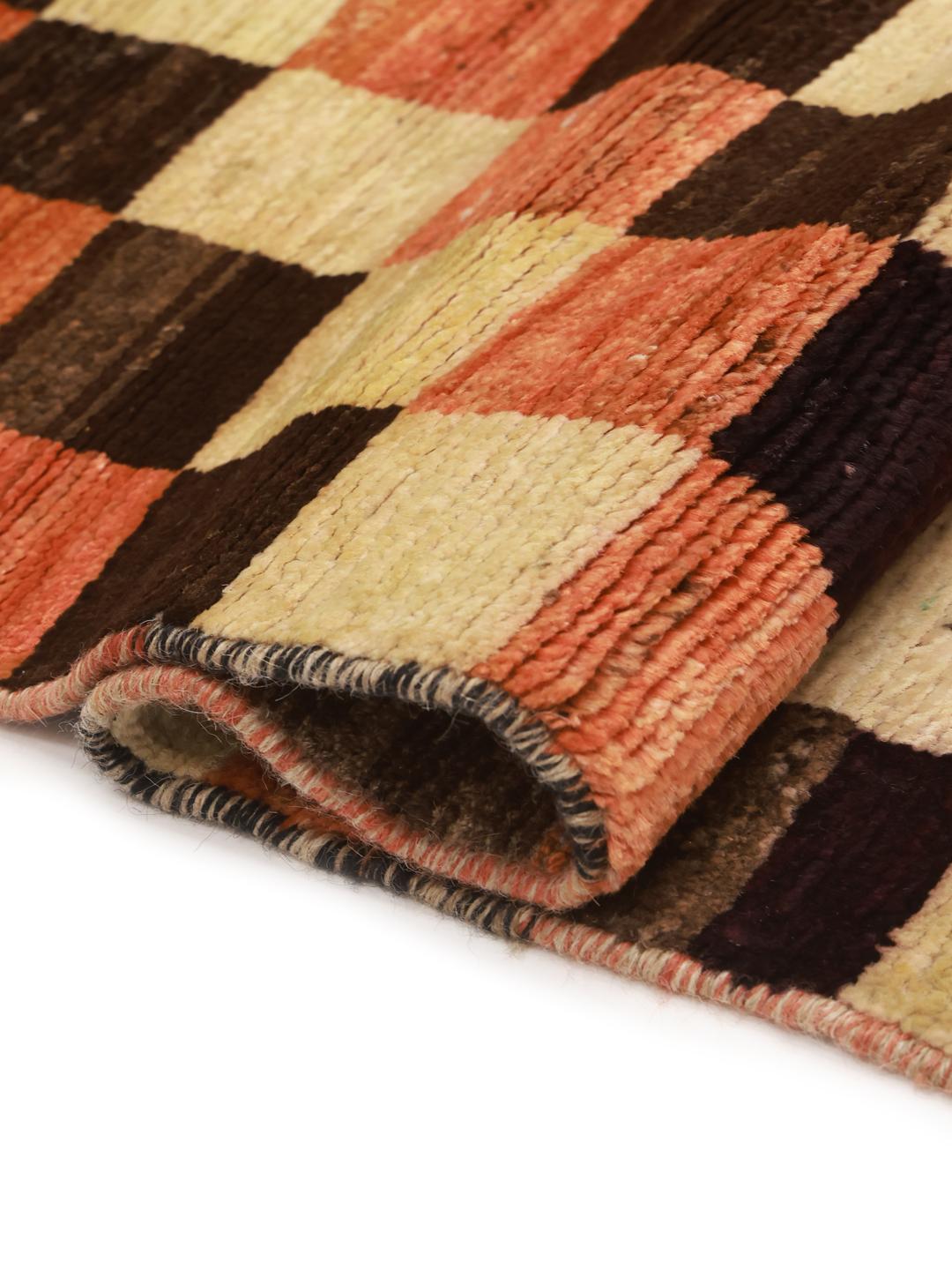
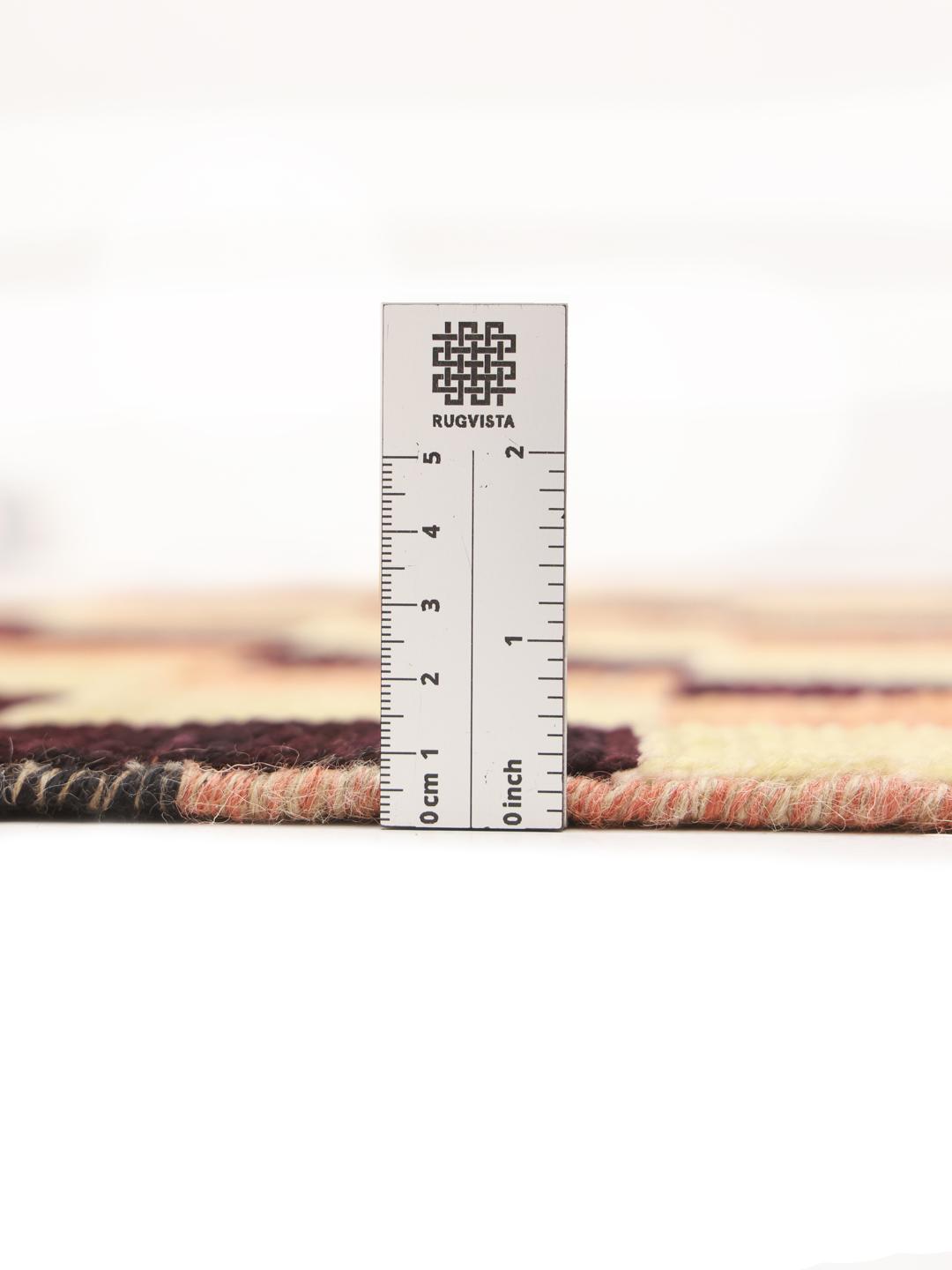
The term Berber refers to the indigenous peoples of North Africa, whose weaving techniques have been passed down through generations. A defining characteristic of these rugs is the focus on natural materials and a high-pile construction, which provides a luxurious, soft feel. The techniques used are designed to create a resilient fabric that can adapt to the seasonal needs of nomadic life, prioritising both utility and comfort.
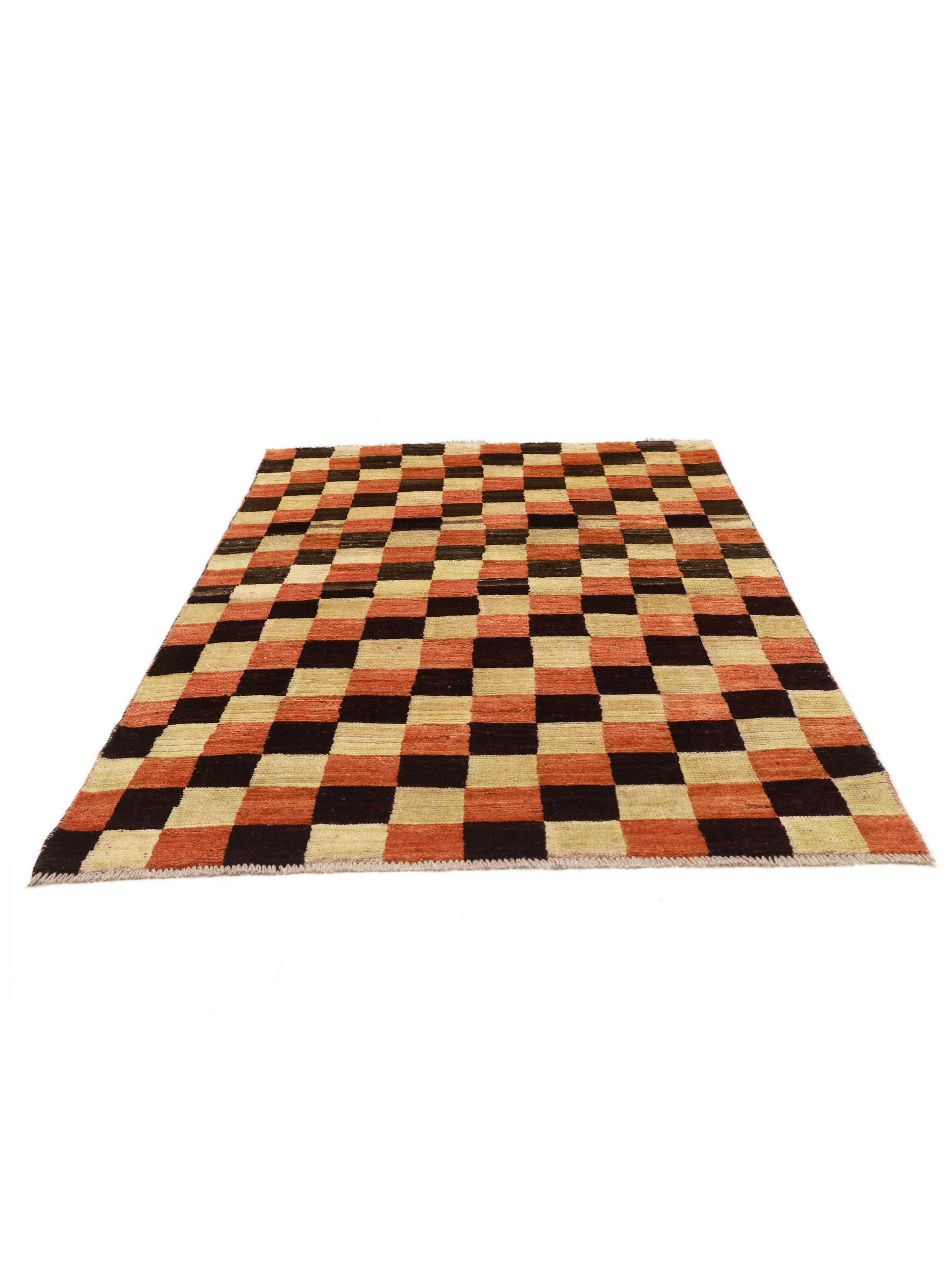
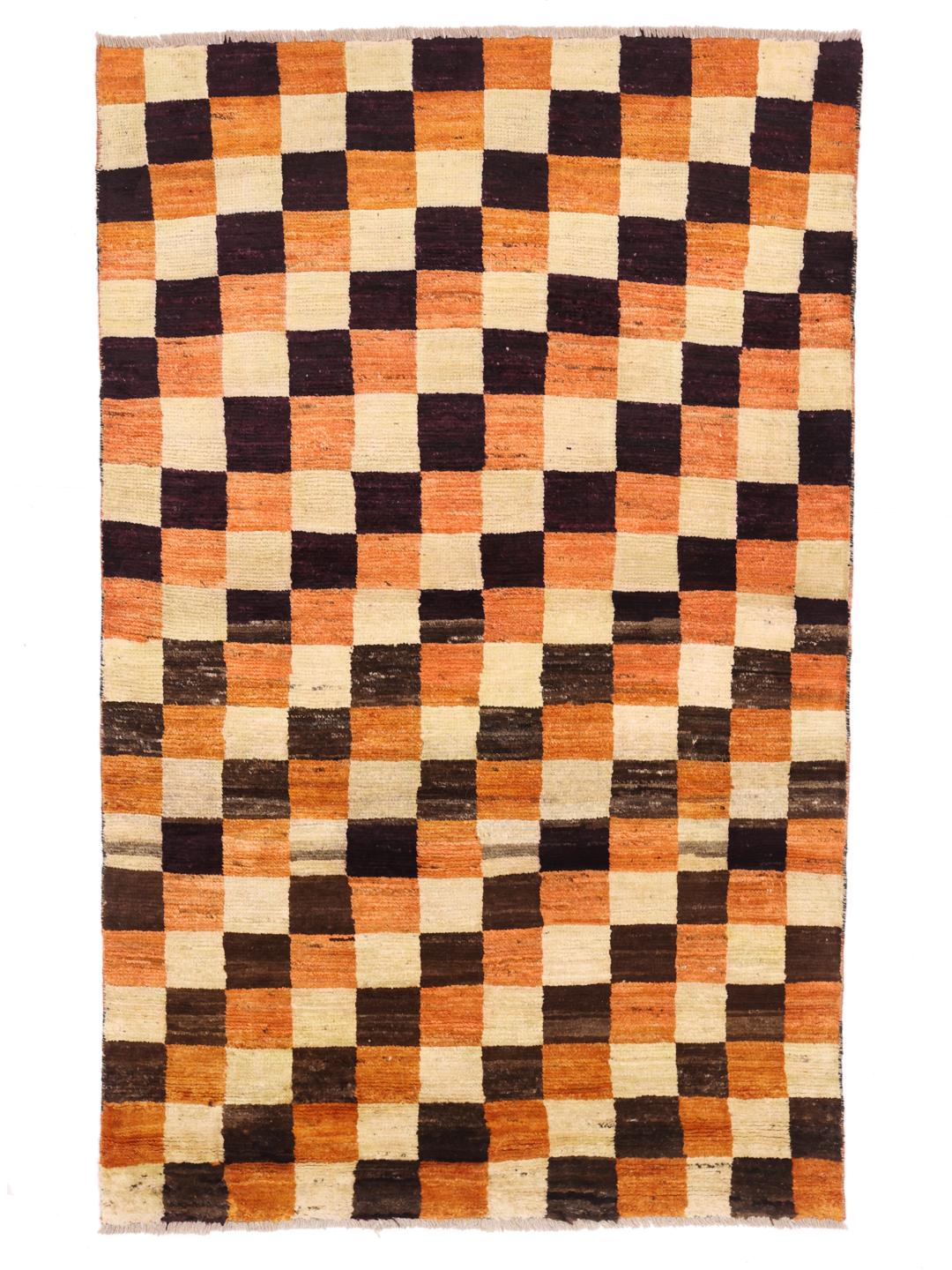
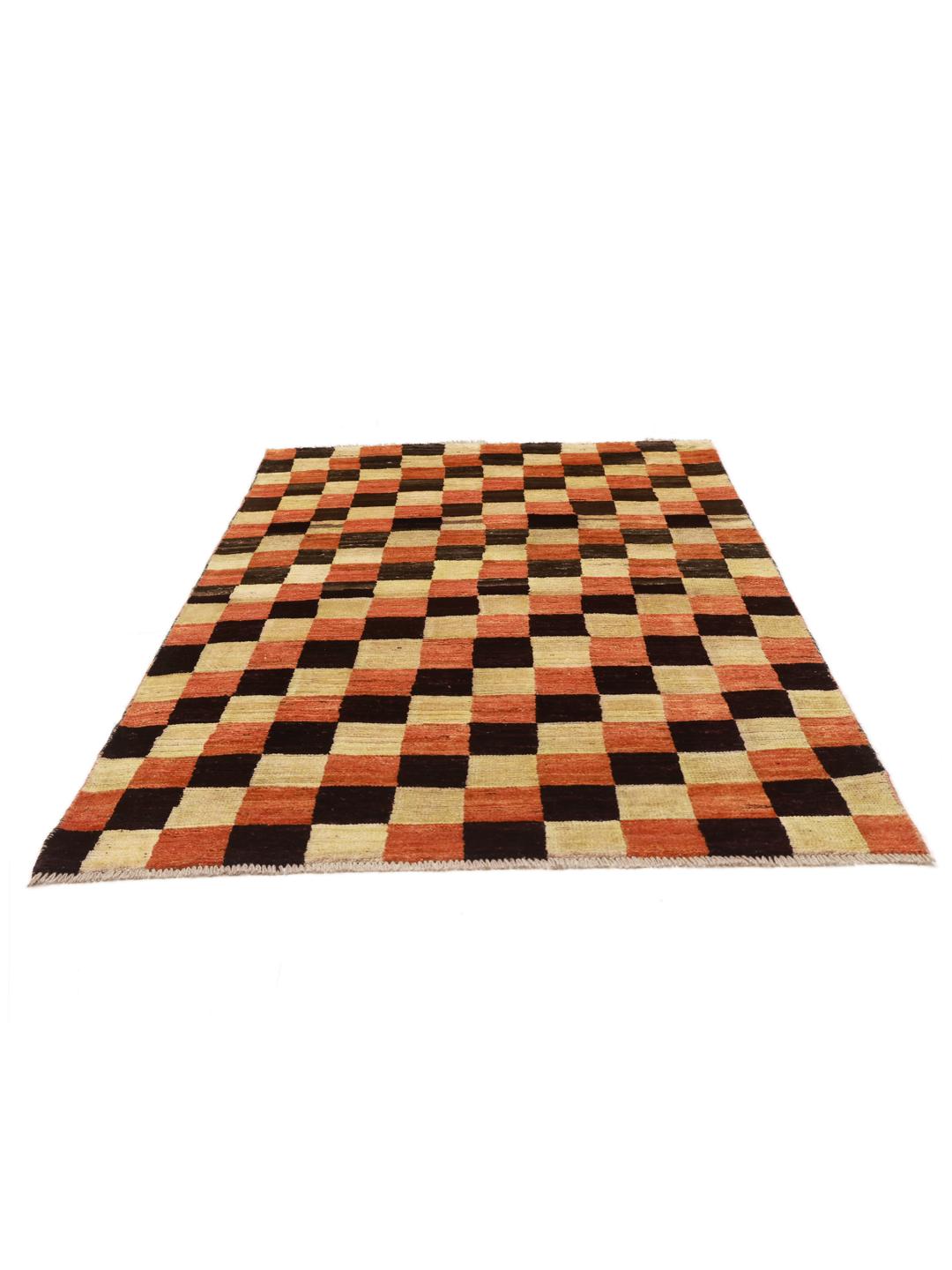
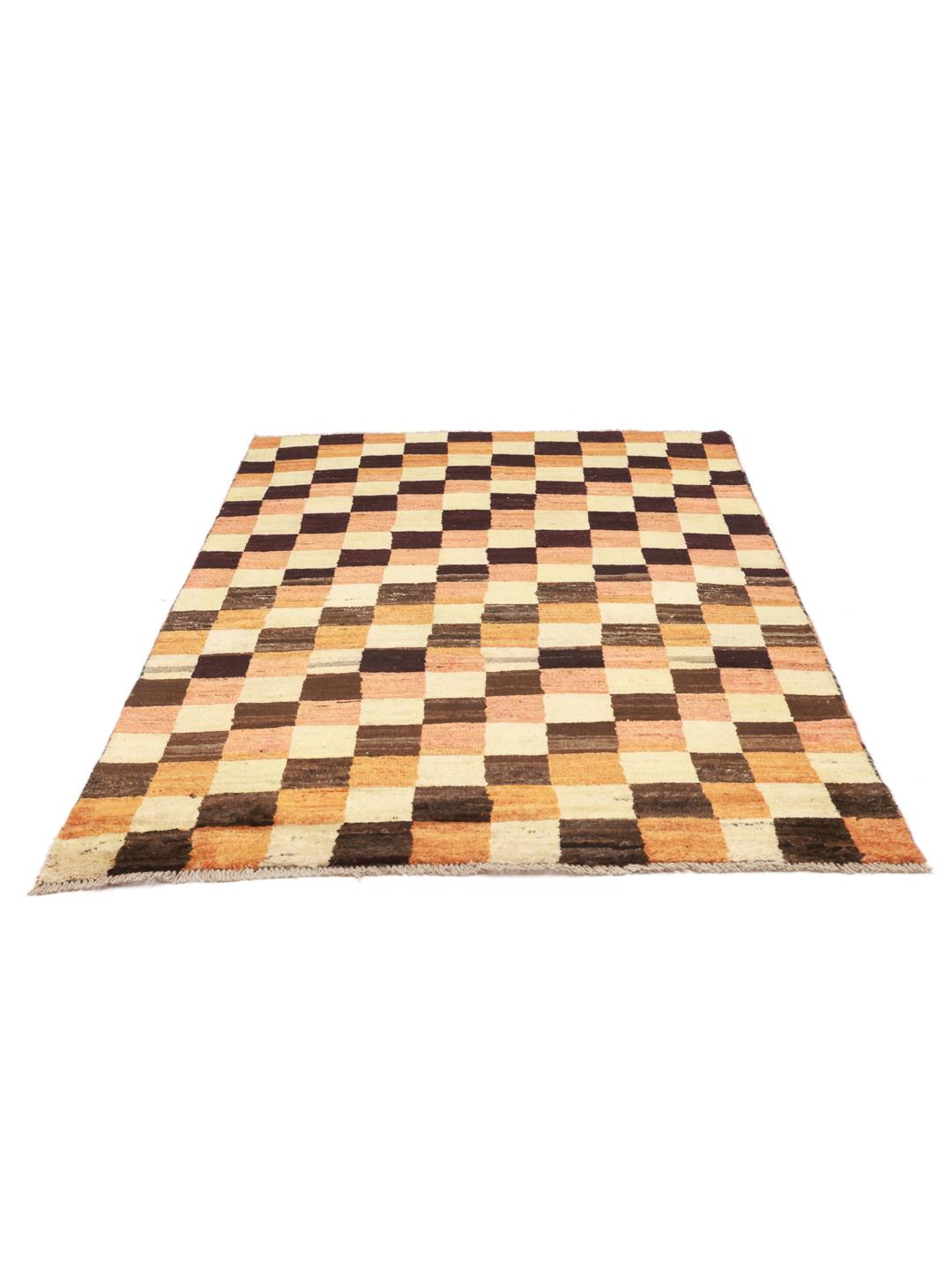
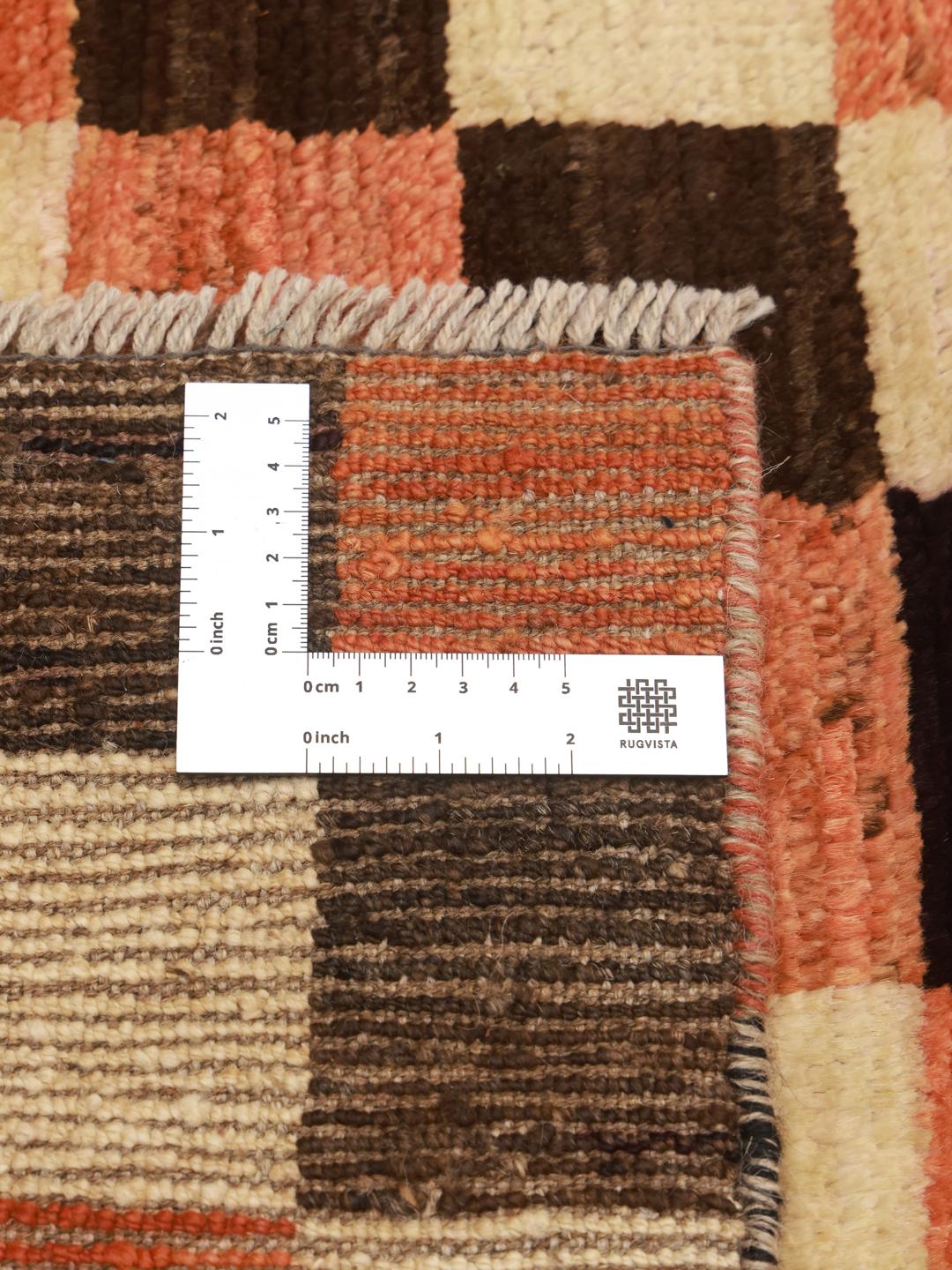
The signature design element of this rug is its striking, minimalist checkerboard motif. While many traditional rugs focus on intricate medallions or borders, this style embraces a more graphic, modern aesthetic. The use of bold, alternating blocks of colour showcases the weaver’s ability to maintain a clean, rhythmic pattern, a skill that requires precise spatial awareness to ensure the design remains balanced from edge to edge.
Collecting a rug from this tradition is an opportunity to own a piece of living history. These rugs are valued not only for their aesthetic versatility but for the human effort woven into every square centimetre. By bringing this rug into your home, you are supporting a craft tradition that has been refined over centuries, ensuring that this unique form of expression continues to thrive in contemporary spaces.