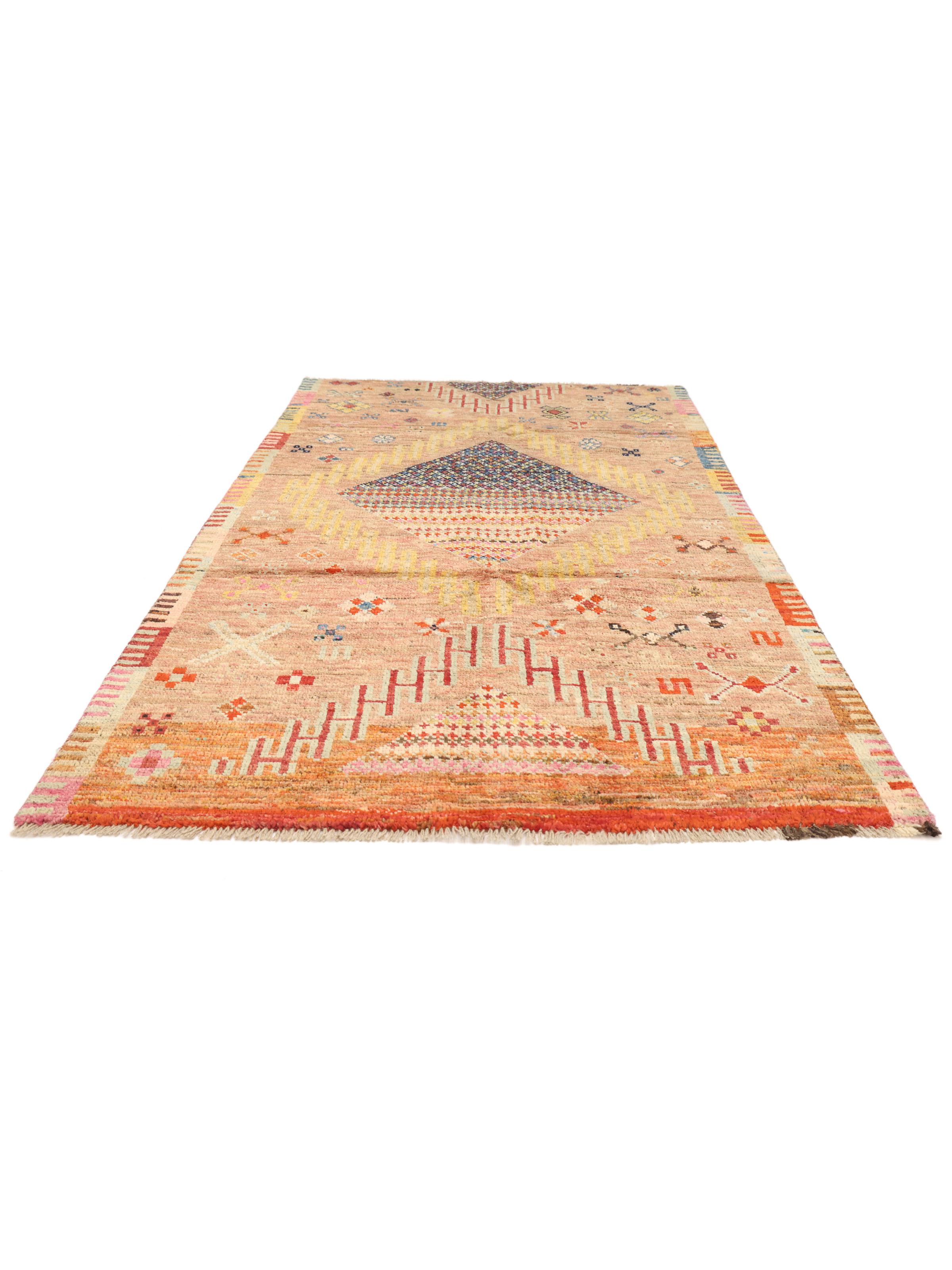
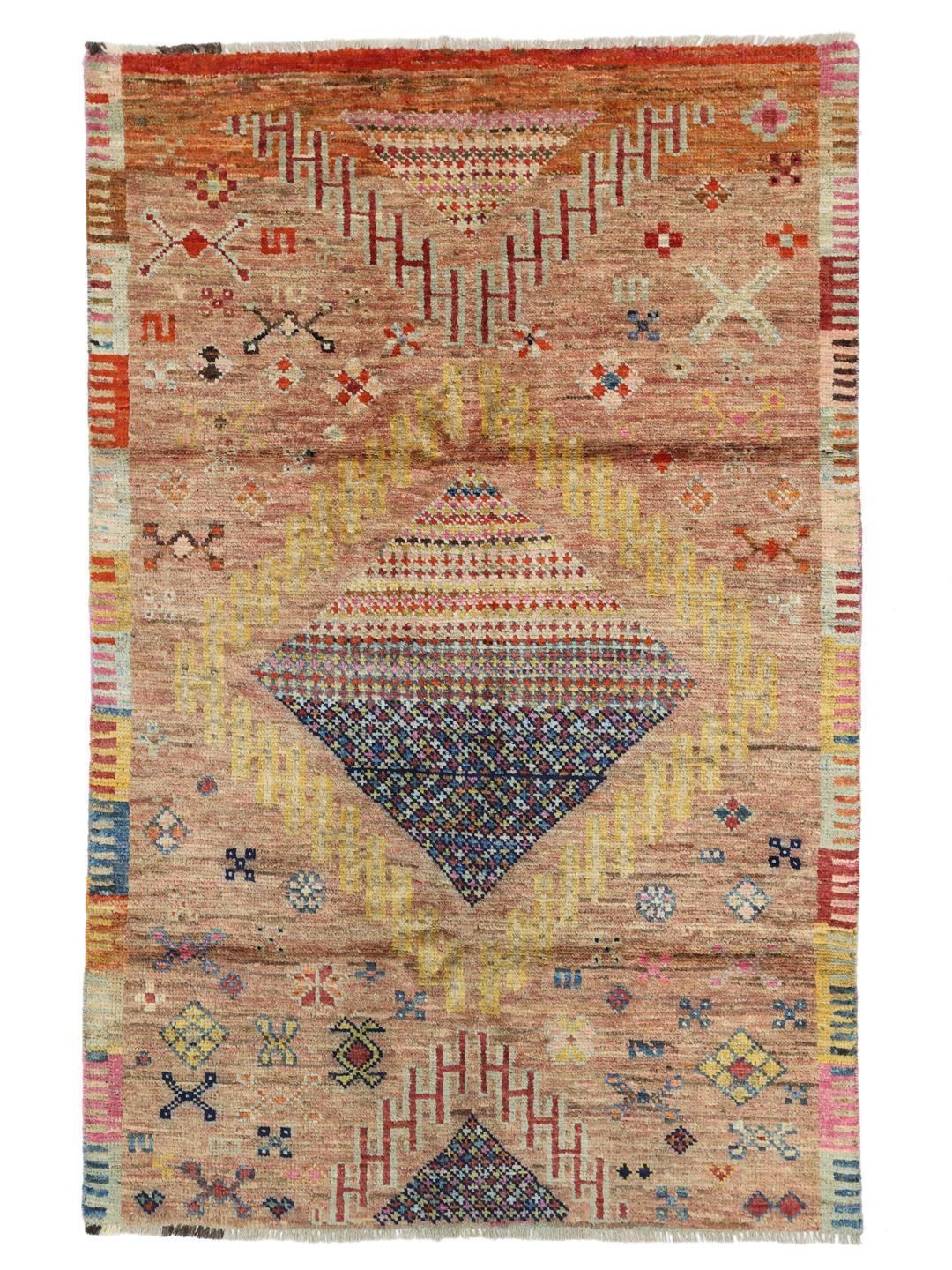
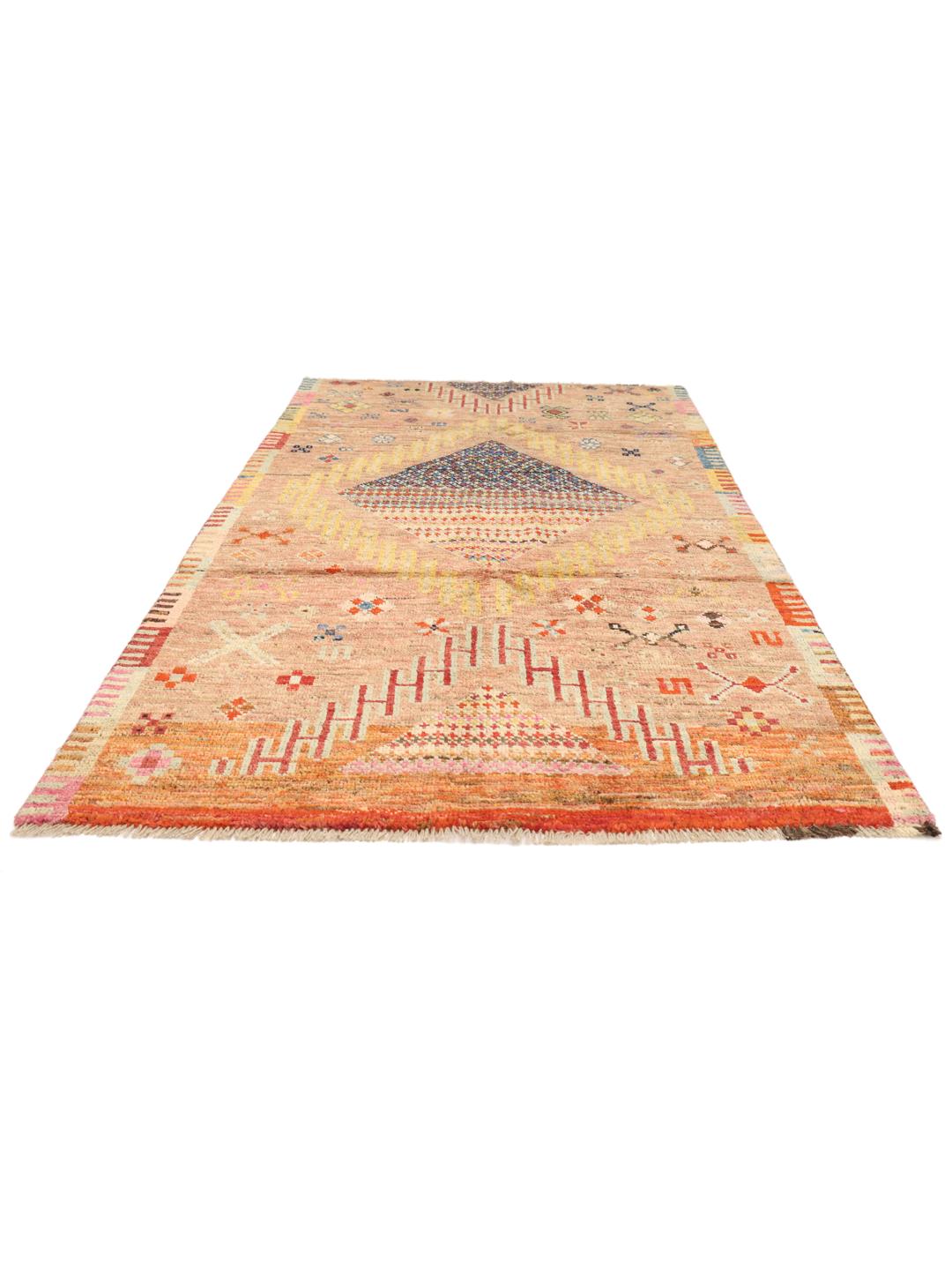
Berber-style rugs from Afghanistan represent a fascinating evolution of nomadic weaving traditions. While the term Berber is historically associated with the indigenous groups of North Africa, the style has been adopted and reinterpreted by artisans across the Middle East, particularly in the mountainous regions of Afghanistan. These weavers have integrated their own local aesthetics, resulting in a distinct tradition that marries ancient tribal symbolism with the deep, saturated colours found in the Afghan landscape.
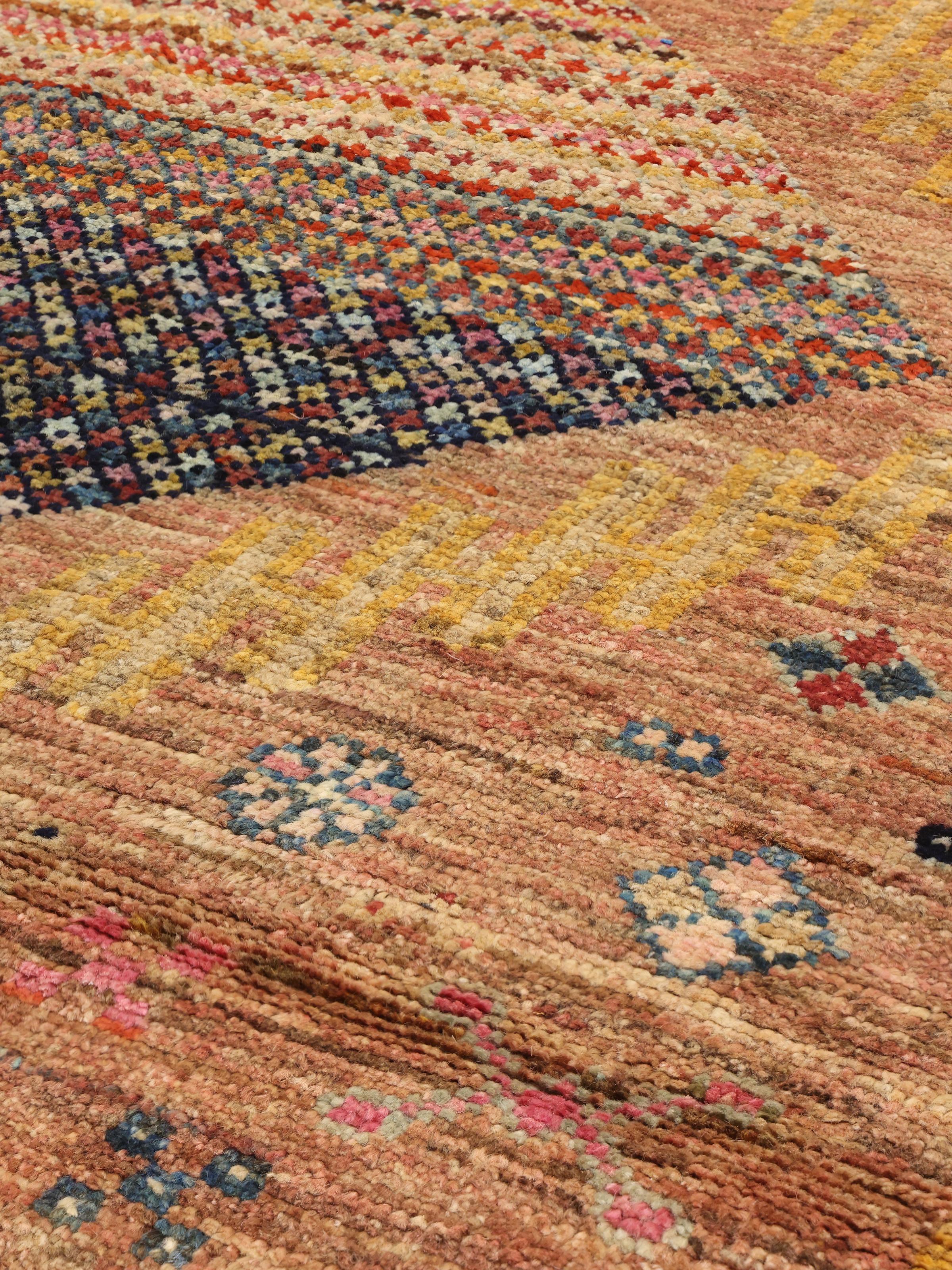
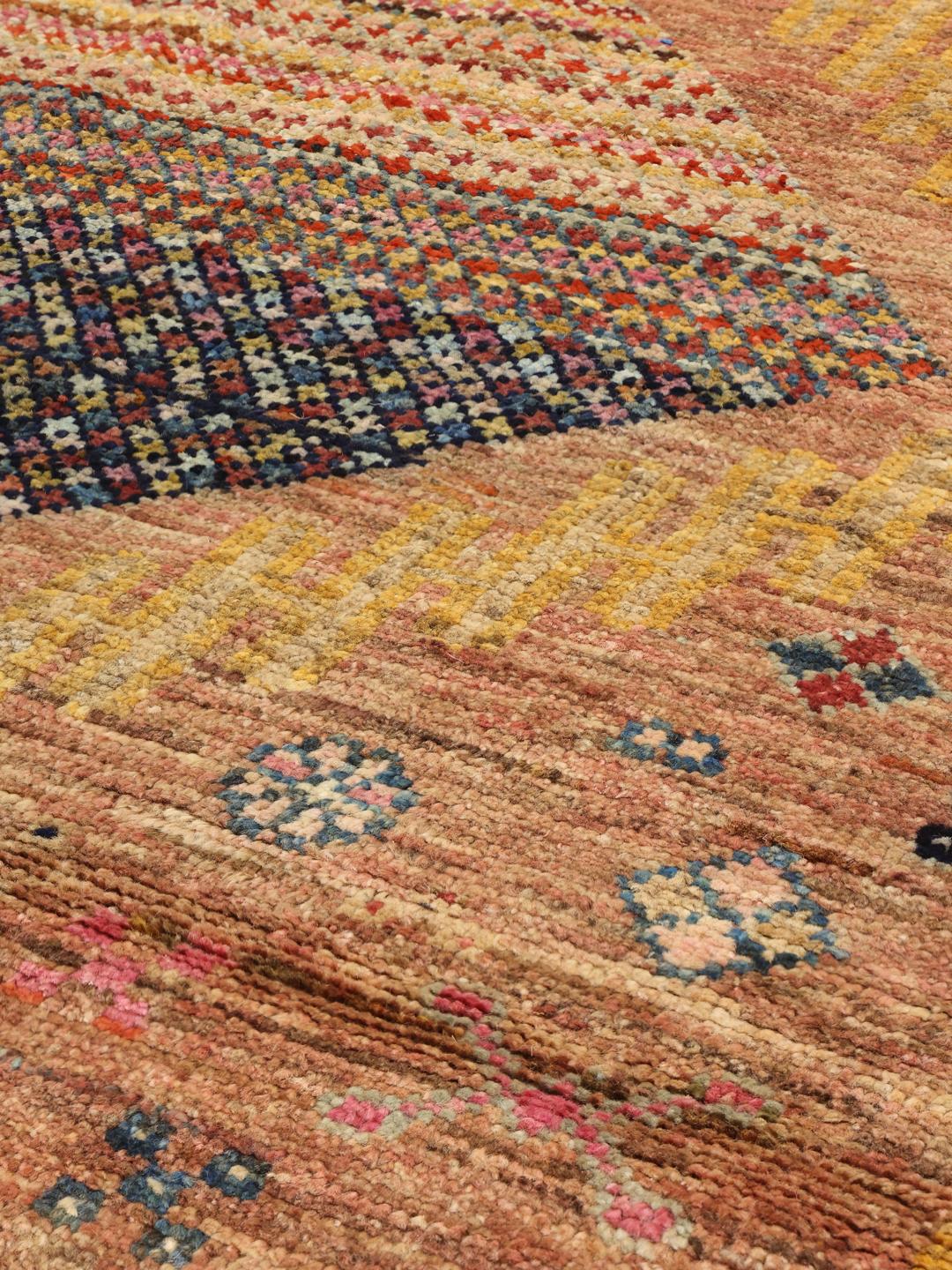
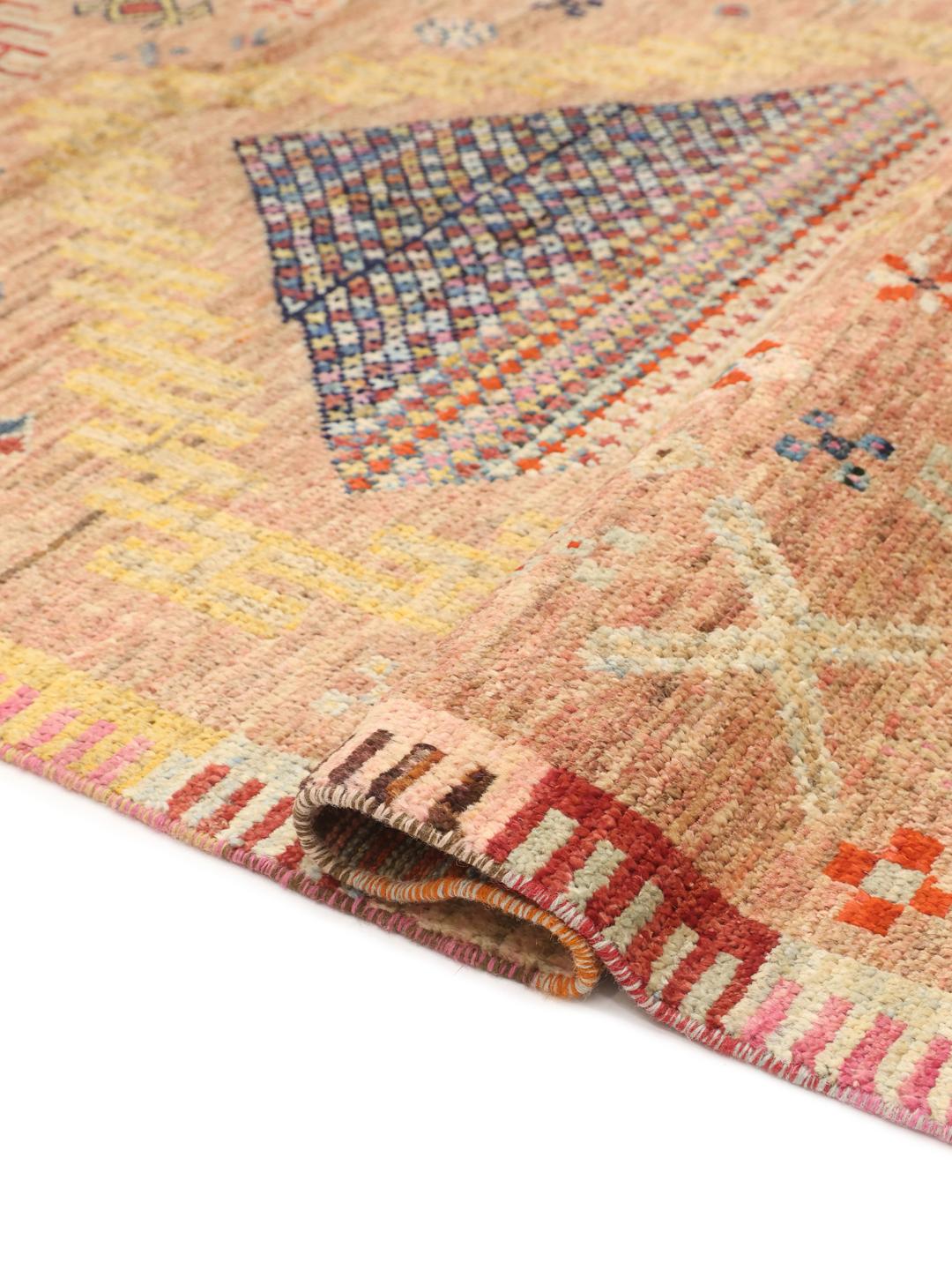
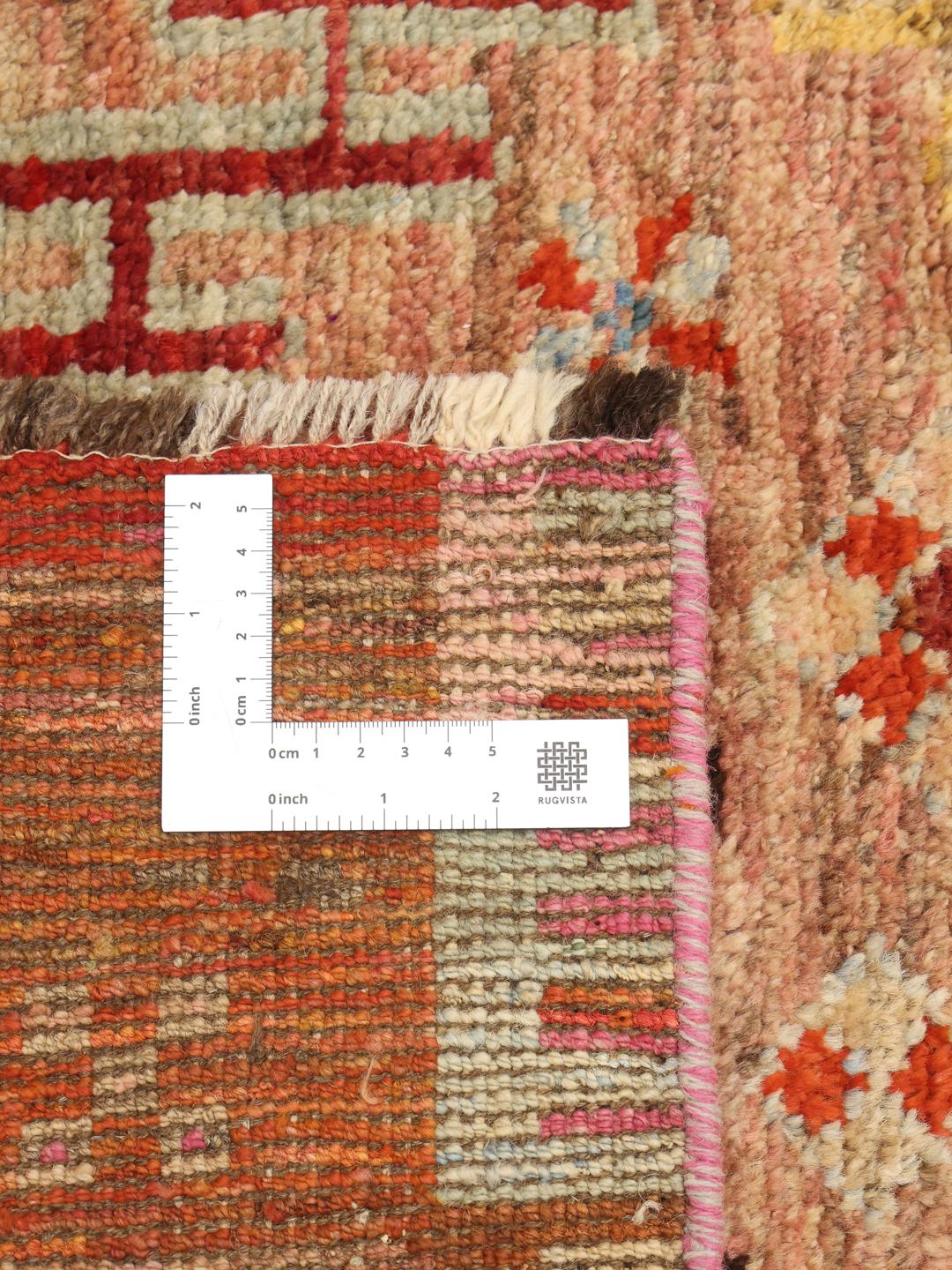
The beauty of these rugs lies in the hand-knotting technique, which allows for intricate detailing and a dense, high-quality pile. Unlike simpler weaving methods, hand-knotting involves wrapping individual strands of wool around the foundation threads, creating a surface that is both durable and incredibly soft. This technique is what gives the rug its weight and substance, ensuring that it remains a stable and long-lasting fixture in your home.
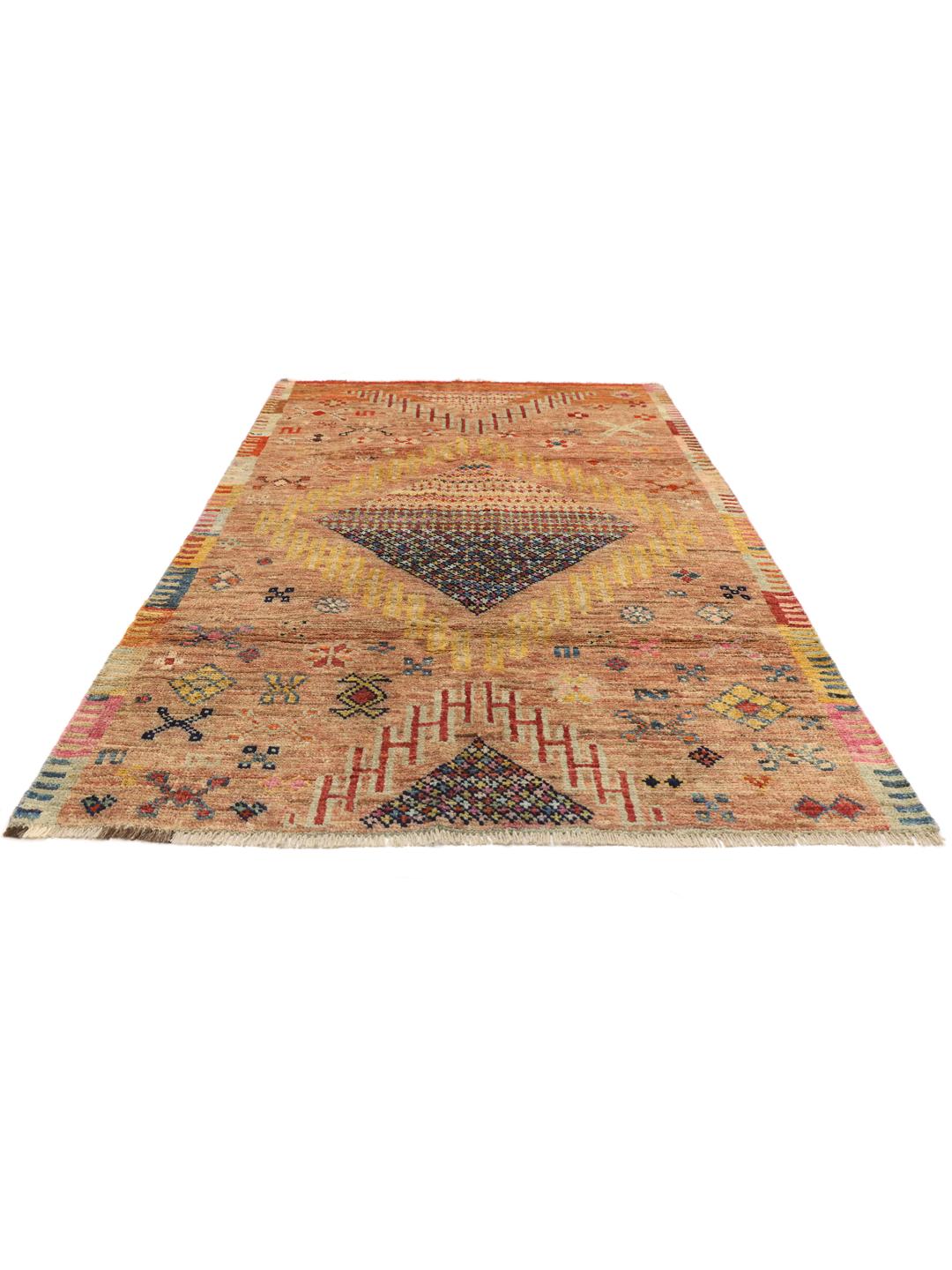
The design language of this piece is rooted in the use of symbolic motifs, often representing protection, prosperity, or the natural world. The central diamond medallion and surrounding geometric shapes are hallmarks of this tradition, acting as a visual narrative that connects the viewer to the weaver's heritage. The vibrant, multi-coloured palette is reflective of the natural dyes traditionally used in the region, providing a warmth that feels organic and deeply grounded.
Collecting a hand-knotted rug of this calibre is an investment in cultural continuity. These pieces are not merely floor coverings but are records of human skill and creativity. By bringing such a rug into your home, you are continuing a tradition of appreciation for slow, intentional craft that values the unique imperfections and character of handmade goods over the uniformity of modern industry.