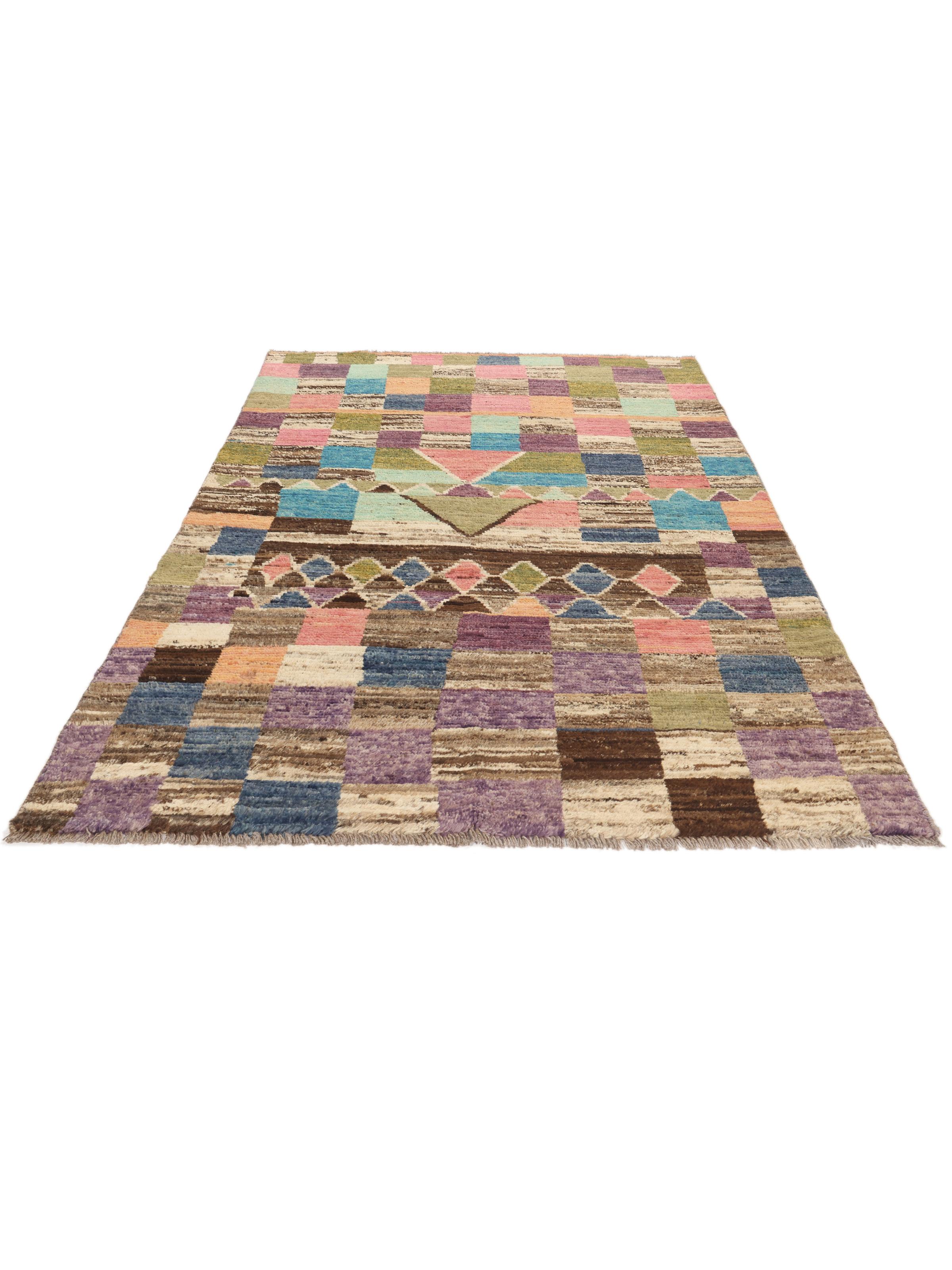
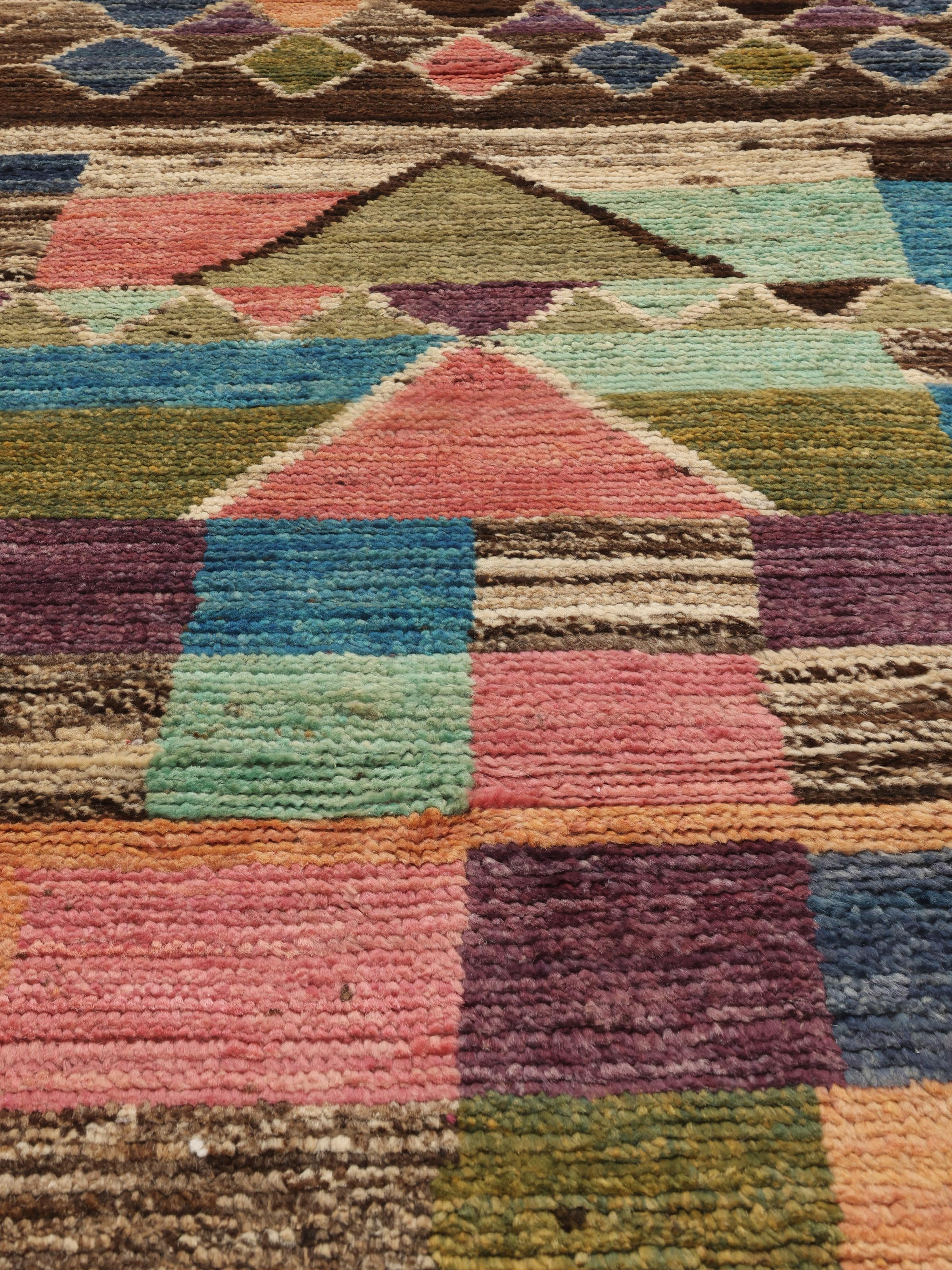
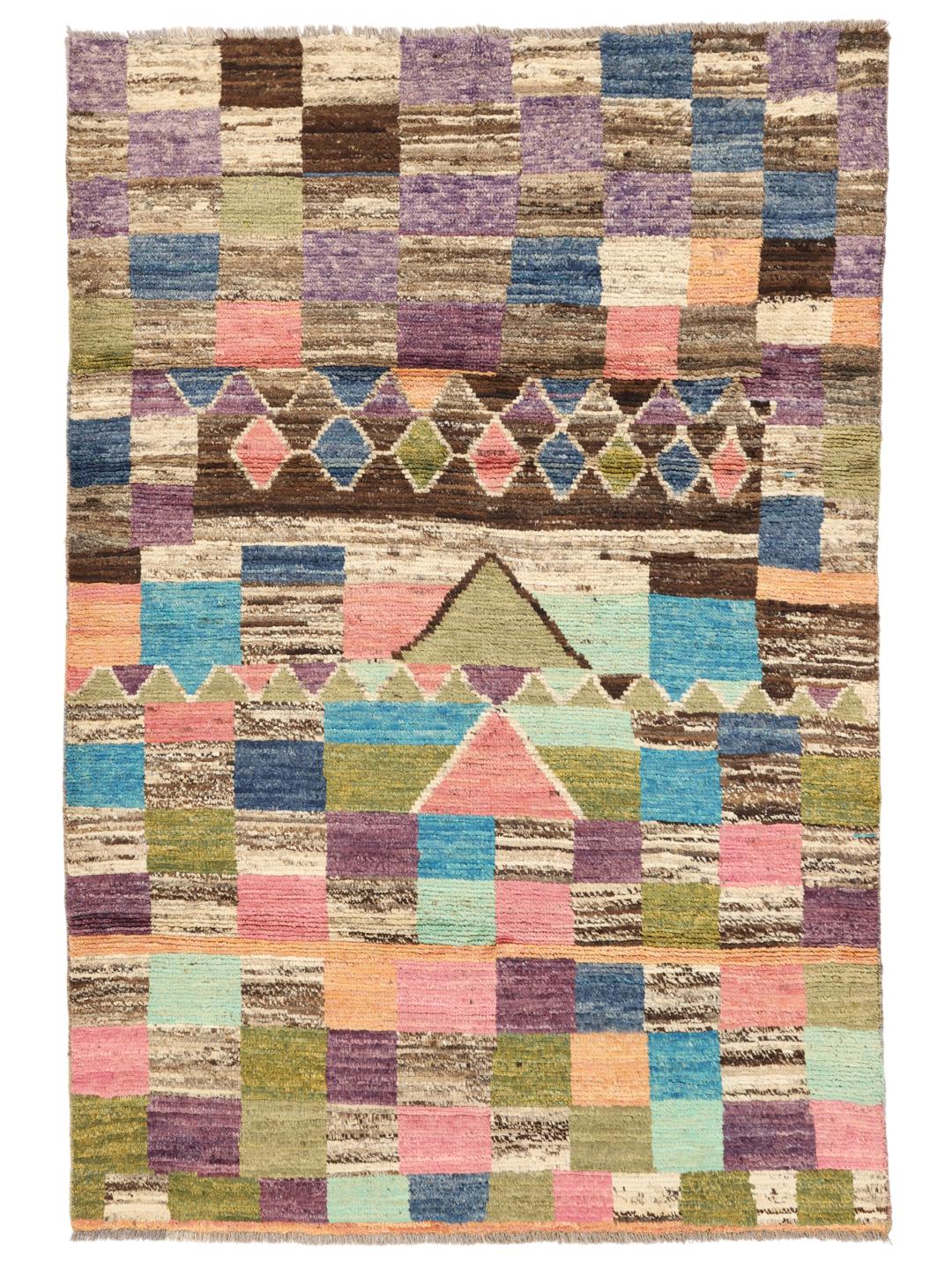
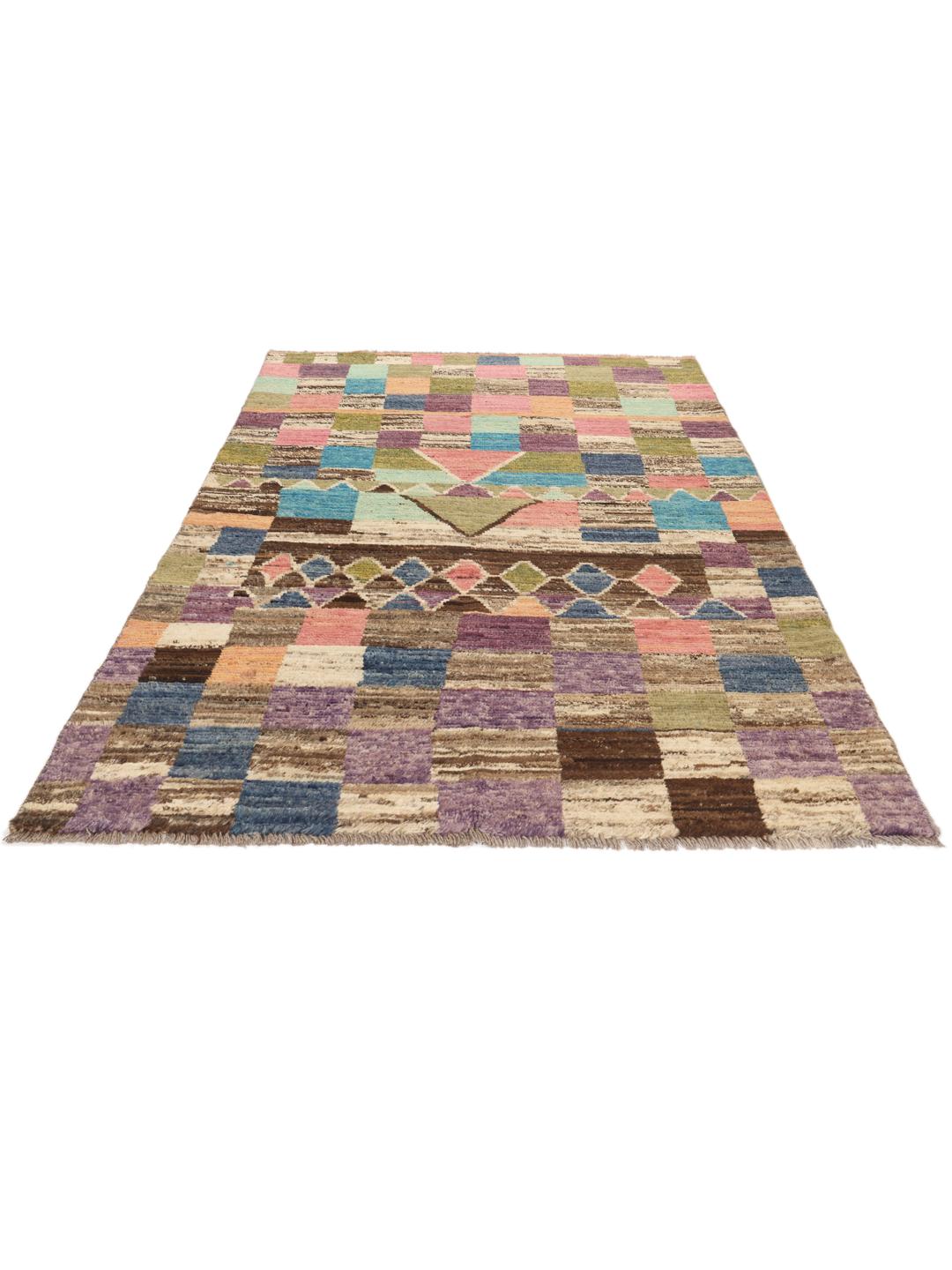
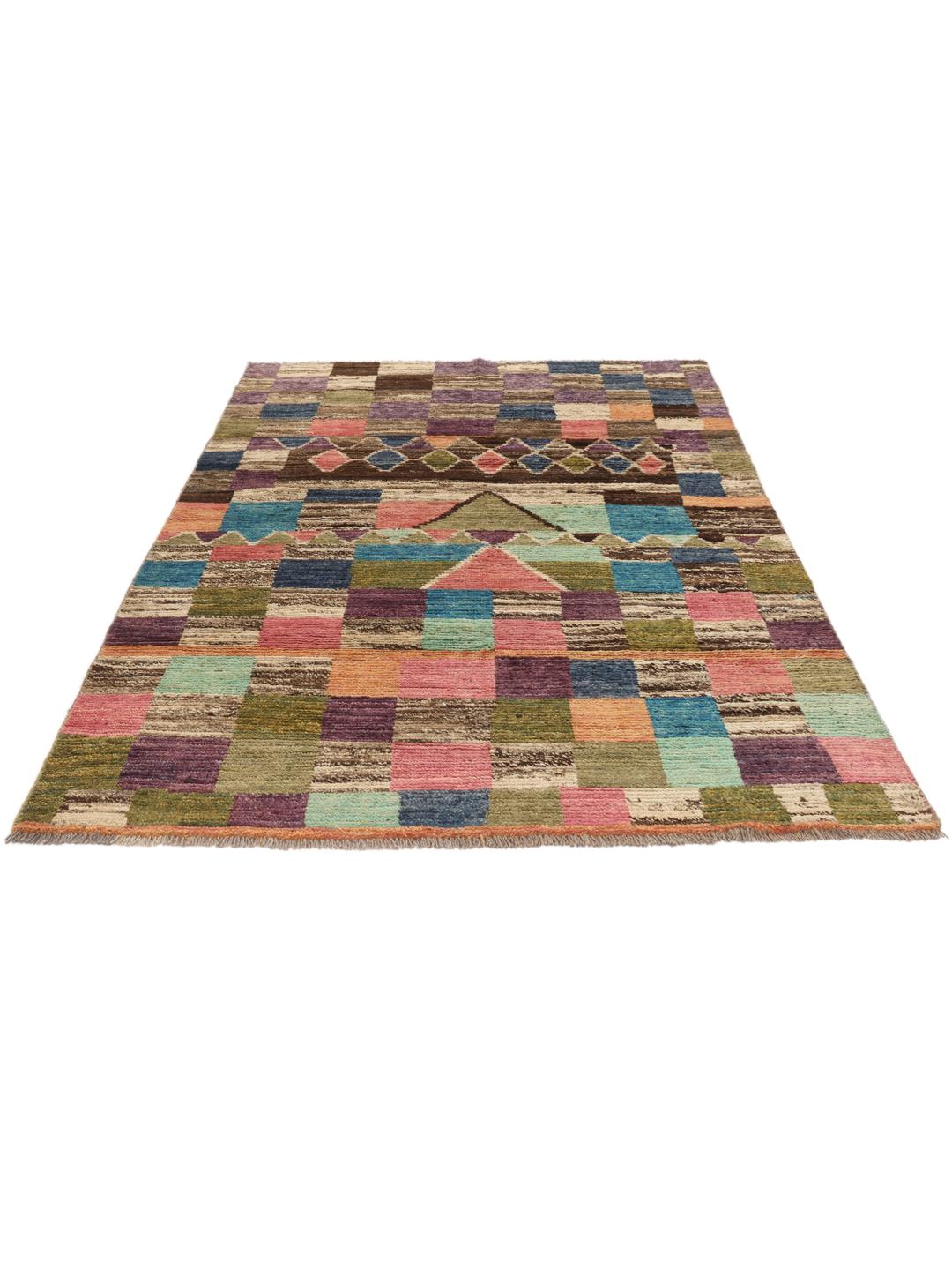
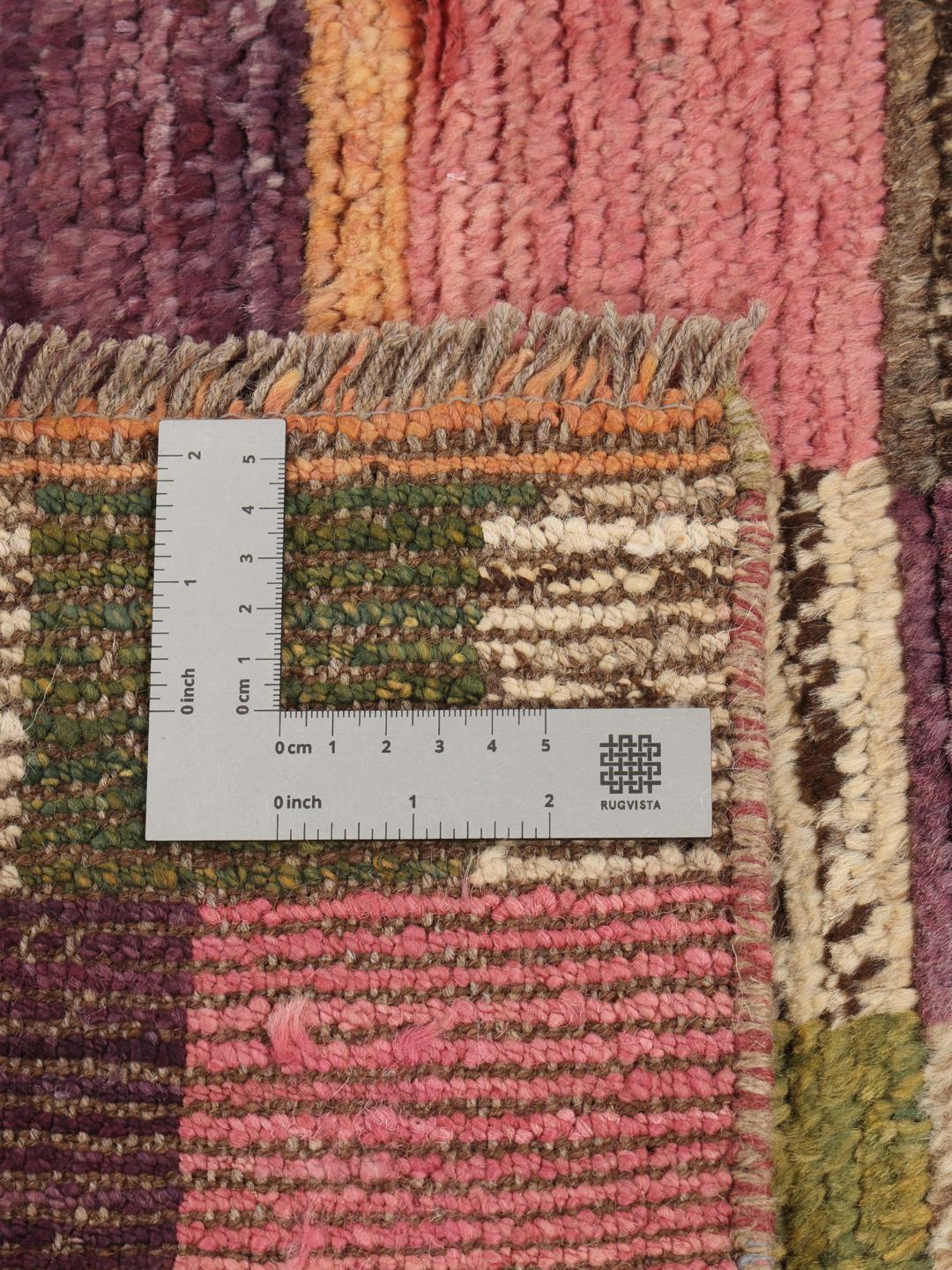
Berber-style rugs have a long and storied history, originating from the nomadic tribes of the Atlas Mountains in North Africa. While these designs are iconic for their minimalist and geometric aesthetics, their influence has travelled across regions, inspiring weavers in Afghanistan to incorporate these traditional motifs into their own unique, high-quality wool creations.
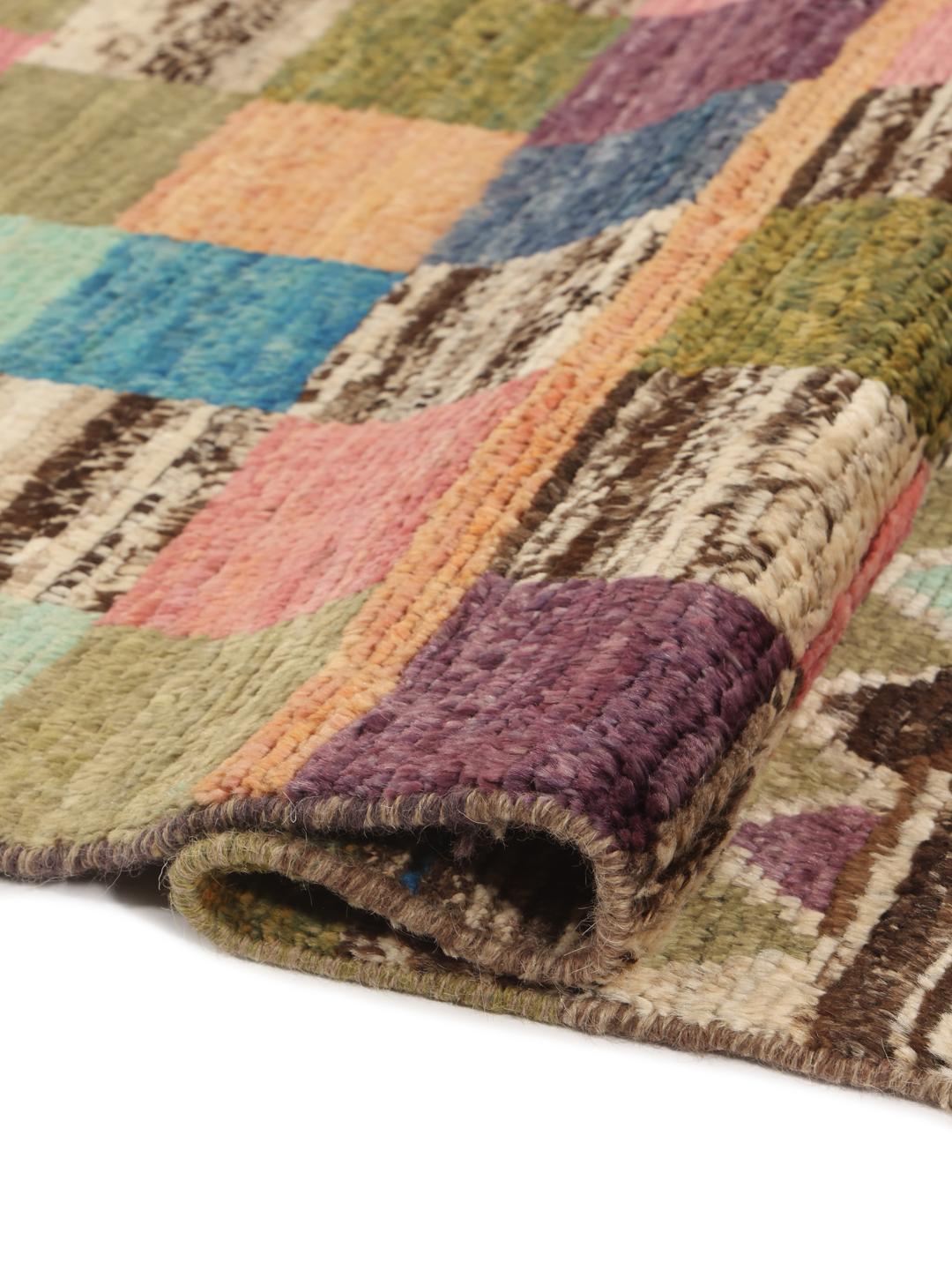
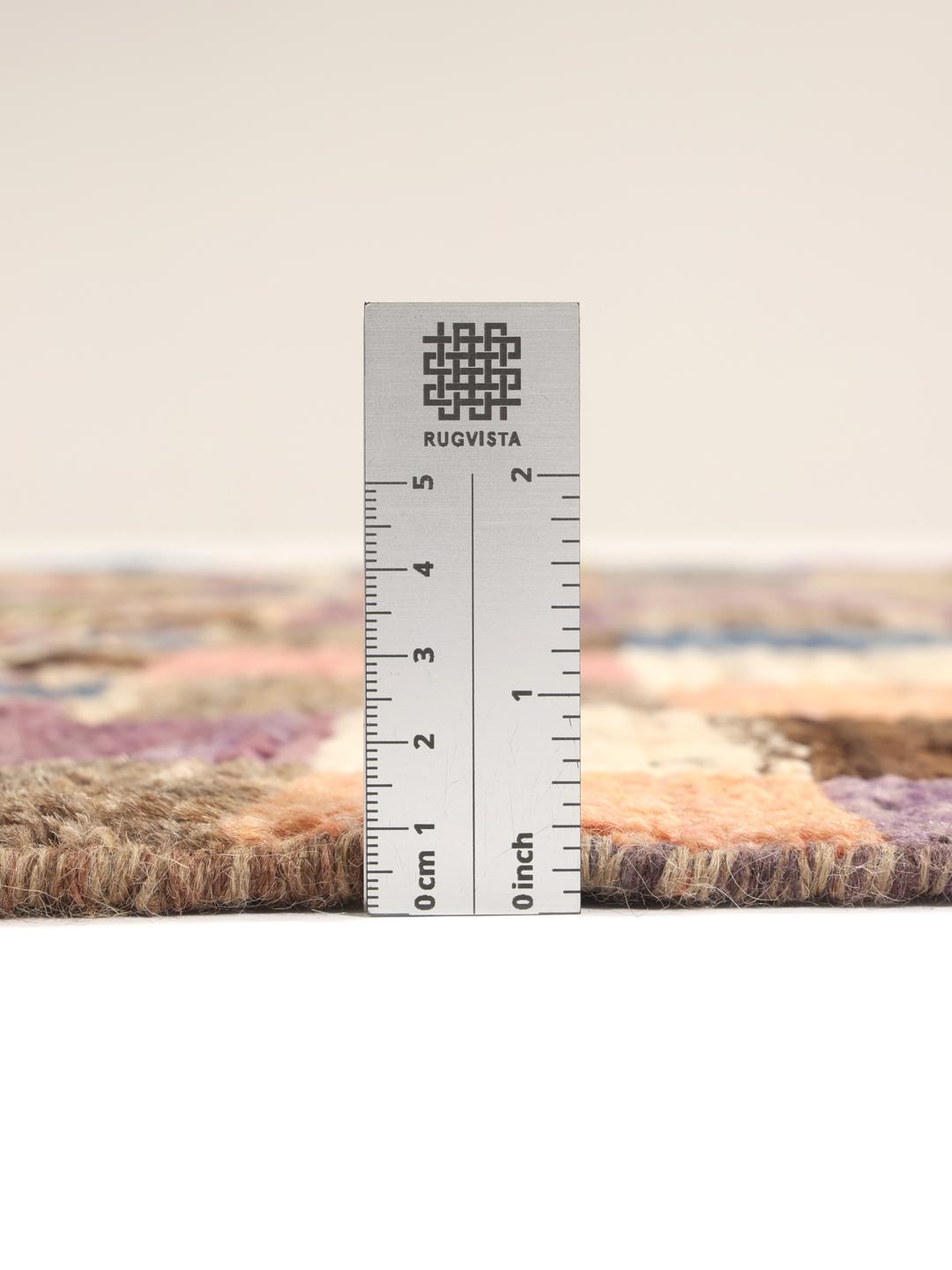
The term Berber refers to the indigenous peoples of North Africa and their distinct weaving traditions, which prioritise thick, warm pile construction. When these techniques are adopted in other regions, the result is often a fusion of styles, where the rustic charm of the original nomadic designs meets the refined knotting traditions of Middle Eastern craft.
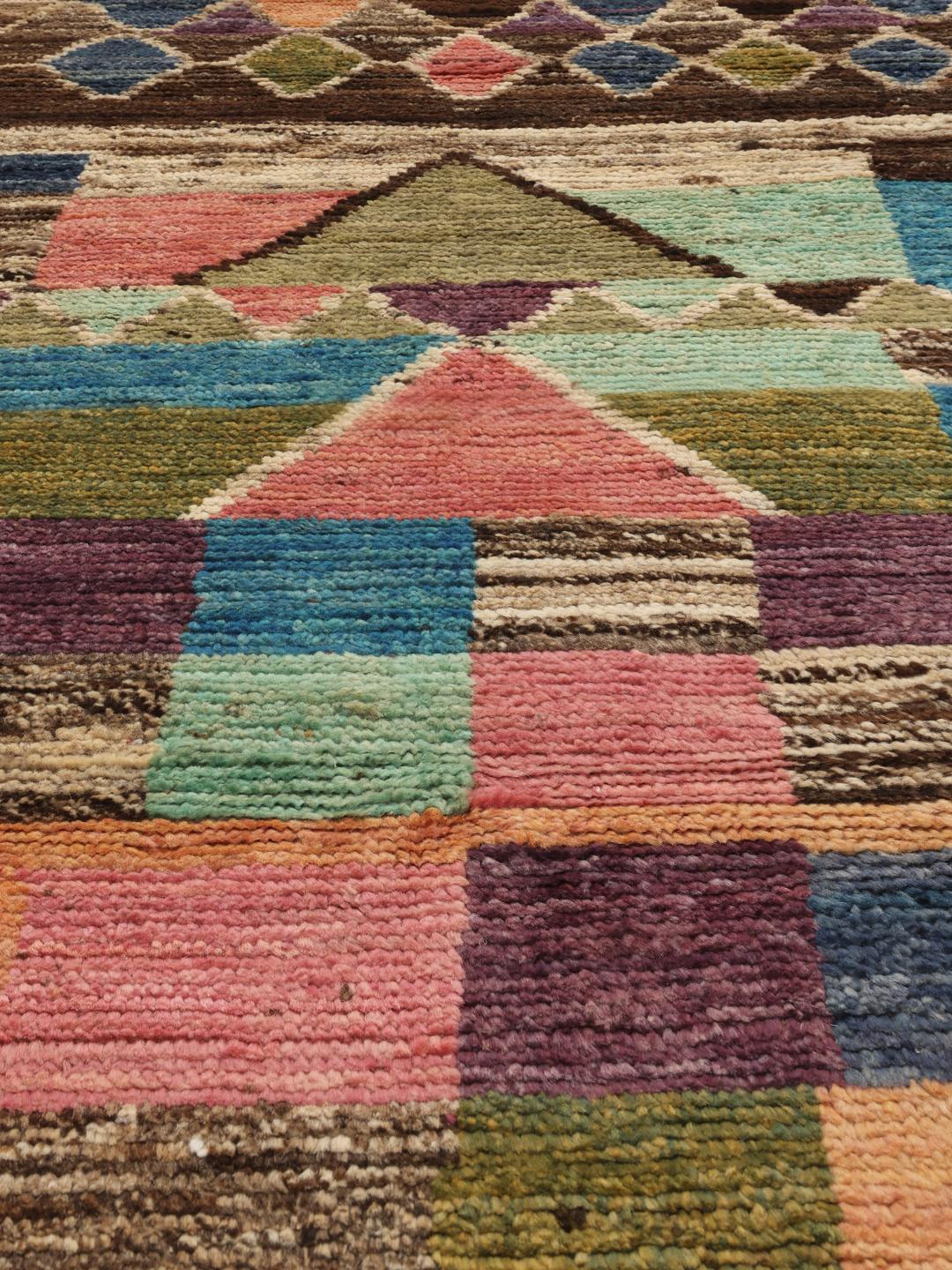
Signature design elements of these rugs include the use of bold, abstract shapes and symbolic motifs. While many traditional rugs focus on formal, symmetrical floral designs, this style embraces a more spontaneous, artistic approach. The use of vibrant, contrasting colours is intentional, often reflecting the natural dyes historically available to tribal weavers and the desire to tell a story through the rug's geometry.
Collecting a rug from this tradition is an investment in cultural heritage. These pieces are valued not only for their aesthetic appeal but for the way they bridge the gap between ancient weaving techniques and contemporary design. Owning one is a way to celebrate the skill of the artisan and the enduring appeal of handmade, wool-based textiles in the modern home.