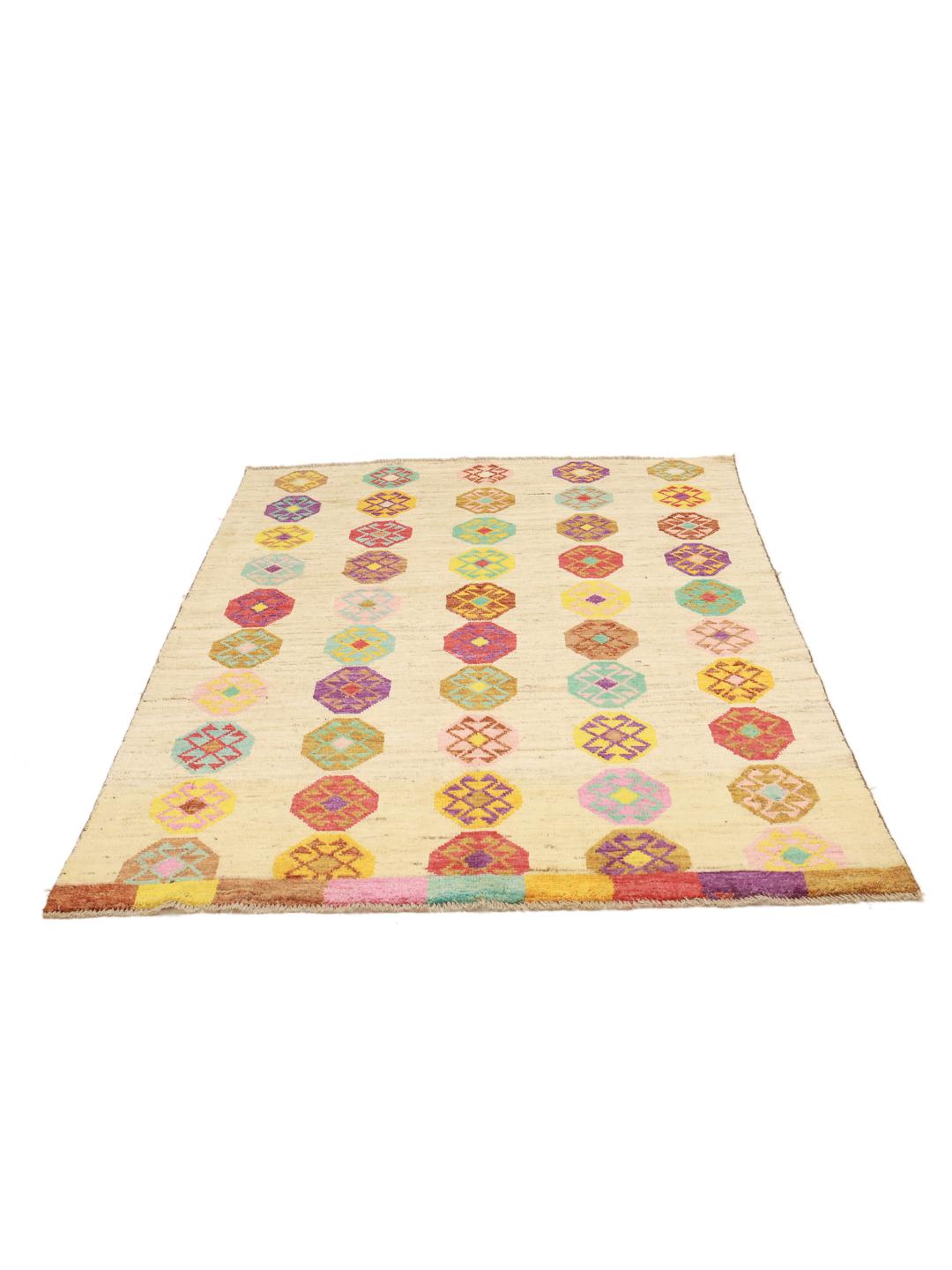
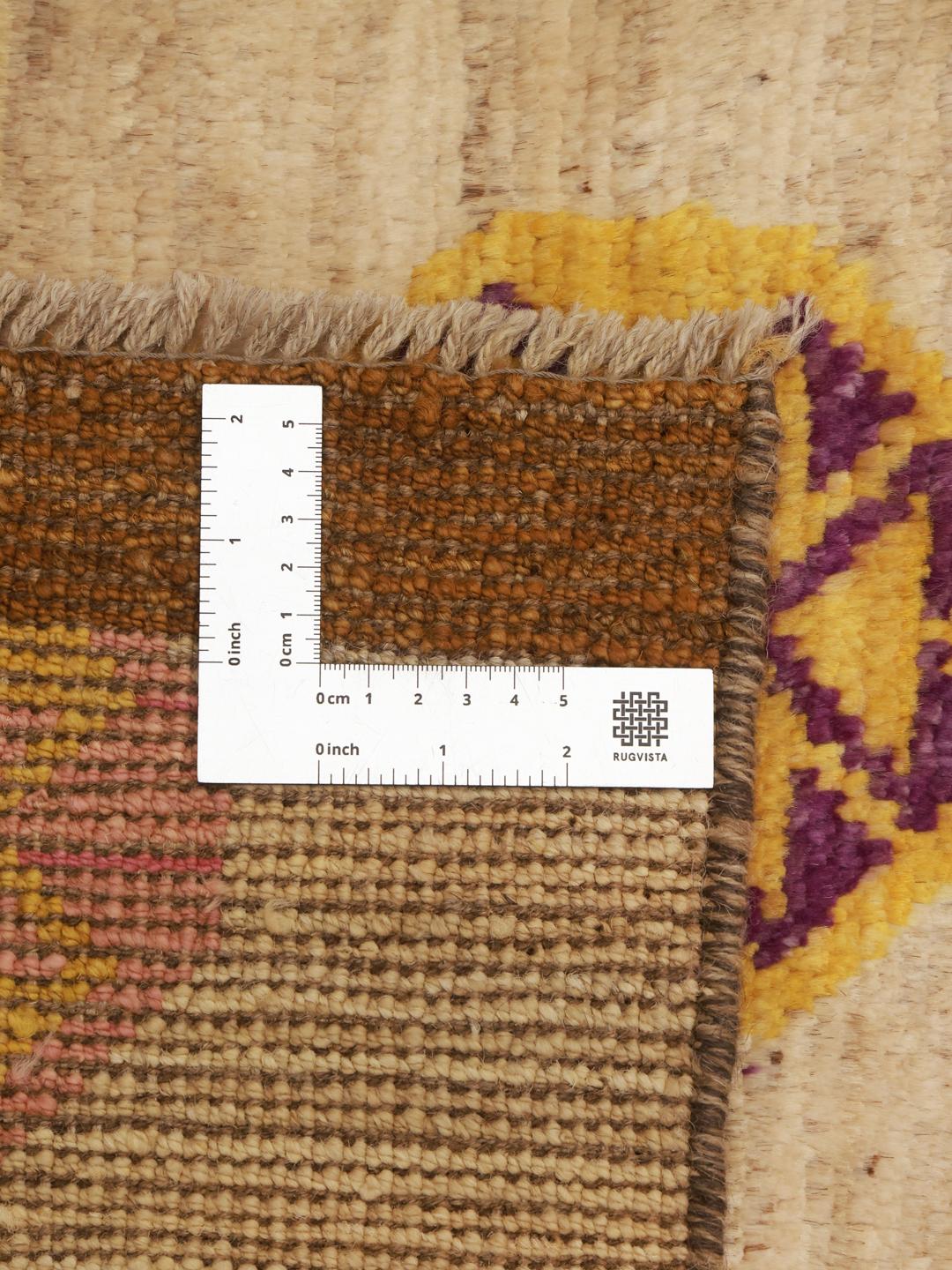
The tradition of rug weaving in Afghanistan is deeply rooted in the history of the region, where nomadic tribes and settled communities have long used textiles to define and protect their living spaces. These rugs often draw inspiration from the rugged landscapes and rich cultural heritage of the Middle East, reflecting a long-standing tradition of storytelling through design.
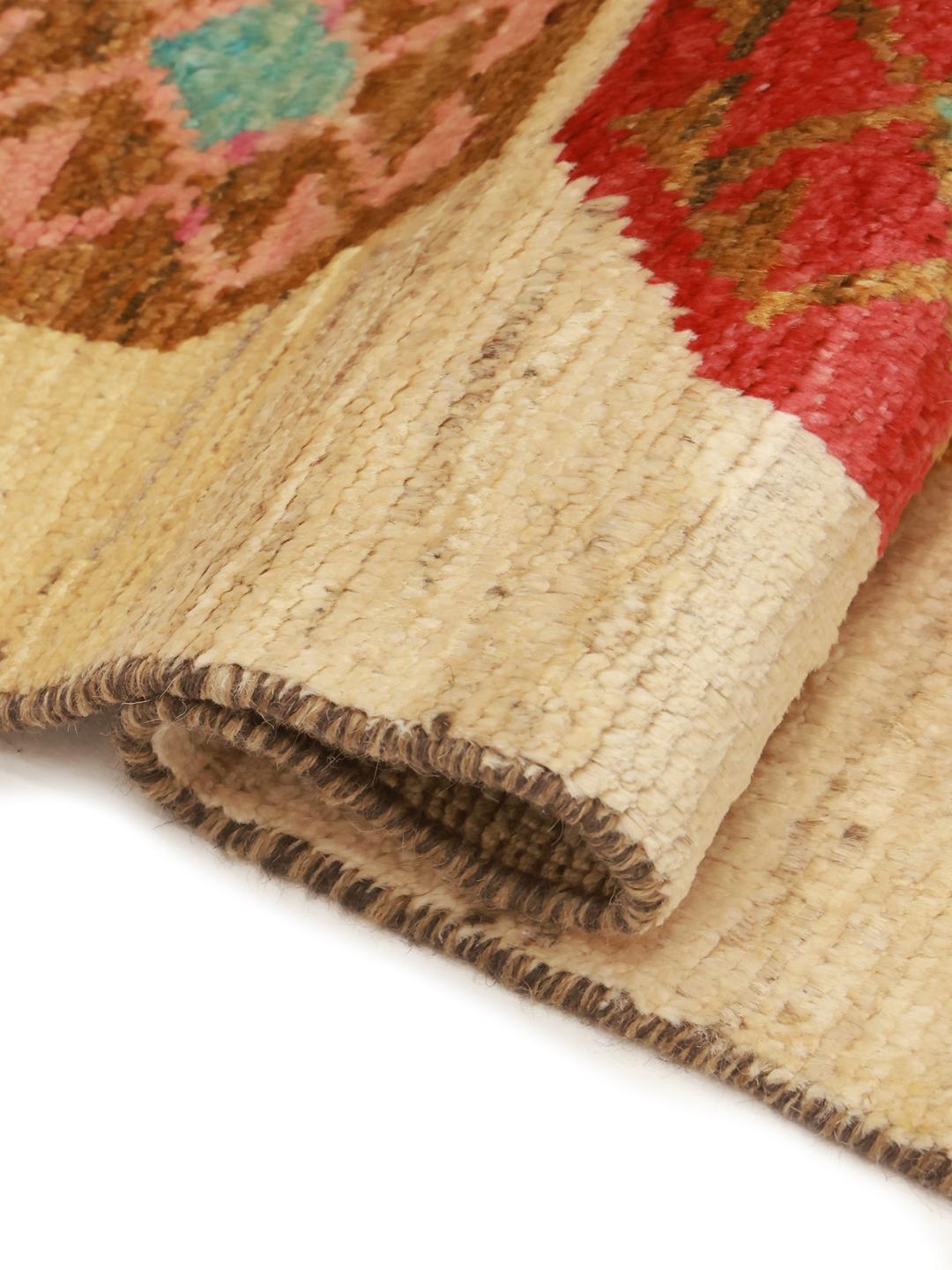
The term 'Berber' in this context refers to a specific aesthetic lineage that emphasises texture, natural materials, and a sense of raw, authentic beauty. Unlike more formal urban styles, this tradition celebrates the character of the wool and the freedom of the weaver to incorporate personal and regional motifs into their work.
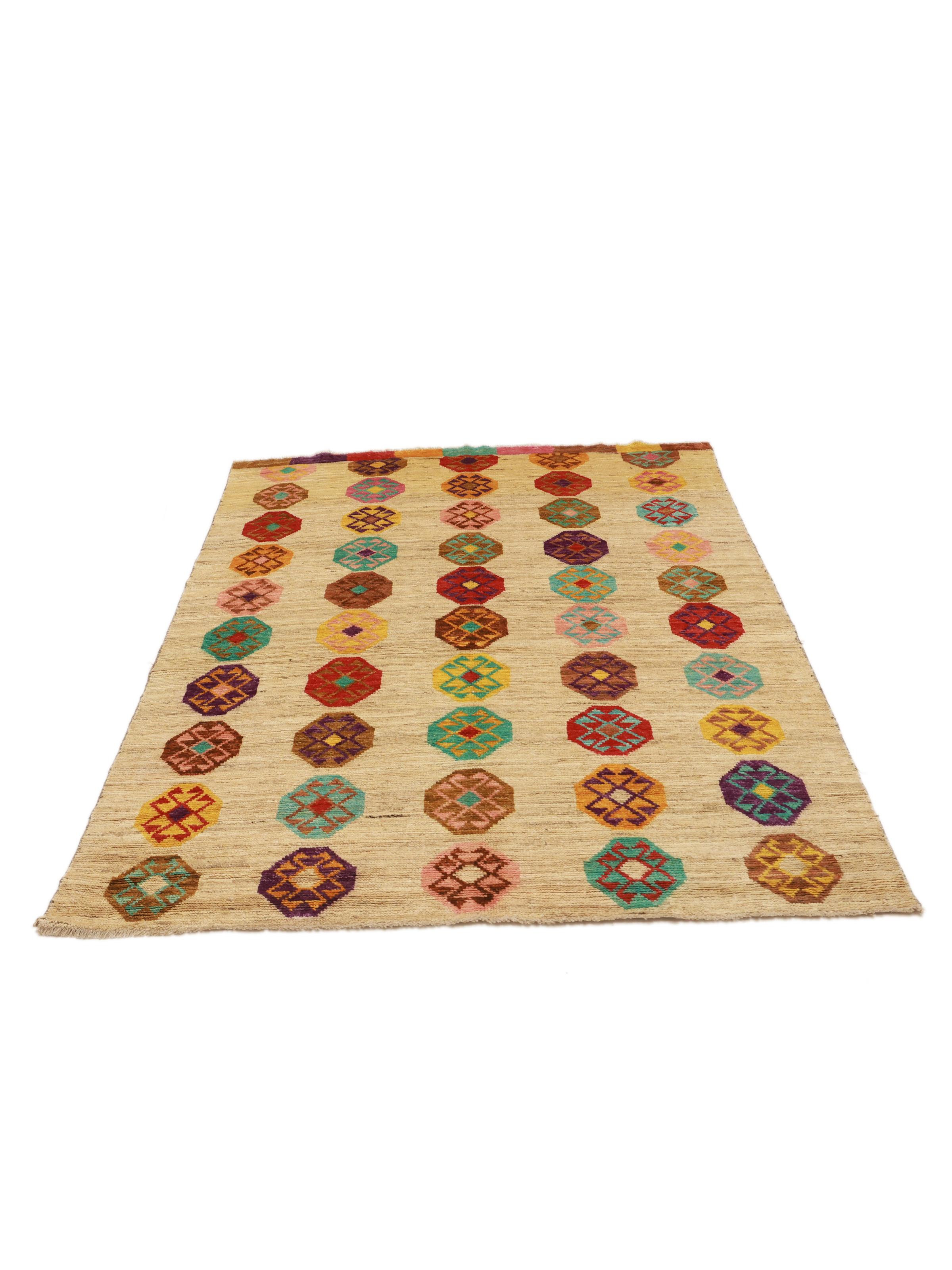
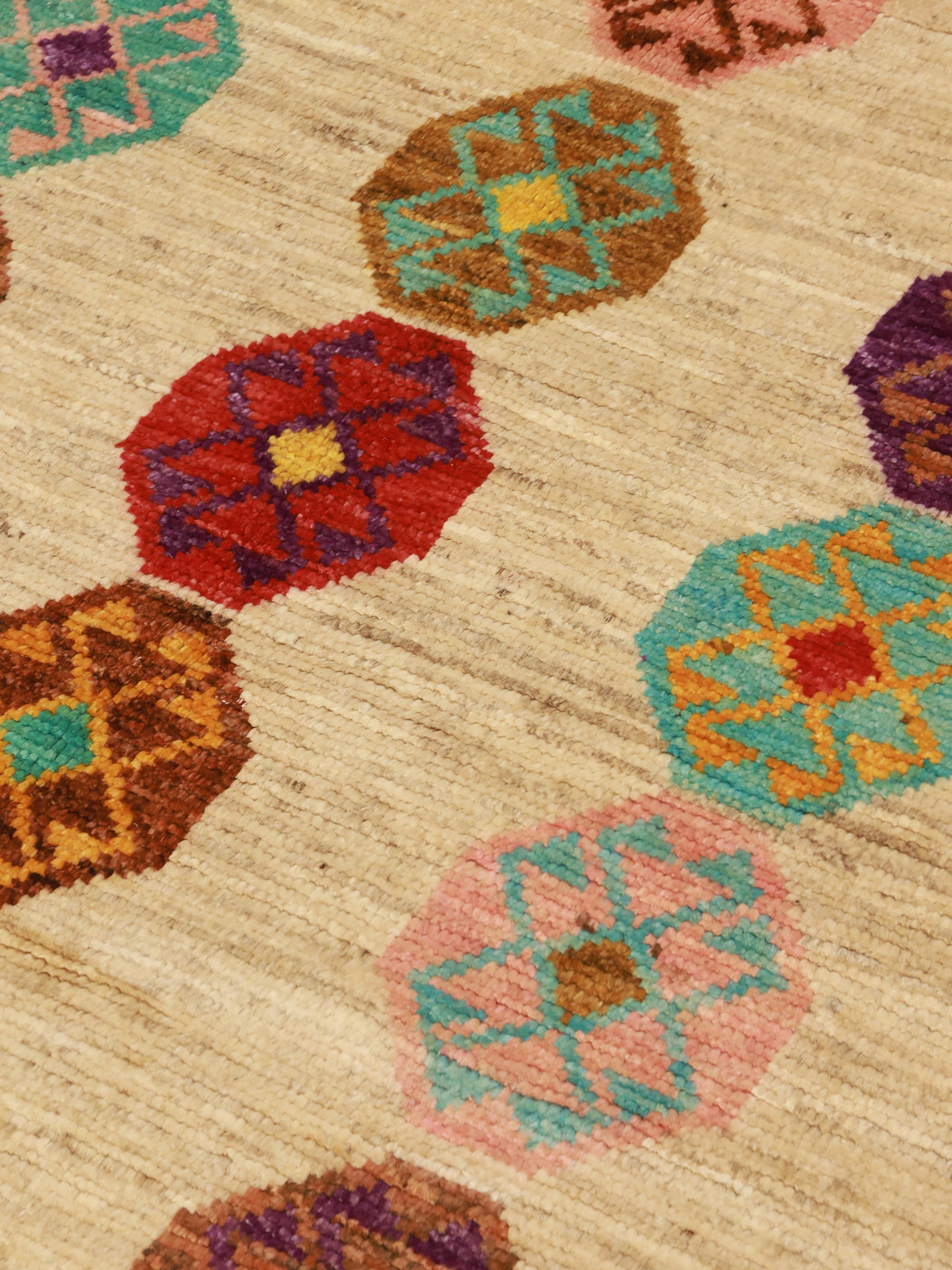
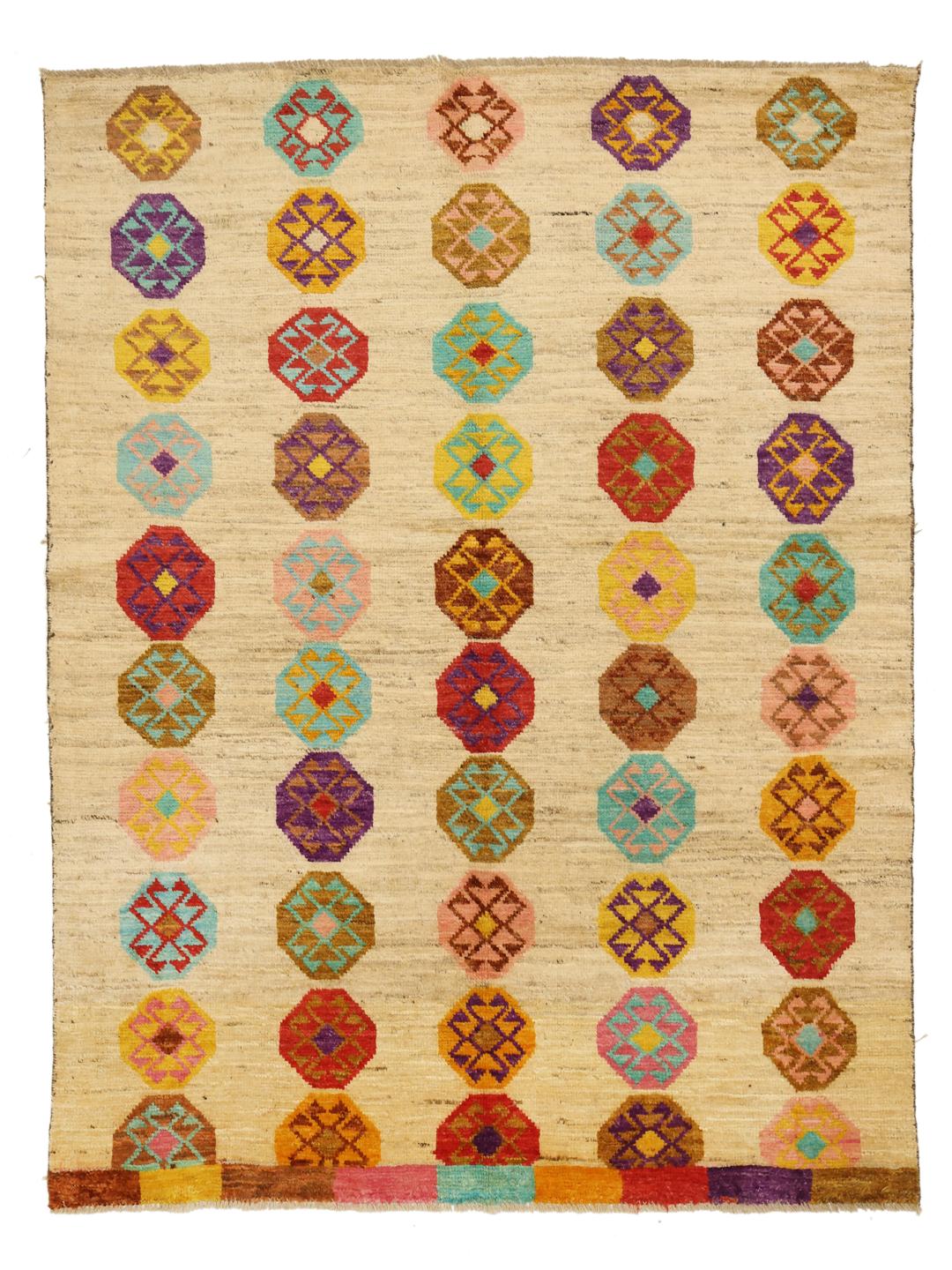
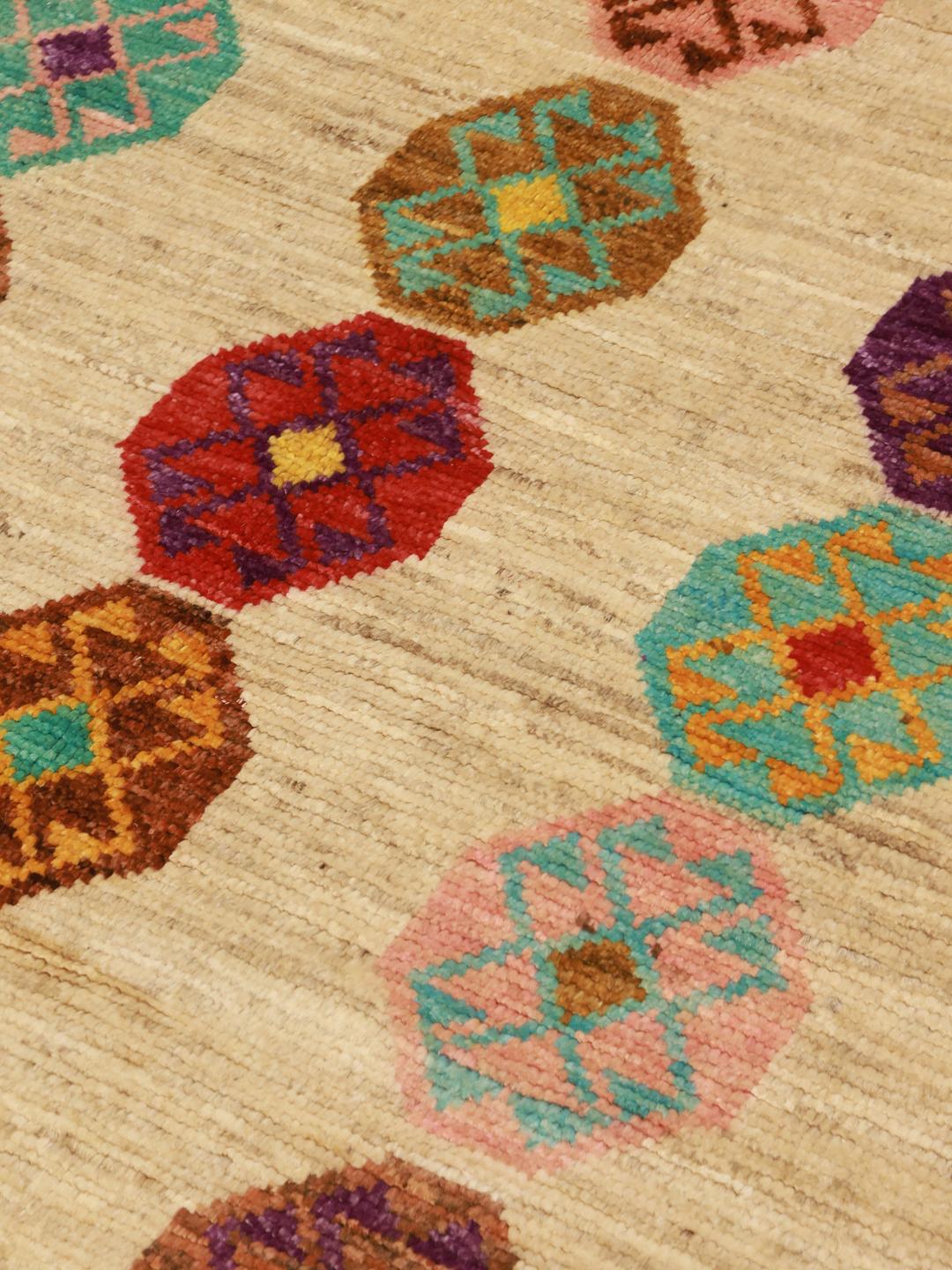
Visually, these rugs are defined by their use of bold geometric shapes and a vibrant colour palette that stands out against natural, undyed wool bases. The motifs are often symbolic, representing elements of daily life, nature, or traditional tribal markers, which are passed down through generations of artisans.
Owning a piece from this tradition is about more than just decor; it is an appreciation of a heritage that values human skill and enduring quality. Collectors and home enthusiasts alike value these rugs for their ability to bring a sense of history and warmth into a modern home, bridging the gap between ancient craft and contemporary living.