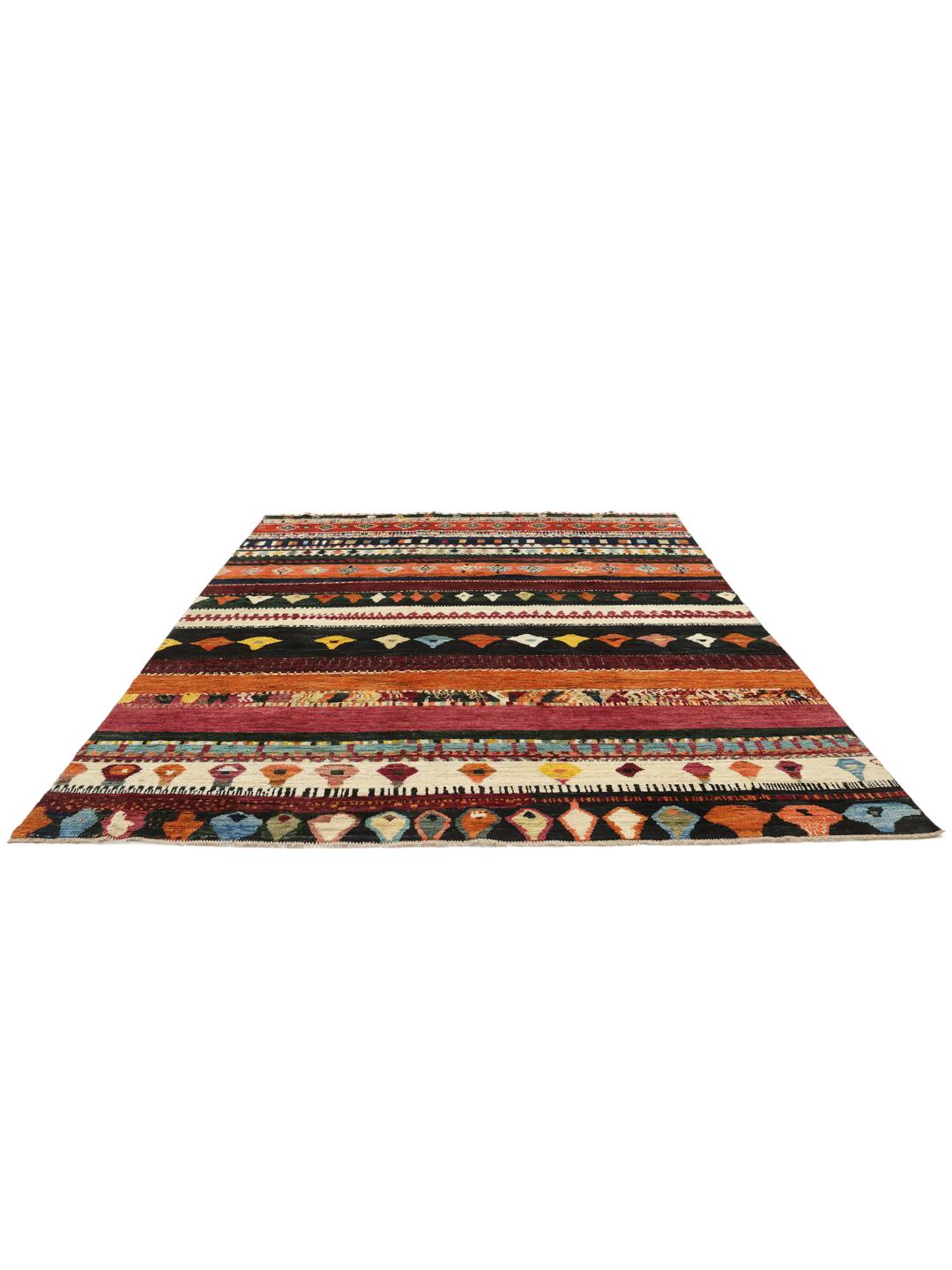
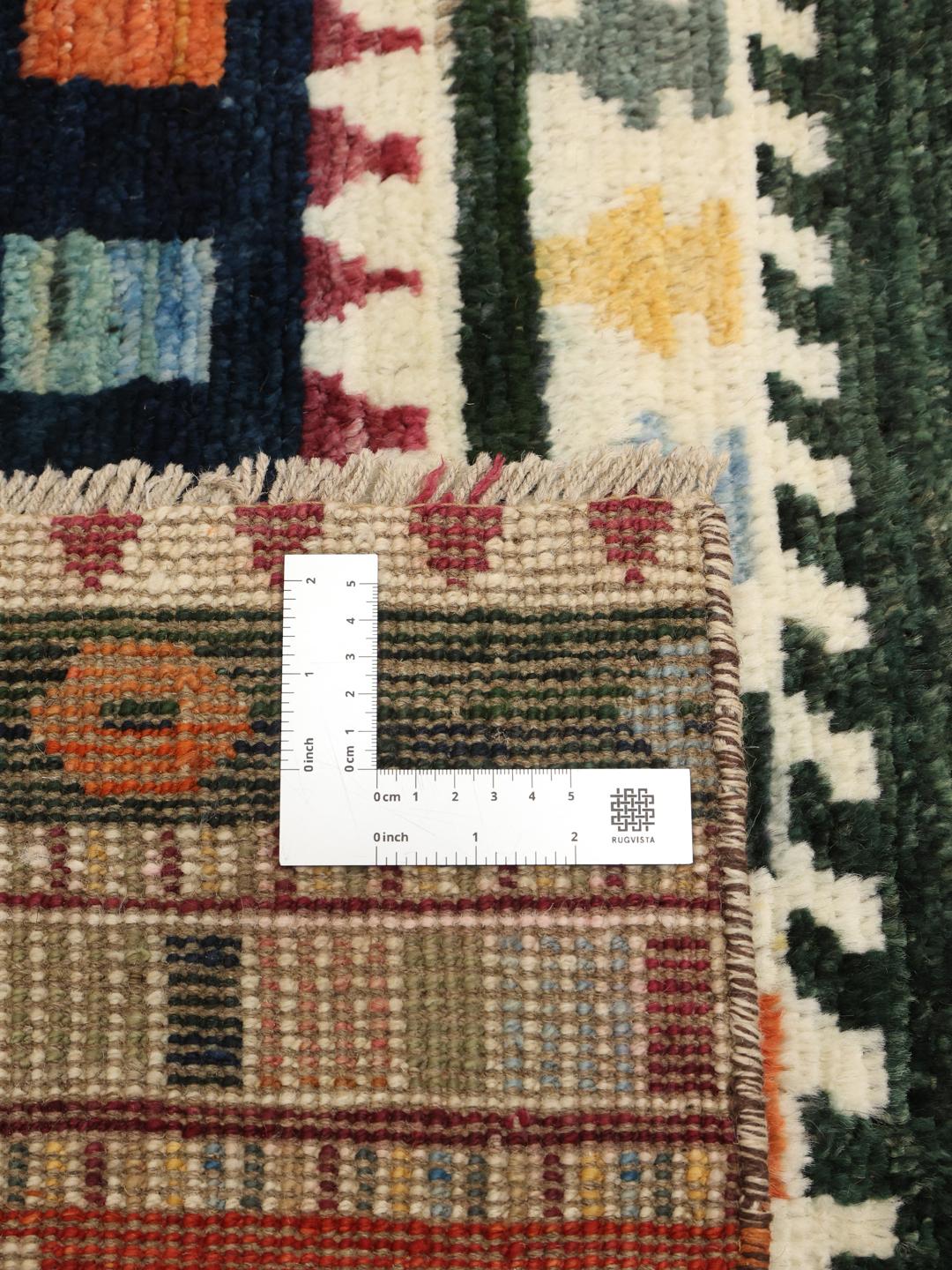
Berber rugs are rooted in a rich tradition of nomadic weaving that spans generations, primarily associated with the craft heritage of North African tribes. Over time, these weaving styles have influenced artisans across Central Asia, including Afghanistan, where weavers have adopted and adapted these techniques to incorporate their own regional motifs and colour sensibilities.
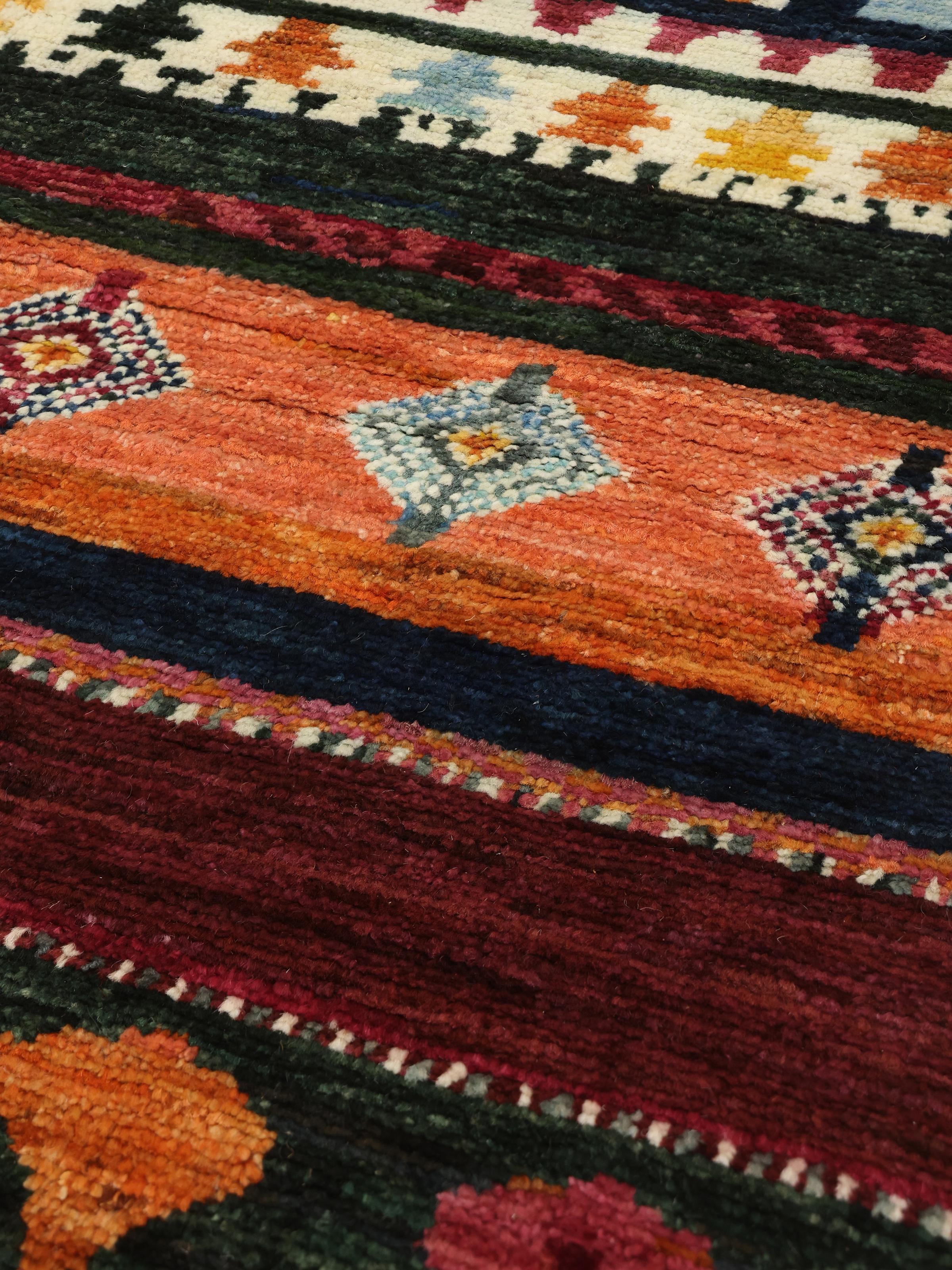
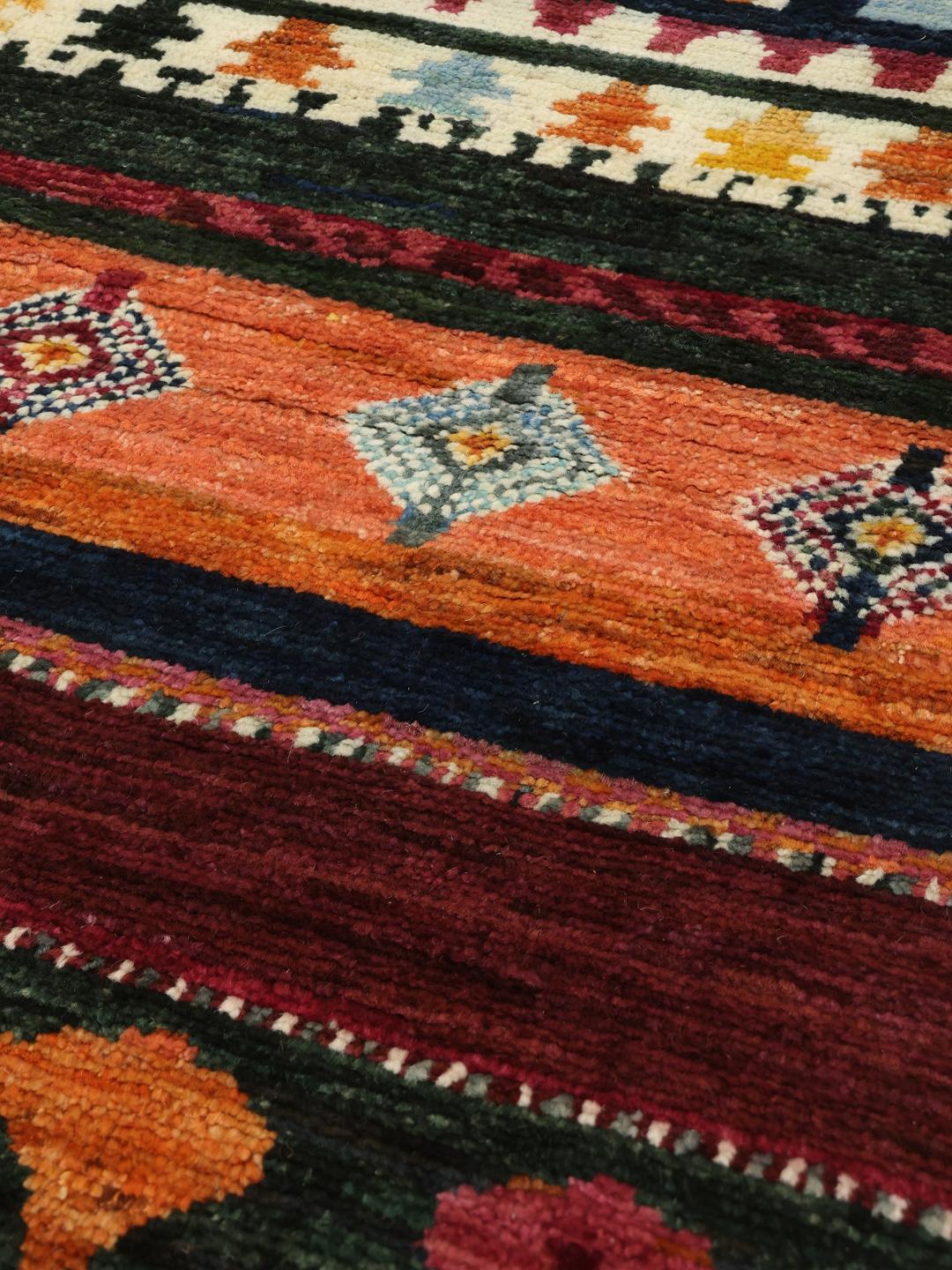
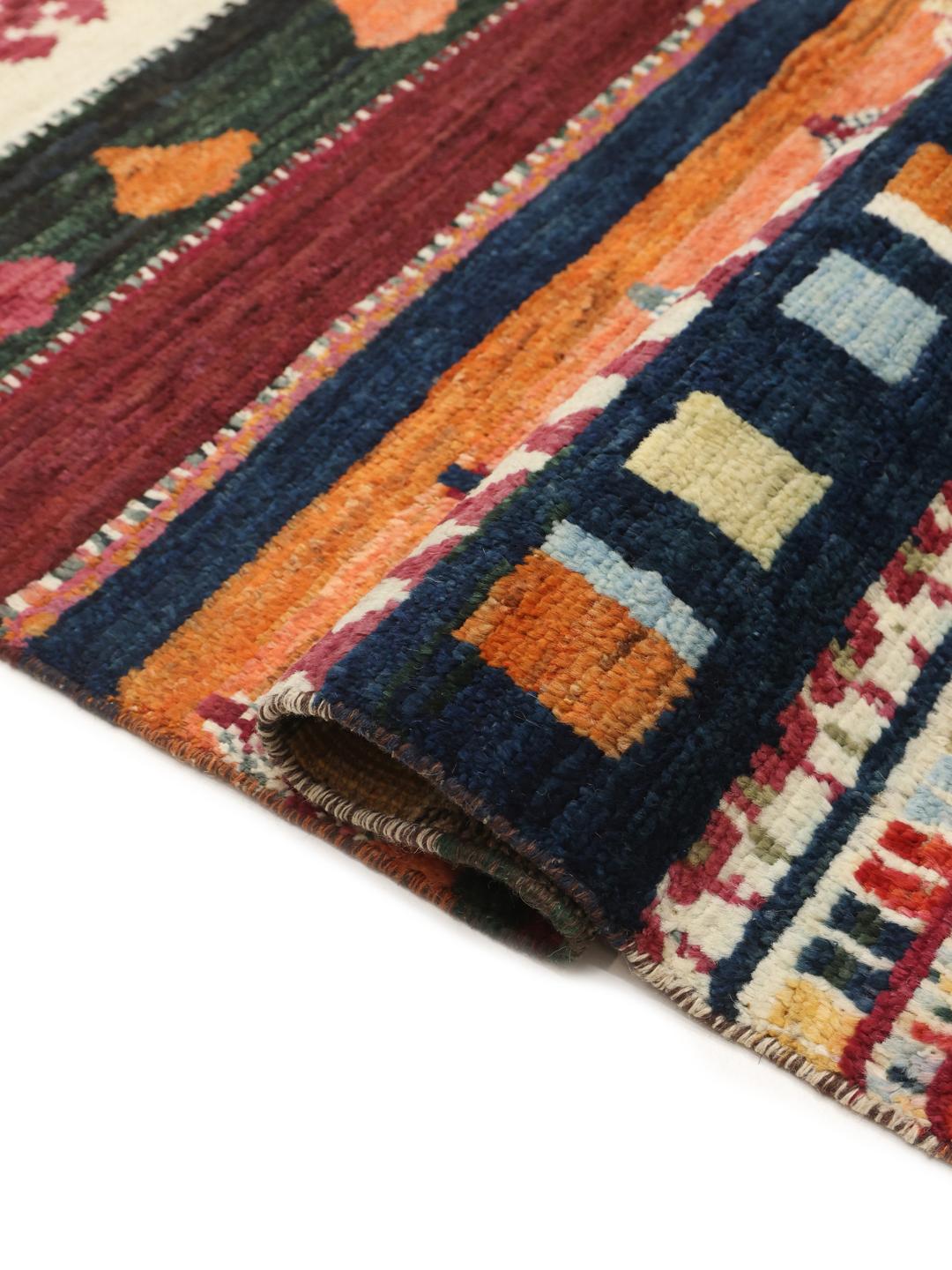
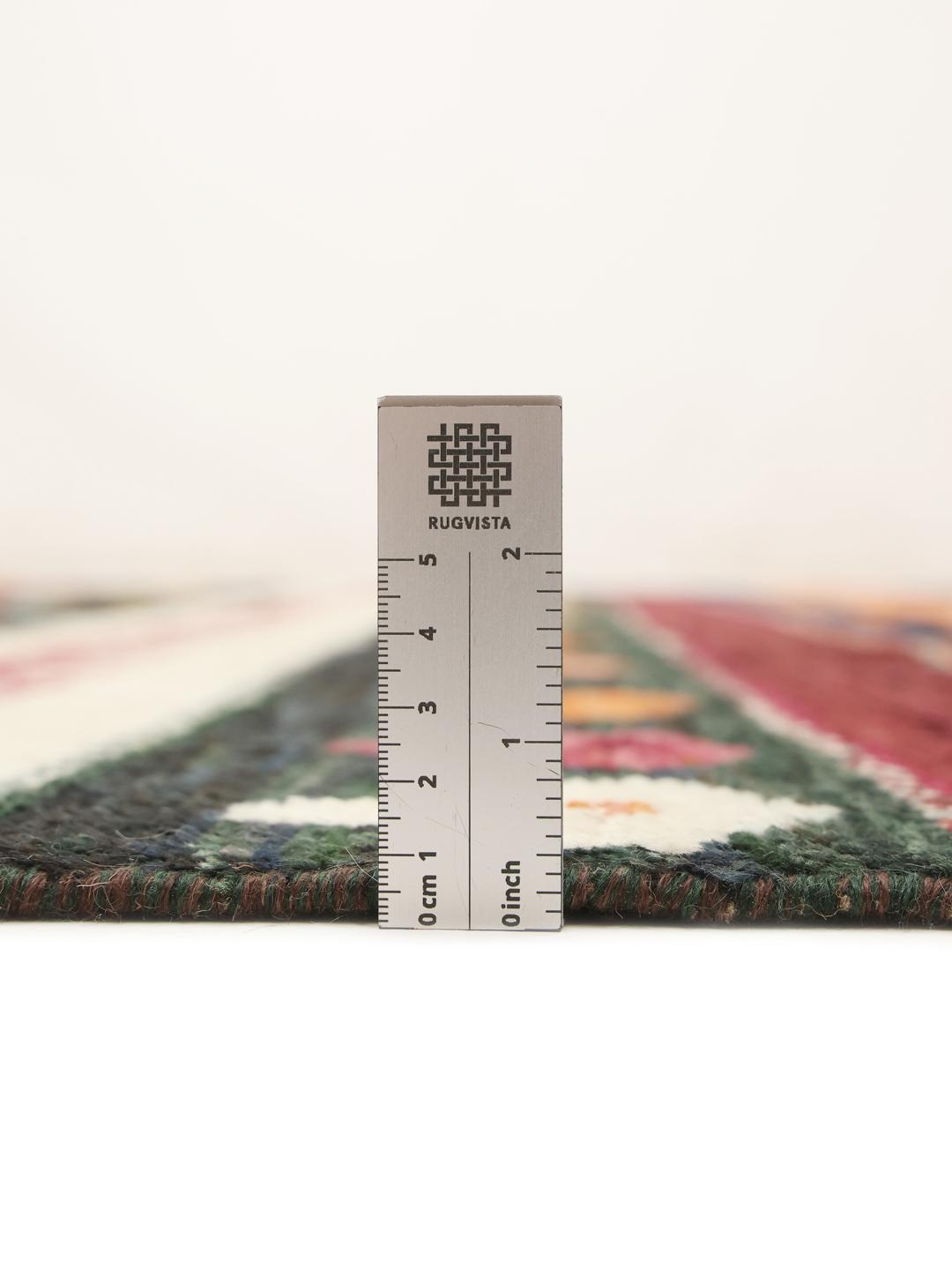
The term Berber often refers to a style characterised by a heavy, thick pile and a design language that prioritises geometric symbolism over formal, curvilinear patterns. These rugs were historically used for insulation in harsh environments, which explains the dense construction that remains a hallmark of the style today and provides the tactile, long-lasting quality valued by modern collectors.
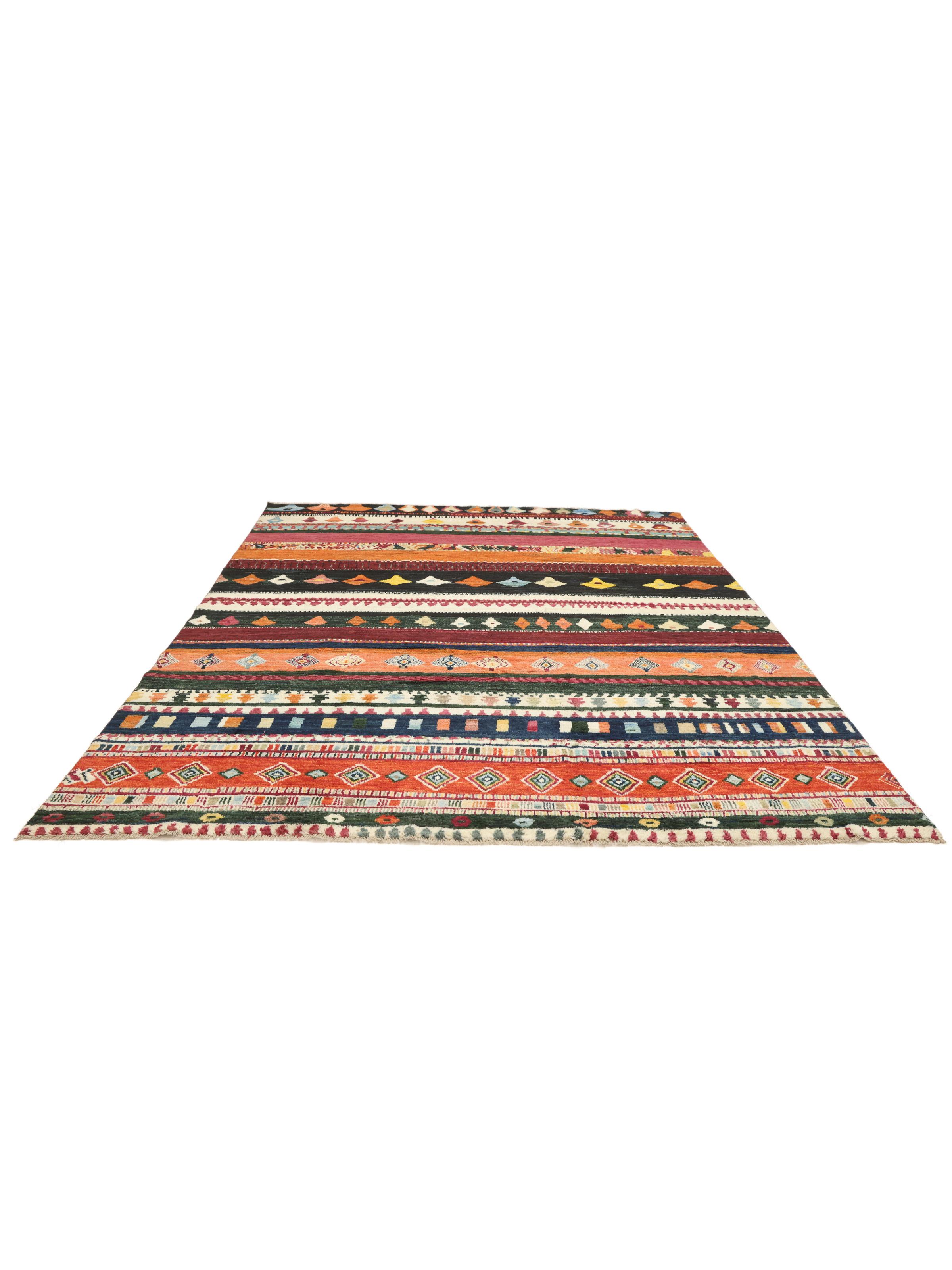
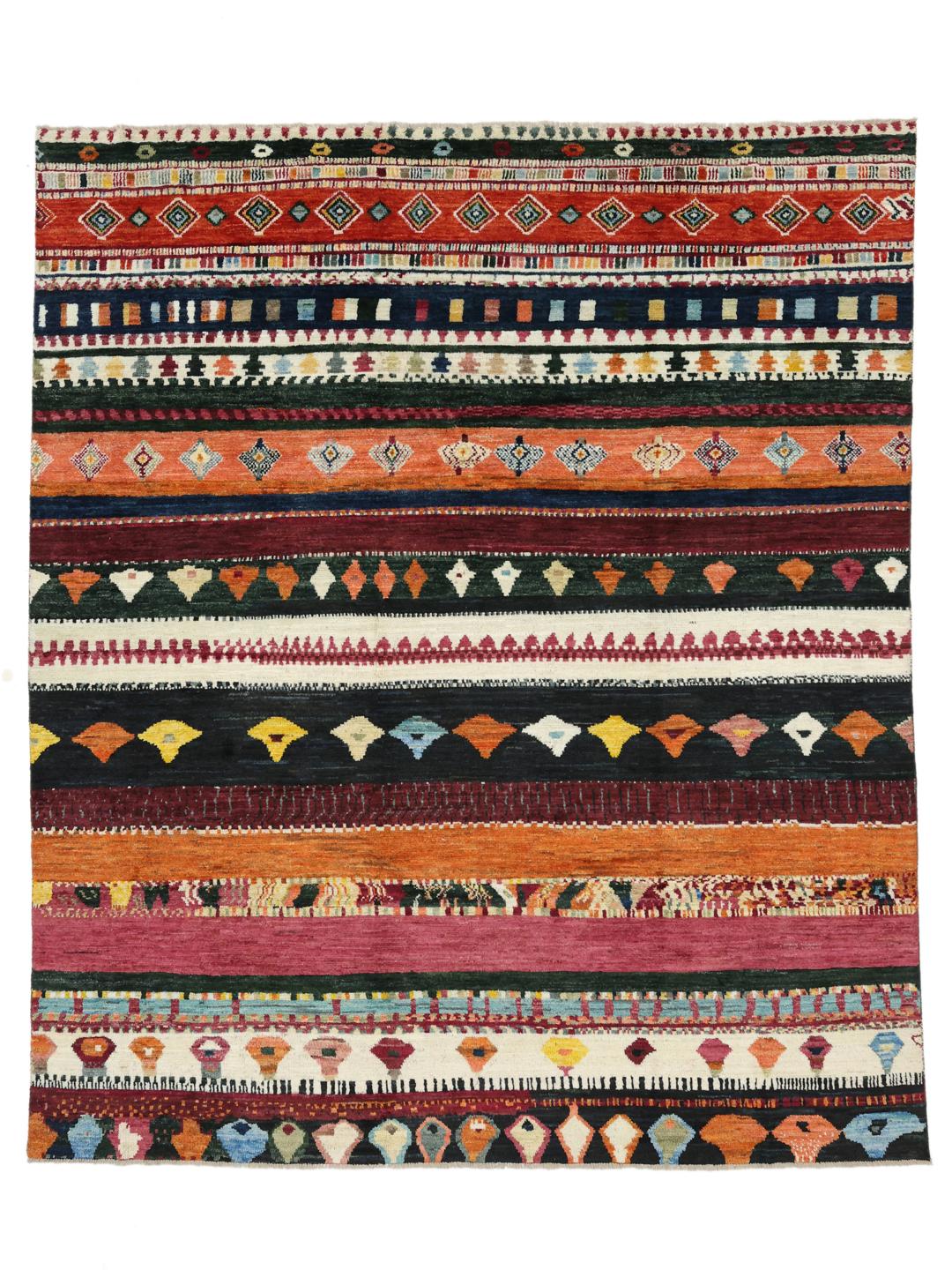
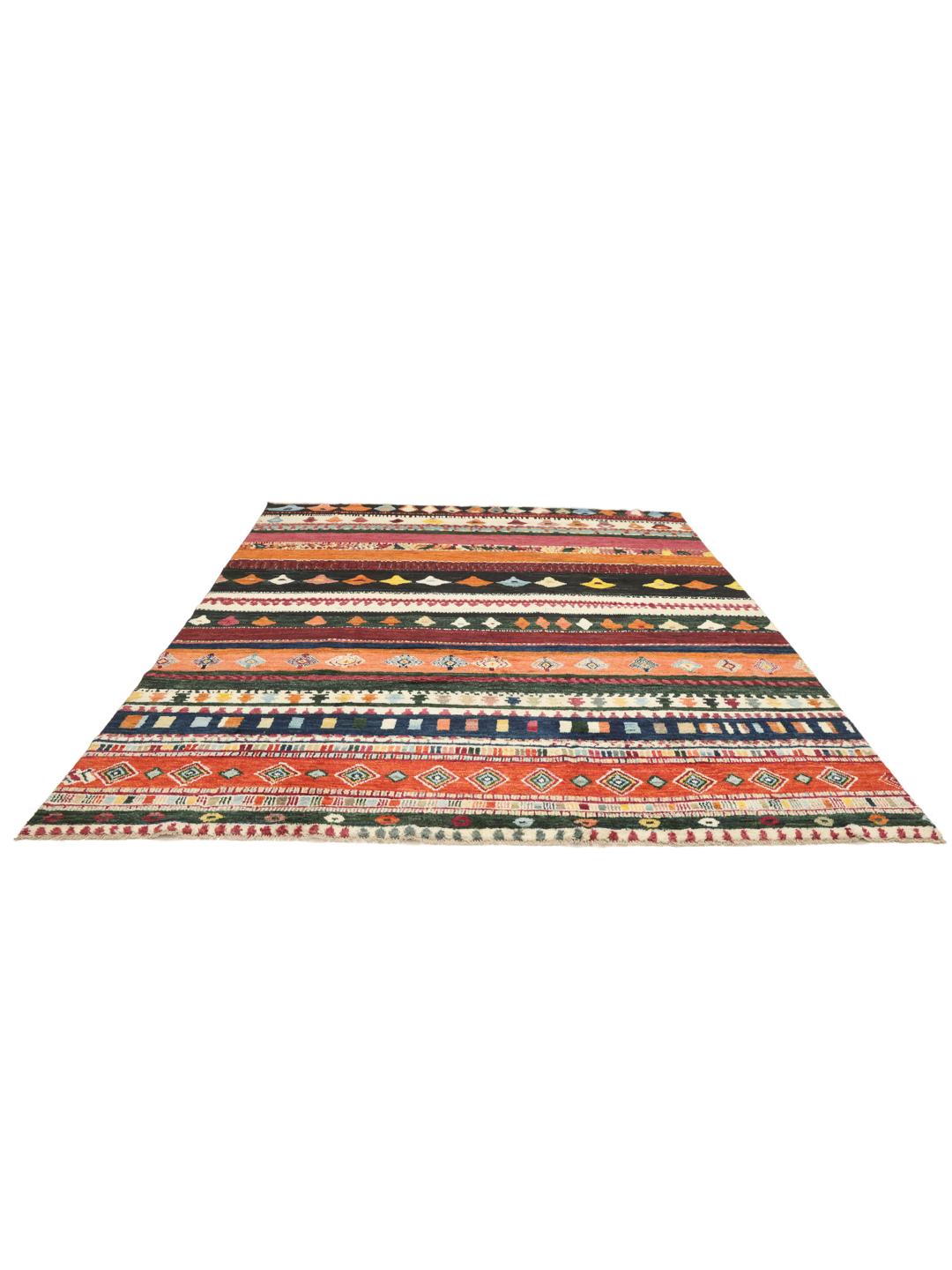
Visually, these rugs are defined by their rhythmic use of lines, diamonds, and tribal motifs that tell stories of the weaver's environment and cultural identity. The use of vibrant, contrasting colours is a signature of this tradition, turning a functional floor covering into an expressive work of art that bridges the gap between primitive simplicity and complex graphic design.
Owning a piece from this tradition is an opportunity to connect with a long-standing history of human skill and creativity. These rugs are highly sought after by collectors who appreciate the rarity of hand-made items and the cultural weight they bring into a home, serving as a permanent record of the artisan's vision and dedication.