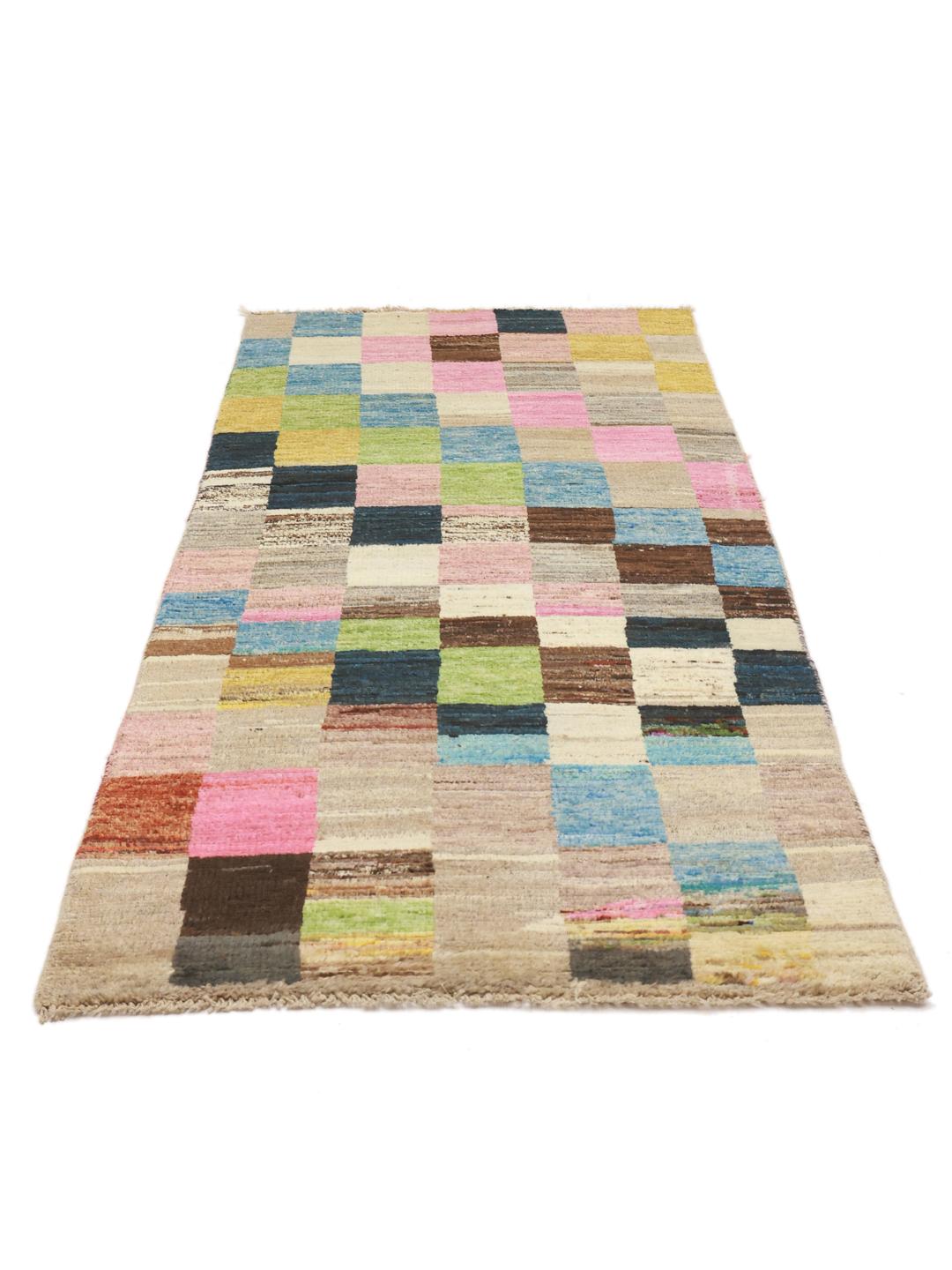
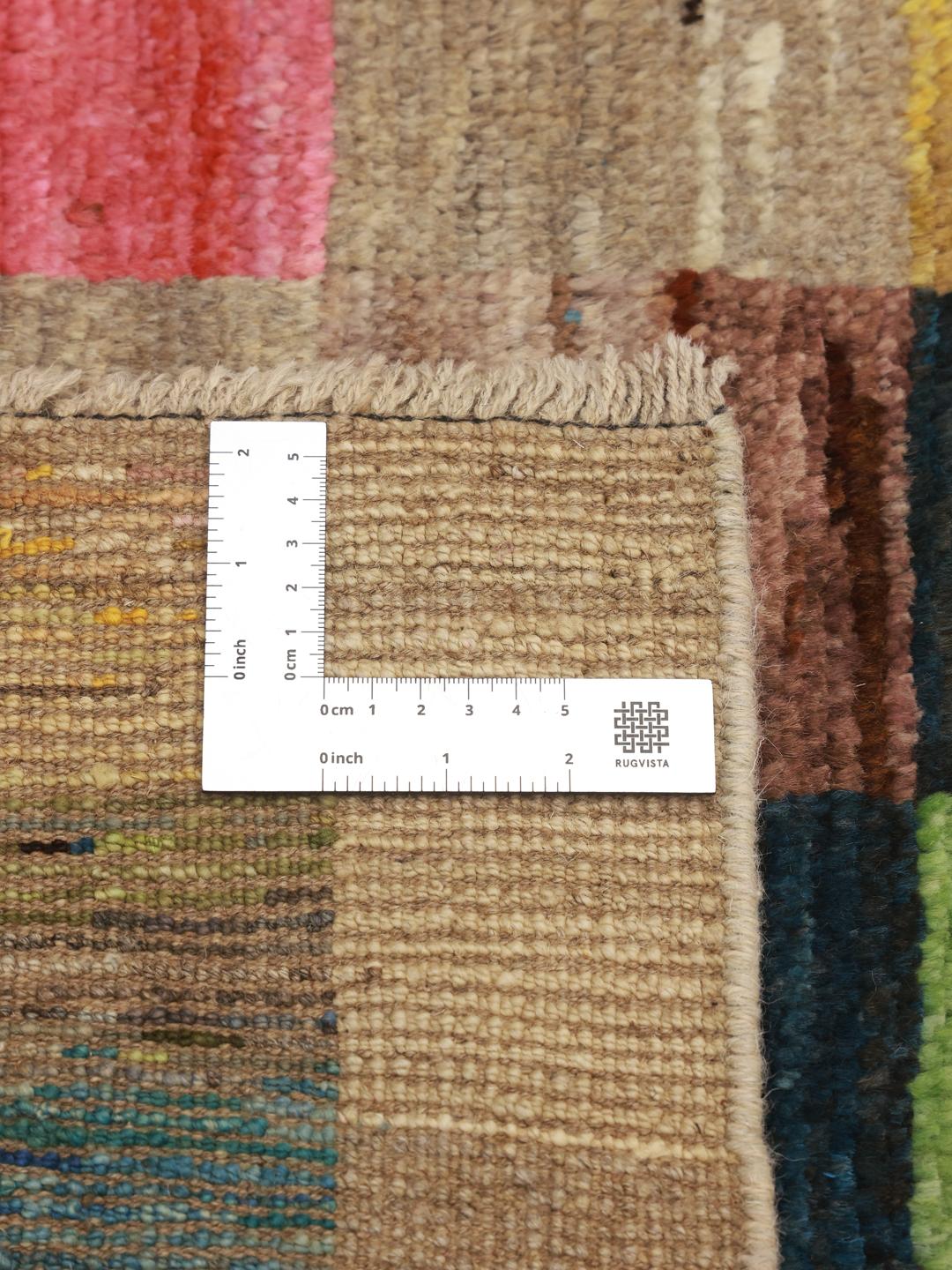
The Berber style, while historically rooted in the Atlas Mountains of North Africa, has evolved through migration and trade to influence weaving traditions across the globe. Today, Afghan artisans have embraced these techniques, blending their own regional aesthetic with the classic, minimalist, and often geometric sensibilities that define the Berber heritage.
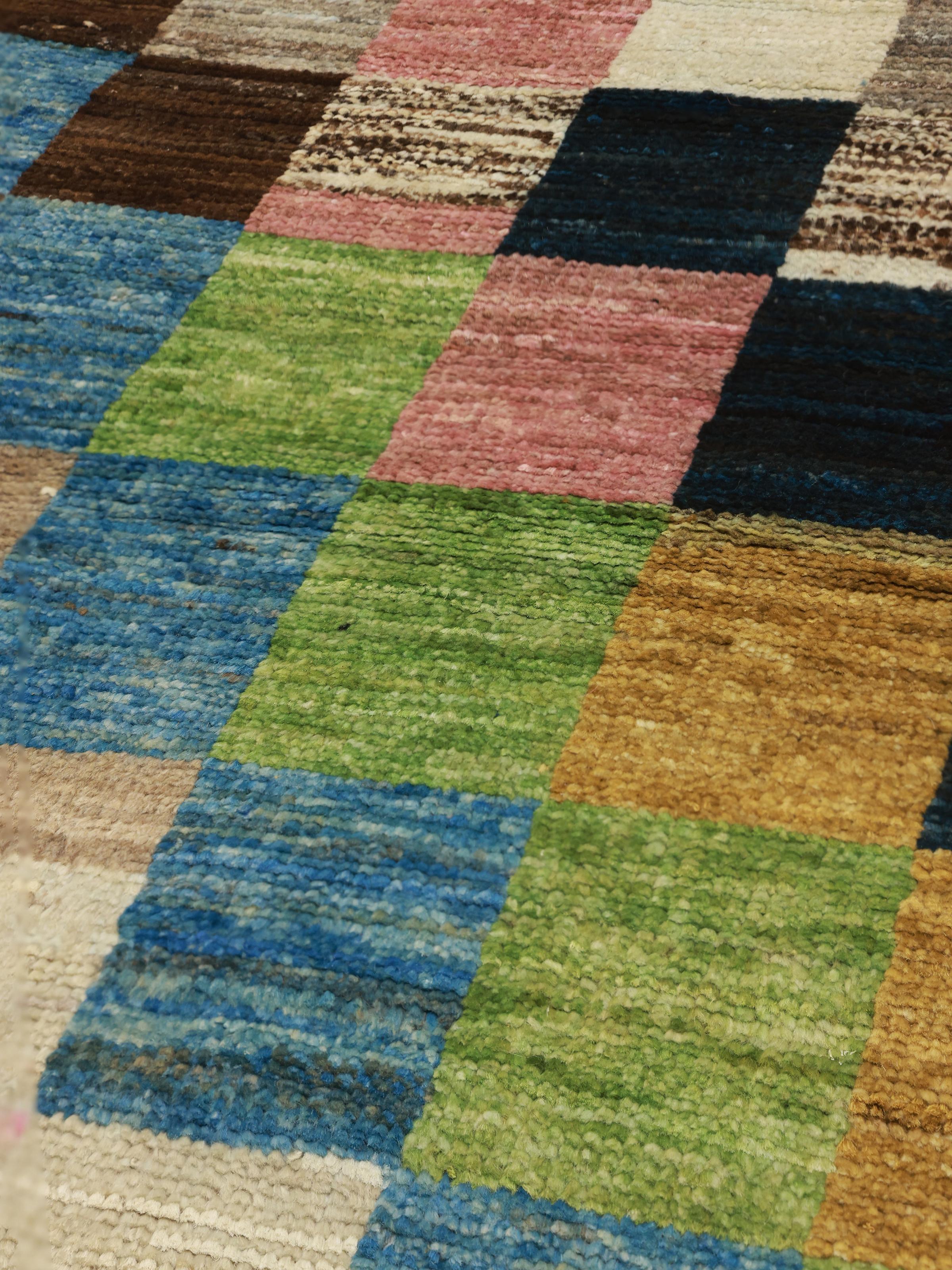
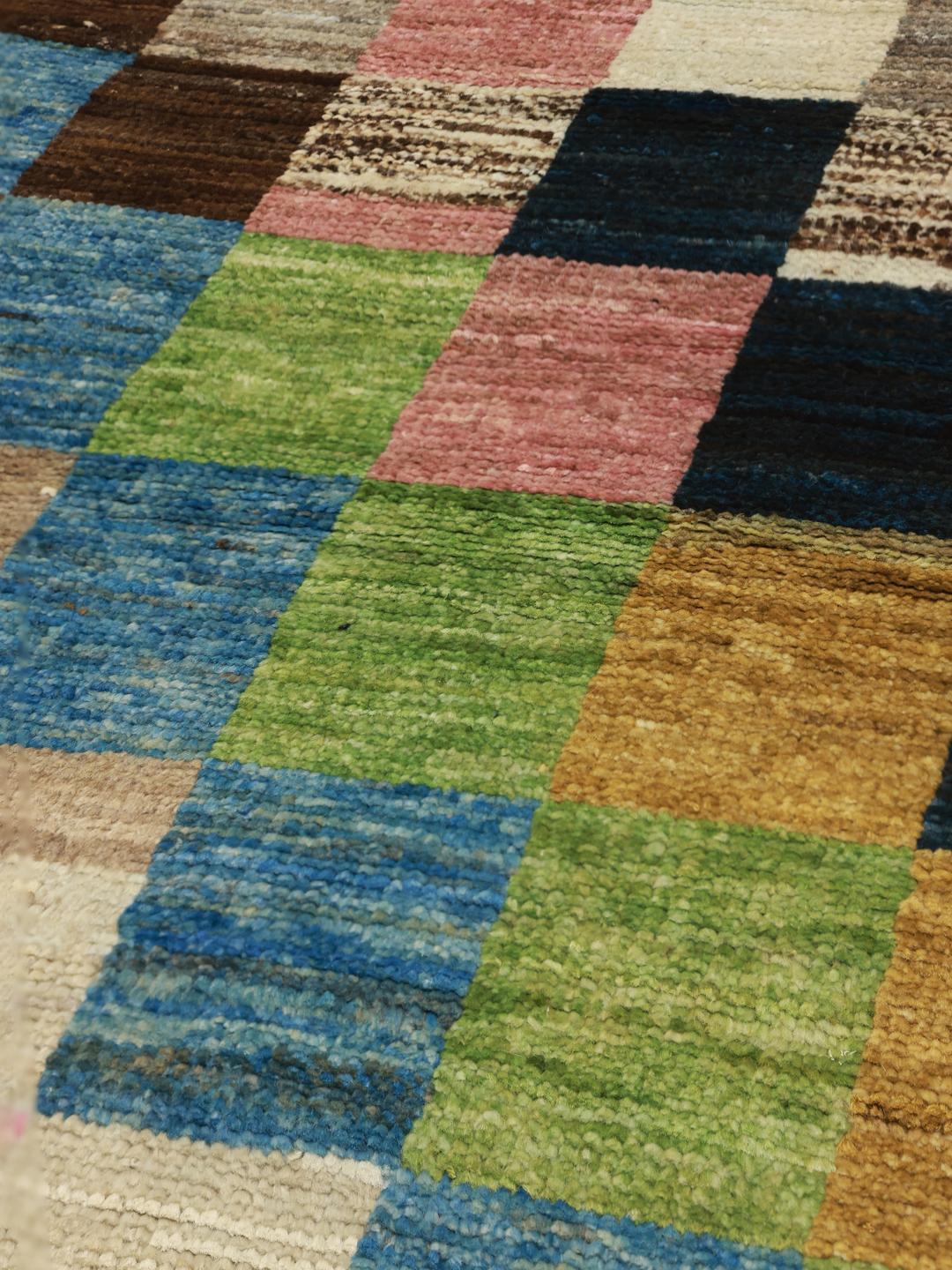
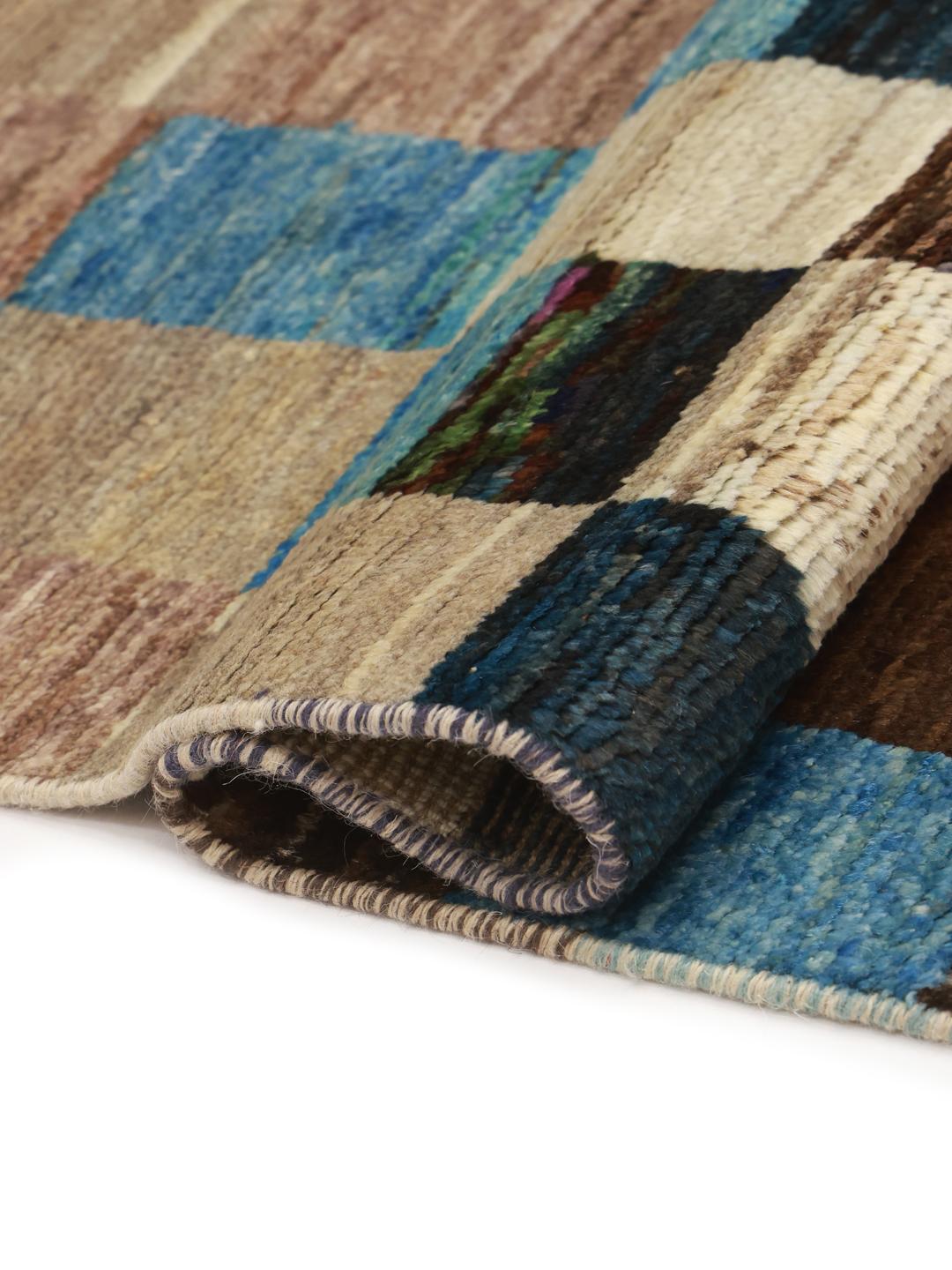
The term 'Berber' refers to the indigenous people of North Africa, whose weaving traditions are defined by a focus on natural fibres and spontaneous, symbolic design. When this style is interpreted by Afghan weavers, it is often elevated through the use of hand-spun, high-quality Wool, which gives the rugs a distinct, organic texture and a depth of colour that is hard to achieve with synthetic alternatives.
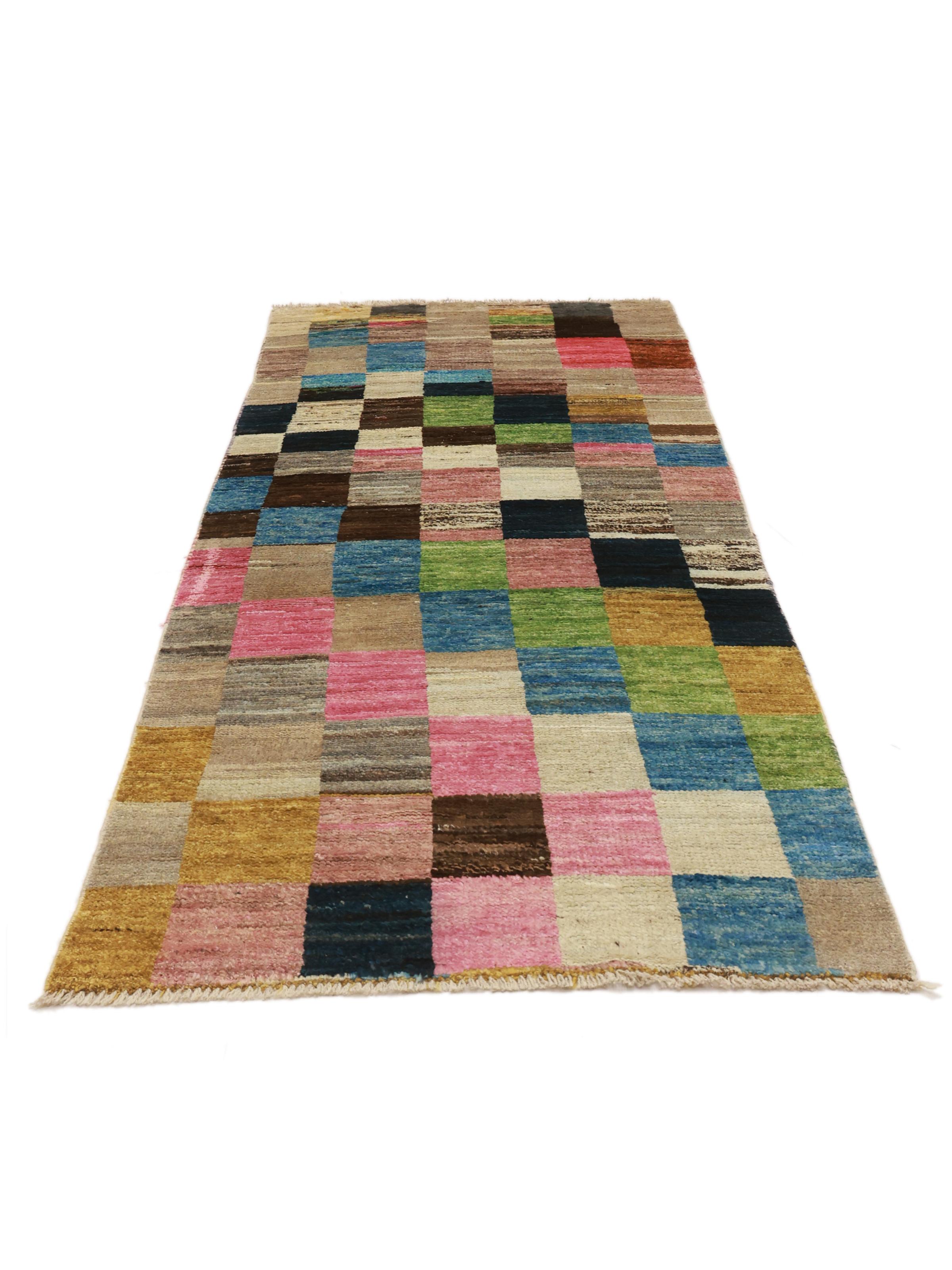
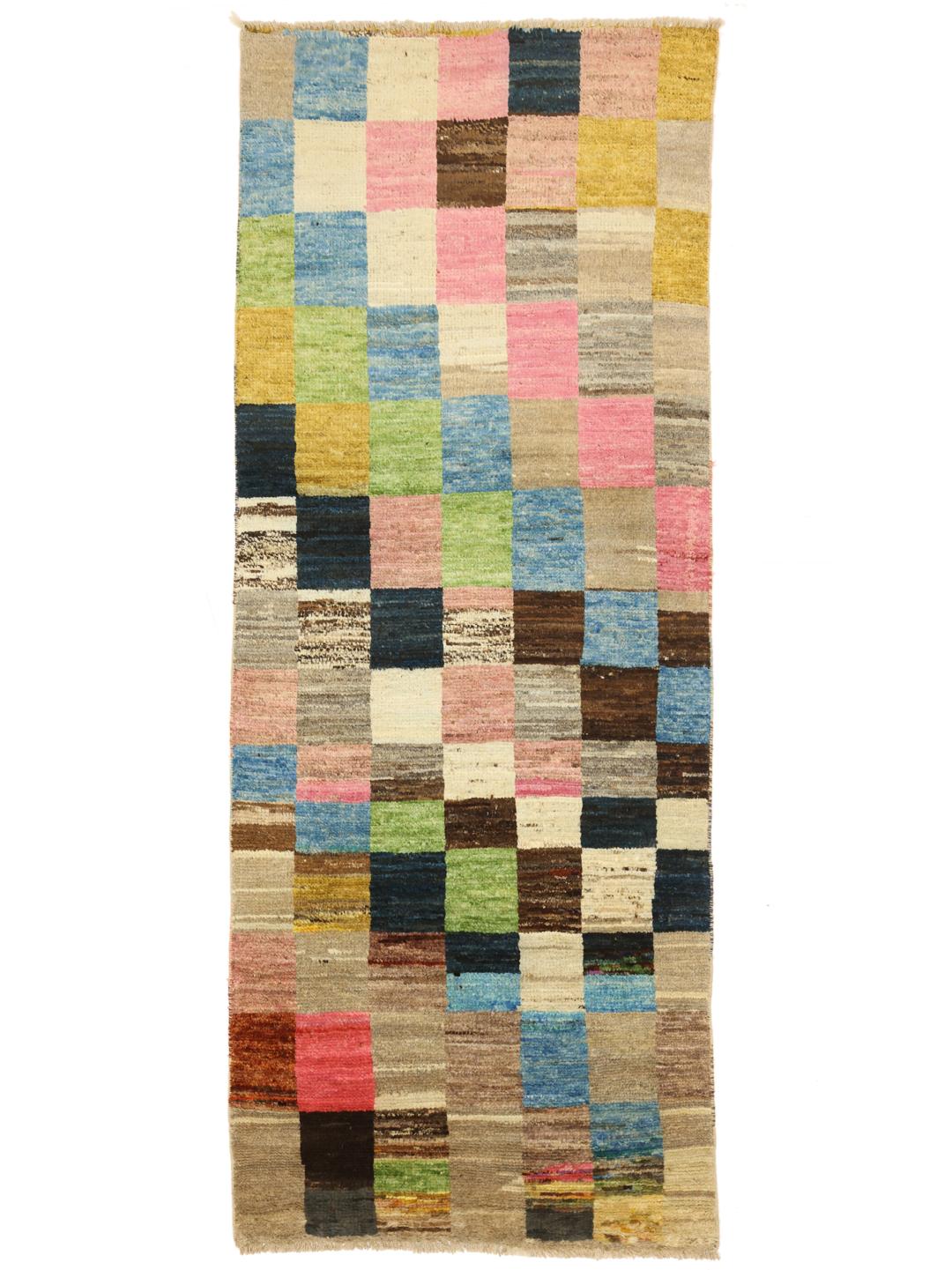
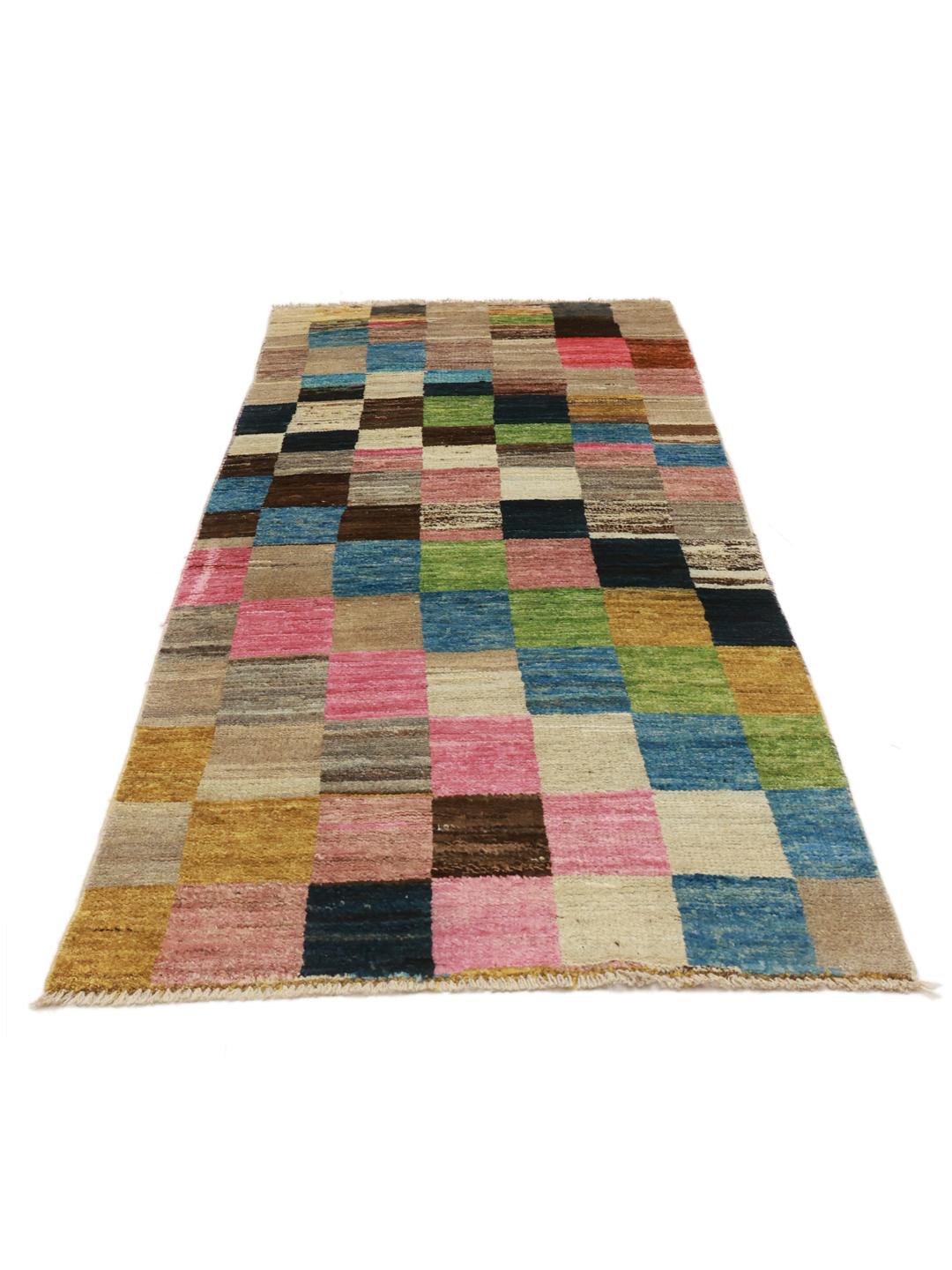
Signature design elements of this style include a departure from rigid, formal borders in favour of open fields or, as seen here, rhythmic, block-based patterns. The use of vibrant, contrasting colours is a hallmark of the modern evolution of these rugs, turning traditional weaving into a canvas for contemporary expression while maintaining the soul of the craft.
Collectors value these rugs for their authenticity and the human connection they represent. Owning a piece from this tradition is an investment in cultural continuity, where ancient weaving methods are preserved through every loop and knot. These rugs are not merely floor coverings but are regarded as keepsakes that carry the legacy of generations of weavers, making them a significant addition to any home.