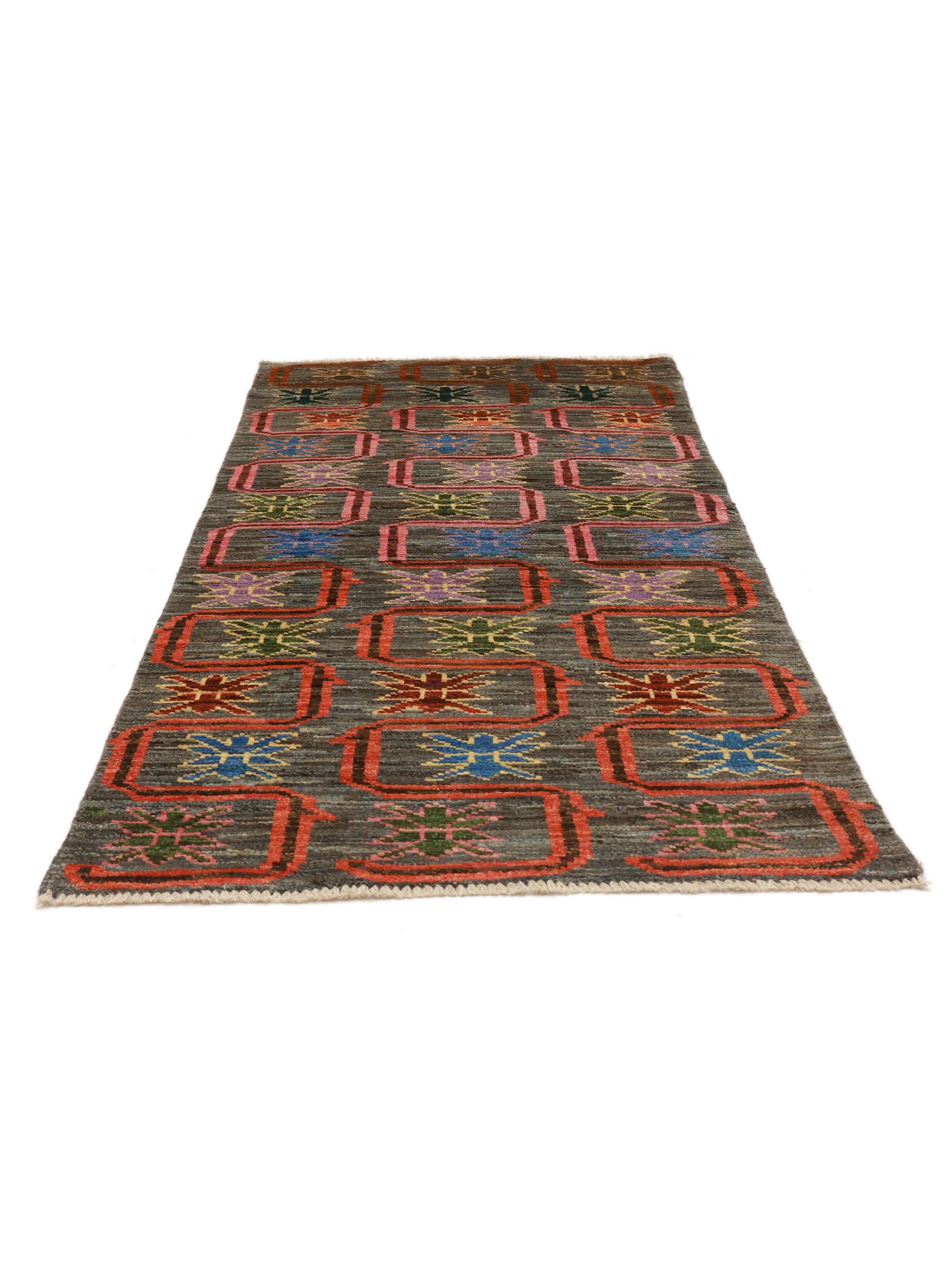
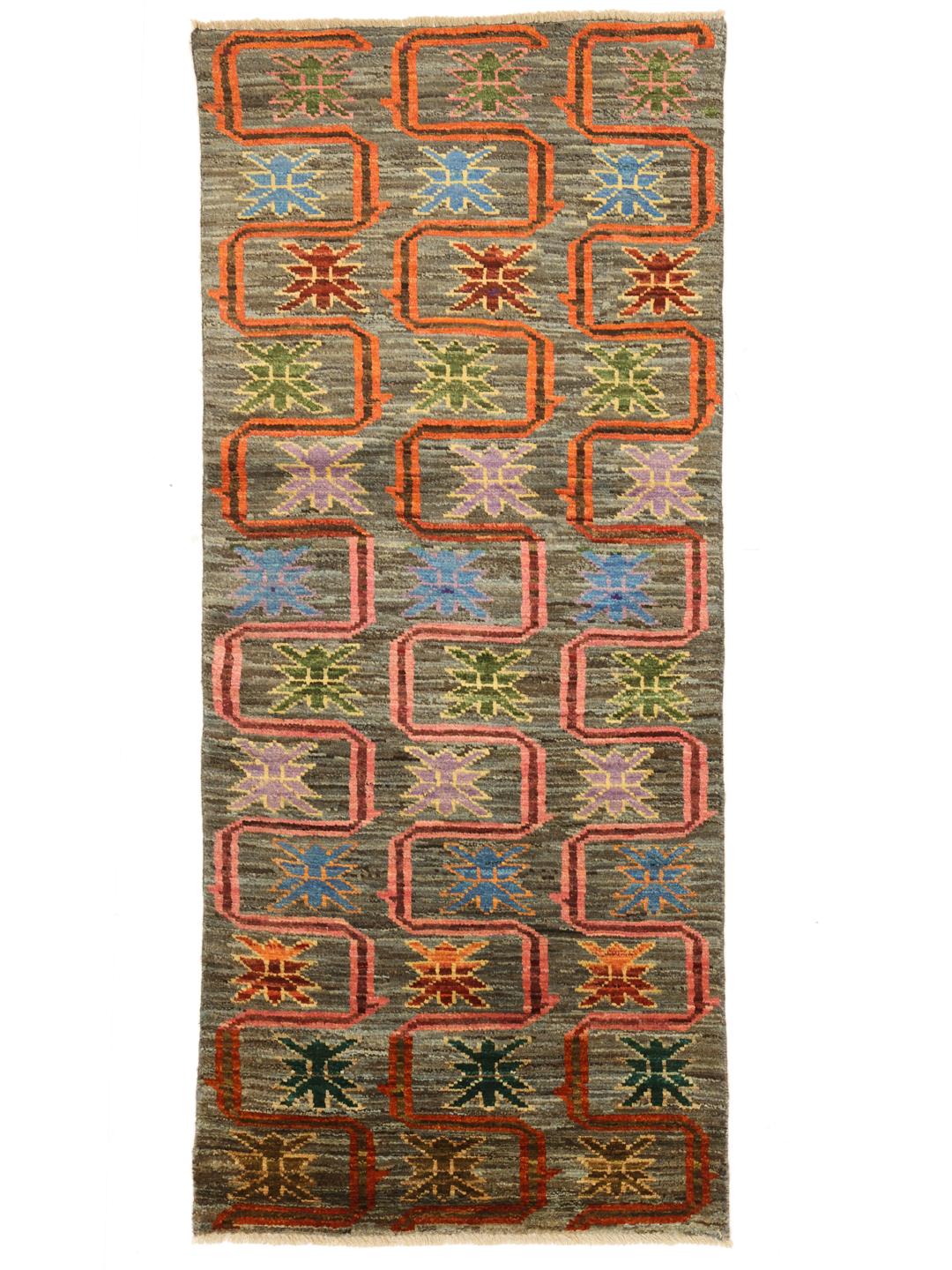
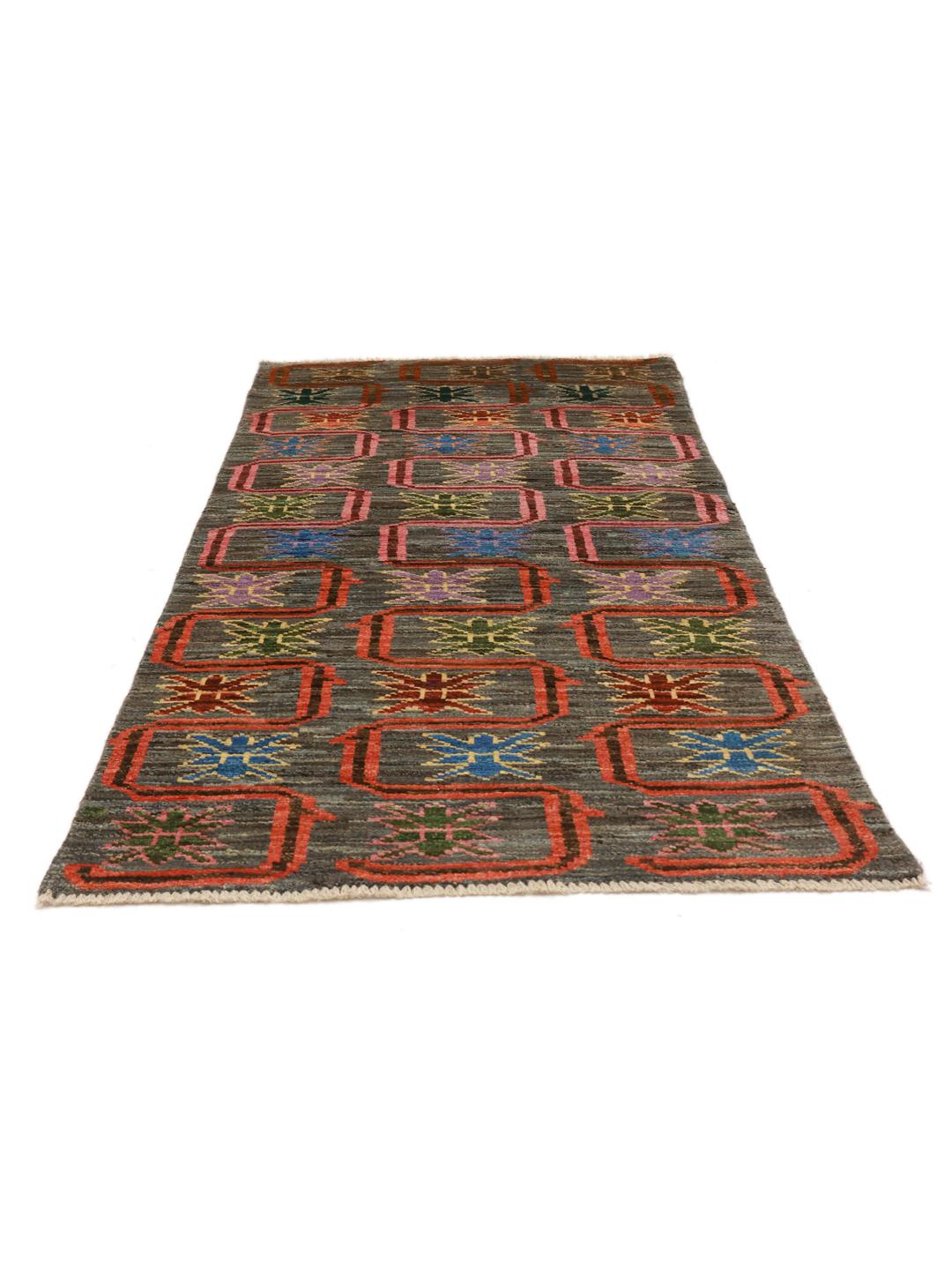
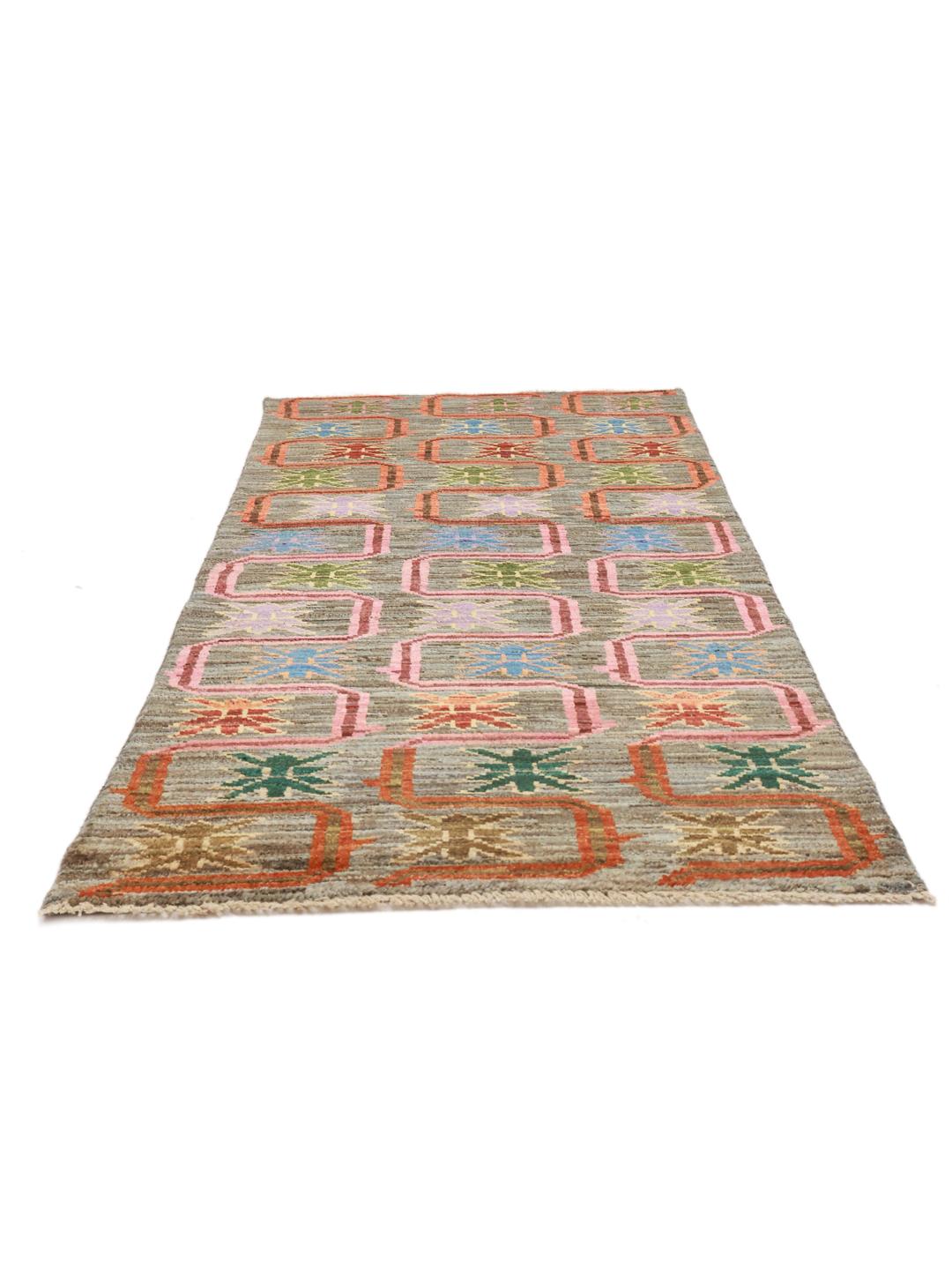
The Berber tradition, while historically rooted in the mountainous regions of North Africa, has inspired weavers across the globe to adopt its signature aesthetic of bold, geometric freedom and thick, woolly pile. In the Middle East, this style has been embraced and reinterpreted through the lens of local weaving traditions, resulting in rugs that blend tribal heritage with a vibrant, modern sensibility.
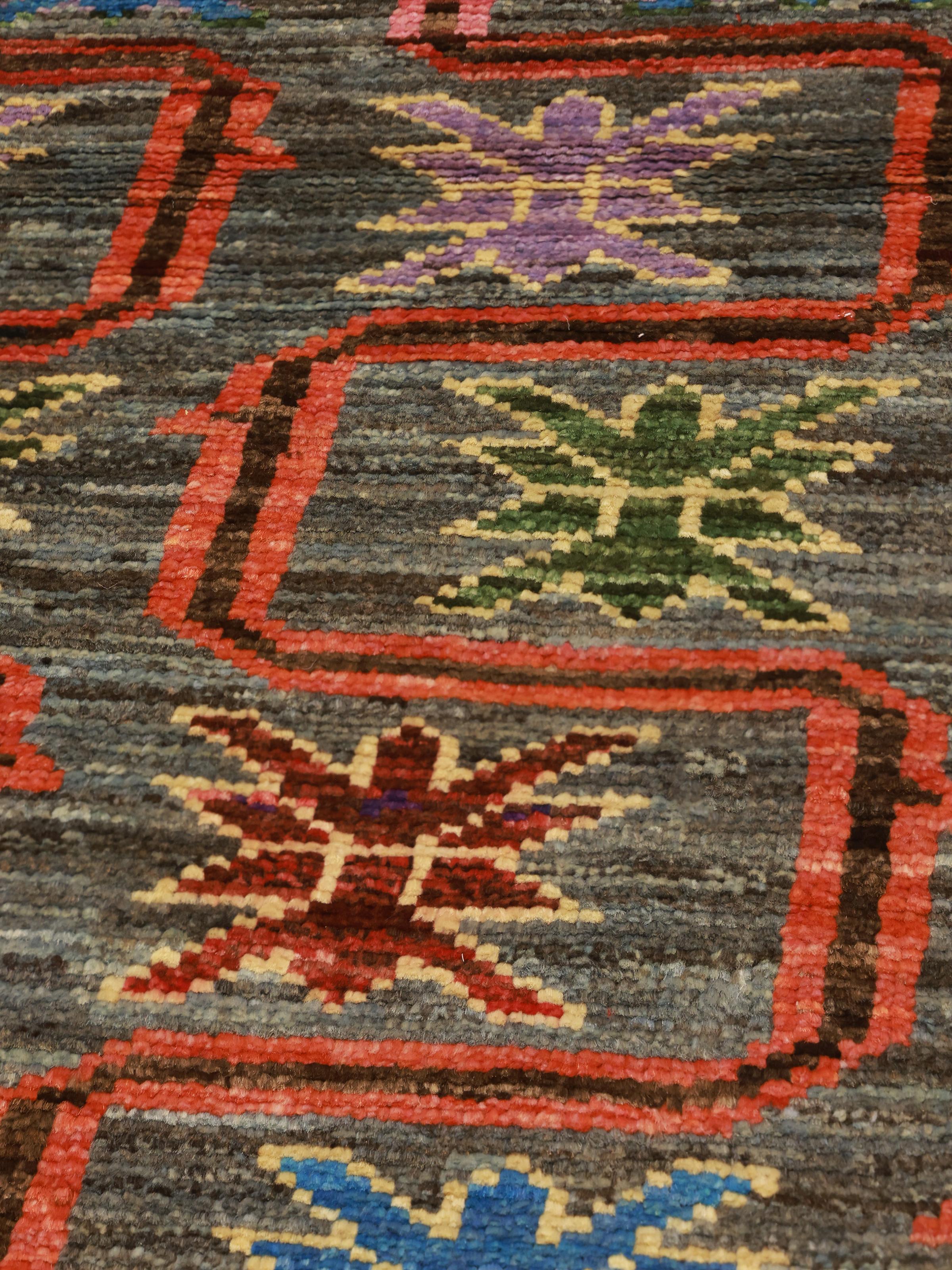
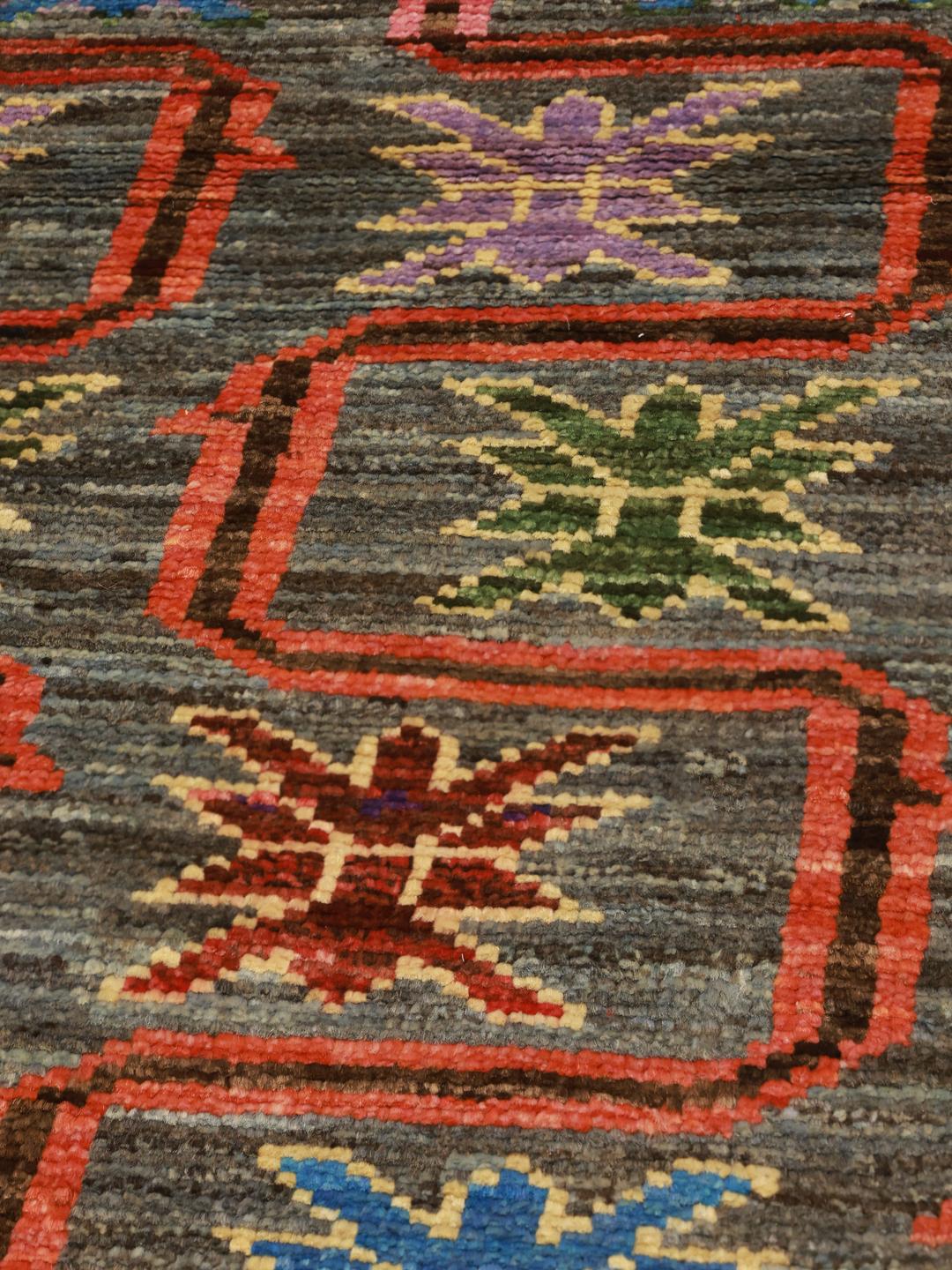
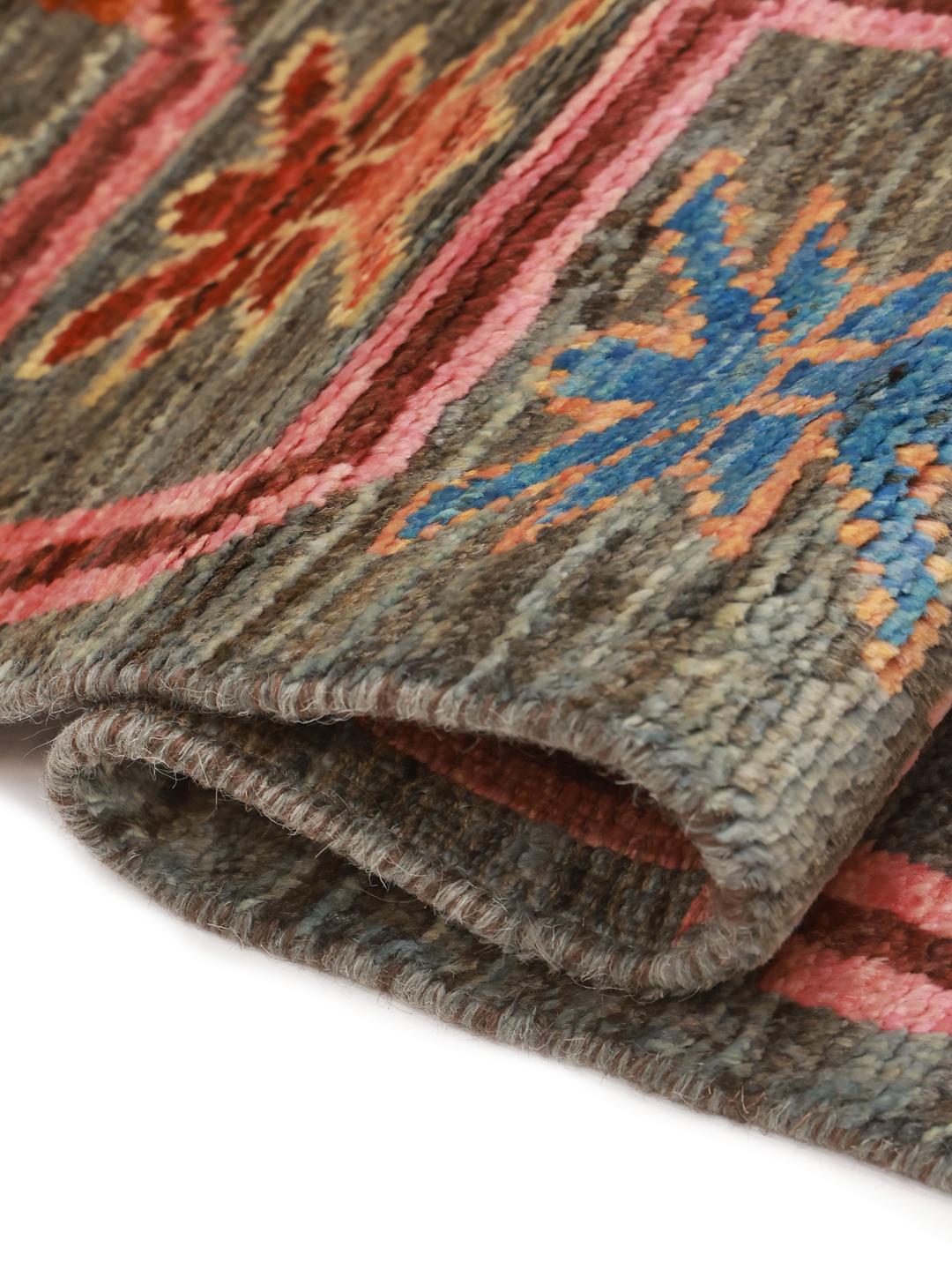
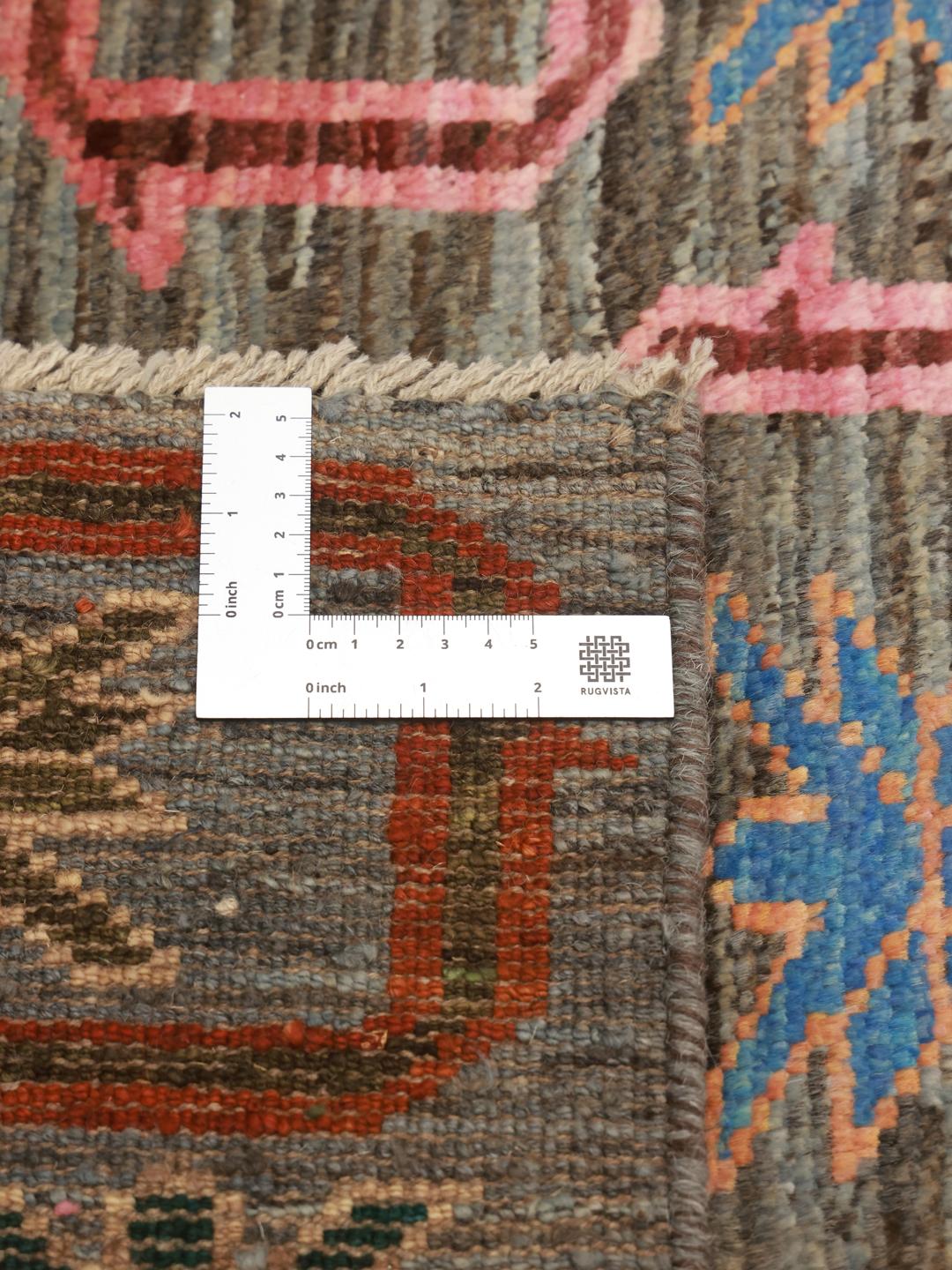
The craft of hand-knotting in this region relies on deep-rooted techniques passed down through generations. The process involves securing the pile to a foundation with a series of precise knots, which creates a durable, high-quality surface. This method is fundamental to the longevity of the rug, as it prevents the wool from shedding and ensures that the intricate patterns remain sharp and well-defined over decades of use.
Visually, these runners are defined by their playful use of motifs and a deep, saturated colour palette. While traditional rugs often follow strict, symmetrical layouts, this Berber-inspired style favours a more organic approach, utilising repeating shapes and lines that draw the eye along the length of the runner. The contrast between the dark, moody background and the bright, pops of colour makes it a versatile piece for various interior settings.
Collectors value these rugs not only for their aesthetic beauty but for the cultural narrative they carry. By choosing a hand-knotted piece, you are supporting a tradition that values slow, deliberate production over mass manufacturing. Owning such a rug is an opportunity to connect with a history of artistry, bringing a piece of heritage into your home that is as functional as it is culturally significant.