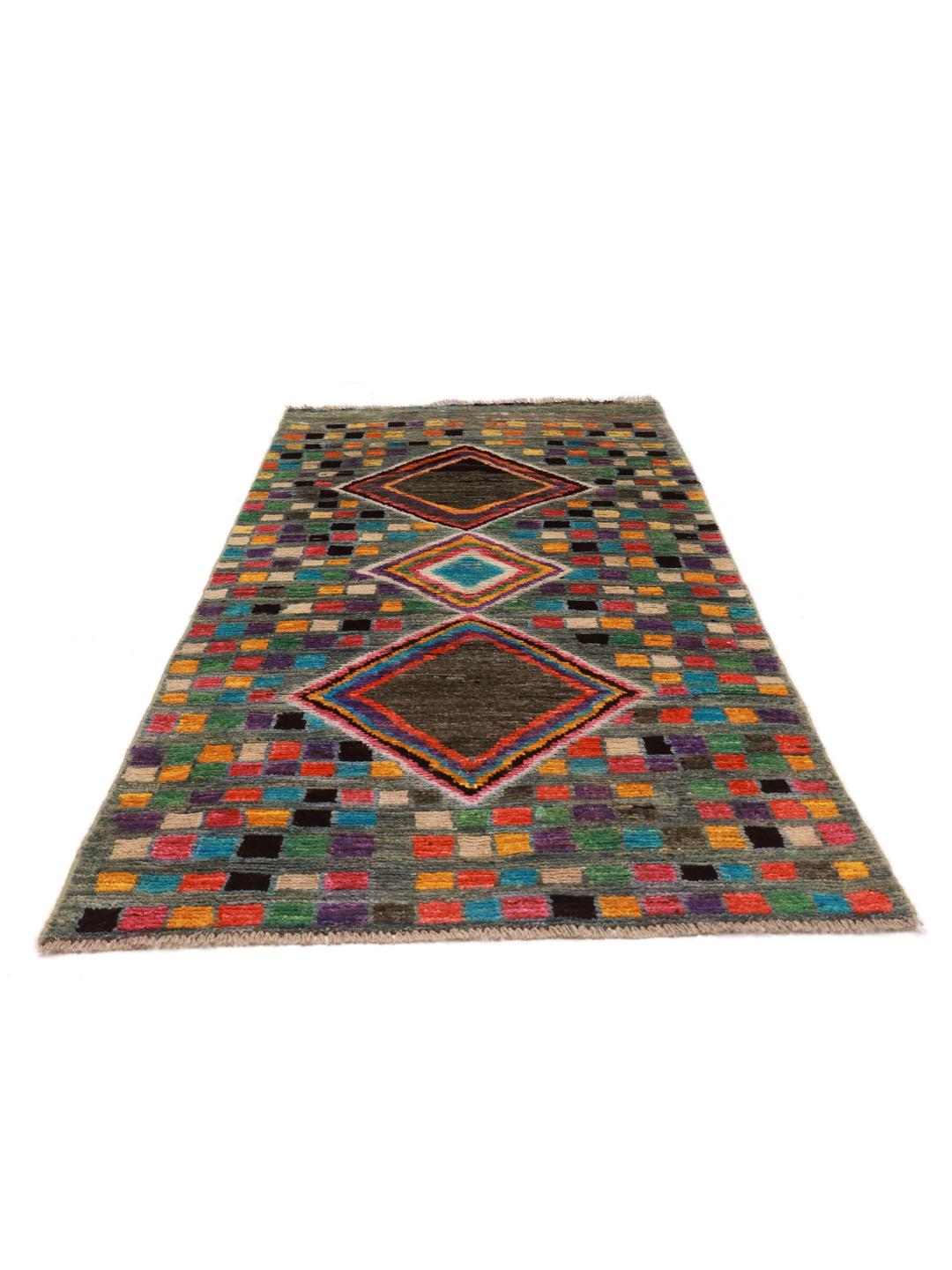
Berber-style rugs have a storied history that stretches across high mountain ranges and nomadic cultures, traditionally serving as essential household items that provided warmth and comfort. While the style originated with the indigenous tribes of North Africa, the tradition has been adopted and adapted by skilled weavers in Afghanistan, who bring their own local sensibilities to the craft.
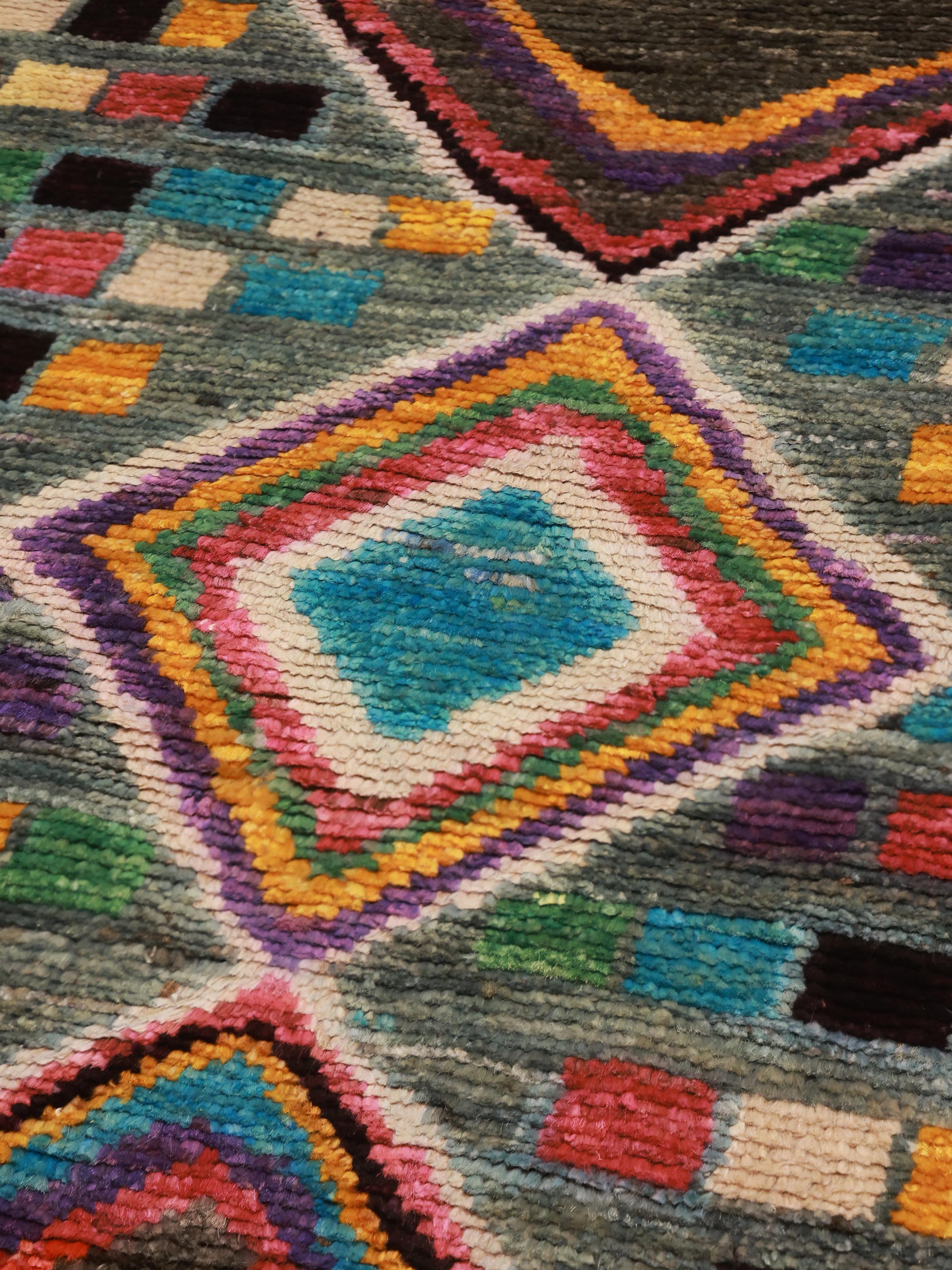
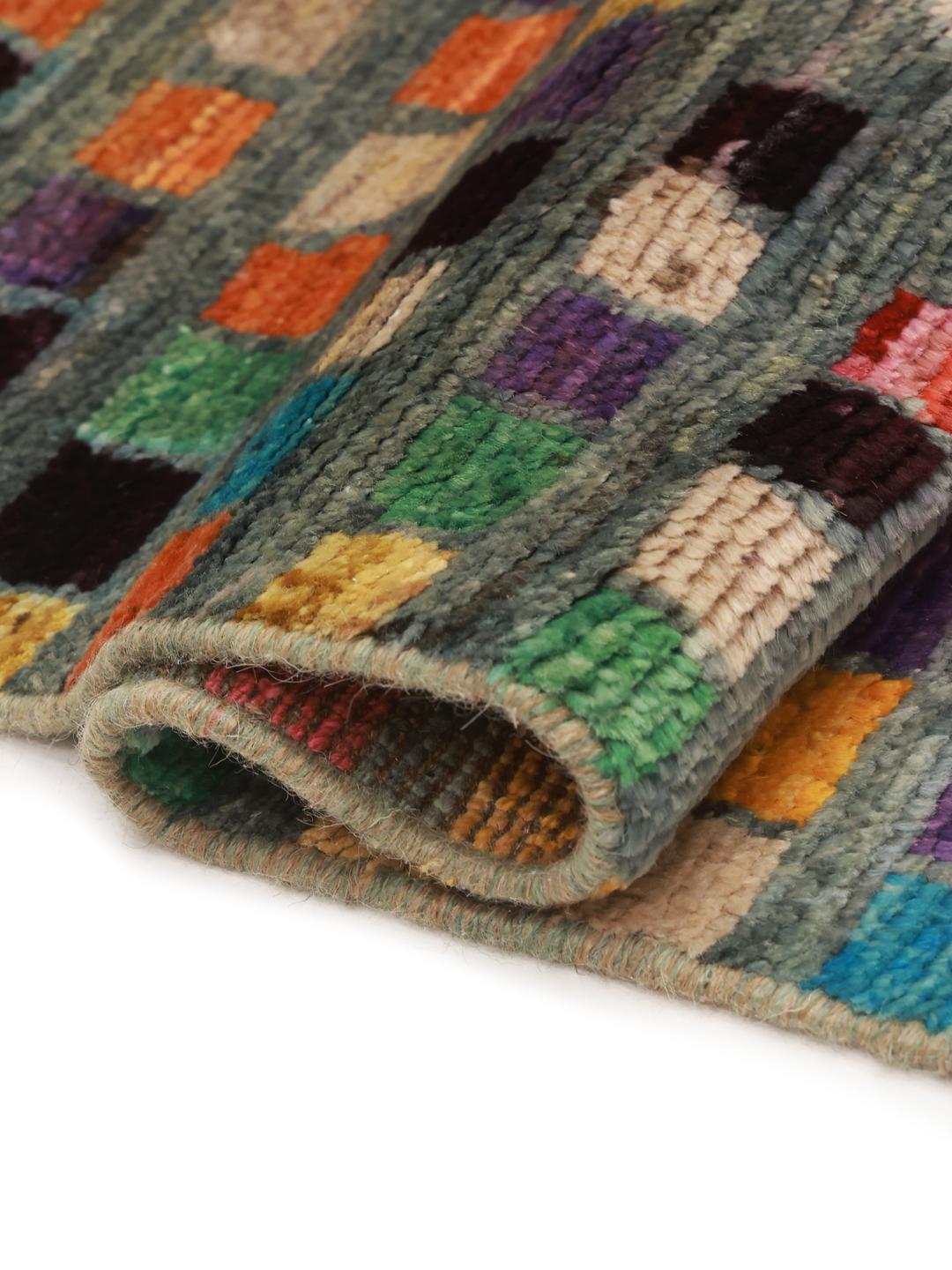
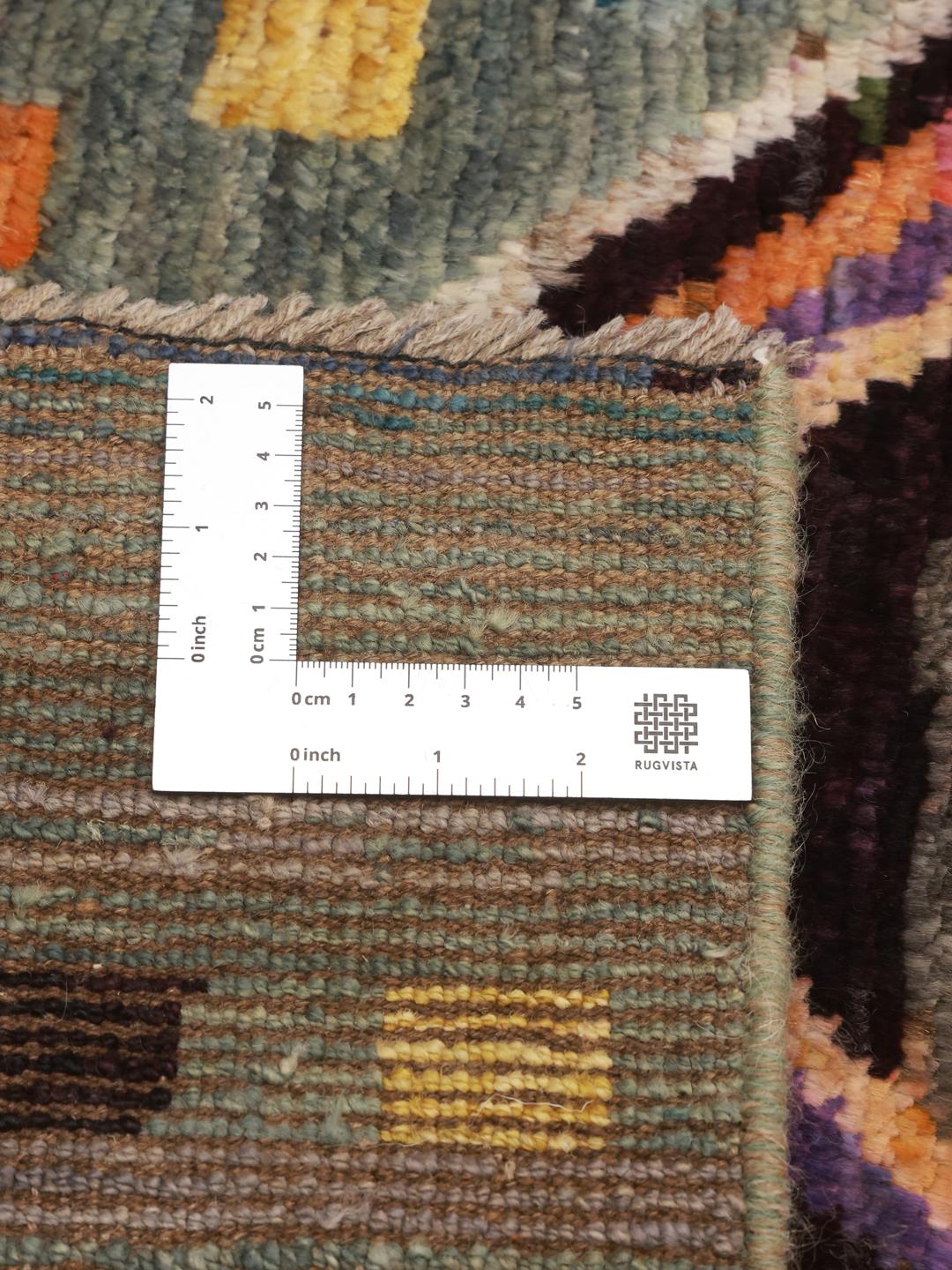
The term hand-knotted refers to the laborious technique of tying individual strands of wool to the foundation of the rug. This method is the hallmark of quality in the region, as it allows for intricate designs and a durable, dense pile that is far superior to machine-made alternatives. It is a slow, rhythmic process that imbues every piece with a unique character.
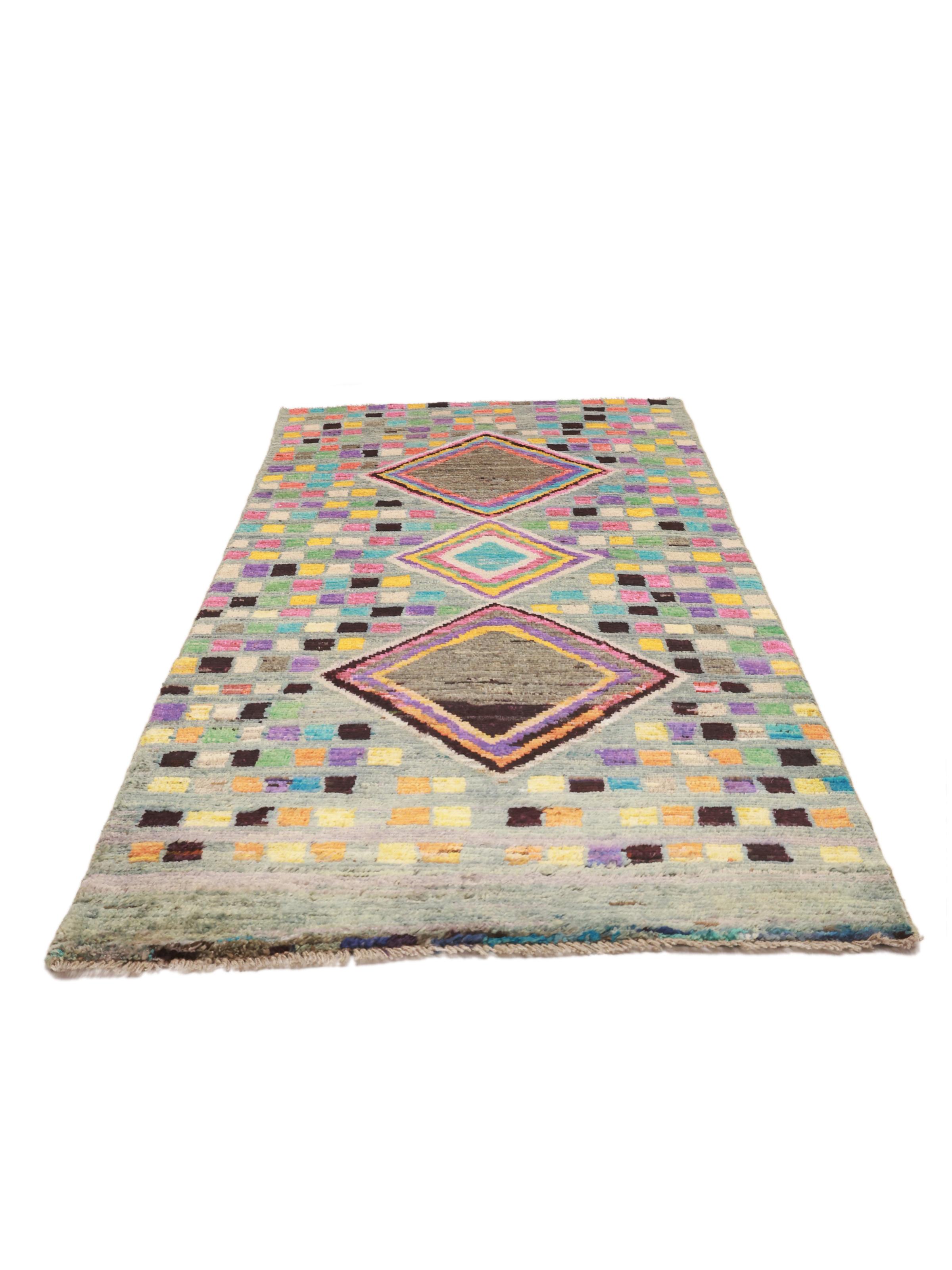
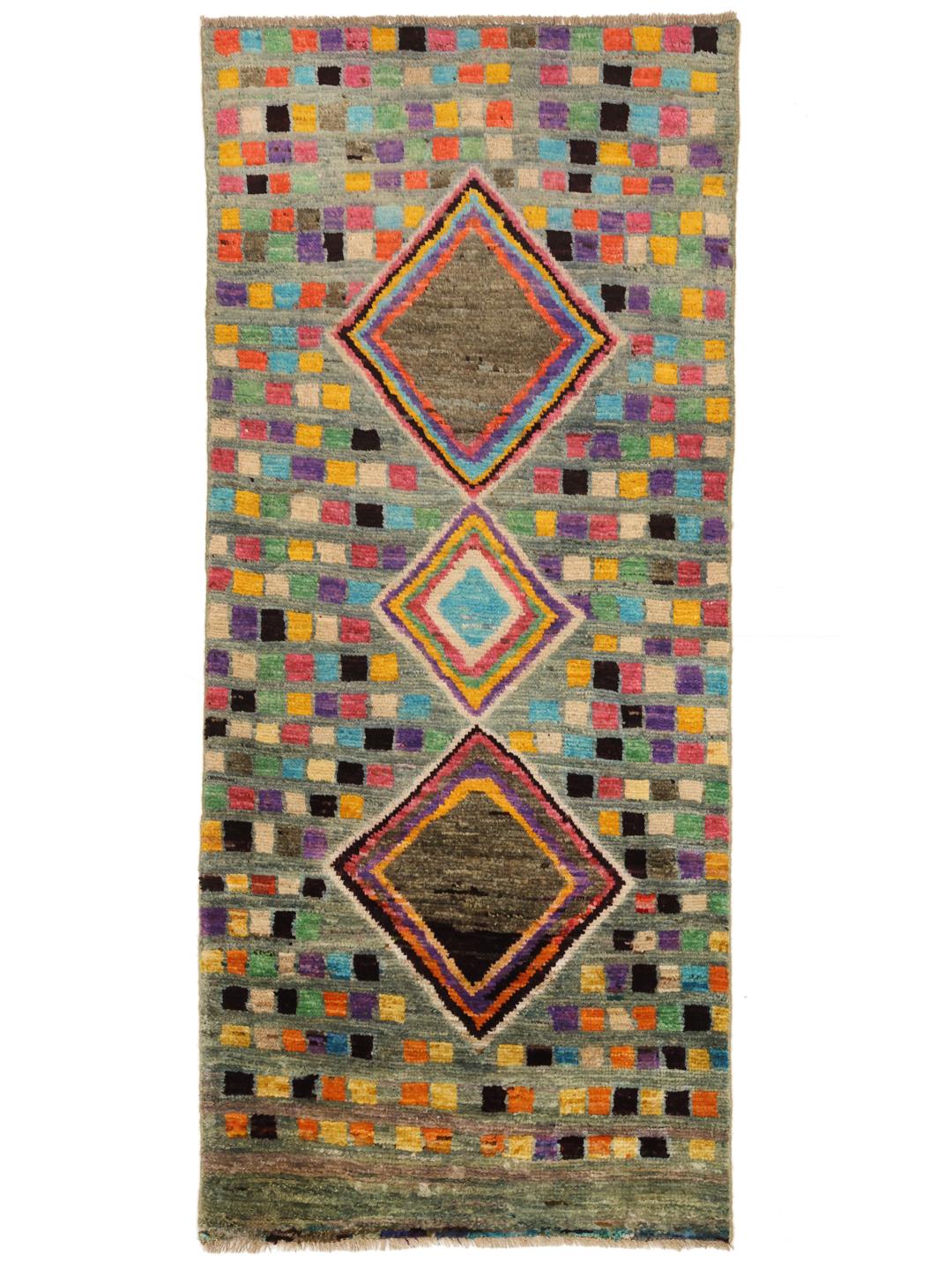
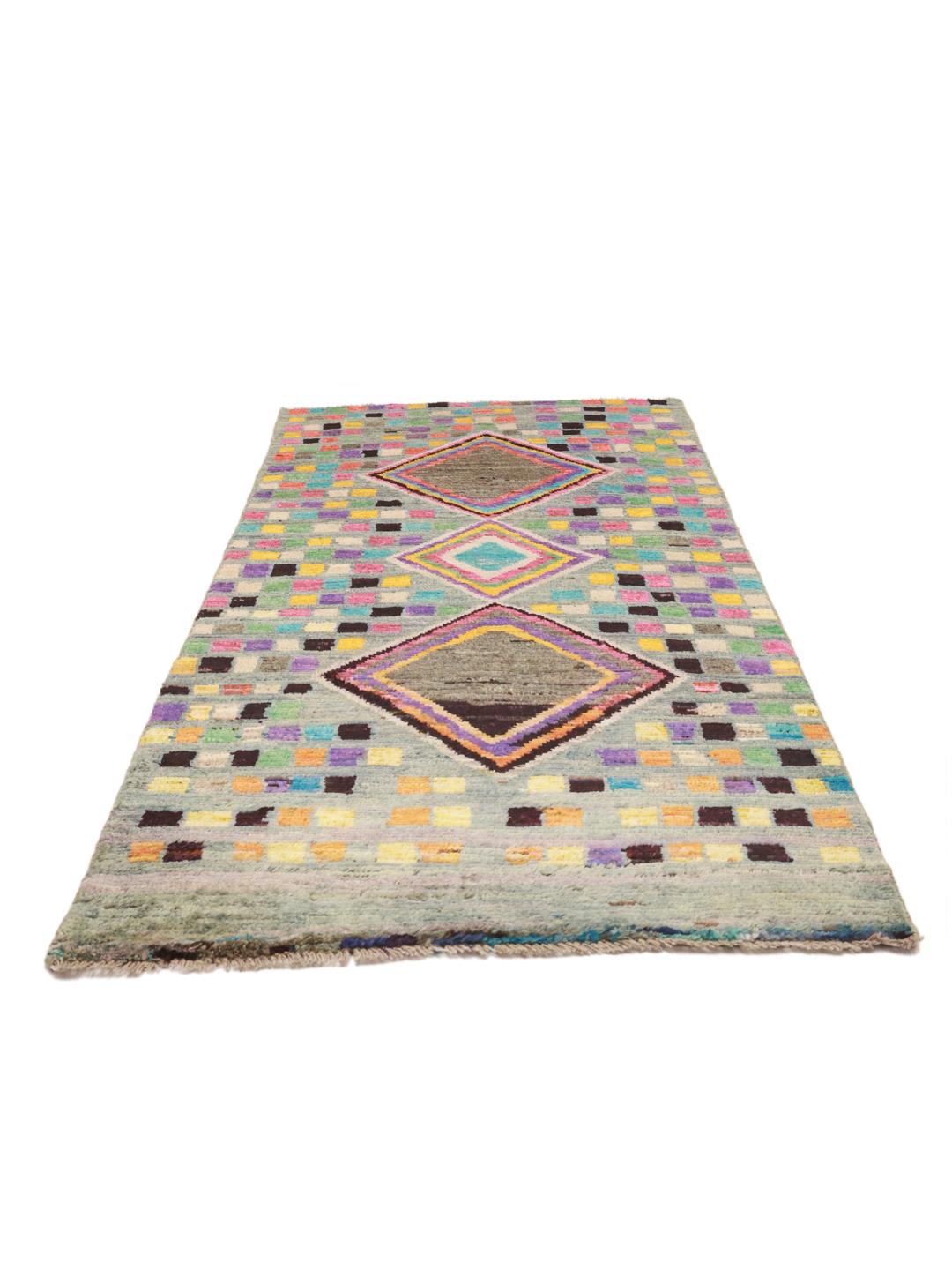
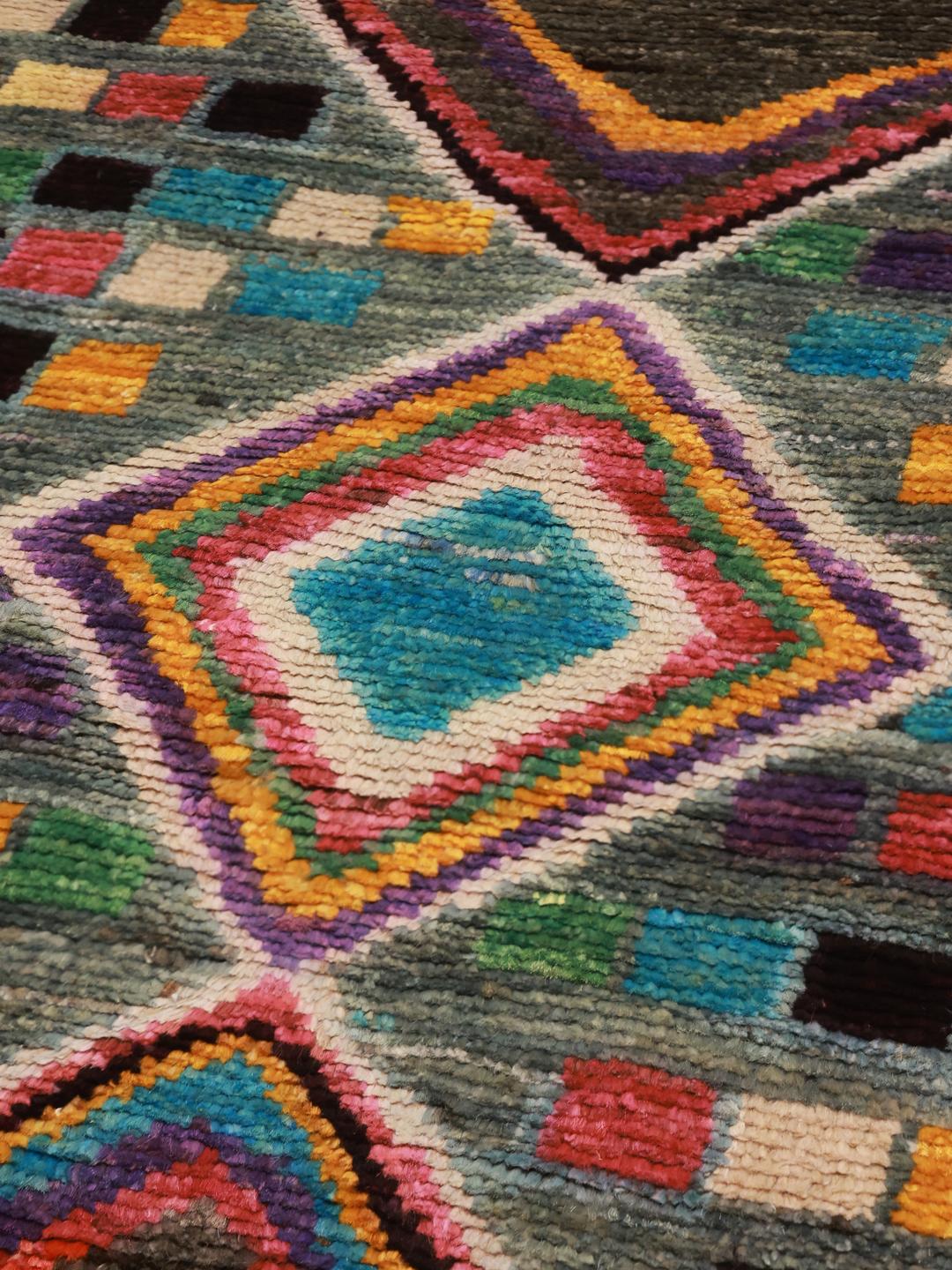
The visual language of this rug is deeply symbolic, often incorporating geometric shapes that have been passed down through generations. The diamond motif, in particular, is frequently used in traditional weaving to represent protection and ward off negativity. The vibrant, multi-coloured squares reflect a modern, playful evolution of these classic tribal designs.
Collecting a hand-knotted rug from this tradition is an investment in cultural heritage and human skill. These pieces are valued not only for their aesthetic appeal but for the way they connect the modern home to ancient, slow-paced methods of creation. Owning such a piece is a way to celebrate enduring craft and the beauty of the handmade object.