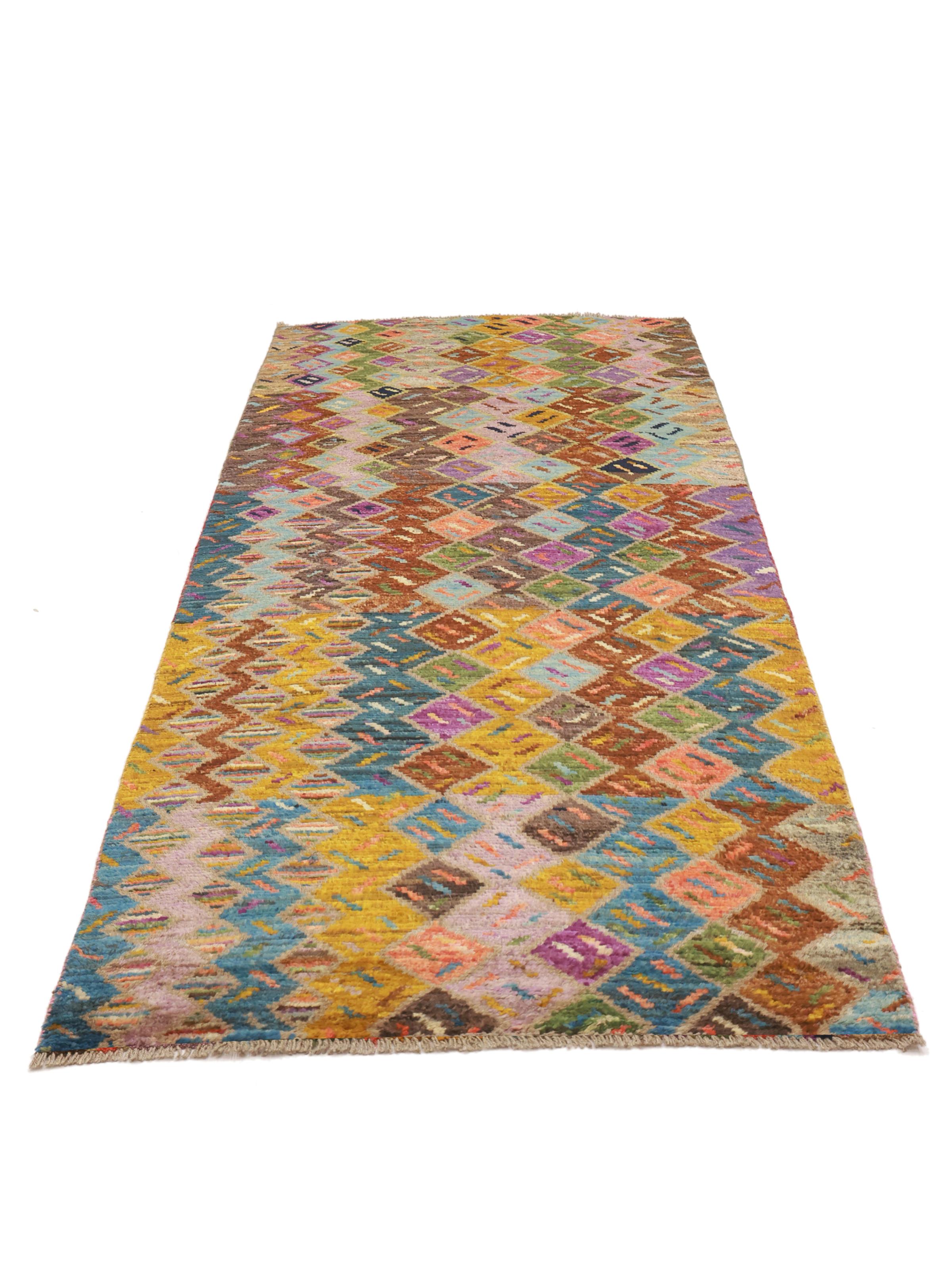
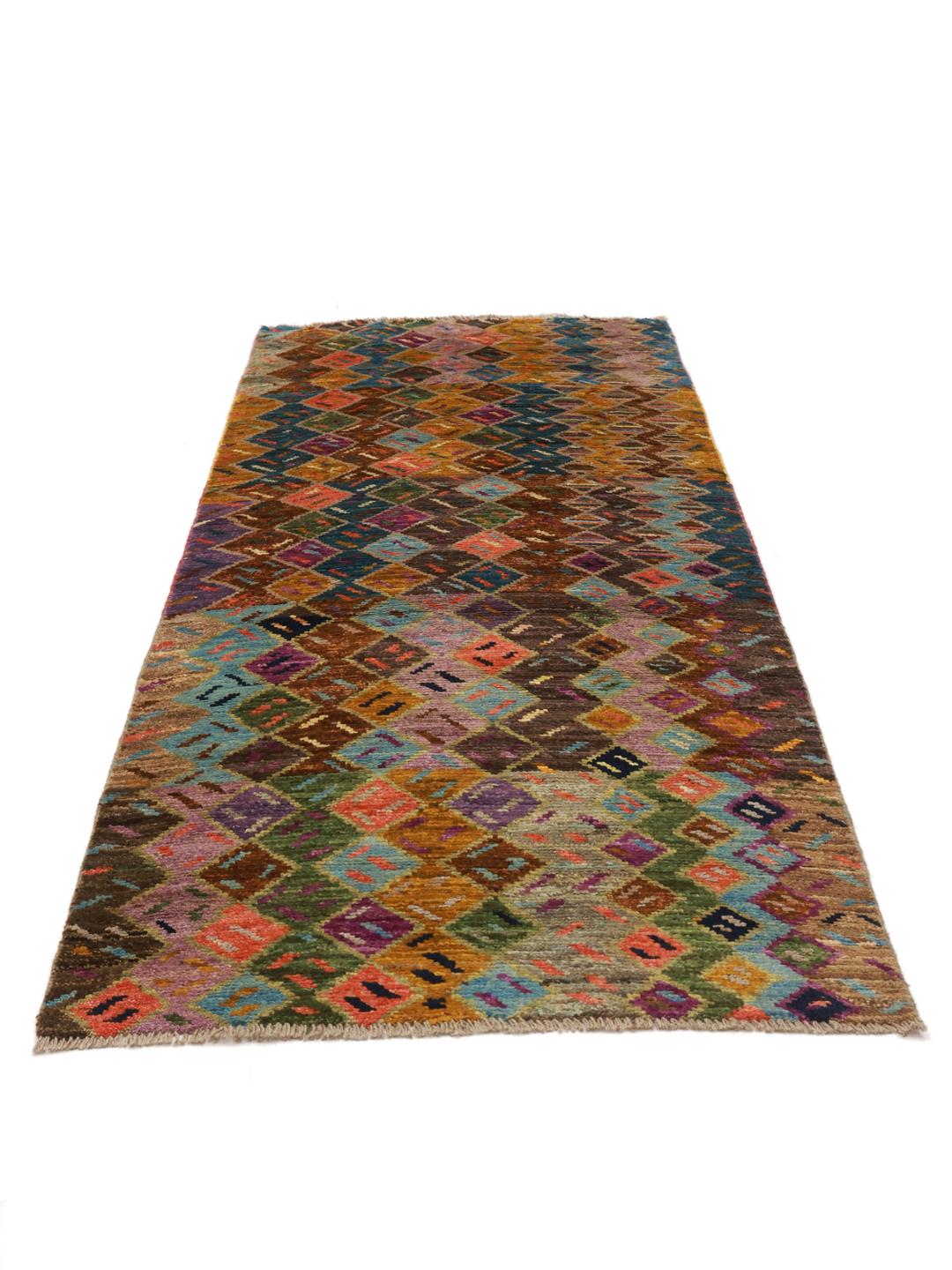
Berber-style rugs from Afghanistan represent a fascinating evolution of weaving traditions that have travelled across vast landscapes. While the term Berber is most famously associated with the indigenous tribes of North Africa, the style has been adopted and adapted by weavers in Afghanistan, who bring their own unique perspective and local wool-working techniques to the craft.
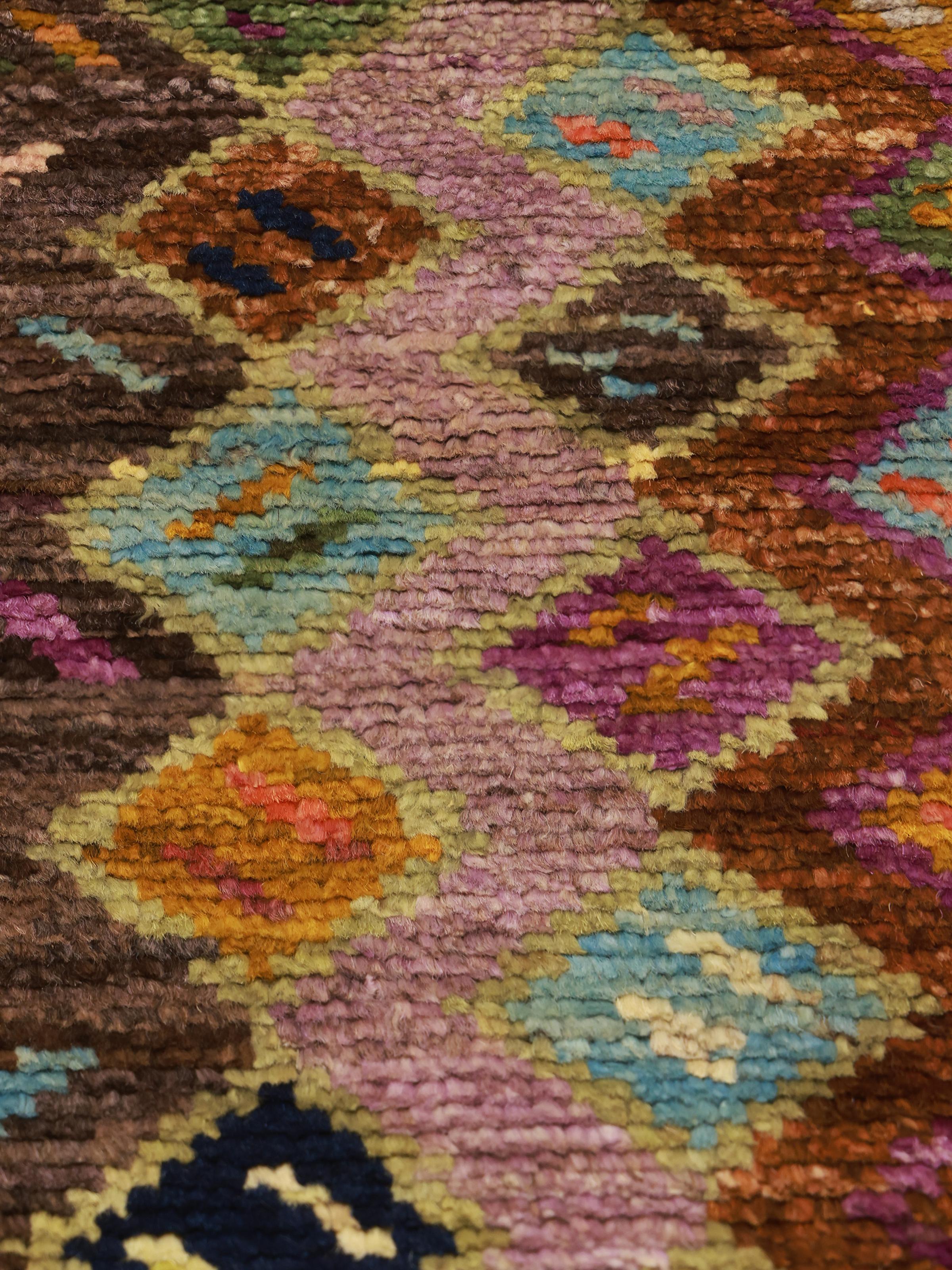
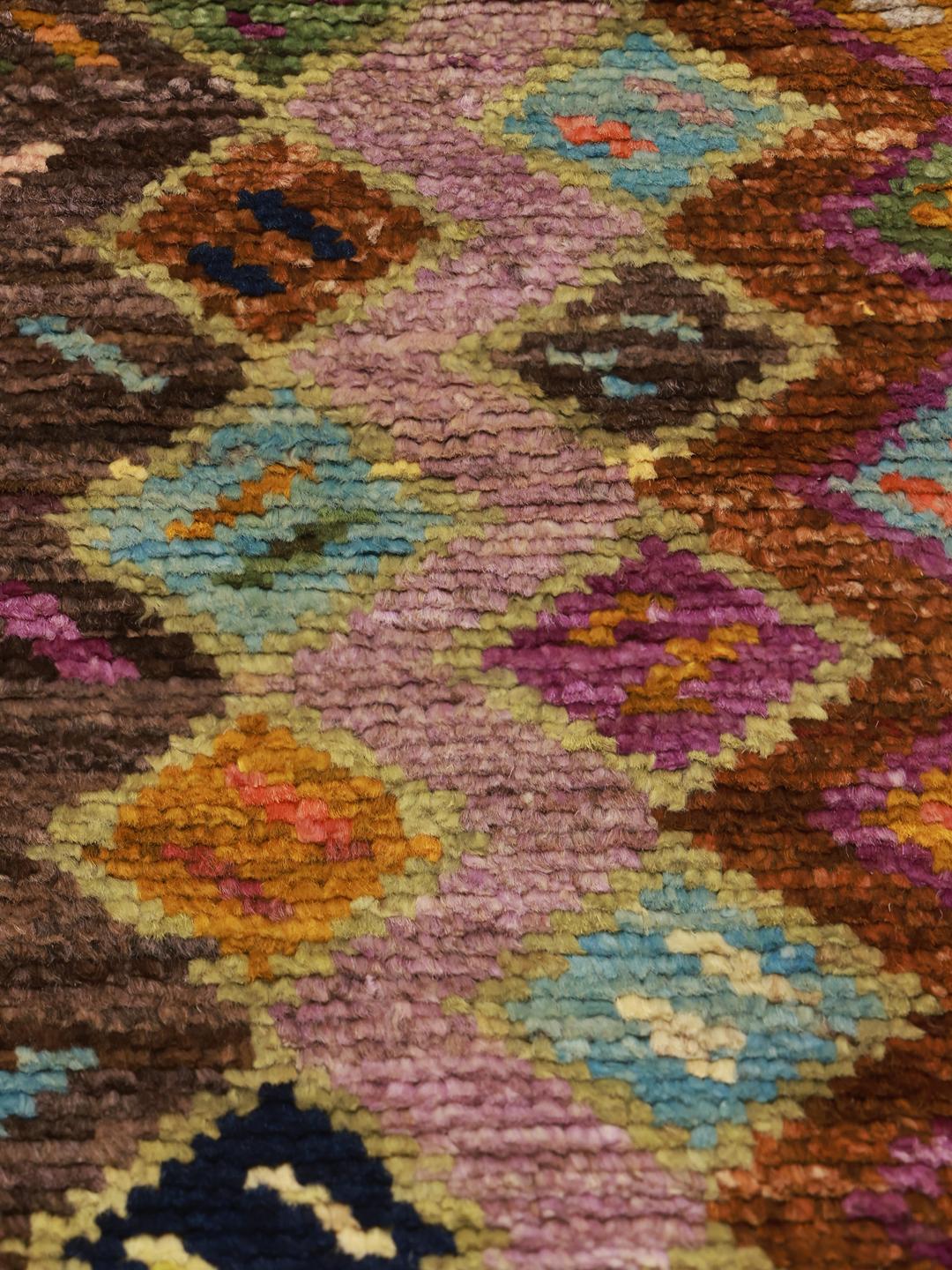
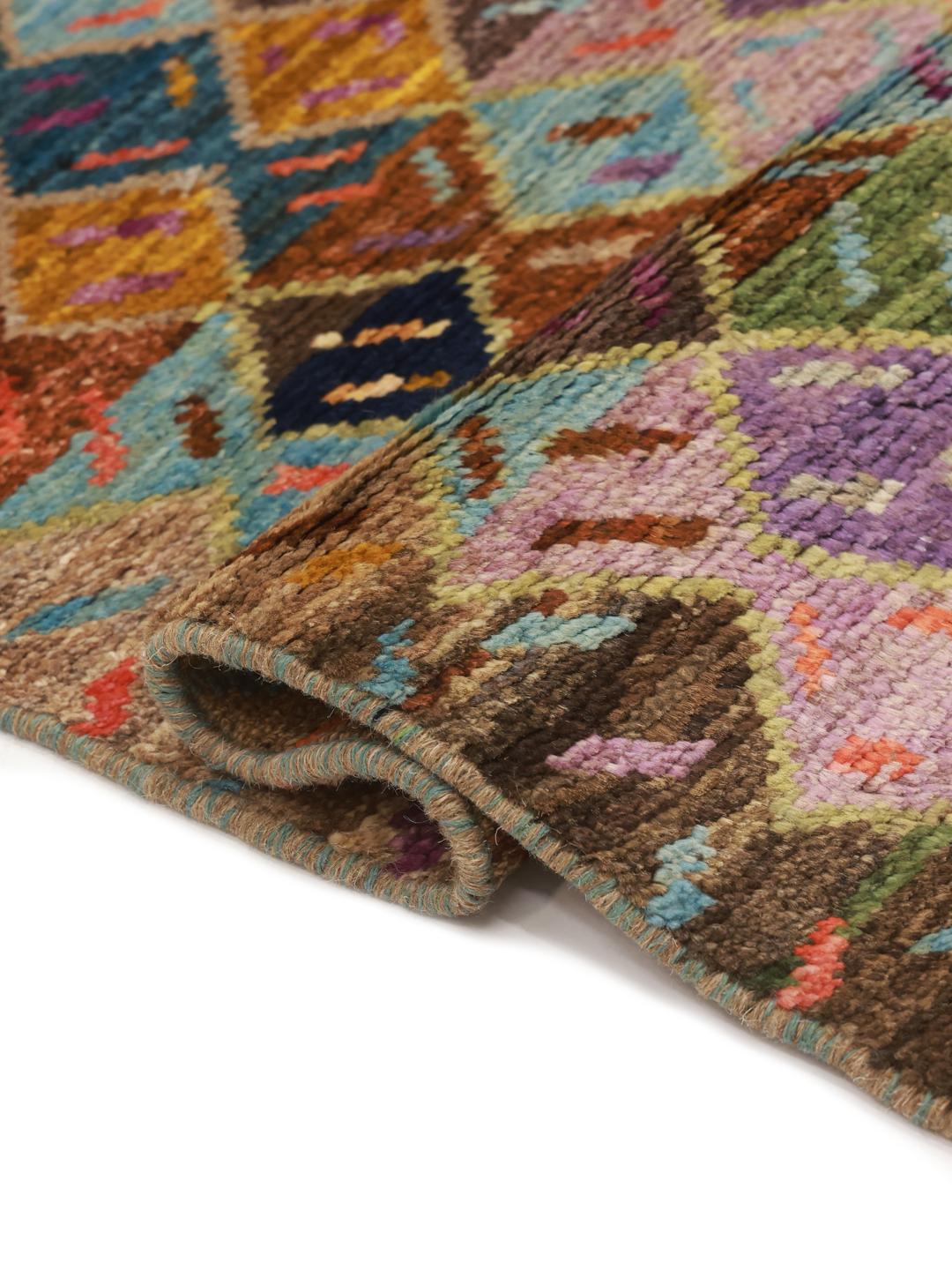
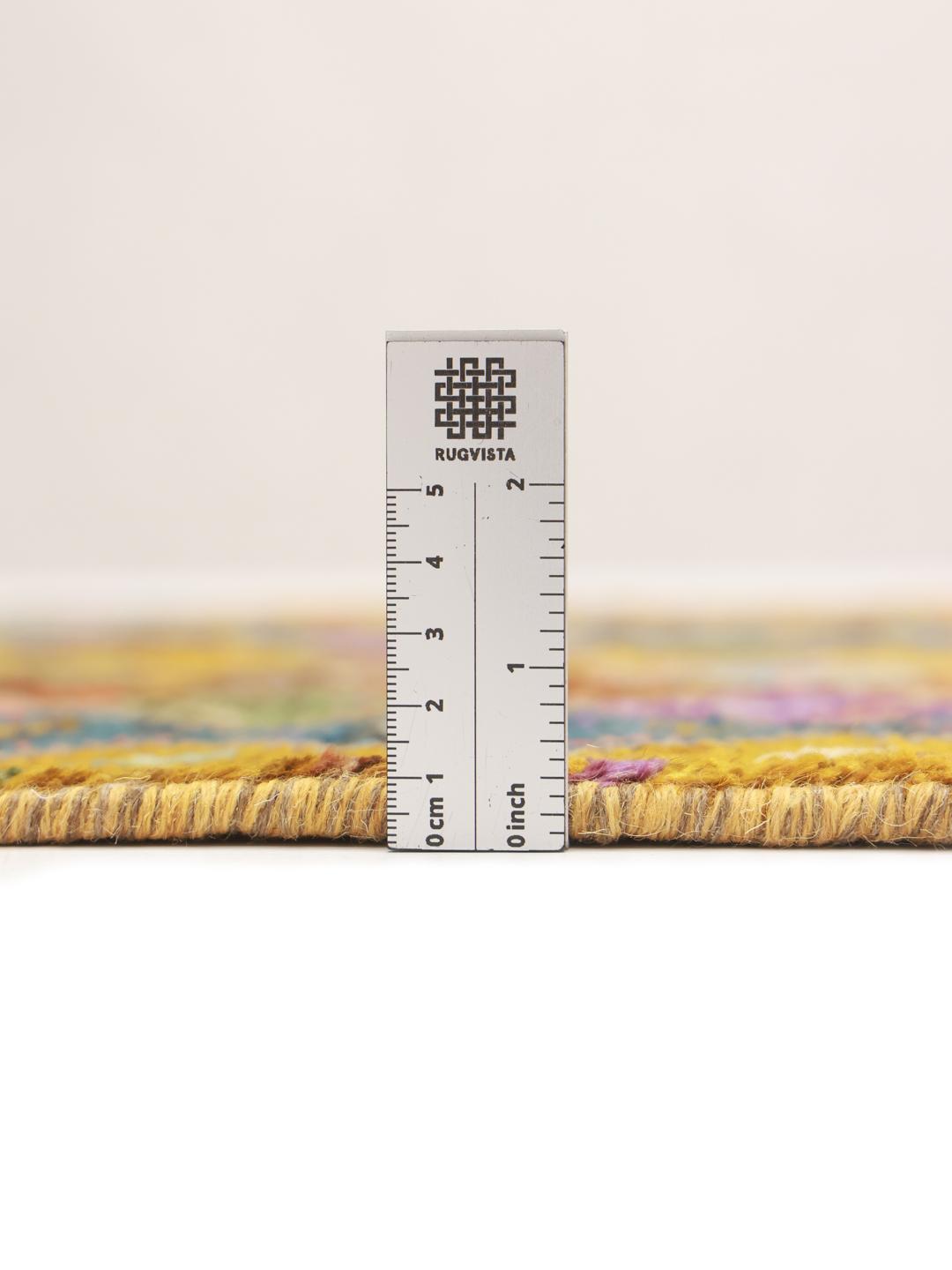
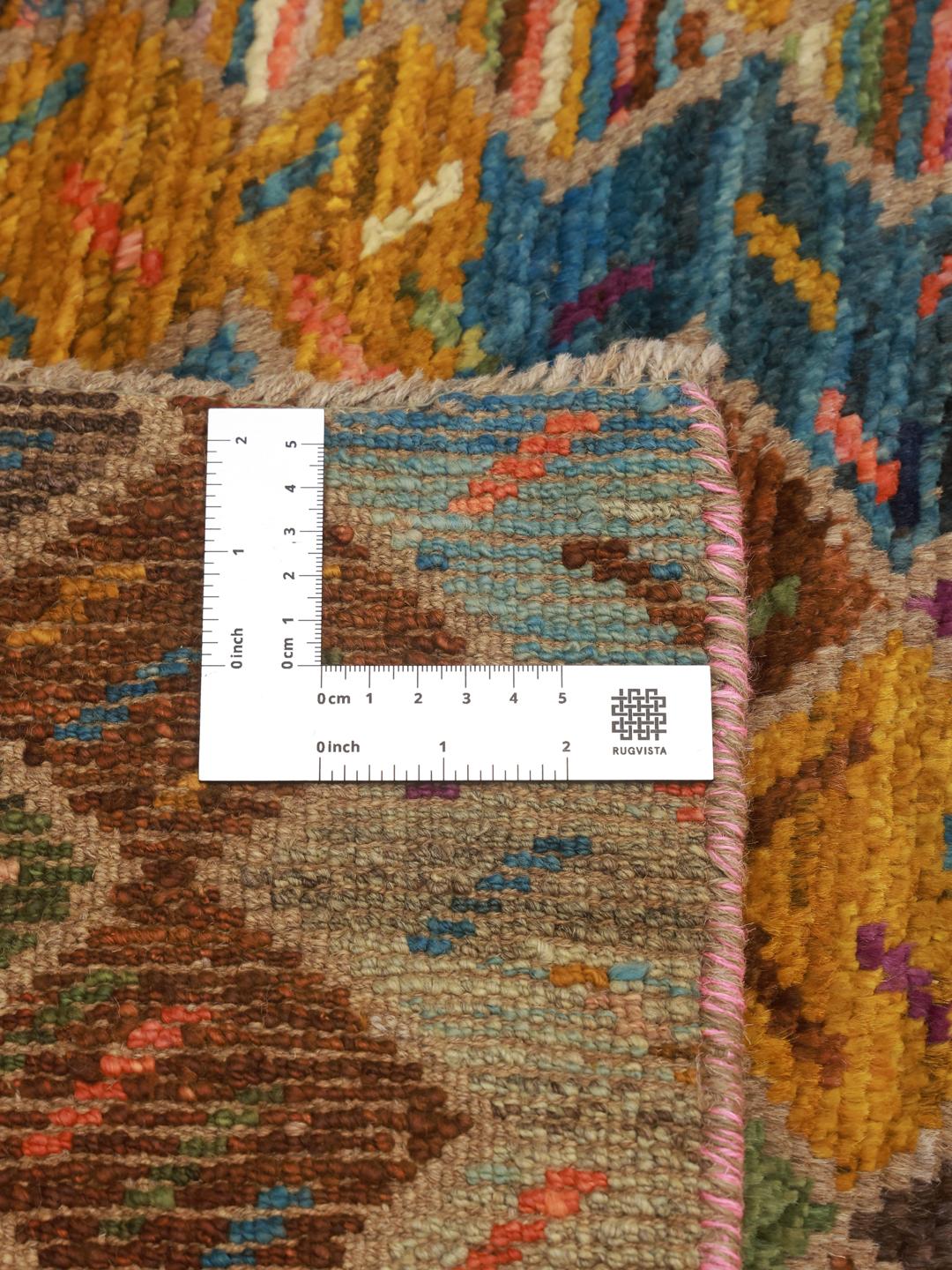
The construction of these rugs relies on traditional hand-knotting, a method that ensures a robust and long-lasting pile. This technique is vital because it creates a dense surface that can handle the rigors of daily life while allowing the vibrant, hand-dyed colours to remain brilliant and clear for decades.
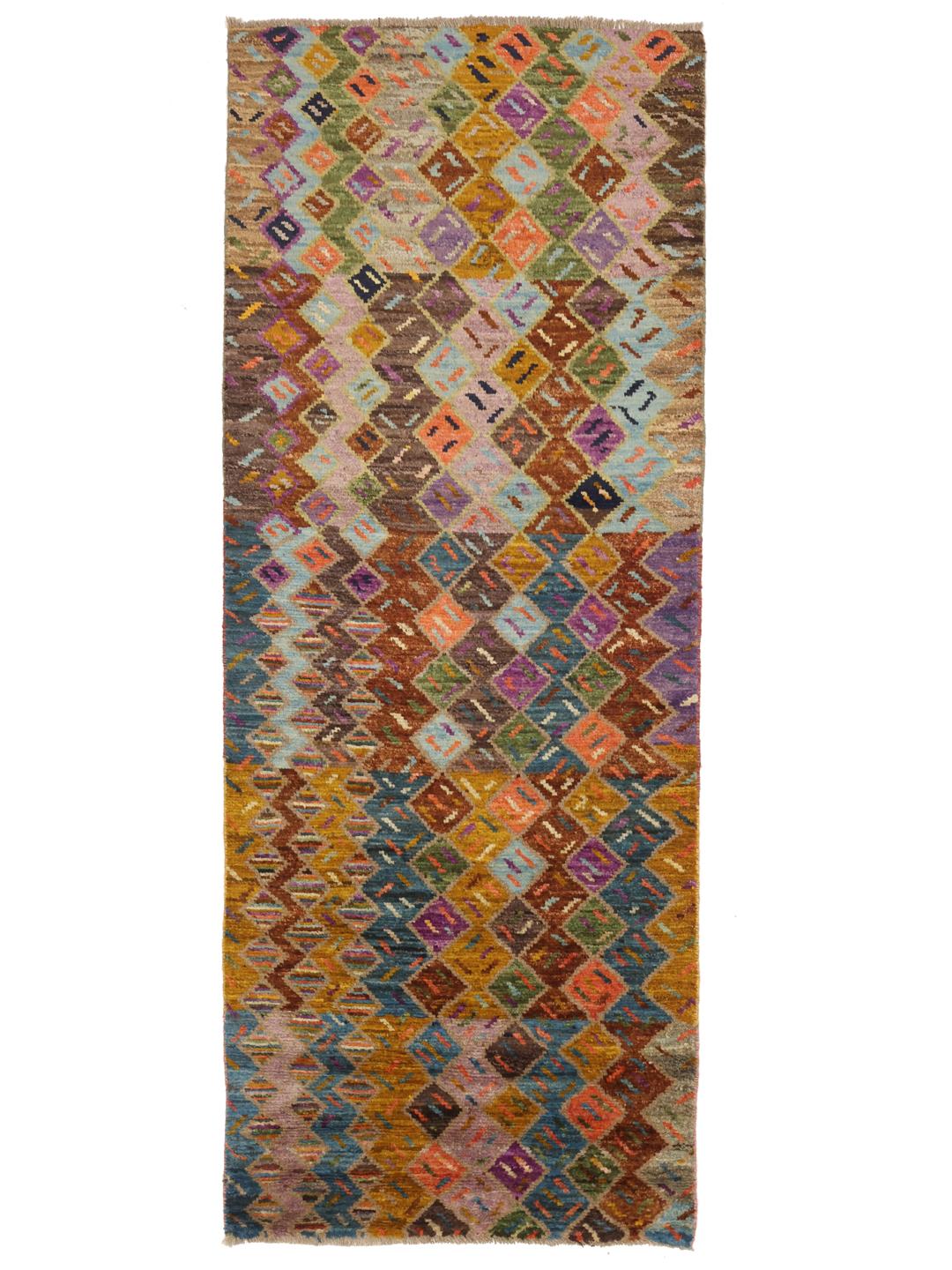
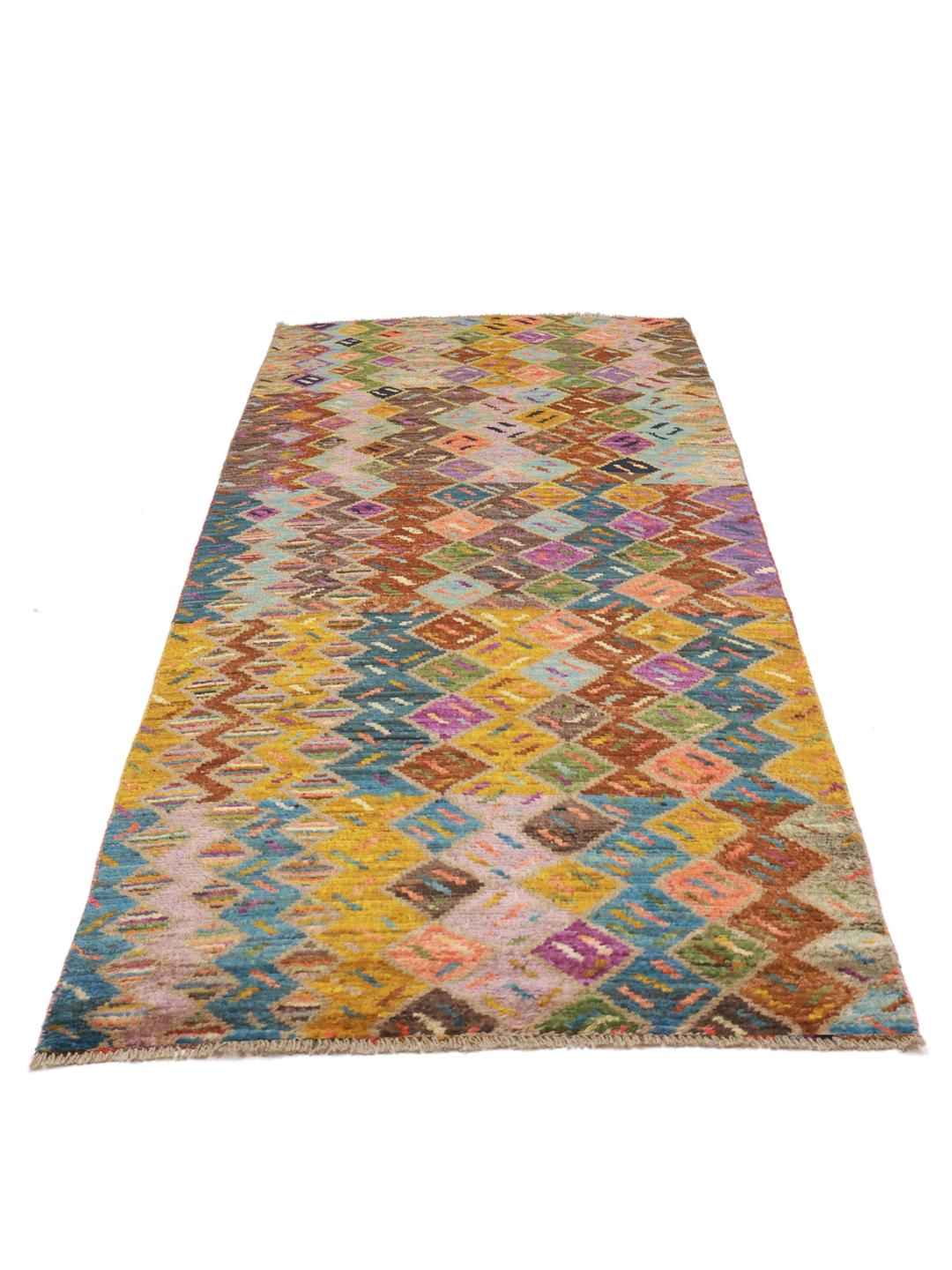
Visually, these rugs are defined by their bold, geometric motifs, such as the repeating diamonds seen here. These patterns are often symbolic, passed down through generations of weavers as a visual language. The use of varied, contrasting colours is a hallmark of this tradition, designed to bring vitality and warmth into homes, particularly in regions where the landscape might be stark.
Collecting a rug from this tradition is about more than just floor covering; it is about owning a piece of living history. By choosing a hand-knotted piece, you are supporting the continuation of an ancient craft that prizes individual expression and human skill over mass production, ensuring that this cultural heritage continues to thrive.