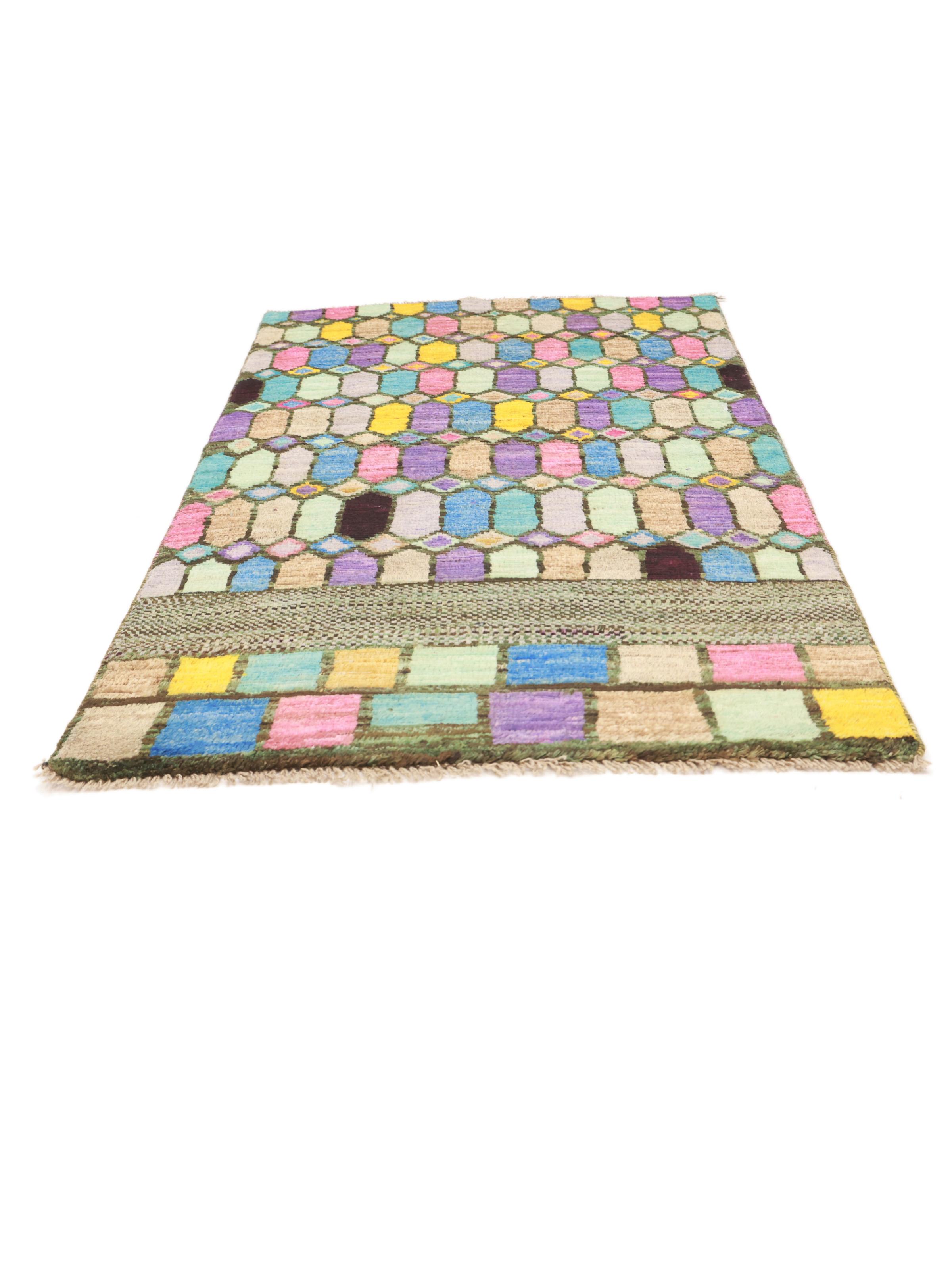
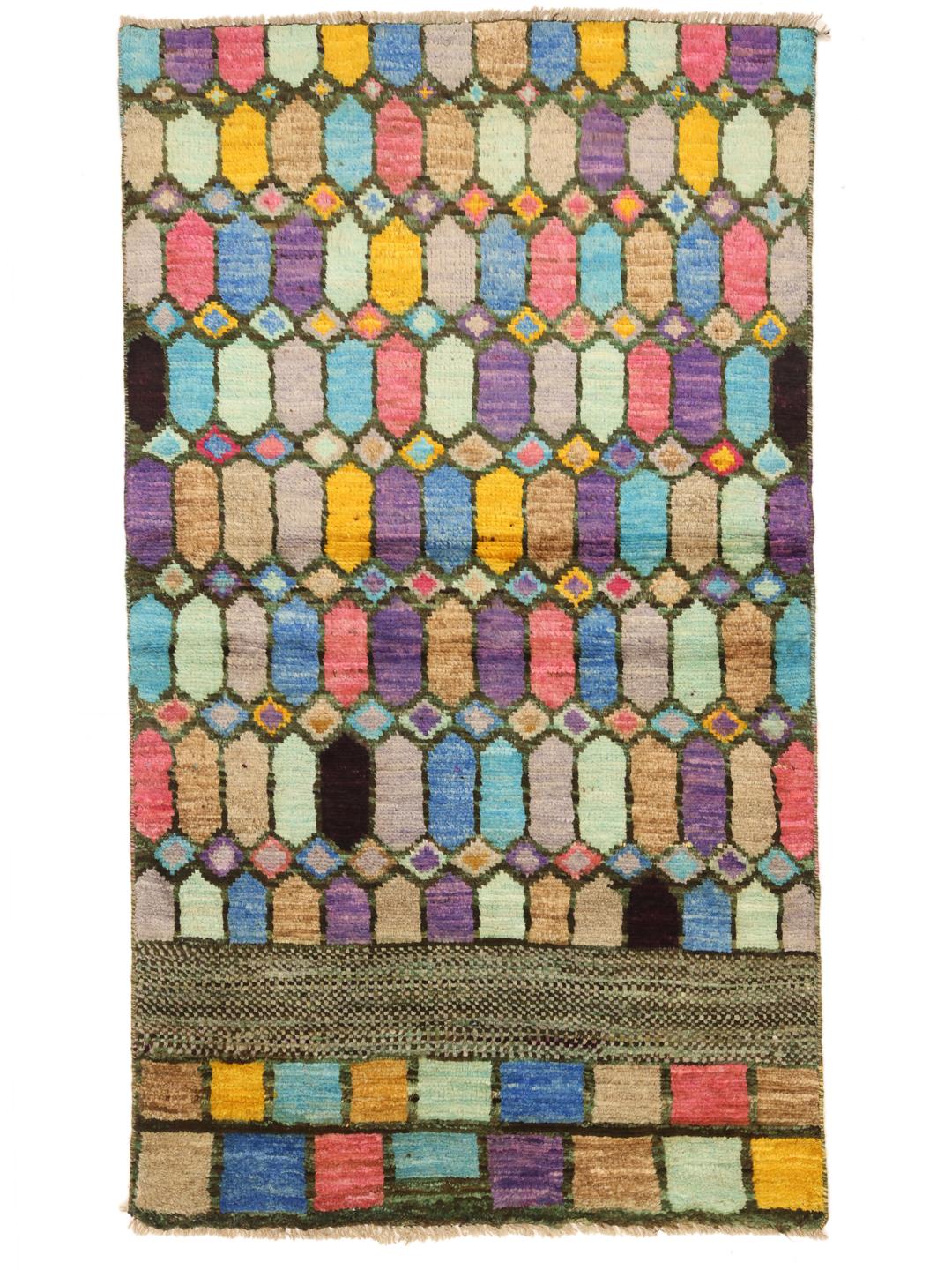
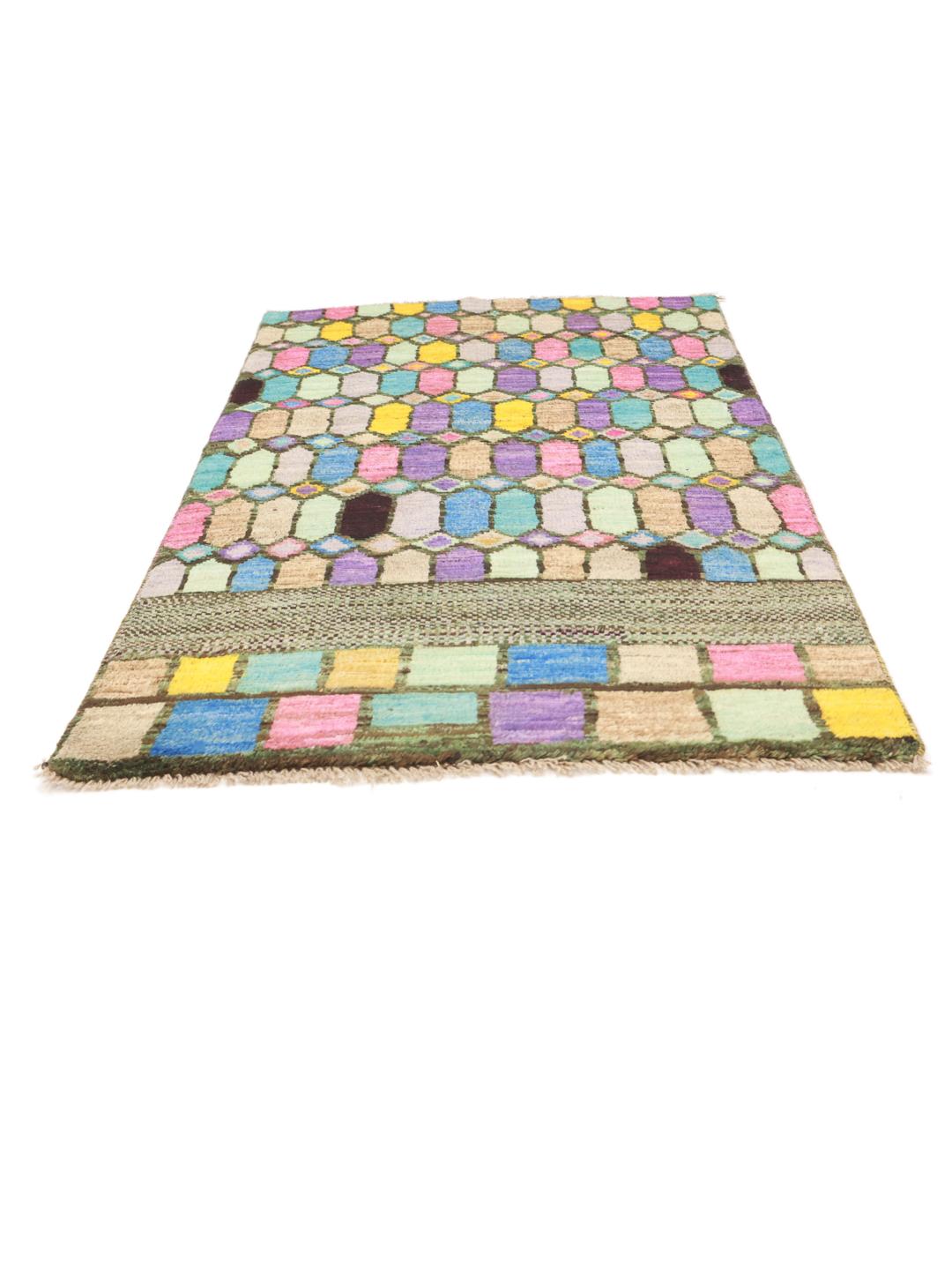
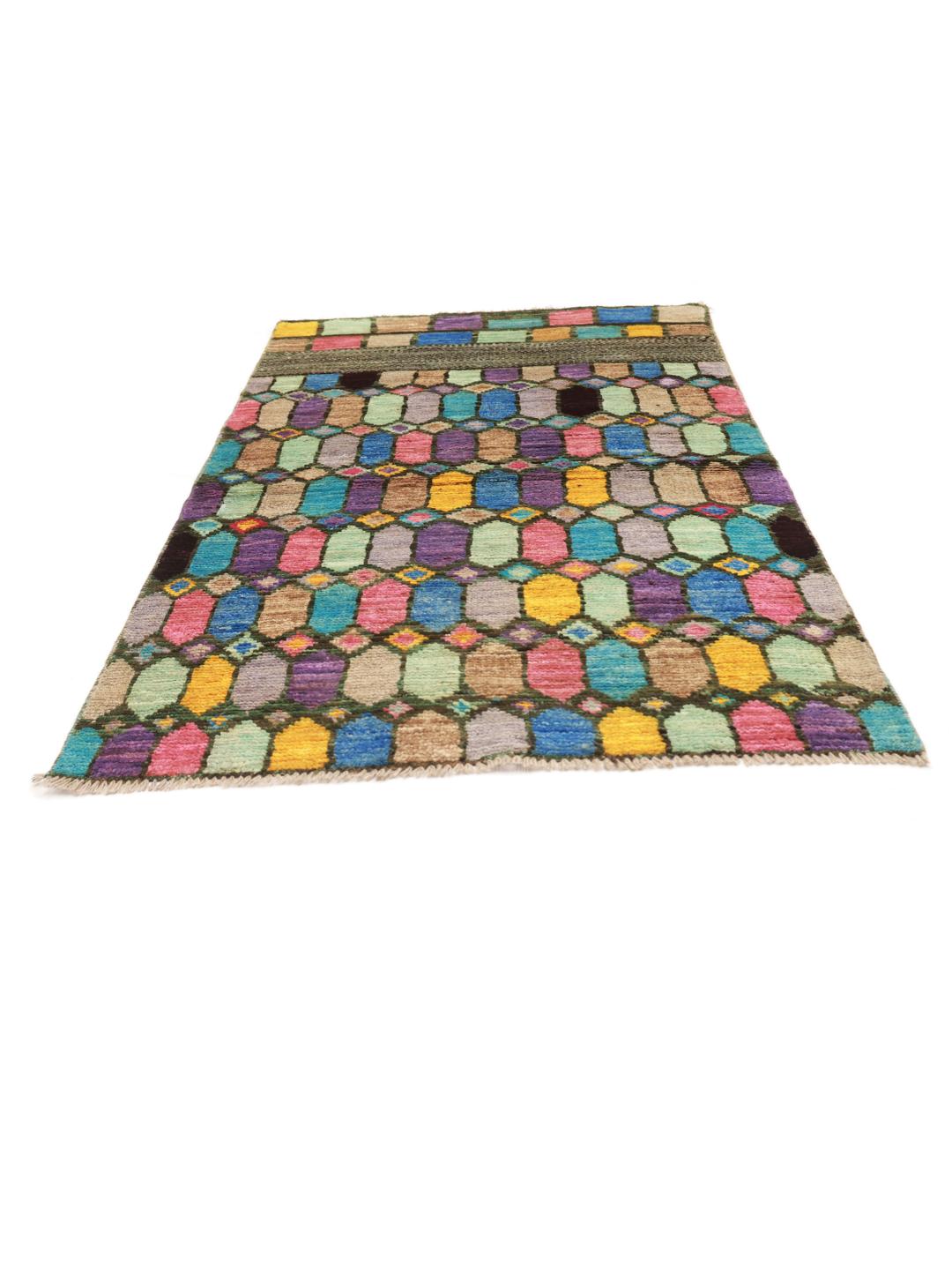
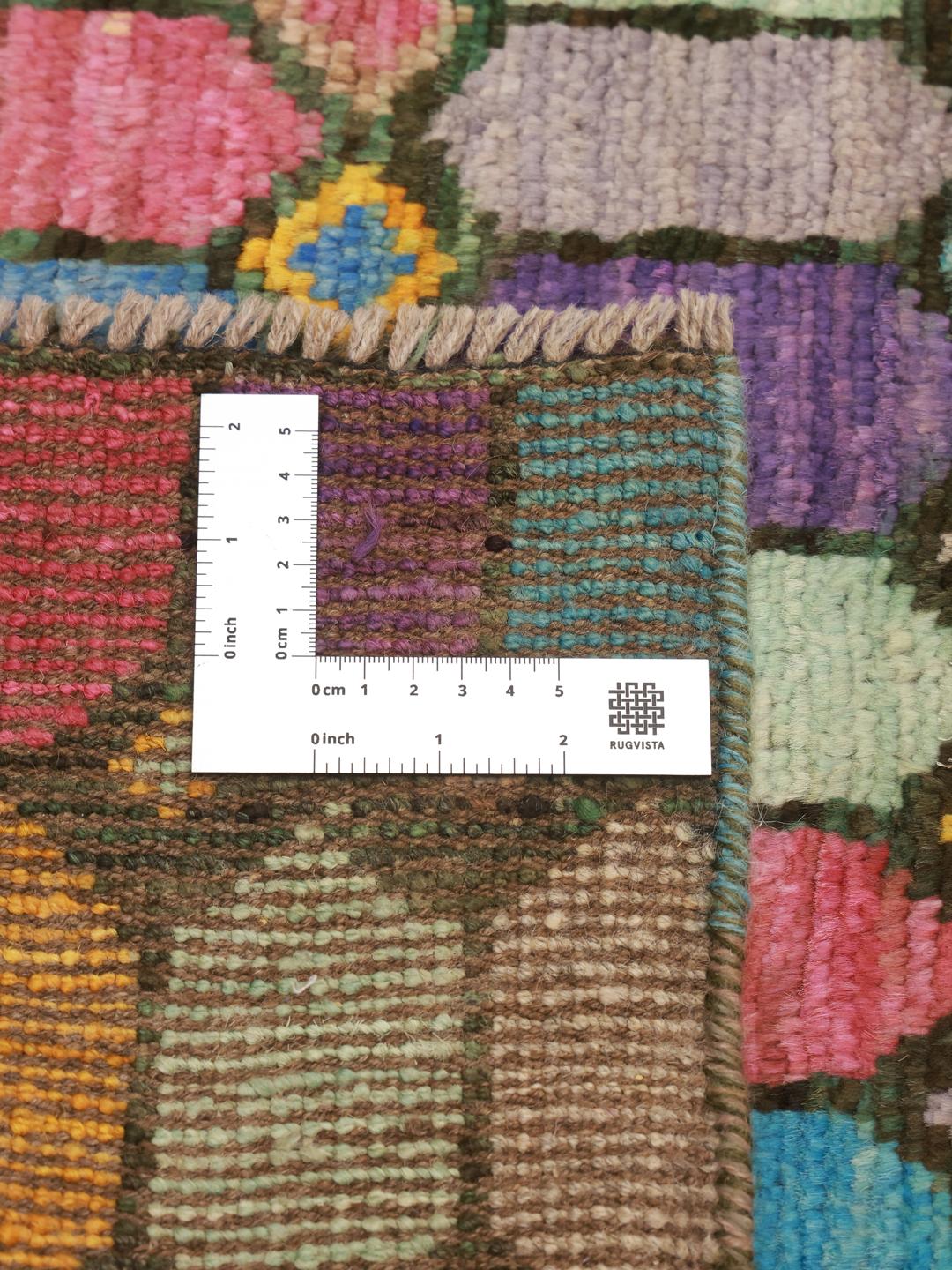
The term Berber, while rooted in the North African traditions of the indigenous Amazigh people, has evolved to describe a distinctive style of hand-knotted rugs celebrated for their warm, shaggy piles and spontaneous, geometric aesthetics. Today, this style has found a vibrant new home in the weaving communities of Afghanistan, where artisans bring their own local expertise and cultural heritage to these classic designs.
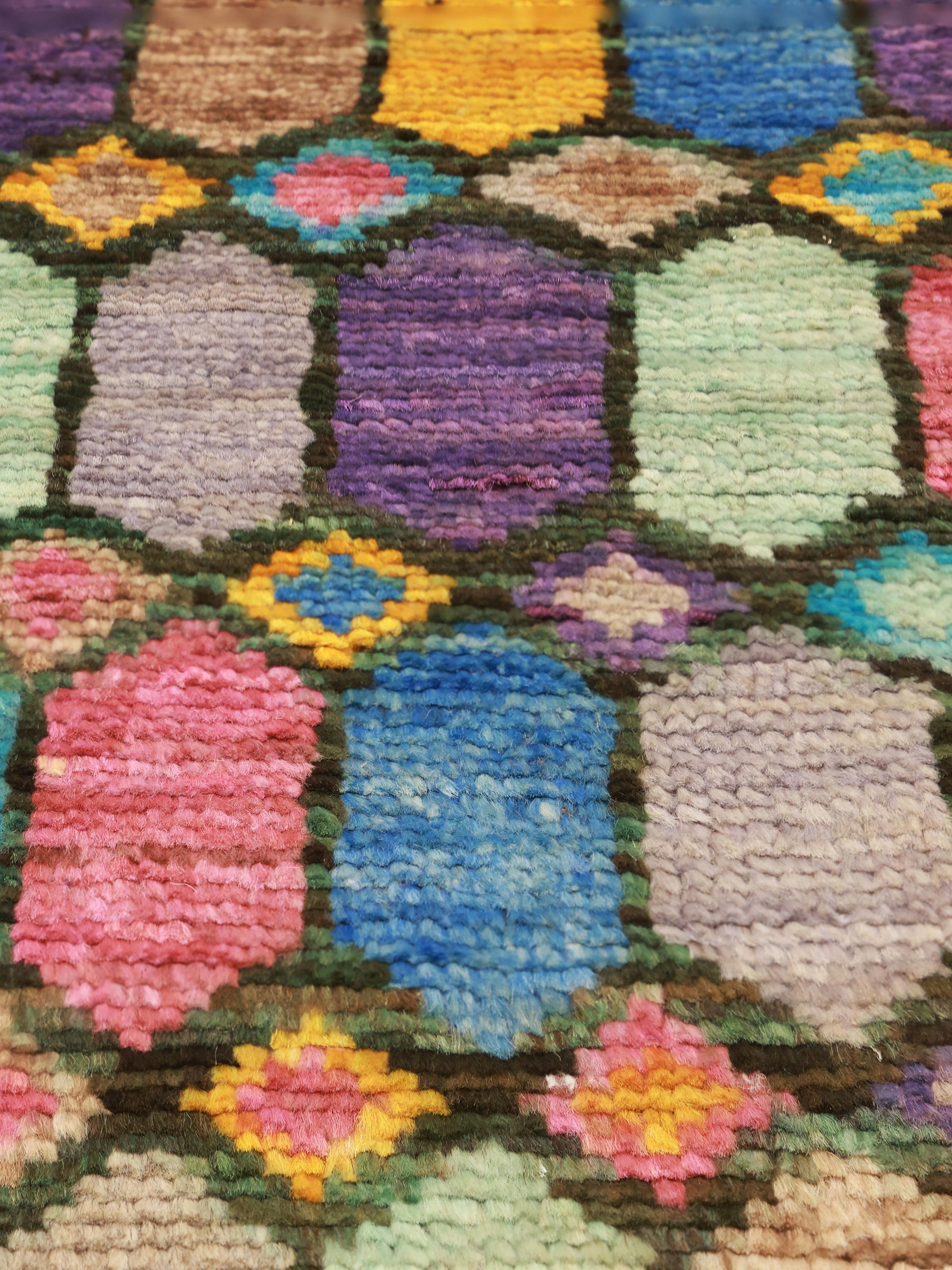
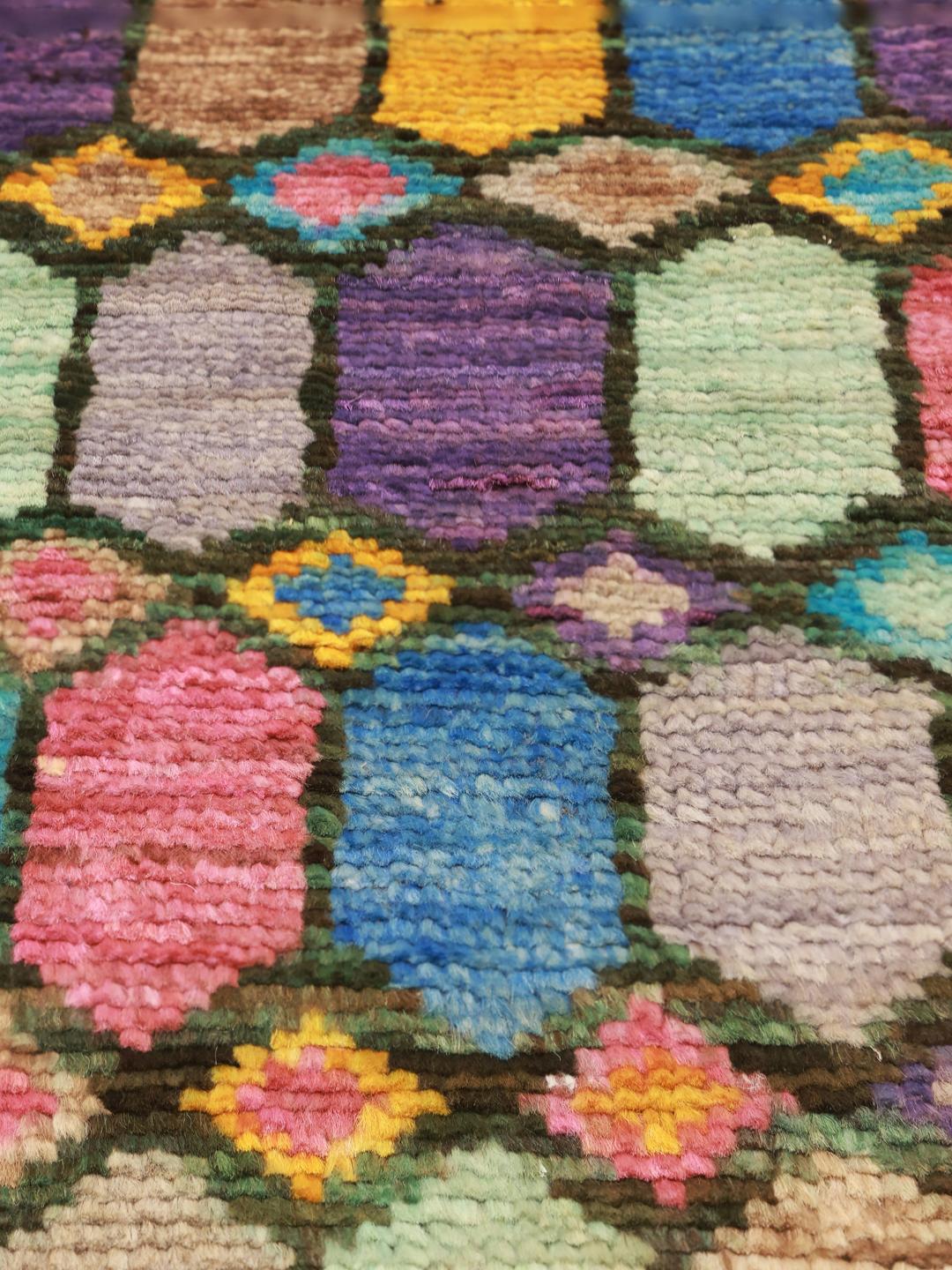
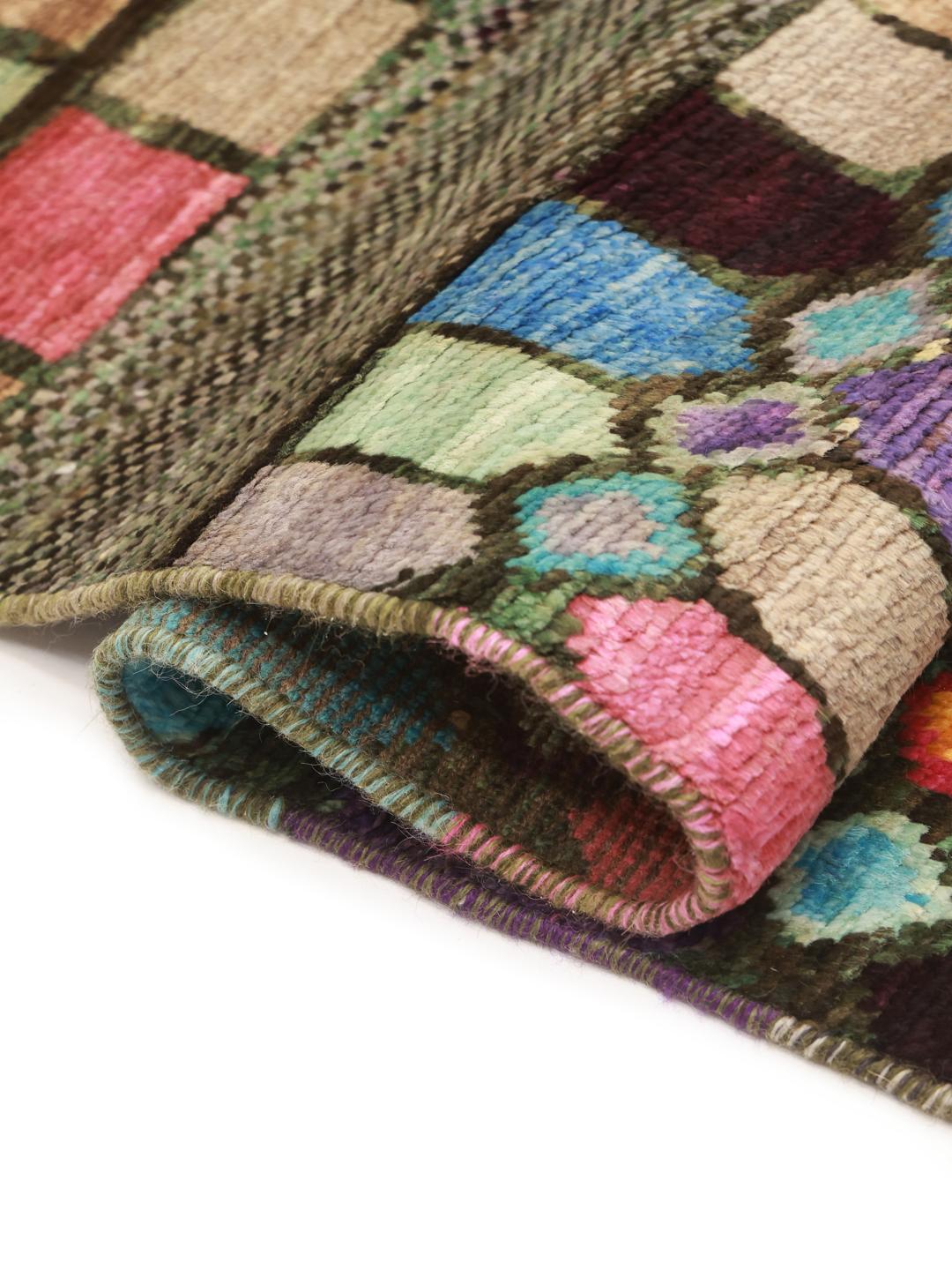
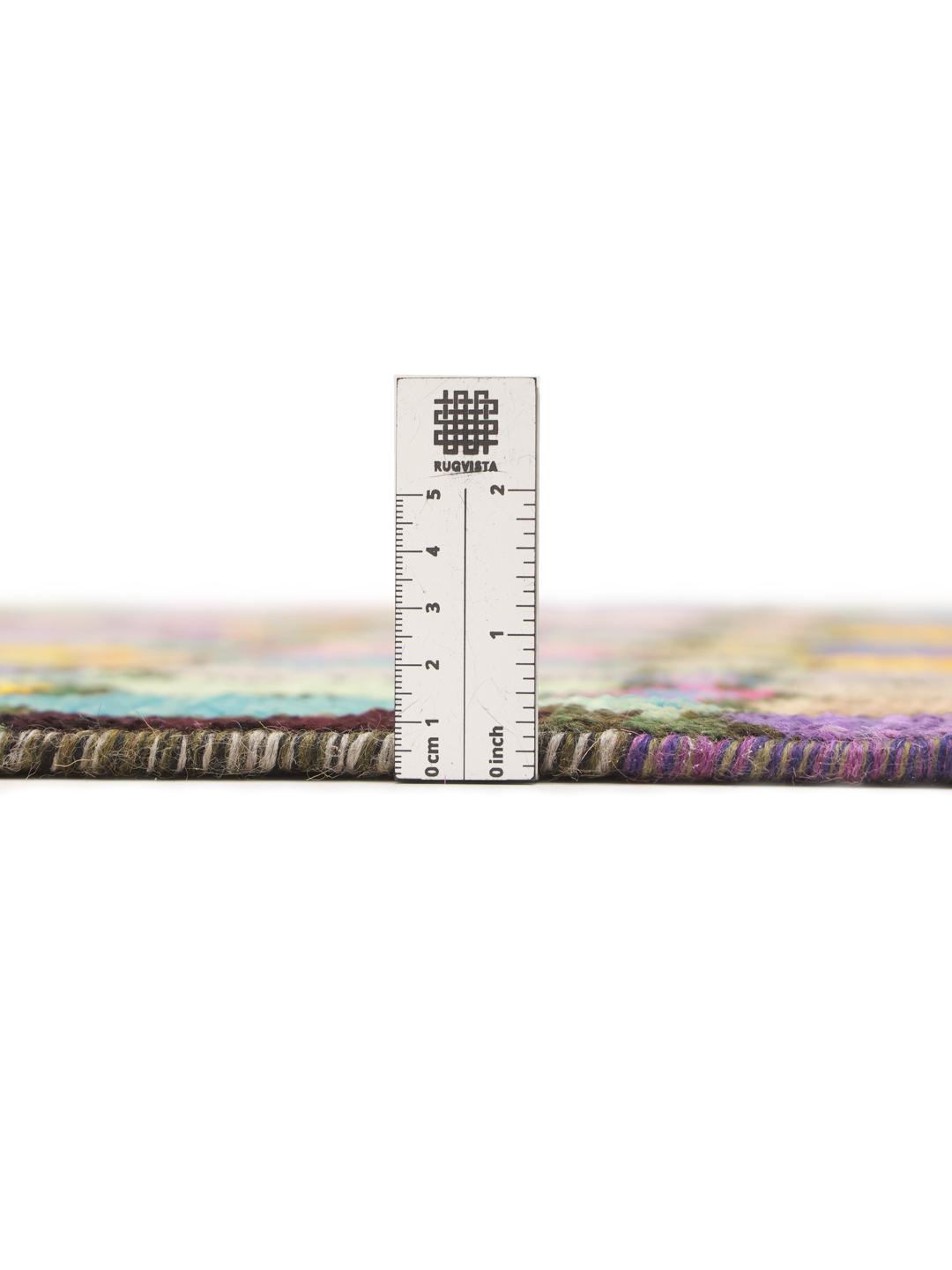
The craftsmanship behind these rugs is defined by the use of high-quality wool, which is often left in its natural state or dyed with rich, earthy pigments. The construction is typically characterised by a high-pile, hand-knotted technique that creates a dense and long-lasting surface. This method is highly valued because it results in a rug that is not only soft to the touch but also incredibly resilient against wear and tear.
Visually, these rugs are known for their bold, abstract, and geometric motifs. Traditional designs often incorporate symbols of protection, fertility, and nature, arranged in ways that feel both structured and free-spirited. The vibrant use of colour in this specific rug is a testament to the weaver's creative freedom, departing from more muted palettes to offer something truly energetic and contemporary.
Owning a hand-knotted rug of this tradition is an investment in cultural history and human skill. Because these pieces are made by hand, they carry the unique signature of the person who created them, making them highly sought after by collectors who value authenticity. When you bring one of these rugs into your home, you are continuing a long-standing tradition of artistry that connects your space to a global heritage.