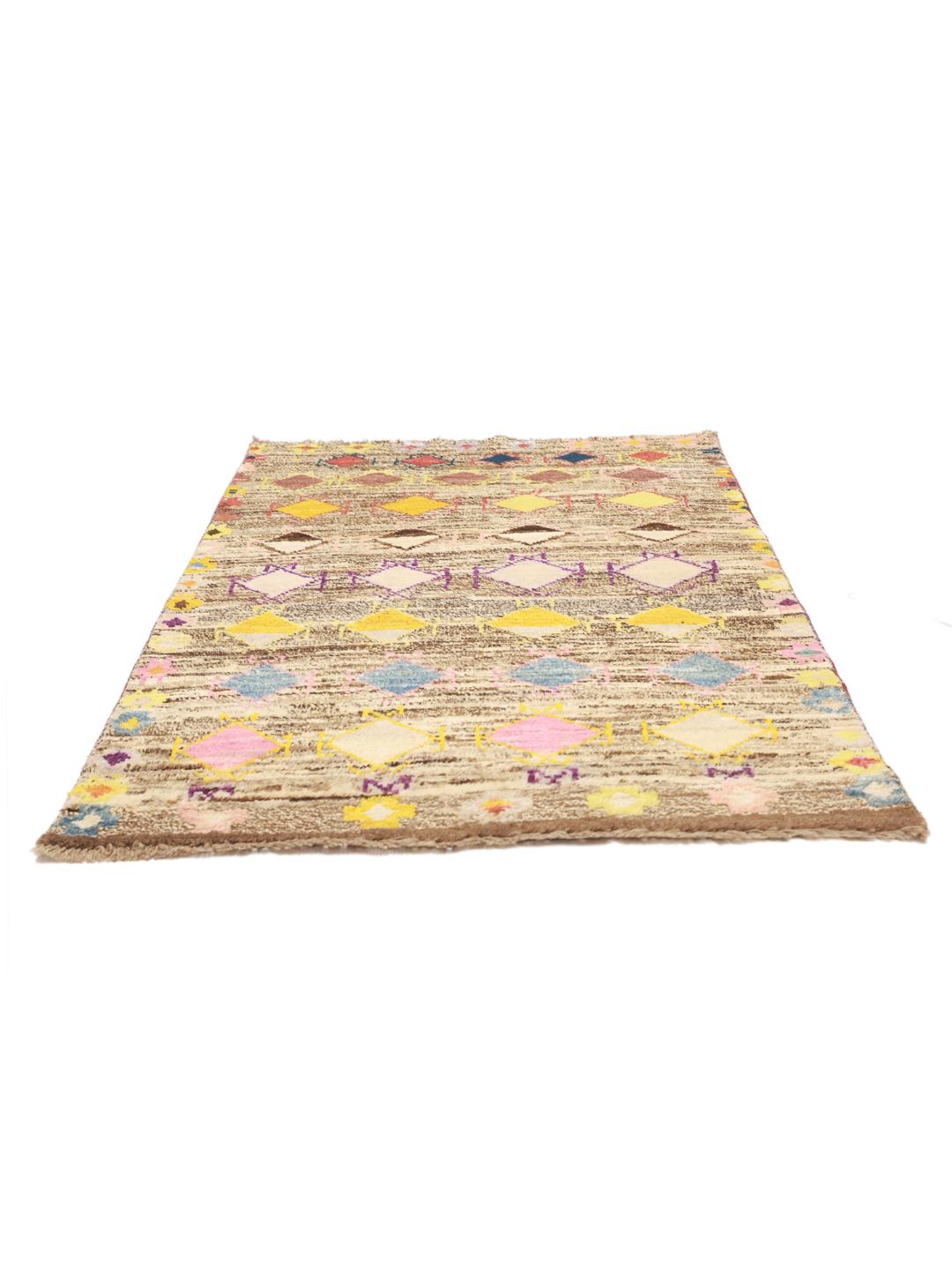
The Berber tradition, while historically associated with the nomadic tribes of North Africa, has seen a fascinating evolution as its distinct aesthetic moved across regions. Today, some of the most compelling examples of this style are crafted in Afghanistan, where local artisans have embraced the geometric, minimalist language of Berber design and infused it with their own unique regional flair and exceptional wool-working skills.
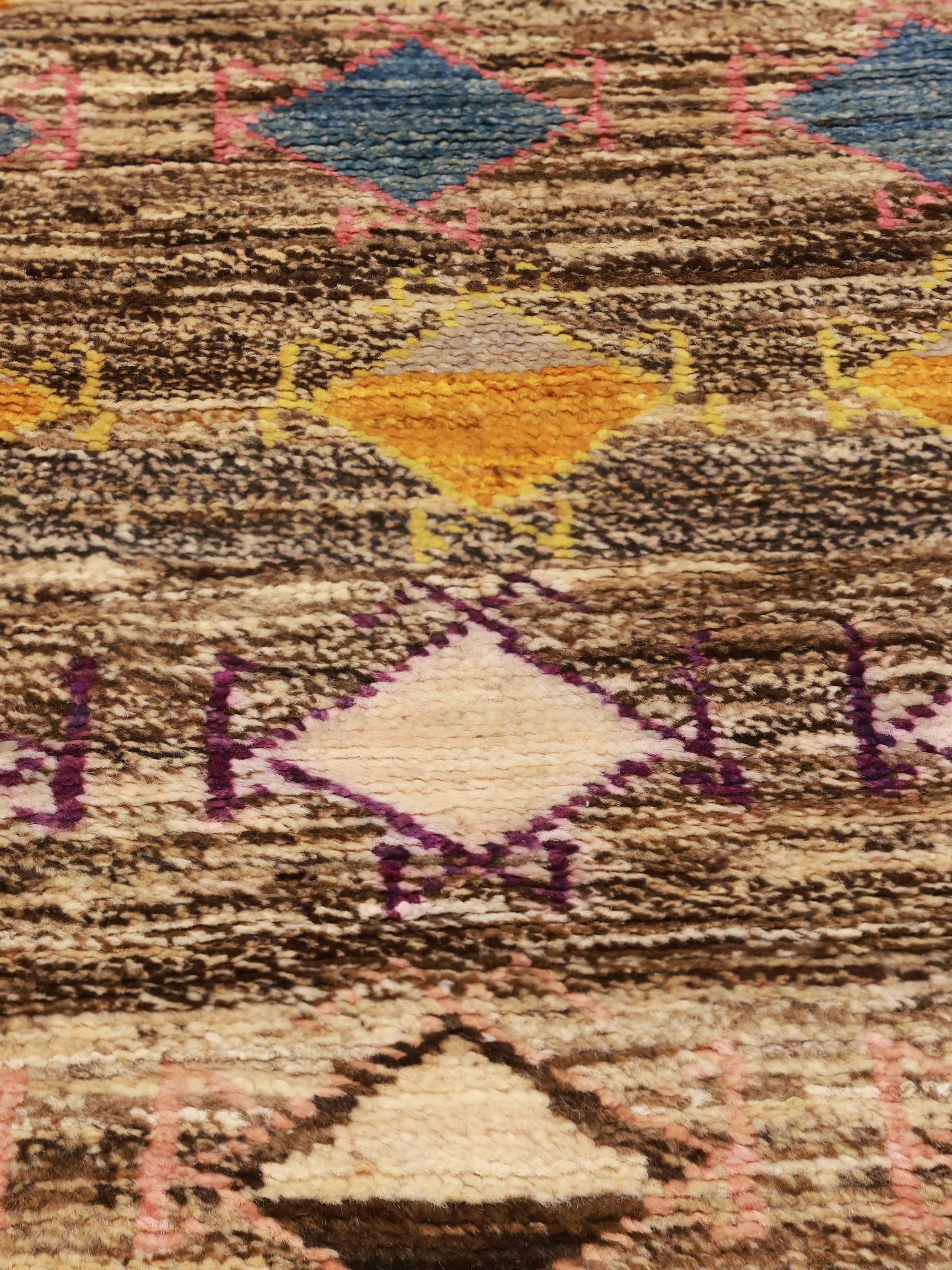
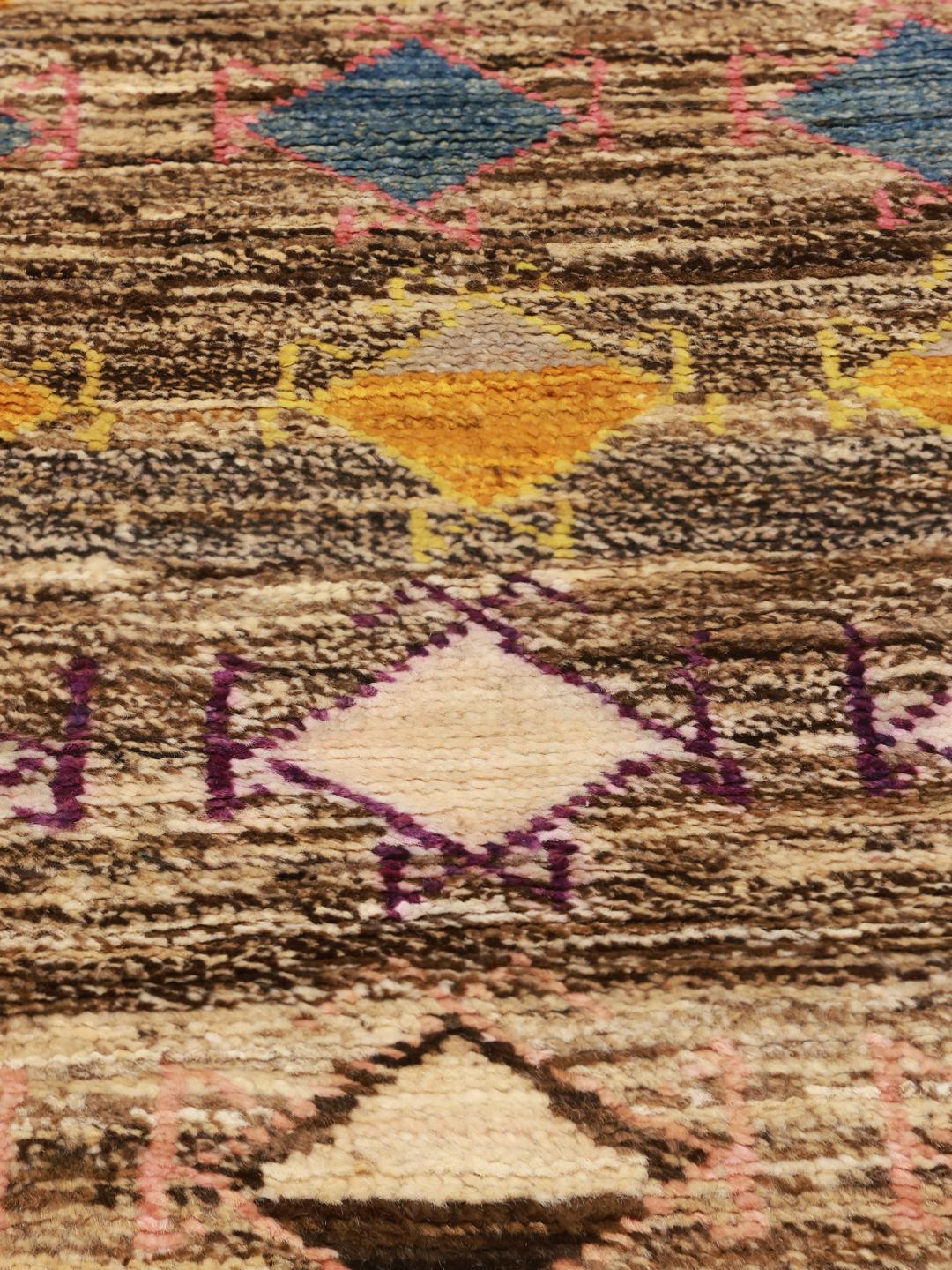
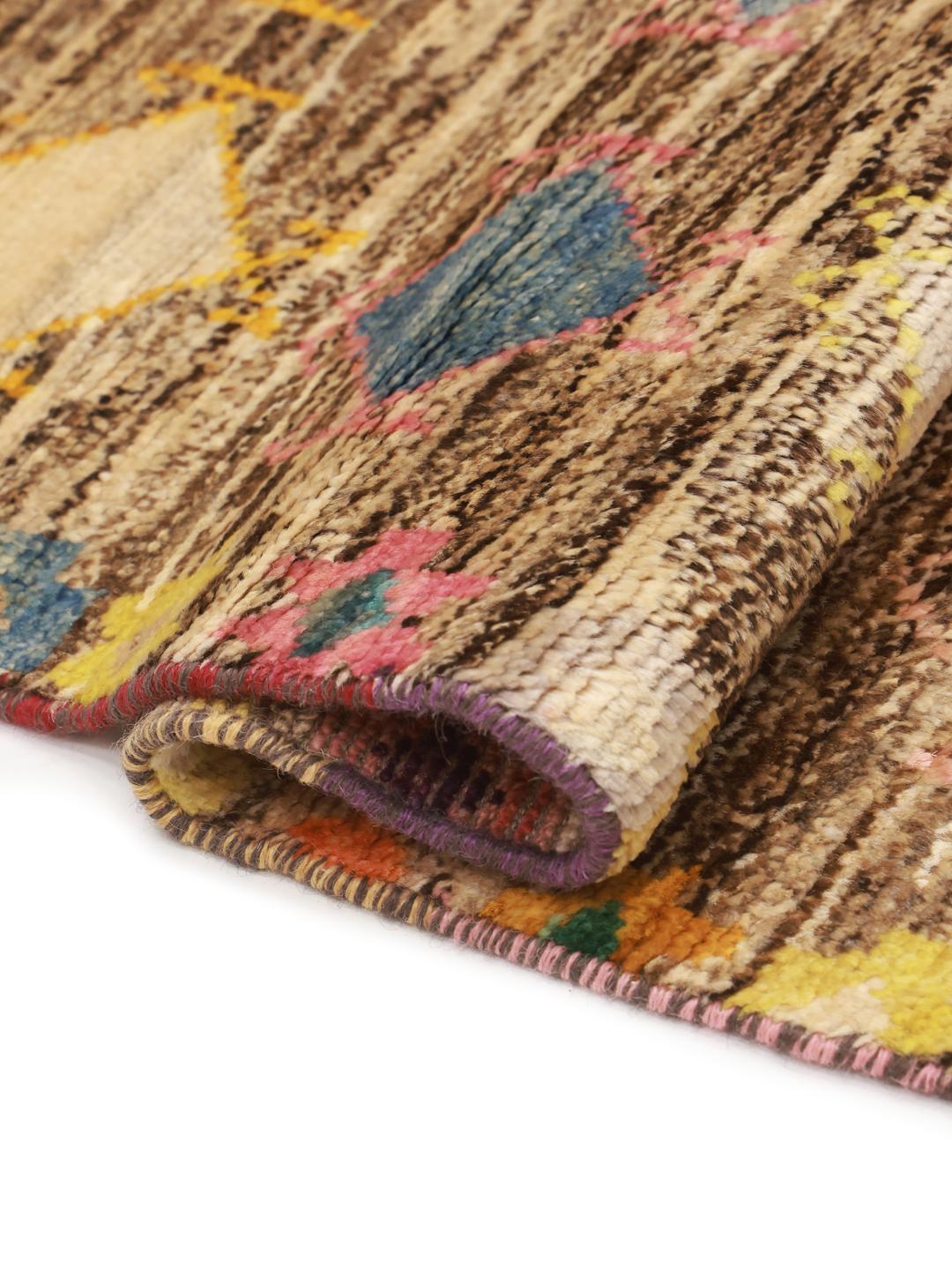
The term 'Berber' originally referred to the weaving styles of the indigenous peoples of North Africa, characterised by thick, hand-spun wool and deeply symbolic, often abstract, geometric motifs. In the Afghan context, this tradition is adapted through the use of high-quality local wool and traditional knotting techniques that emphasise both longevity and a rich, tactile surface that feels both ancient and contemporary.
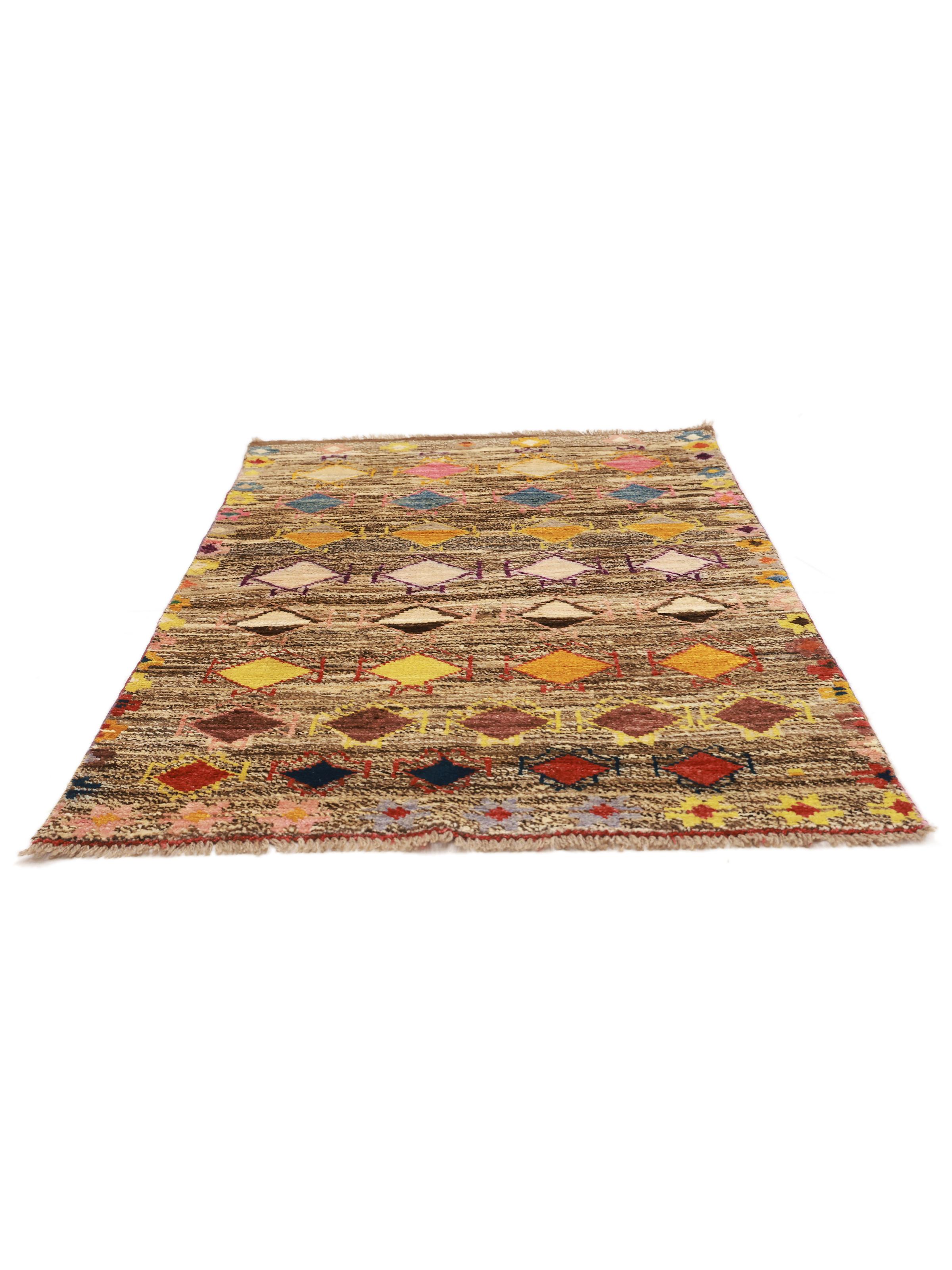
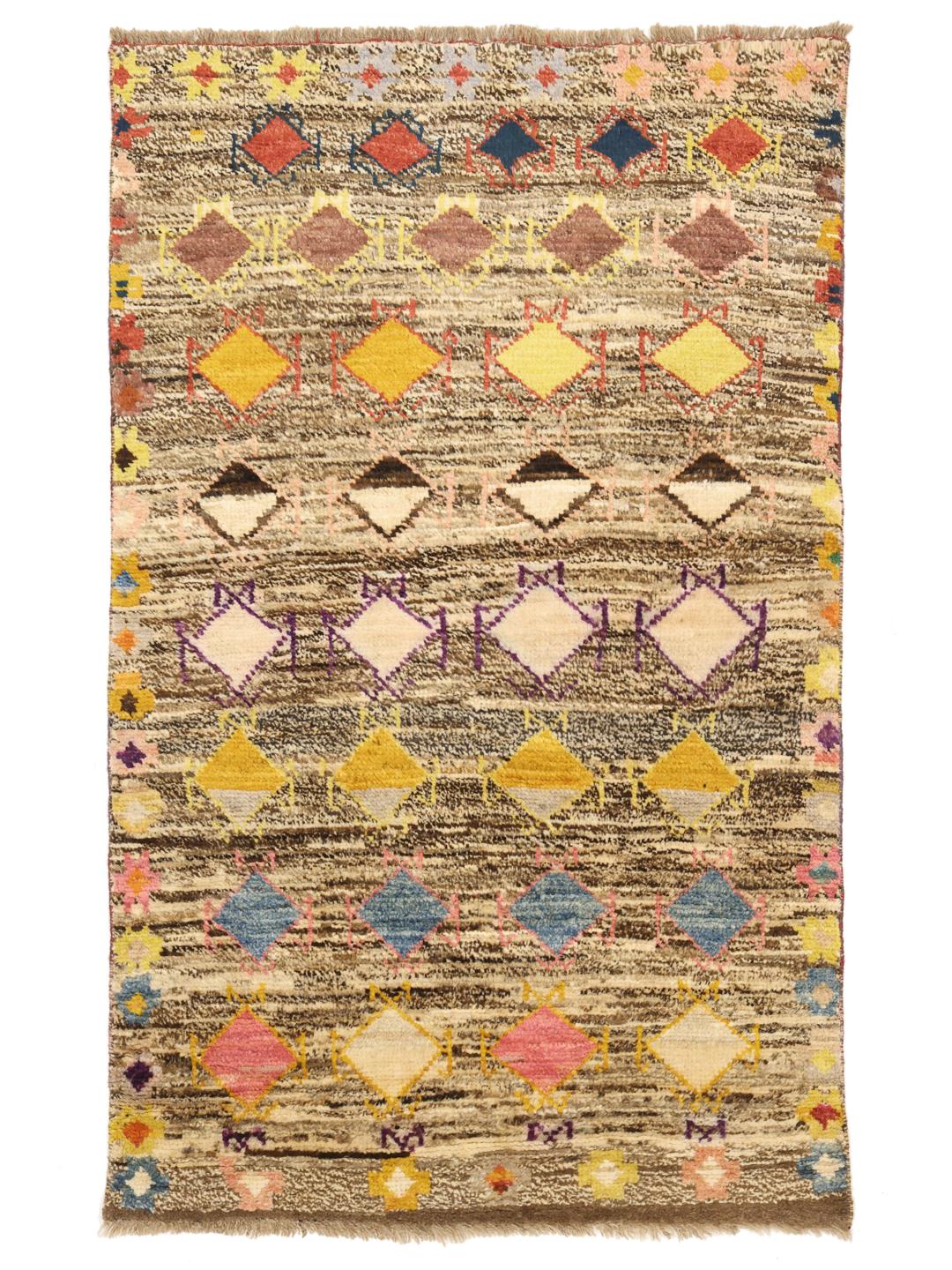
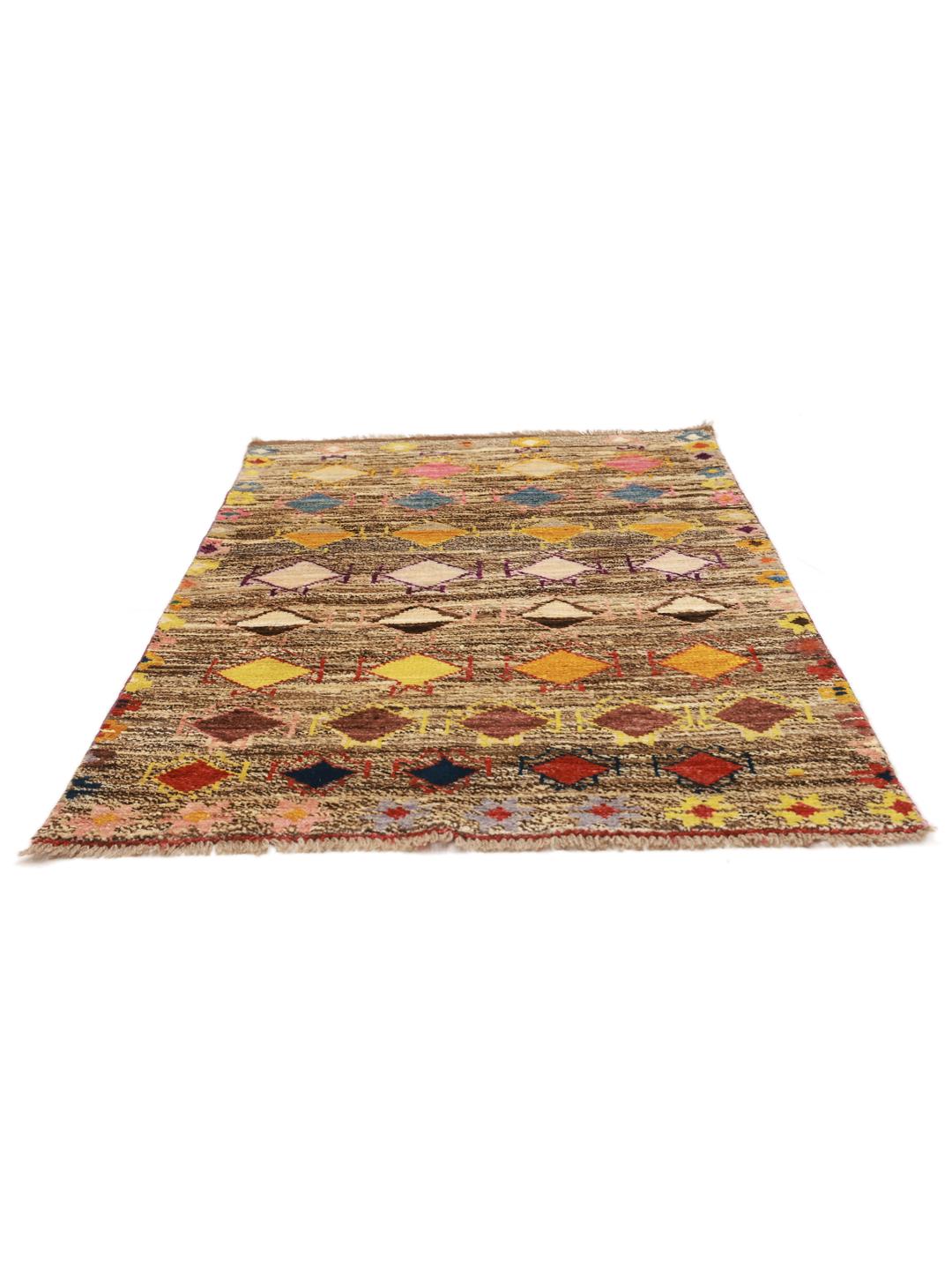
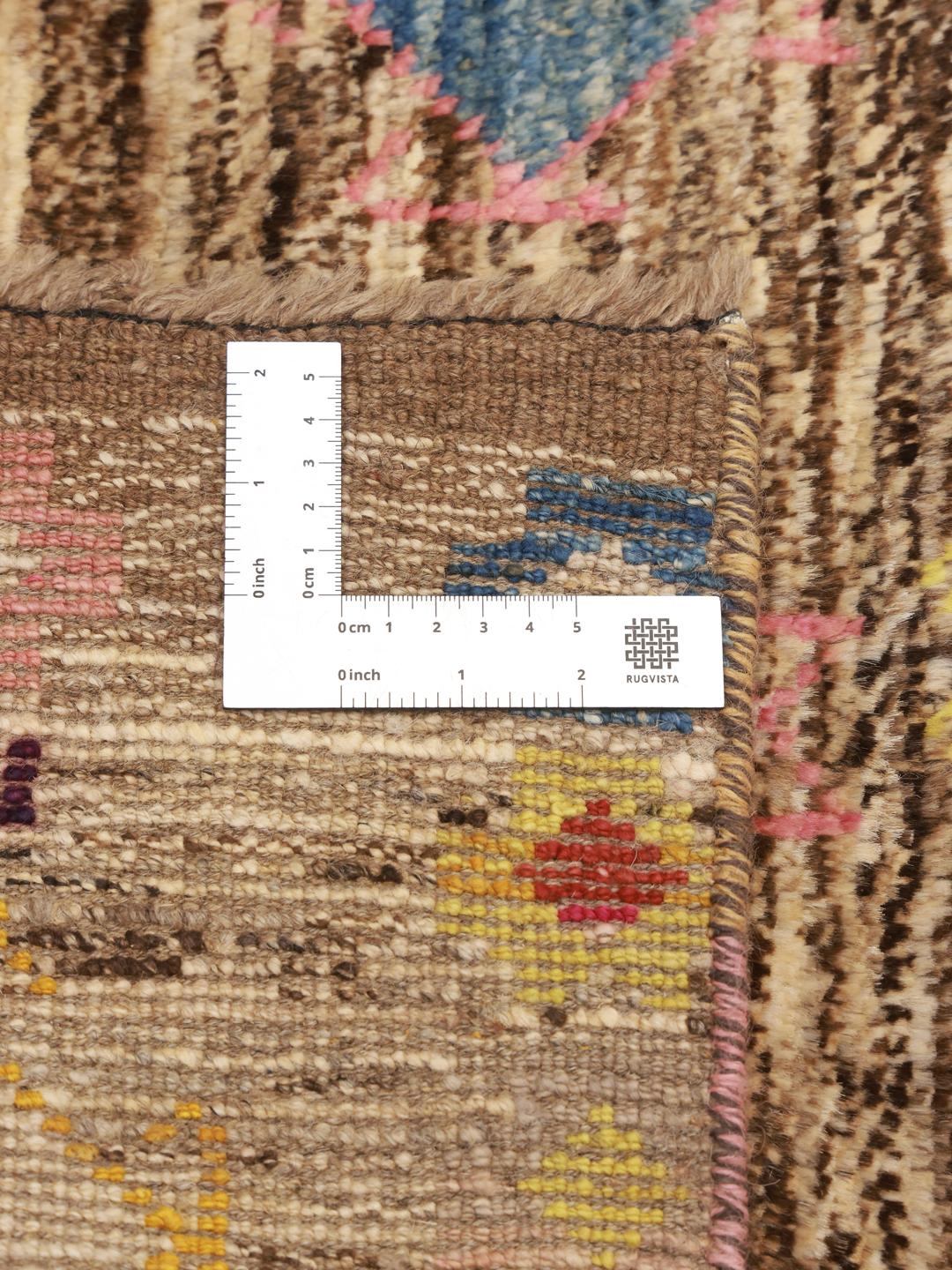
The signature design elements often include the diamond motif, which is a classic symbol in tribal weaving, representing protection and fertility. In this particular rug, the diamond pattern is elevated by a vibrant palette that contrasts sharply with the earthy, natural tones of the wool. The use of varied colours within the geometric structure is a hallmark of this regional evolution, showcasing a playful yet sophisticated approach to classic tribal iconography.
Collecting a rug from this tradition is an act of preserving a living craft. These pieces are valued not only for their striking visual presence but for the cultural weight they carry. By choosing a hand-knotted piece, you are supporting a lineage of craft that values human touch over industrial speed, ensuring that the skill of the weaver remains a vital part of the global design landscape.