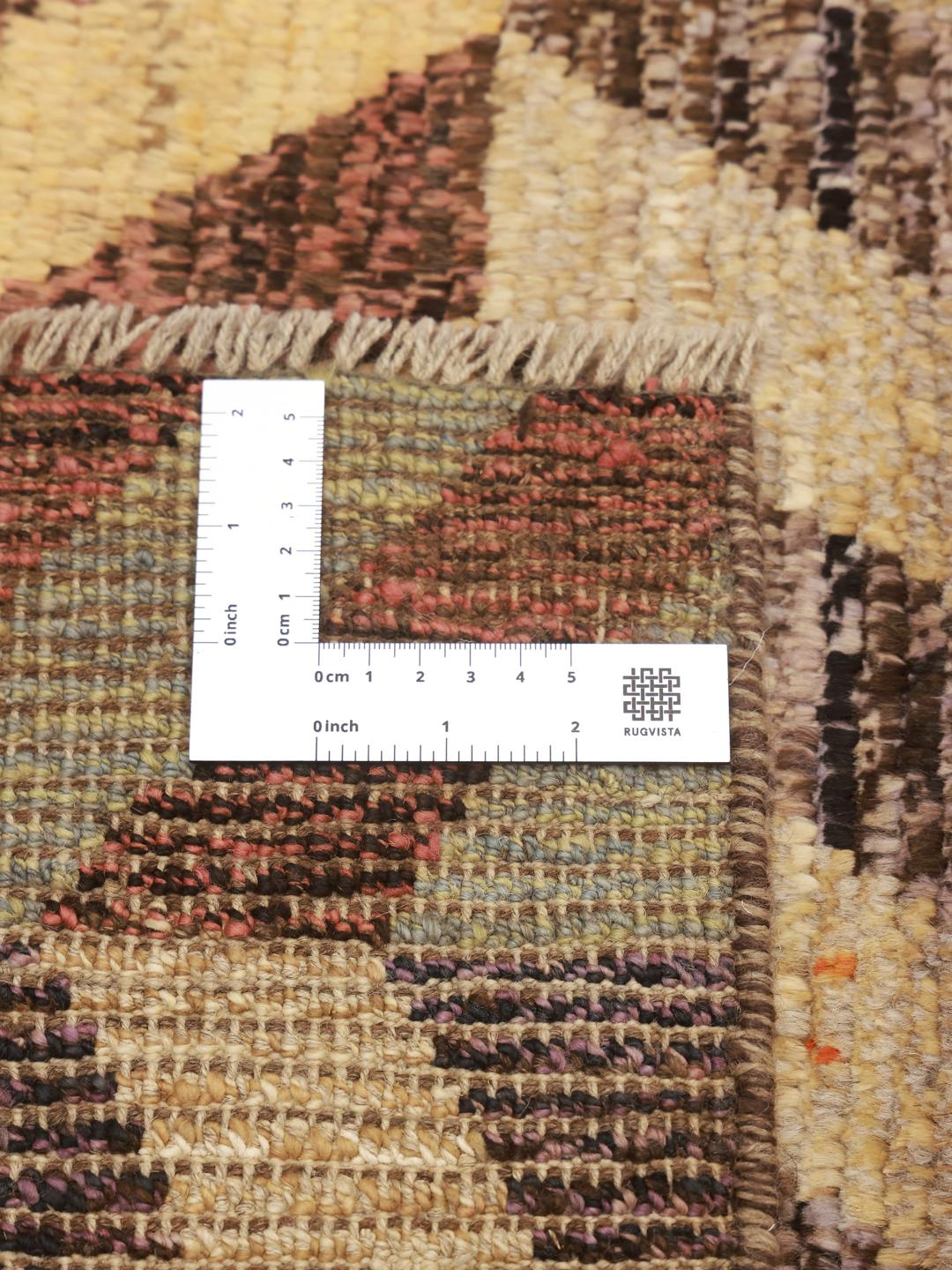
Berber rugs are rooted in the ancient traditions of nomadic cultures across Northern Africa and the Middle East. While historically associated with specific tribal groups, these rugs have evolved through centuries of migration and cultural exchange, eventually finding a home in the diverse weaving landscape of Afghanistan.
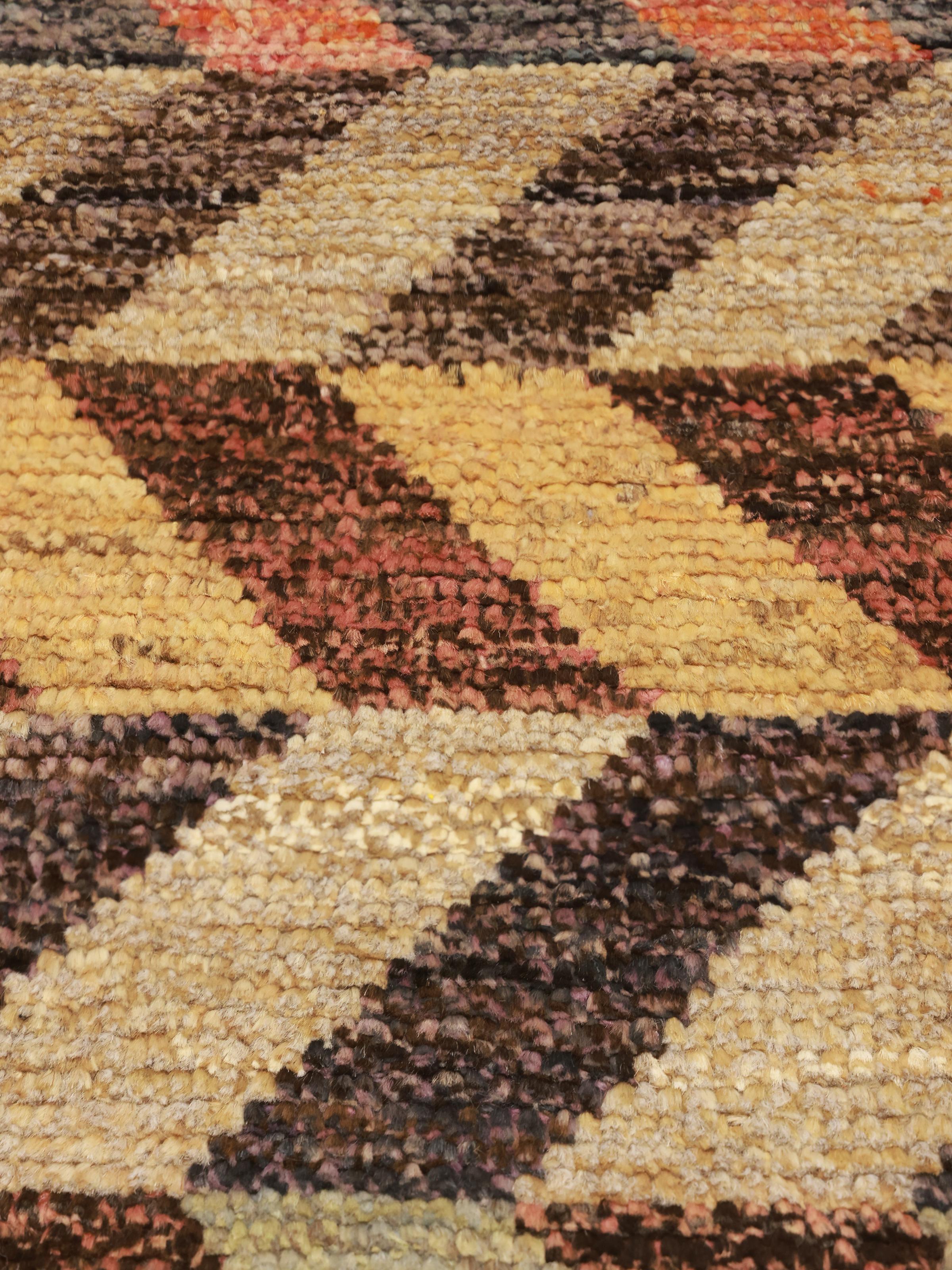
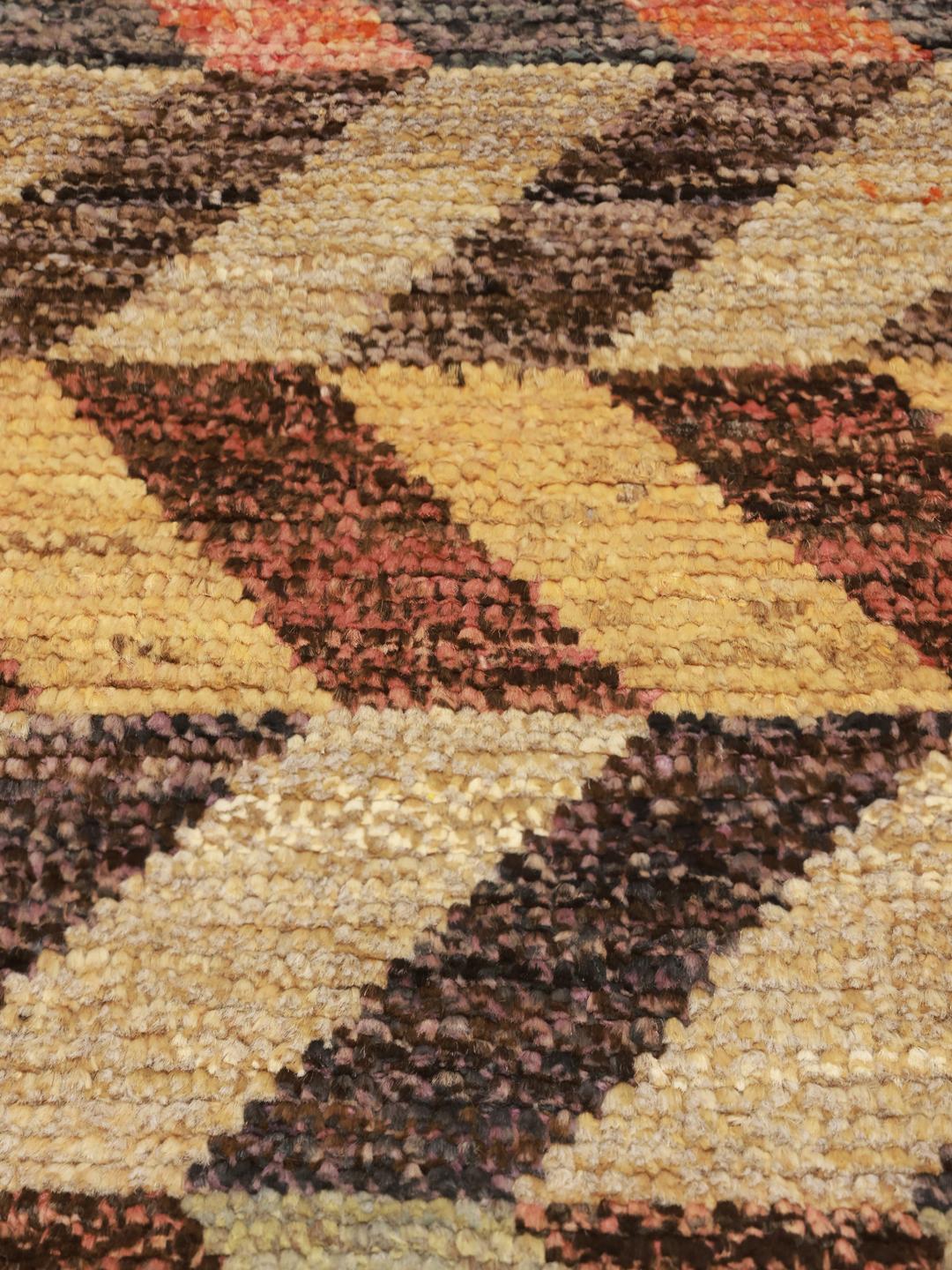
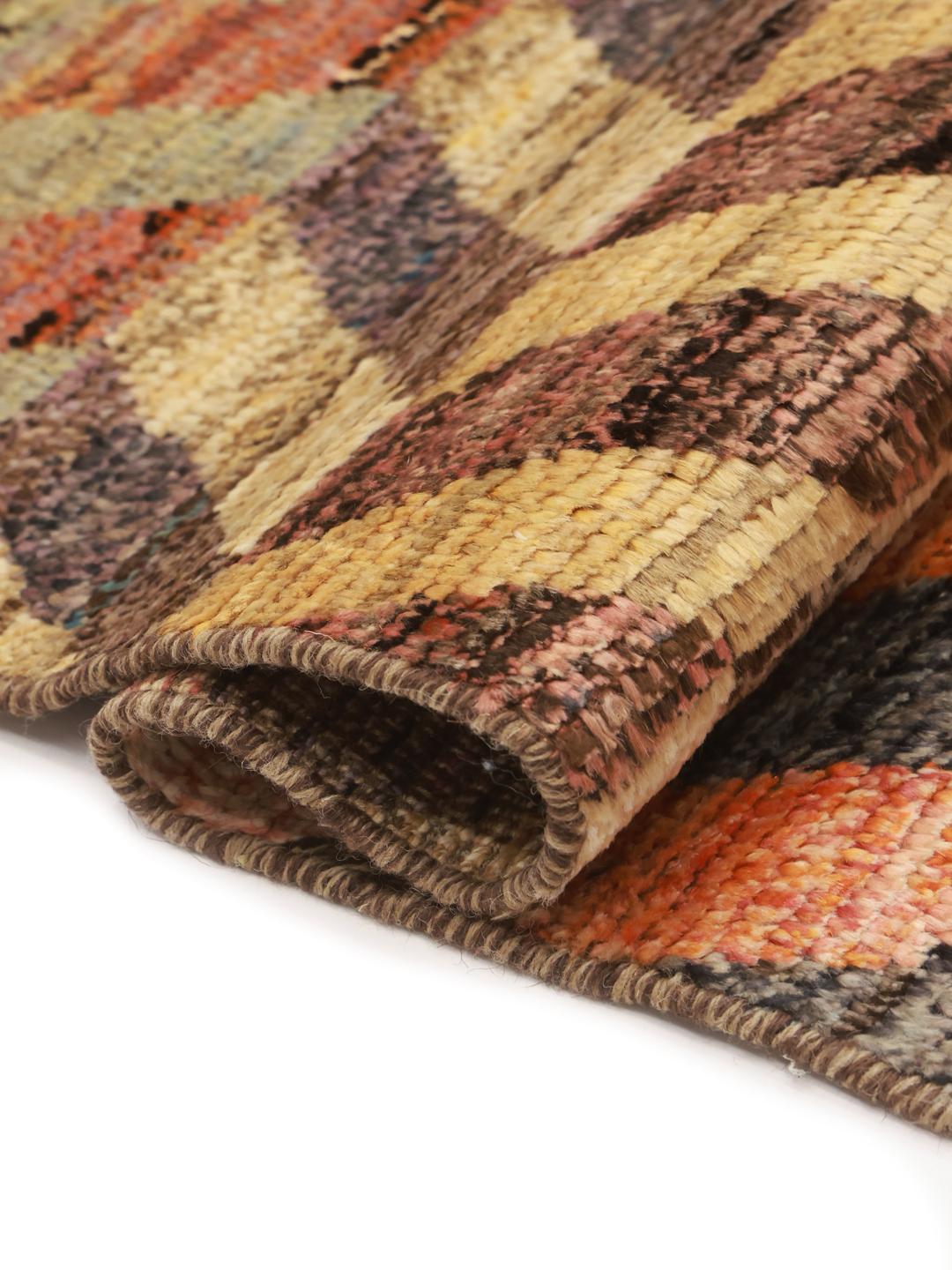
The term 'Berber' originally referred to the distinct knotting techniques used by these nomadic weavers, who prioritised durability and warmth in their creations. This tradition of using thick, high-quality Wool has been passed down through generations, ensuring that each rug remains a functional piece of art capable of lasting for decades.
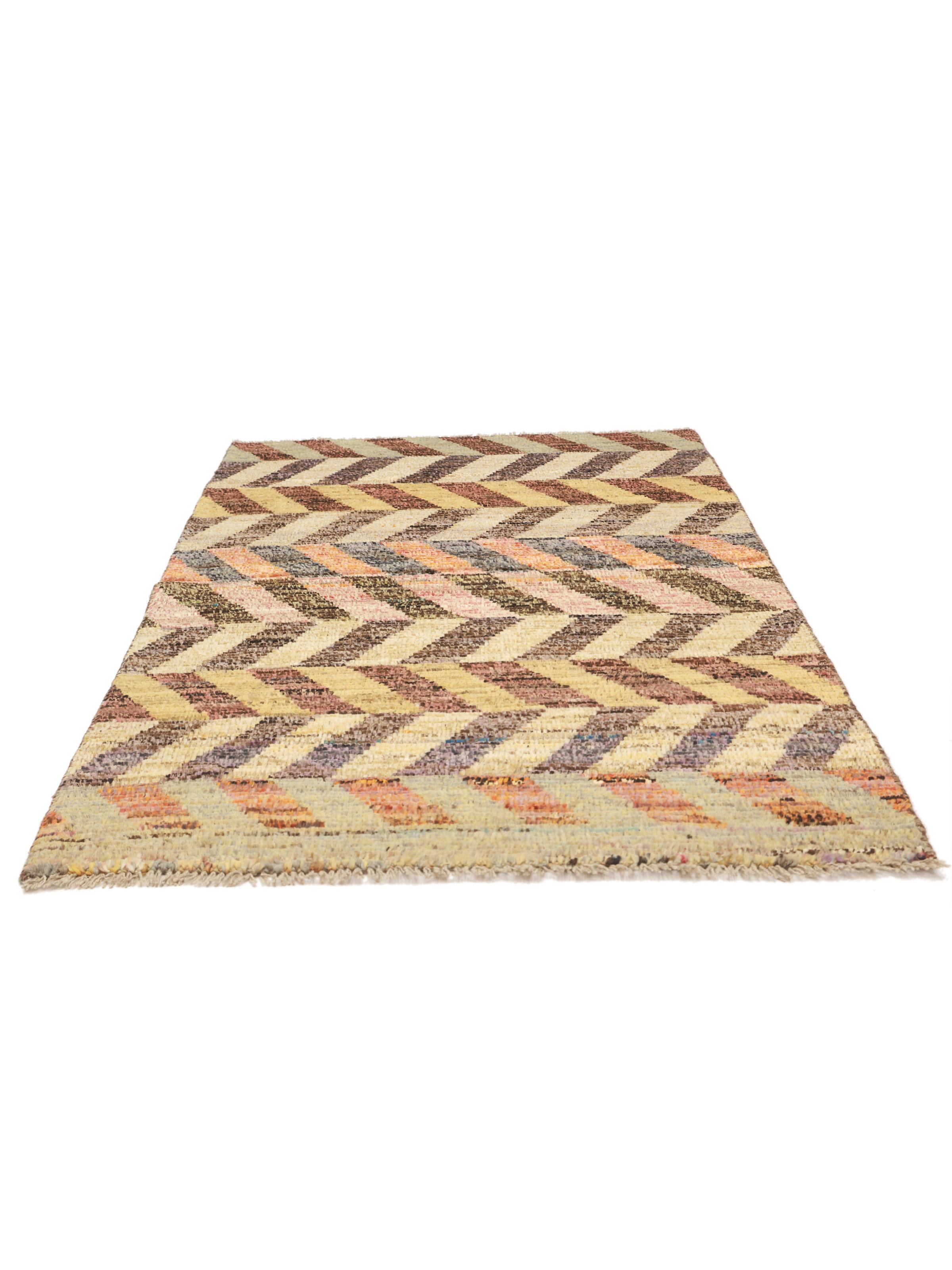
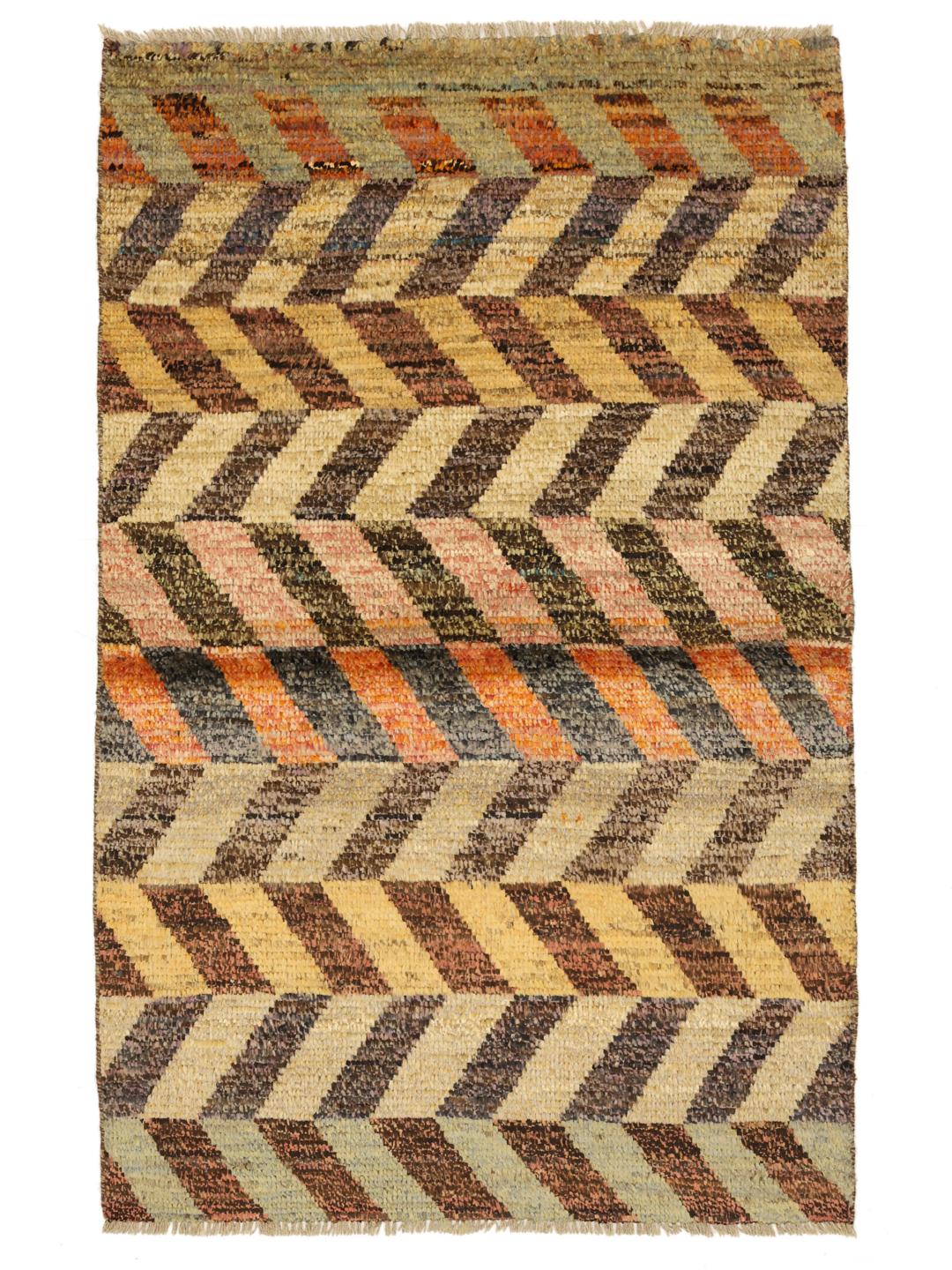
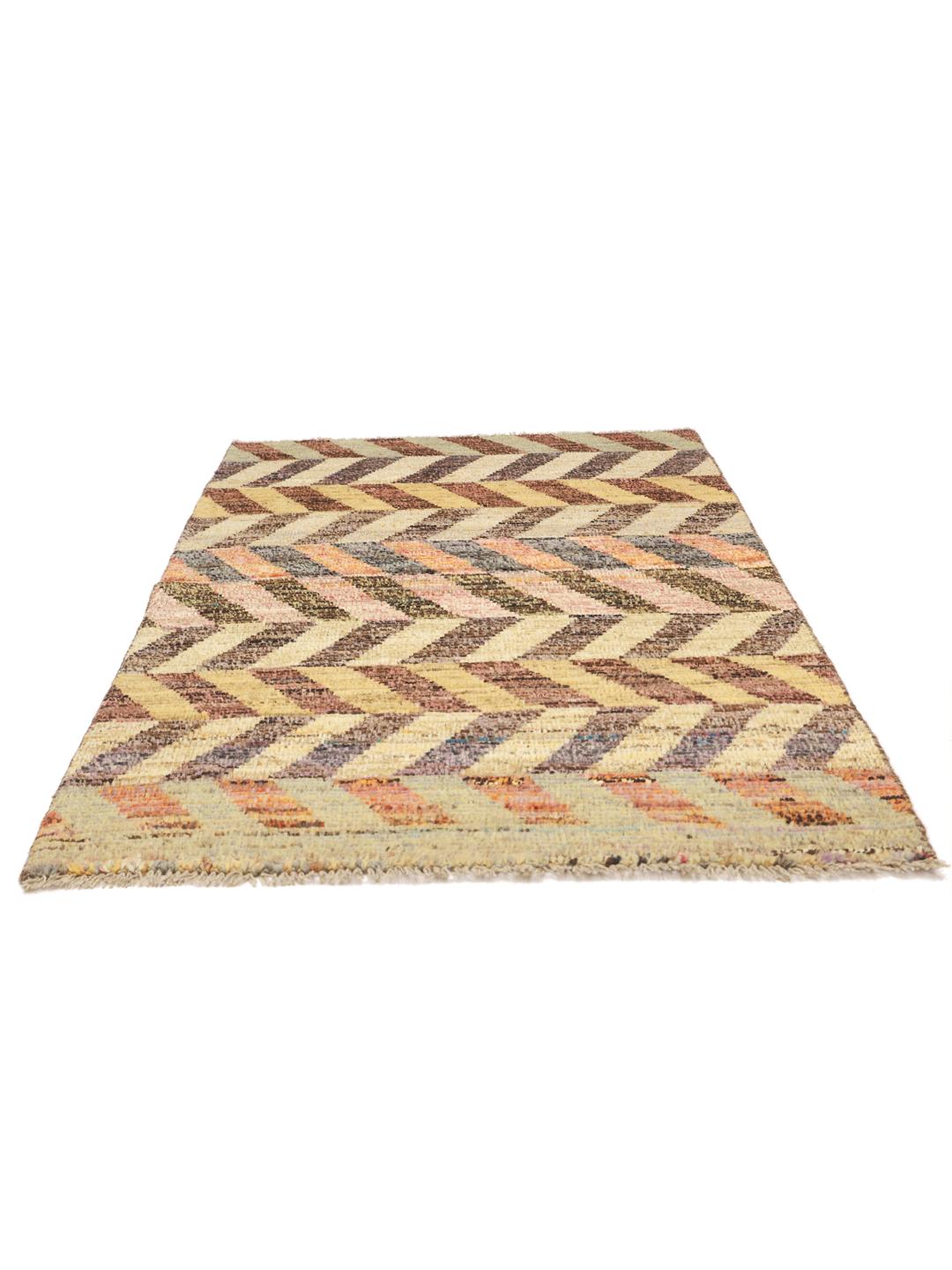
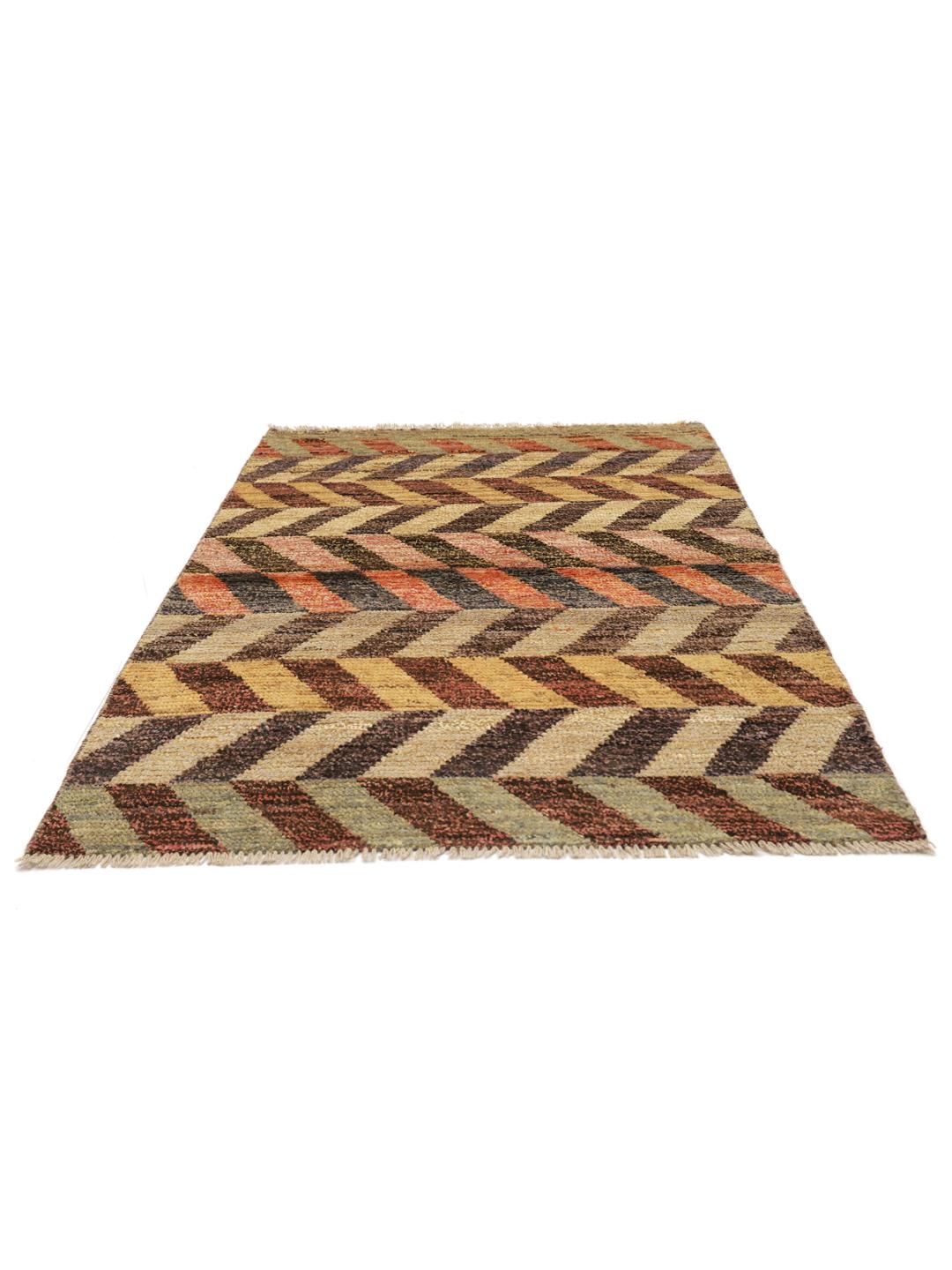
The visual language of these rugs is often defined by bold, geometric patterns and a vibrant use of colour. The chevron motif seen here is a classic design element, representing the rhythmic movement and natural patterns observed by nomadic life. The varied hues are frequently derived from natural dyes, giving each rug a unique, earthy depth that synthetic alternatives cannot replicate.
Collecting these rugs is an investment in cultural heritage and human skill. By choosing a hand-knotted piece, you are supporting a tradition that values patience and personal expression over mass production. Each rug tells a story of its origin, serving as a connection to the artisans who brought its complex design to life.