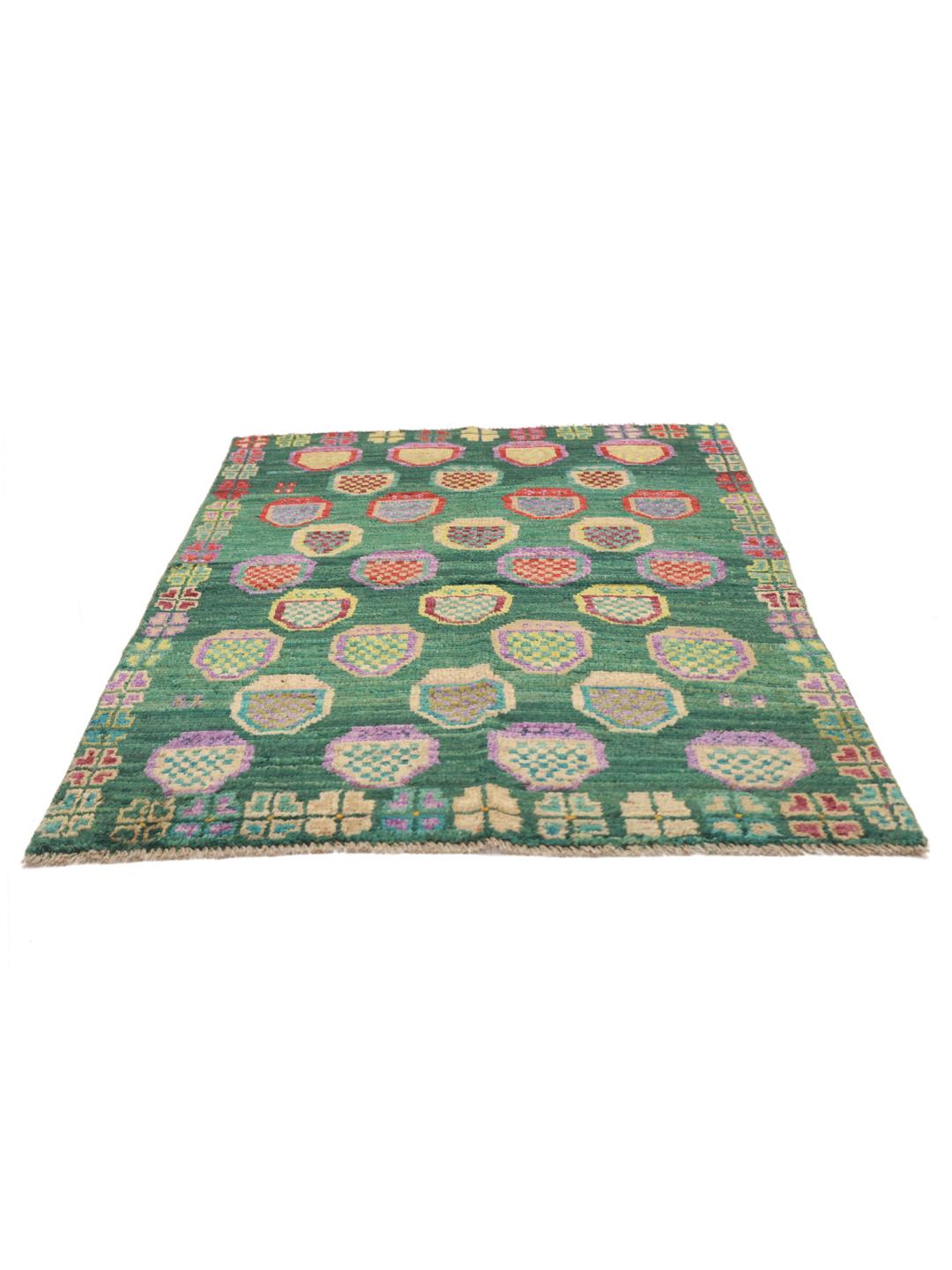
The Berber tradition of rug weaving is deeply rooted in the cultural heritage of North Africa, but its influence has travelled far beyond its borders. Today, the term has evolved to encompass a broader range of artistic, hand-woven styles, including those crafted in Afghanistan, where weavers have adopted these techniques to create rugs that are celebrated for their bold, spontaneous patterns and earthy yet vibrant colour palettes.
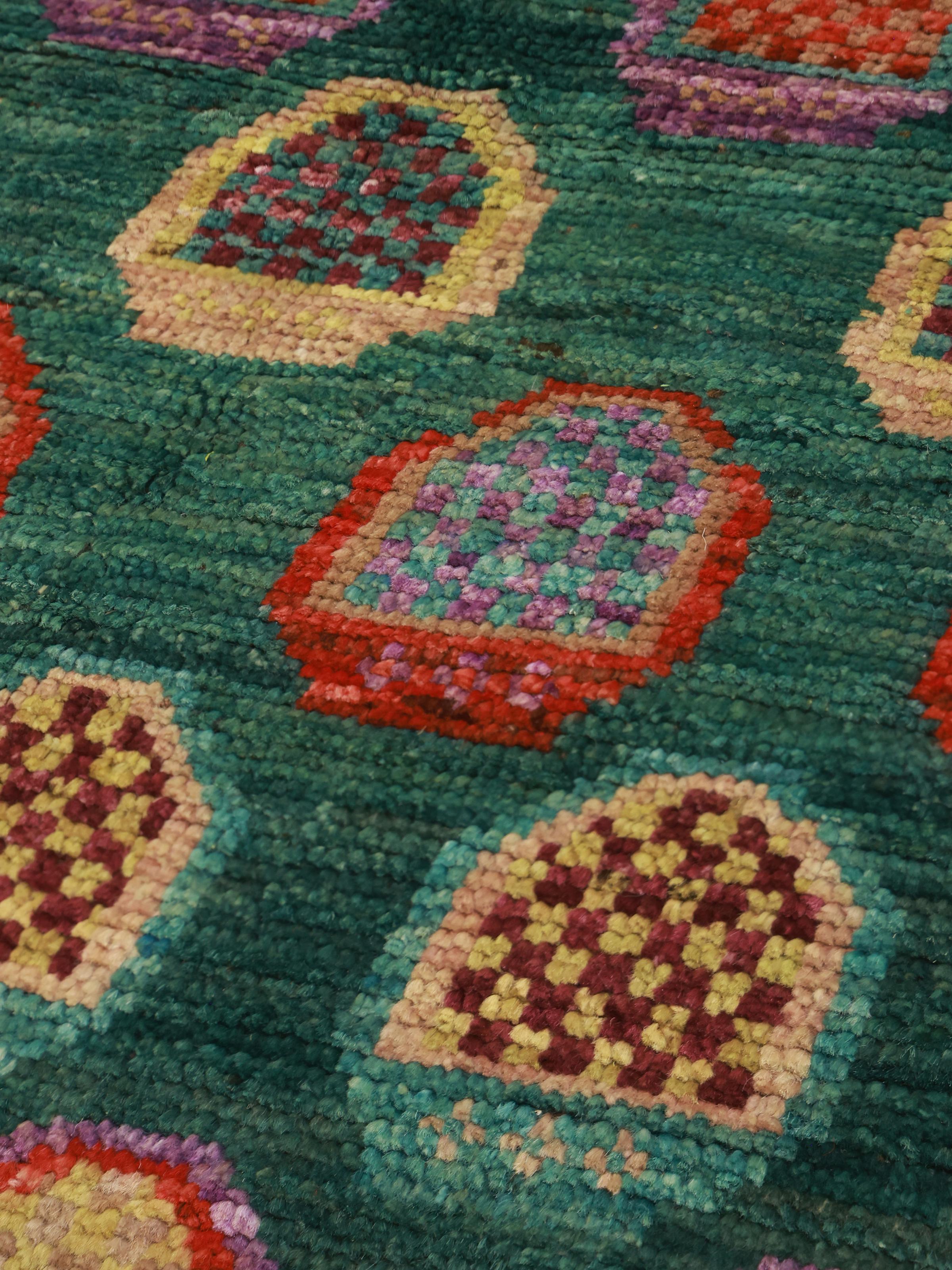
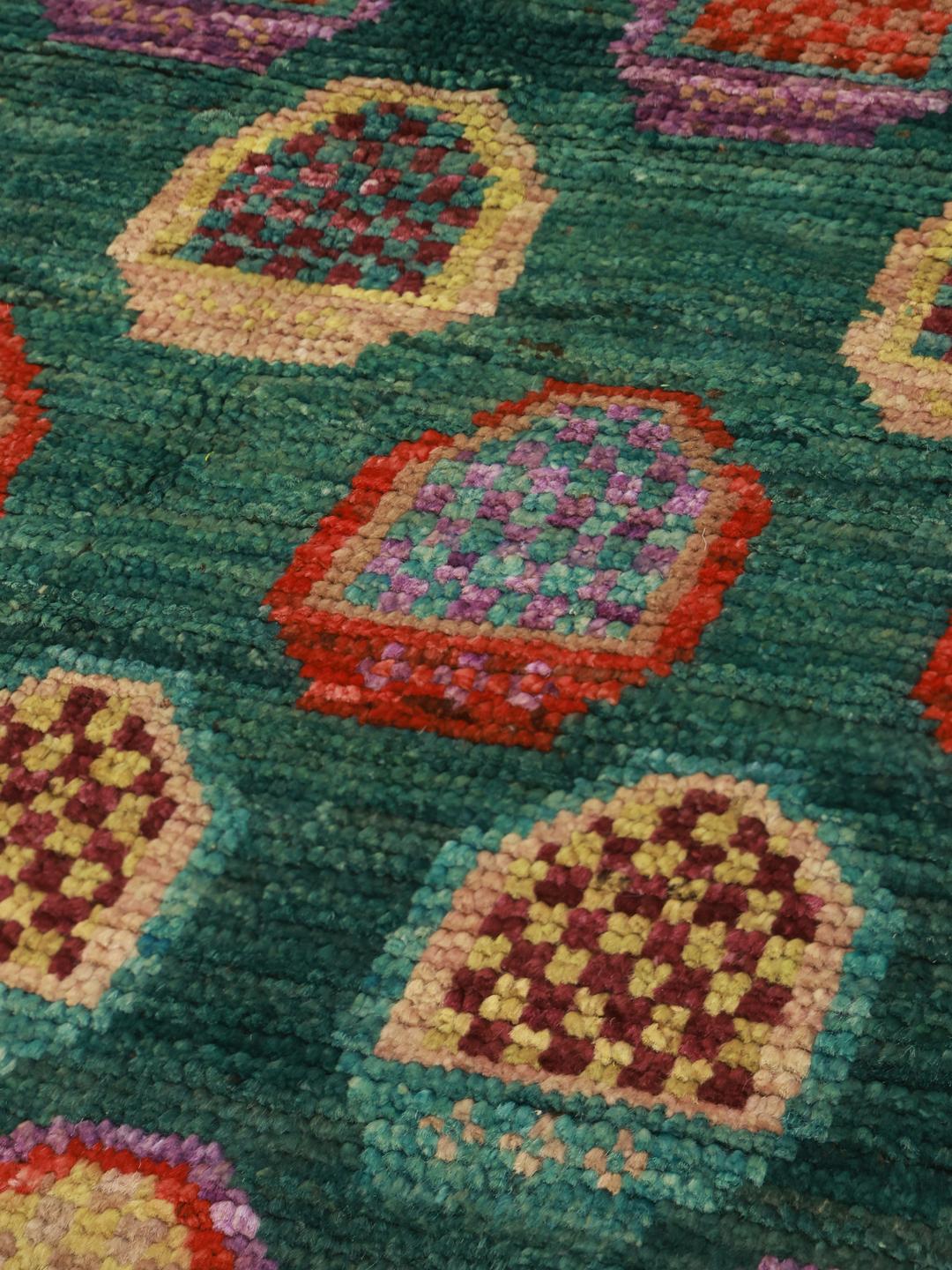
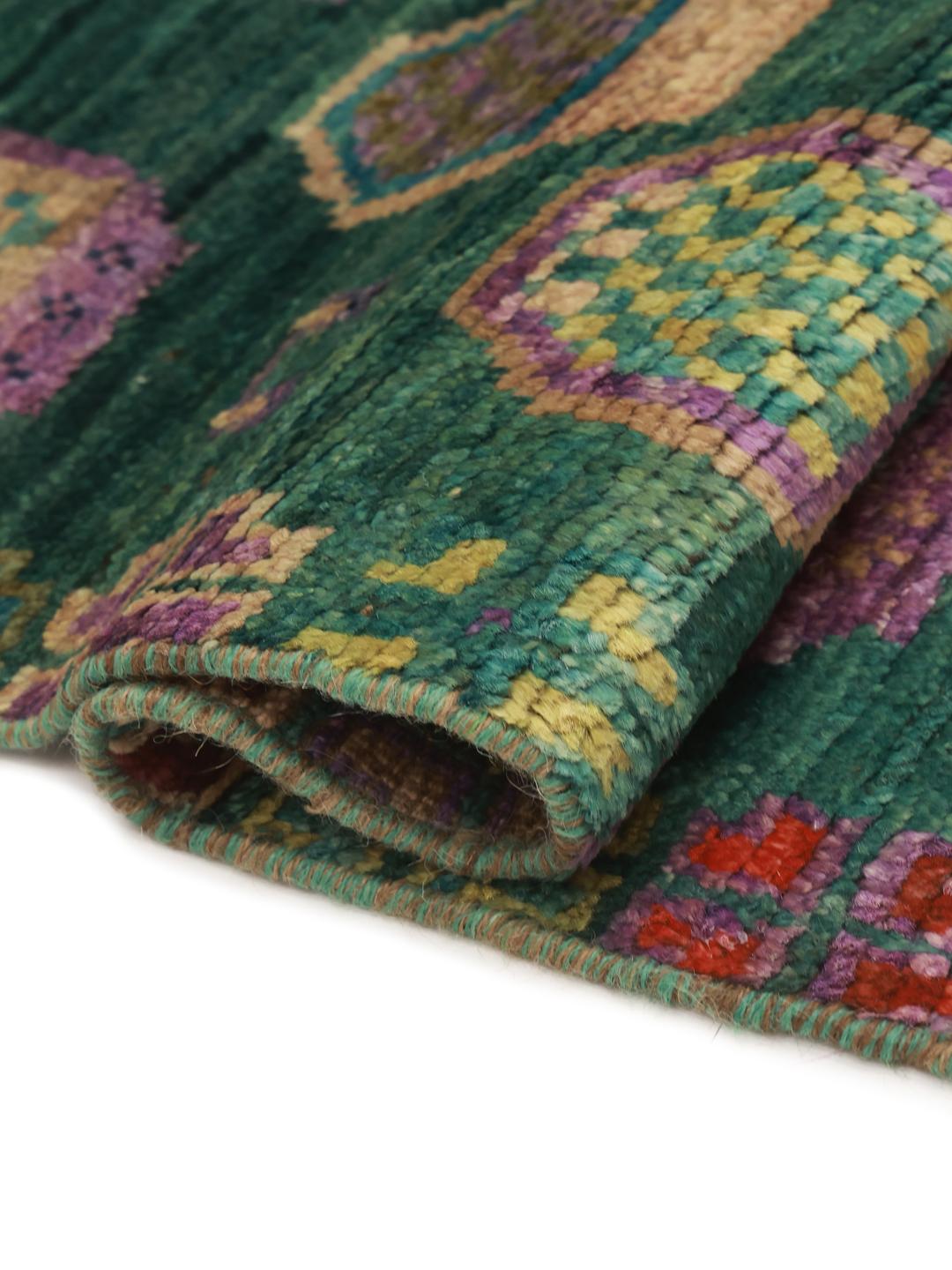
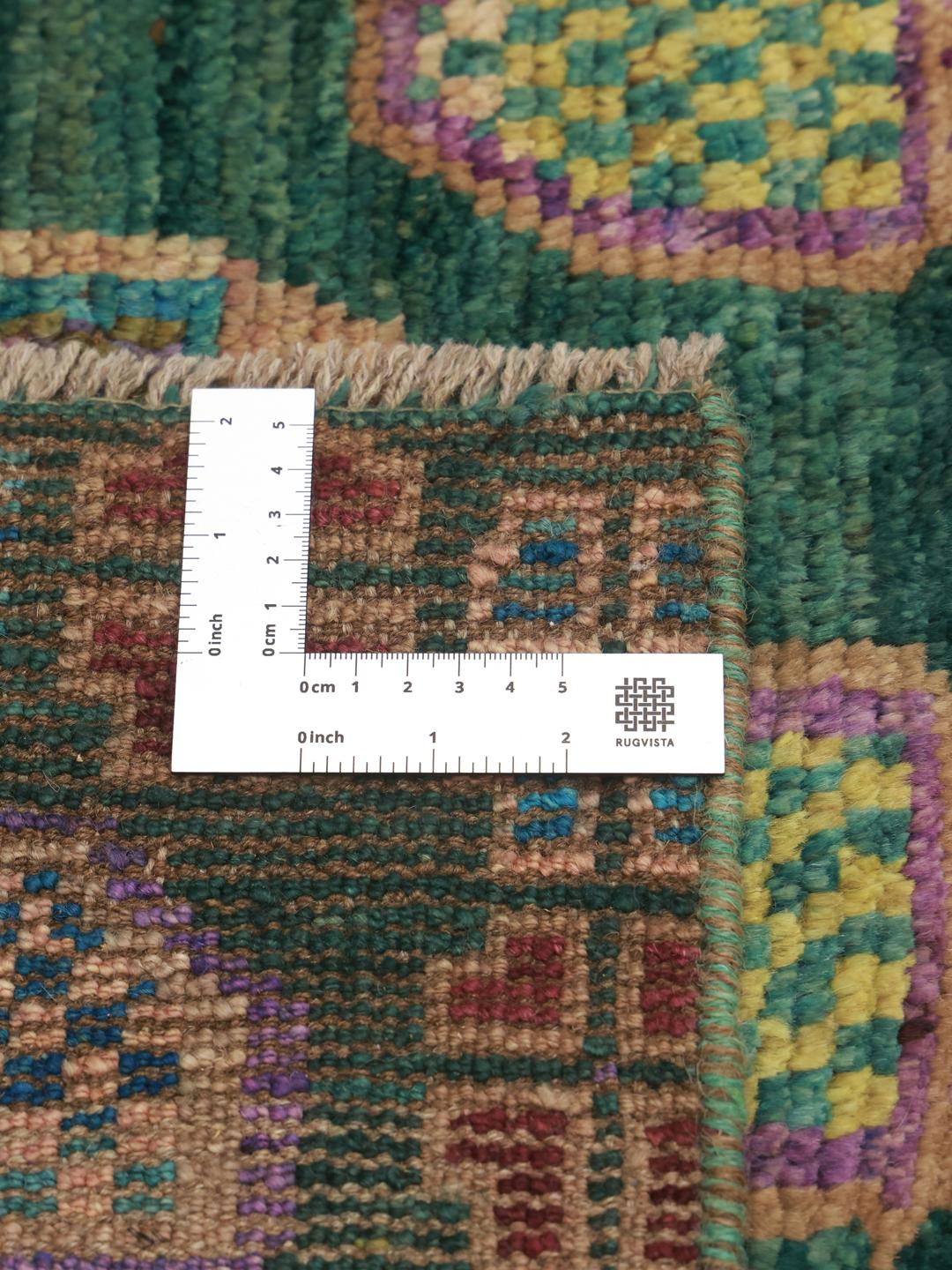
In rug making, the term 'hand-knotted' refers to the practice of tying individual pieces of yarn onto the warp foundation, a process that defines the quality and longevity of the rug. This specific style of construction allows for a dense, resilient pile that is highly resistant to wear, making these rugs as practical as they are decorative. The effort required to knot each strand by hand is what distinguishes these pieces from factory-made alternatives.
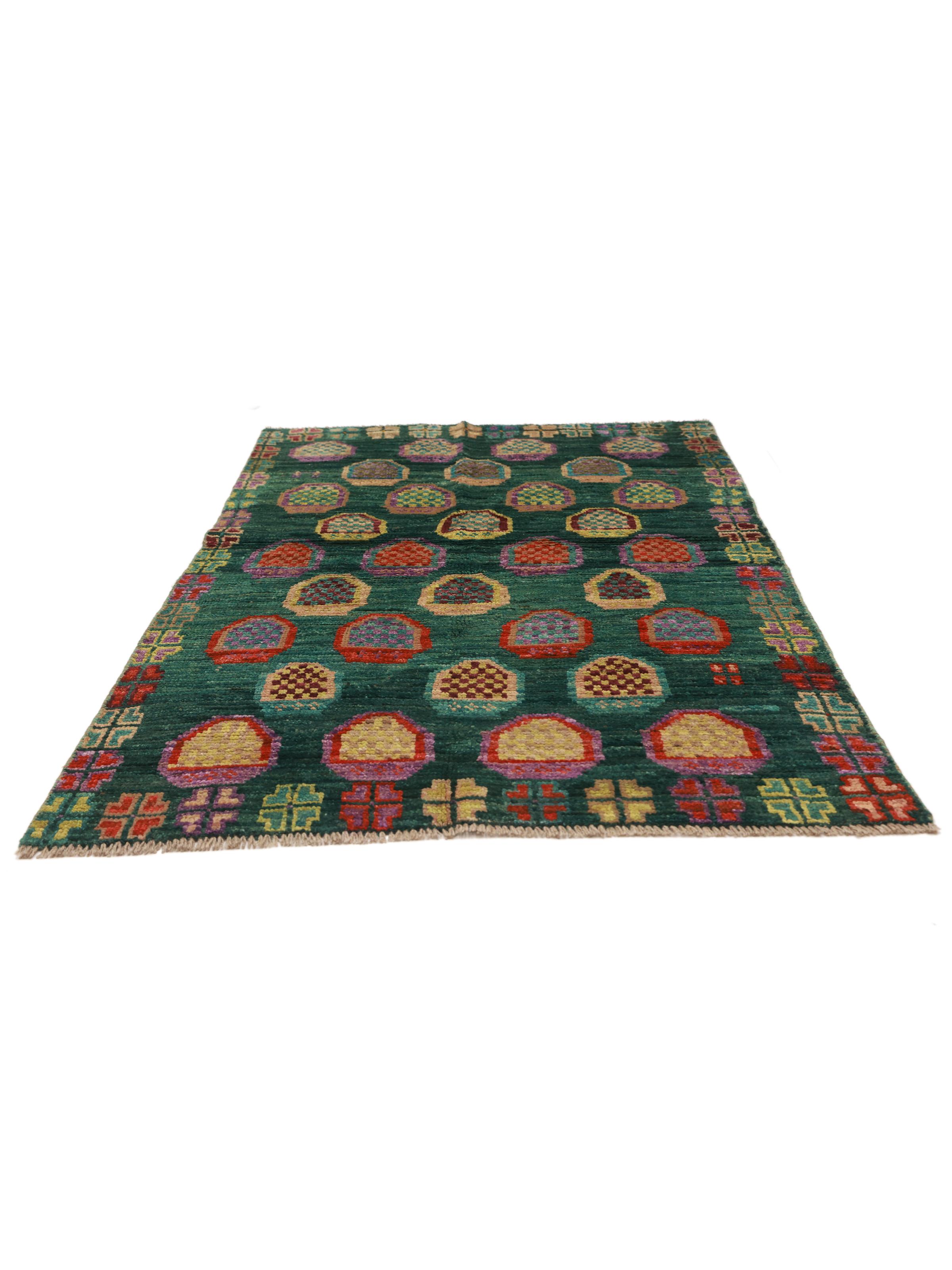
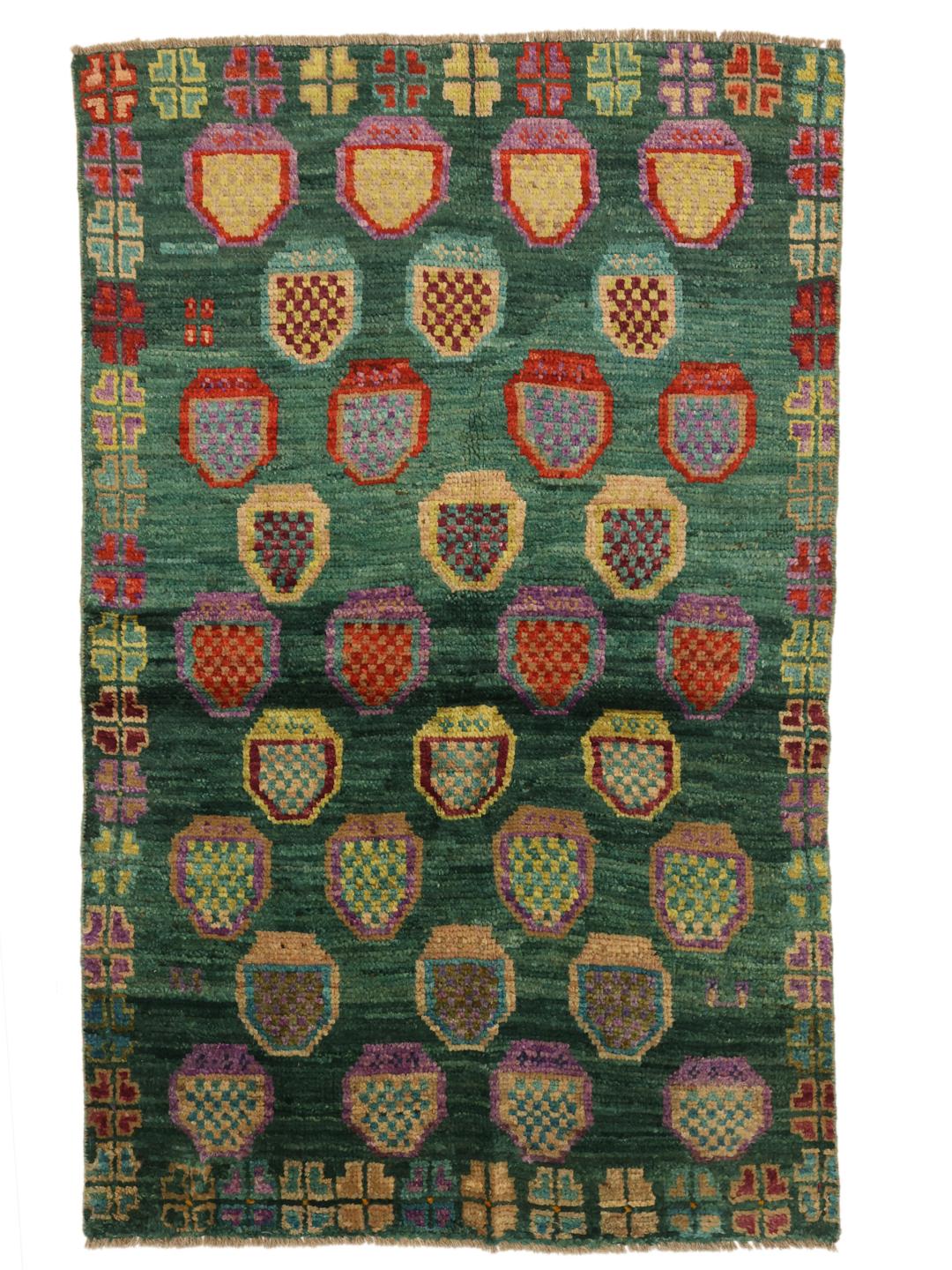
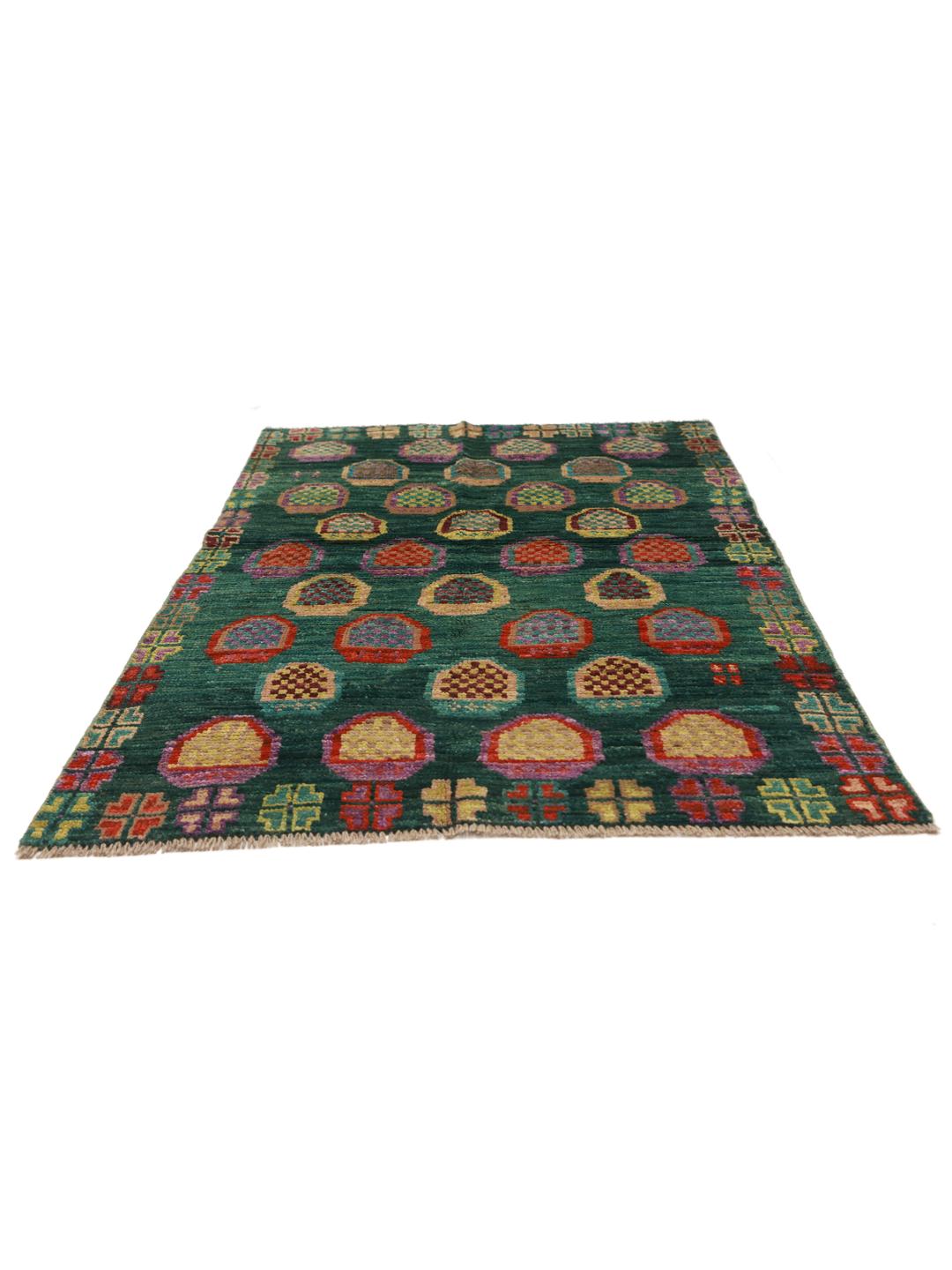
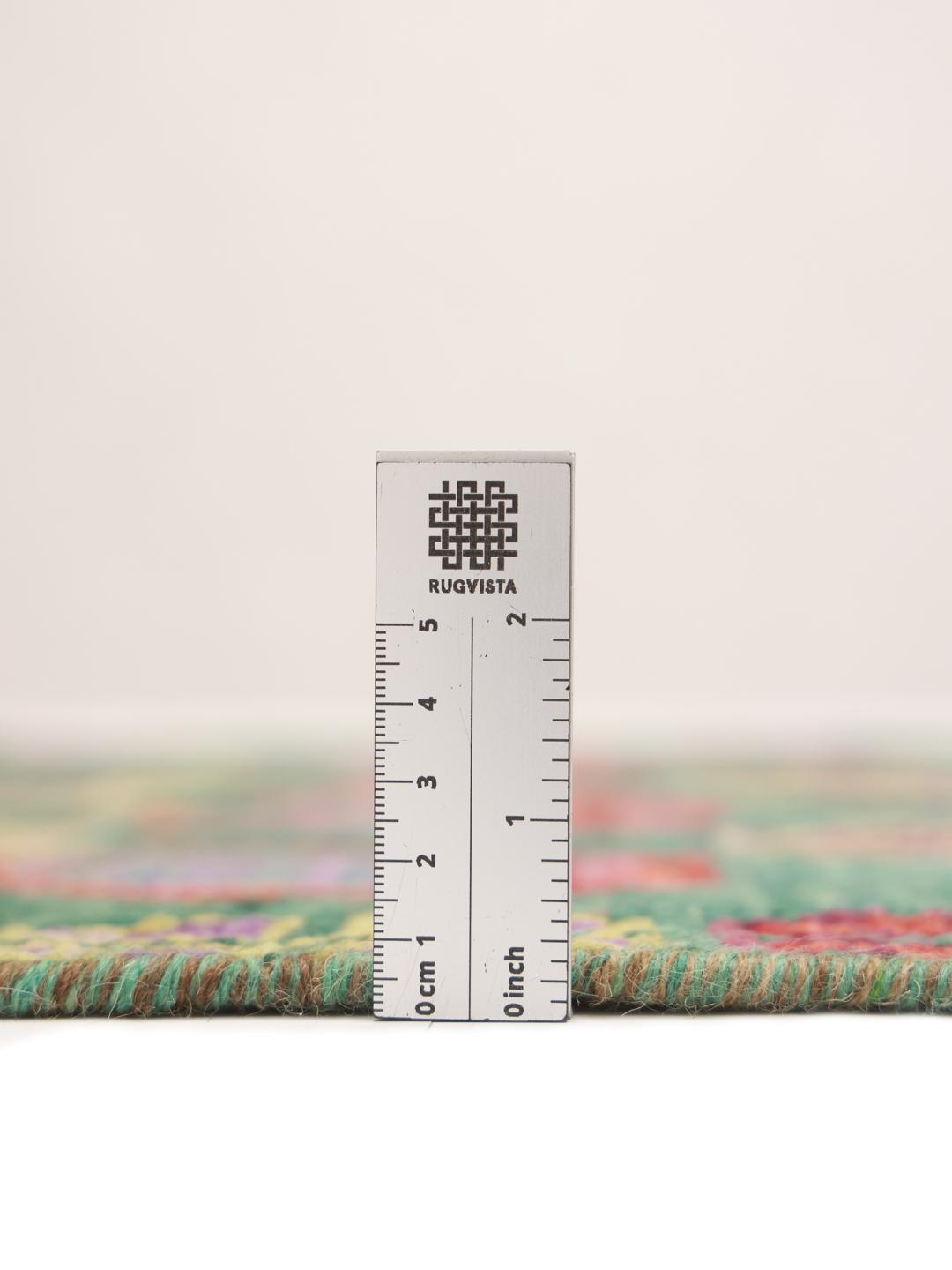
The design of this rug is defined by its repeating motifs, which often draw inspiration from tribal symbolism and the natural world. These colourful, shield-like patterns are set against a deep green background, a colour choice that provides a grounded, organic feel. The use of repeating shapes creates a balanced, harmonious look that is characteristic of the nomadic artistic tradition, where every detail tells a story.
Collecting a rug from this tradition is an investment in cultural heritage and human skill. Because these rugs are not mass-produced, they carry a sense of authenticity that is increasingly rare in modern home decor. Owning such a piece connects you to a long history of weavers who have passed down their knowledge through generations, ensuring that the art of the loom remains a vibrant and essential part of our living spaces.