The Berber style rug tradition is deeply rooted in the cultural landscapes of North Africa and Central Asia, where nomadic tribes have long created functional art for their homes. While the term Berber is historically associated with the indigenous peoples of North Africa, the style has evolved and been interpreted across diverse regions, including the skilled workshops of the Middle East.
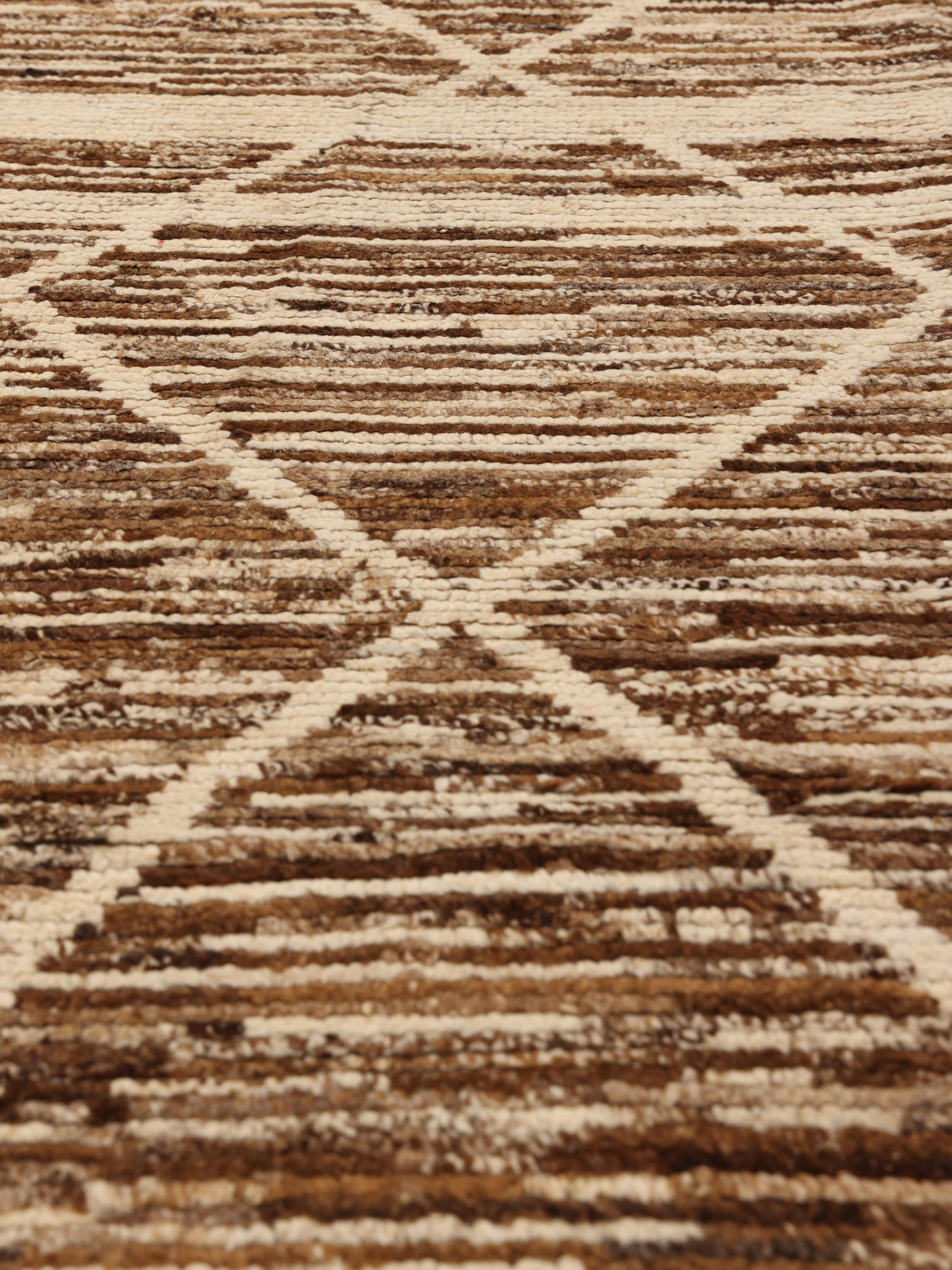
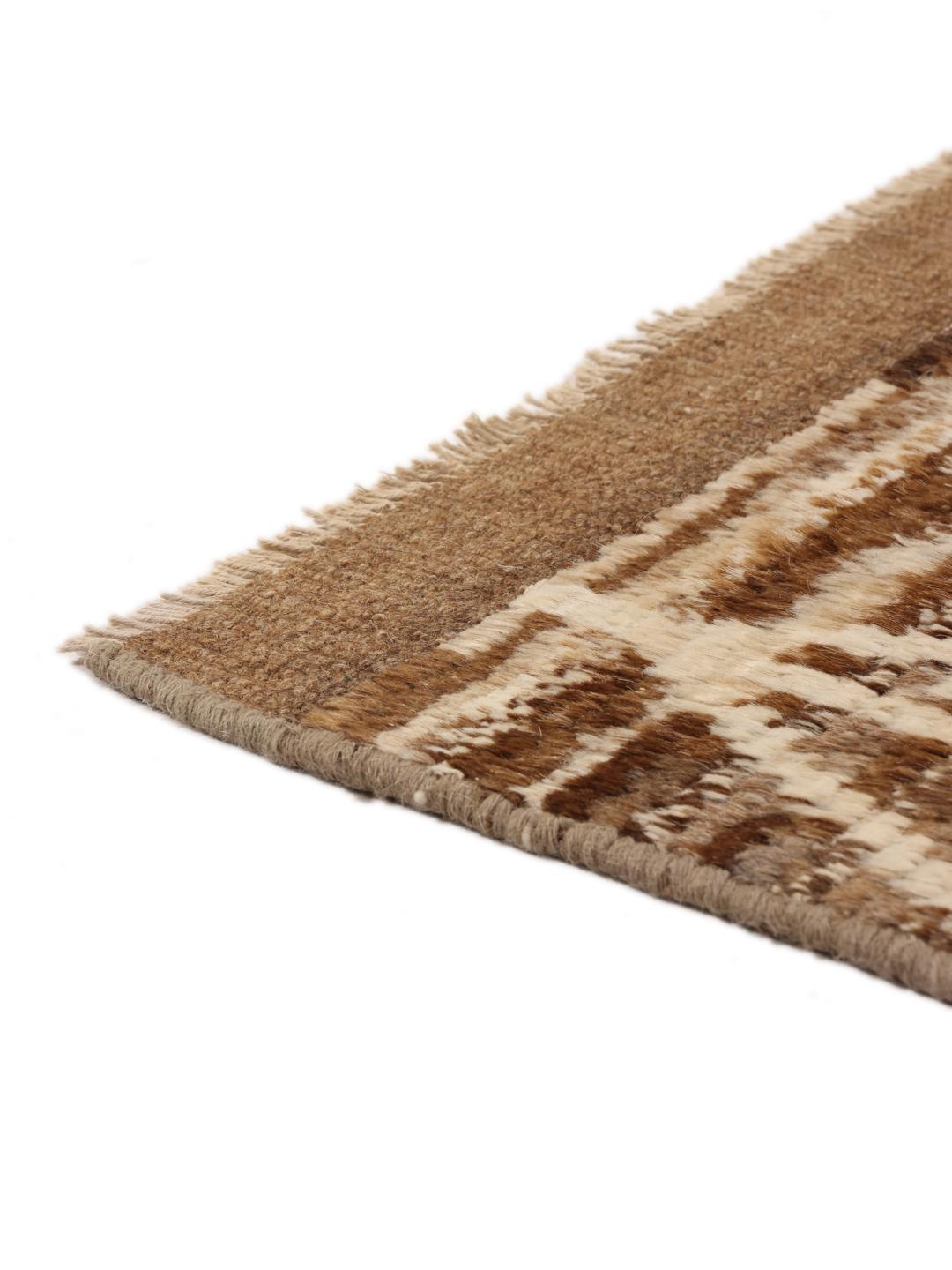
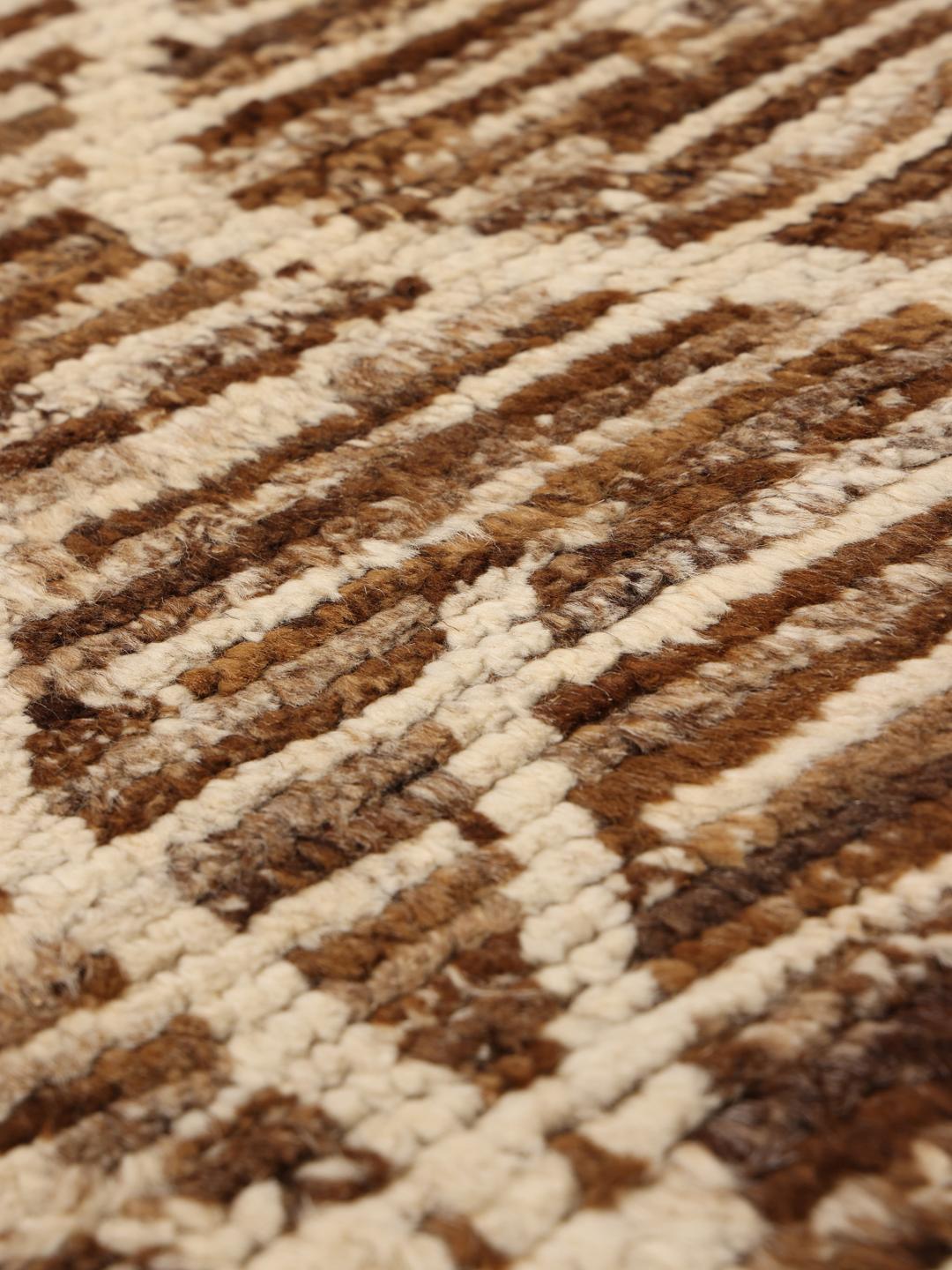
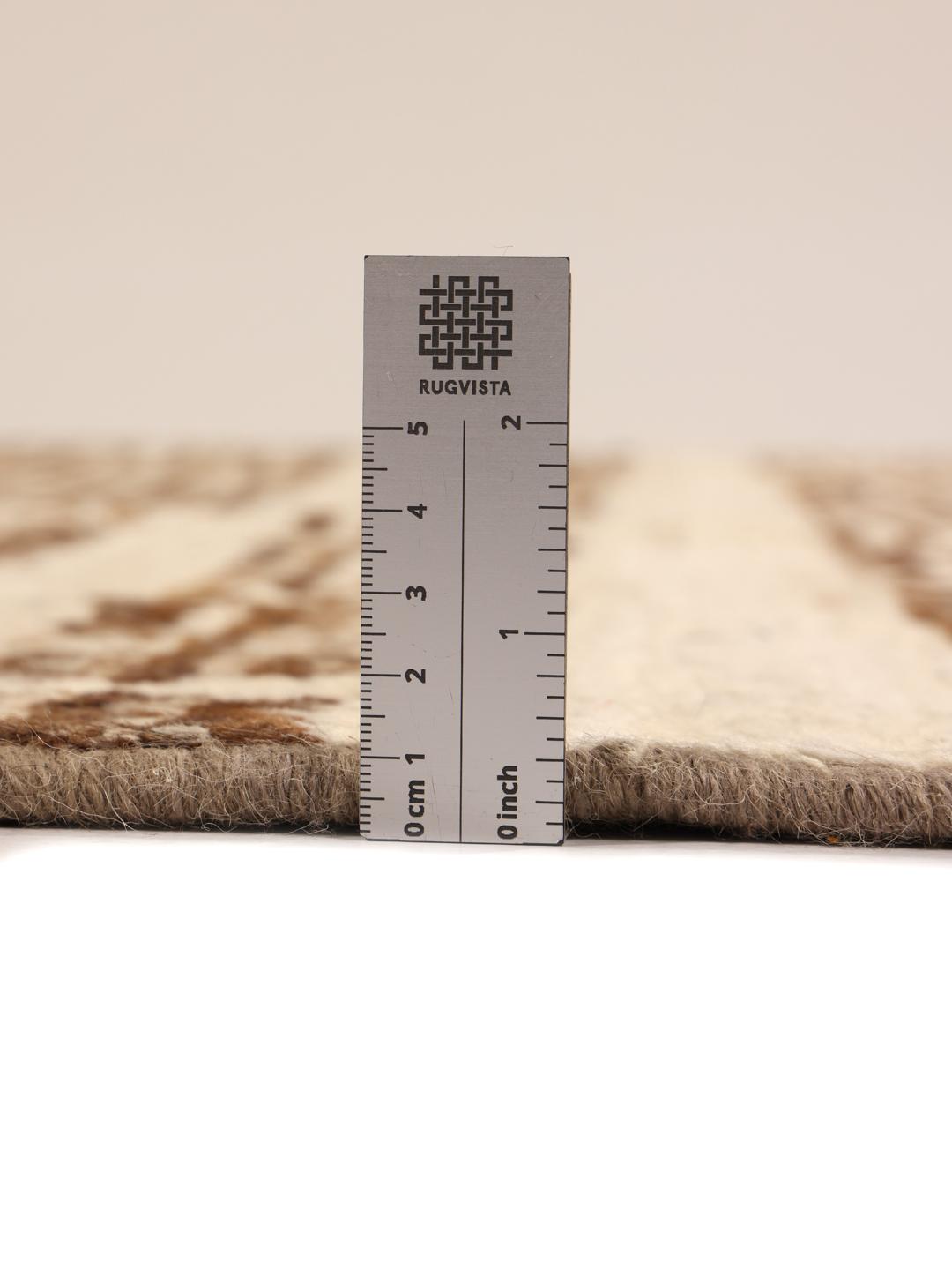
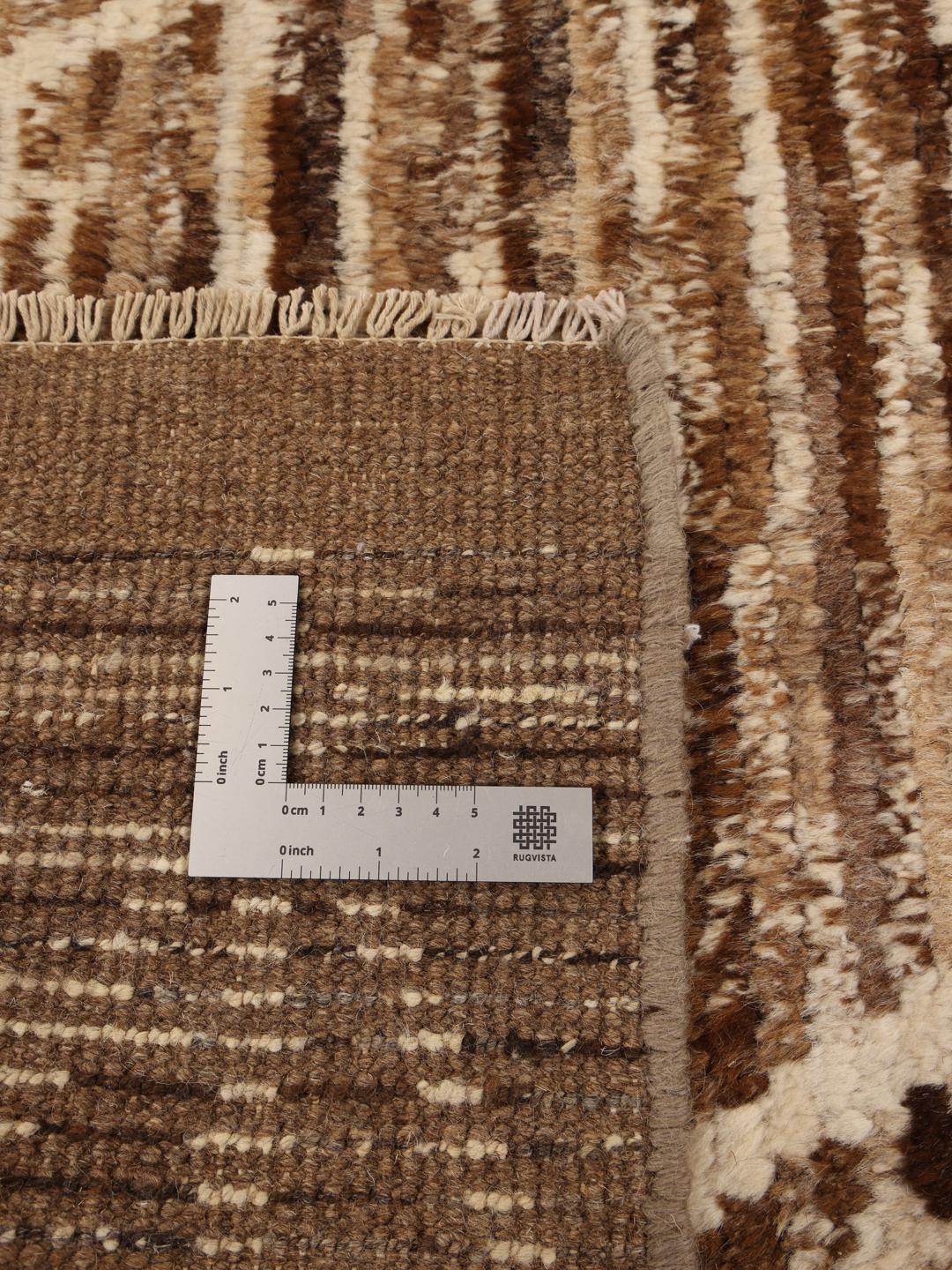
The construction of these rugs typically relies on a dense hand-knotting technique, which allows for intricate patterns and a robust pile. This method is essential for creating the characteristic durability that these rugs are known for, ensuring that they can withstand the rigours of daily life while retaining their aesthetic appeal over time.
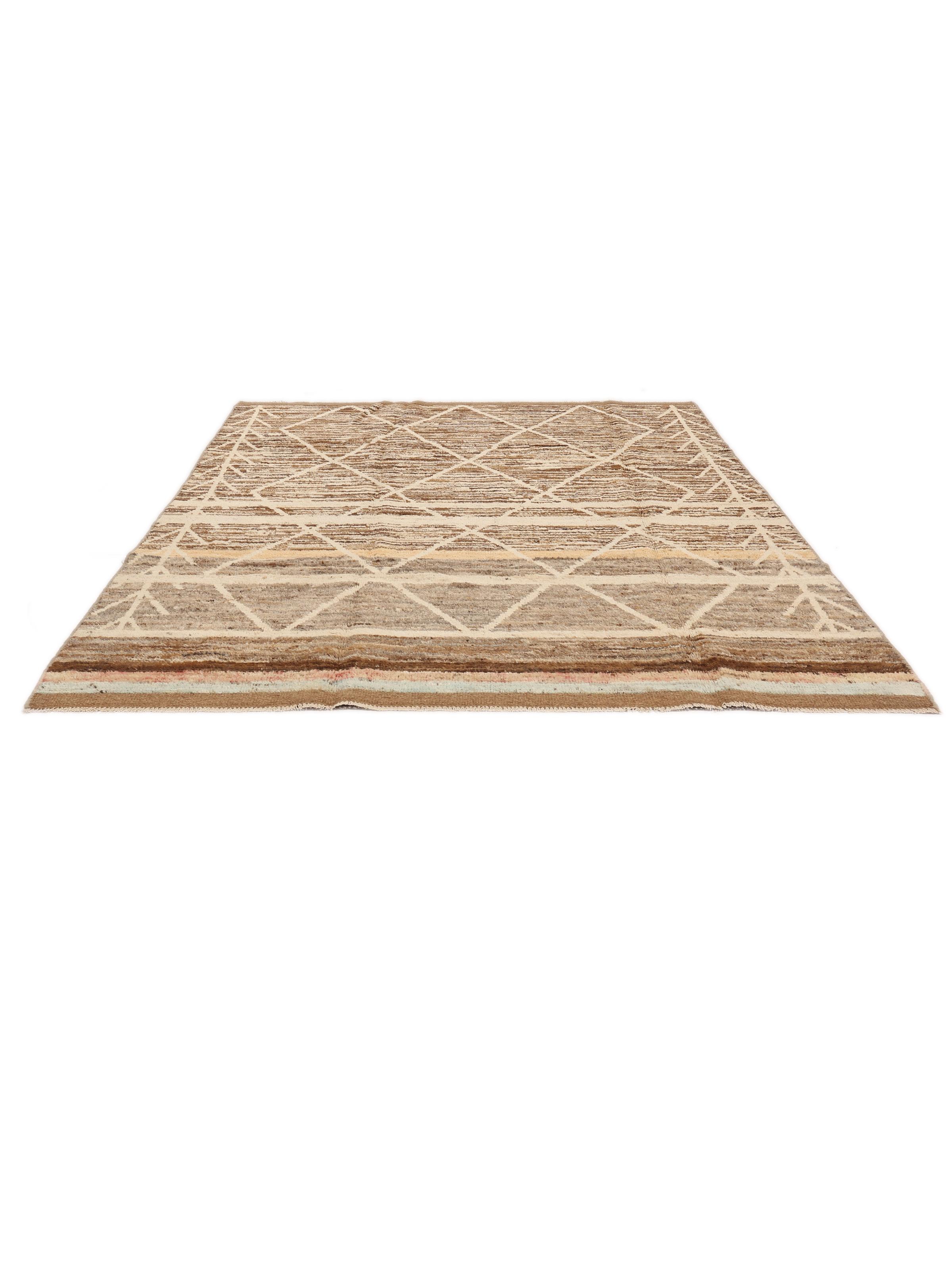
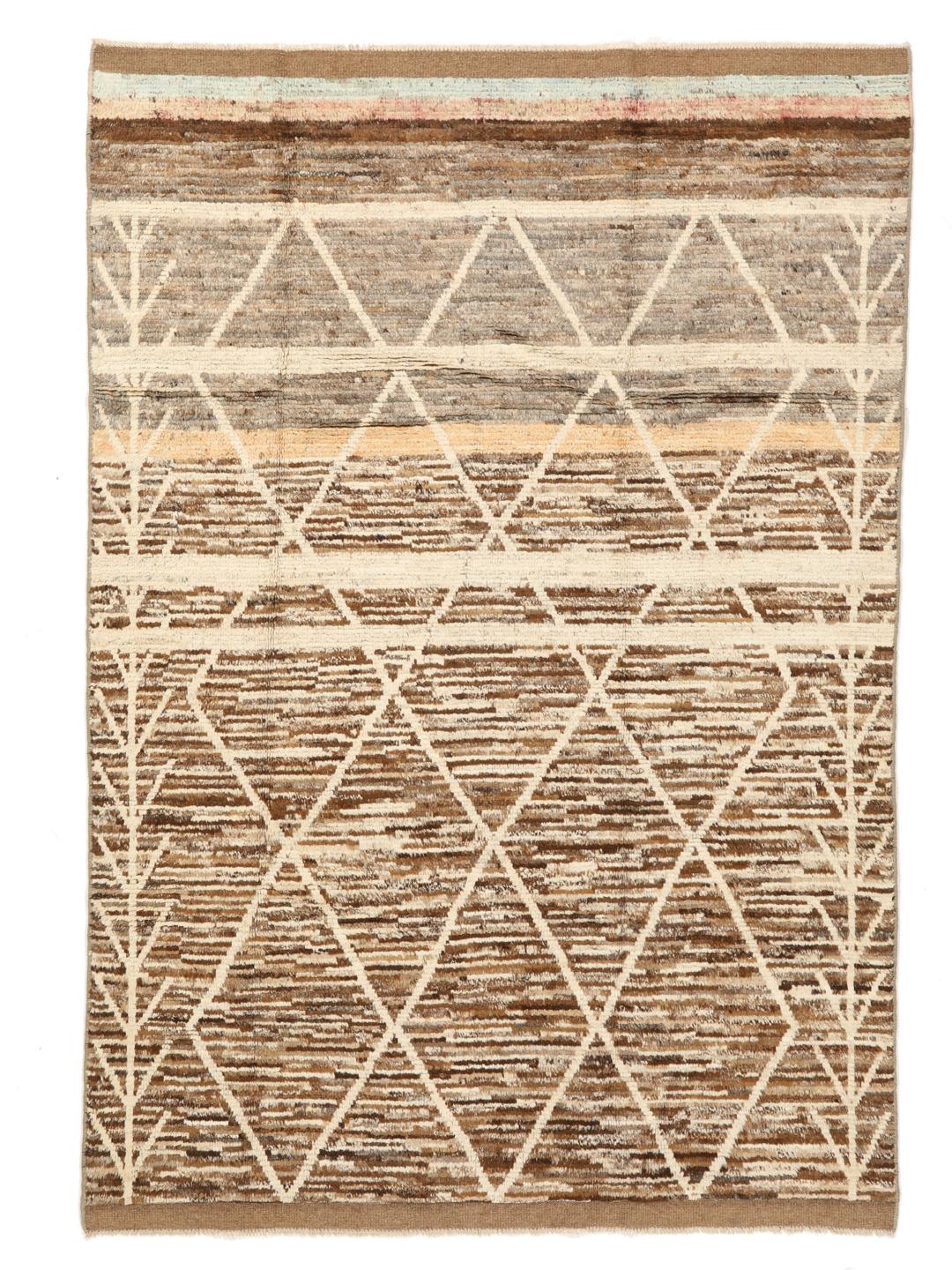
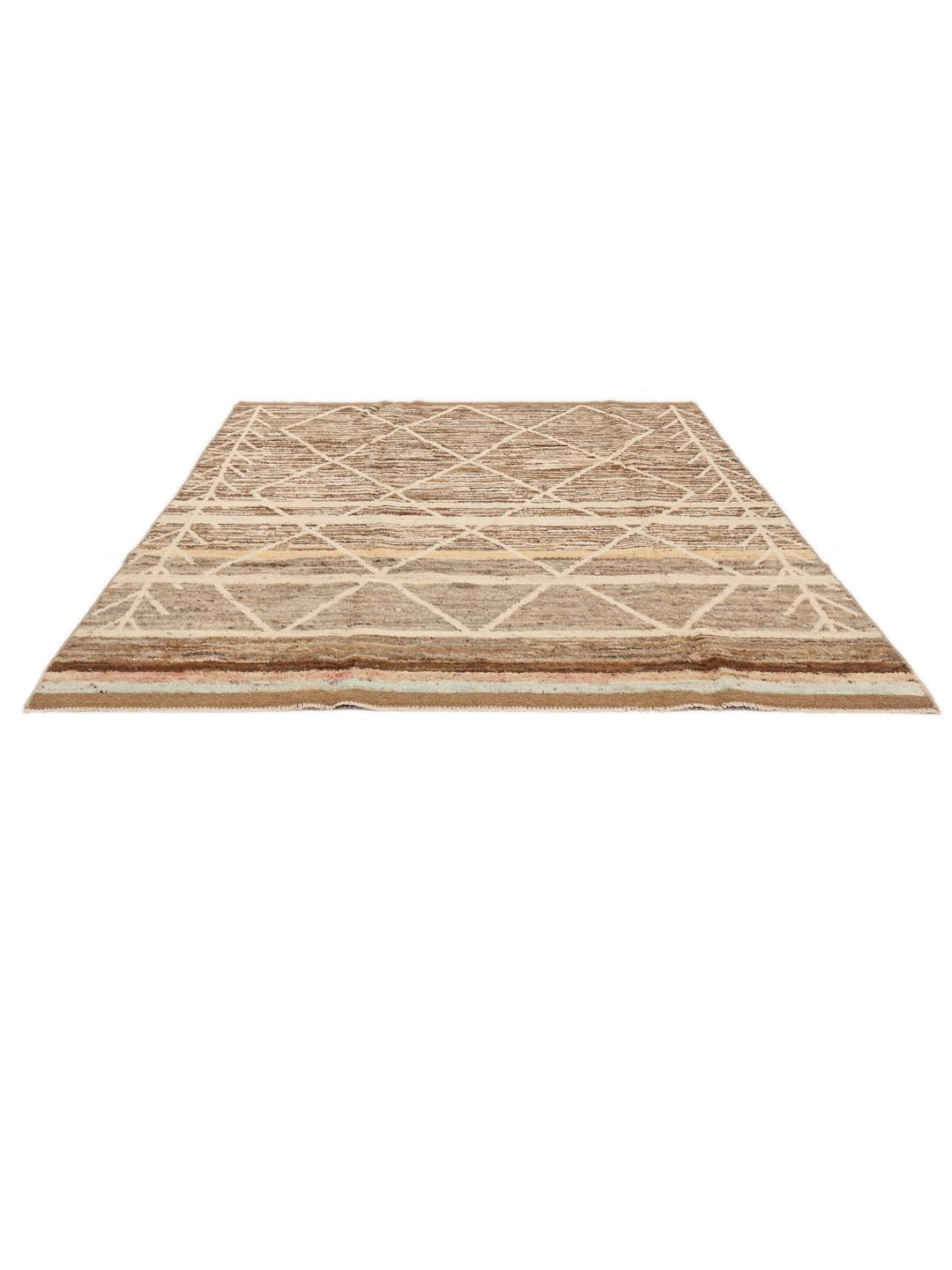
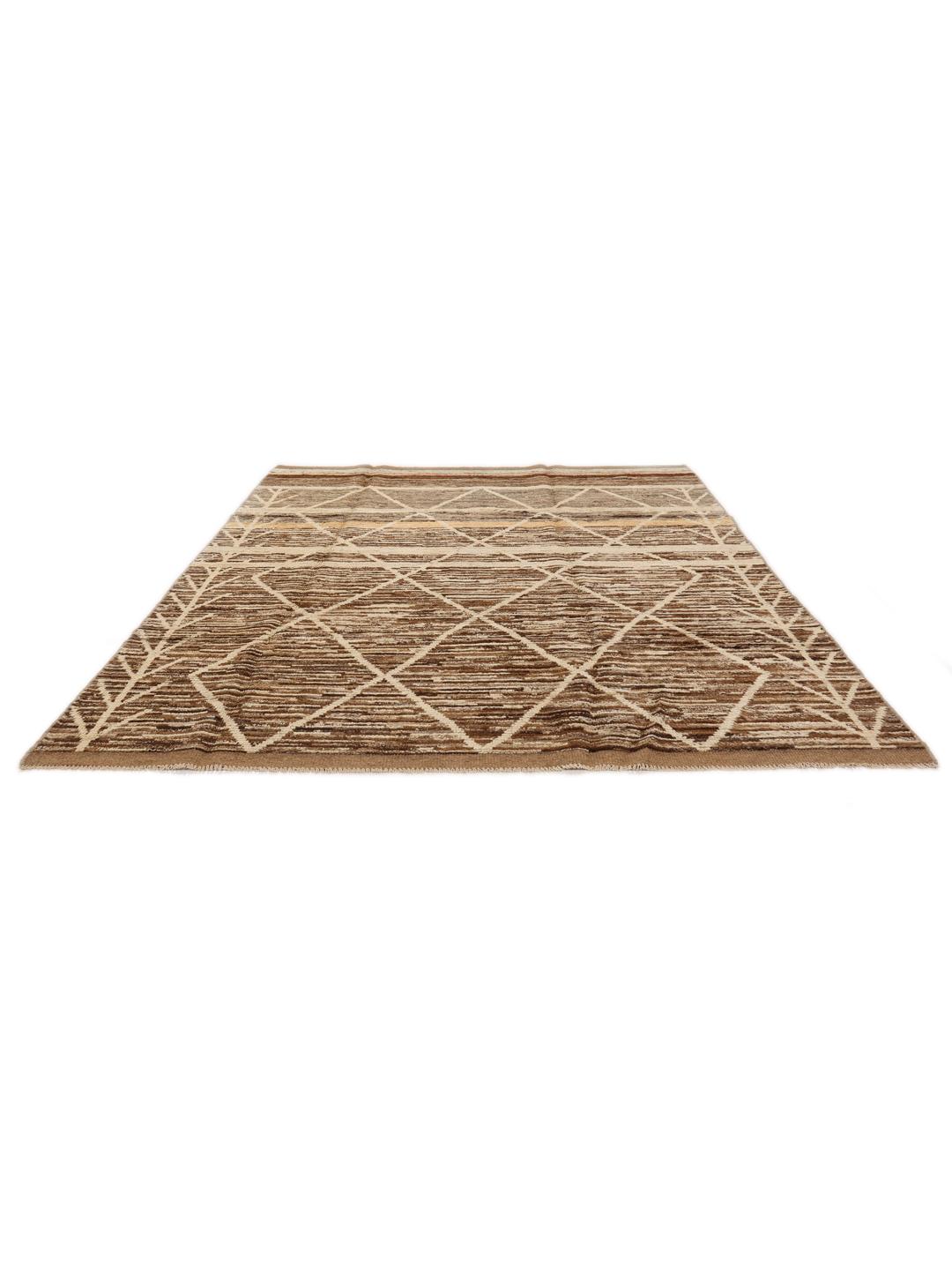
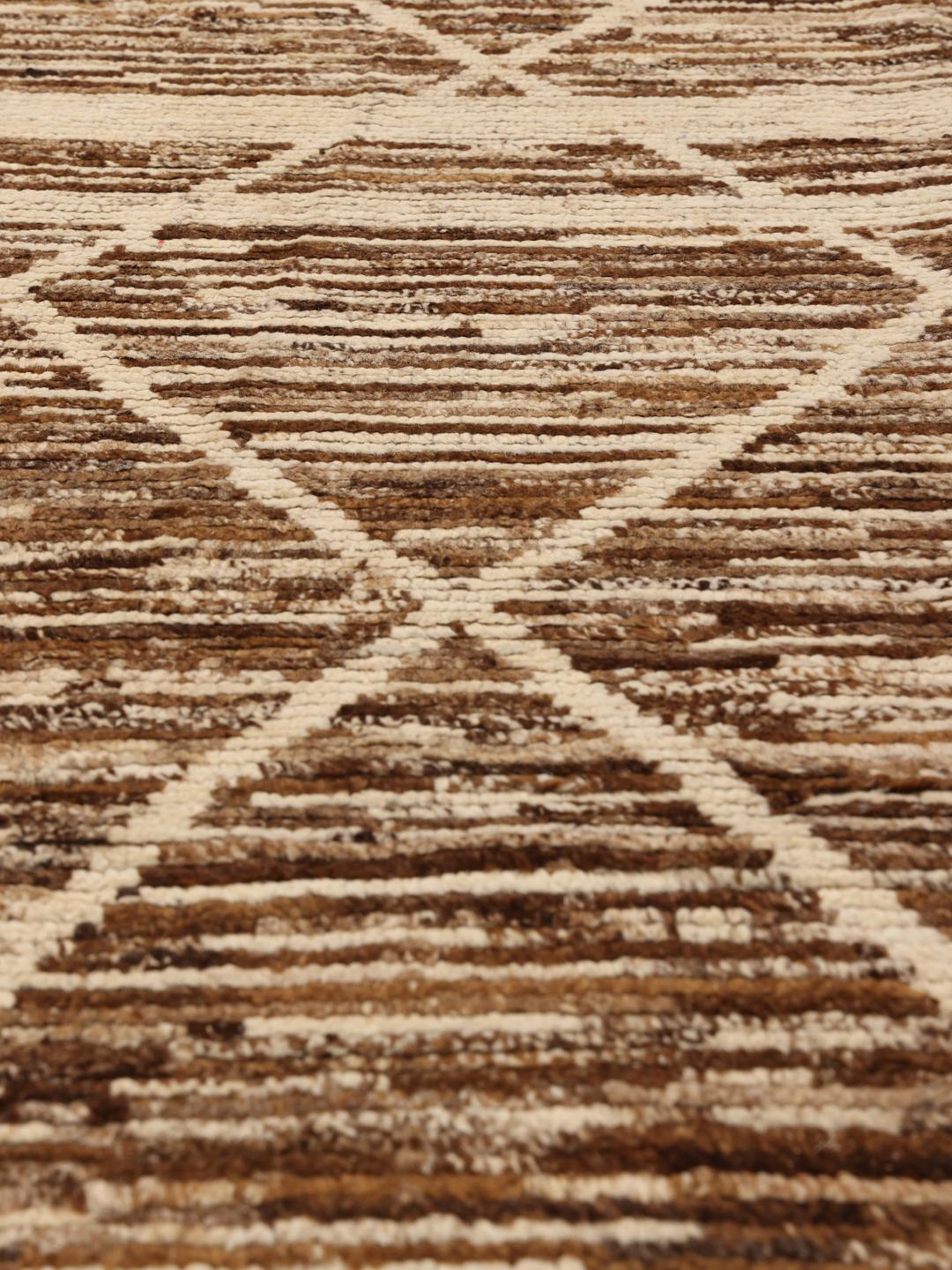
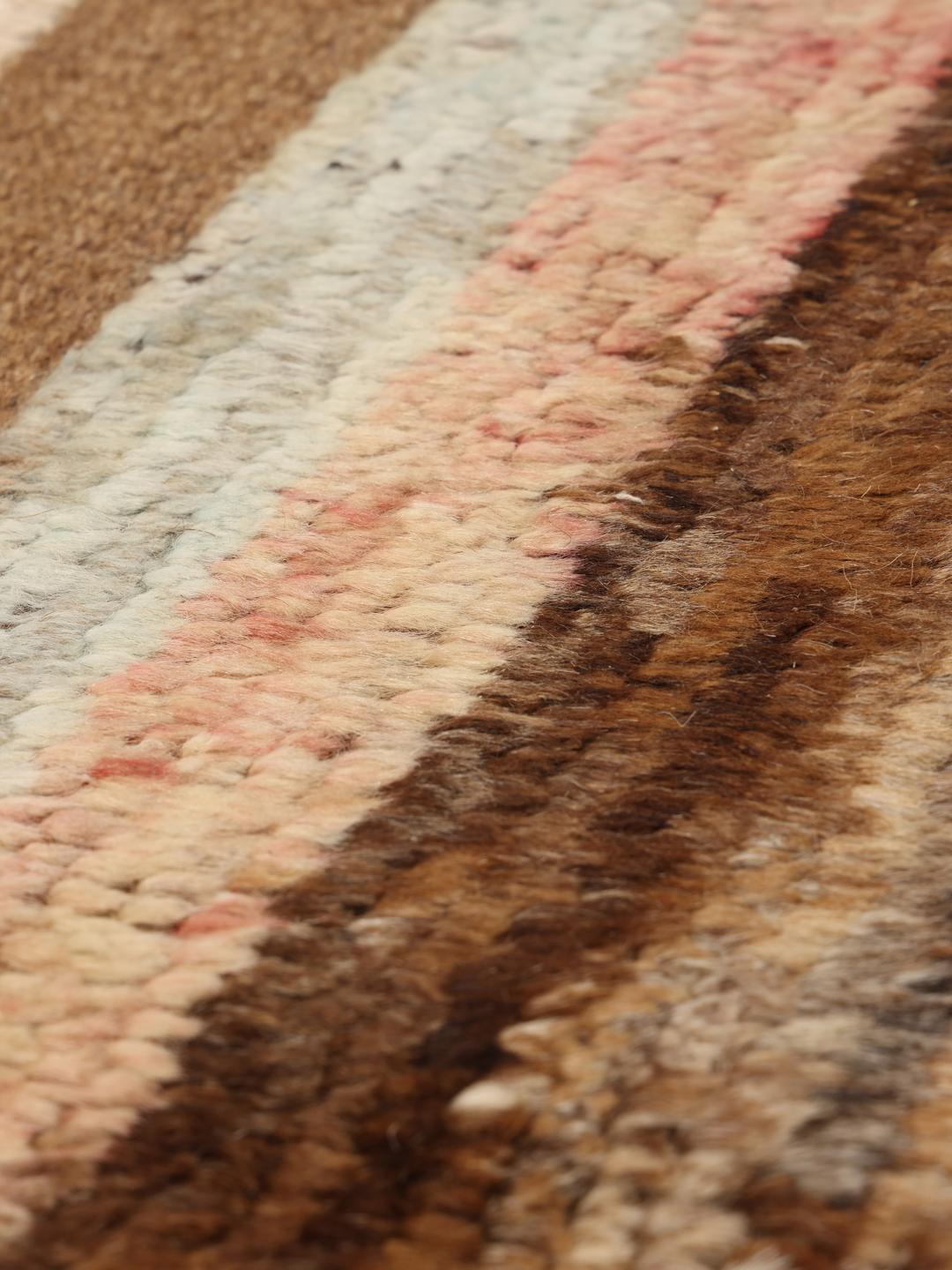
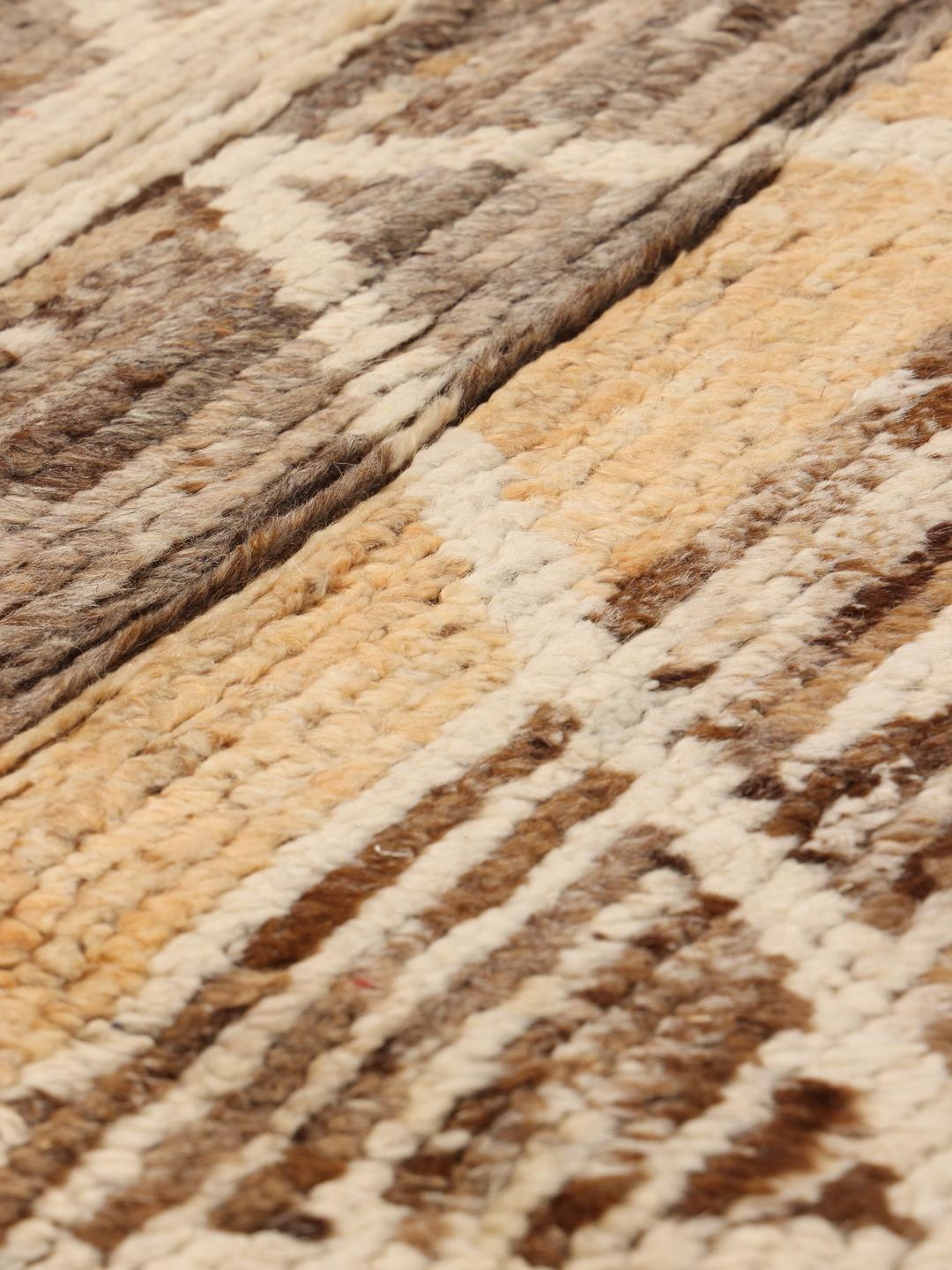
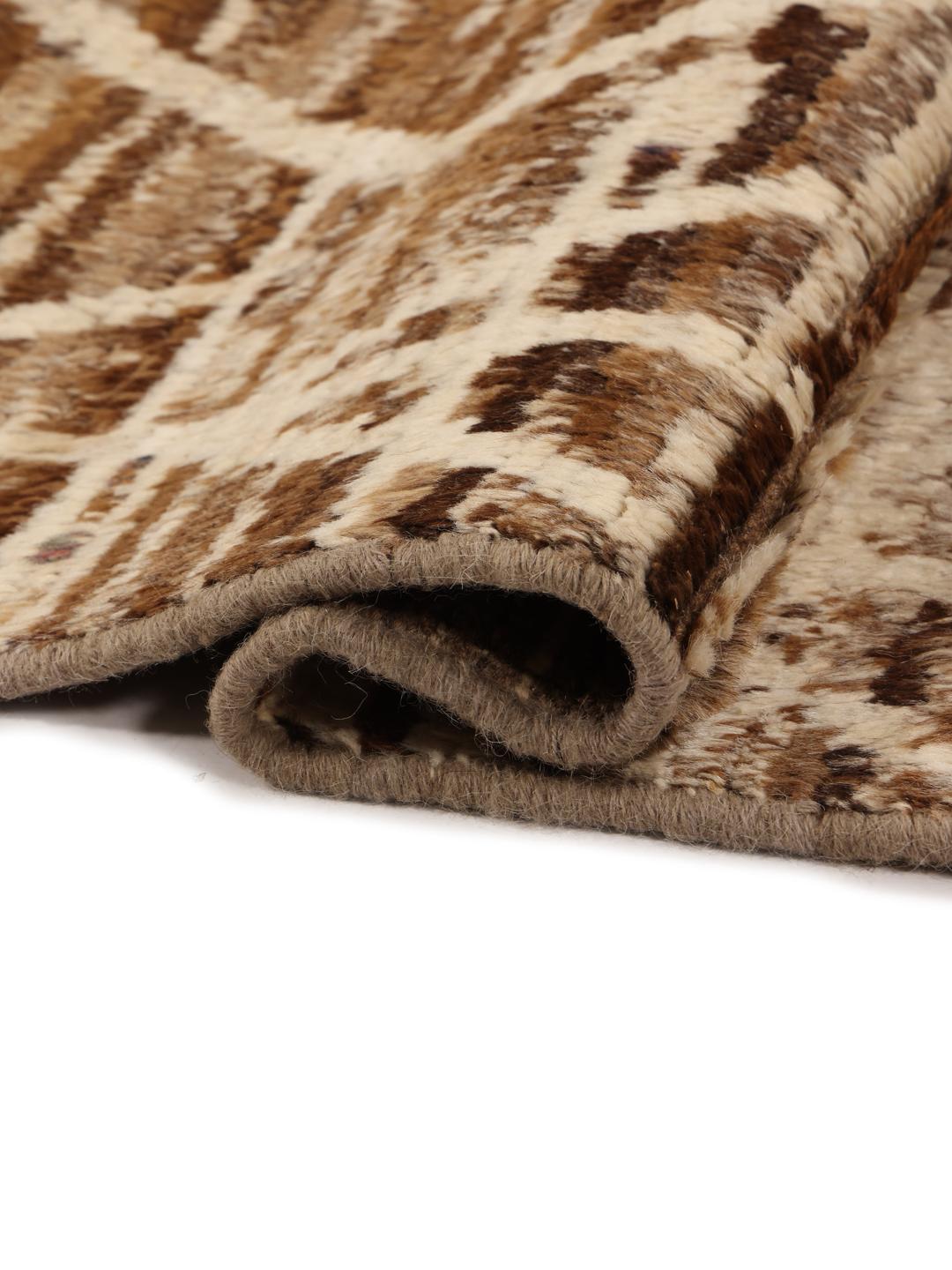
Visually, these rugs are defined by their minimalist and geometric language. They often feature repeating diamonds, zig-zags, or tree-of-life motifs rendered in earthy, natural tones. This rug in particular uses a sophisticated diamond grid that highlights the natural variations in the wool, creating a sense of movement and depth within the field.
Collecting a hand-knotted rug from this tradition is an investment in cultural history and human skill. Each piece serves as a link to the past, preserving techniques passed down through generations of weavers. Owning one is a testament to the appreciation of slow, deliberate work that values heritage and the beauty of natural materials.