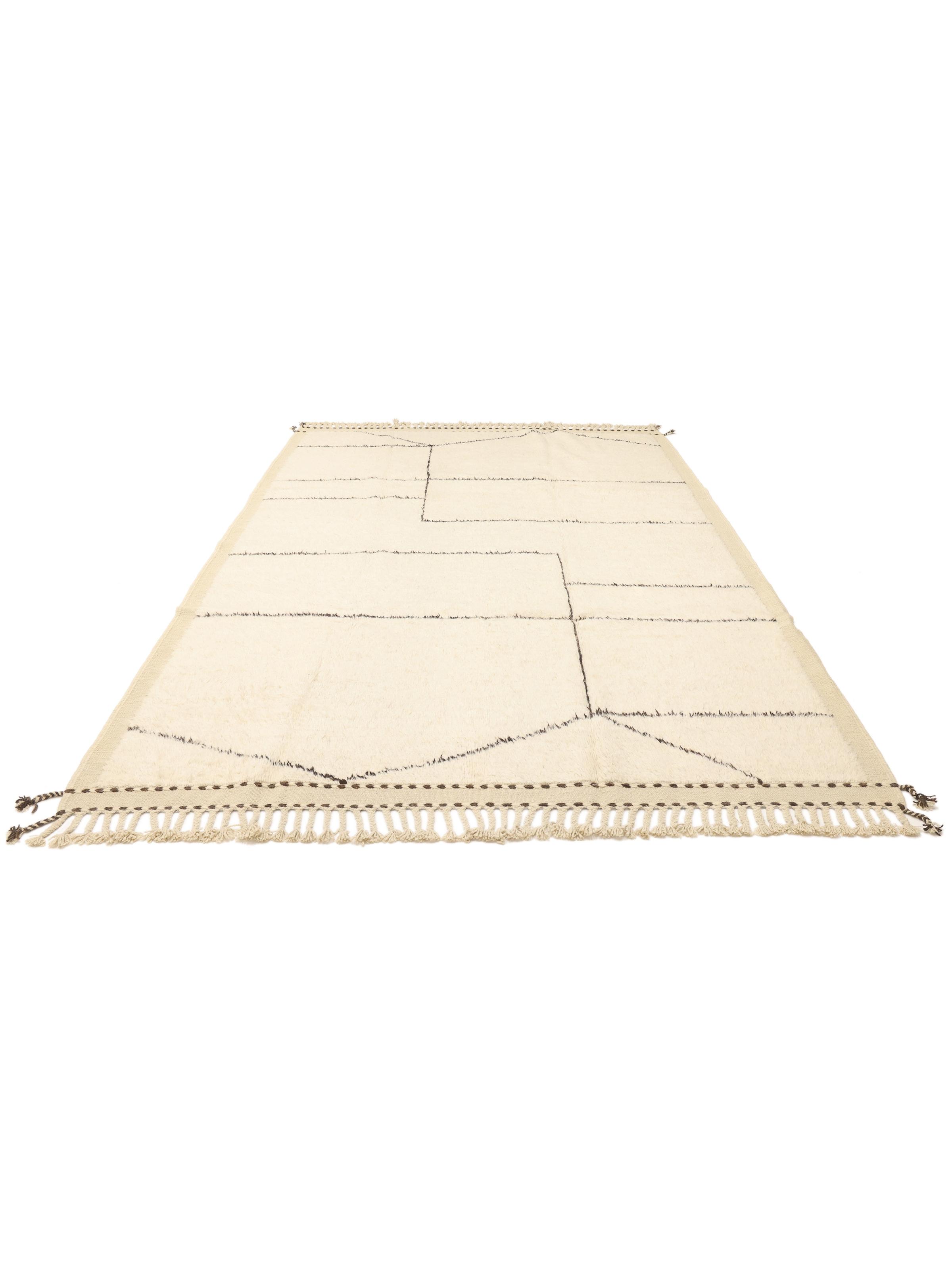
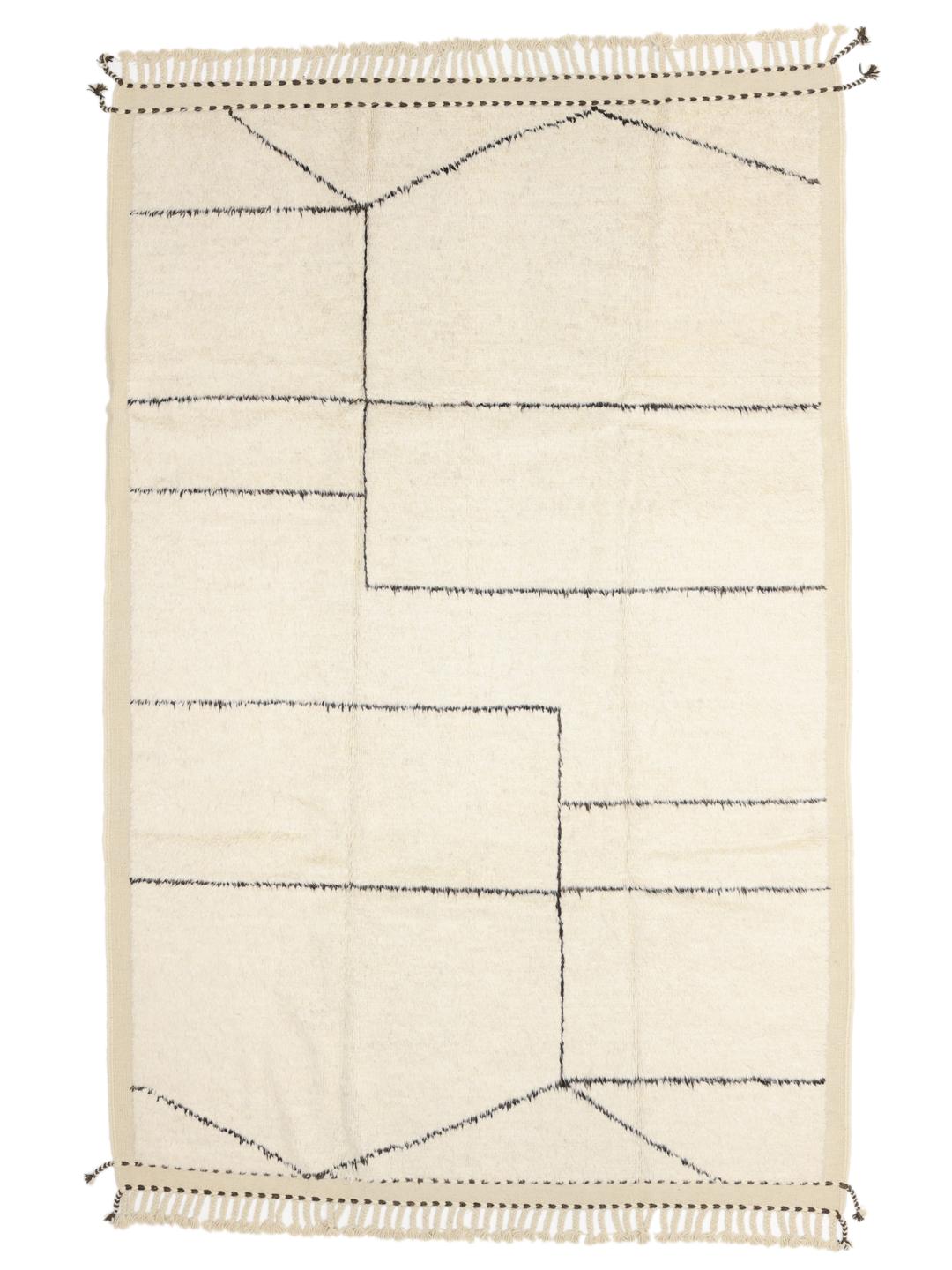
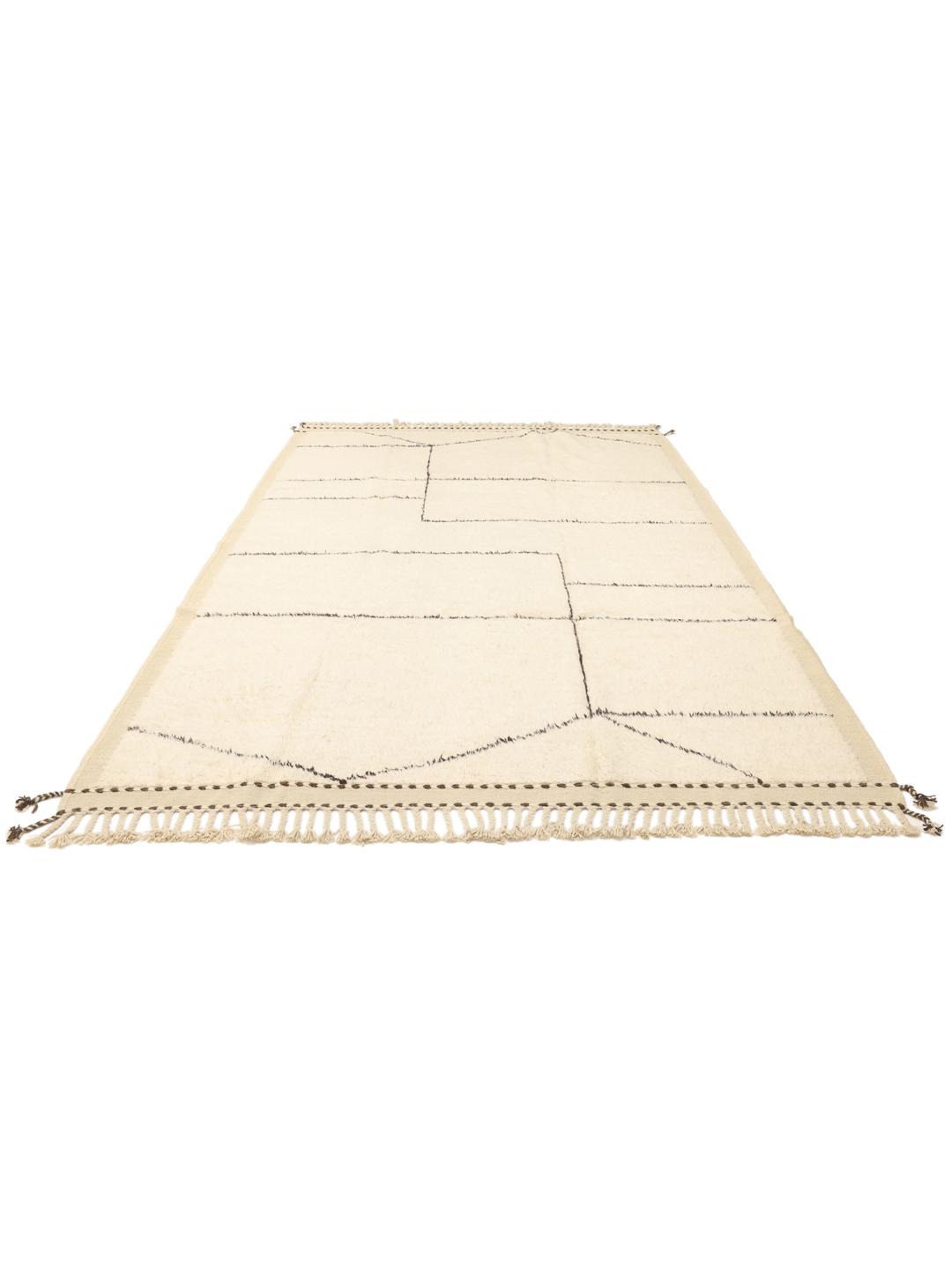
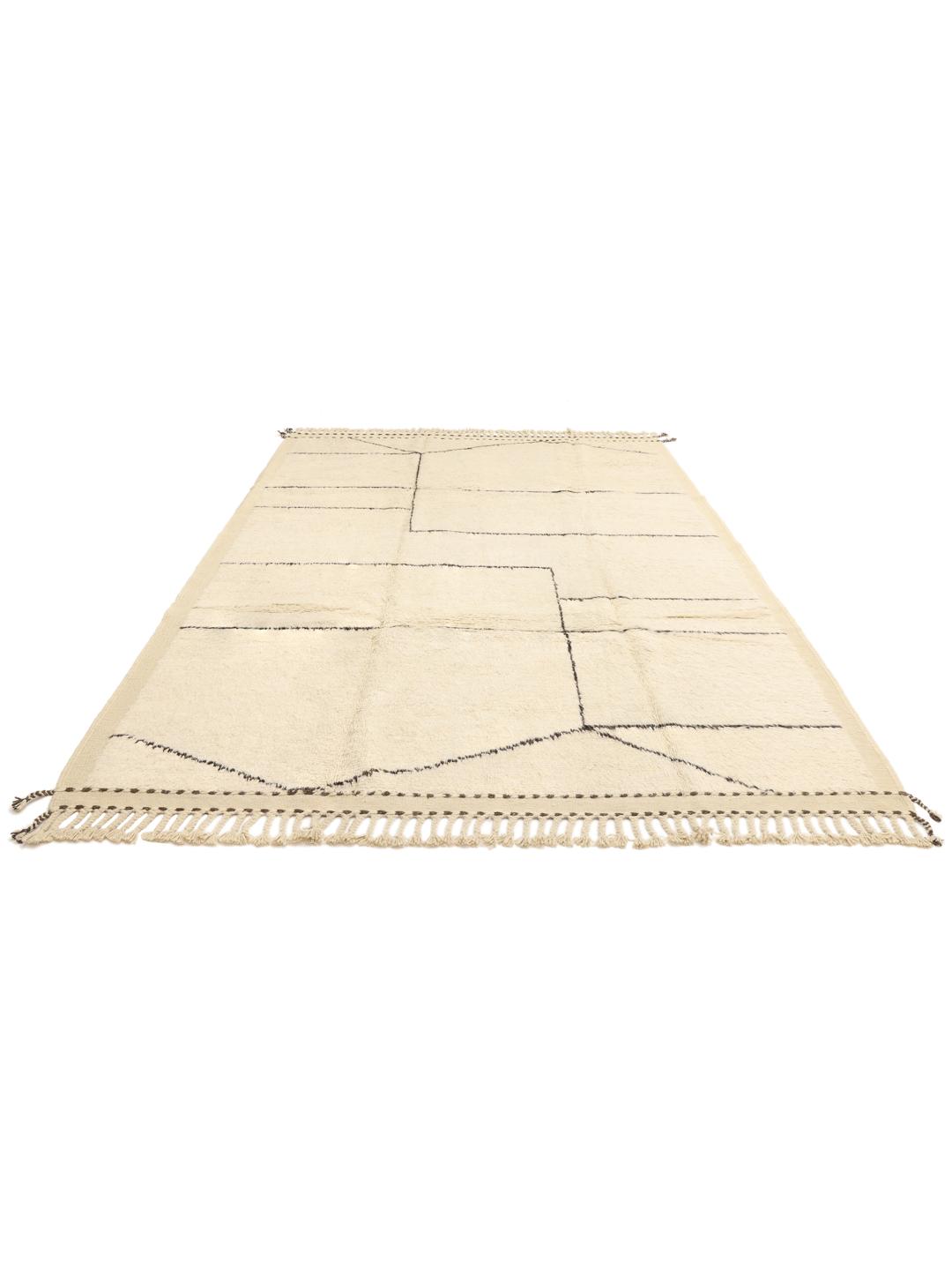
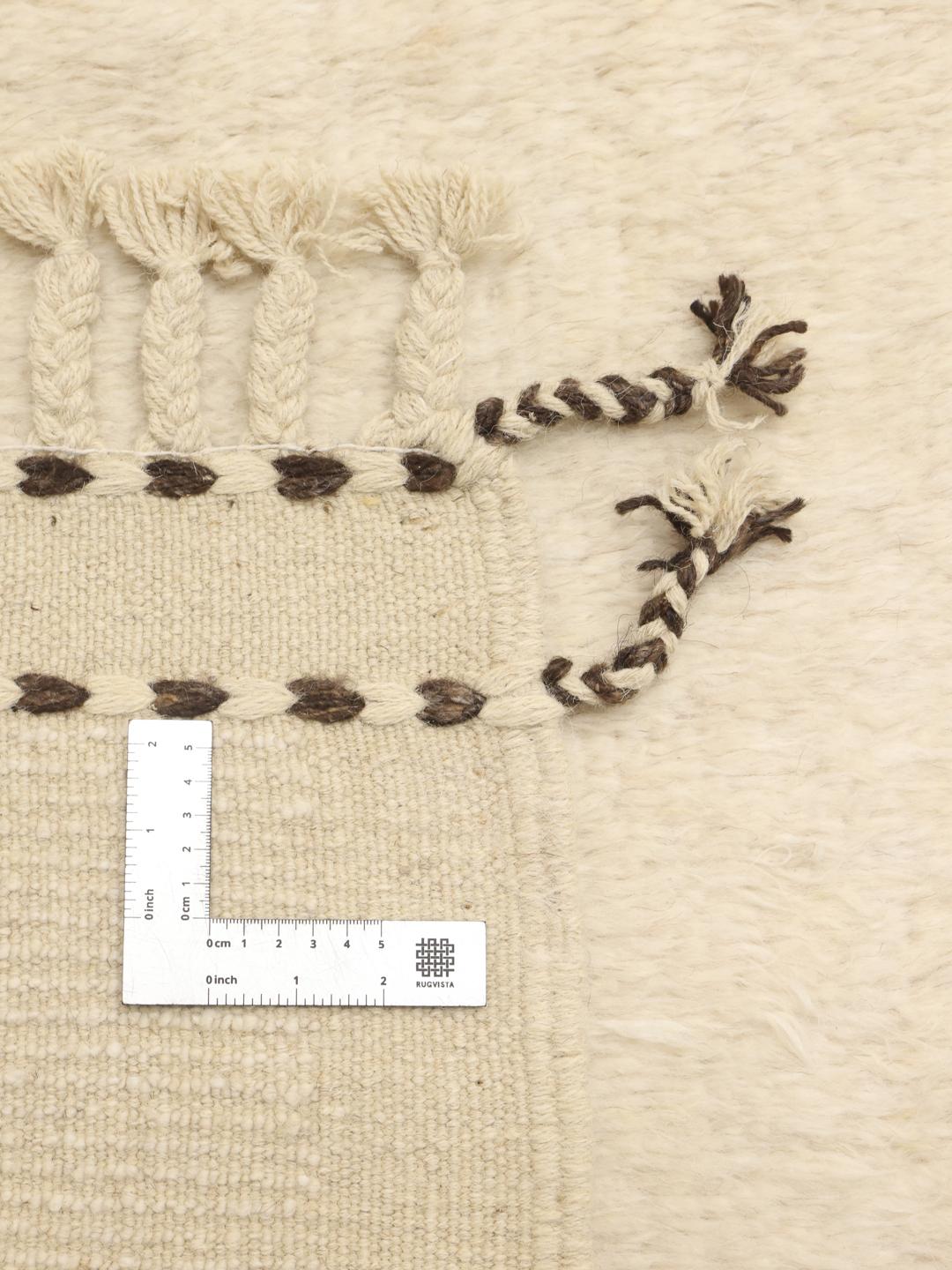
Berber style rugs are deeply rooted in the traditions of North Africa, yet their influence has travelled far beyond their original borders. Today, the tradition of weaving these iconic, shaggy, and often minimalist rugs has been adopted by skilled artisans in Afghanistan, who bring their own regional expertise to the craft. This evolution of the style demonstrates the enduring appeal of the Berber aesthetic, which bridges the gap between ancient cultural heritage and modern design sensibilities.
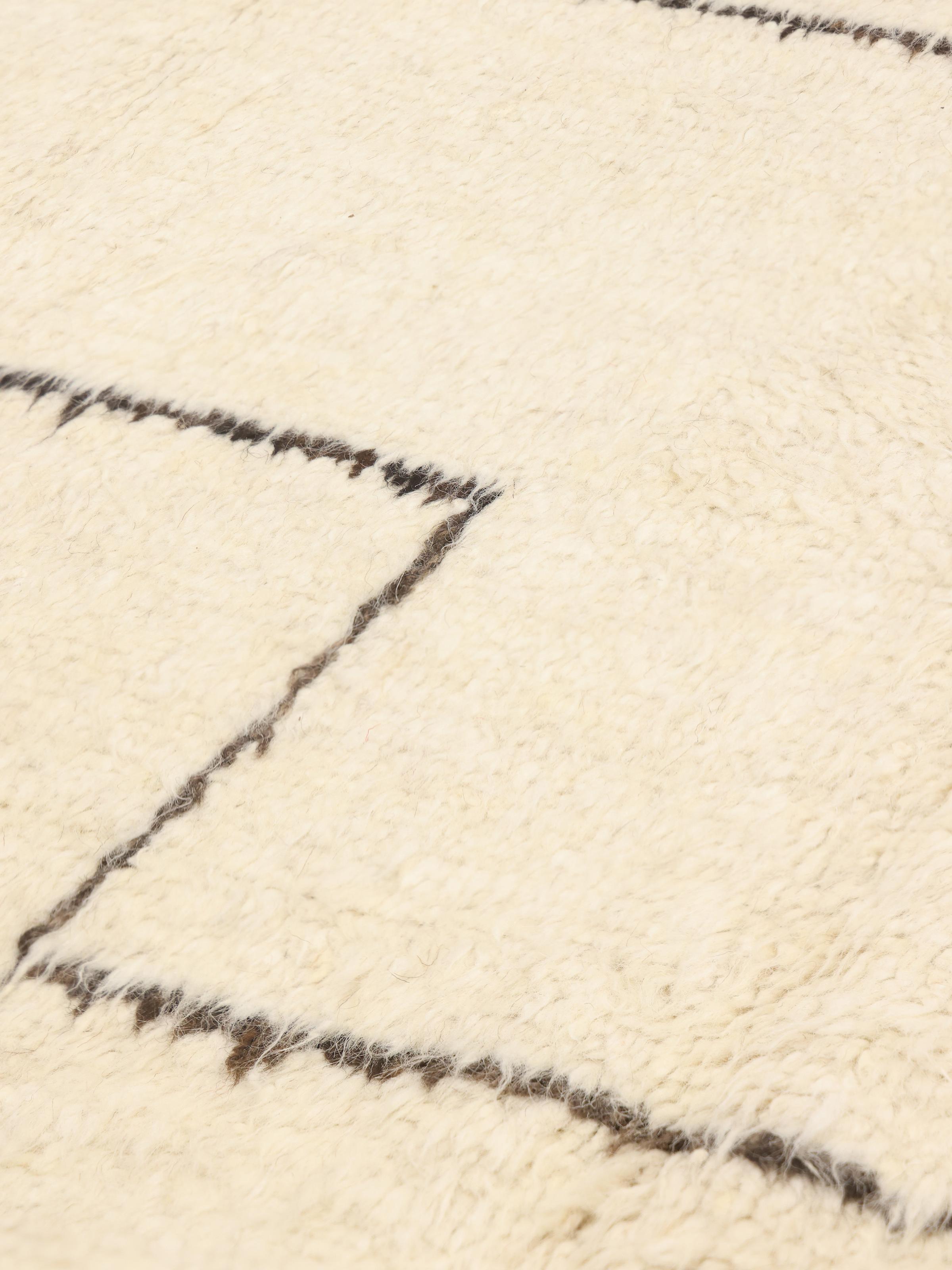
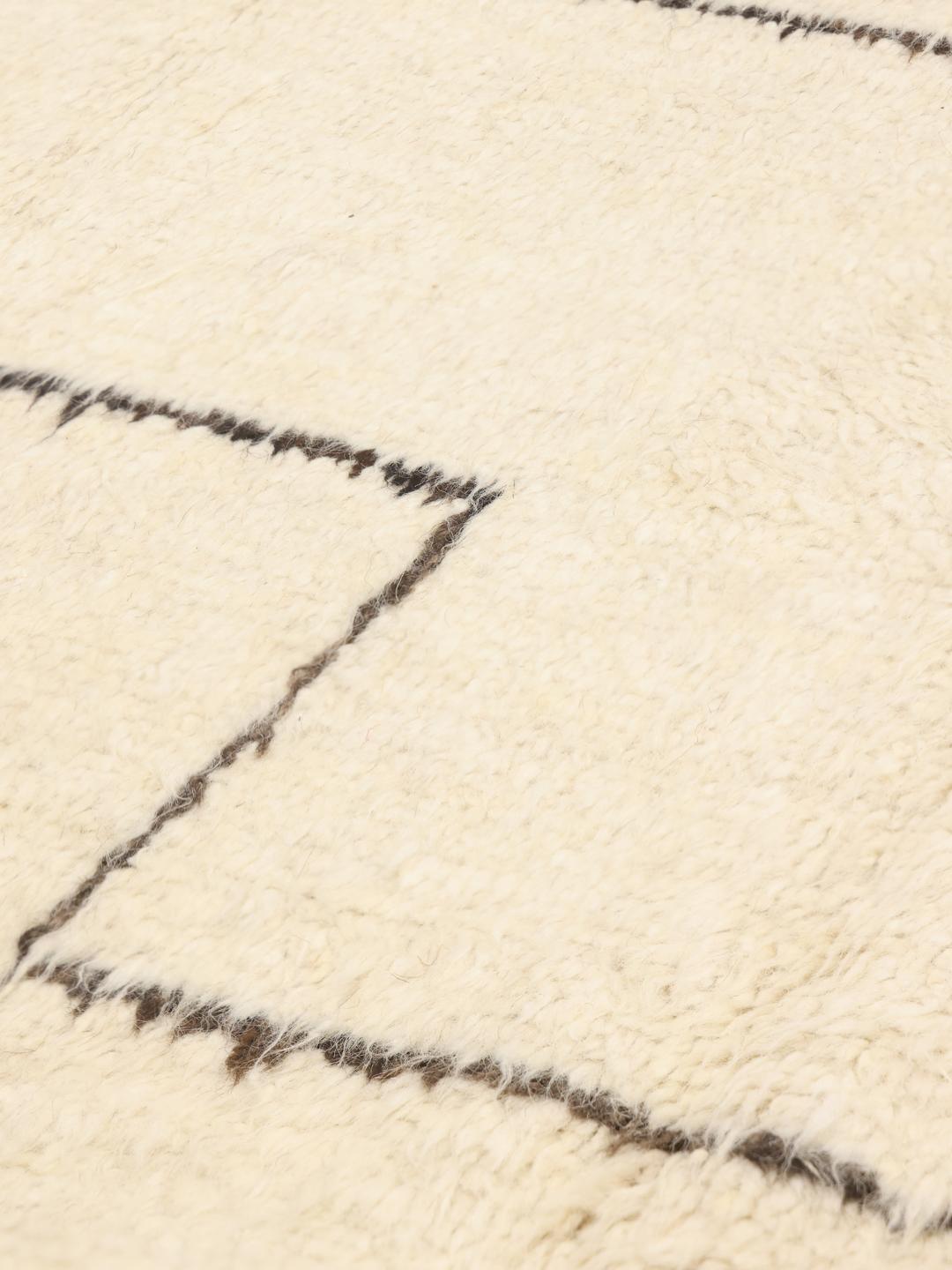
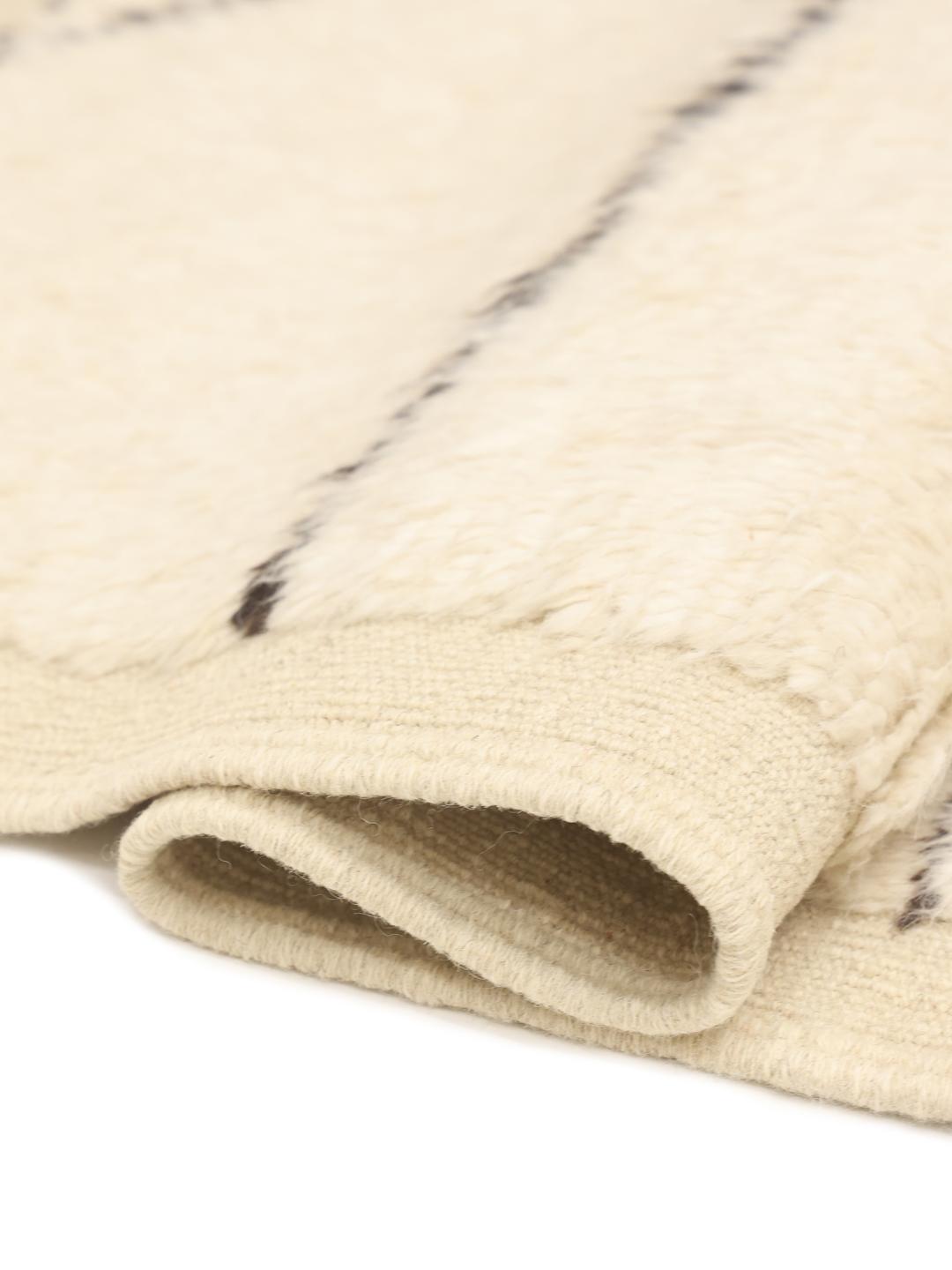
At the heart of these rugs lies a commitment to raw materials and fundamental techniques. The term 'hand-knotted' refers to the process where each strand of wool is tied by hand onto the foundation. This method is crucial for creating a rug that is not only visually striking but also incredibly durable. Because the pile is securely knotted rather than tufted, the rug is less prone to shedding and can withstand the rigours of daily life while maintaining its soft, tactile appeal.
Design-wise, these rugs are celebrated for their focus on simplicity and symbolic geometry. While traditional North African Berber rugs often featured tribal motifs, modern interpretations—like this one—frequently utilise clean, stark lines to create a minimalist look. The use of a neutral base allows the dark, hand-drawn lines to stand out, creating a balanced and harmonious visual language that is both contemporary and grounded in tradition.
Collecting a hand-knotted piece is a way to preserve a connection to human skill and cultural history. Owning such a rug is not just about floor coverage; it is about investing in a tradition that values the artisan's time, the quality of natural materials, and the beauty of imperfection. These rugs are cherished for their ability to bring warmth and a sense of history into a home, standing as a testament to the enduring value of manual craftsmanship in an increasingly automated world.