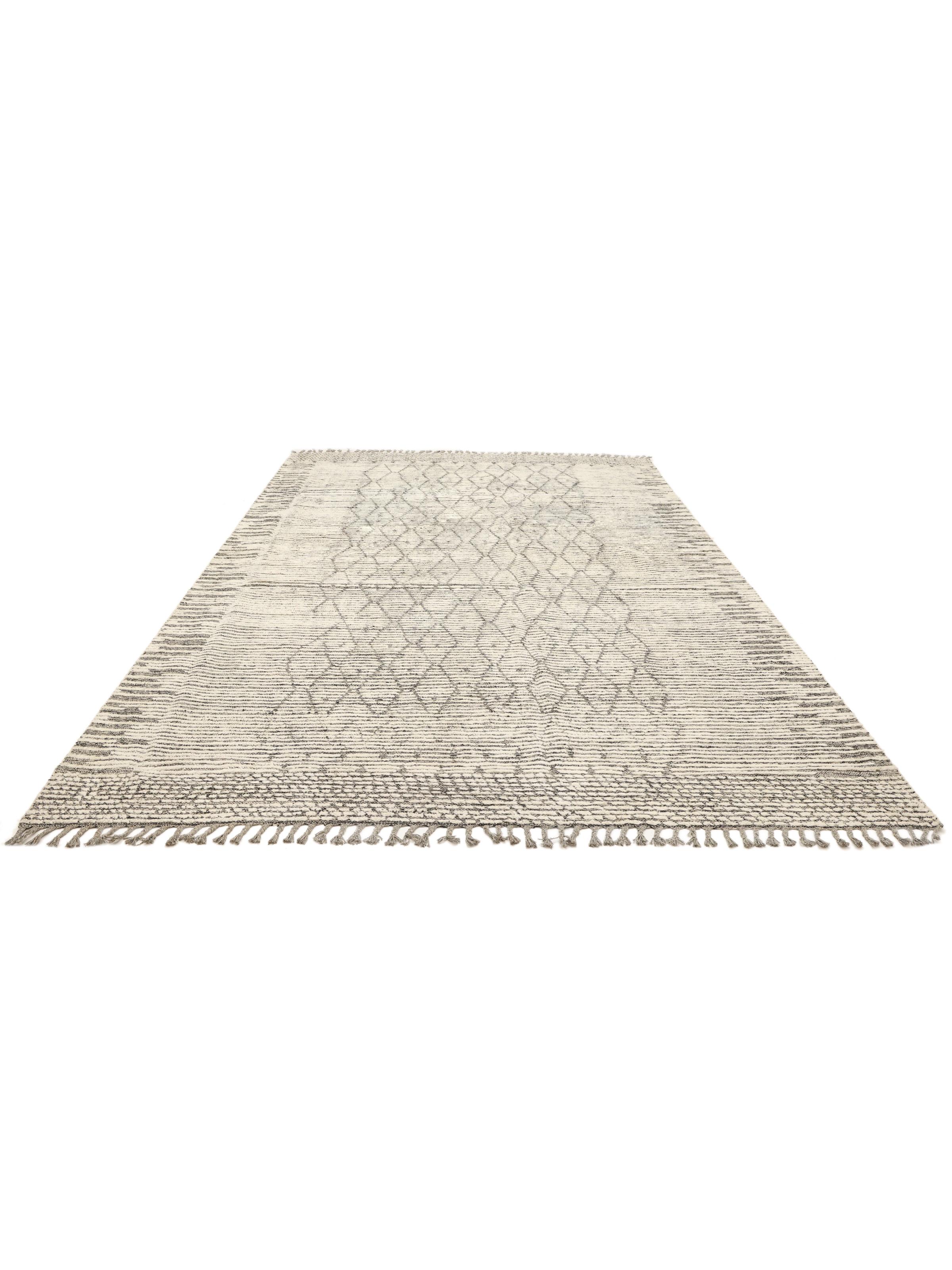
The Berber style tradition traces its roots to the indigenous people of North Africa, known for their distinct weaving practices that prioritise comfort, warmth, and symbolic storytelling. While the style originated in the Atlas Mountains, the tradition has evolved and travelled, with skilled artisans in regions like Afghanistan adopting these techniques to create rugs that resonate with modern sensibilities while honouring ancient methods.
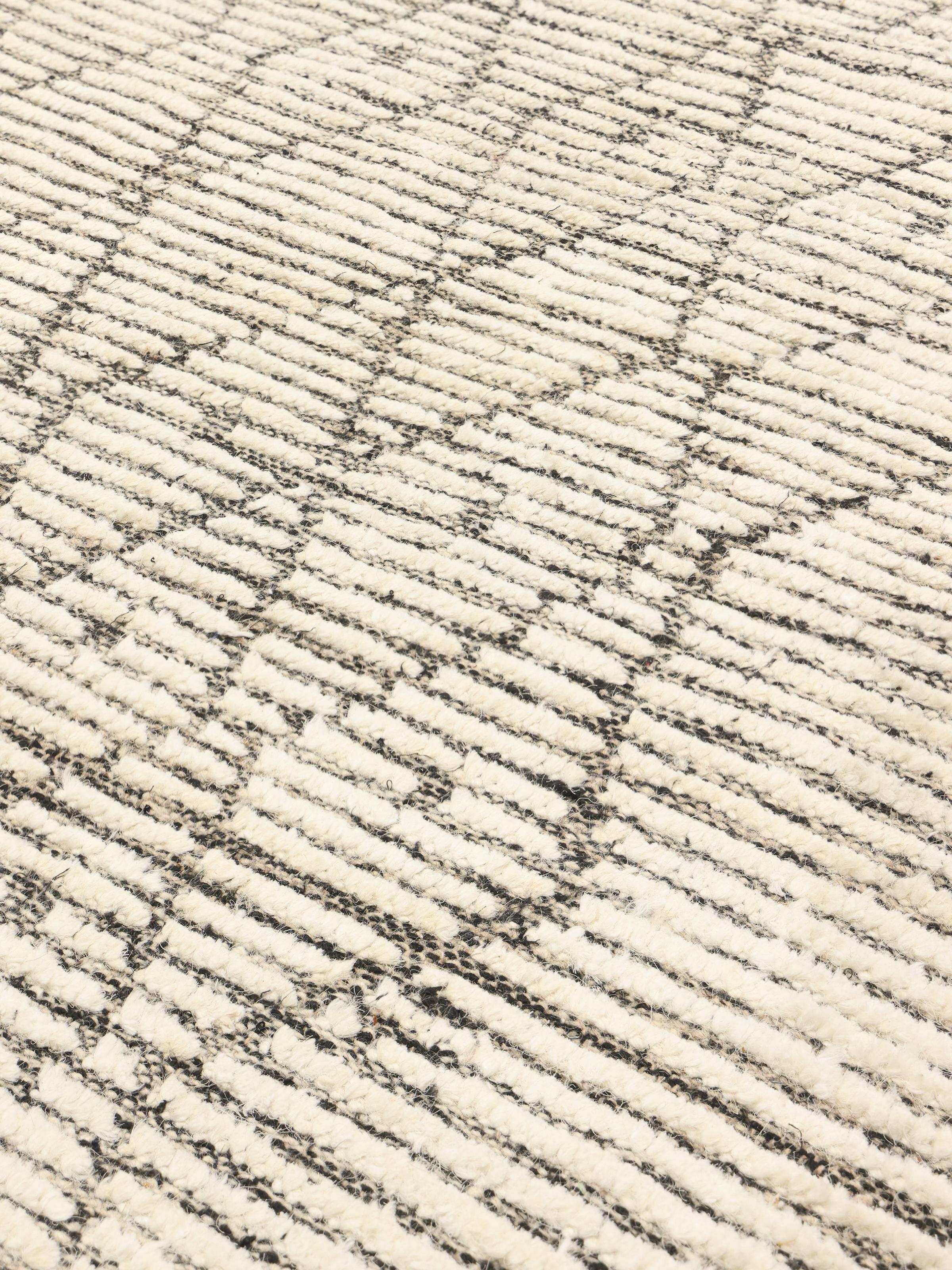
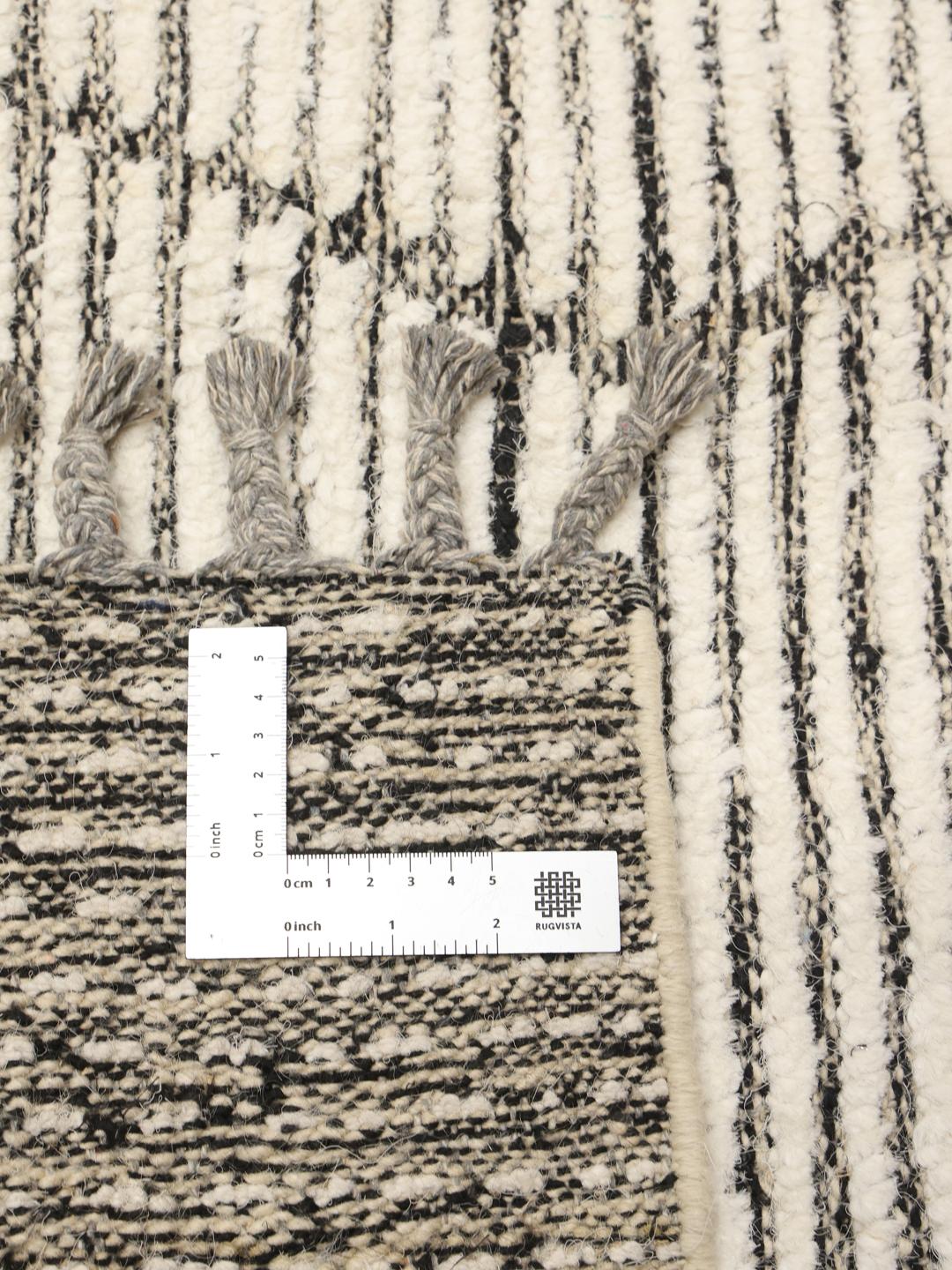
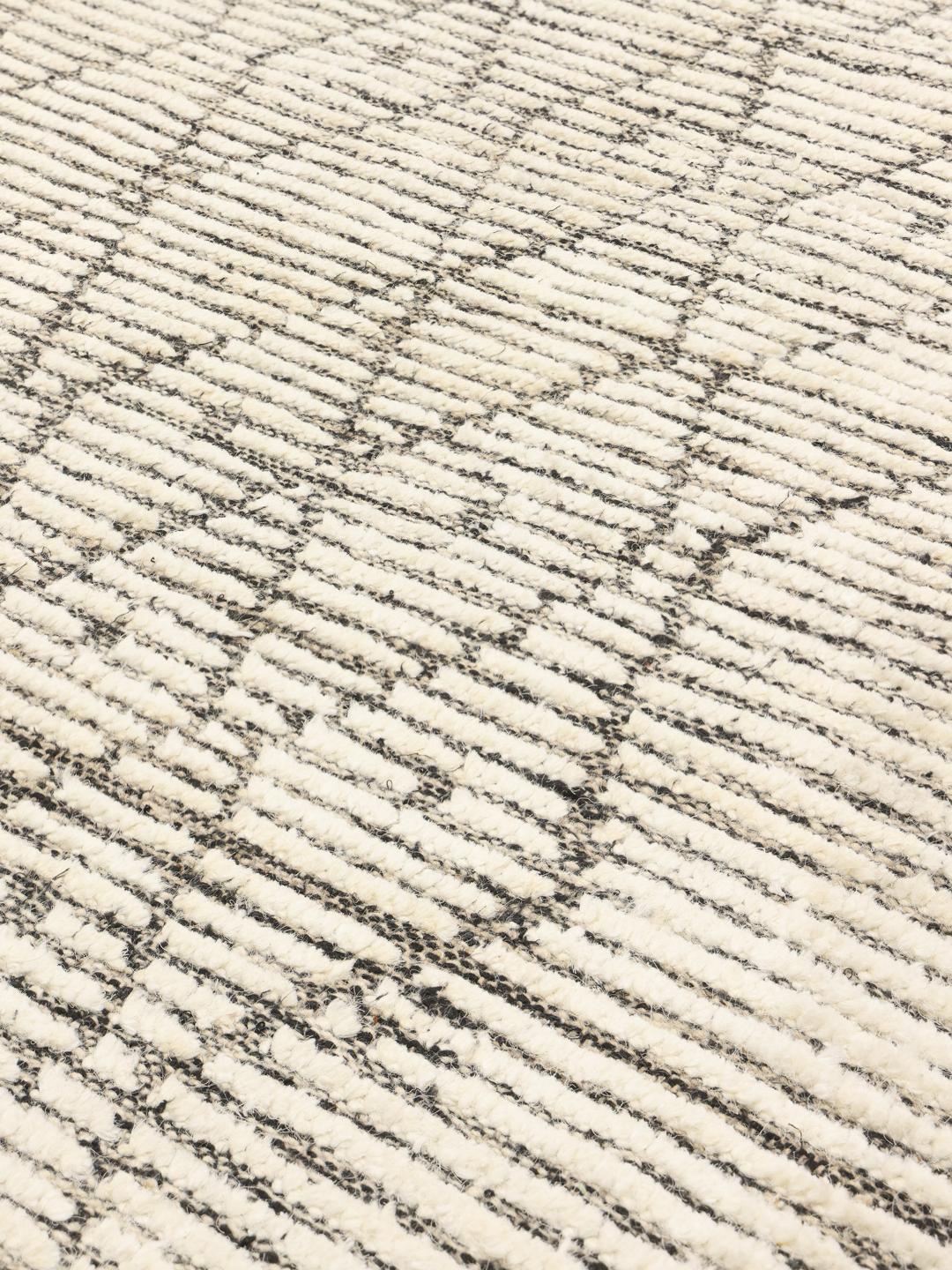
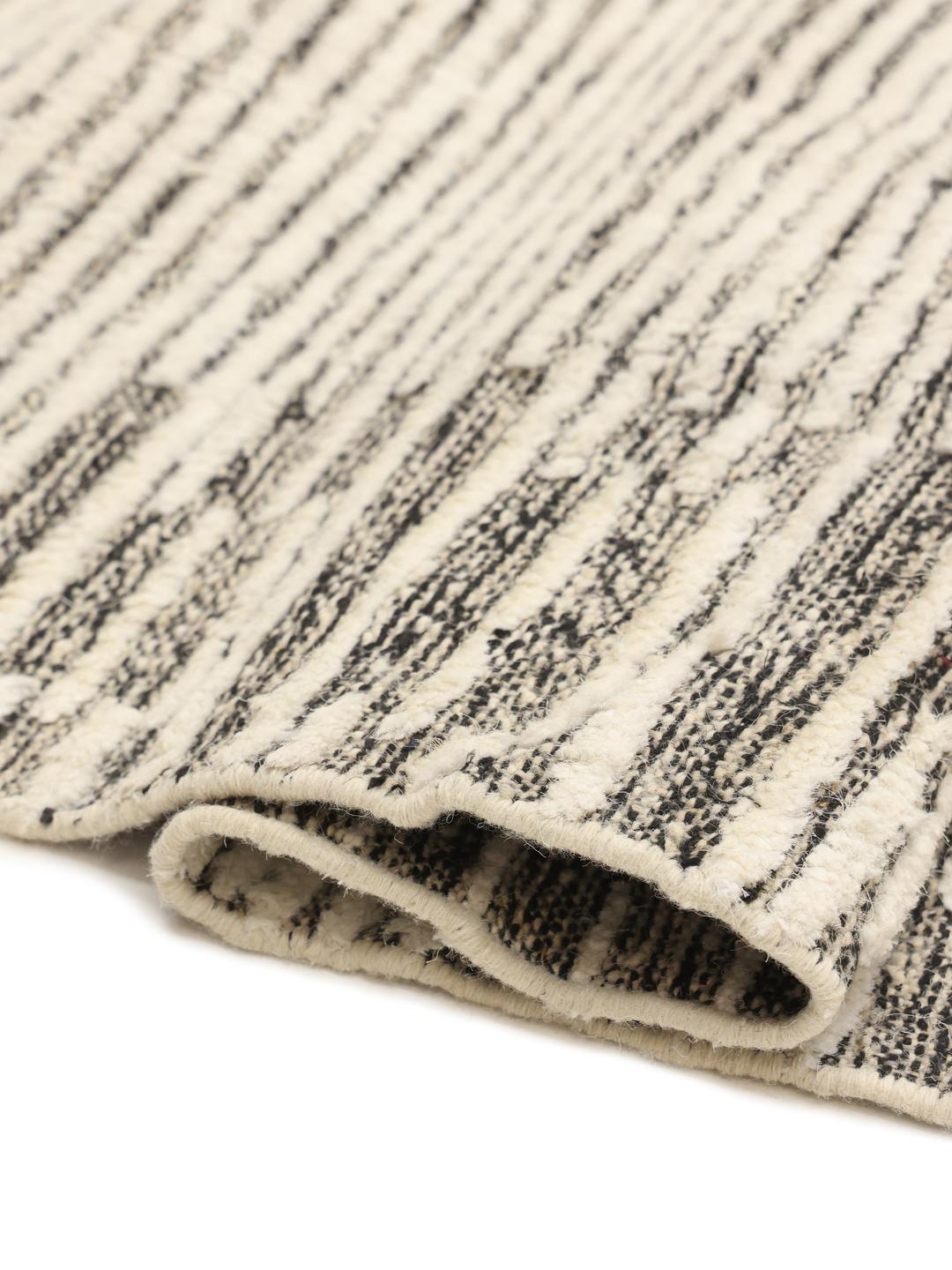
At the heart of this tradition is the use of hand-knotted construction, a technique where the pile is secured through individual knots tied onto a foundation. This method is central to the rug's quality, as it allows for a denser, more lustrous surface that is naturally resistant to wear. The result is a tactile, long-lasting piece that stands in stark contrast to mass-produced alternatives.
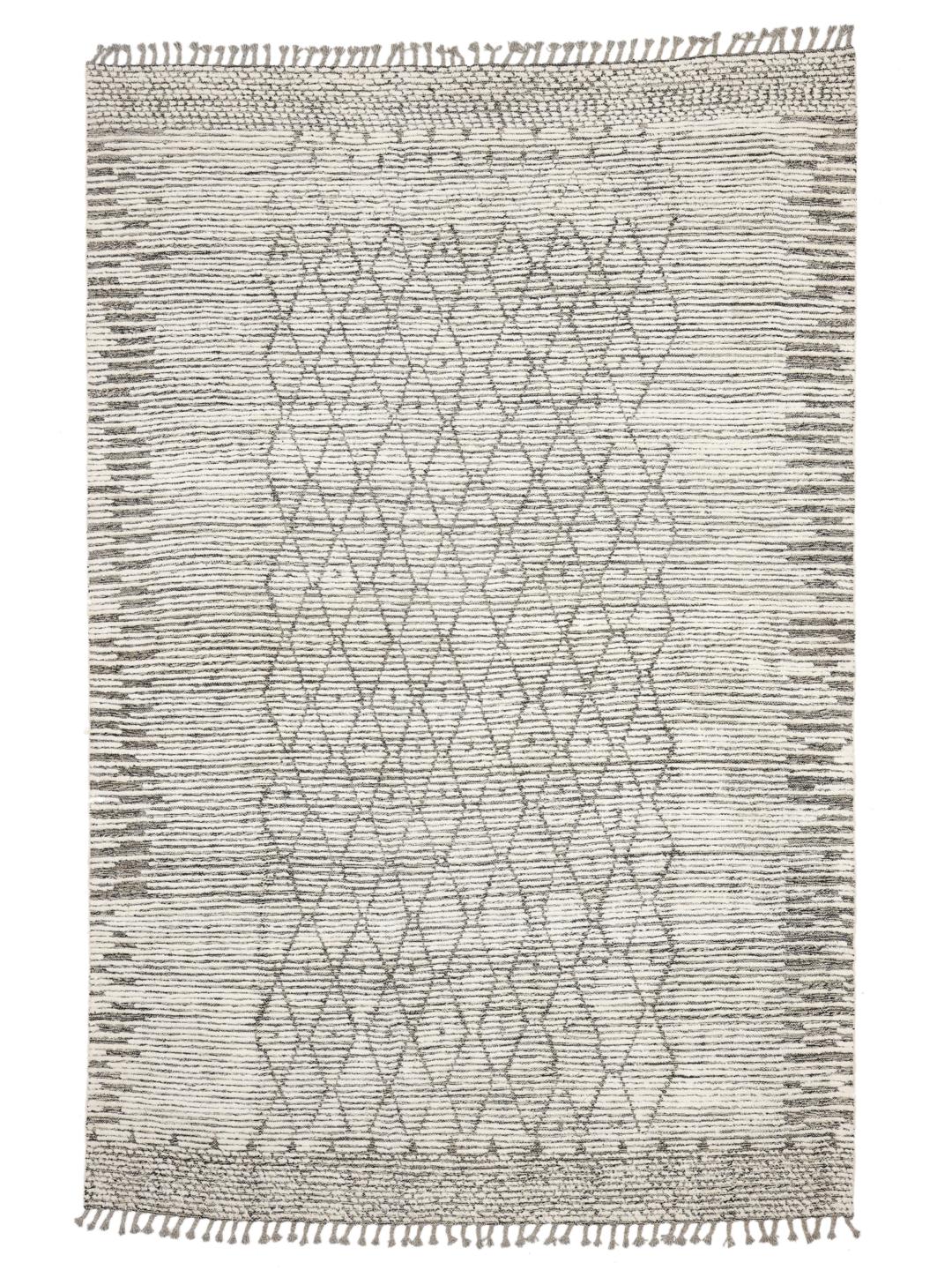
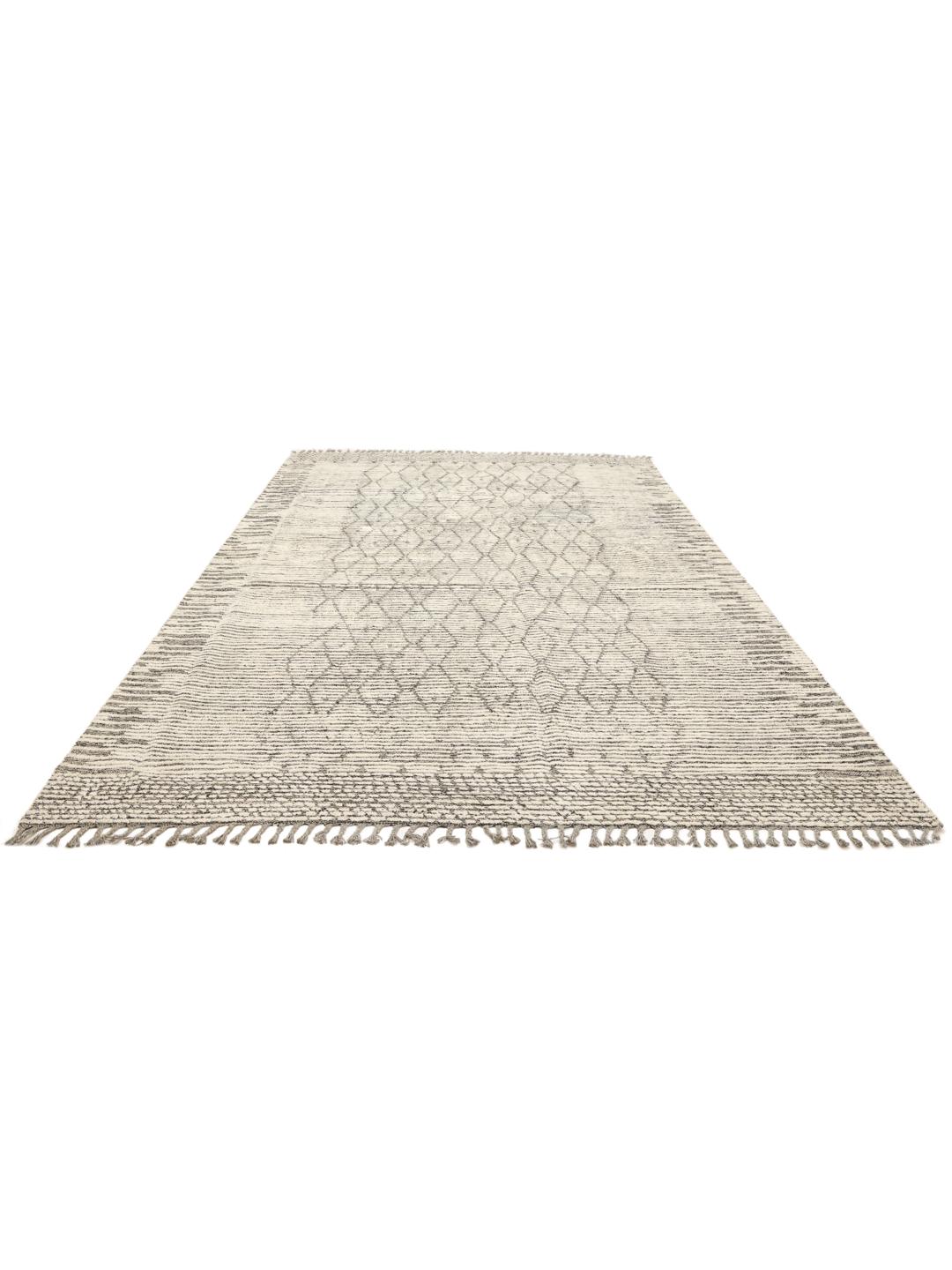
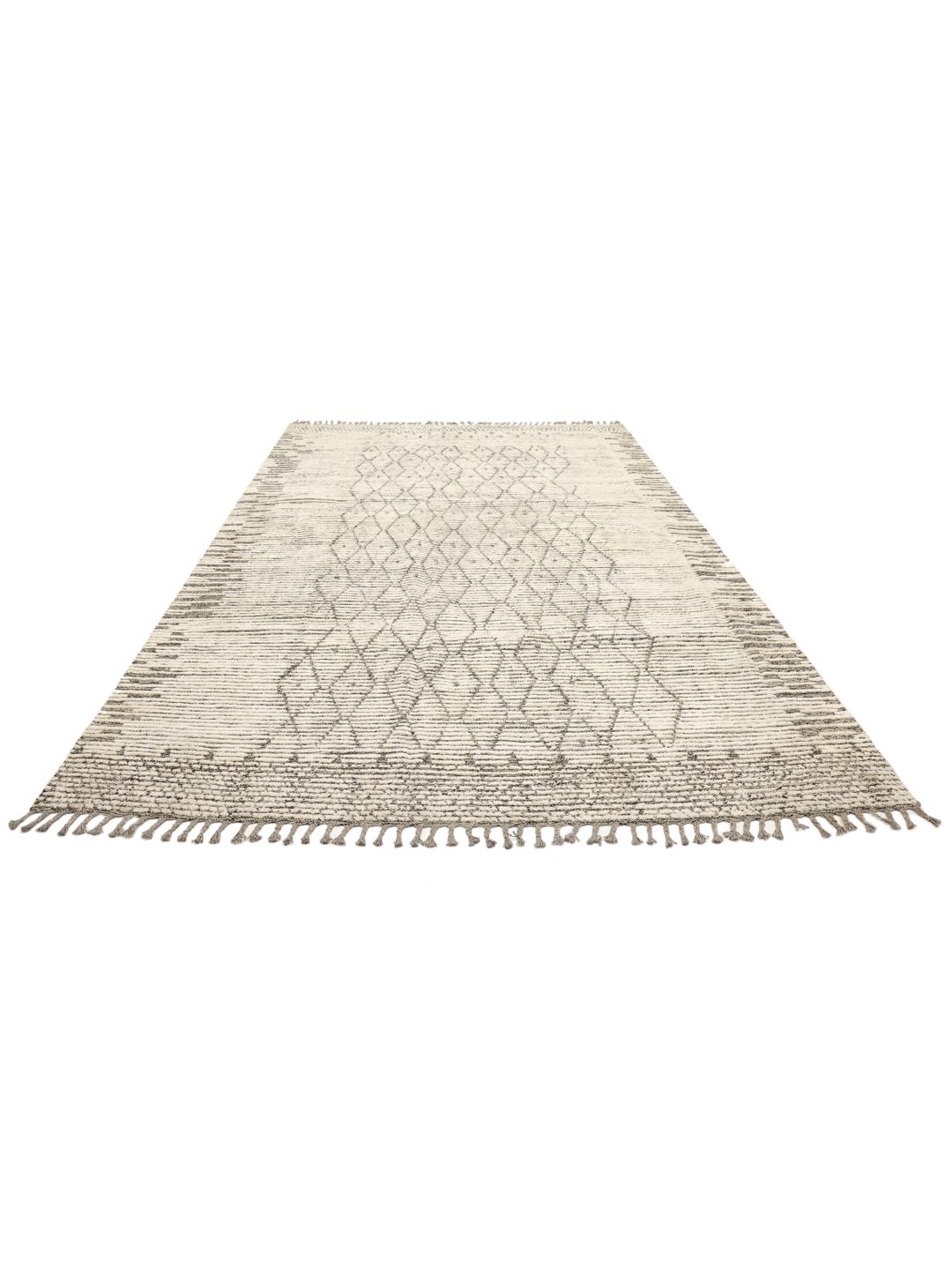
Visually, these rugs are defined by their minimalist yet expressive design language. You will often find geometric motifs—such as diamonds, zig-zags, and lines—that have been passed down through generations. These patterns are not merely decorative but serve as a visual lexicon of the culture, often featuring earthy, neutral tones that highlight the natural quality of the wool.
Owning a piece from this tradition is an act of appreciation for human skill and cultural continuity. These rugs are highly valued by collectors and homeowners alike because they represent a marriage of functional utility and artistic expression. By bringing this rug into your home, you are connecting with a storied history of craftsmanship that values the slow, intentional creation of beautiful objects.