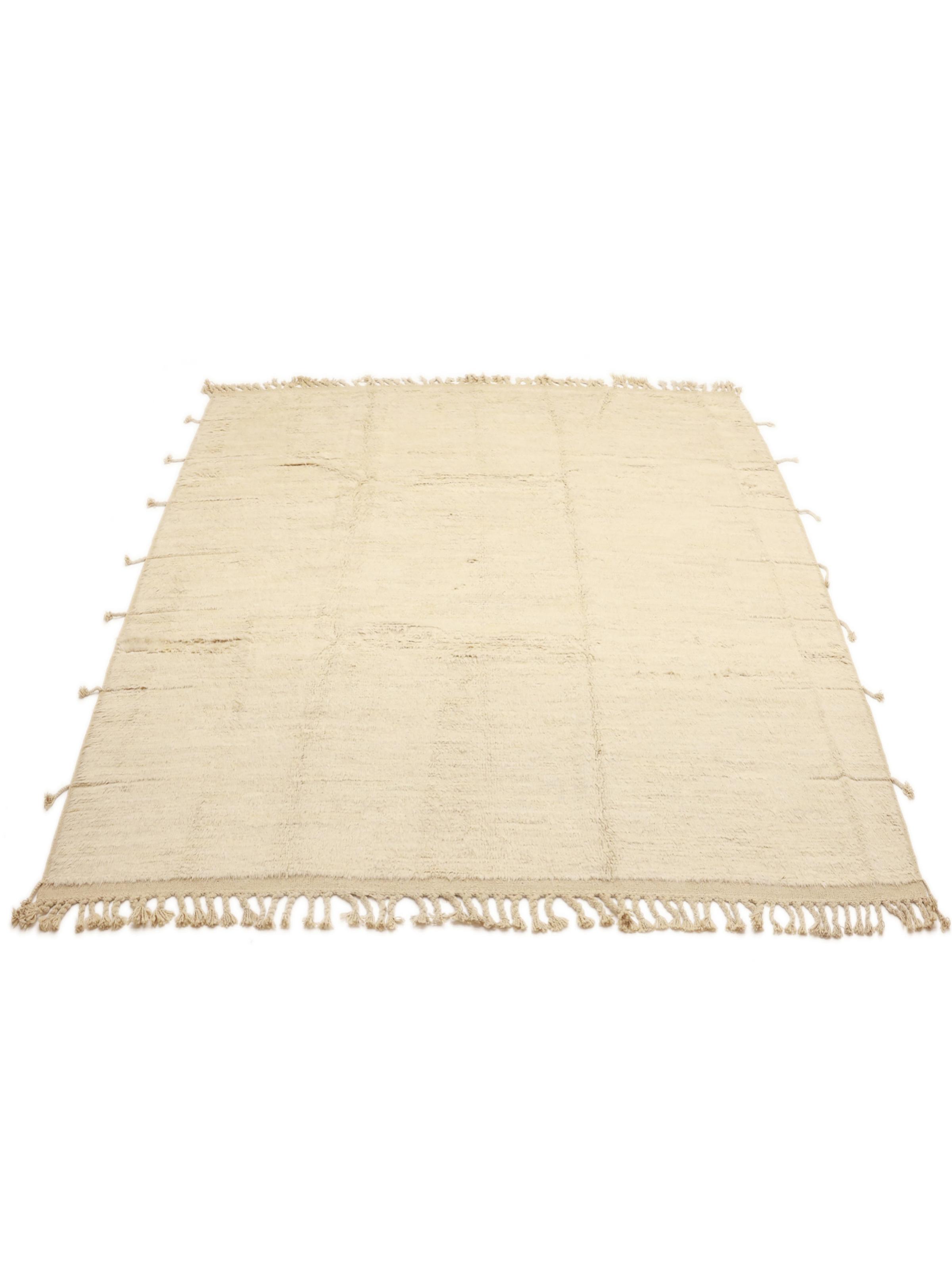
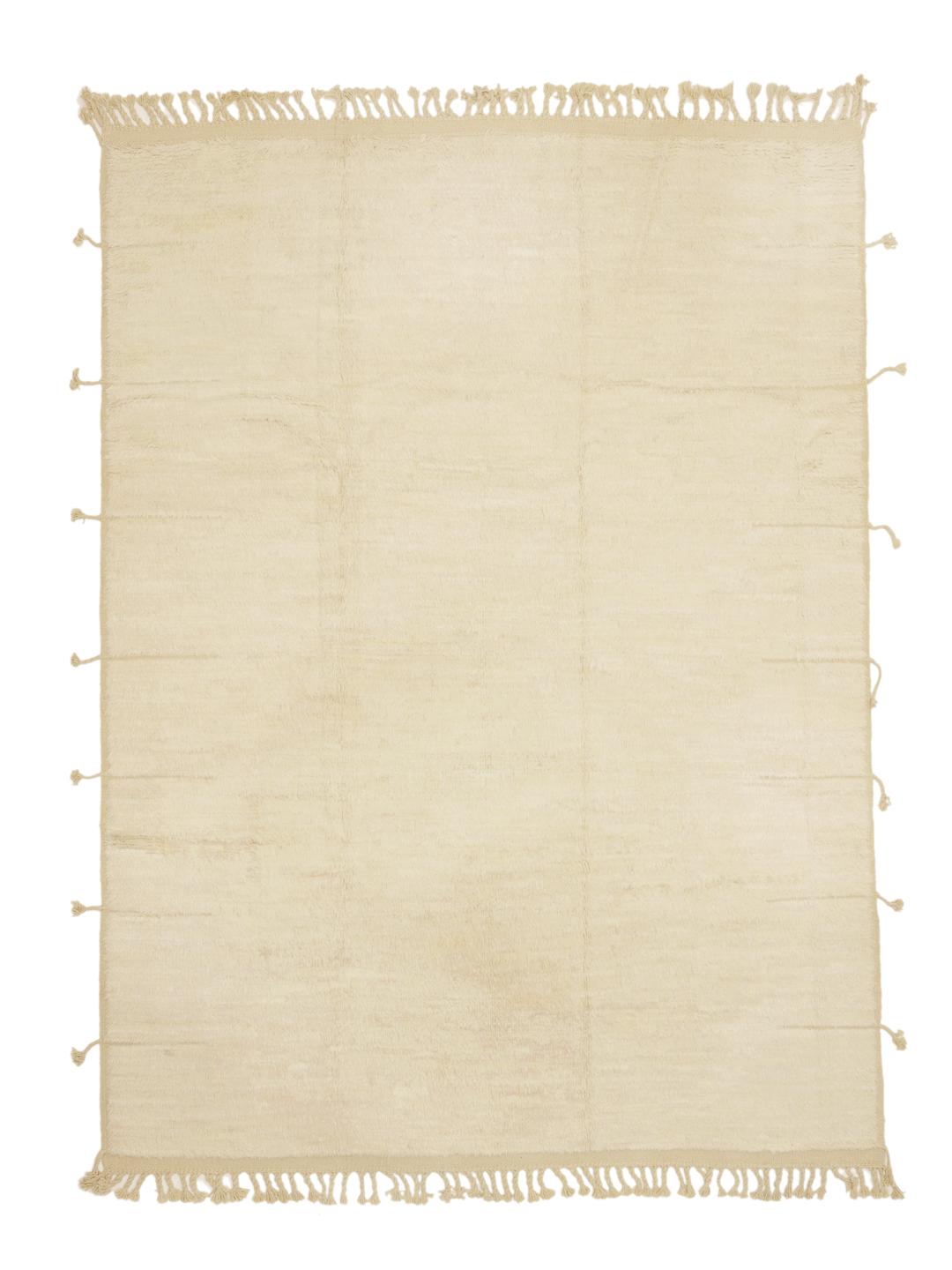
The Berber style, while traditionally associated with the weaving traditions of North Africa, has evolved into a global design language characterised by its minimalist, neutral palette and thick, soft pile. In recent decades, this aesthetic has been embraced by weavers in regions like Afghanistan, where traditional skills are applied to create these modern, clean-lined pieces. This migration of design highlights the adaptability of hand-weaving traditions in a changing world.
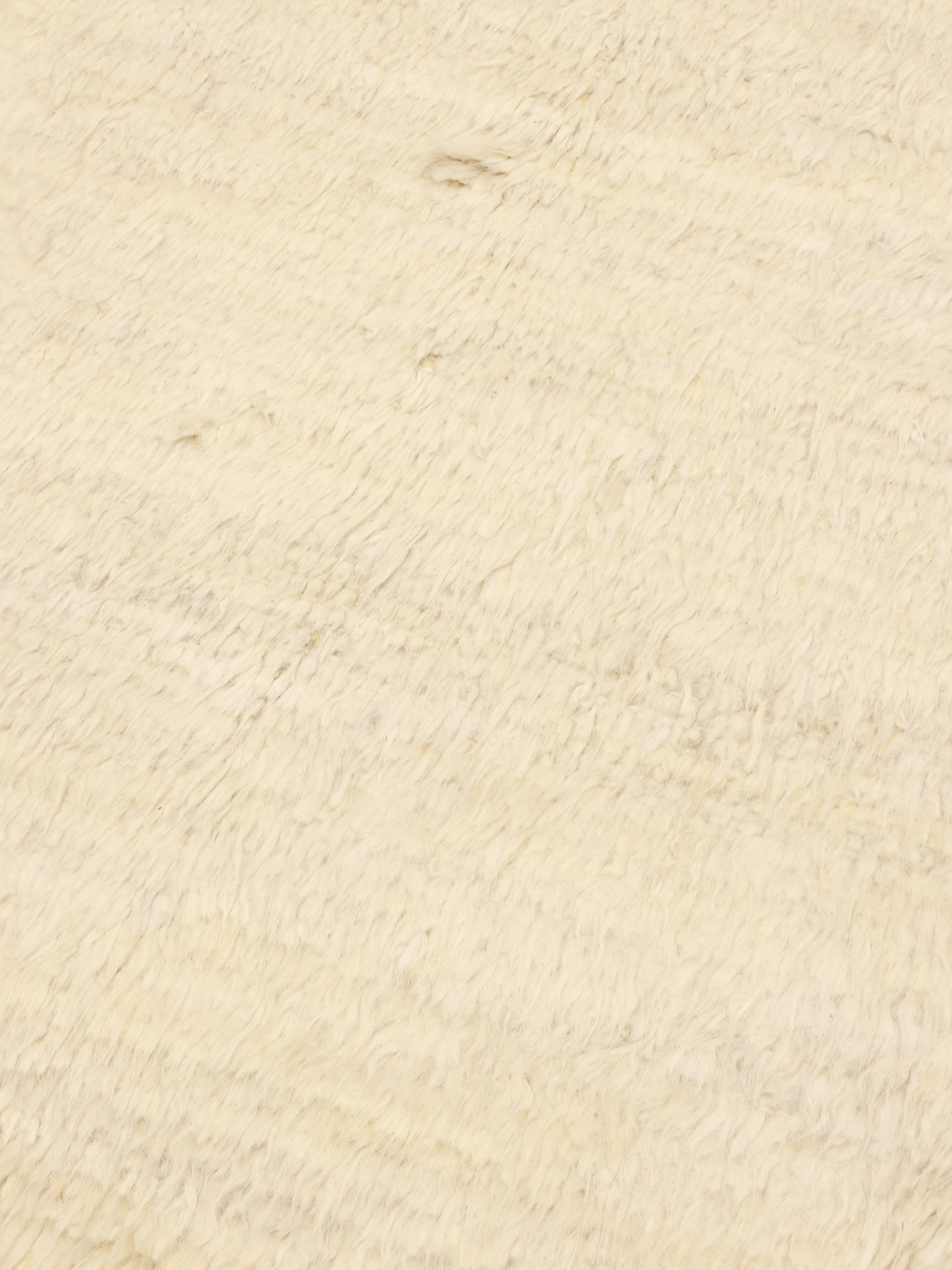
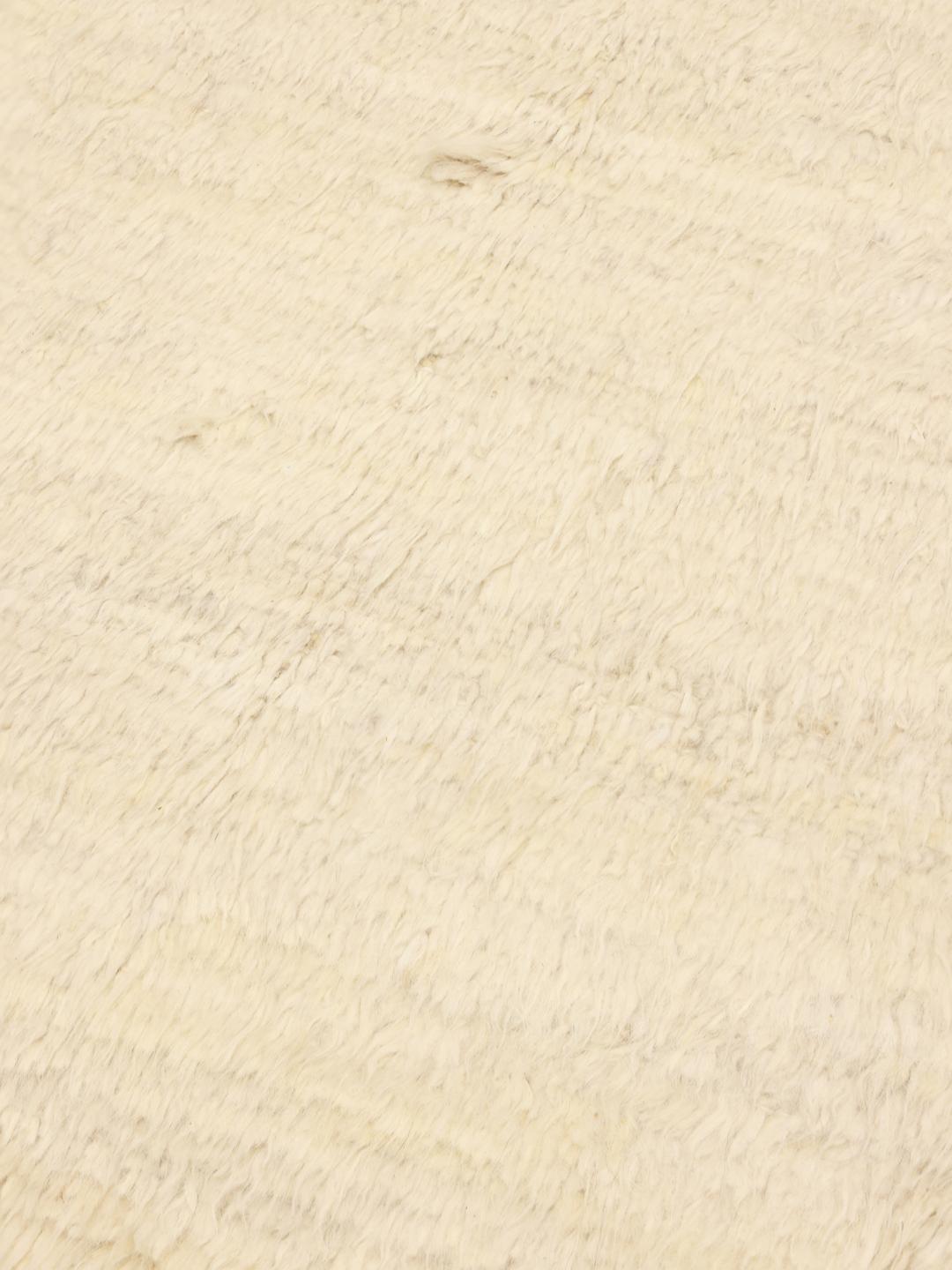
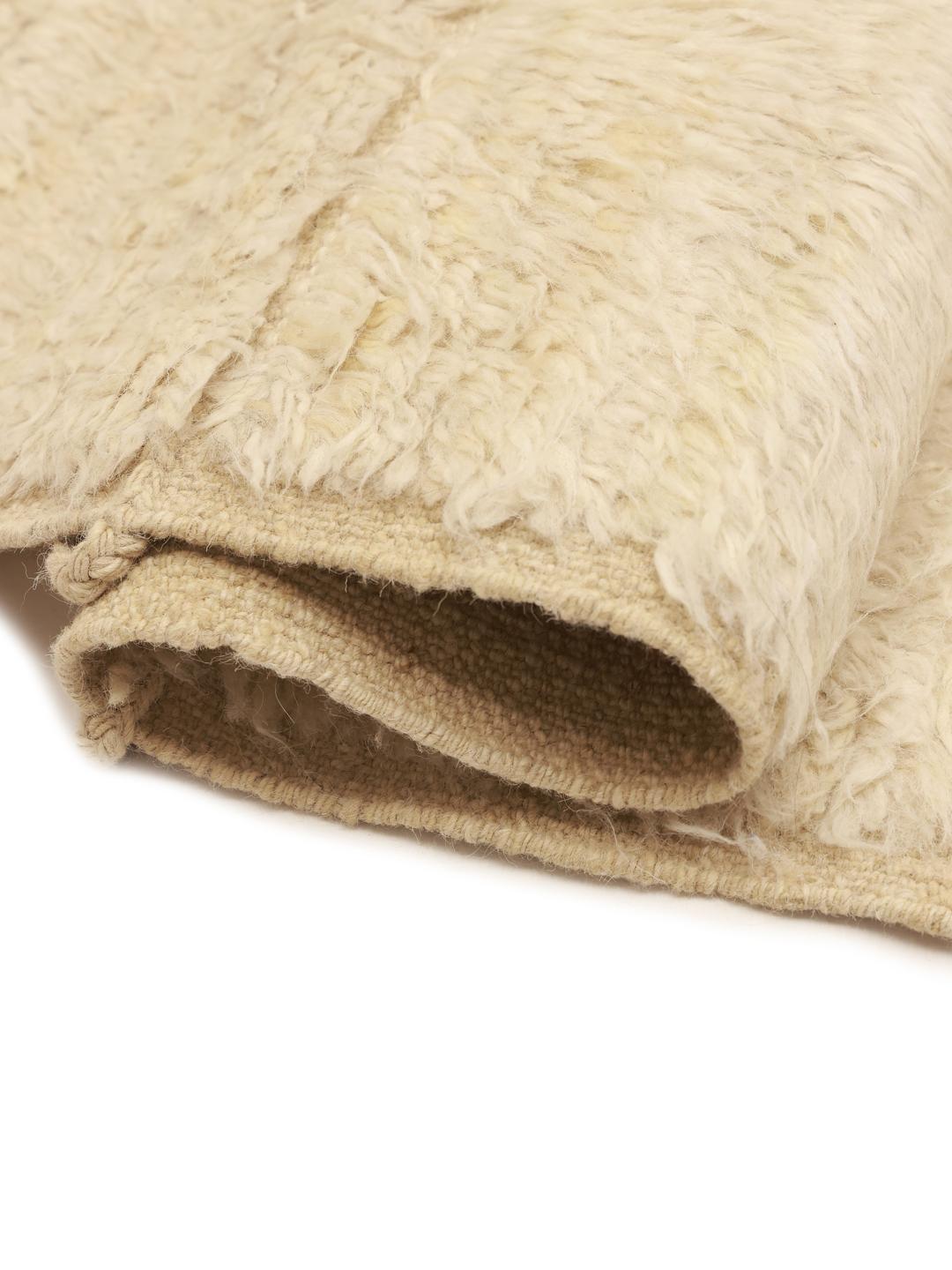
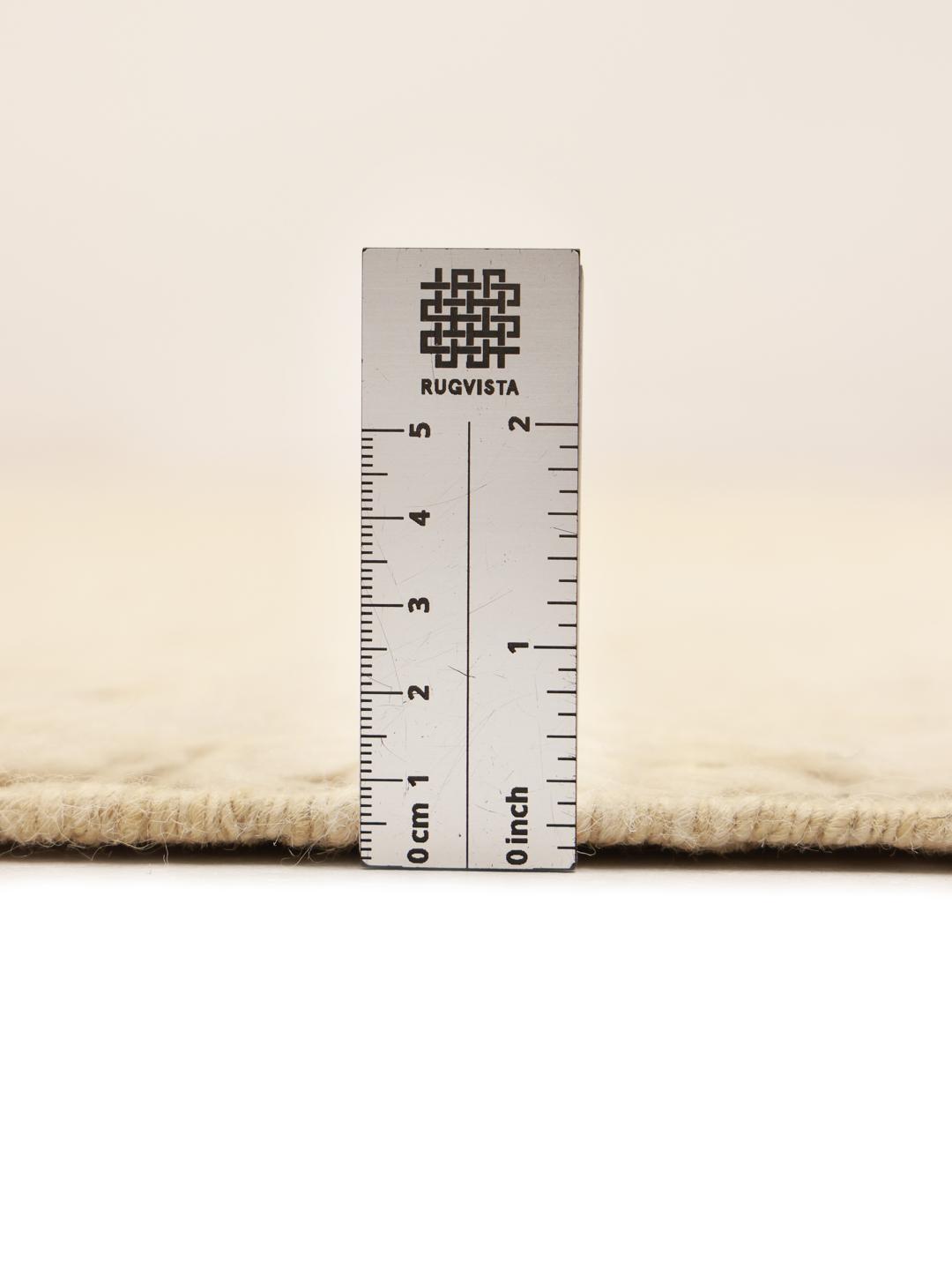
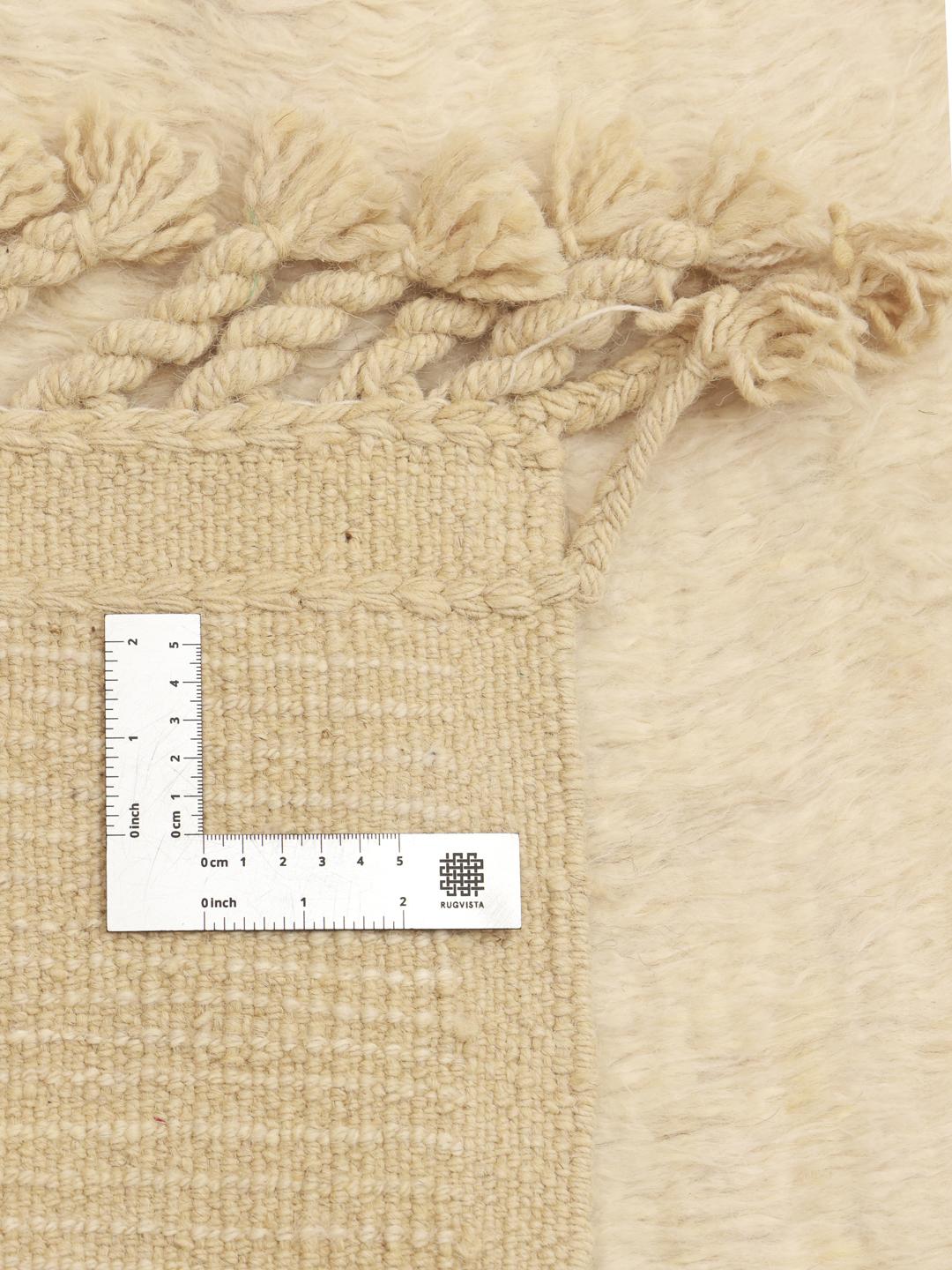
The construction of this rug relies on the skill of the weaver to balance tension and density. By using wool for the pile, the maker ensures a finish that is naturally soft and resistant to wear. The use of a cotton foundation adds structural stability, allowing the rug to lay flat and maintain its shape over many years of use. These technical choices are fundamental to creating a product that is both beautiful and practical.
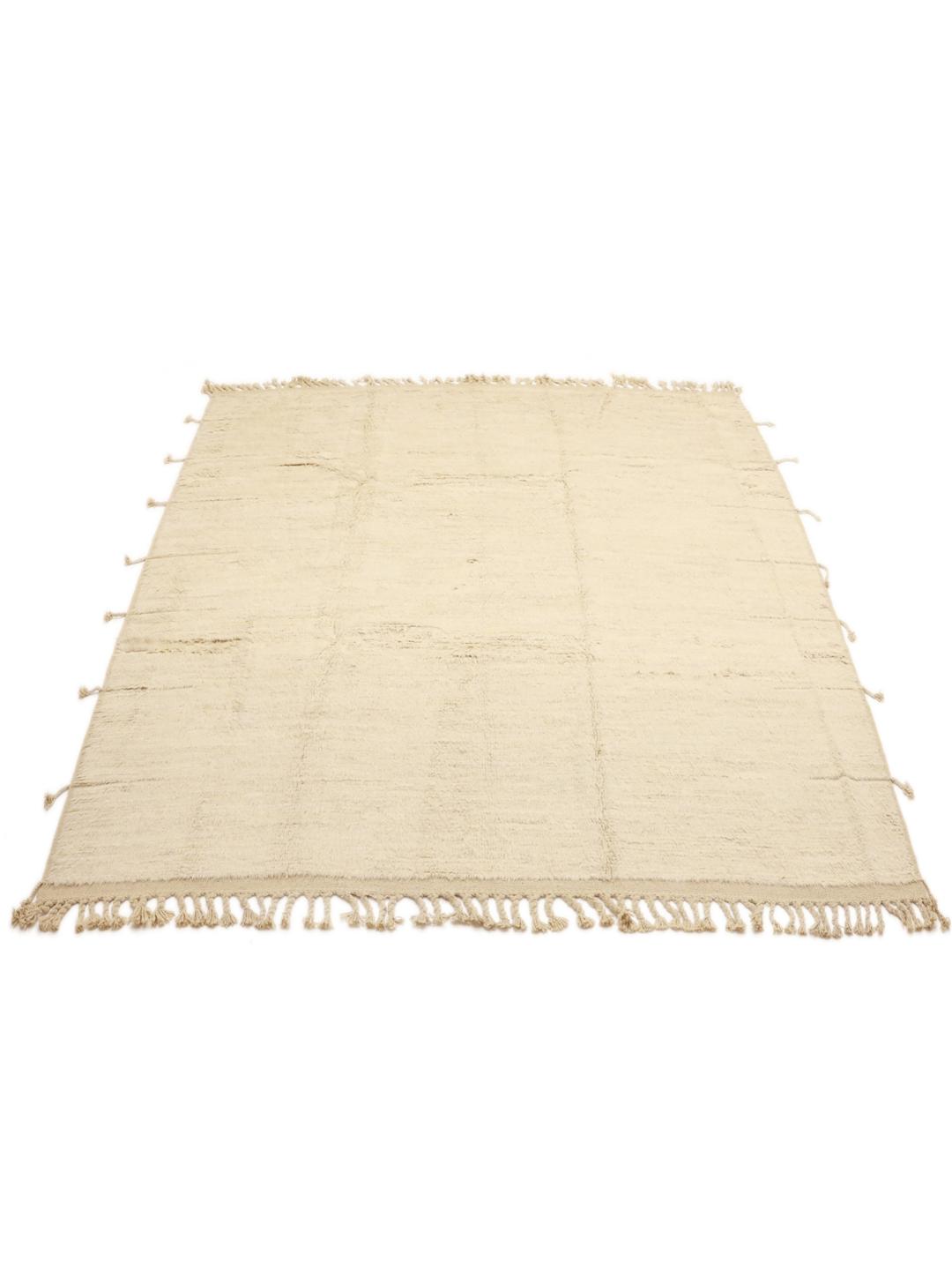
Visually, this tradition favours a focus on texture and natural colour over complex patterns. The aesthetic is often defined by its simplicity, sometimes incorporating subtle, organic motifs or tonal variations that emerge from the natural characteristics of the wool. This rug is a prime example of that focus, offering a clean, airy look that emphasises the beauty of the material itself.
Rugs of this calibre are highly valued for their ability to bring a sense of grounded calm to a home. They represent a connection to human skill and the enduring appeal of natural materials. By choosing such a piece, you are supporting a legacy of craft that values time, patience, and the unique beauty that only hand-made items can offer, ensuring your home is filled with authentic, lasting quality.