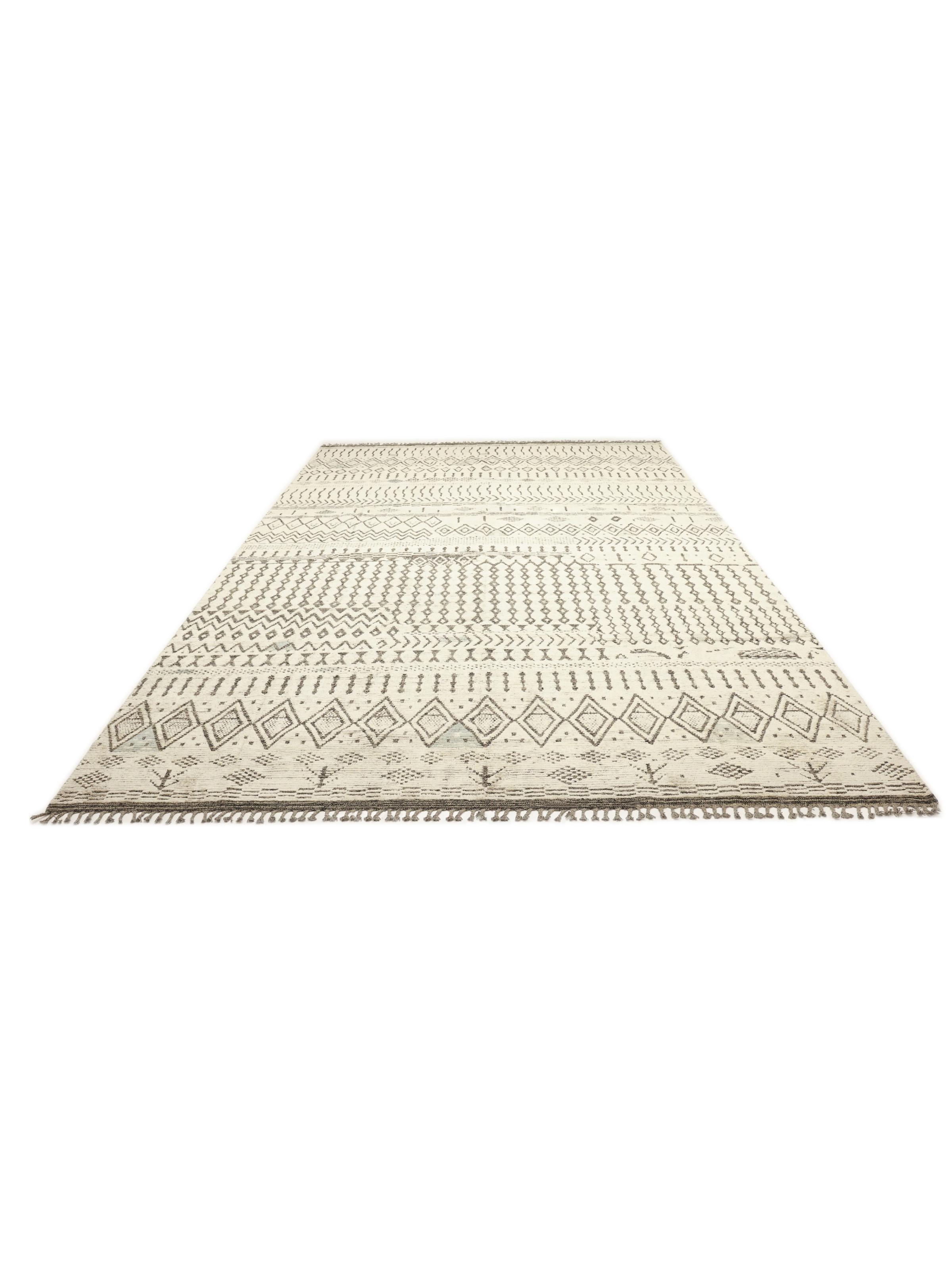
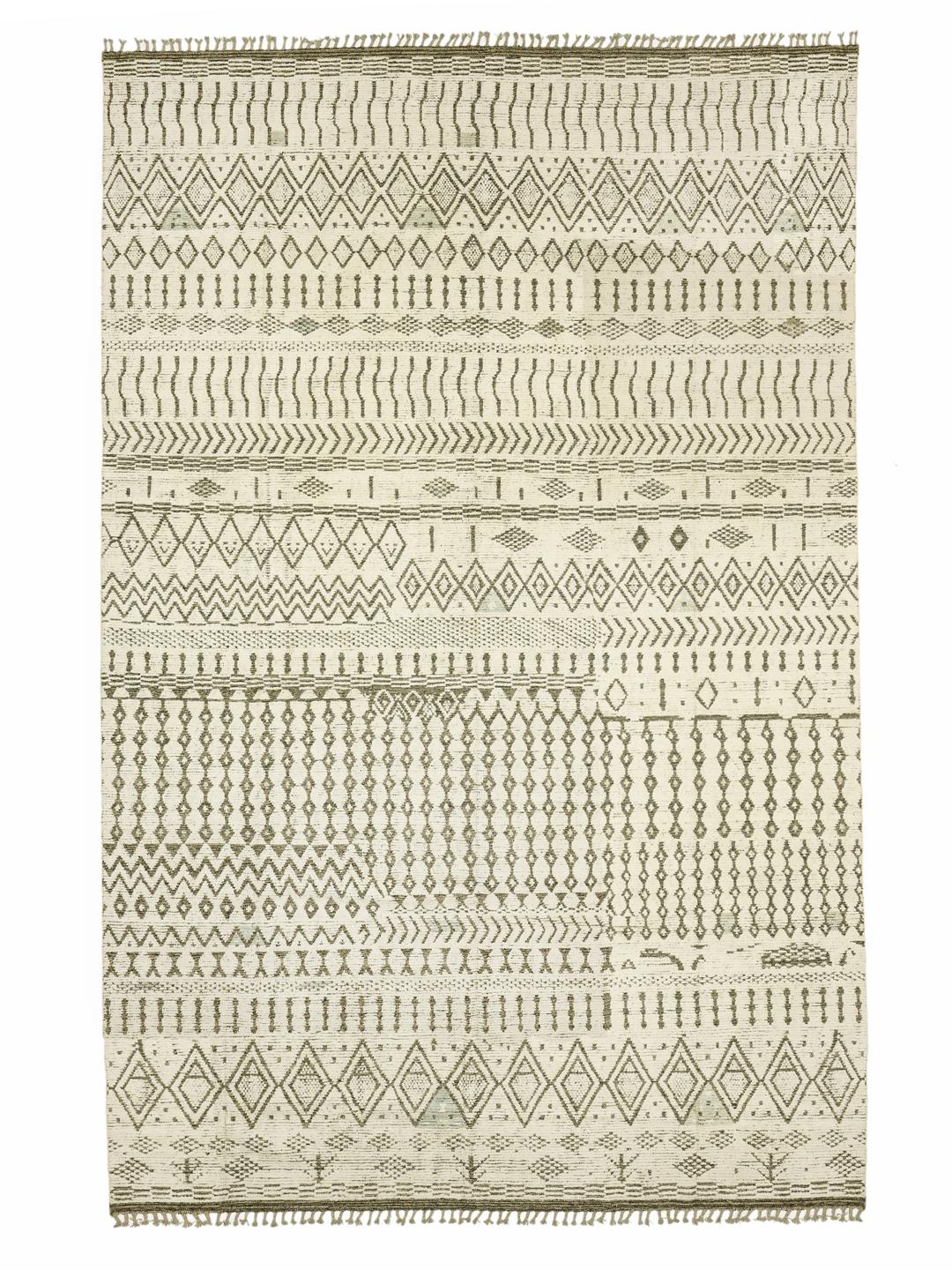
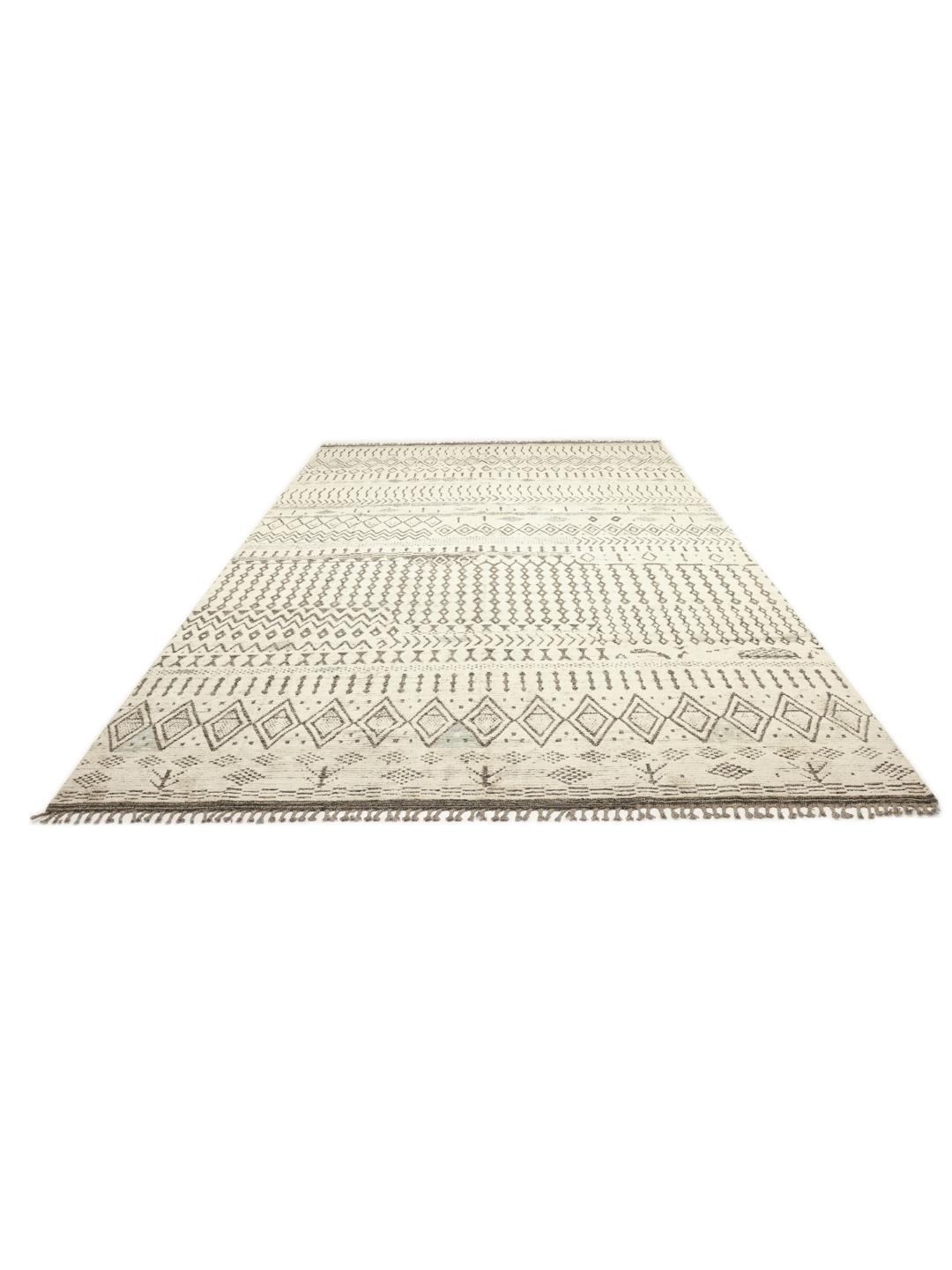
The Berber style, while historically associated with the nomadic tribes of North Africa, has inspired weavers across the globe, including the skilled artisans of Afghanistan. These rugs are celebrated for their focus on natural materials and a design language rooted in simplicity, often featuring symbols and motifs that have been passed down through generations of families.
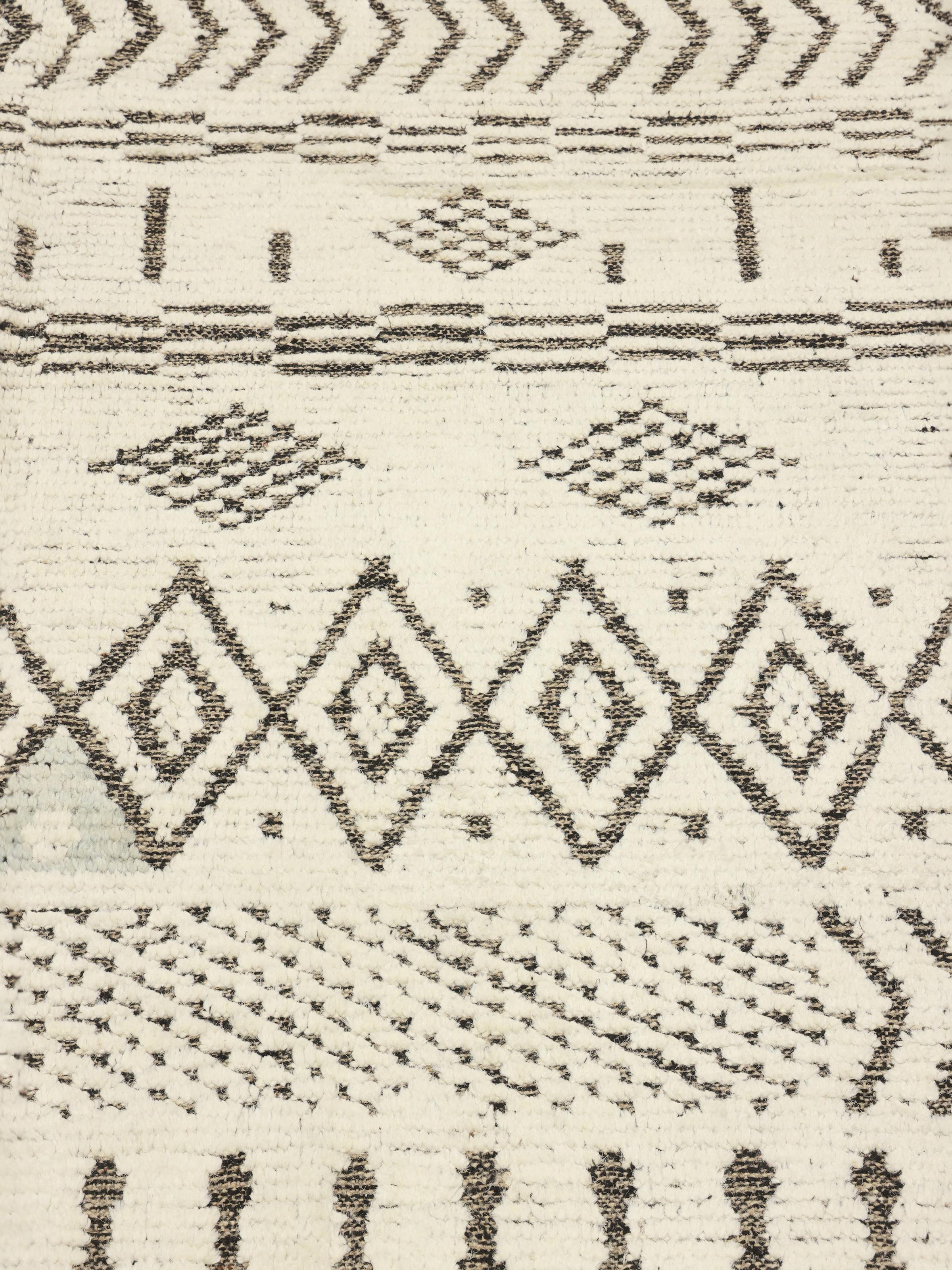
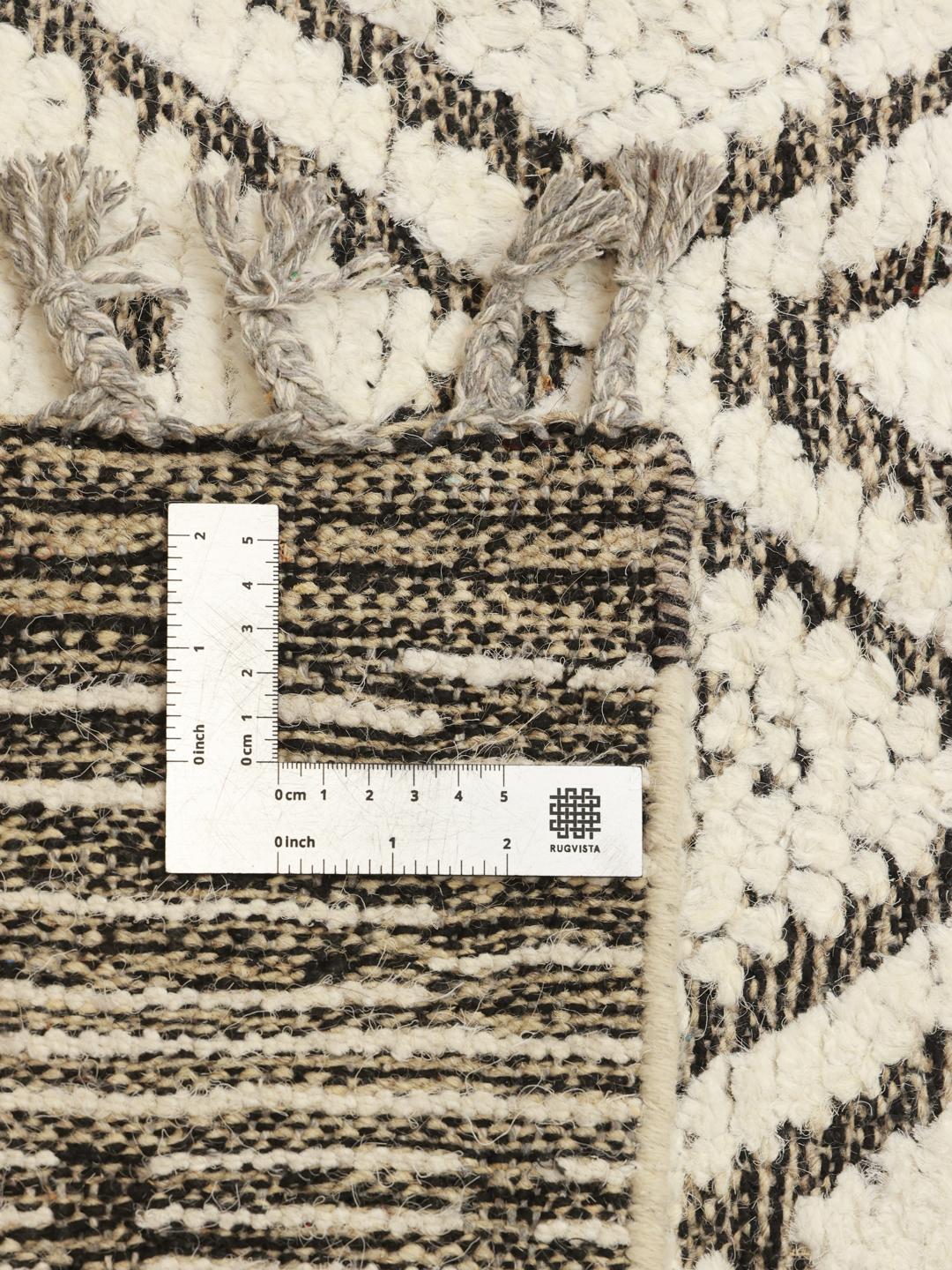
In the context of Afghan weaving, the term hand-knotted refers to the specific technique of tying individual knots onto a foundation of cotton. This method is the hallmark of premium quality, as it allows for a pile density that is both luxurious and remarkably durable. The process is a testament to the artisan's dedication, as each knot must be placed with exact tension to ensure the rug lies flat and wears evenly.
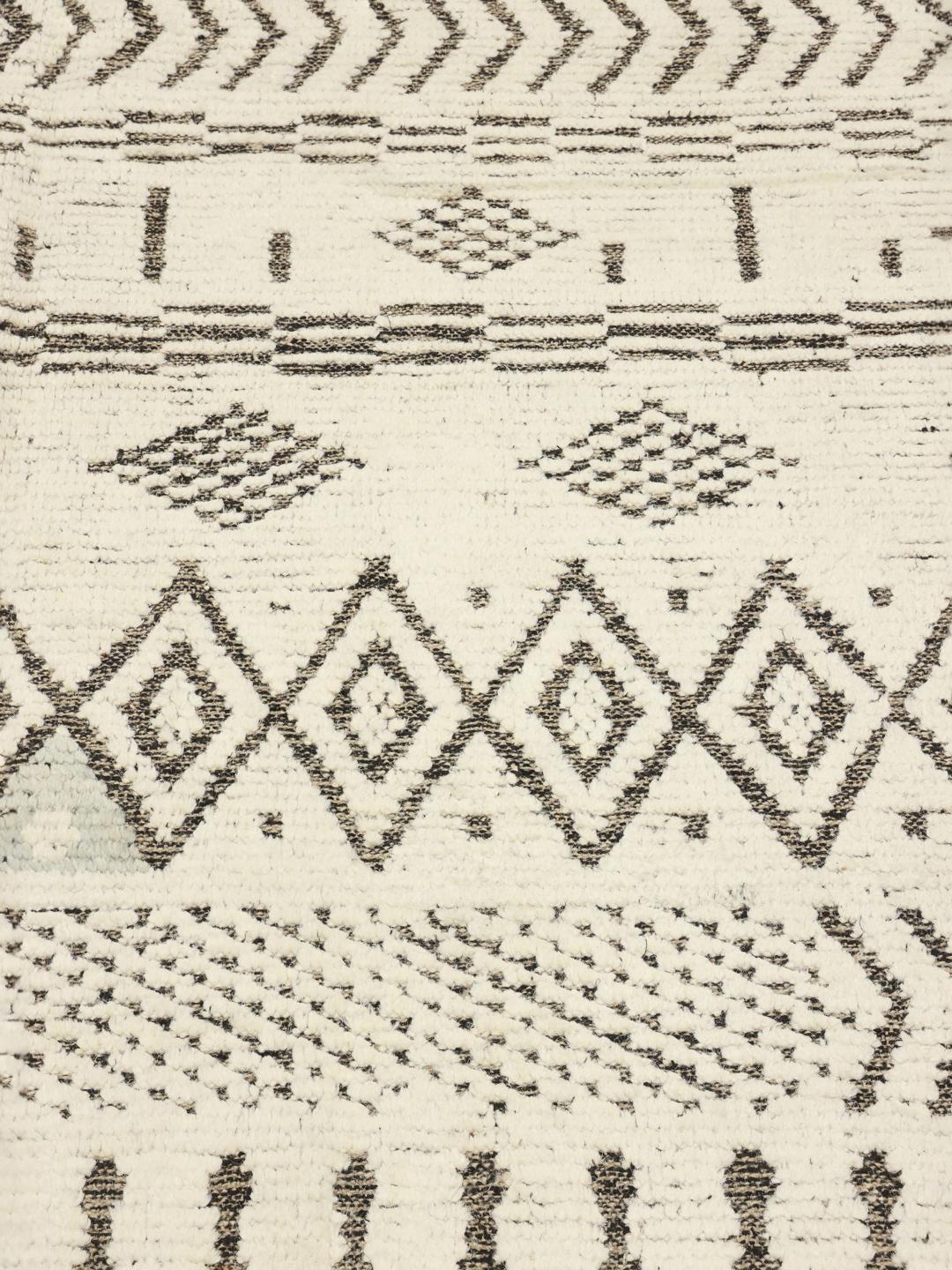
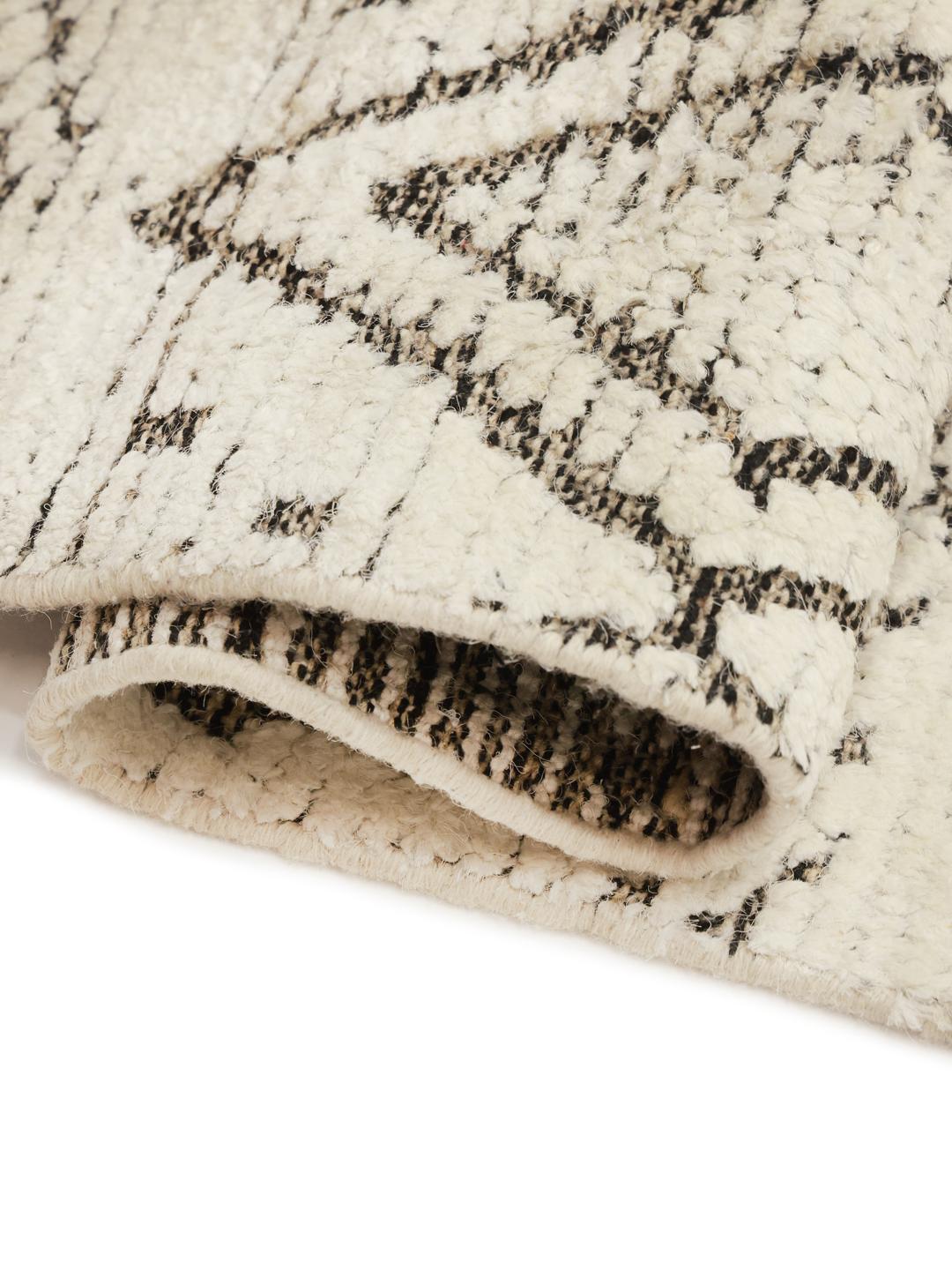
Visually, this style is characterised by its geometric patterns, often utilising diamonds, stripes, and zigzag motifs. These designs are not merely decorative but often carry cultural significance, telling stories of the weaver's environment and heritage. The use of a neutral palette highlights the texture of the Wool, allowing the patterns to emerge through subtle shifts in relief rather than jarring colour contrasts.
Collecting a rug from this tradition is an investment in cultural history and human skill. Because these pieces are made by hand without the use of automated machinery, each rug possesses slight variations that mark it as an authentic work of art. Owning such a piece connects your modern home to an ancient lineage of craft, offering a sense of stability and timelessness that mass-produced items simply cannot provide.