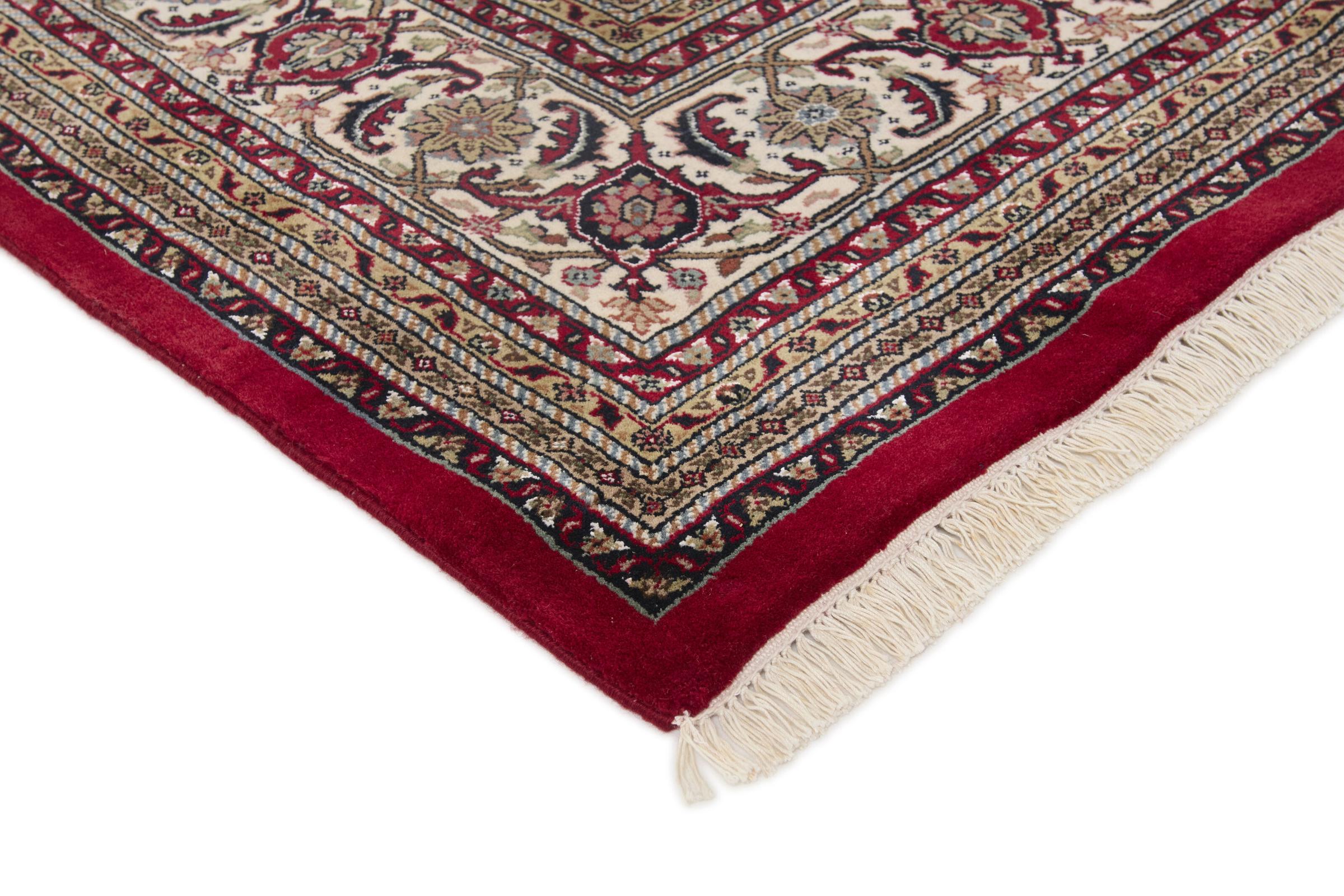
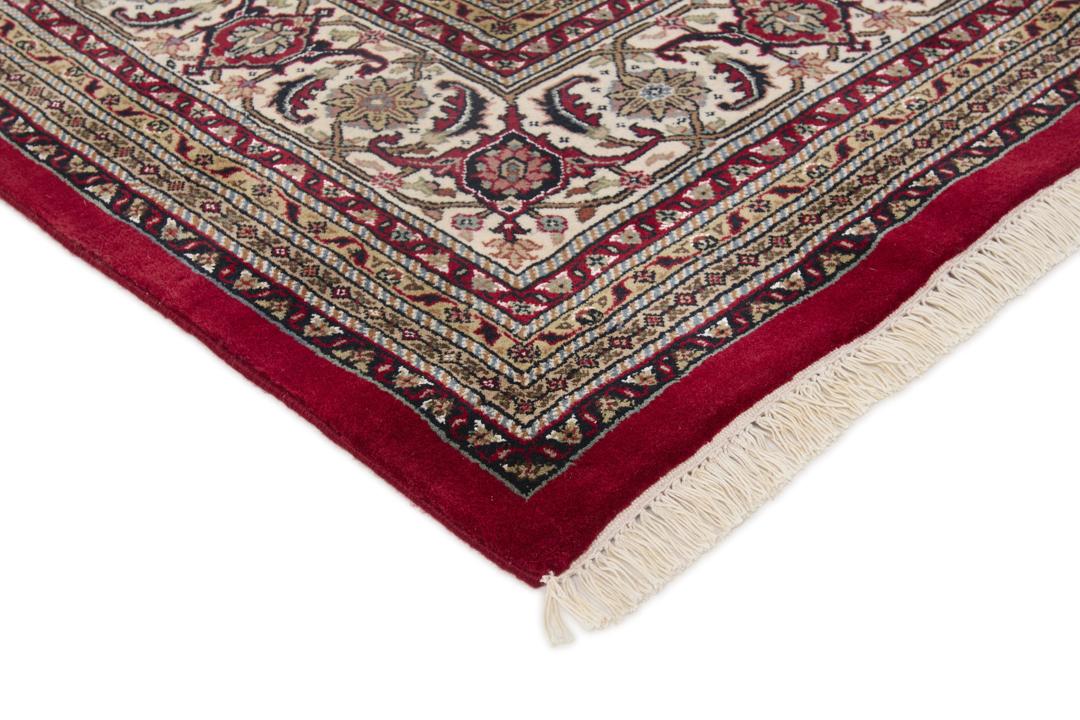
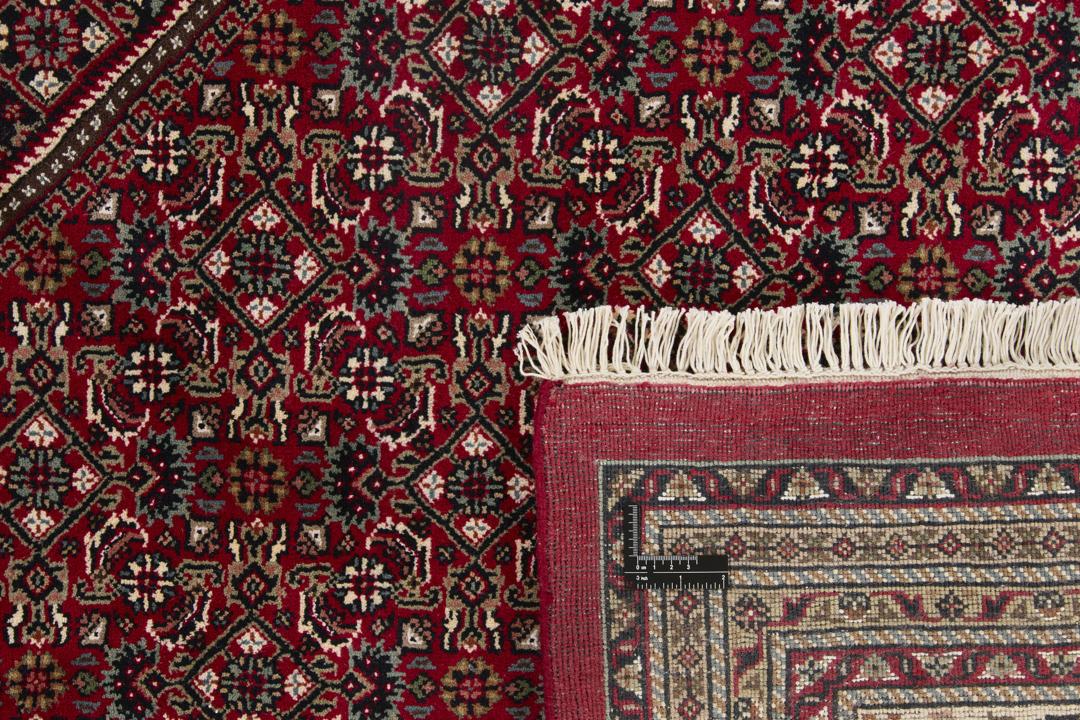
The Bidjar tradition originates from the town of Bijar in the Kurdistan region, historically known for producing rugs of extraordinary durability and strength. Often referred to as the Iron Rugs of the Middle East, these pieces are celebrated for their dense, compact construction and their ability to withstand generations of use.
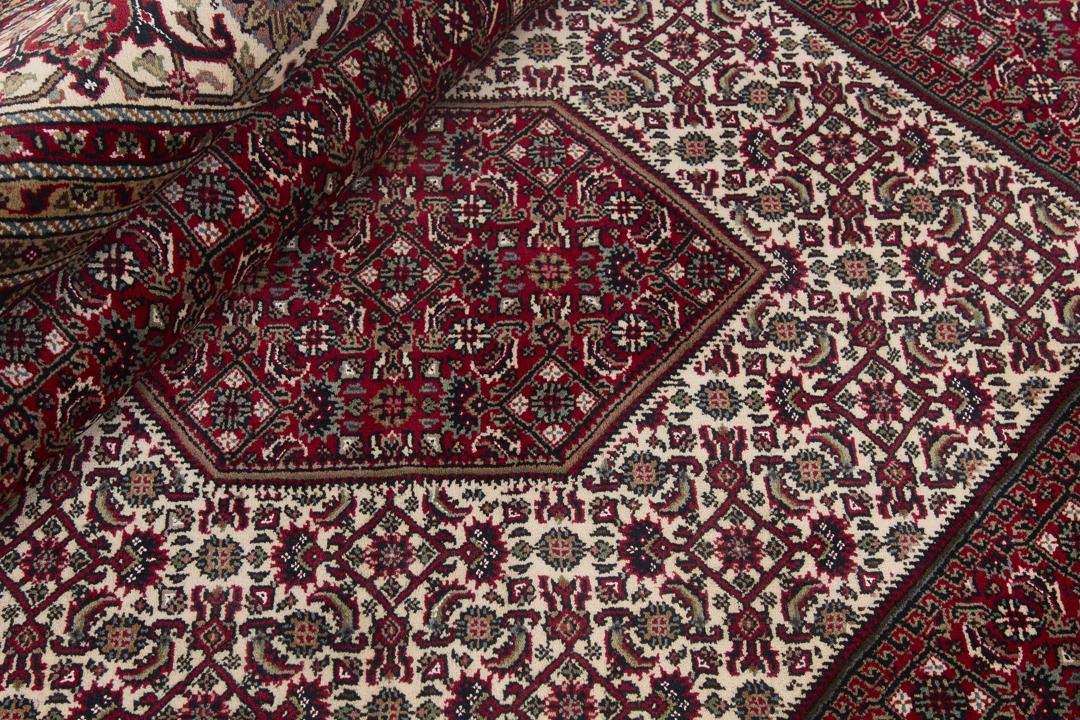
The term Bidjar refers to a specific style of weaving that emphasises a highly compact foundation. This technique involves using a heavy, stiff weft that pulls the warp threads into a unique, tiered structure. This method creates a firm, heavy, and exceptionally long-lasting rug that is highly sought after by those who value both utility and beauty.
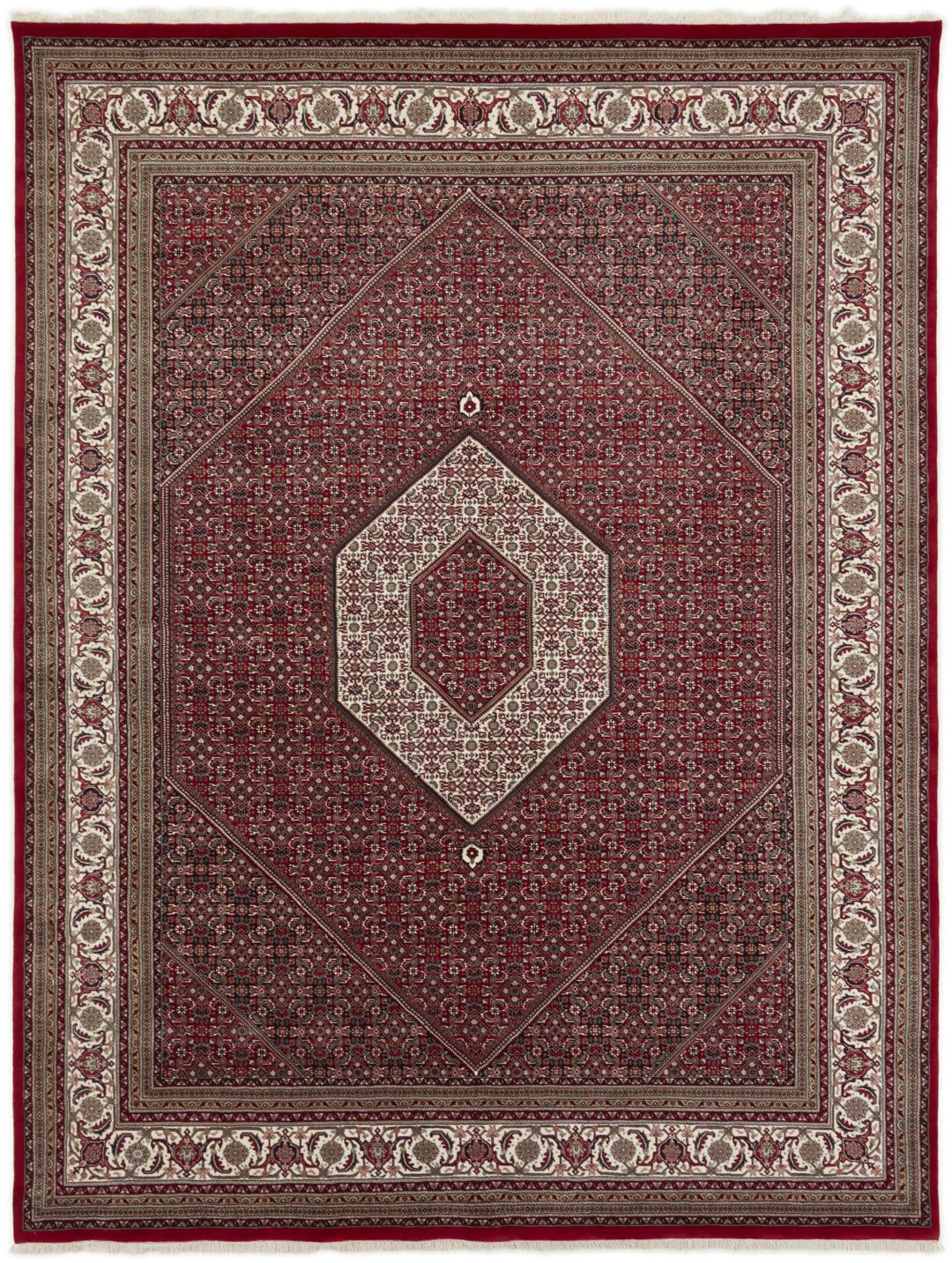
Visually, Bidjar rugs are recognised for their formal, often complex designs. The central medallion, surrounded by intricate floral or geometric motifs, is a hallmark of the style. The borders are typically wide and highly detailed, serving to frame the central field and ground the overall design in a sense of classical harmony.
Owning a Bidjar-style rug is an investment in cultural heritage and refined skill. These rugs are collected not only for their striking beauty but for the narrative they carry of regional artistry and the patience required to master such a demanding weave. They remain a symbol of enduring quality and sophisticated design.