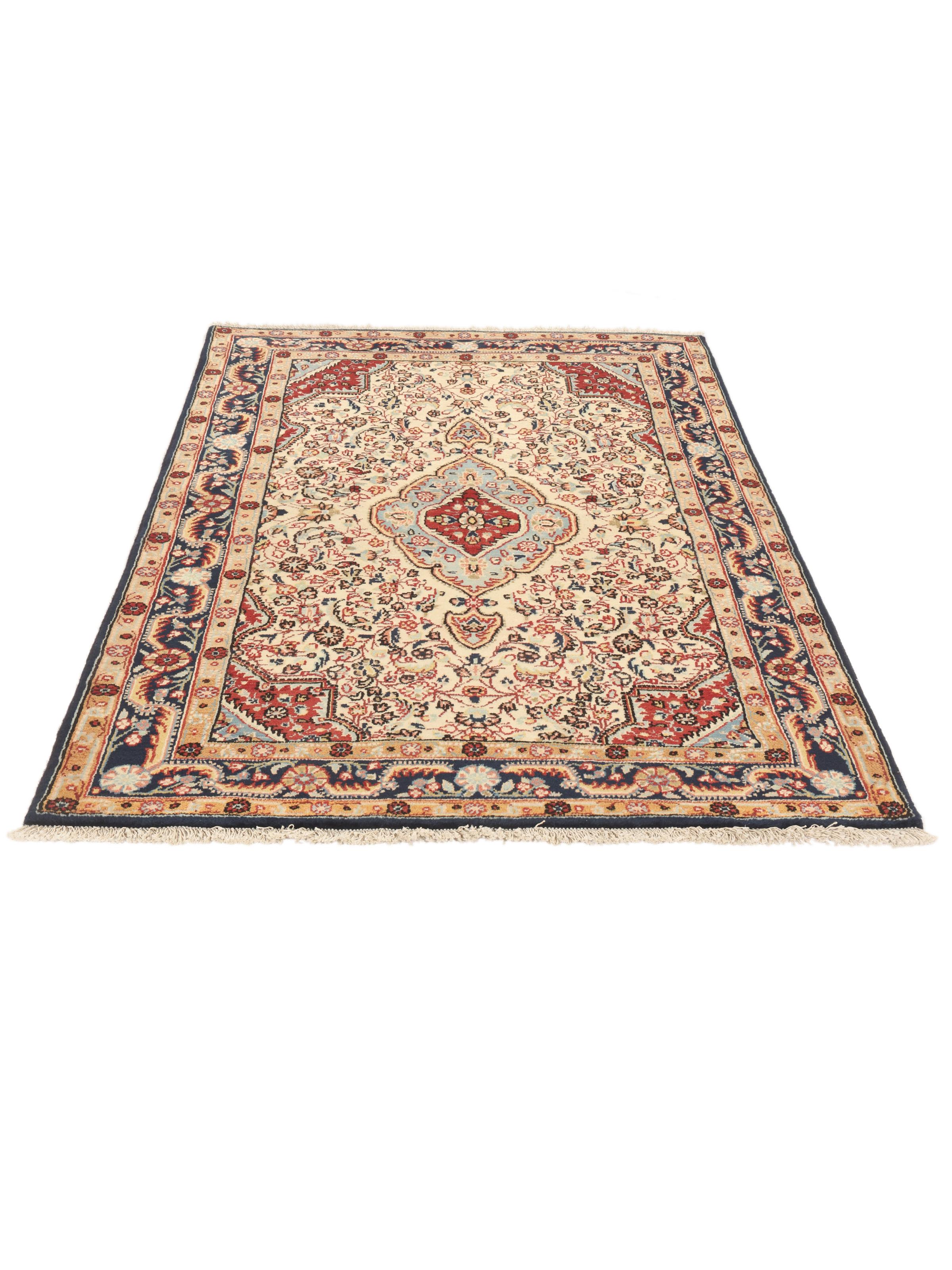
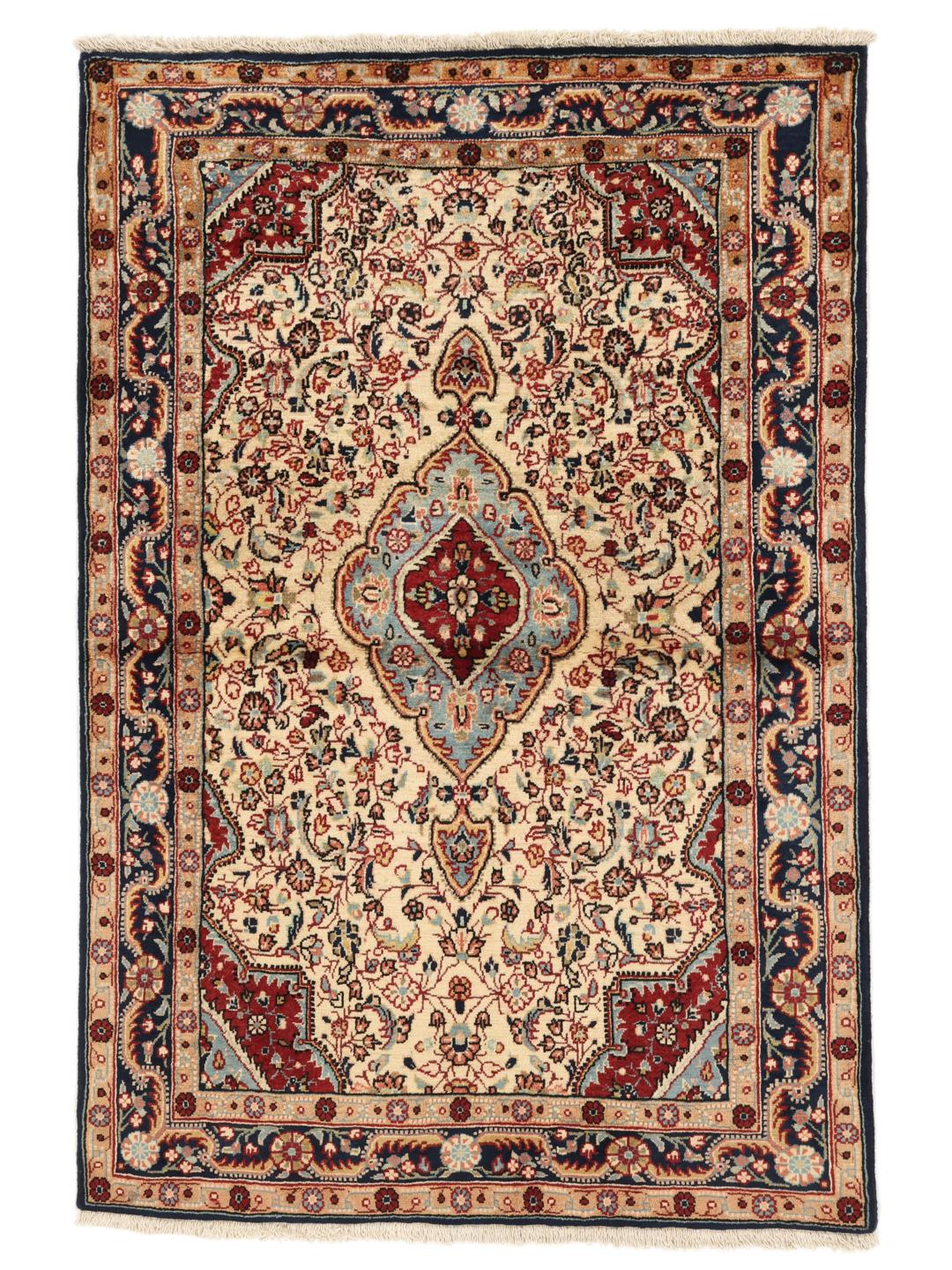
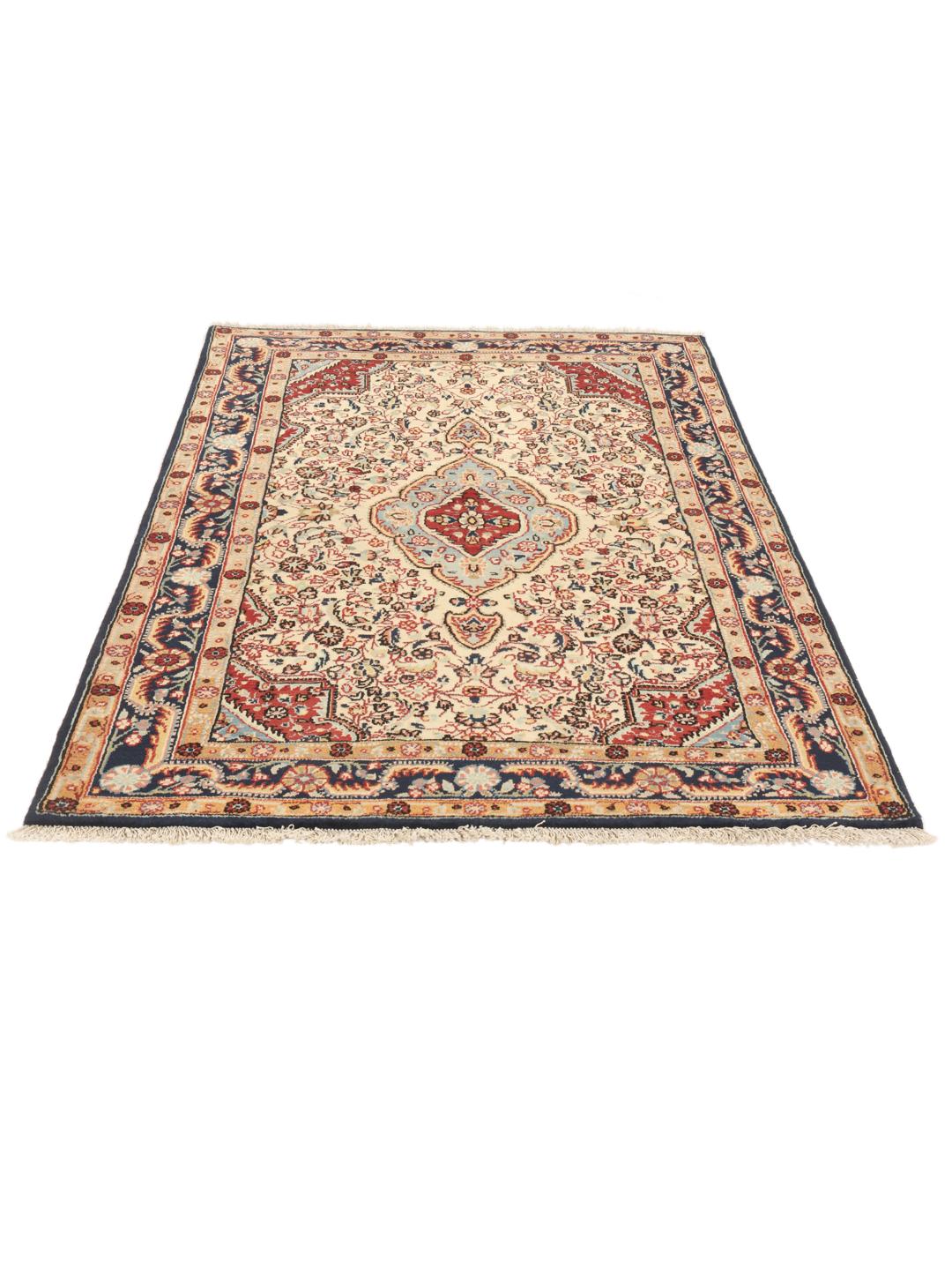
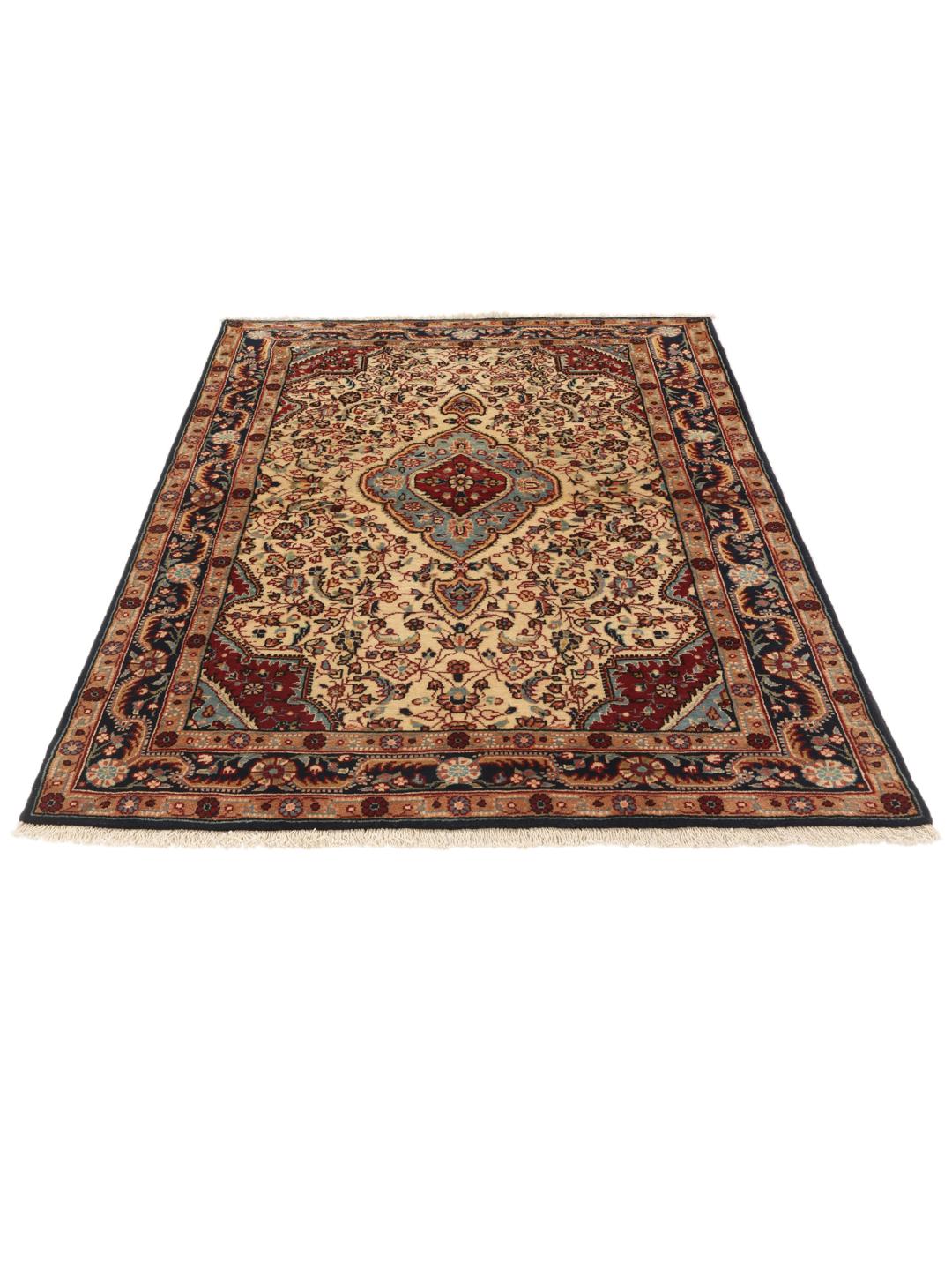
Bidjar rugs originate from the Kurdish region of the Middle East, specifically the town of Bijar. These rugs are famously known as the iron rugs of the region, a nickname earned through their legendary durability and extremely compact construction. This tradition of weaving has been passed down through generations, reflecting a deep cultural commitment to creating floor coverings that are as sturdy as they are beautiful.
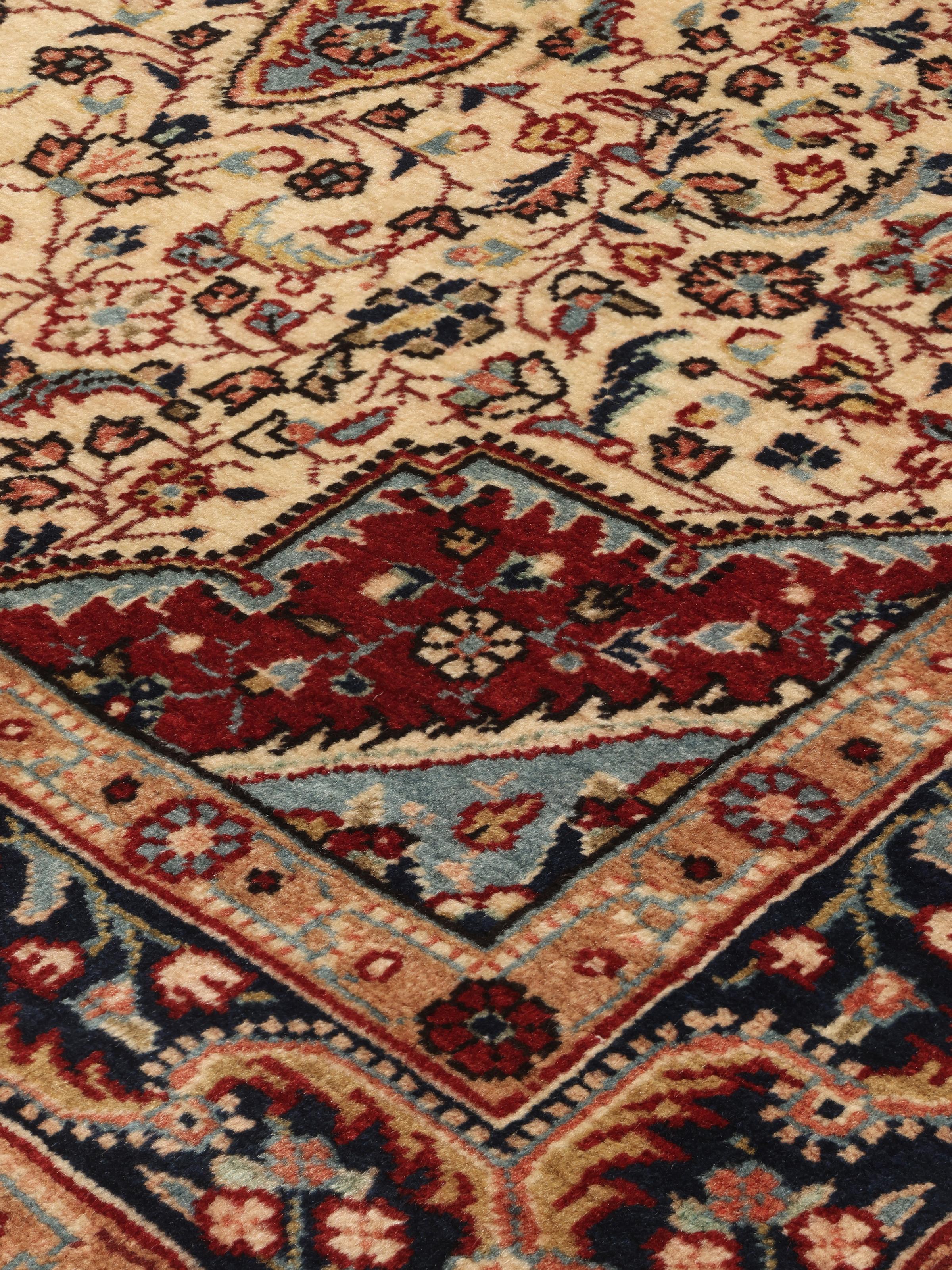
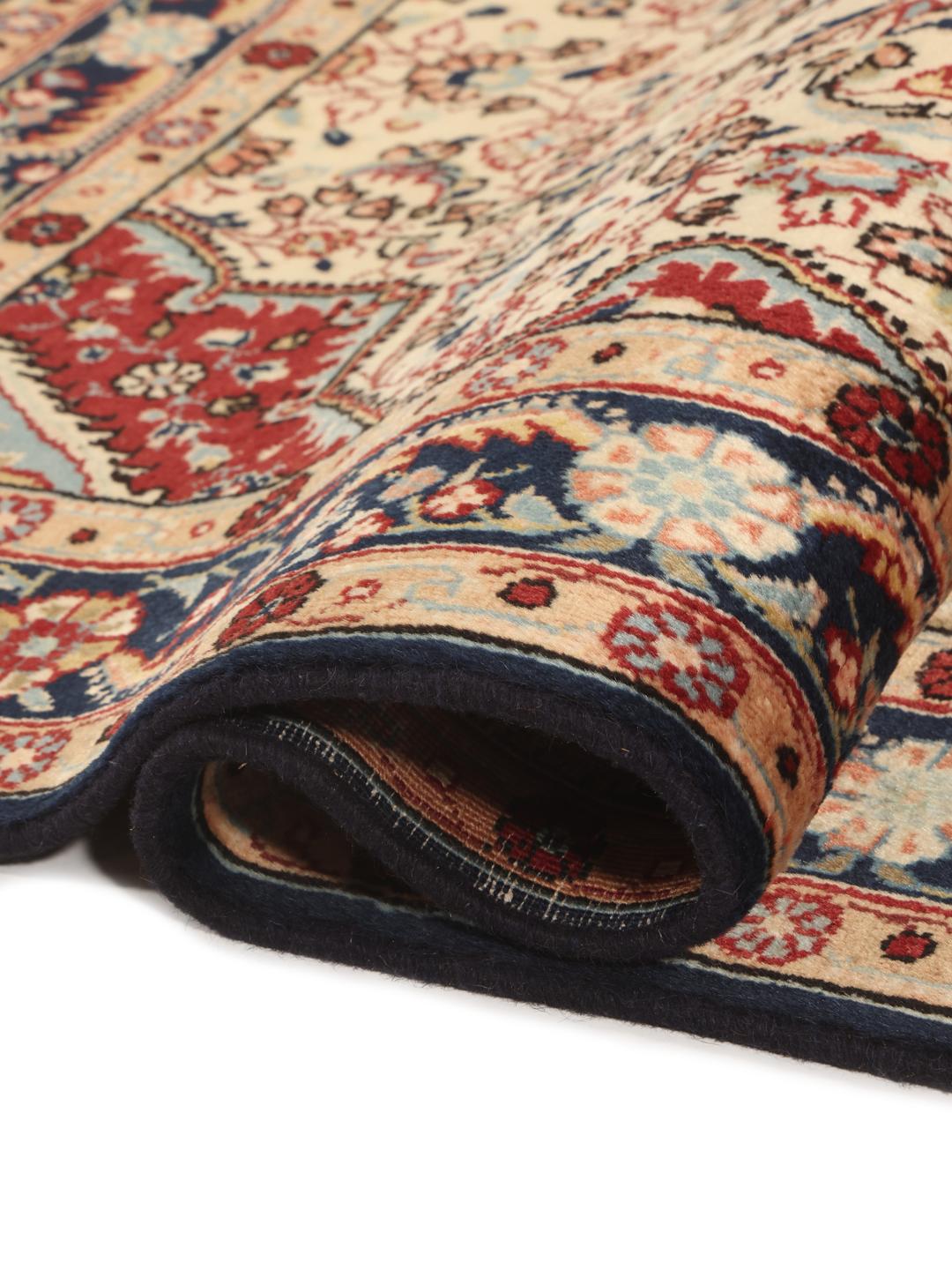
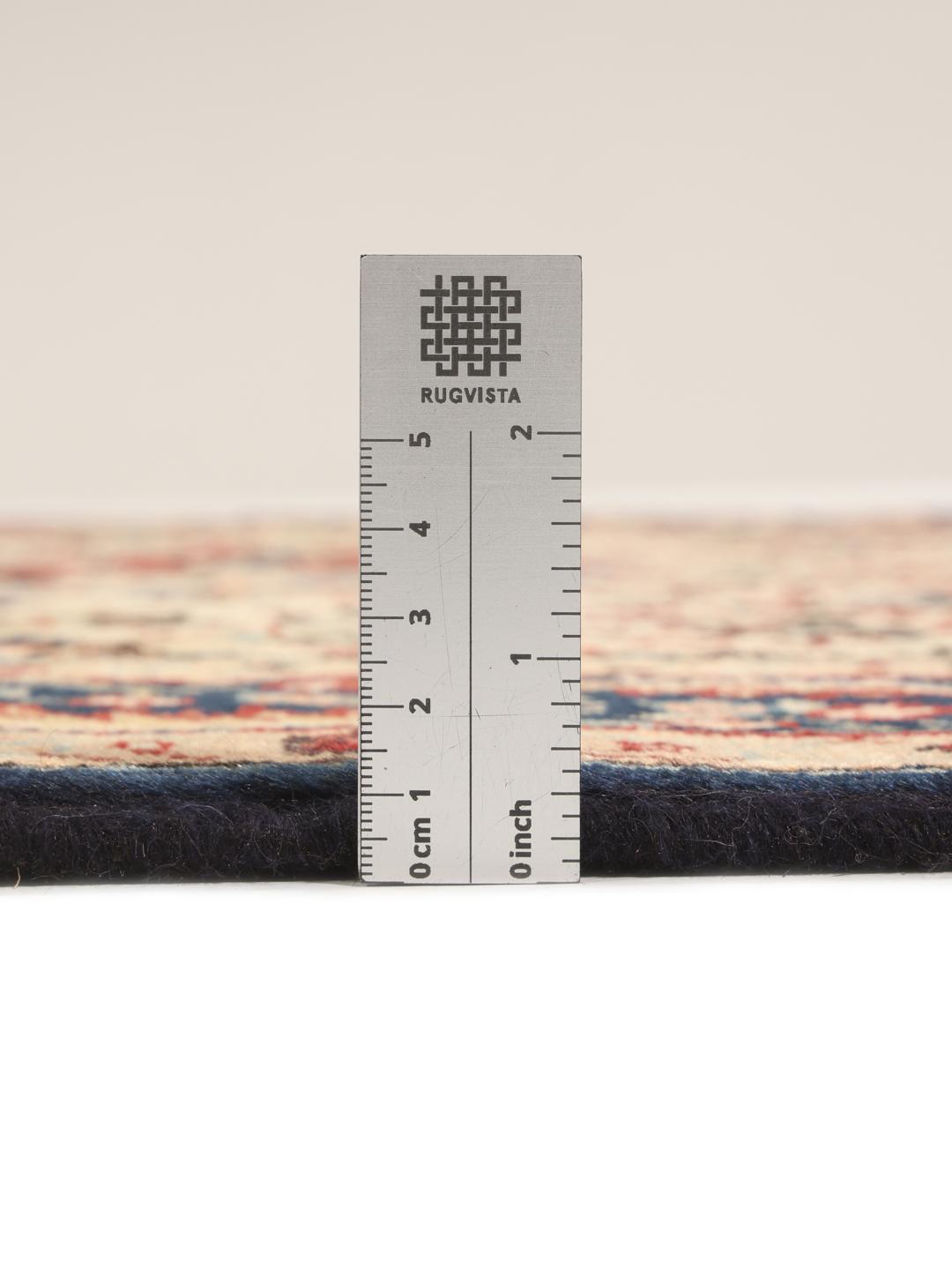
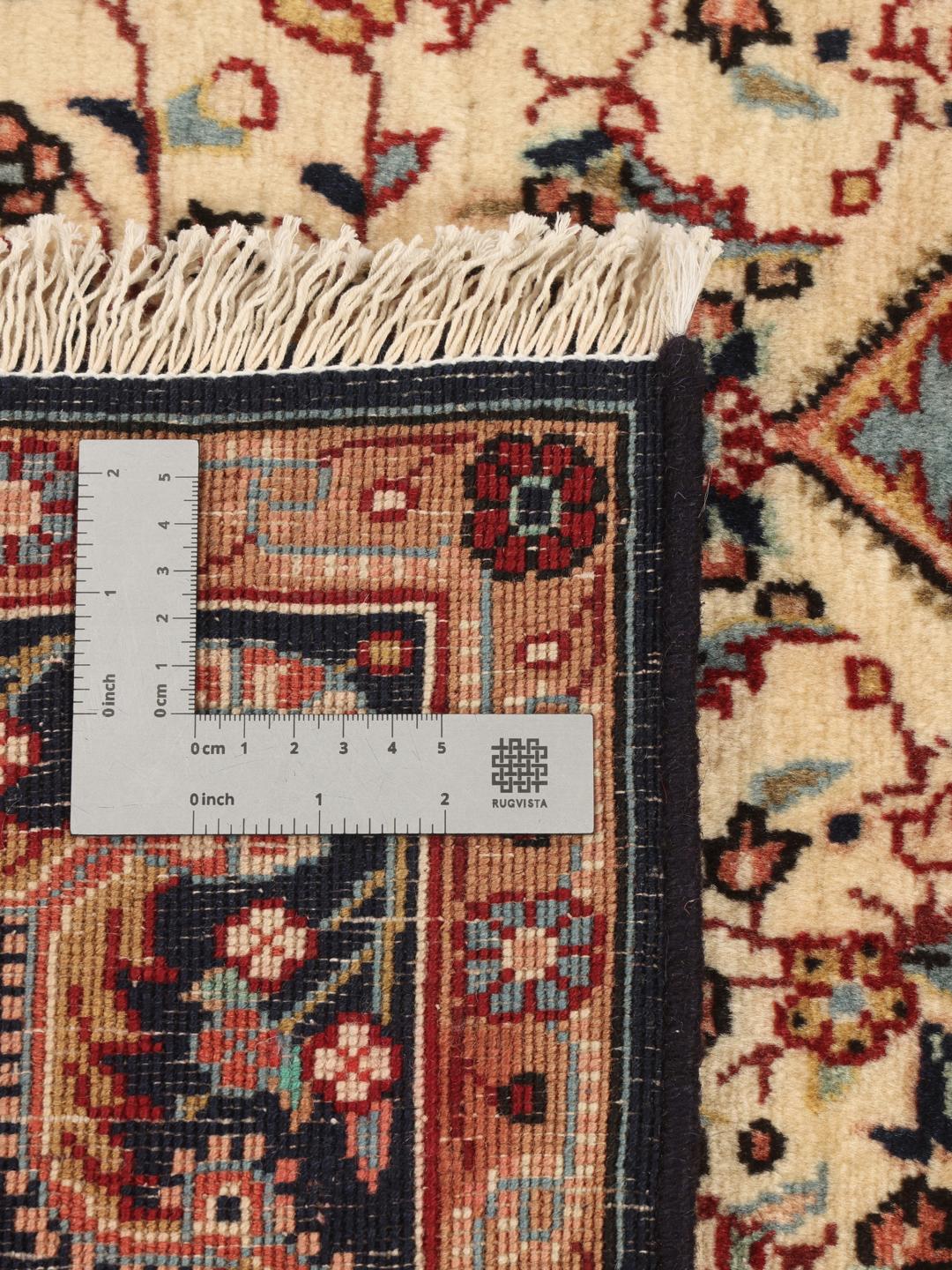
The durability of a Bidjar rug is rooted in its specific construction technique. The weavers use a heavy, wet-beating method, which compresses the knots so tightly that the pile stands vertically rather than laying flat. This process results in an exceptionally dense and lustrous surface that is highly resistant to wear, making these rugs some of the most sought-after for high-traffic areas.
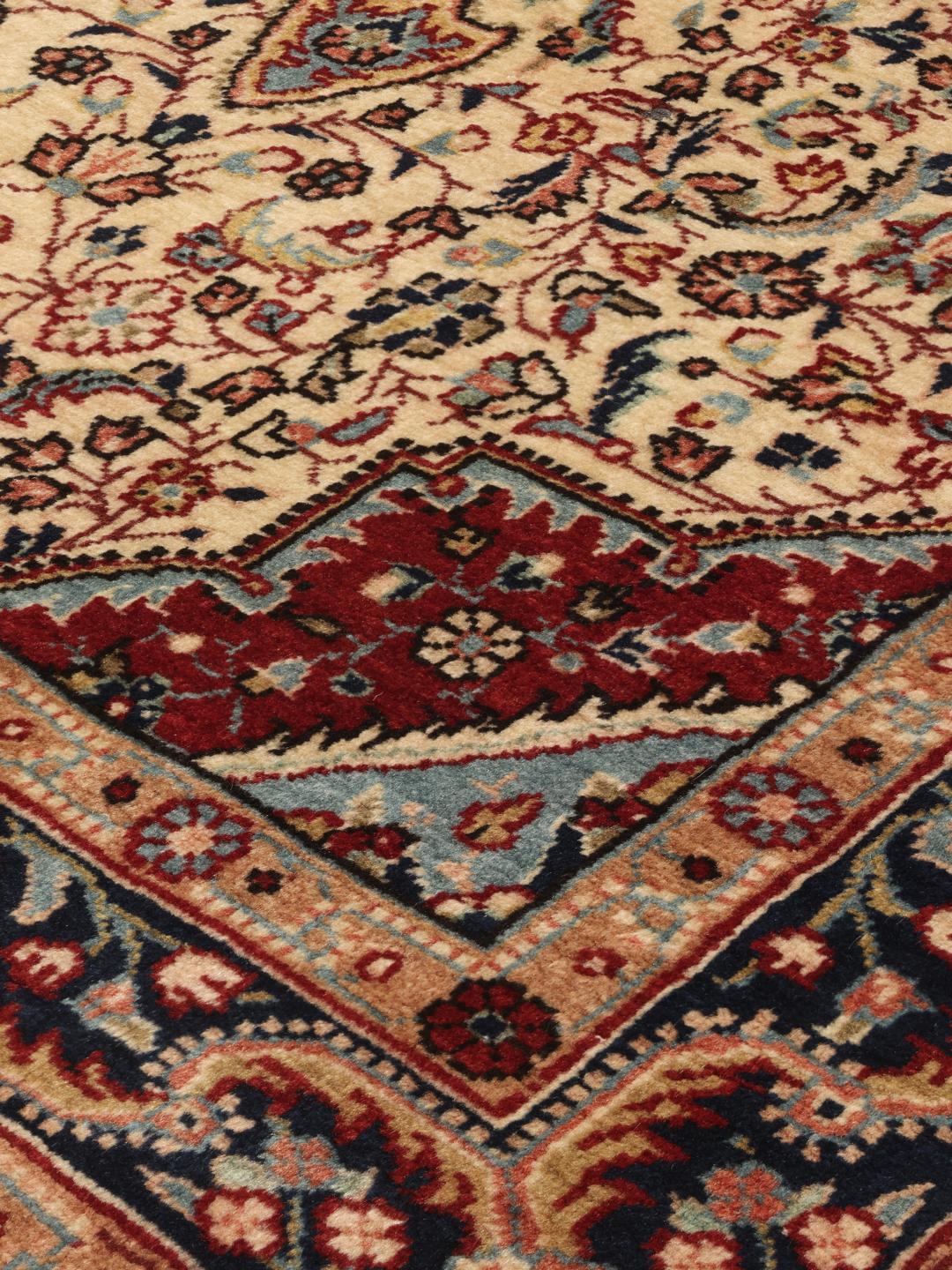
Visually, these rugs are defined by their sophisticated aesthetic, often featuring the classic Herati pattern or intricate floral medallions. The borders are typically formal and balanced, enclosing a field that displays a harmonious blend of deep, rich tones. The inclusion of complex floral motifs within a structured framework is a hallmark of the style, demonstrating a mastery of both geometry and organic design.
Collecting a rug from this tradition is an investment in heritage and skill. Because of the intense labour and specialised knowledge required to produce such a dense, long-lasting item, these rugs are valued for their ability to bridge the gap between functional household objects and pieces of cultural significance. Owning one is a testament to an appreciation for enduring craft.