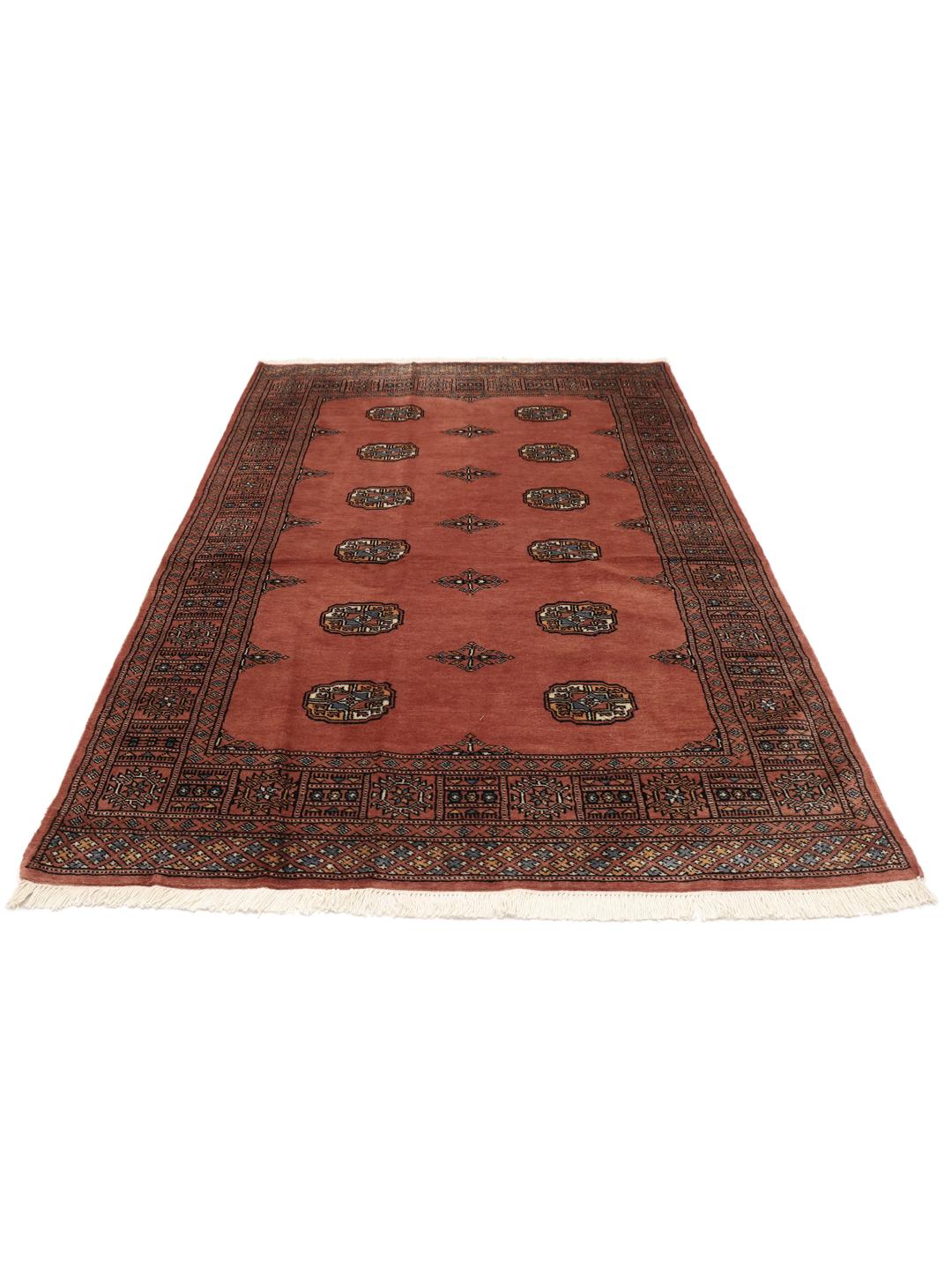
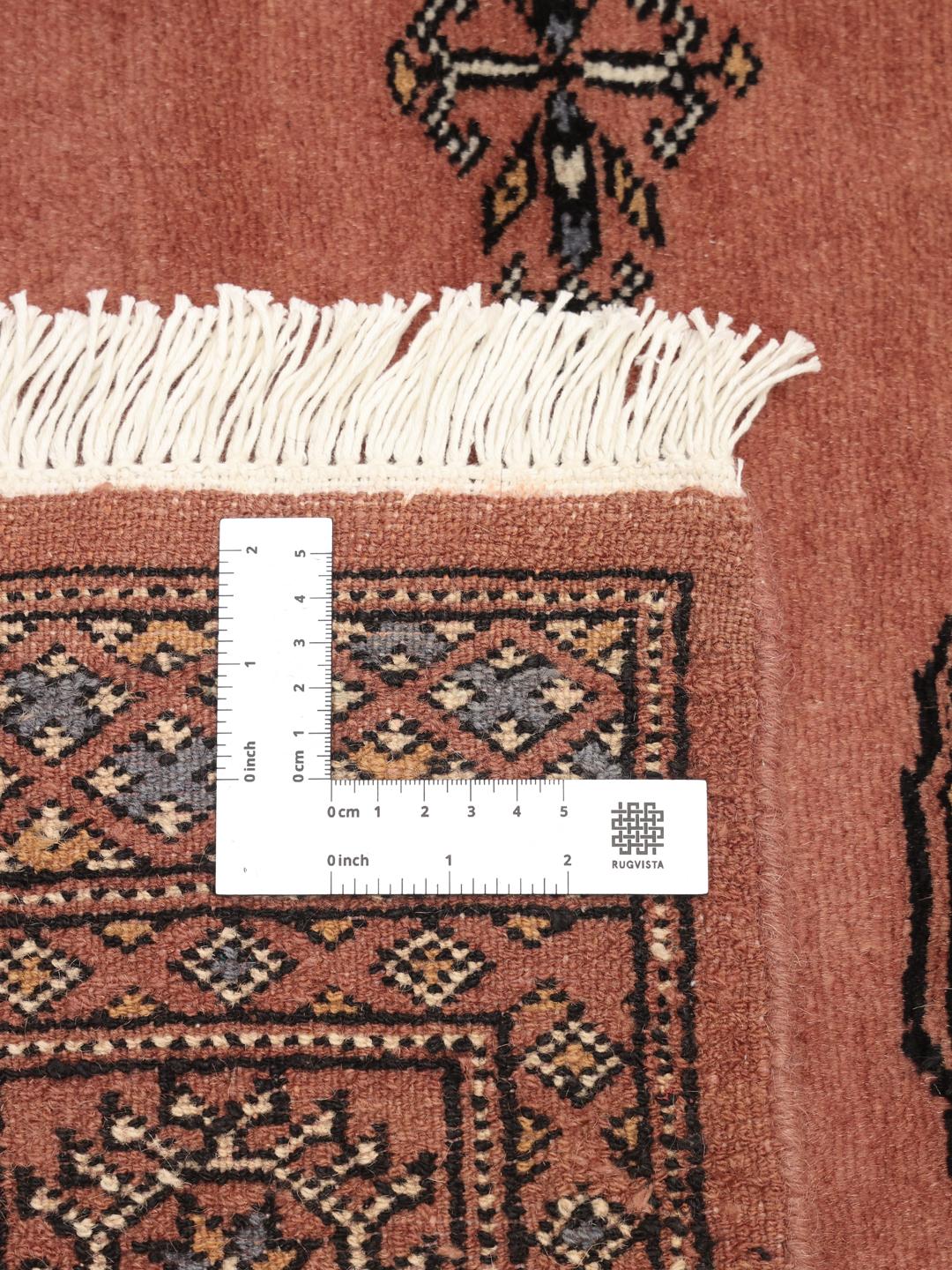
The Bokhara rug is a testament to the enduring influence of the ancient Silk Road. While the name originates from the historic city of Bukhara in modern-day Uzbekistan, the tradition of weaving these distinctive rugs migrated over centuries. Today, the most exceptional examples are crafted in Pakistan, where weavers have mastered the intricate techniques passed down through generations.
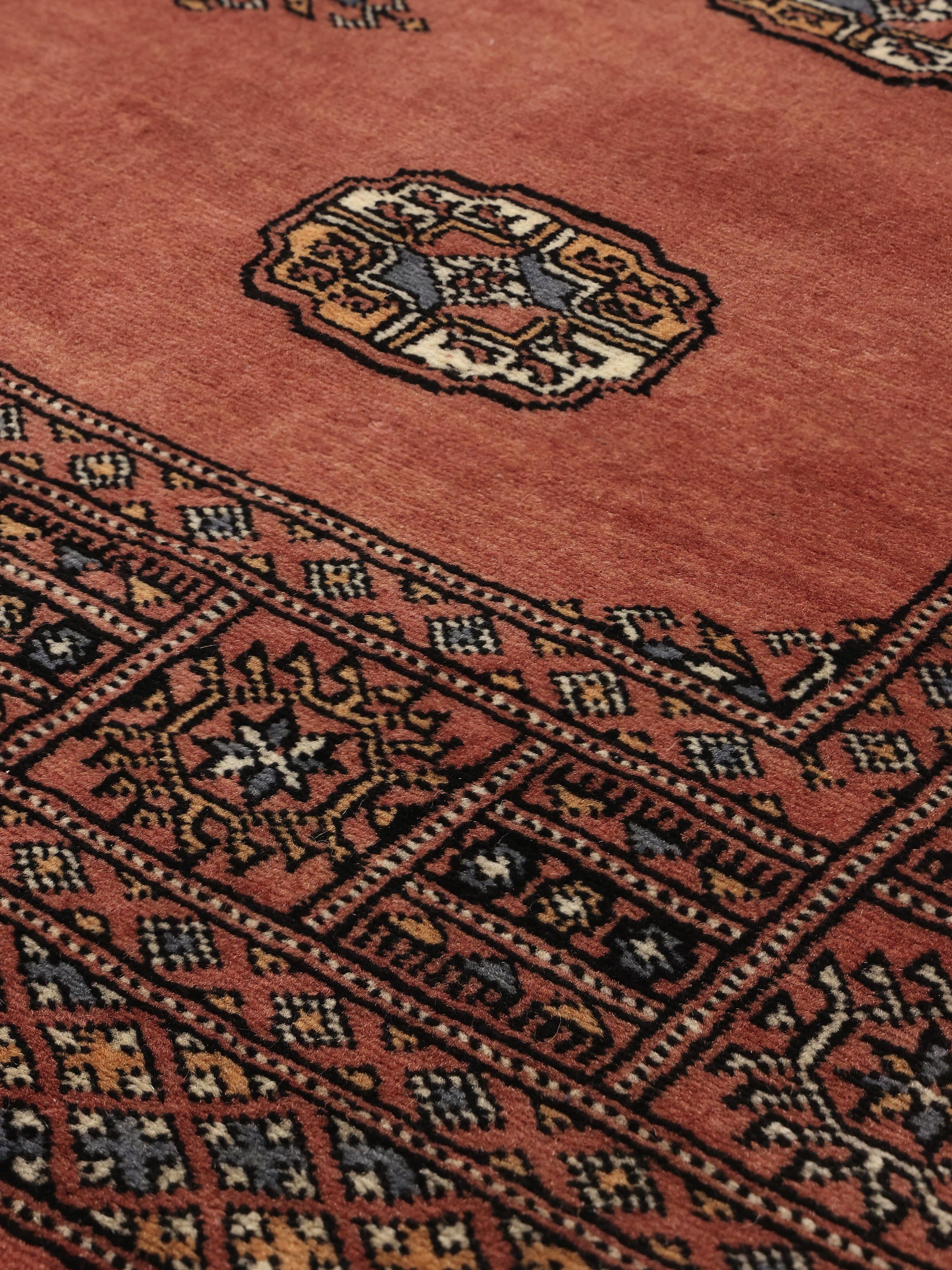
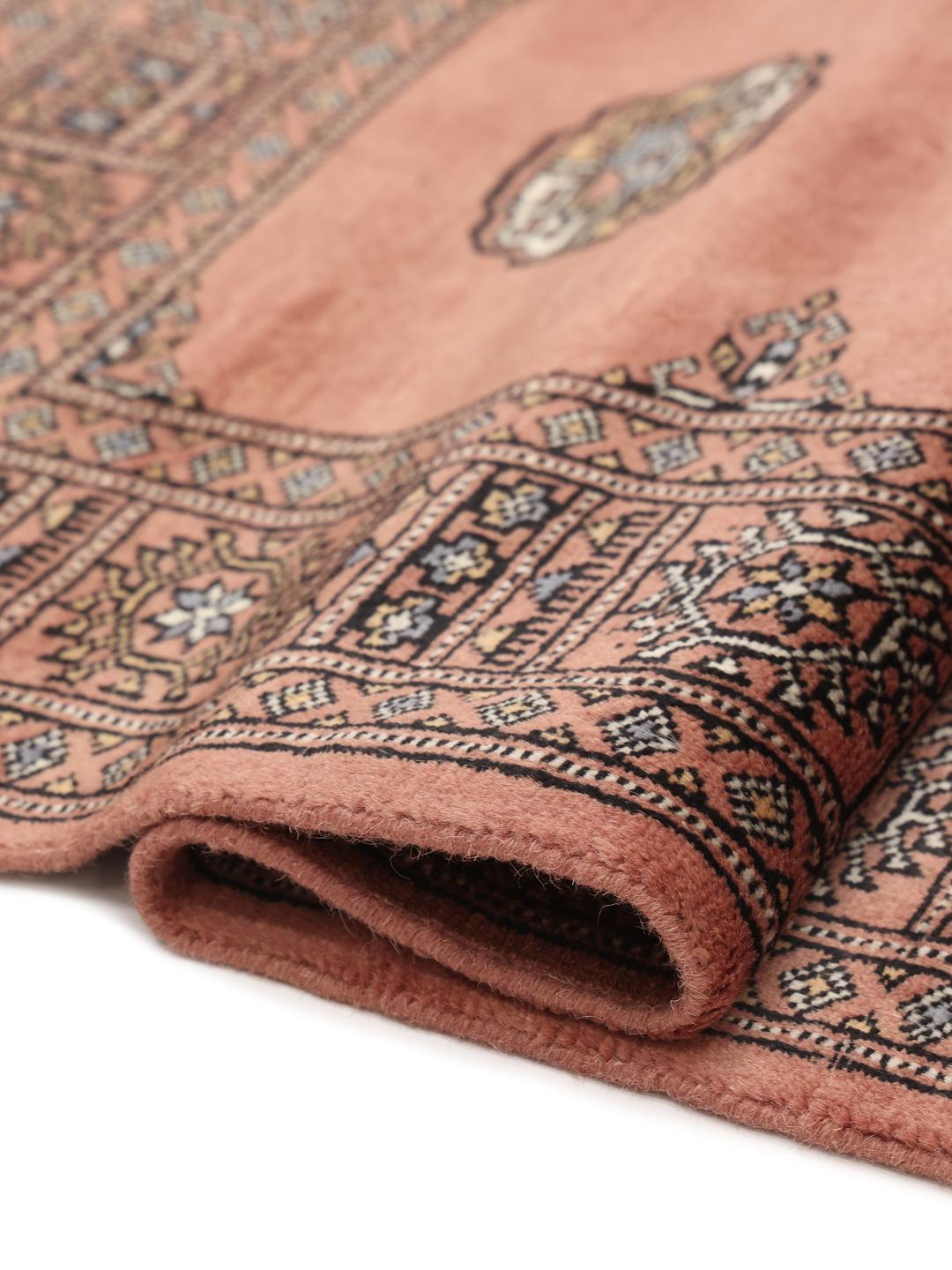
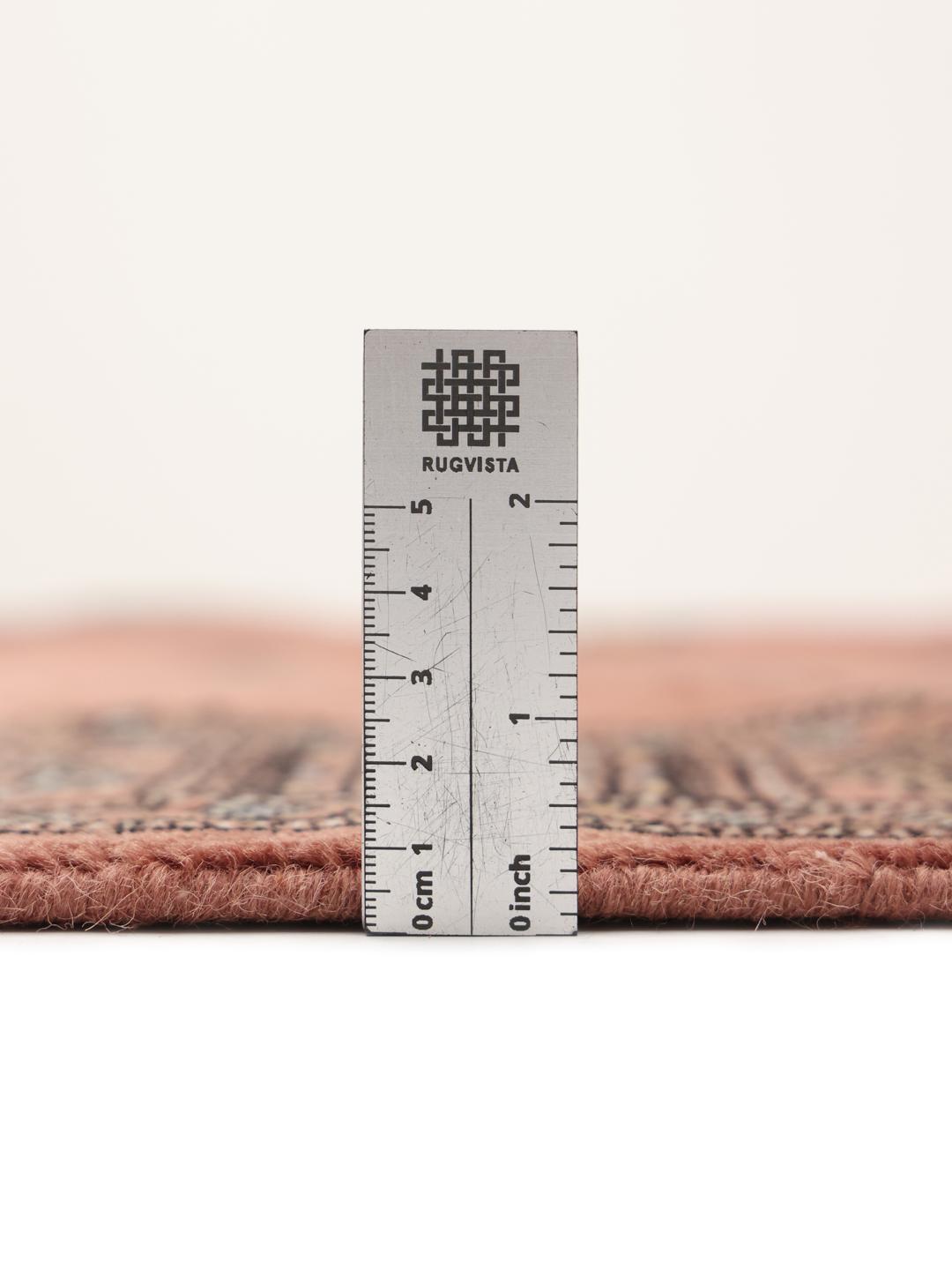
The '2ply' designation refers to the construction of the wool pile, where two strands are twisted together before being knotted. This technique is vital for quality, as it creates a significantly denser, more lustrous, and durable pile compared to single-ply alternatives. It provides the rug with a substantial feel and a long-lasting finish that resists wear.
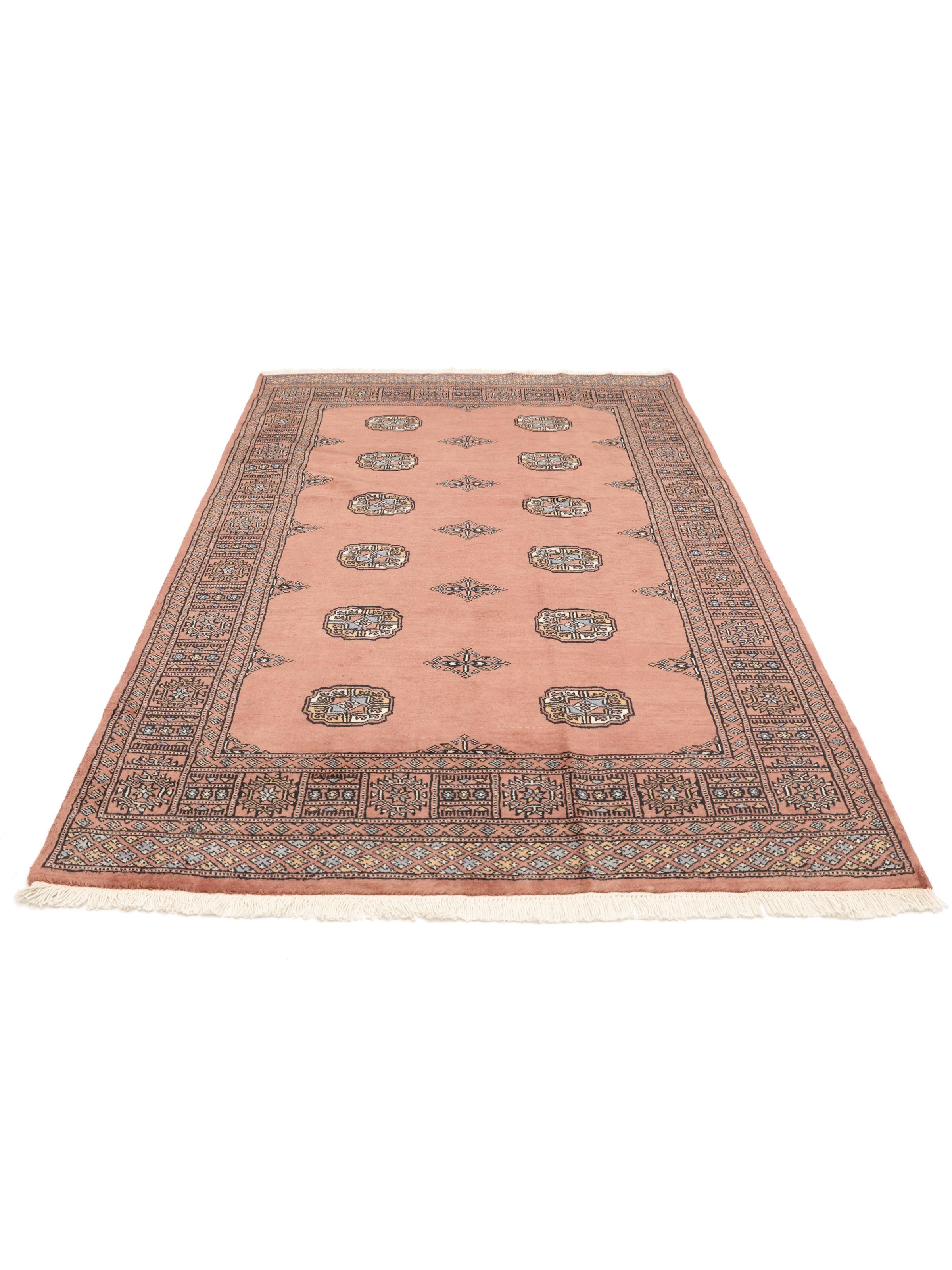
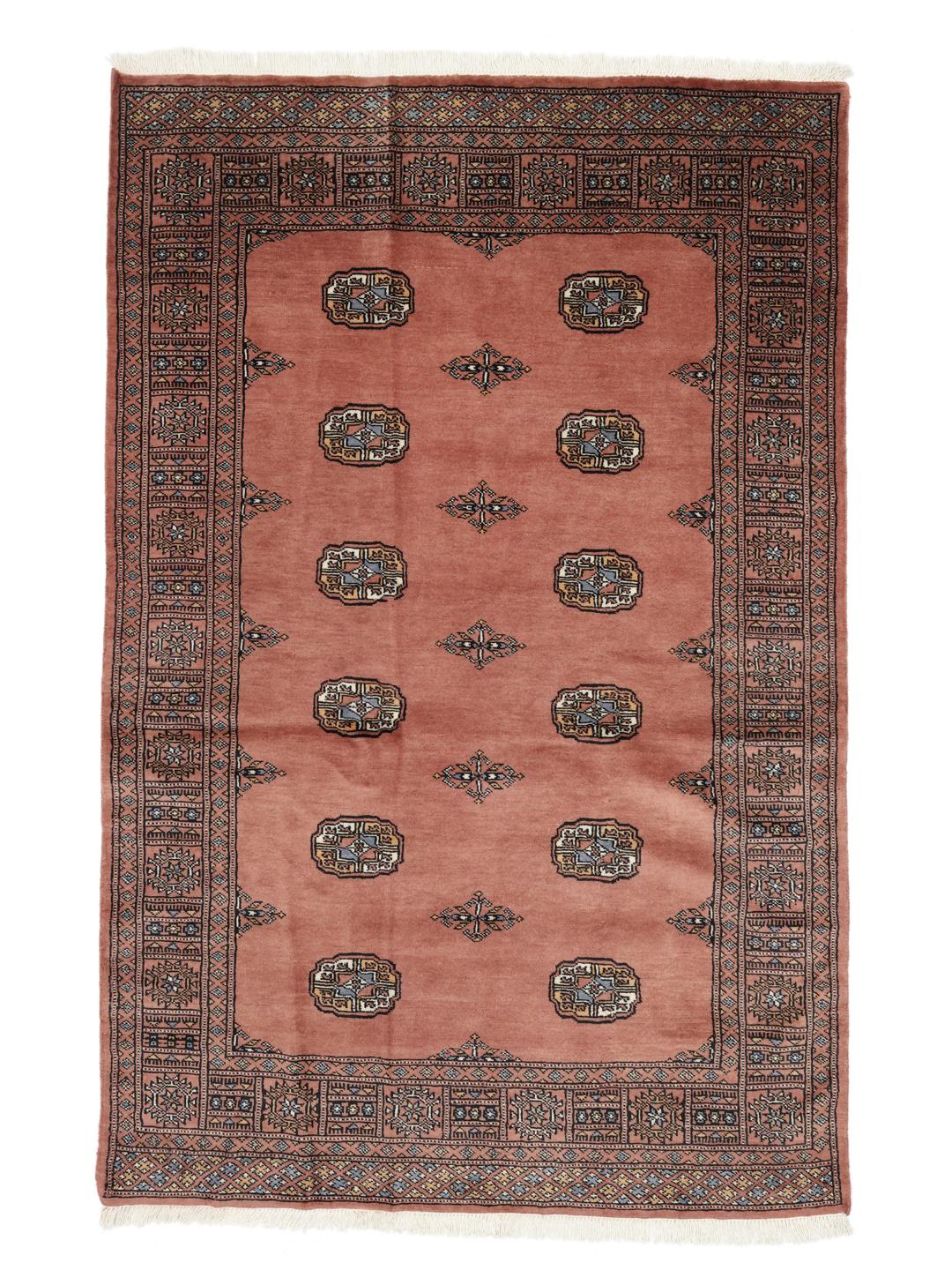
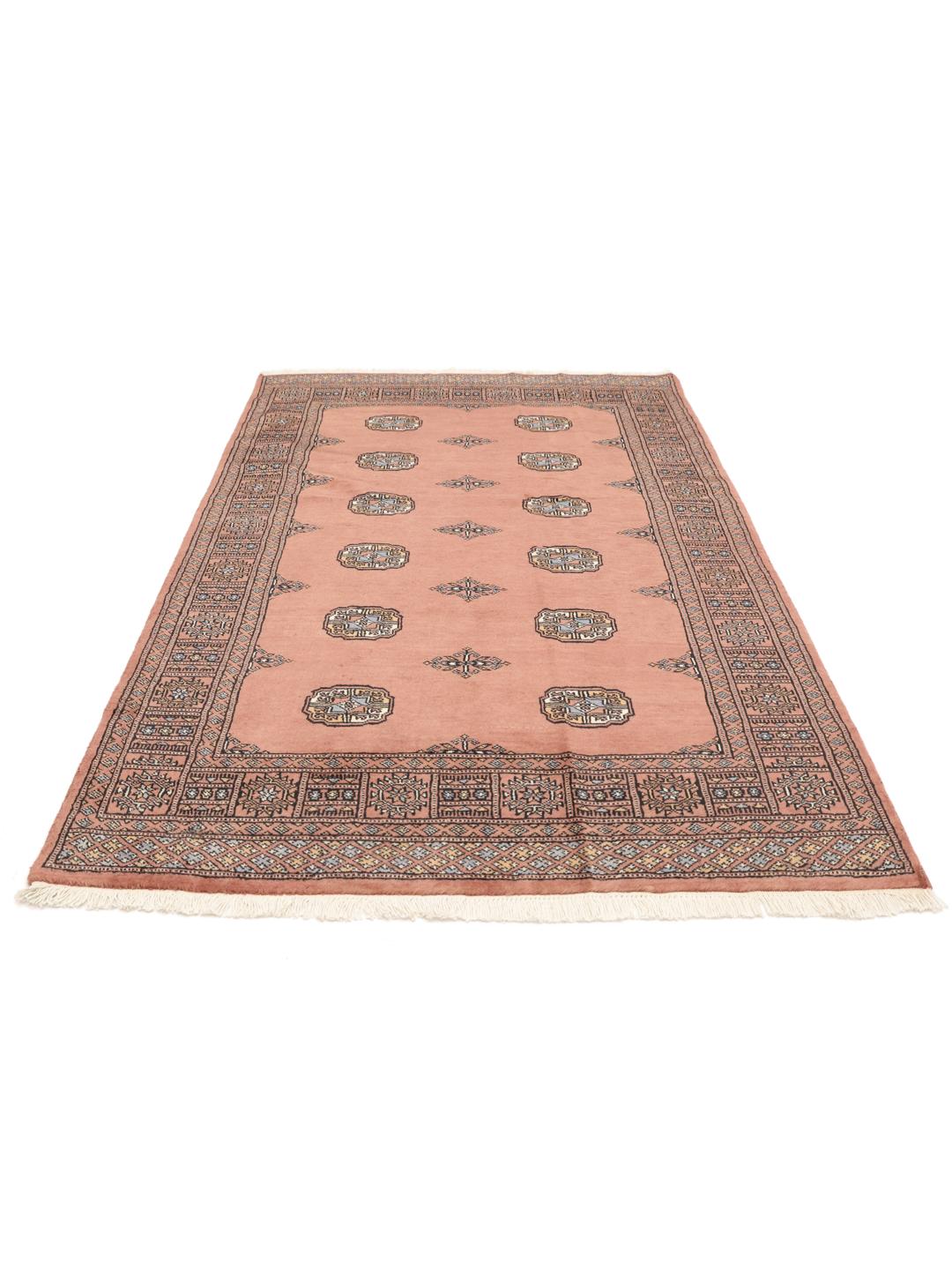
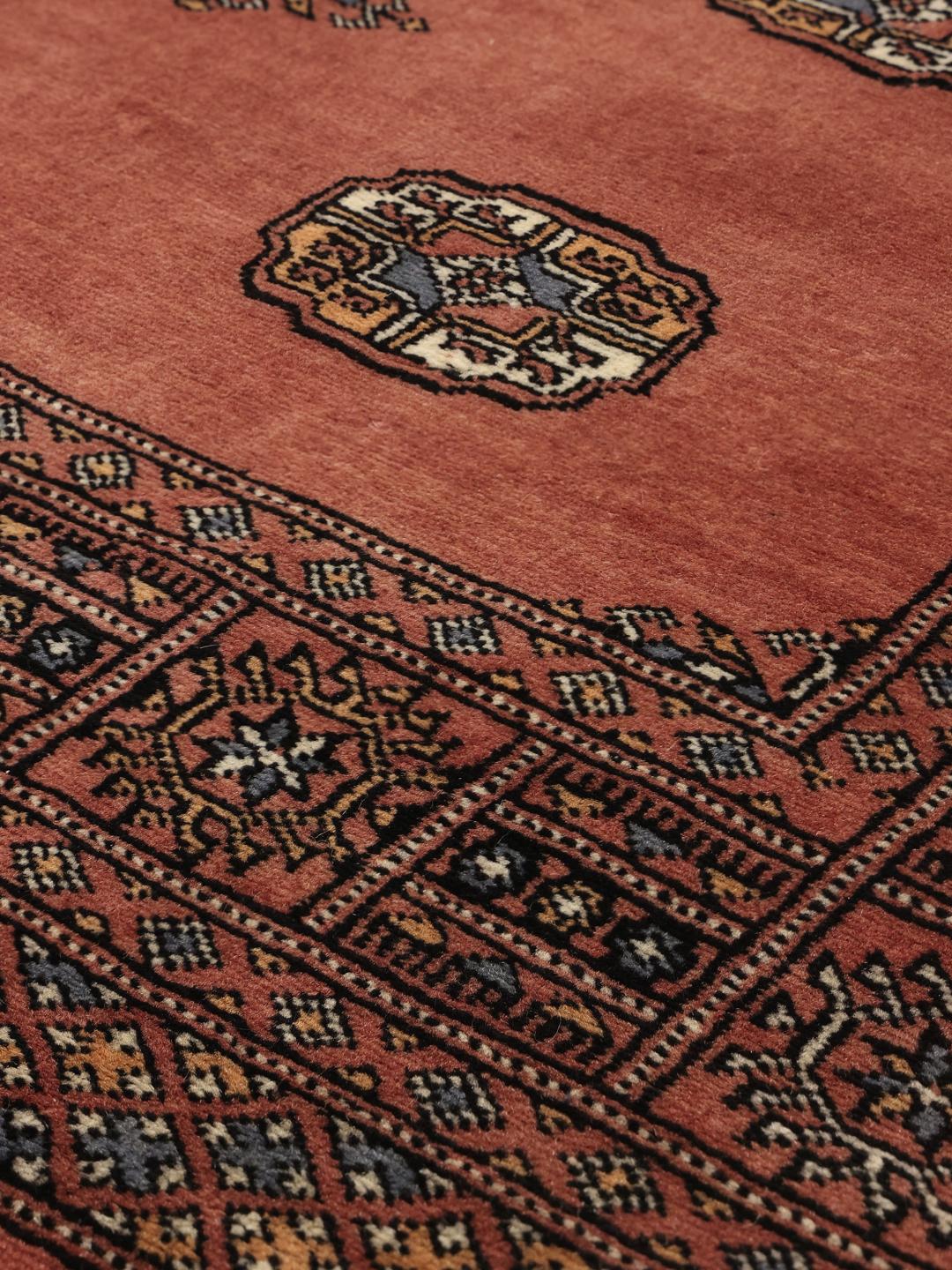
Design-wise, these rugs are defined by their repeating 'gul' motifs, which are stylised, octagonal shapes often compared to elephant footprints. These symbols are arranged in a formal, rhythmic grid, creating a sense of order and balance. The borders are equally precise, featuring geometric patterns that frame the field and draw the eye inward toward the central artistry.
Owning a hand-knotted rug from this tradition is an investment in cultural heritage and human skill. These pieces are valued by collectors and homeowners alike for their ability to bring a storied, grounded aesthetic to modern interiors. Each rug stands as a singular achievement, reflecting the dedication of the artisan who spent significant time bringing the design to life.