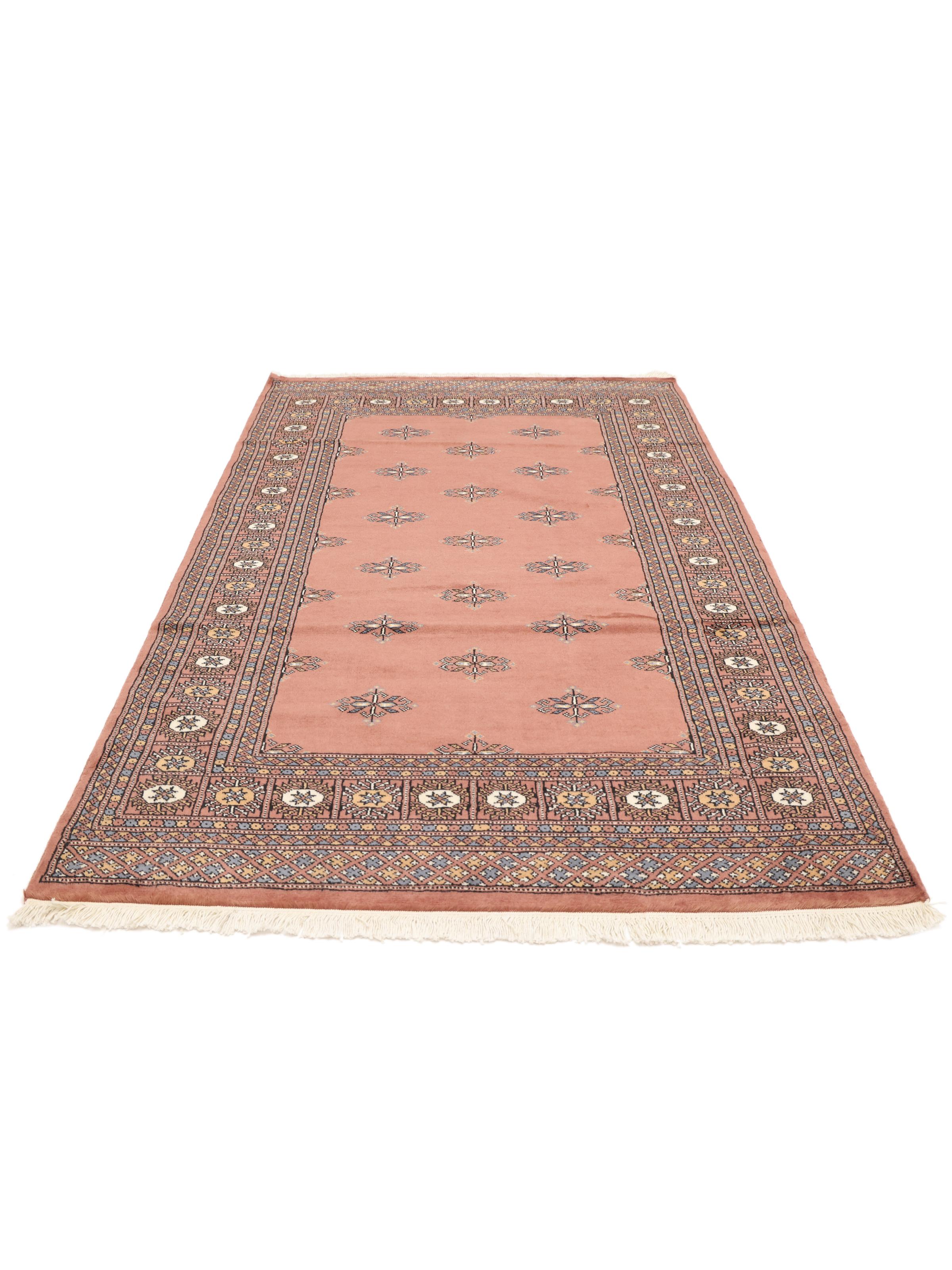
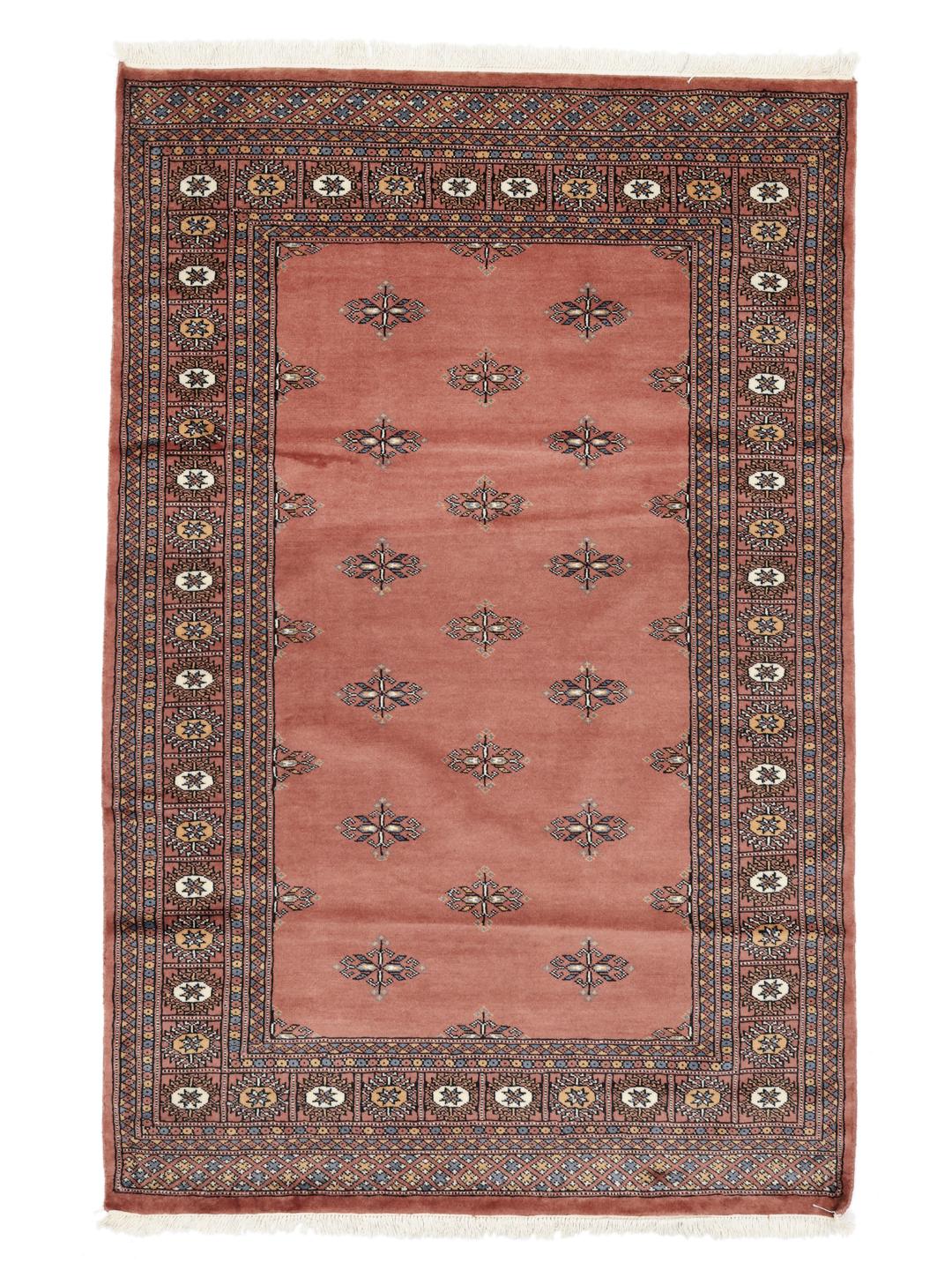
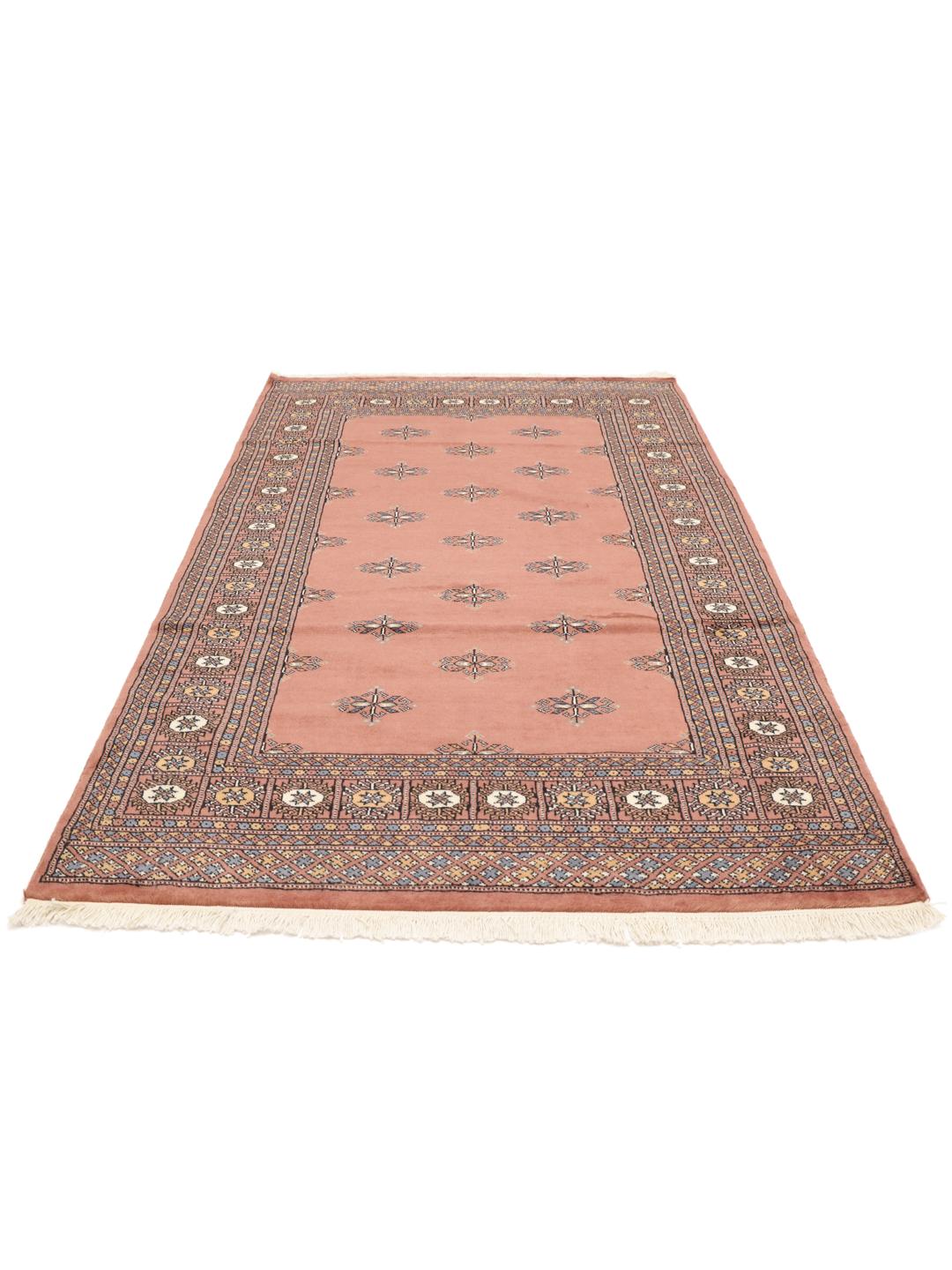
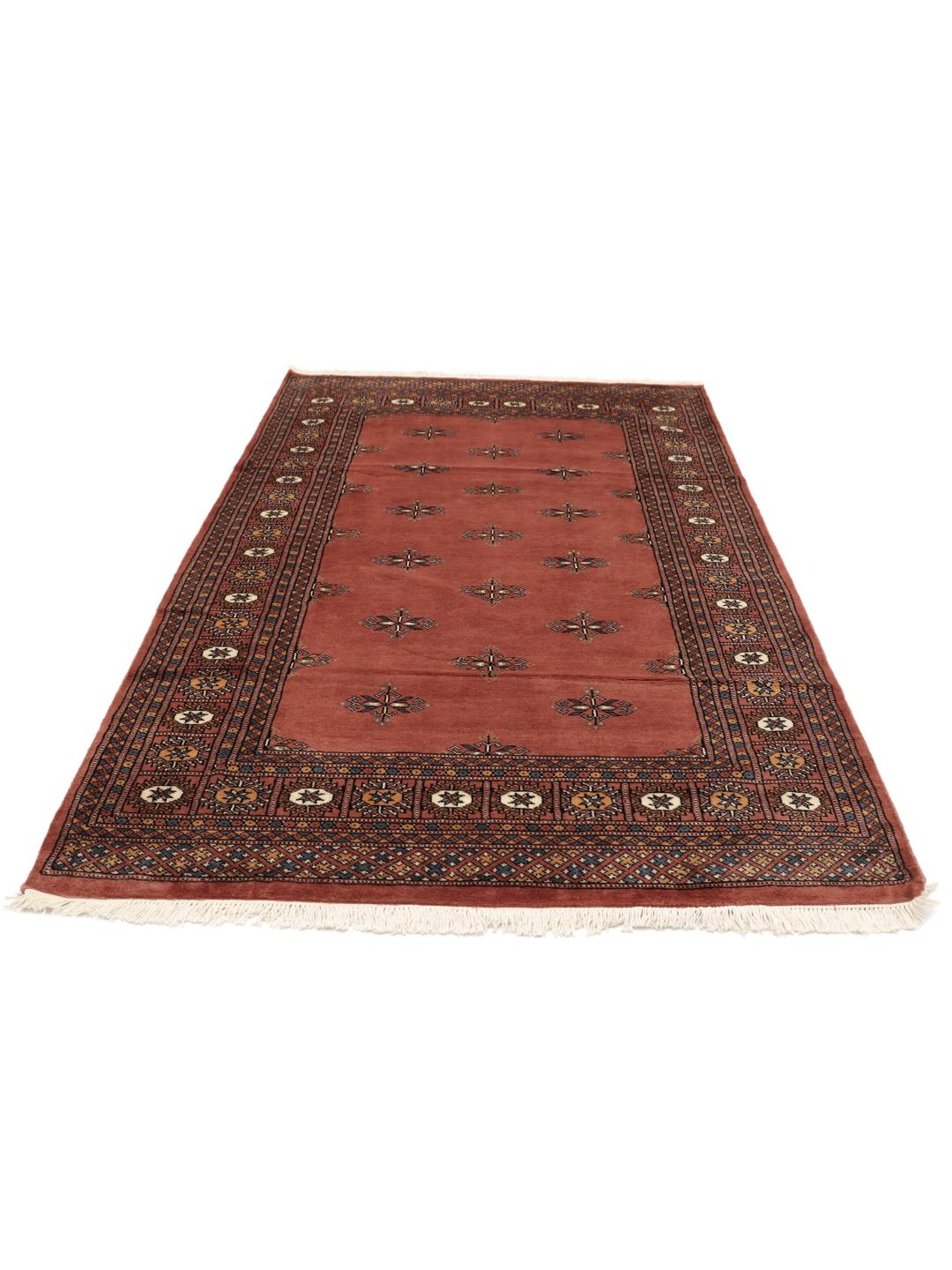
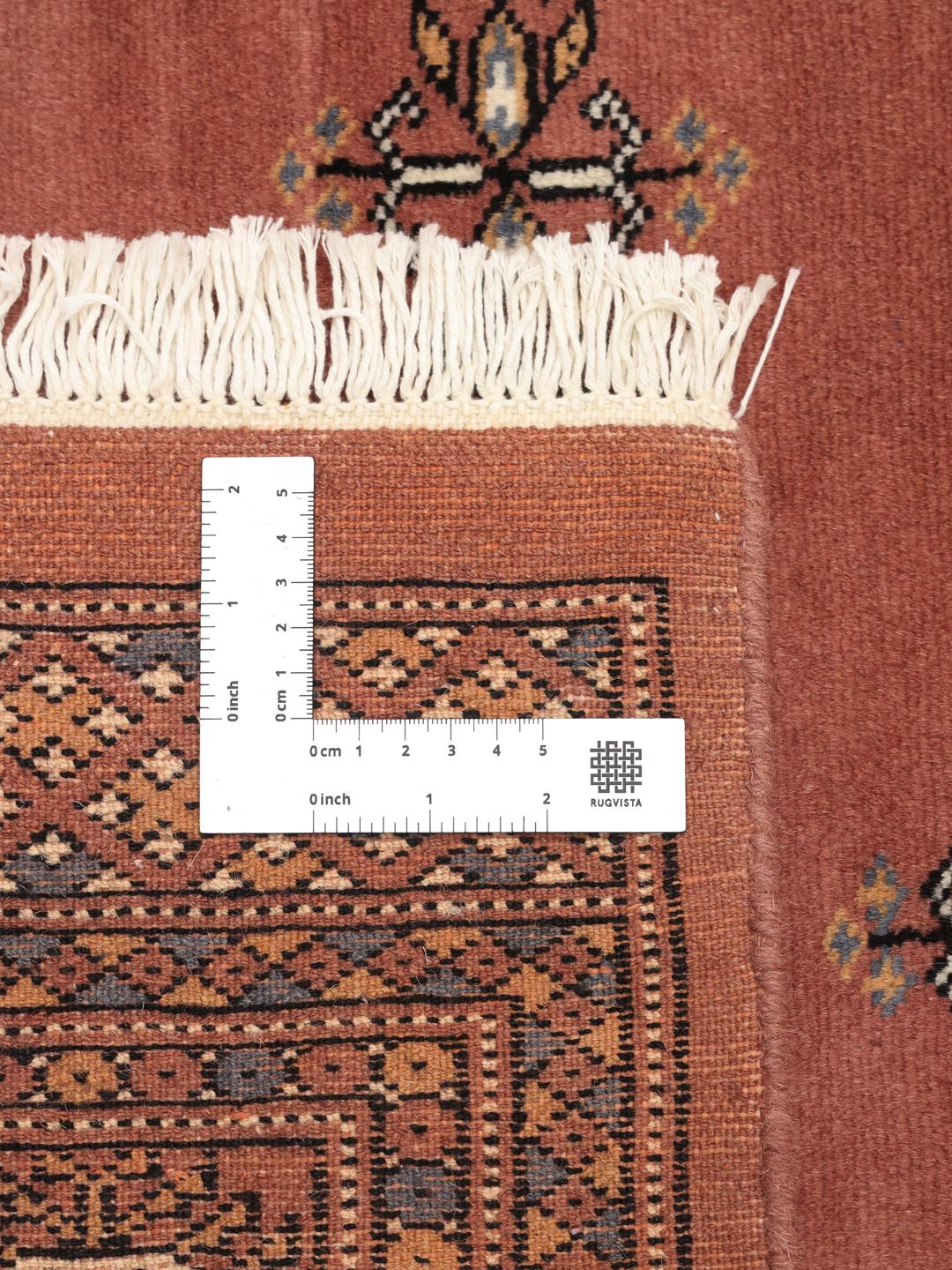
Bokhara rugs take their name from the ancient Silk Road city of Bukhara, located in modern-day Uzbekistan. Historically, these rugs were produced by nomadic tribes across Central Asia, who used them as functional items for their tents, including floor coverings and storage bags. Over time, the weaving techniques and distinct design motifs migrated, and today, some of the finest examples of this tradition are crafted in Pakistan.
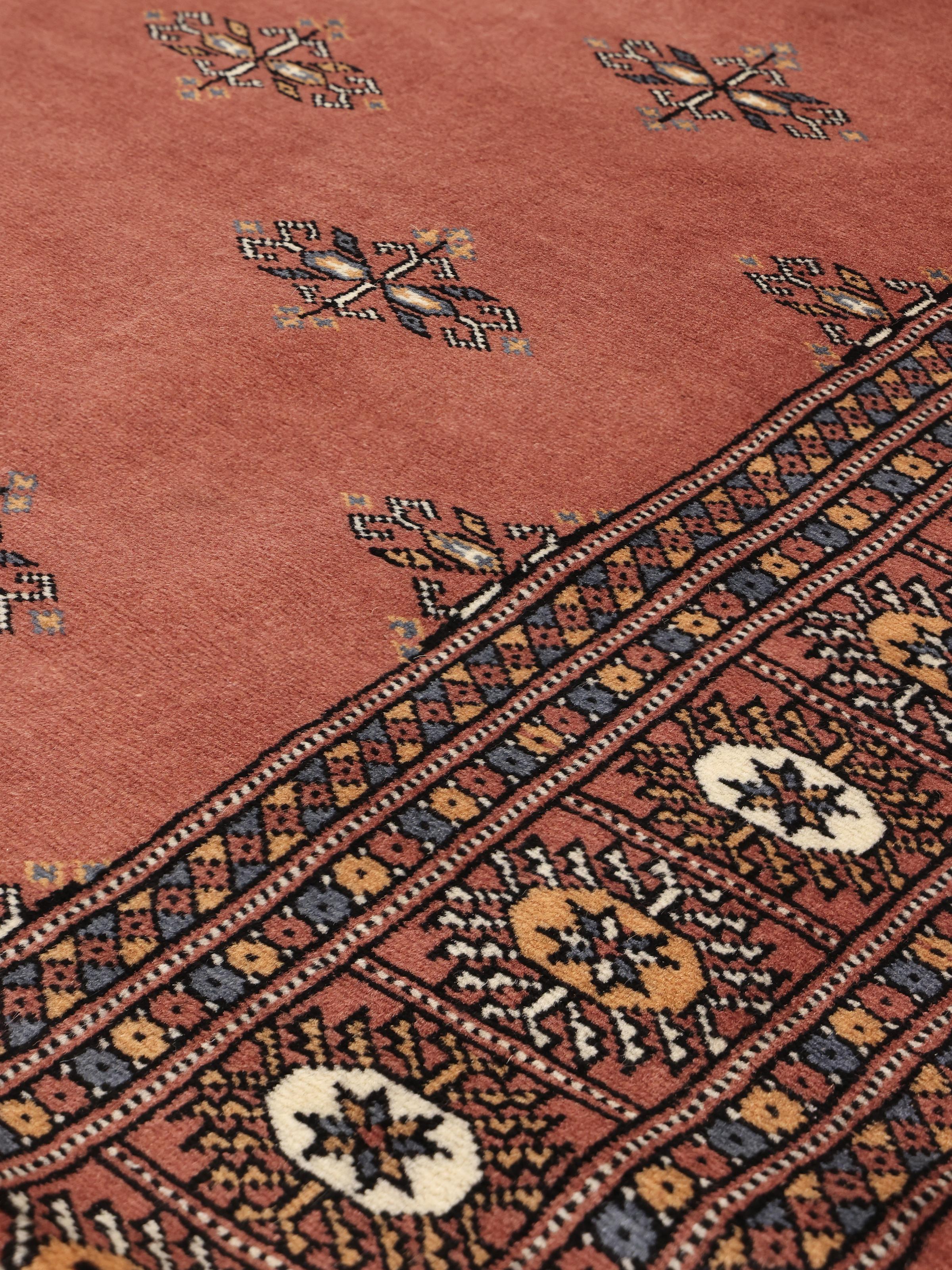
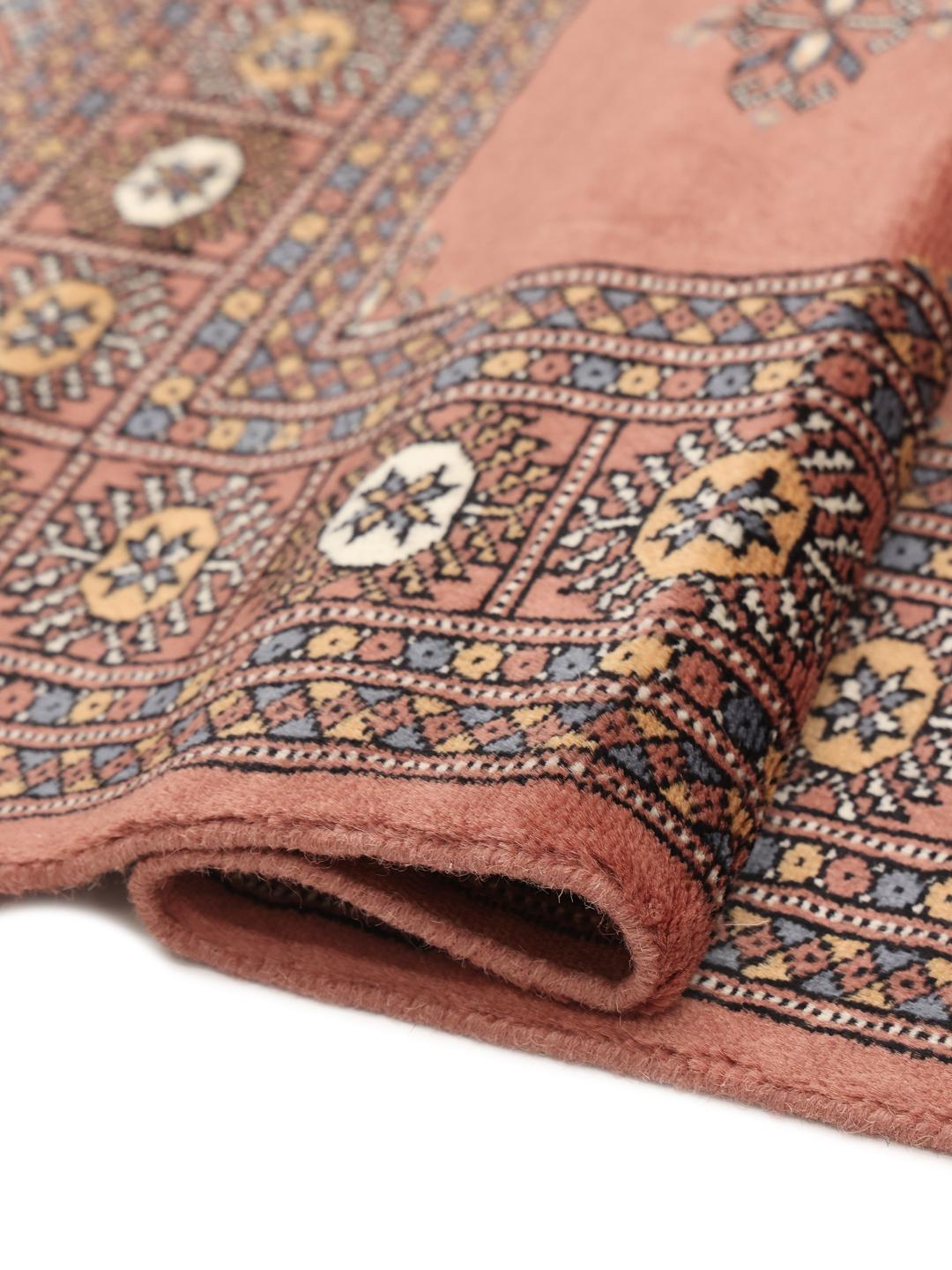
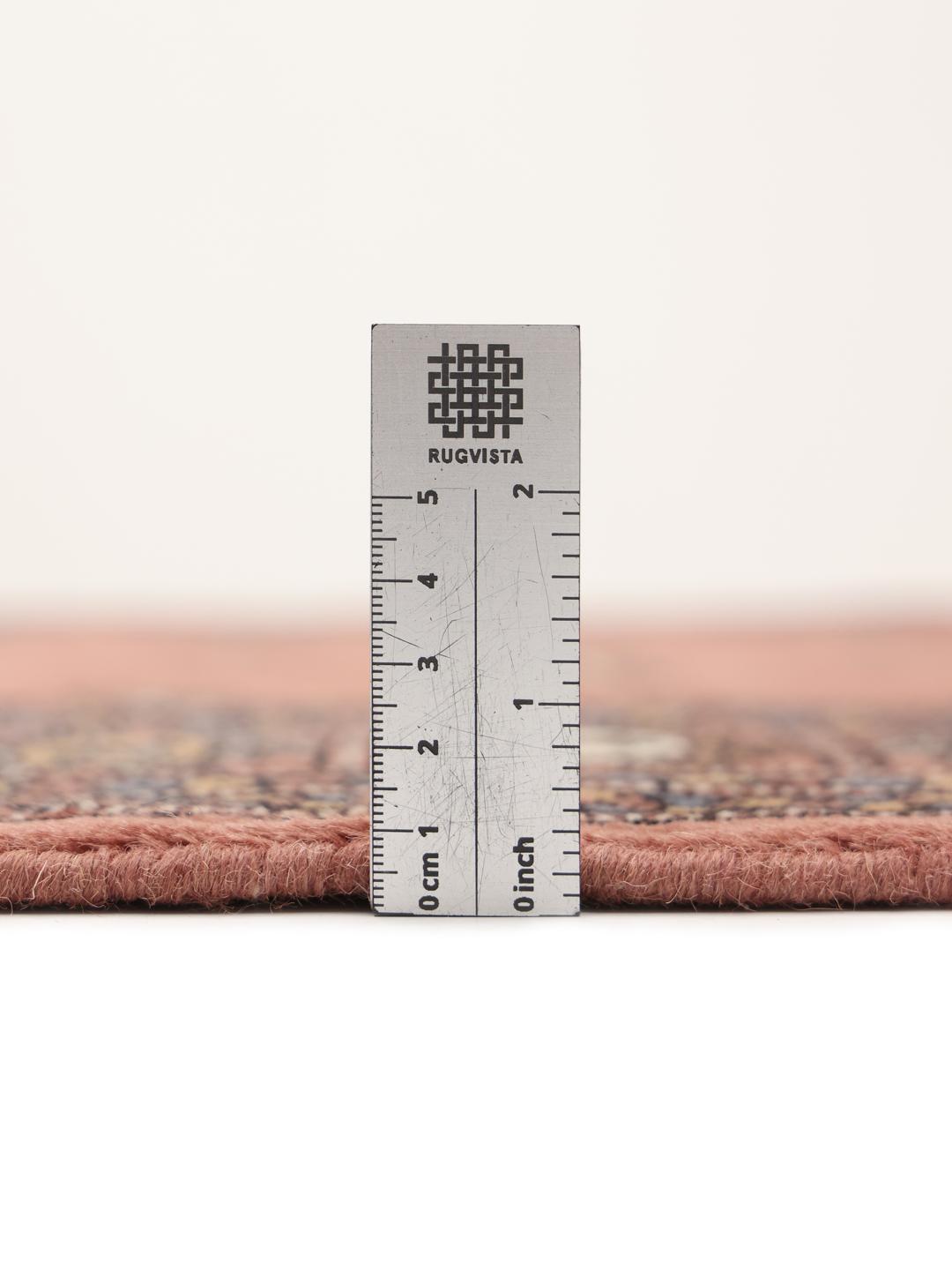
The '2ply' designation refers to the construction of the pile, where two strands of wool are twisted together before being knotted. This technique is significant because it creates a pile that is not only denser and more luxurious to the touch but also inherently stronger and more lustrous. This added durability is why these rugs have become cherished heirlooms that can withstand the rigours of daily life.
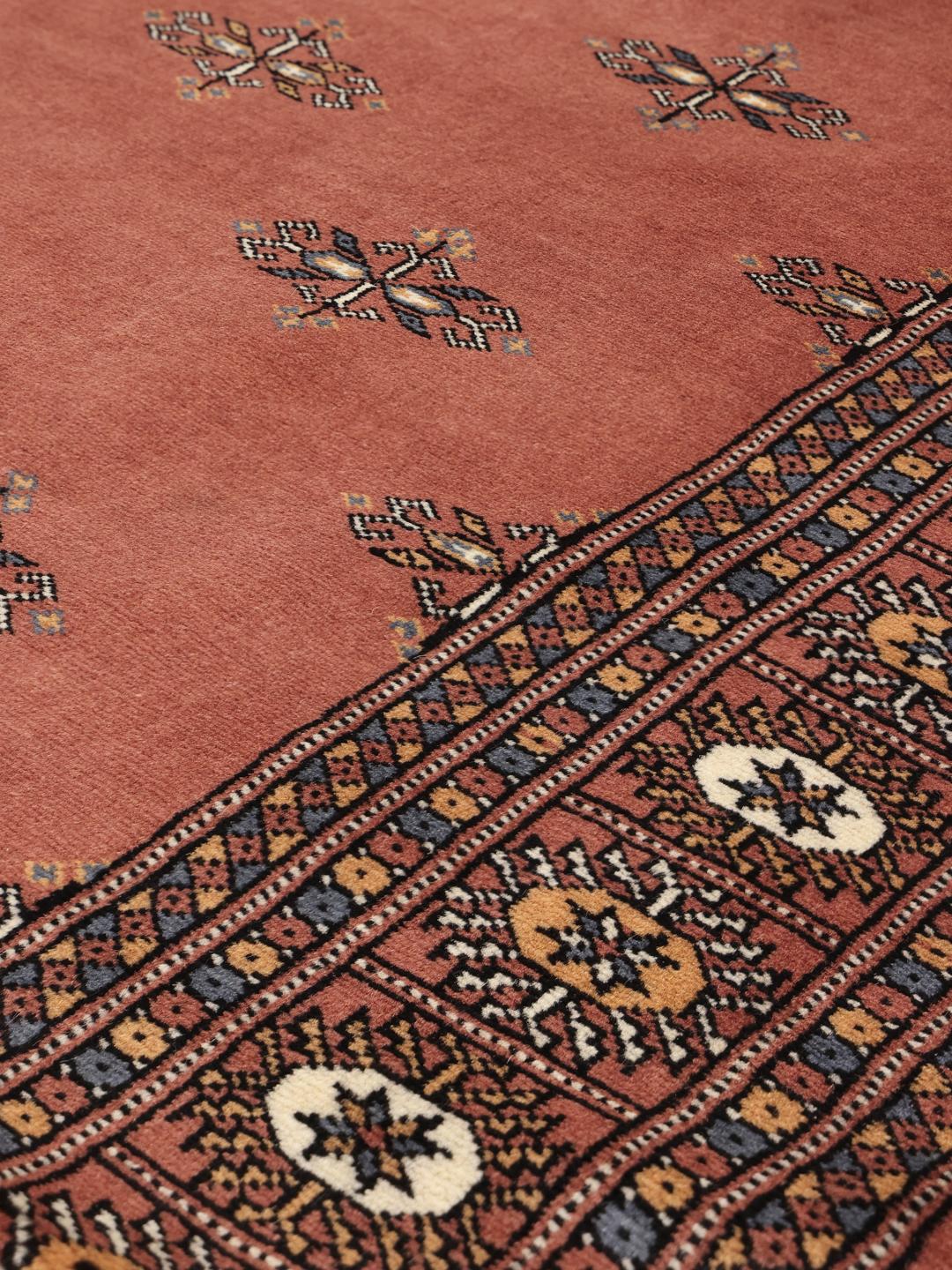
The visual language of a Bokhara is defined by its repetitive 'gul' motifs. These are typically octagonal or elephant-foot shaped medallions arranged in precise rows across the field. Enclosed by a formal, intricate border, these patterns represent a harmonious balance of symmetry and tradition. The red tones often seen in these rugs reflect a long-standing preference for warm, earthy dyes that have been central to the aesthetic of this region for centuries.
Owning a Bokhara is about more than just floor decor; it is about bringing a piece of cultural heritage into your home. These rugs are highly valued by collectors for their consistency, skill, and deep connection to the history of textile art. By choosing a hand-knotted piece, you are celebrating the human effort and dedication that goes into preserving these ancient patterns for future generations.