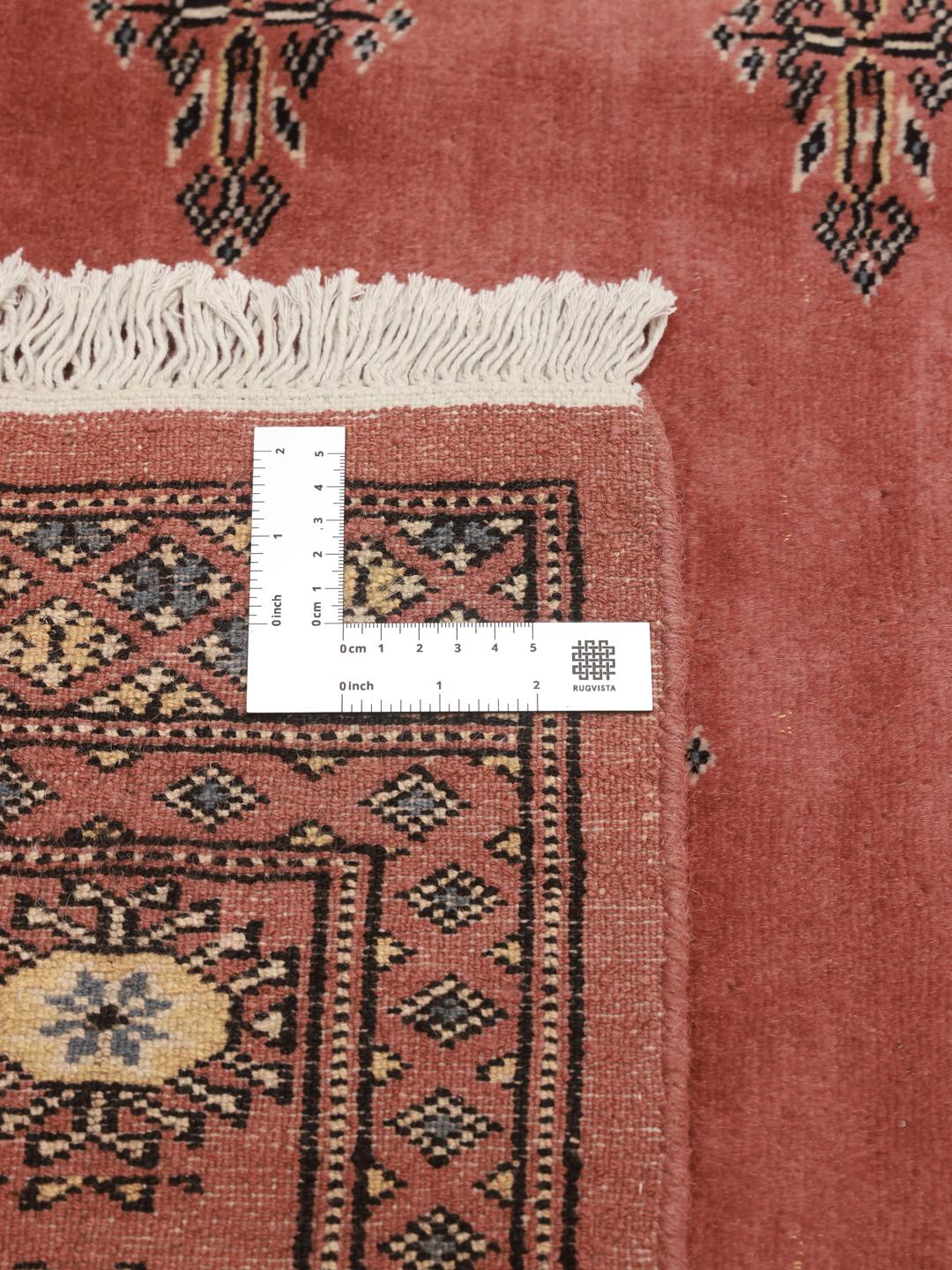
Bokhara rugs take their name from the ancient Silk Road city of Bukhara in Central Asia, a historic trading hub where Central Asian weavers shared designs and techniques.
Over generations, weaving traditions migrated south into Pakistan, where local artisans mastered and refined the craft, combining classic Central Asian motifs with exceptional wool quality.
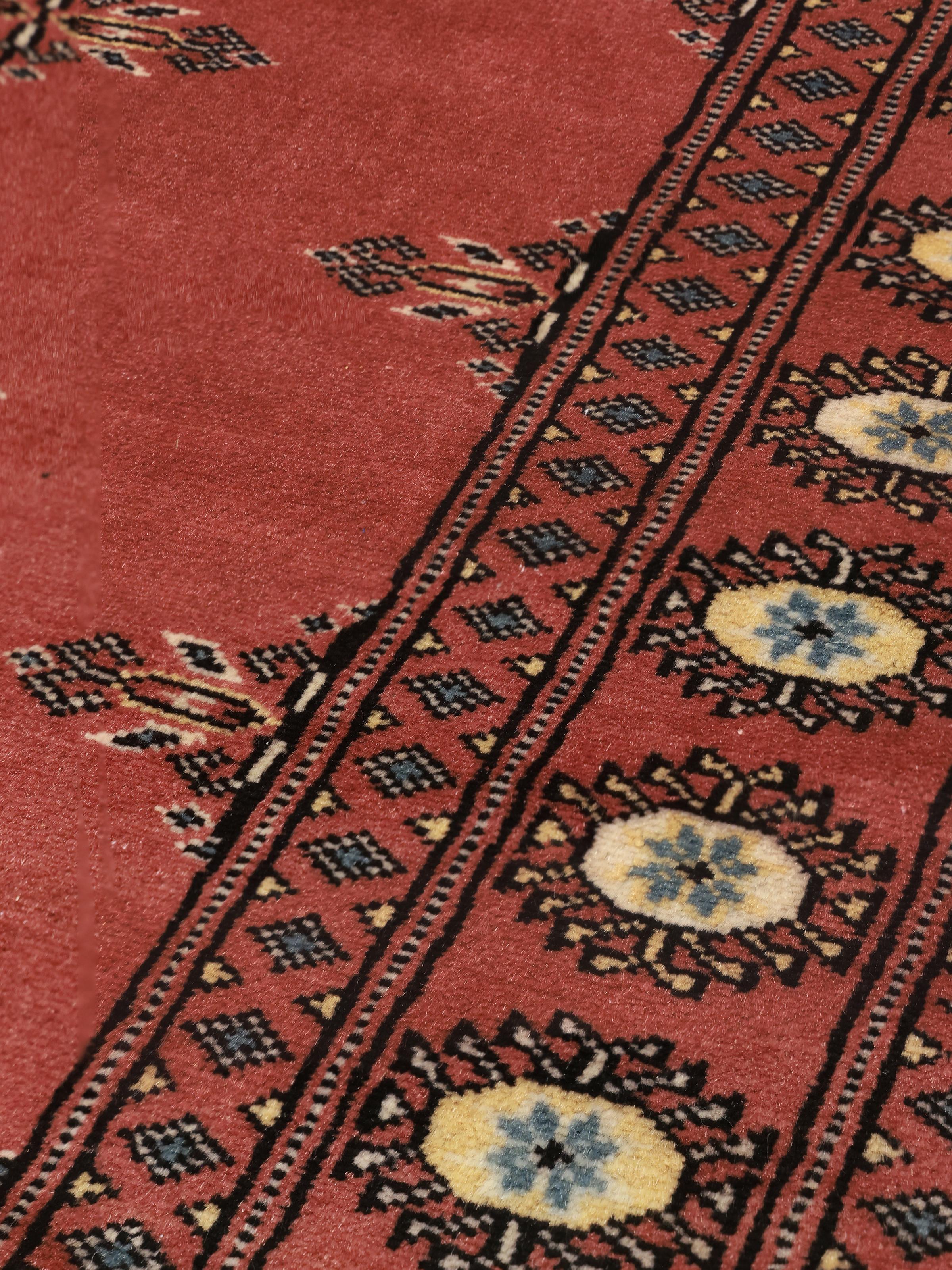
The 2ply designation refers to a construction method where two strands of wool are twisted together before being hand-tied into the foundation.
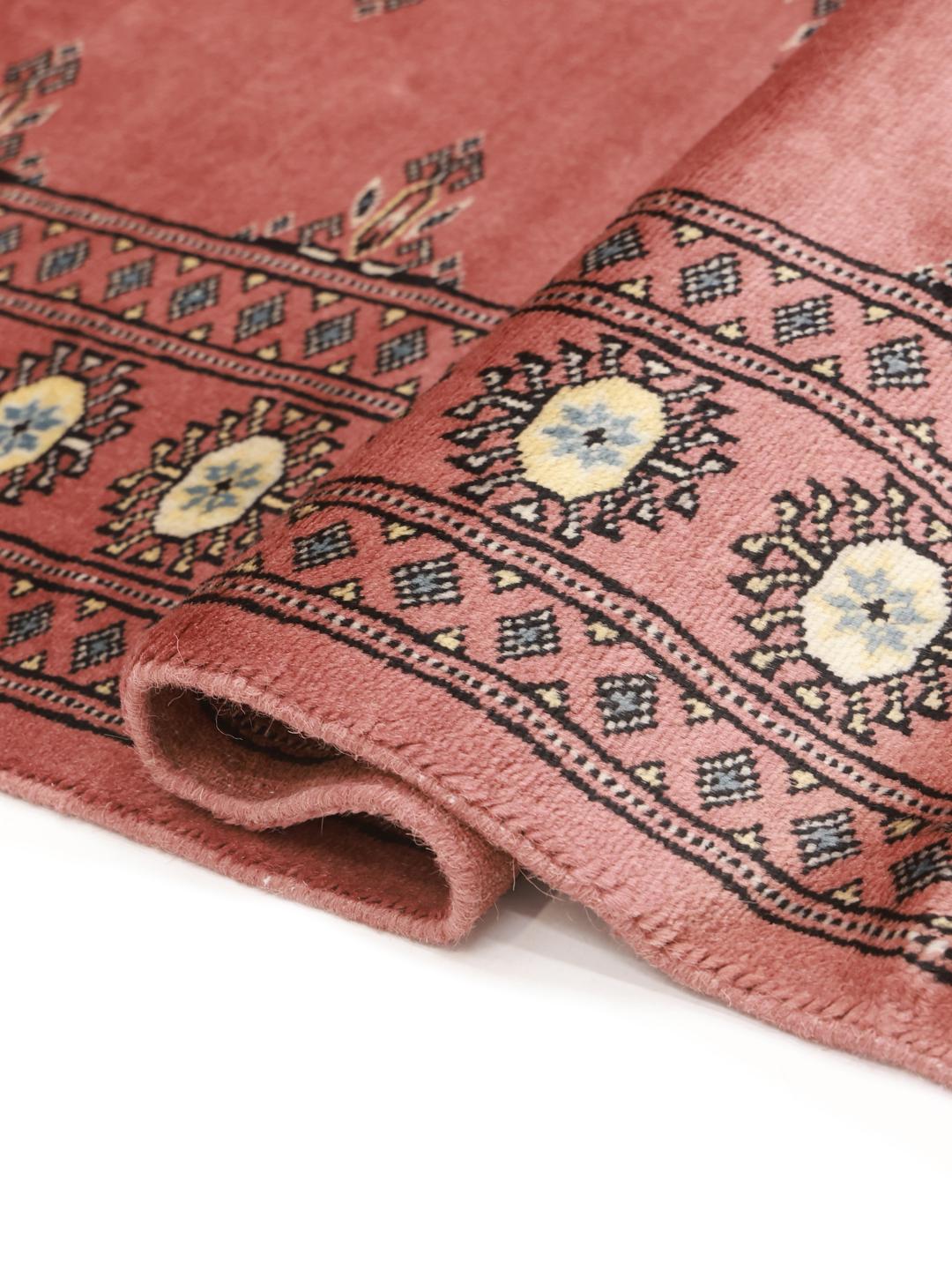
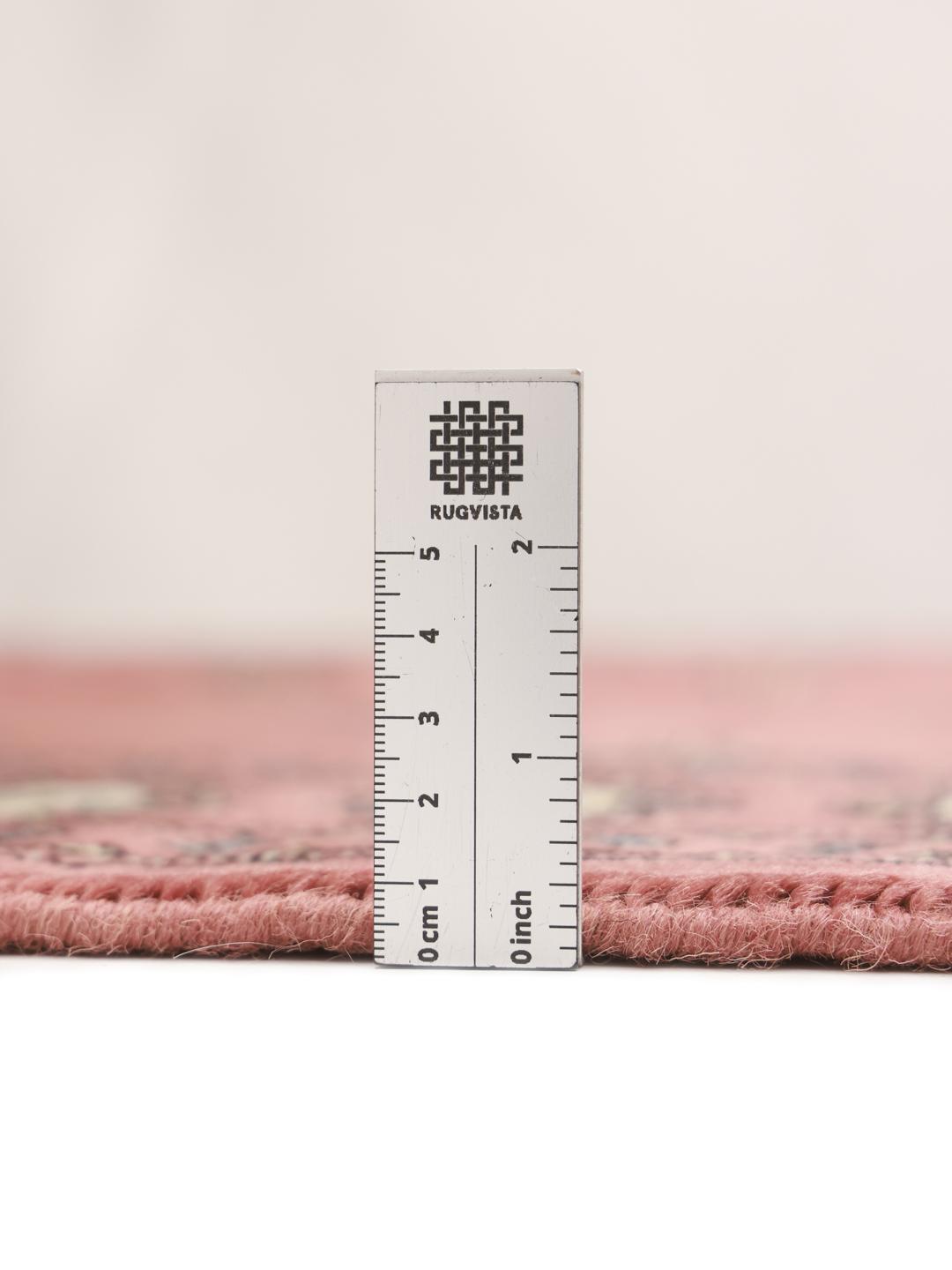
This 2ply technique produces a denser, more lustrous, and remarkably resilient pile compared to single-ply alternatives, ensuring the rug stands up to daily wear while keeping its soft touch.
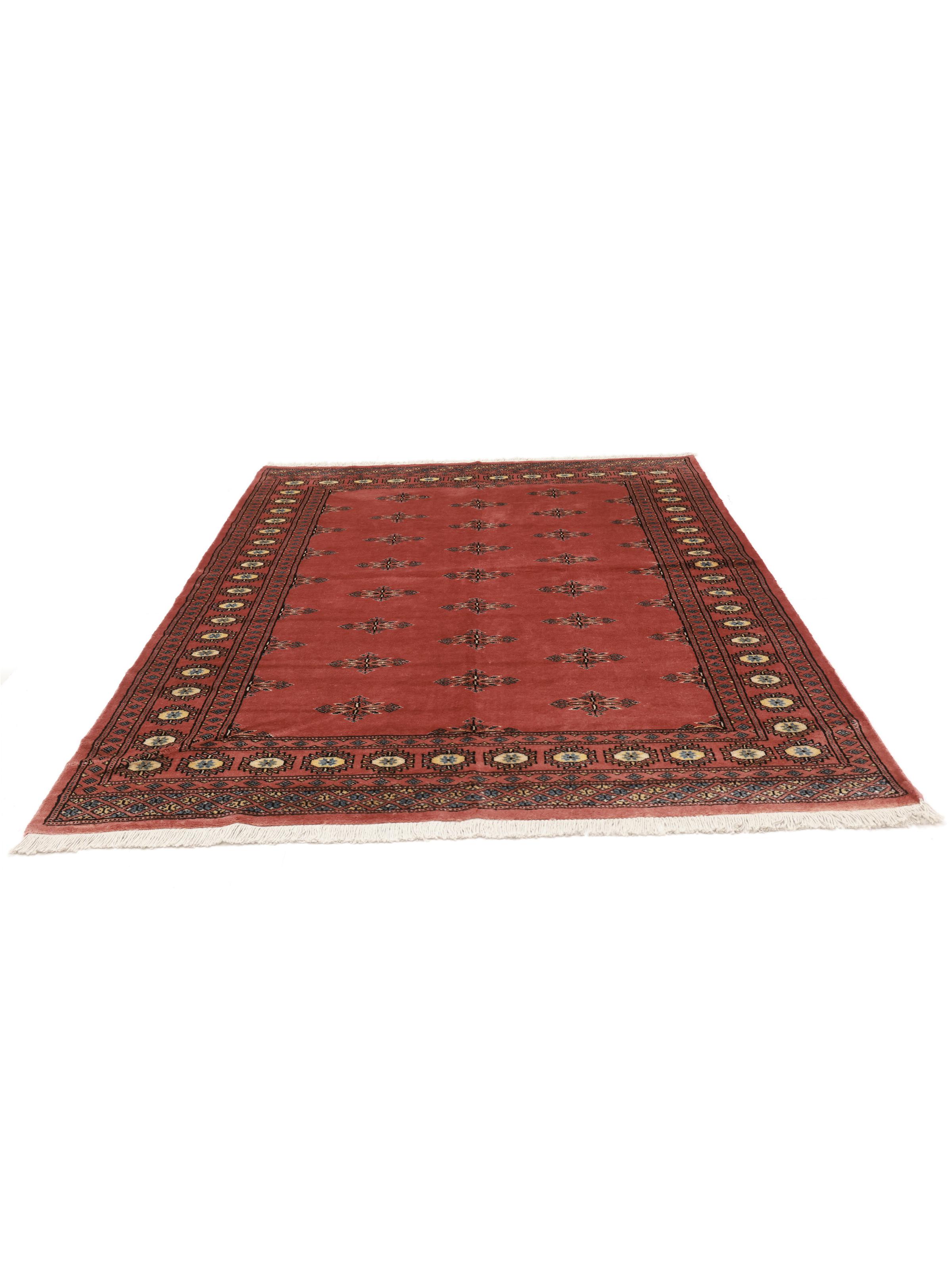
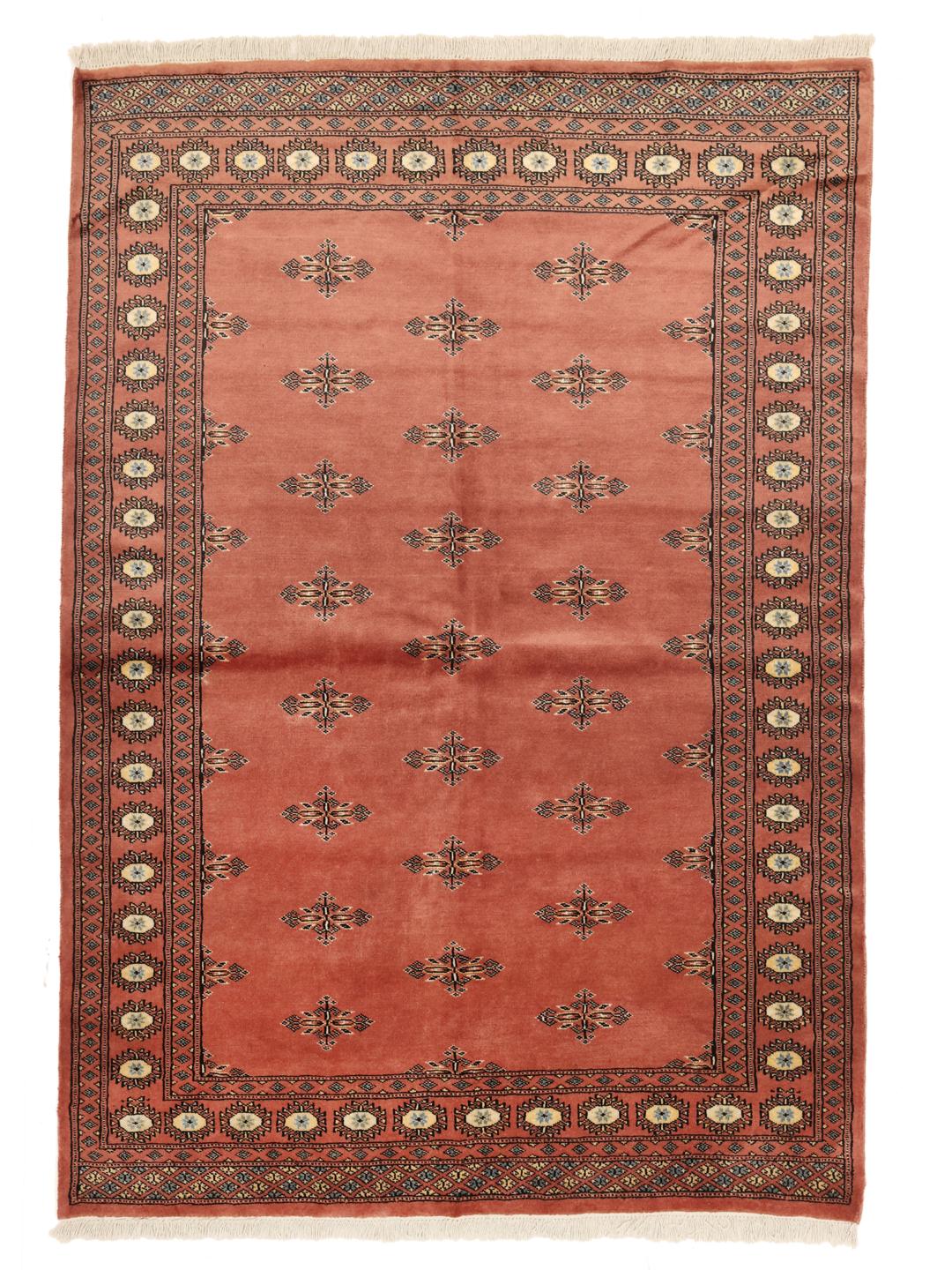
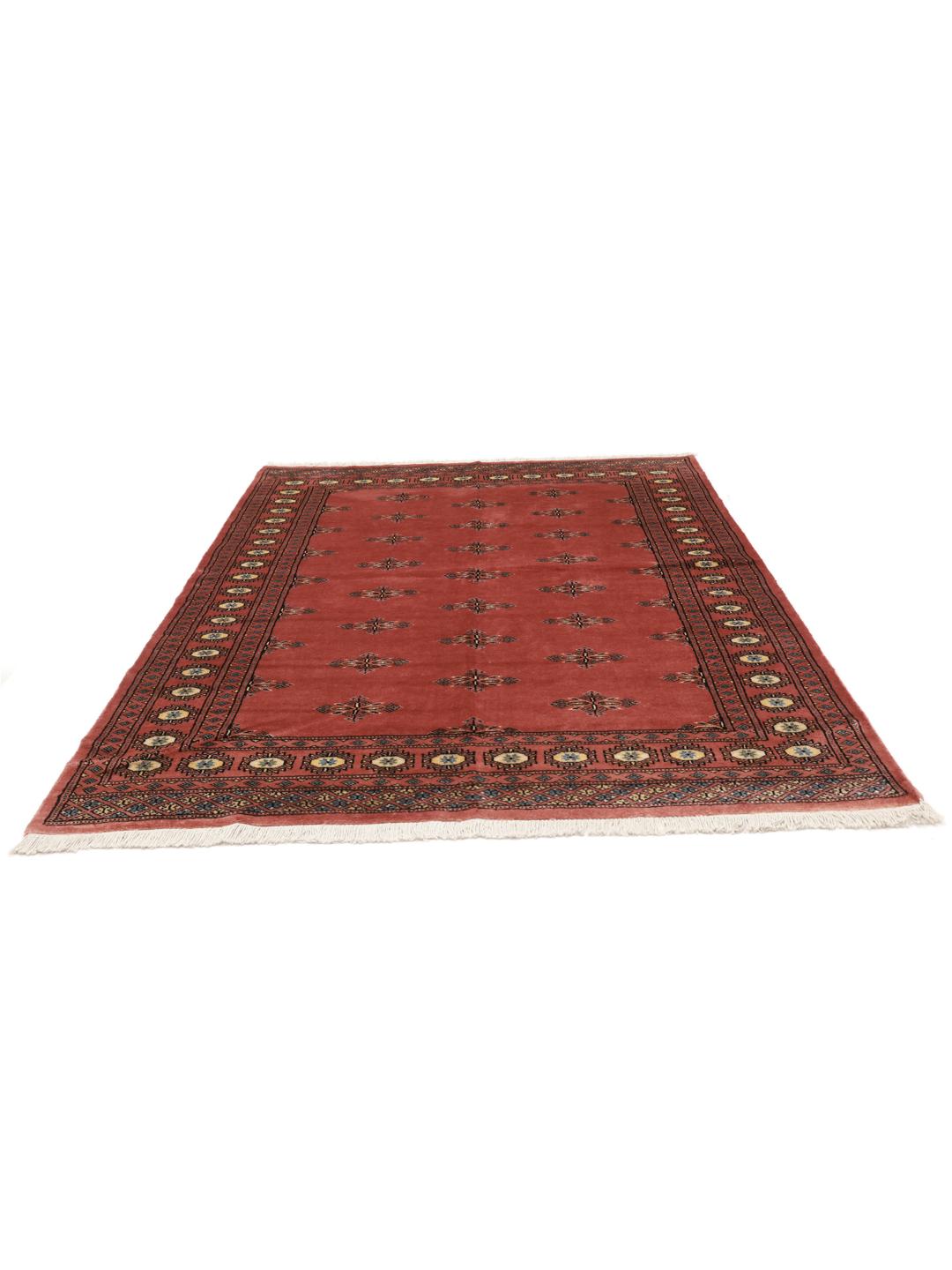
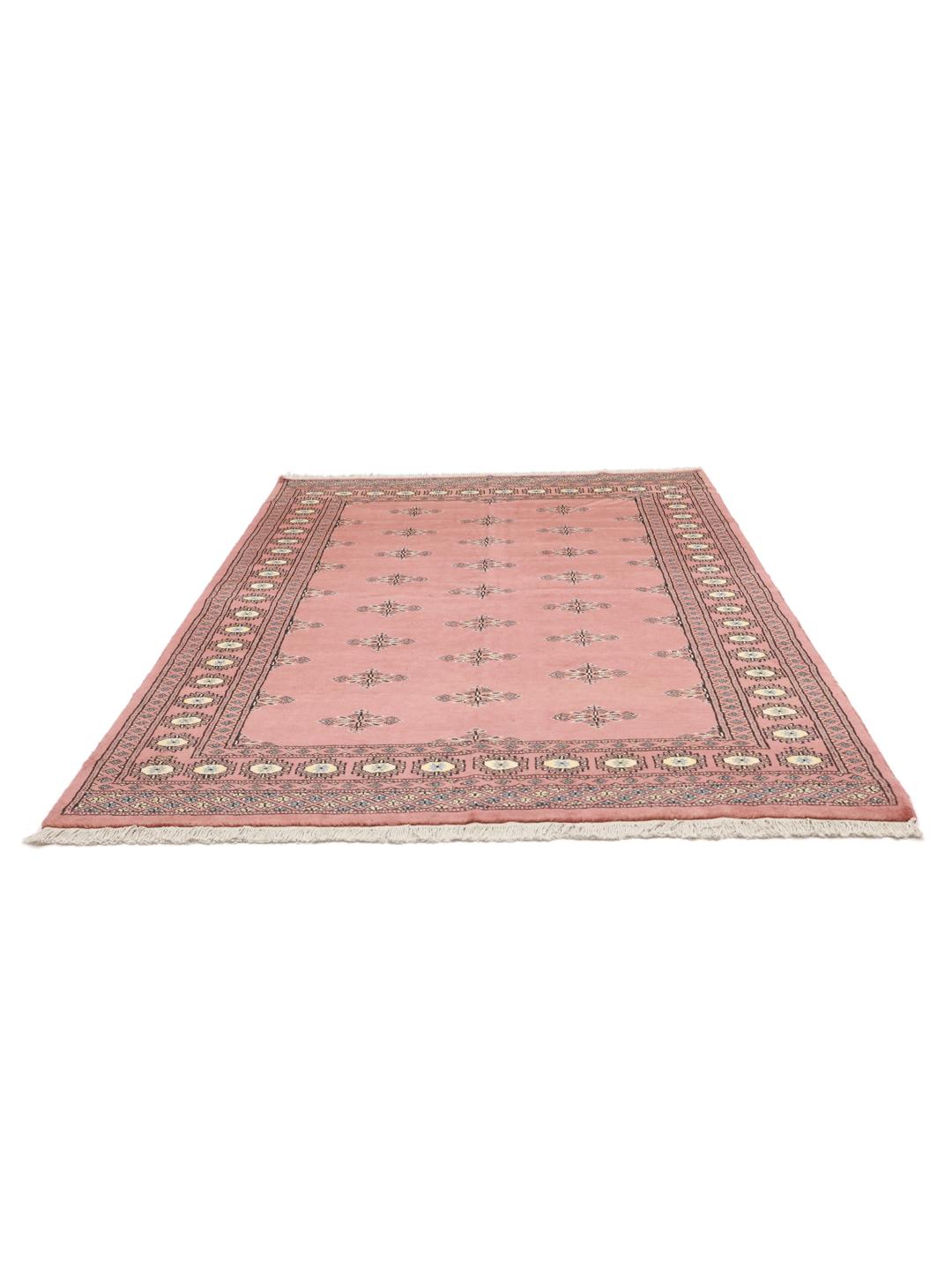
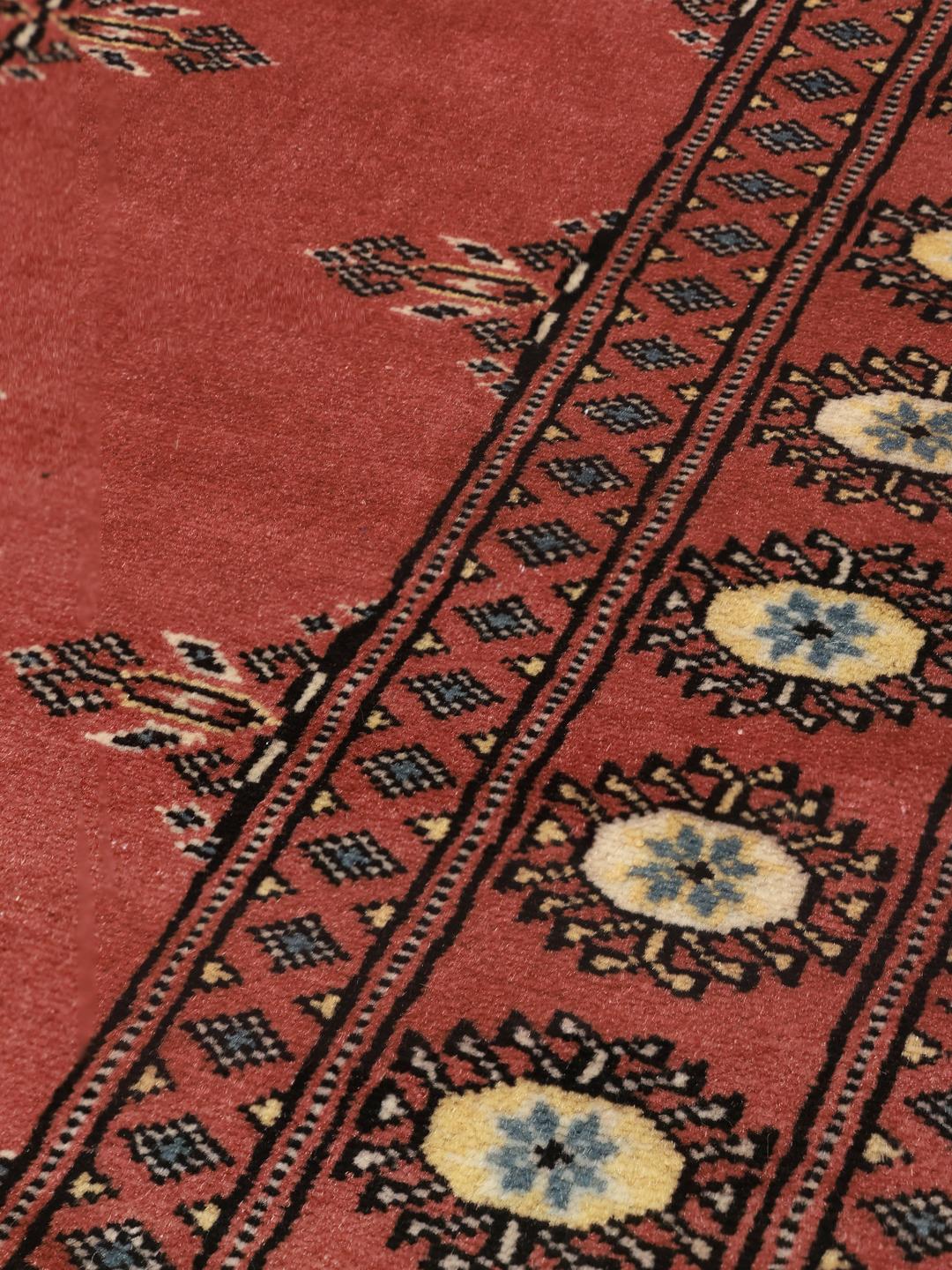
The visual language of this tradition centres around the repeated gul motif, an octagonal or elephant-foot medallion that symbolises tribal heritage and protection.
These medallions march down the field in neat rows, enclosed by formal geometric borders that frame the composition with quiet balance.
Owning a hand-knotted piece from this lineage means acquiring a genuine connection to centuries of textile art.
It represents a level of human skill, cultural heritage, and enduring quality that mass-produced floor coverings cannot match.