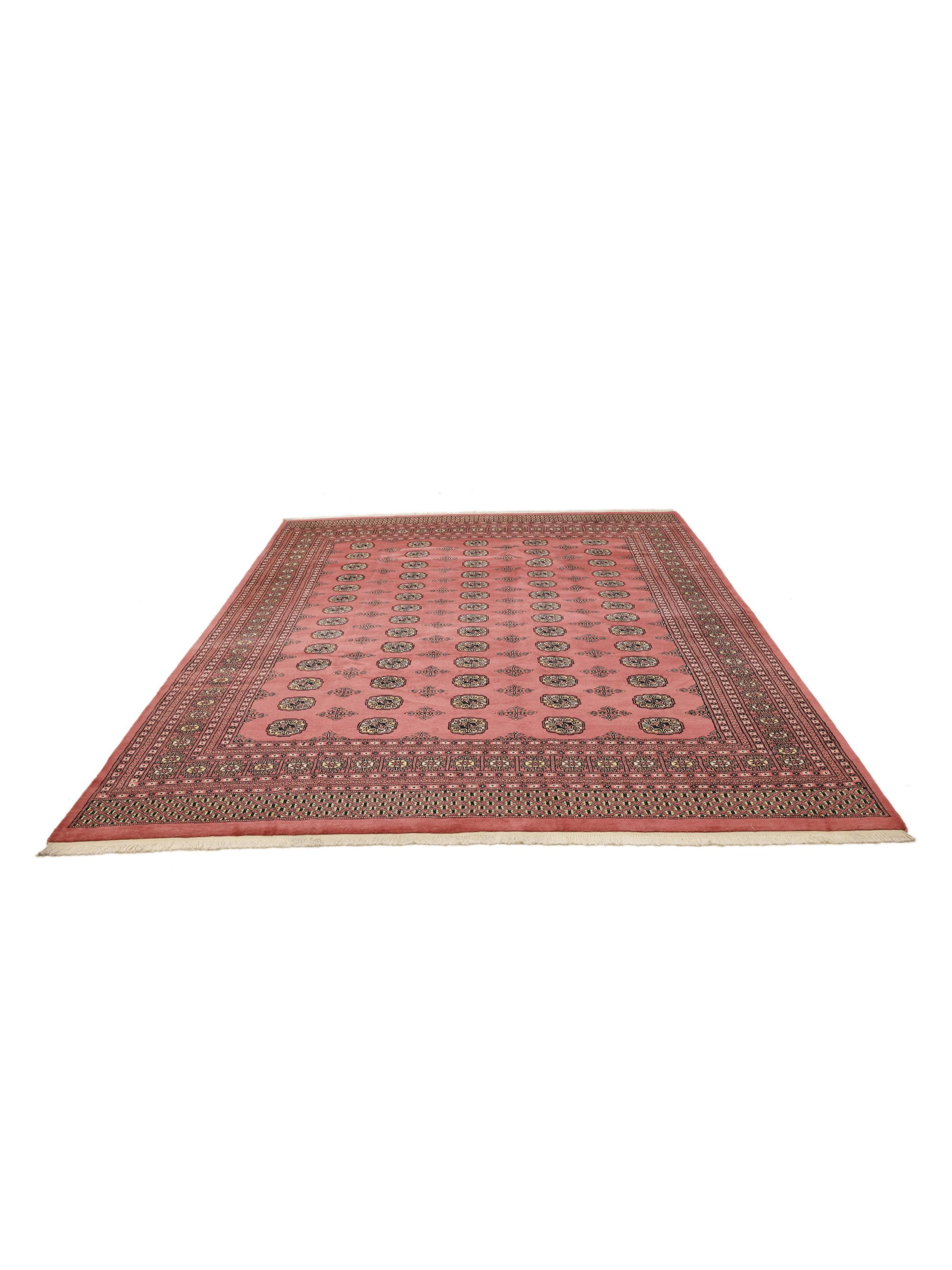
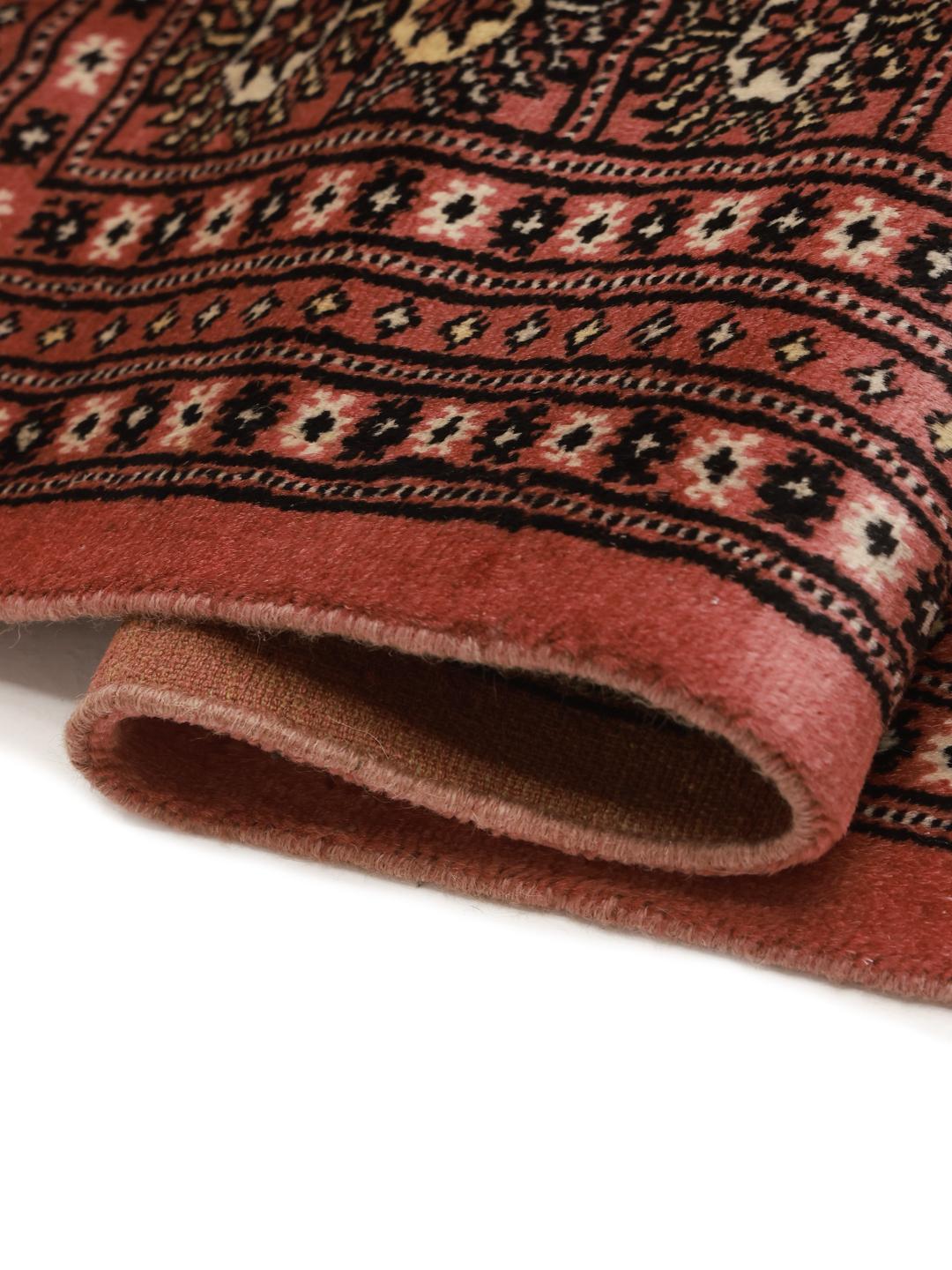
Bokhara rugs take their name from the ancient Silk Road city of Bukhara in Central Asia, a historical hub for trade and textile artistry. While the design roots are deeply embedded in nomadic traditions of the region, the finest examples today are primarily woven in Pakistan, where artisans have perfected the craft over generations.
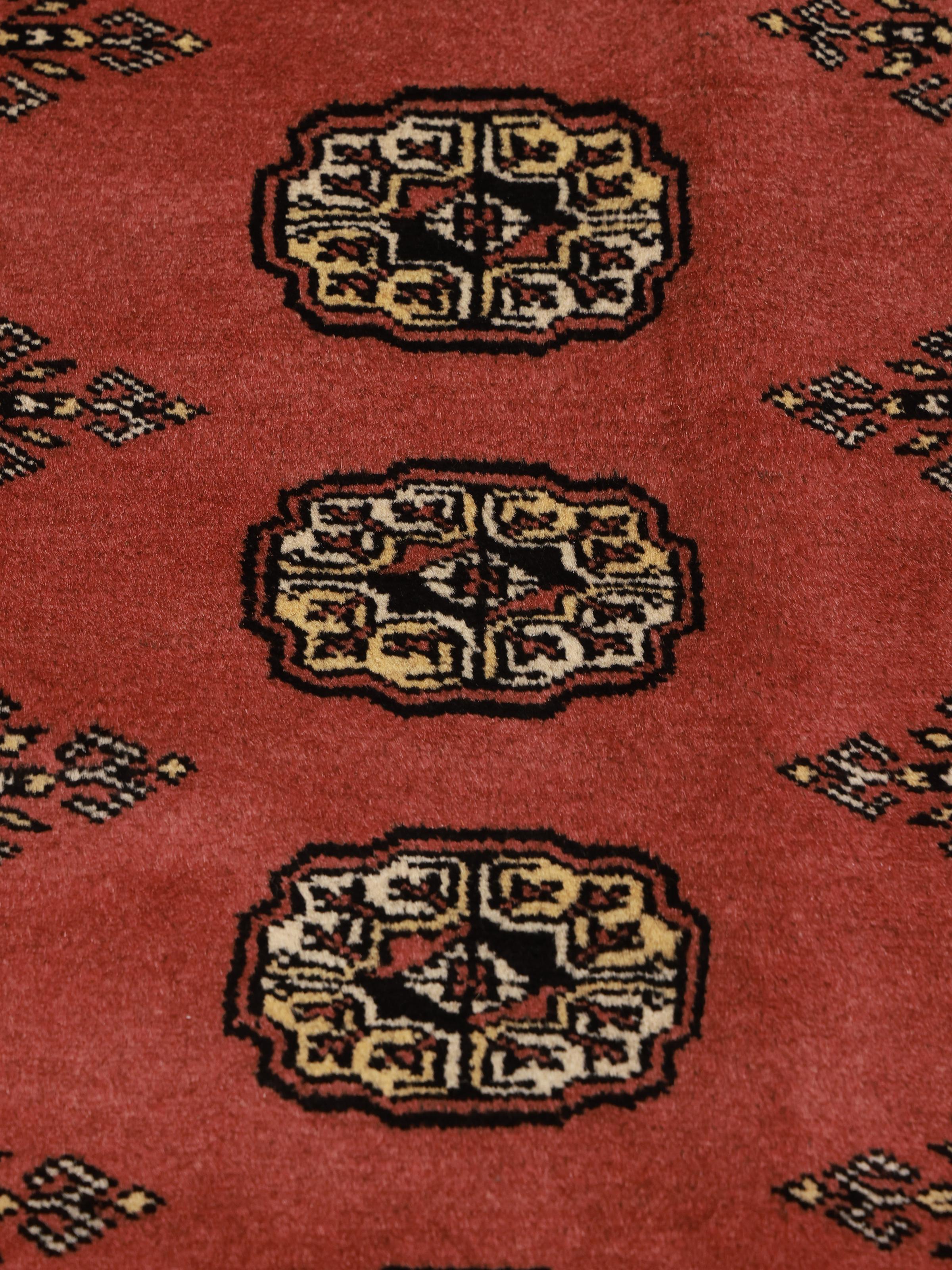
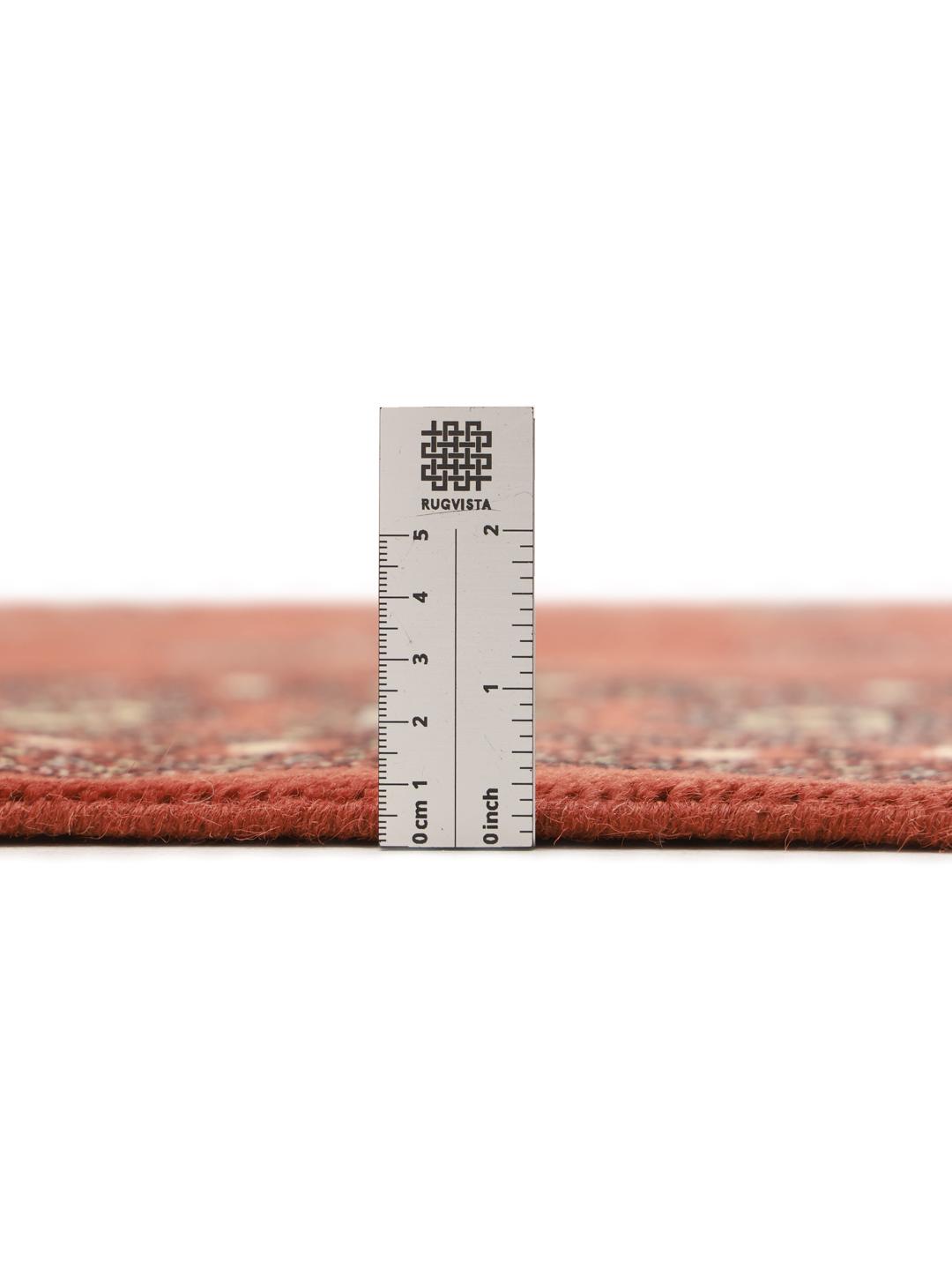
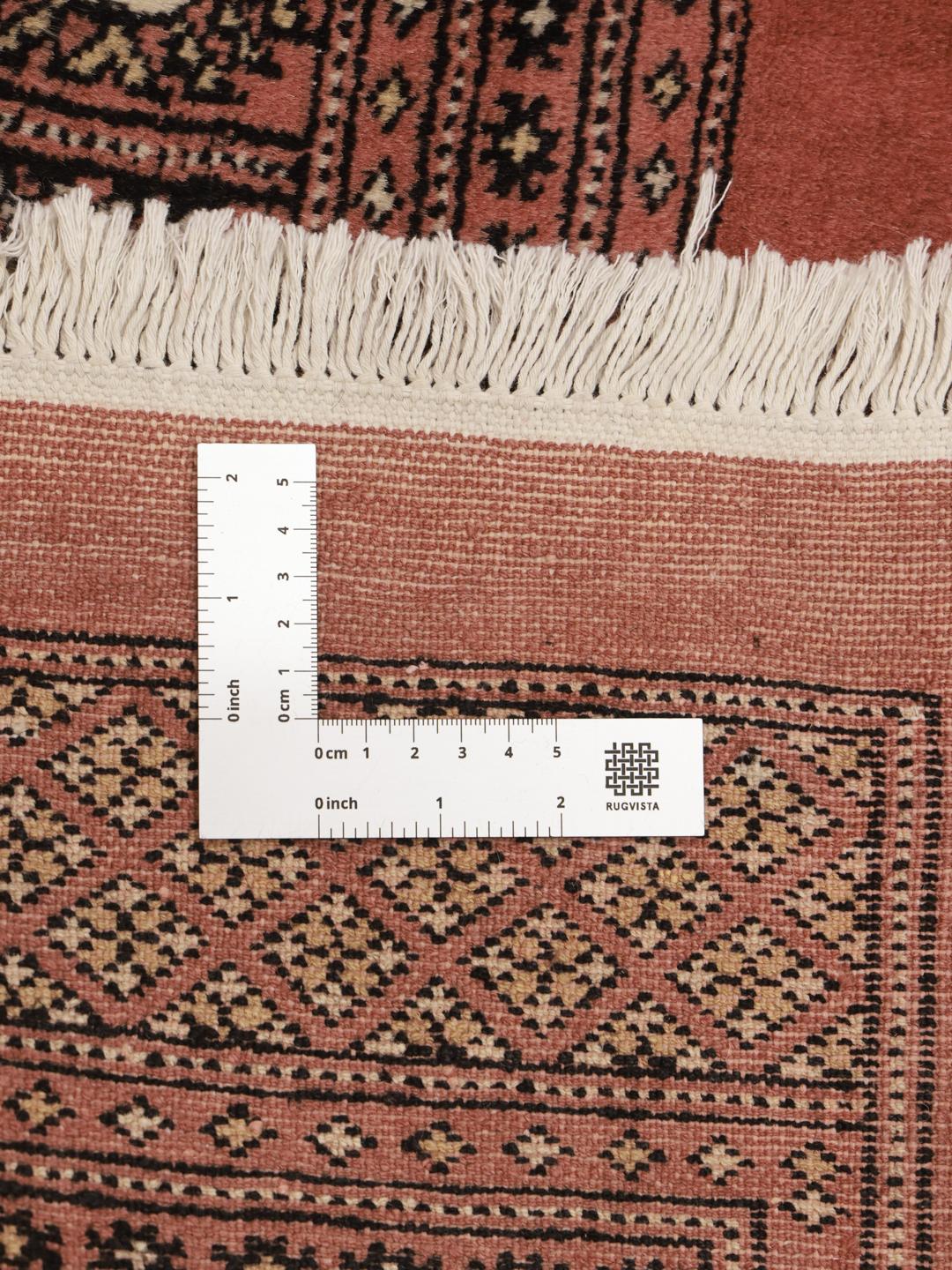
The term 2ply refers to the construction of the pile, where two strands of Wool are twisted together before being knotted. This technique is essential for quality, as it creates a stronger, more lustrous, and longer-lasting pile compared to single-ply alternatives. It provides the rug with its characteristic soft sheen and enhanced resilience against wear.
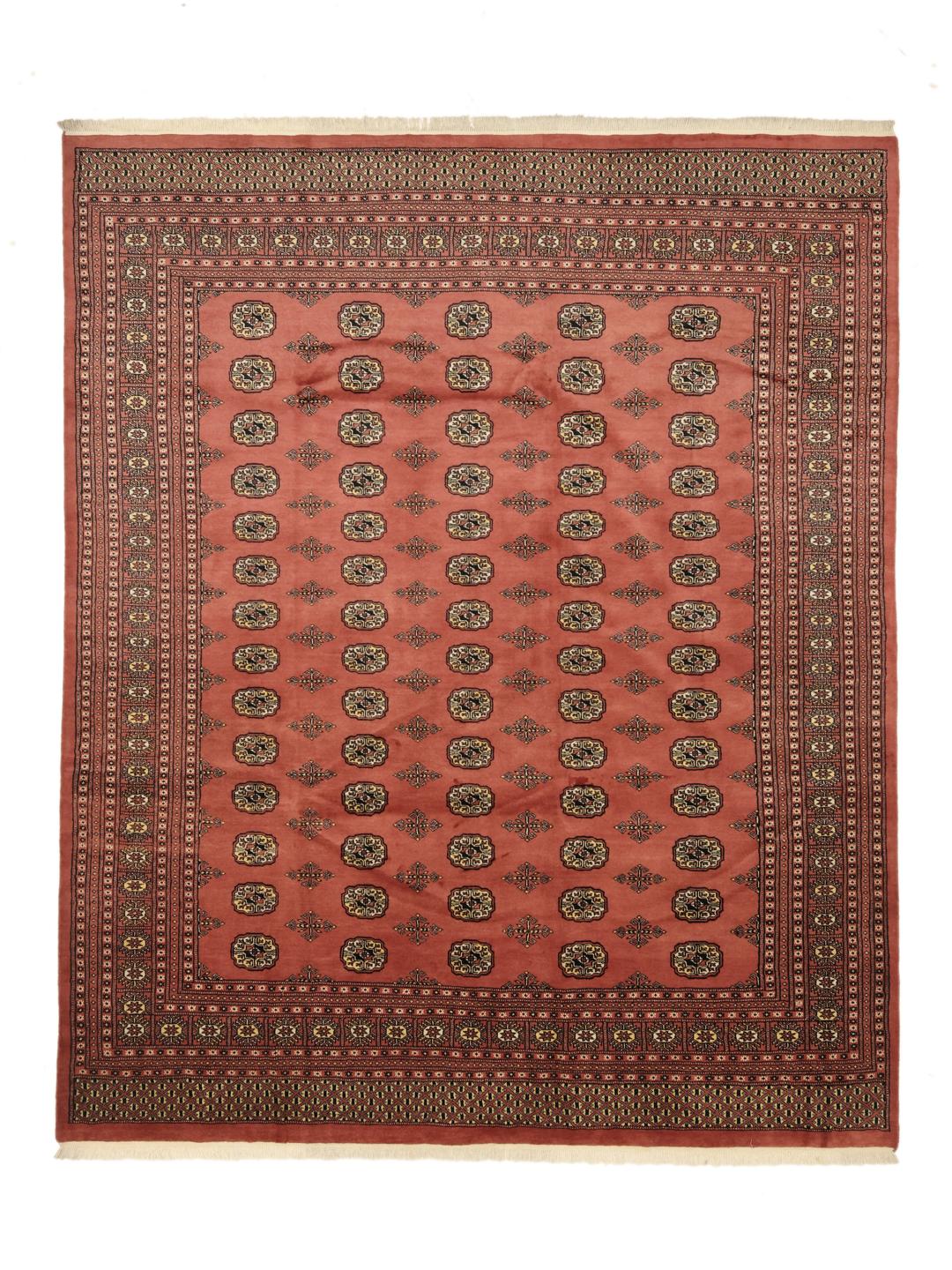
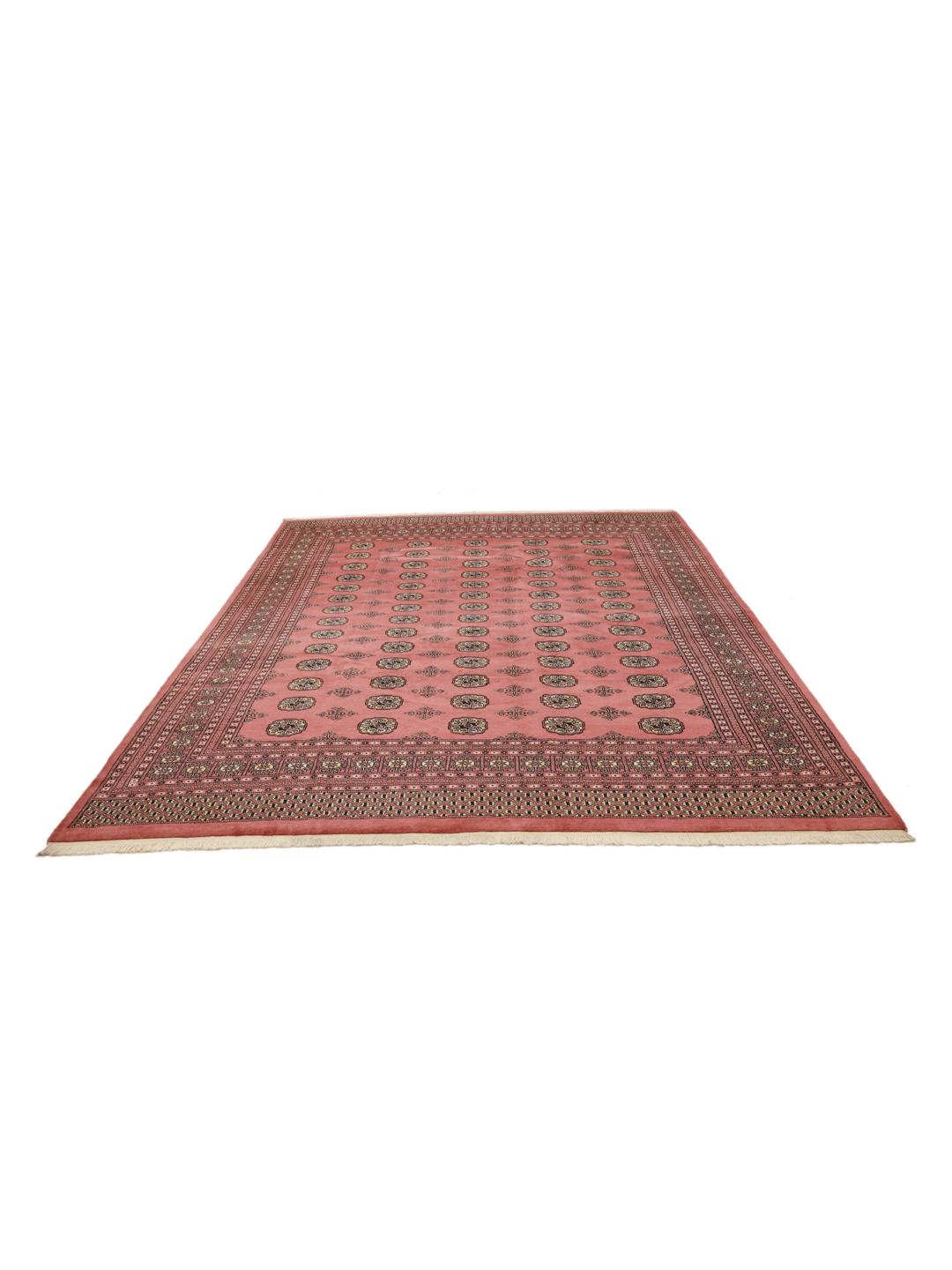
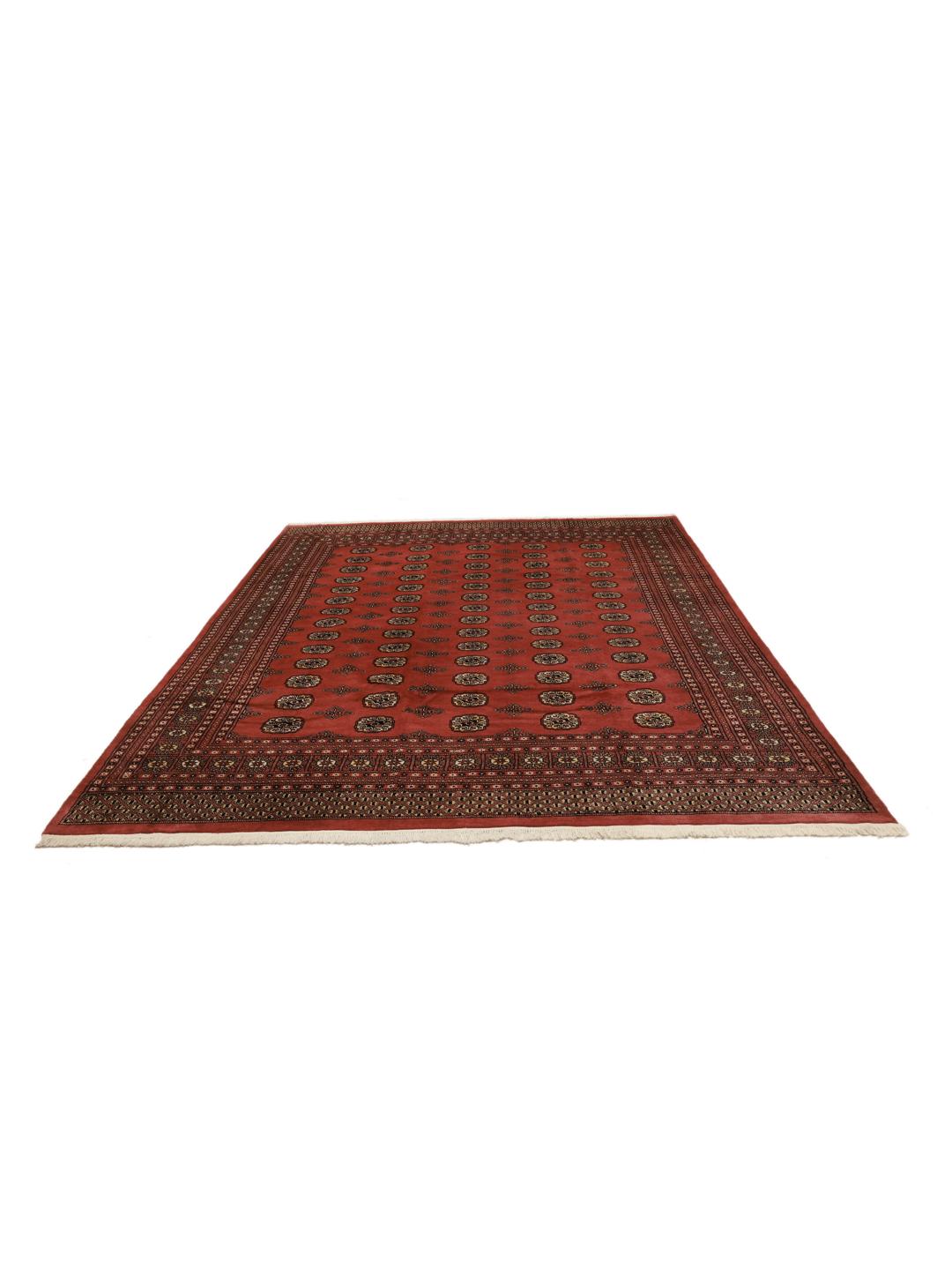
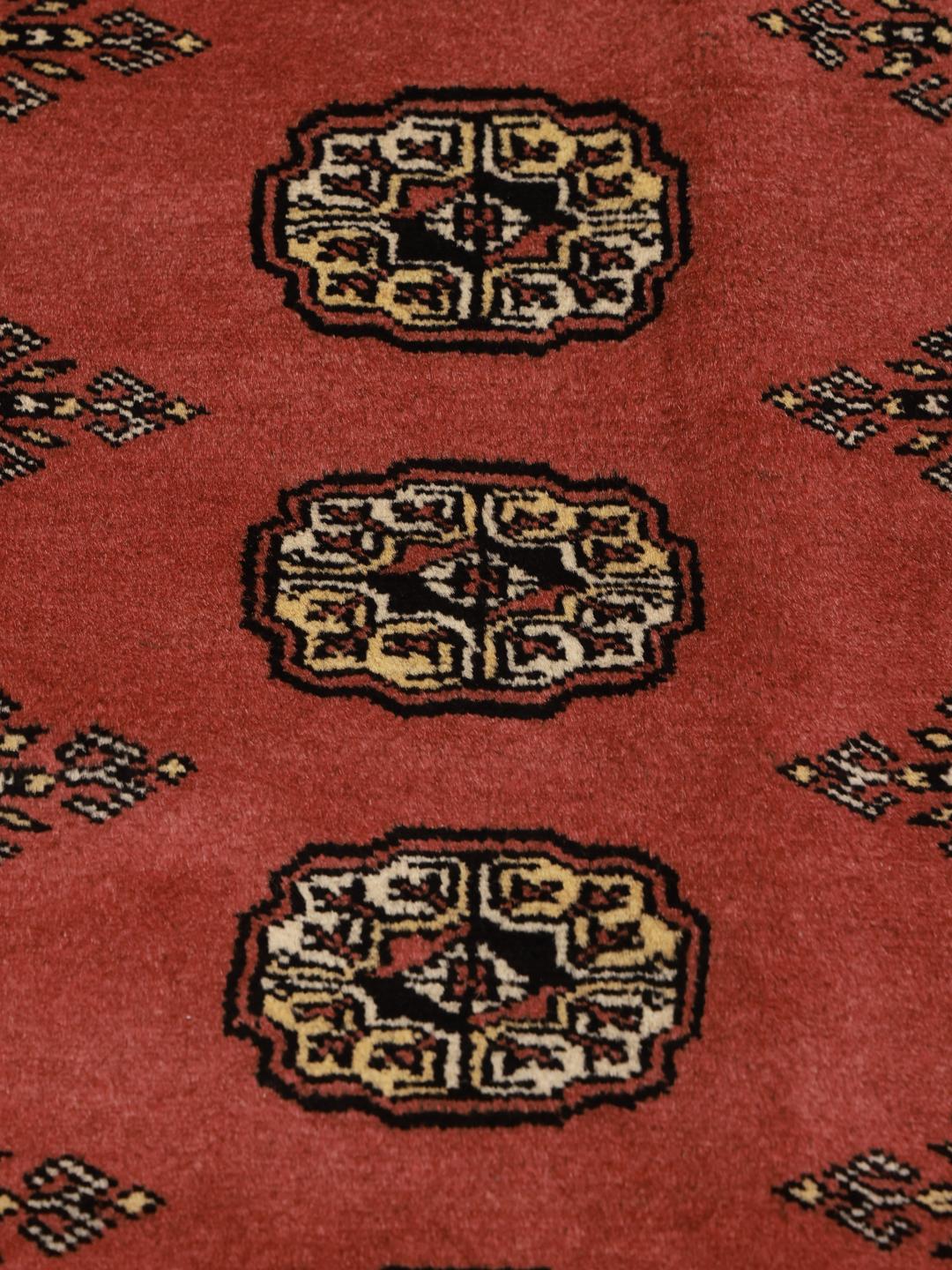
The visual language of this tradition is dominated by the gul motif, an octagonal or elephant-foot shaped medallion arranged in orderly, repeating rows. These motifs are typically framed by elaborate, geometric borders that echo the symmetry of the field, creating a formal and harmonious aesthetic that is instantly recognisable.
These rugs are highly valued by collectors for their blend of cultural history and technical precision. Owning a piece from this tradition is an investment in human skill and heritage, offering a sense of permanence and quality that mass-produced items cannot replicate.