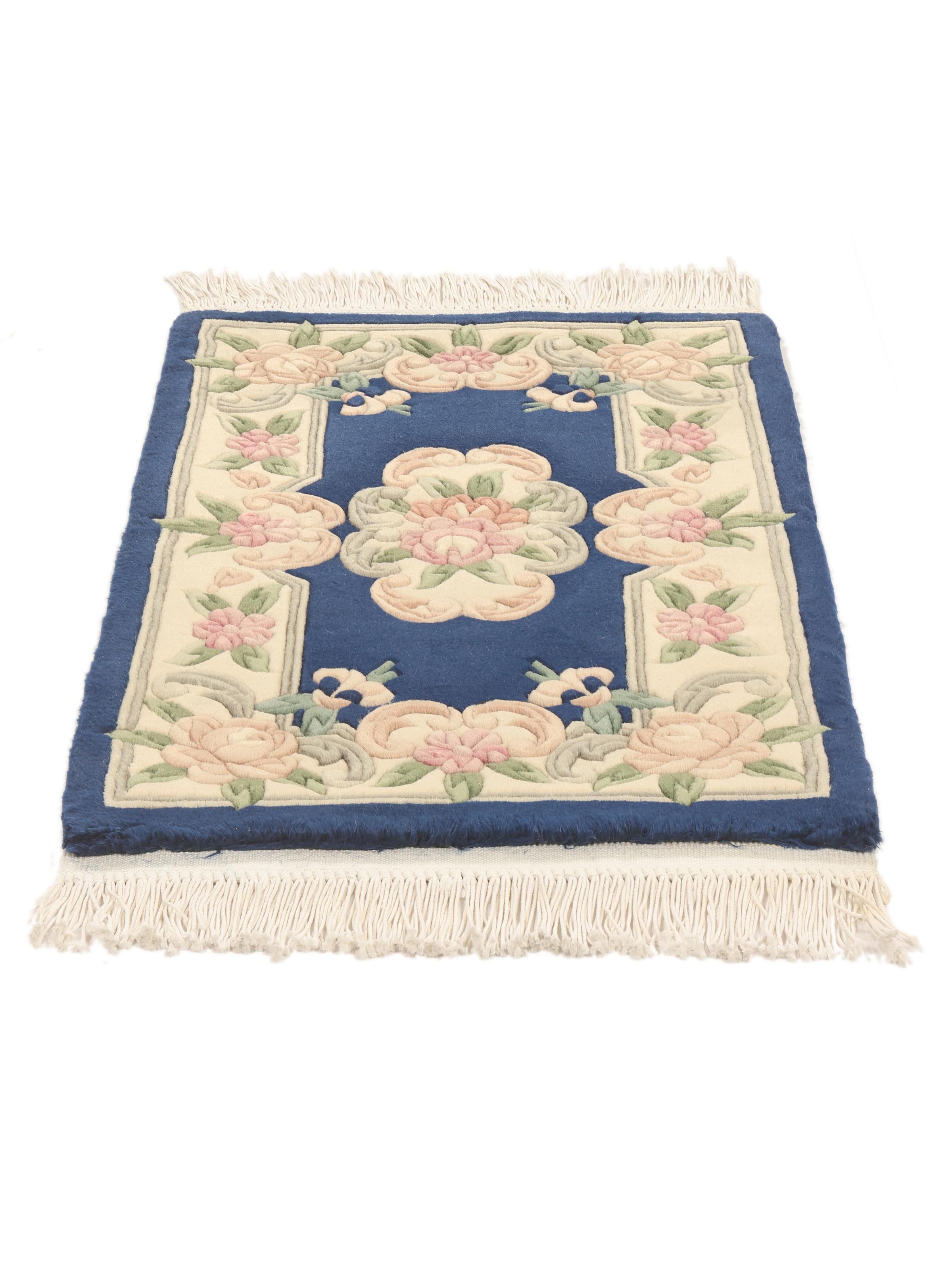
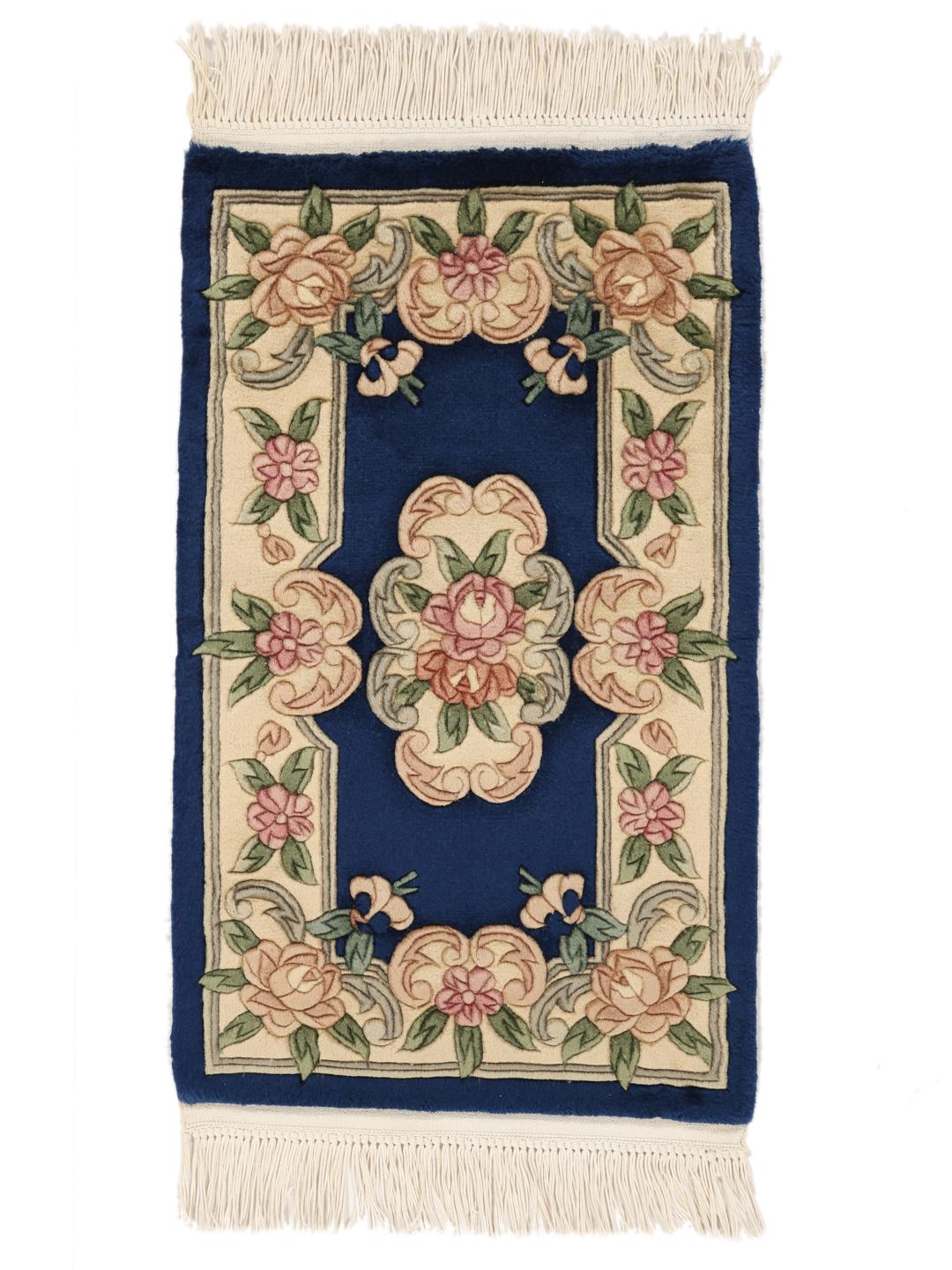
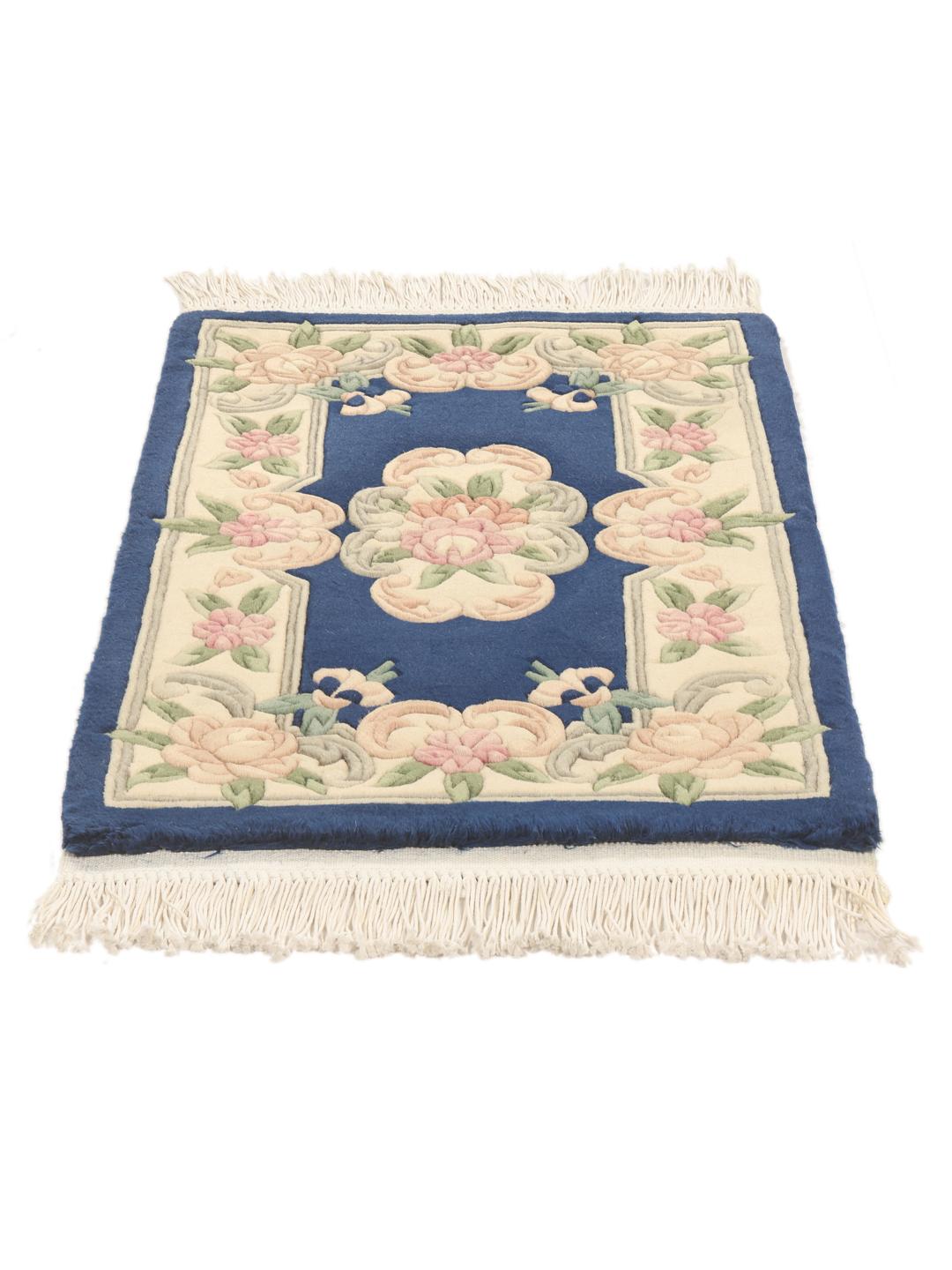
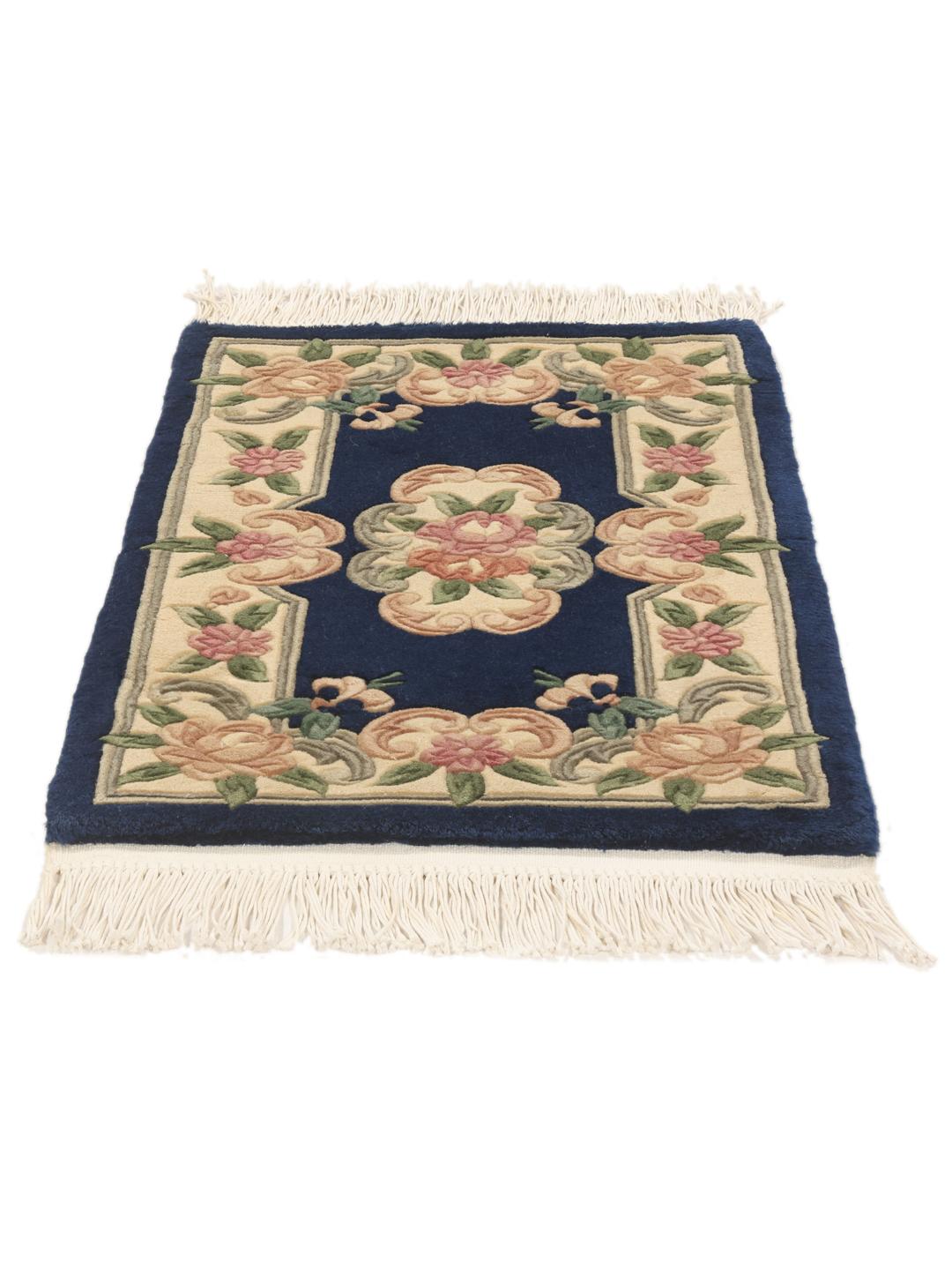
The history of rug-making in China is deeply rooted in a tradition that spans centuries, evolving from functional floor coverings into expressions of artistic mastery. While early Chinese rugs were often designed for temples or imperial palaces, the craft eventually flourished as a refined art form, characterised by its focus on harmony, balance, and naturalistic motifs.
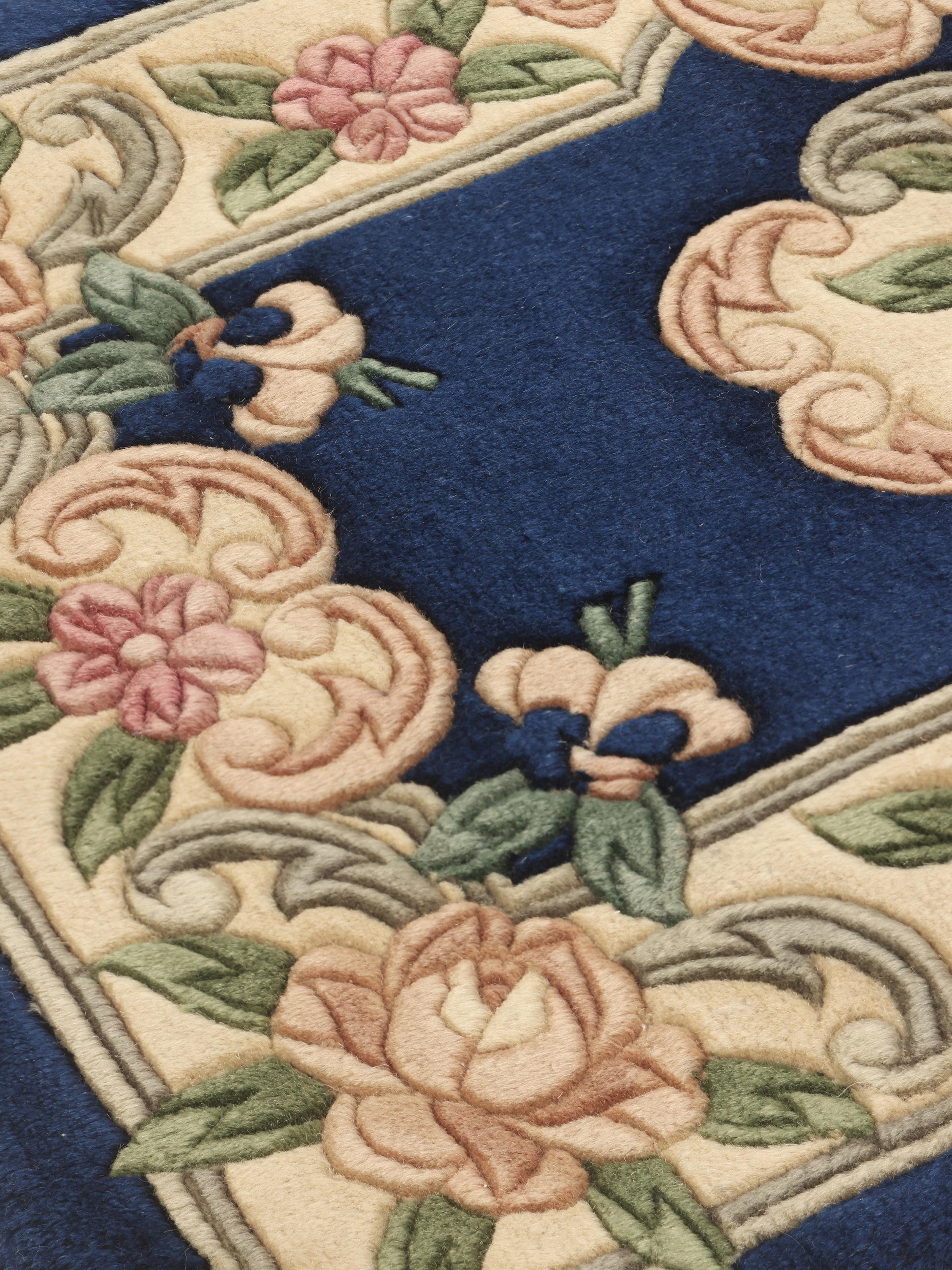
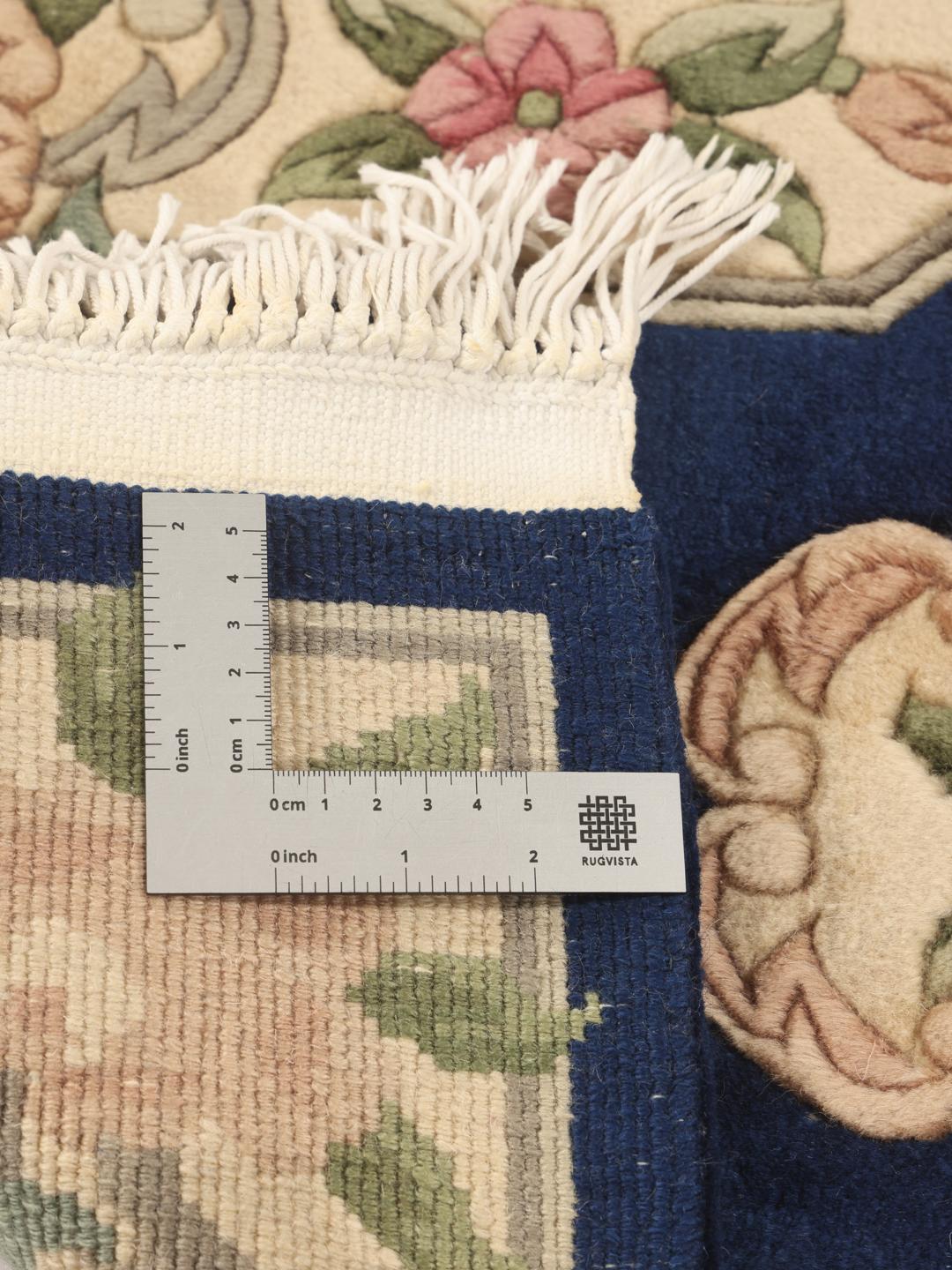
The 90 Line designation refers to a specific traditional grading system used in Chinese rug production to describe the density of the weave. This technical measurement relates to the number of knots along a standard width, which directly influences the sharpness of the design and the density of the pile. In this tradition, a higher line count signifies a more compact and durable surface, ensuring the intricate patterns remain clear and crisp over time.
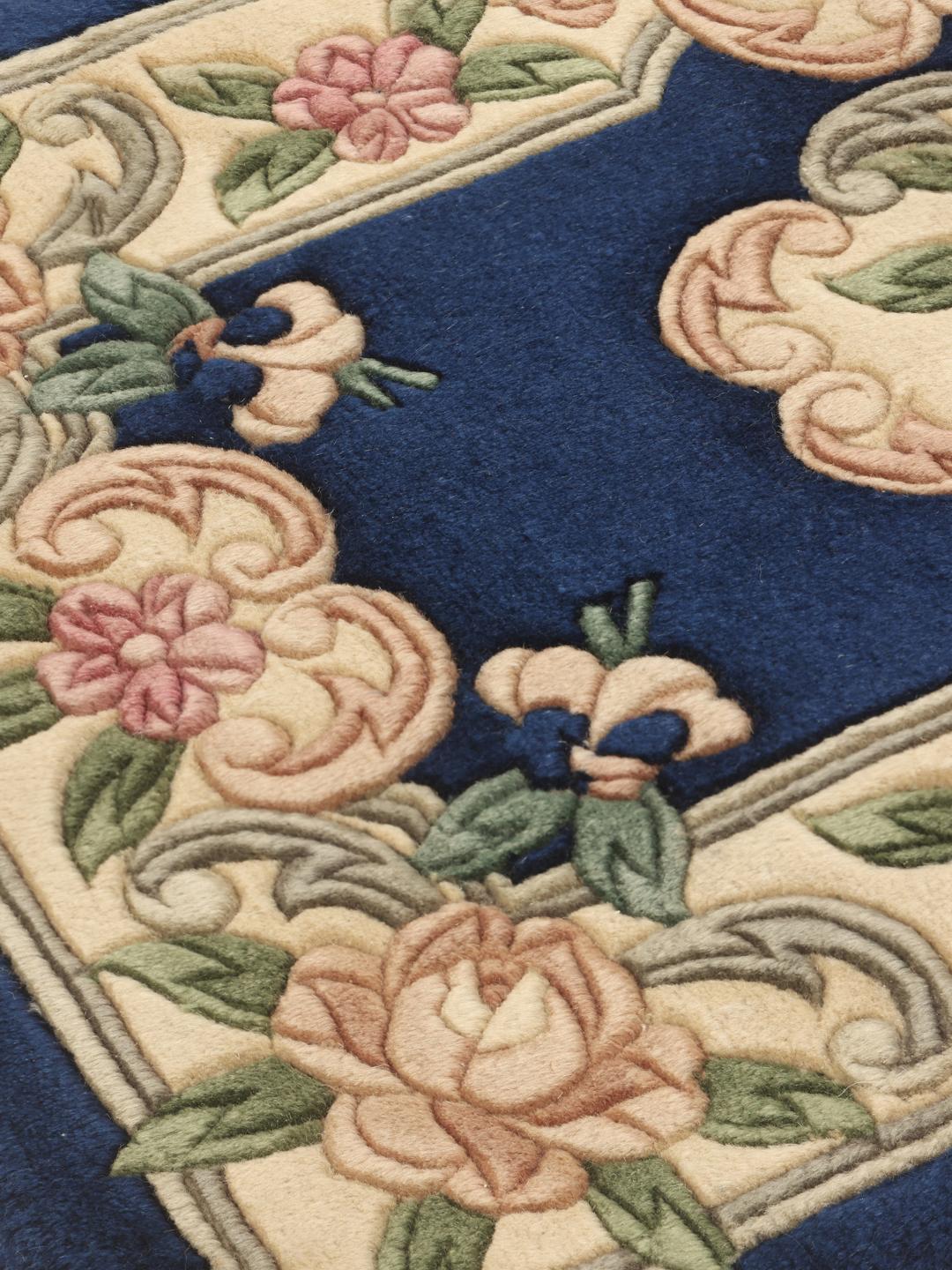
Floral motifs are a hallmark of this regional tradition, often drawing inspiration from classic Chinese painting and nature. You will frequently find imagery of peonies, chrysanthemums, or lotus flowers, which are not just decorative but also carry symbolic meanings of prosperity and longevity. These patterns are typically arranged with a central medallion or a balanced, symmetrical layout that promotes a sense of calm in any room.
Collecting a rug from this tradition is an opportunity to own a piece of cultural history. These rugs are valued for their enduring quality and their ability to bridge the gap between traditional craft and contemporary home styling. By choosing such a piece, you are supporting a legacy of skill that prioritises careful construction and a timeless aesthetic.