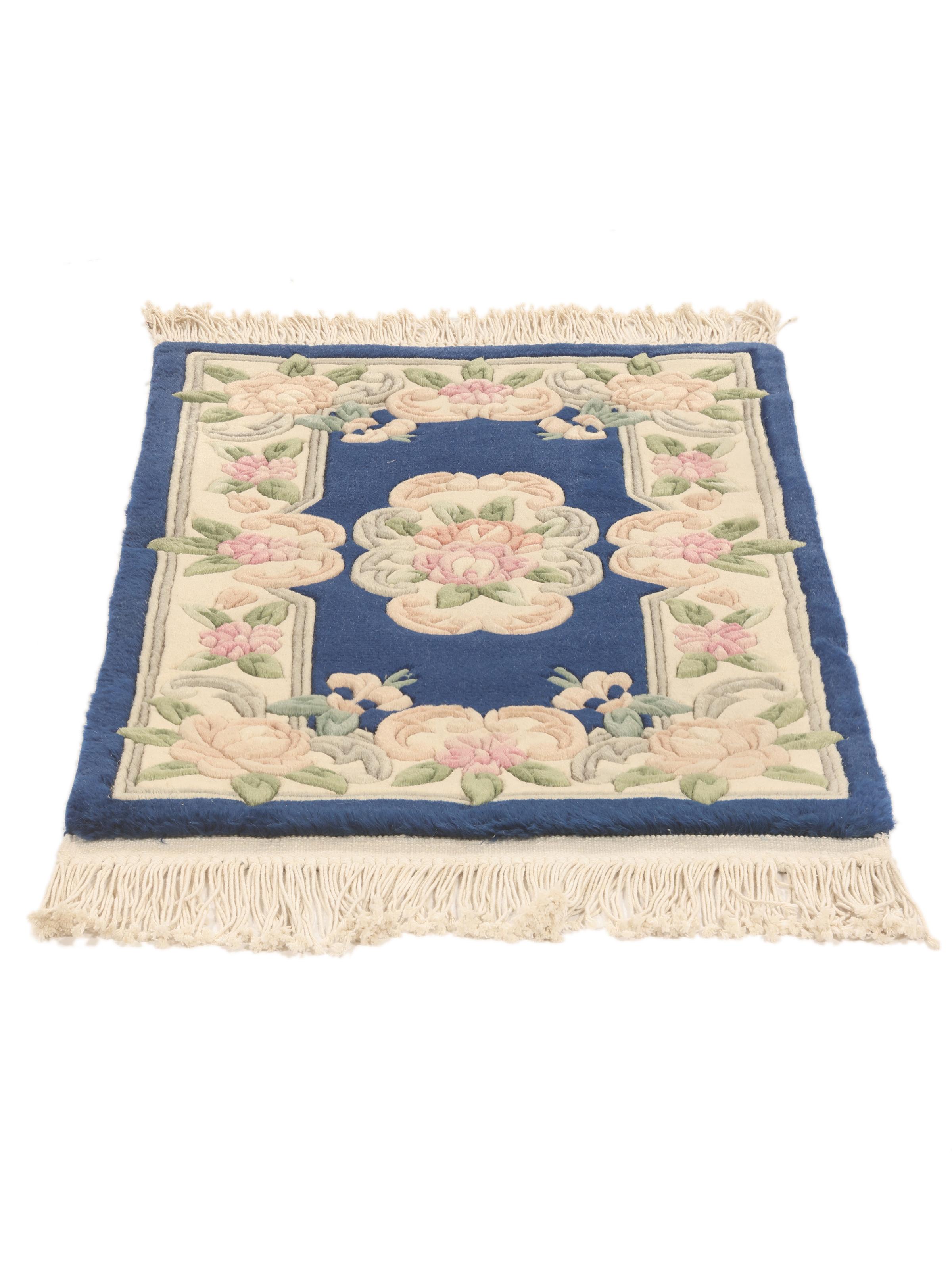
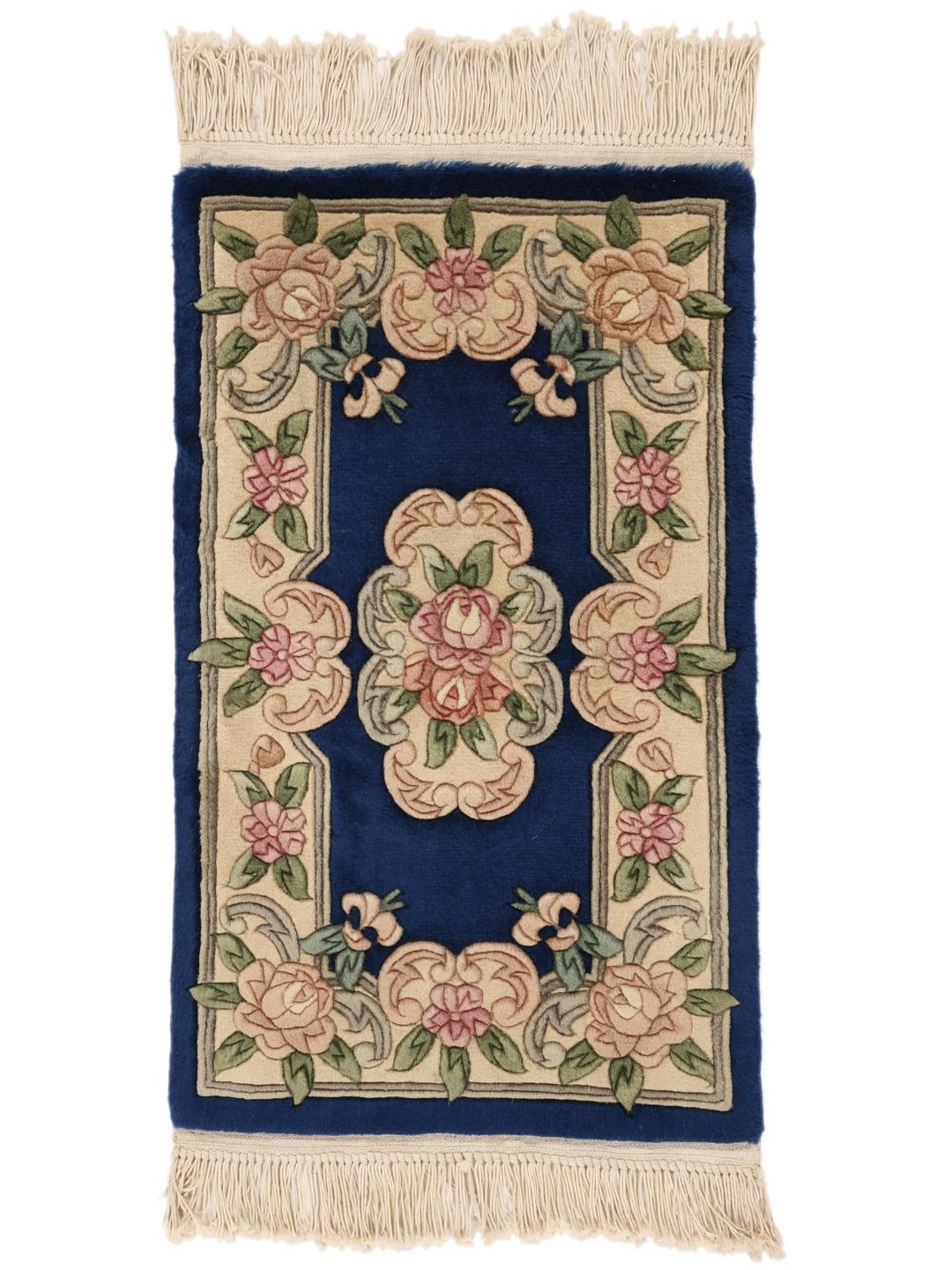
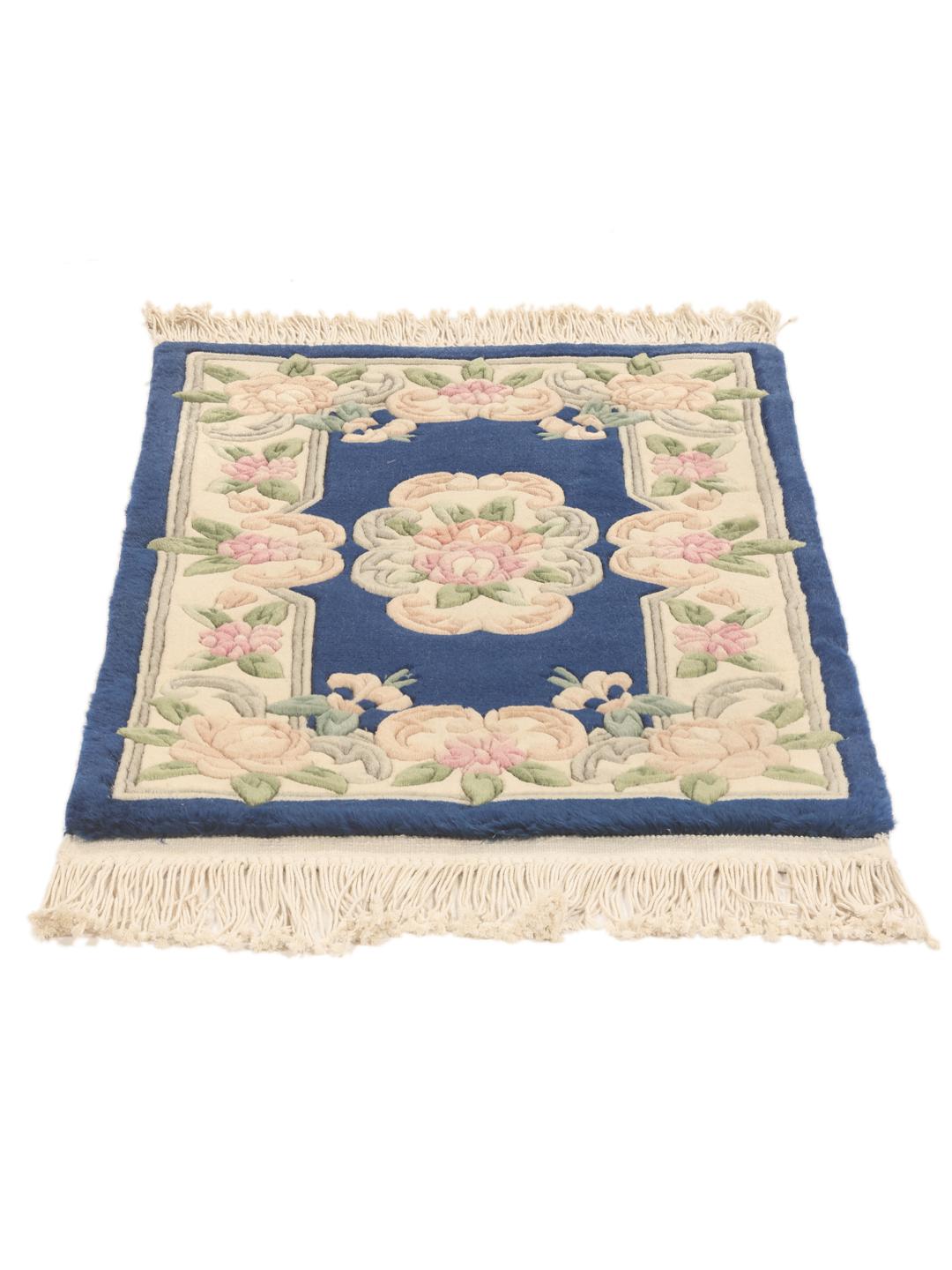
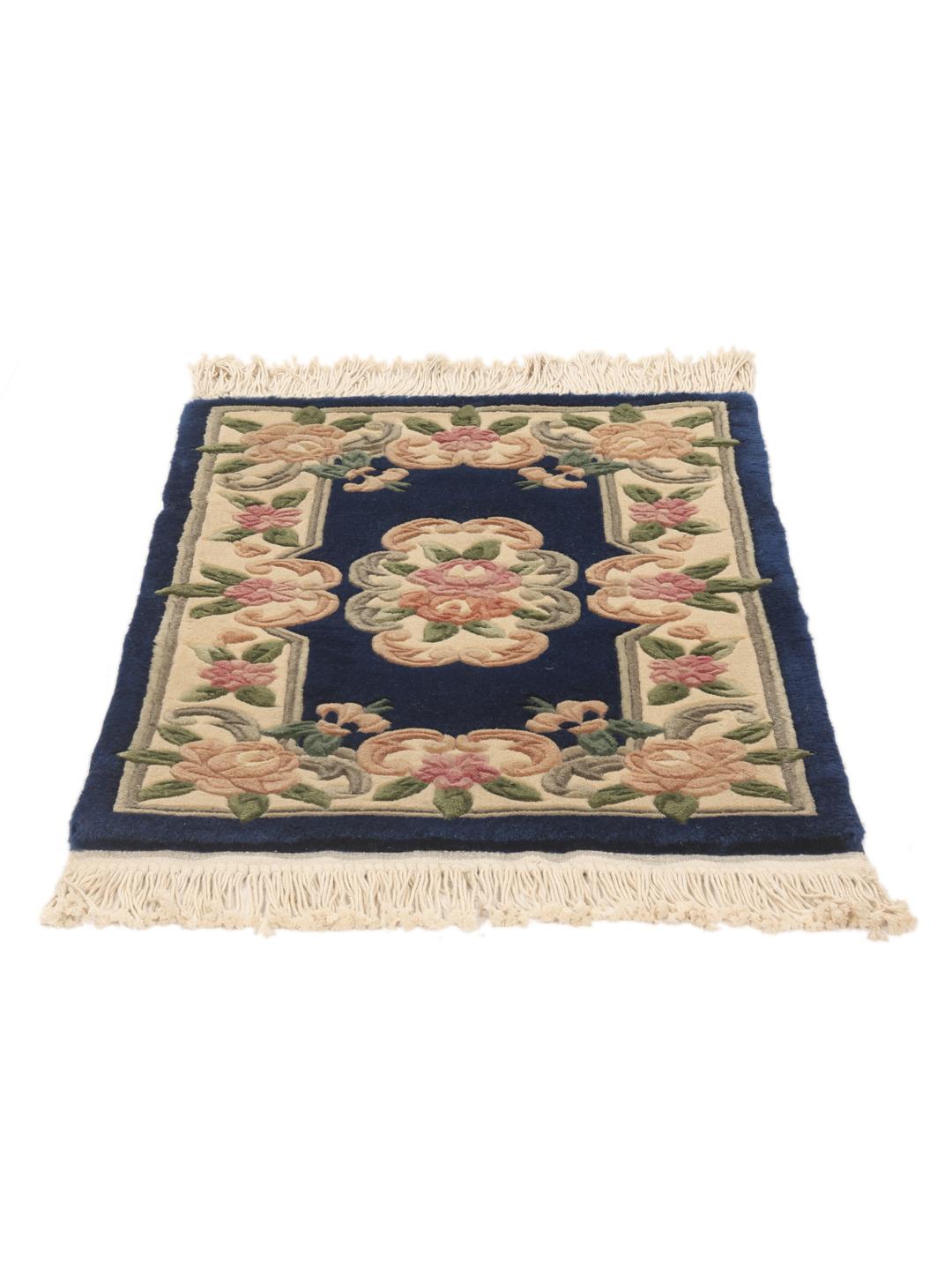
Chinese rug production has a long and storied history, evolving from ancient traditions that often focused on silk and wool textiles for imperial use. Over centuries, these techniques have been refined to create rugs that are celebrated for their clarity of design and exceptional ability to incorporate symbolic motifs.
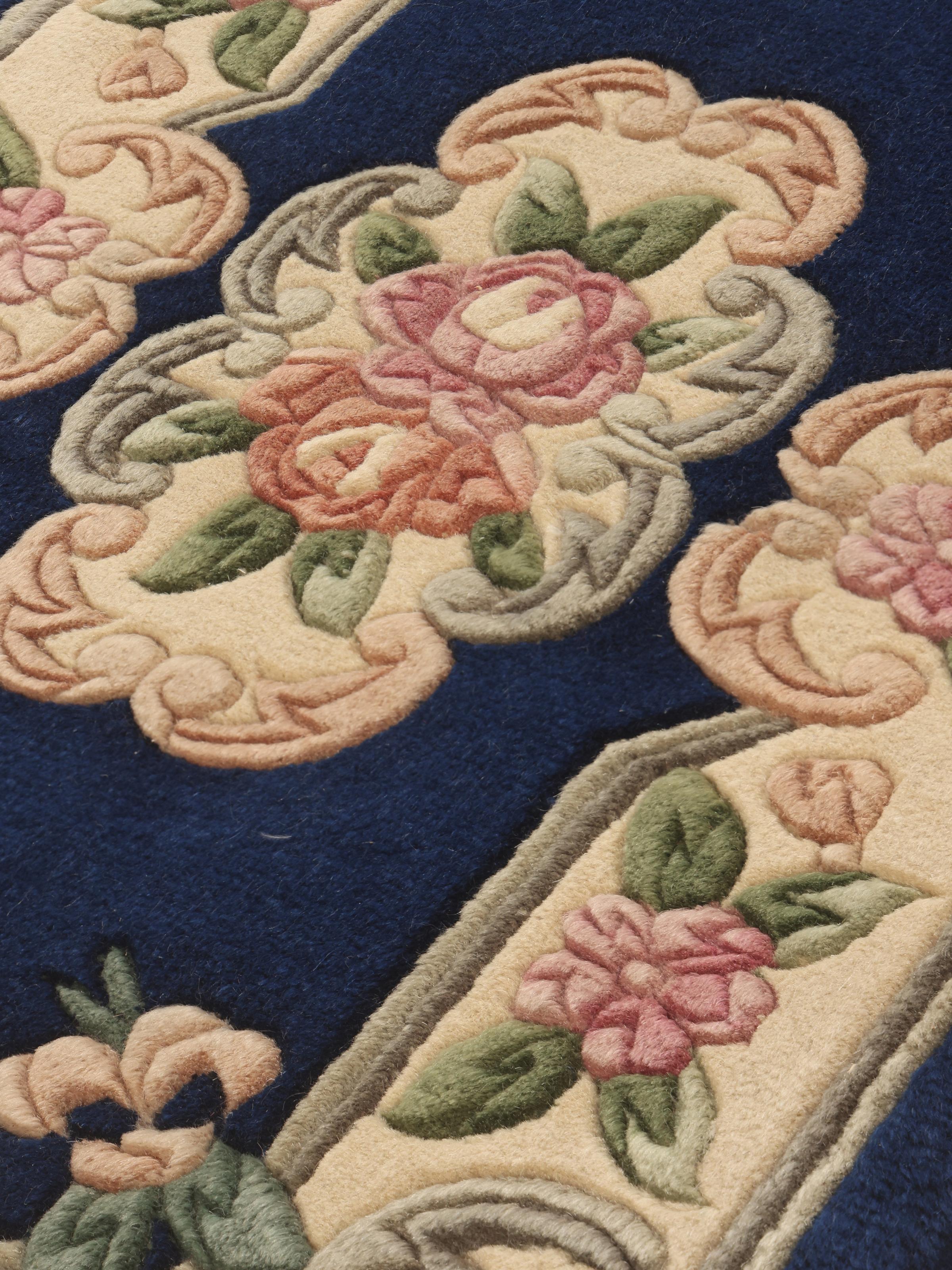
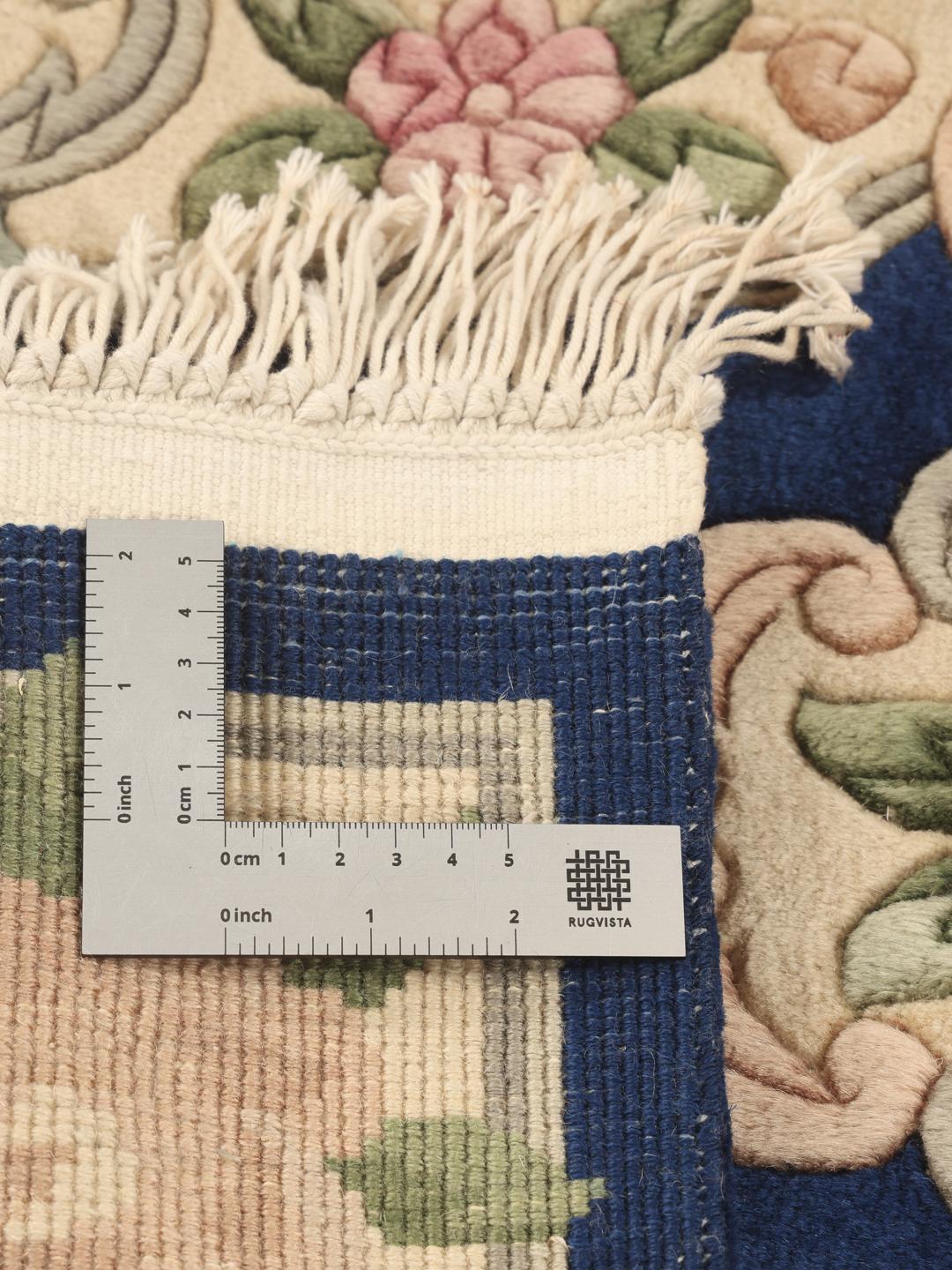
The designation of 90 line refers to a traditional system of measuring knot density in Chinese rug making. By counting the number of knots along a specific length, artisans can achieve a consistent and smooth surface, allowing for the precise execution of the graceful floral patterns and curves that define this aesthetic.
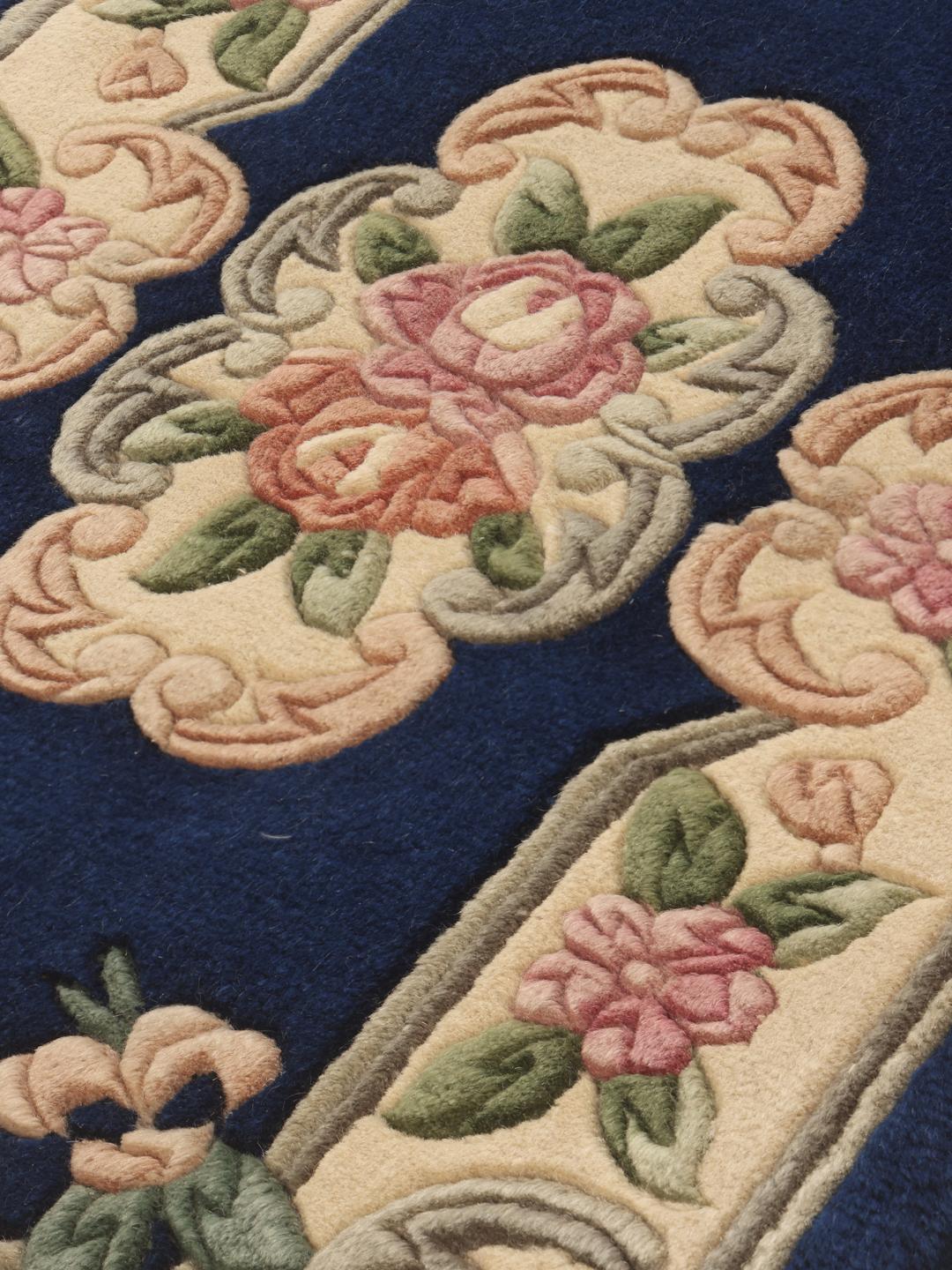
Floral motifs in this tradition are more than just decorative elements. They often draw from deep cultural symbolism, representing prosperity, harmony, and the changing seasons. The classic arrangement of a central medallion surrounded by flowing vine-work and blooms is a signature of the style, creating a balanced and harmonious visual language.
Collecting rugs from this tradition is an appreciation of a craft that bridges historical artistry with modern home comfort. Each piece serves as a link to a long-standing heritage of textile excellence, making these rugs highly prized for their blend of cultural depth, artistic skill, and enduring physical quality.