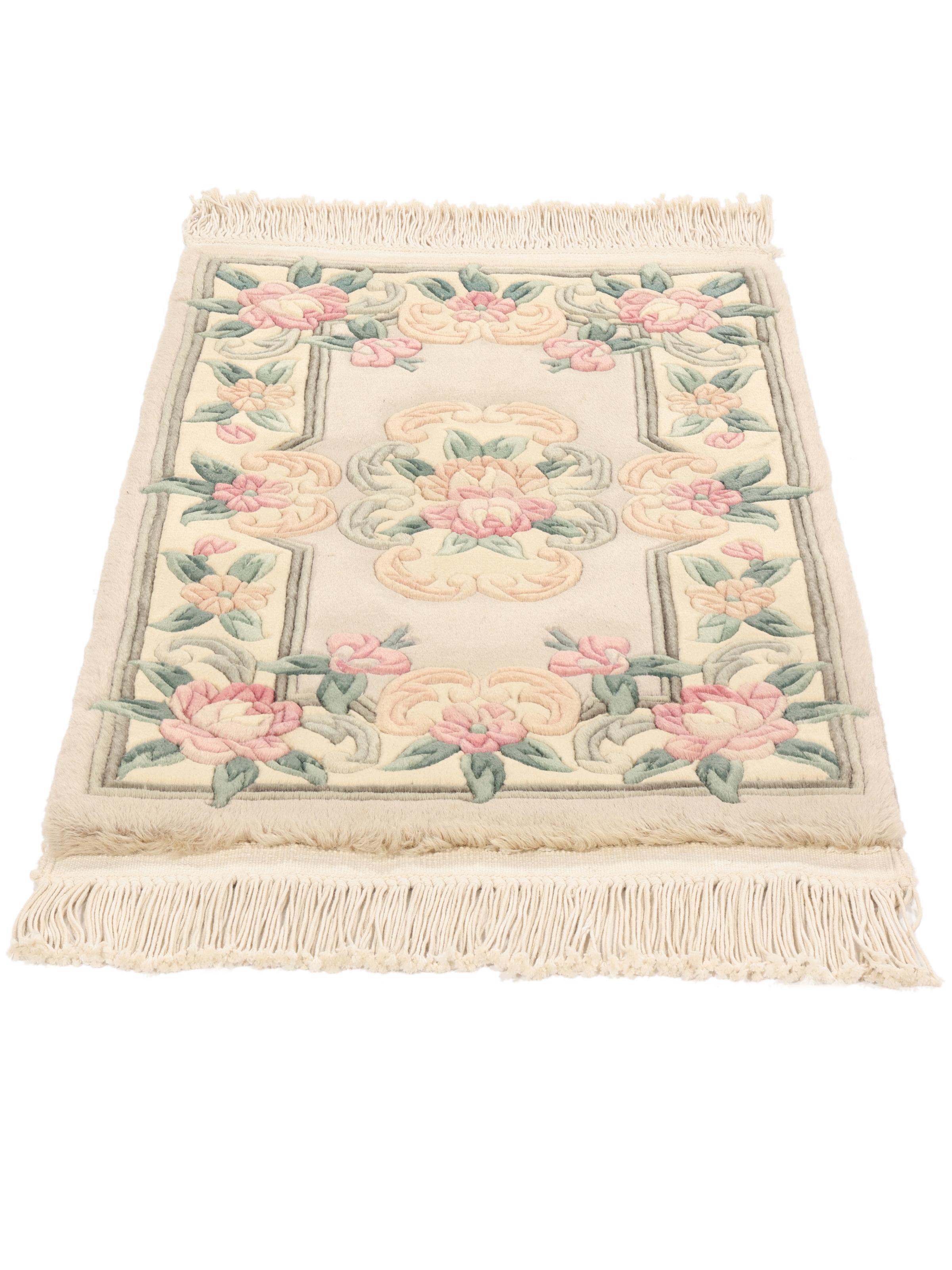
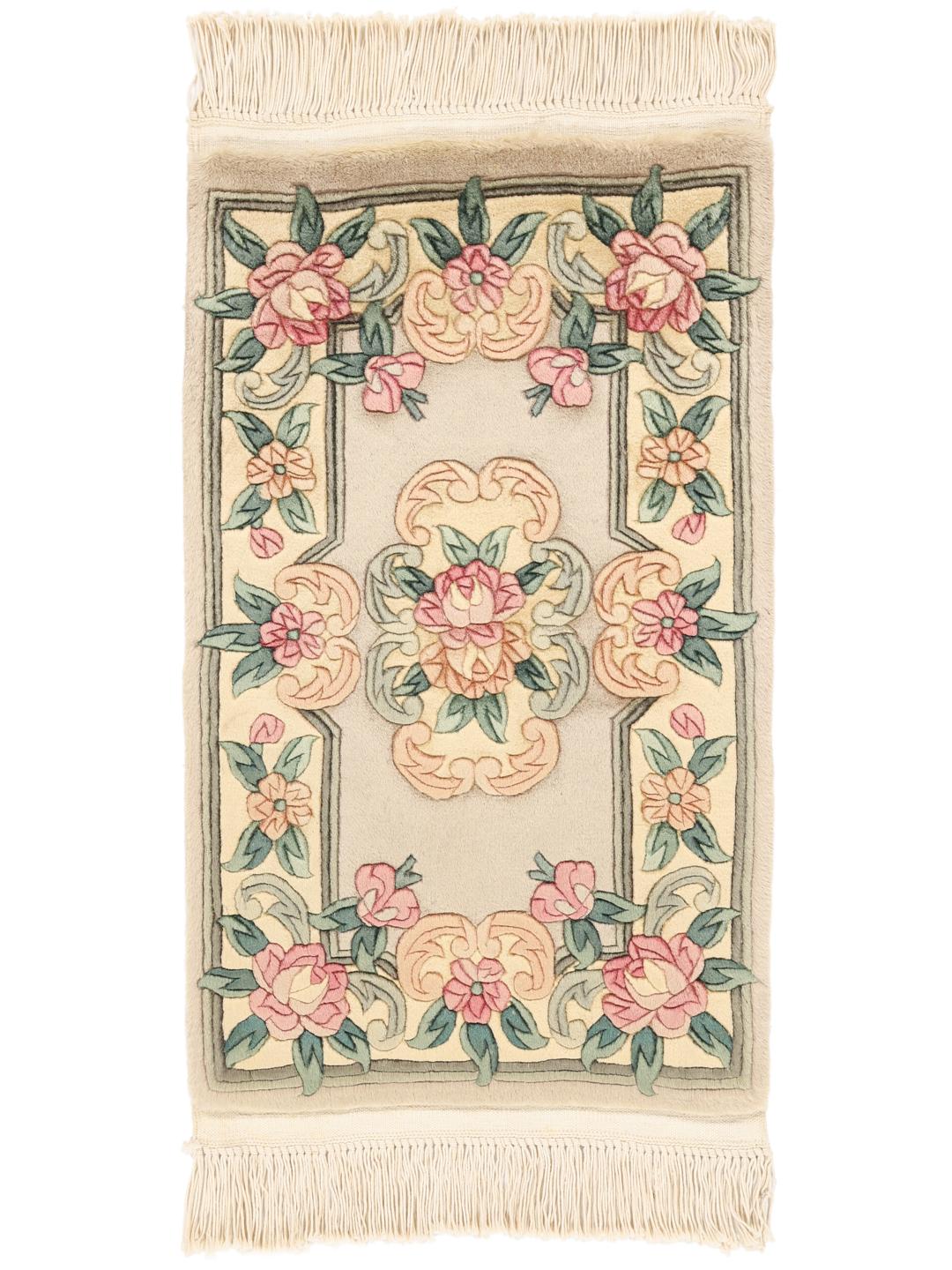
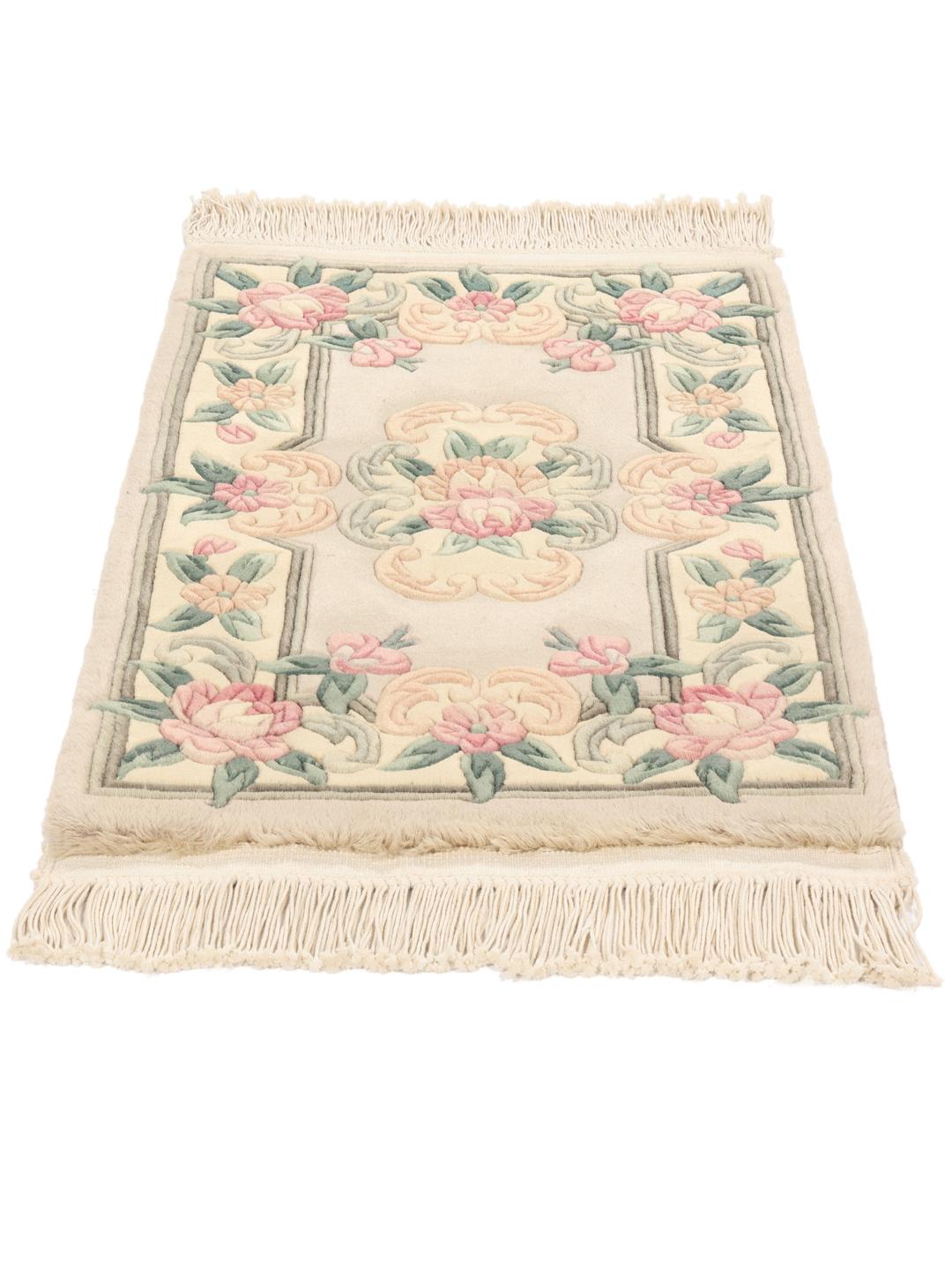
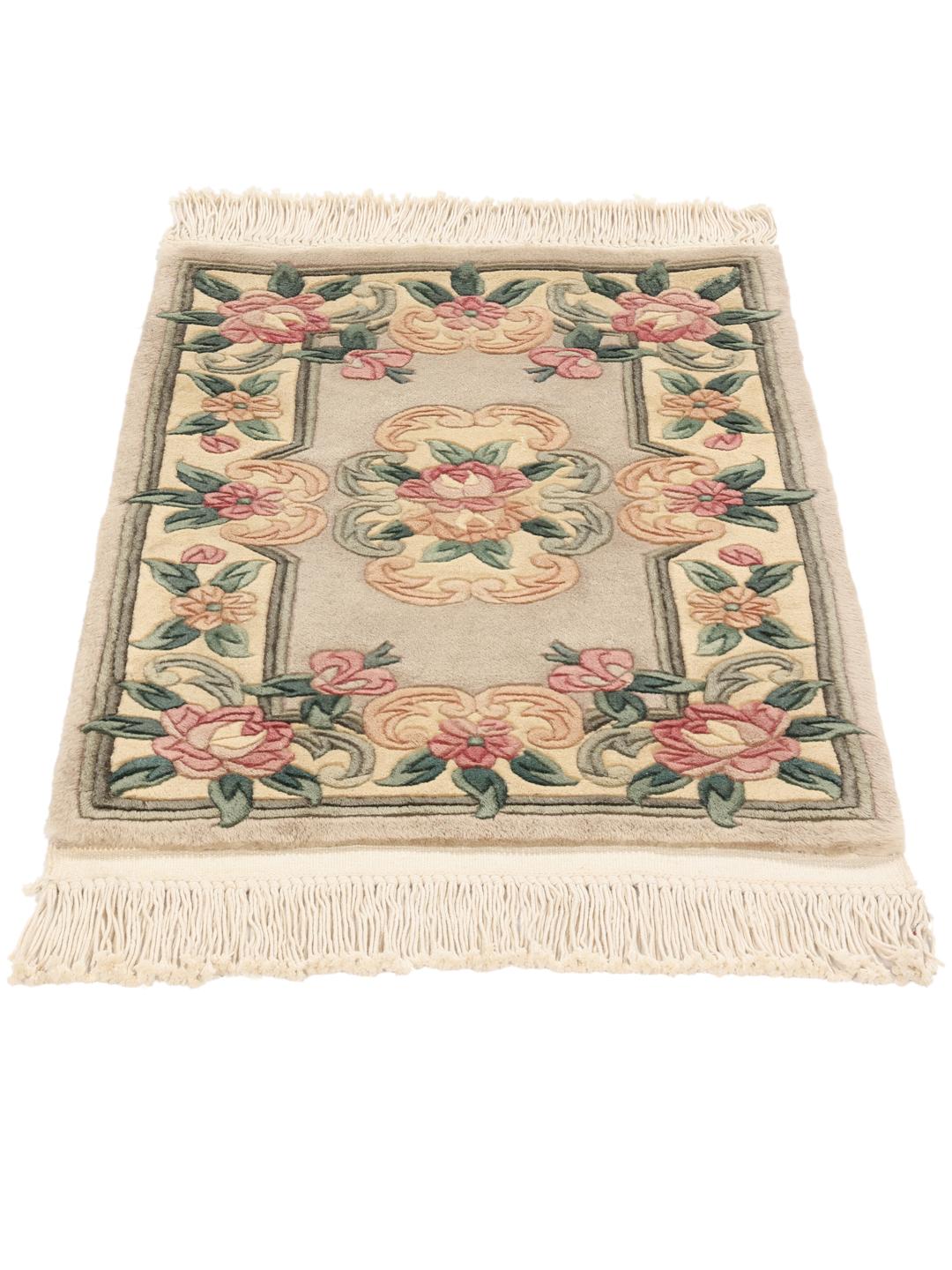
The history of Chinese rug making is deeply intertwined with the country's ancient artistic traditions, evolving over centuries from utilitarian floor coverings into sophisticated decorative arts. While traditional Chinese rugs often feature balanced, harmonious designs inspired by nature and philosophy, the 90-line designation refers to a specific technical standard that defines the density and quality of the weave.
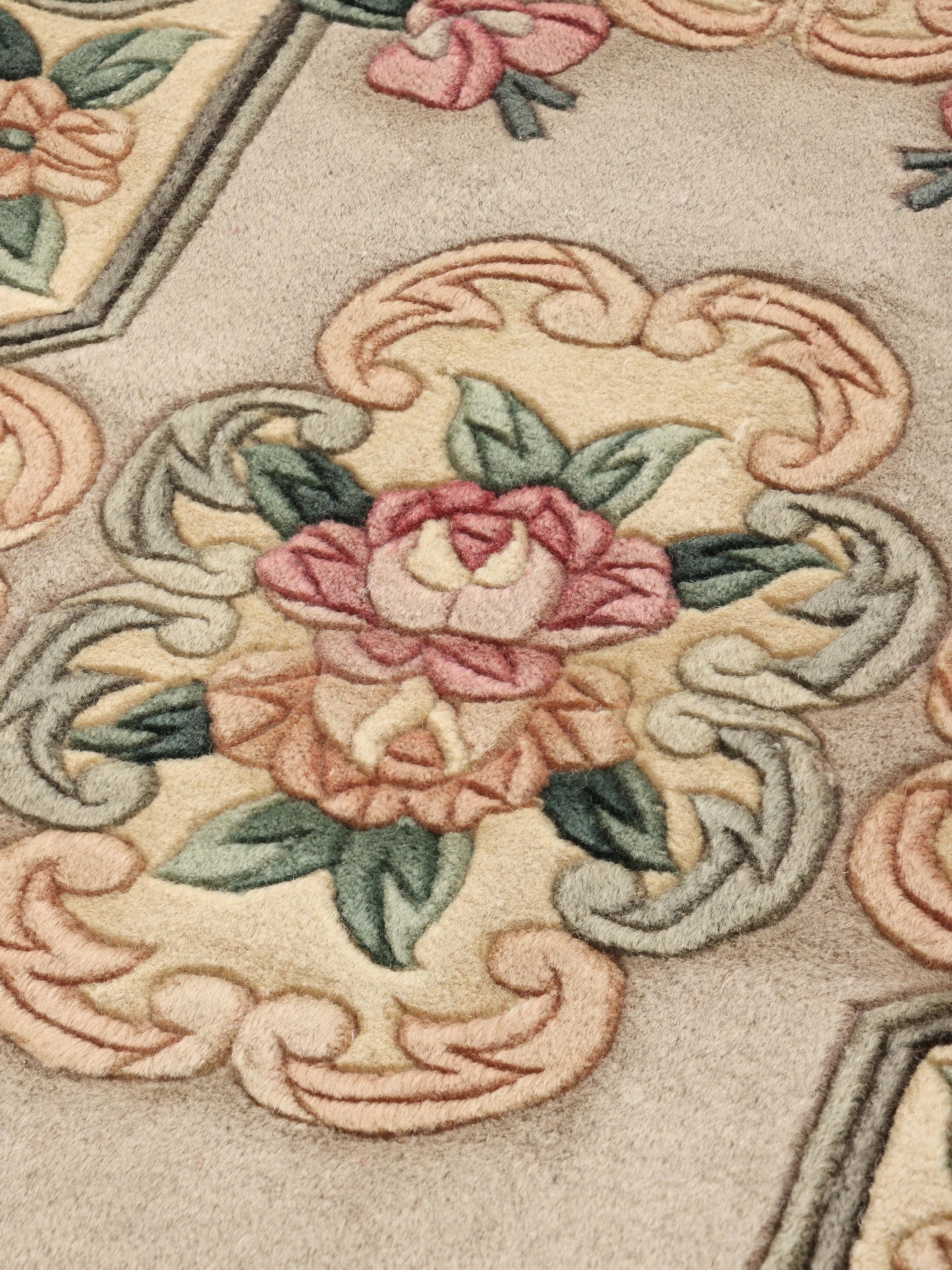
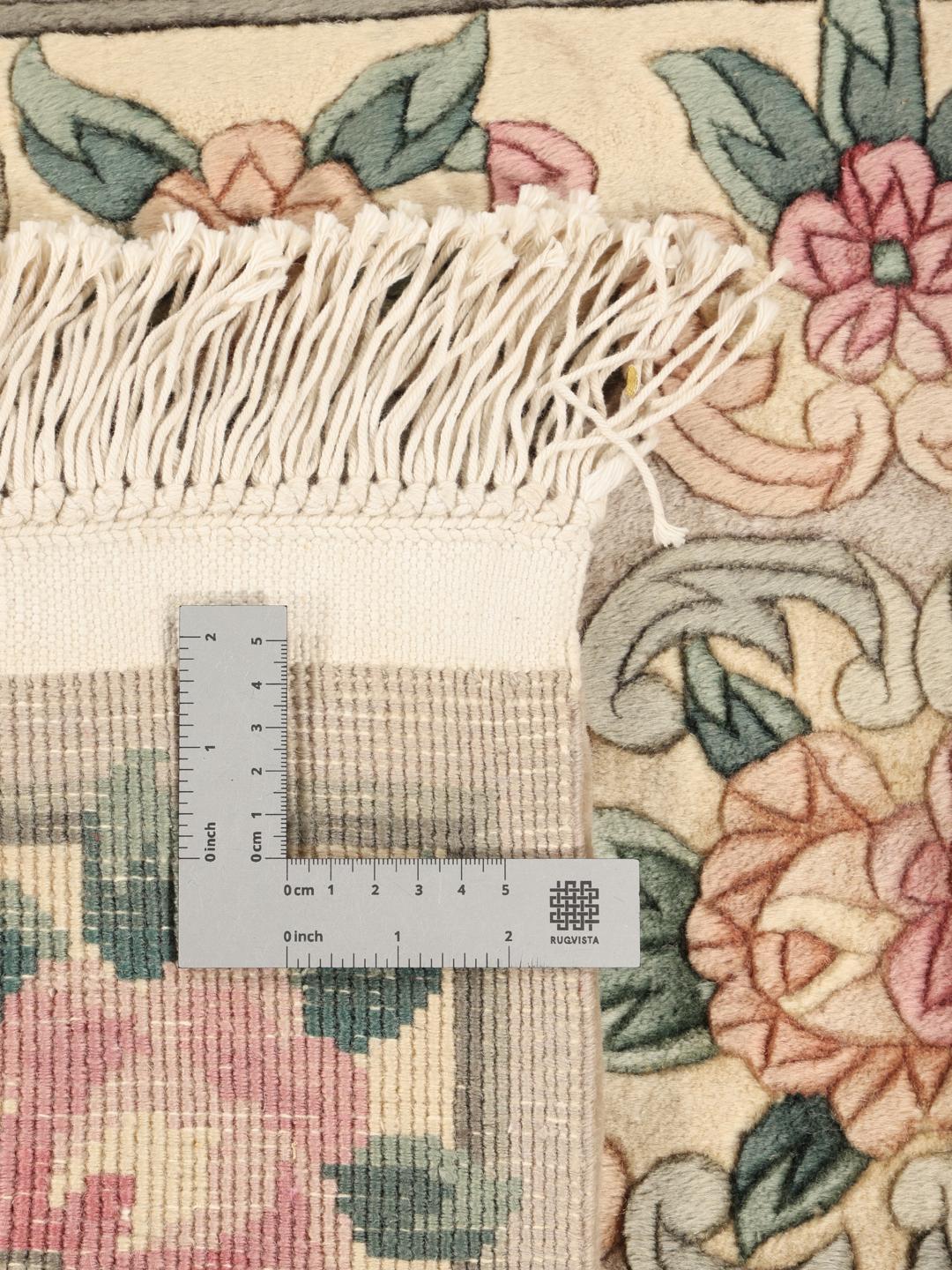
Understanding the technical aspects of these rugs is key to appreciating their value. The line count indicates the number of knots across a specific width, which directly influences the crispness of the patterns and the overall durability of the pile. A 90-line construction represents a refined balance that allows for intricate, flowing floral details while maintaining a soft, luxurious surface.
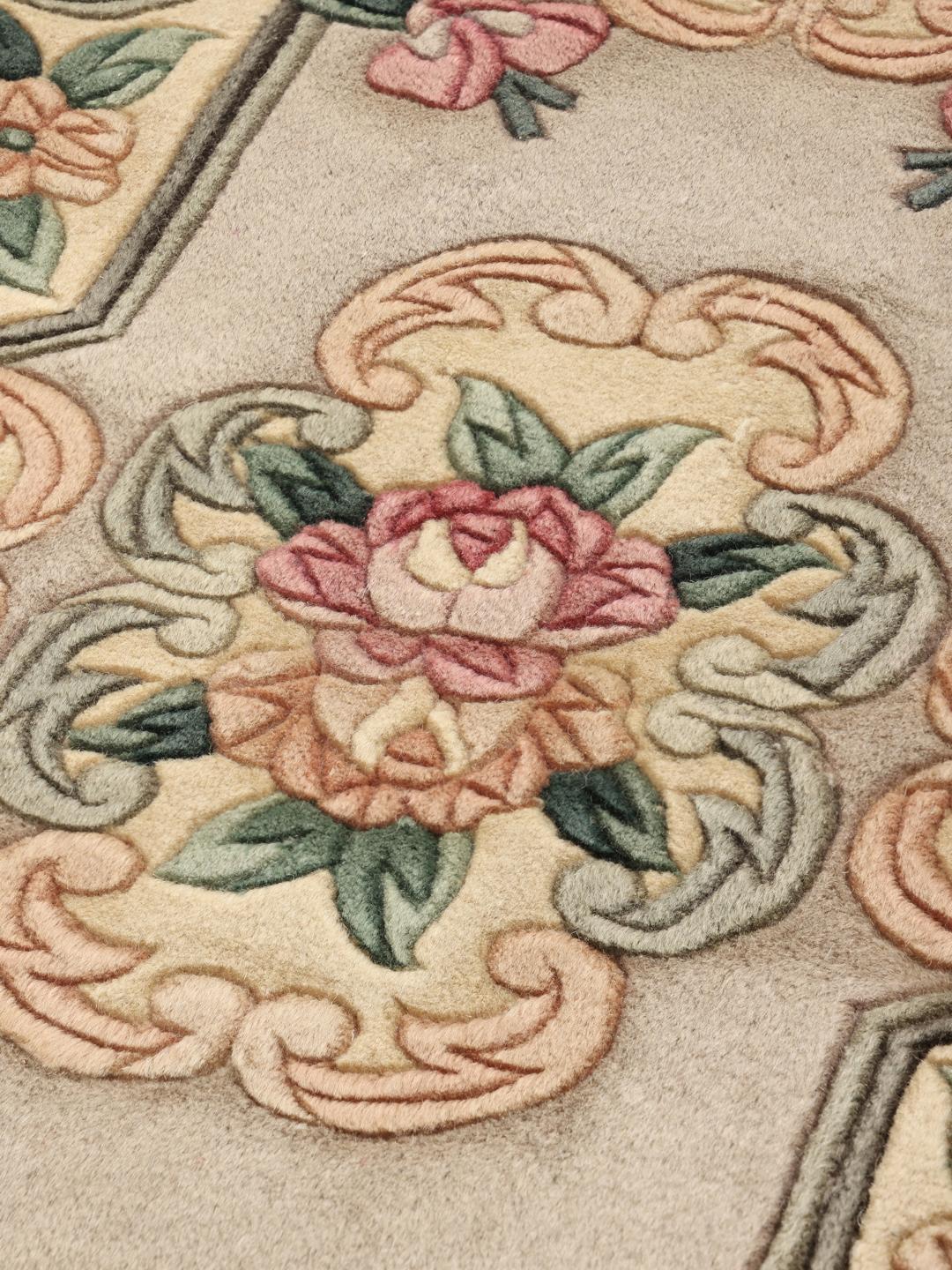
The visual language of this tradition is defined by its elegance and restraint. Floral motifs, often inspired by peonies or lotus blossoms, are frequently arranged in balanced compositions that reflect a sense of order and serenity. The use of soft, muted colour palettes is a hallmark of this style, designed to complement rather than overwhelm an interior space.
Collecting these rugs is an investment in cultural heritage and skilled artistry. Each piece tells a story of a craft that has been passed down through generations, representing a commitment to quality and aesthetic beauty. Owning such a rug is not just about floor covering, but about bringing a piece of refined history into your daily life.