Chinese rug-making has a history spanning over two thousand years, evolving from functional floor coverings into highly sophisticated artistic expressions. Historically, these rugs were often commissioned for imperial palaces and temples, utilising symbols and motifs deeply rooted in the cultural heritage of the region. Over centuries, the craft has adapted to global influences while maintaining the distinct, sculptural quality that makes Chinese rugs instantly recognisable.
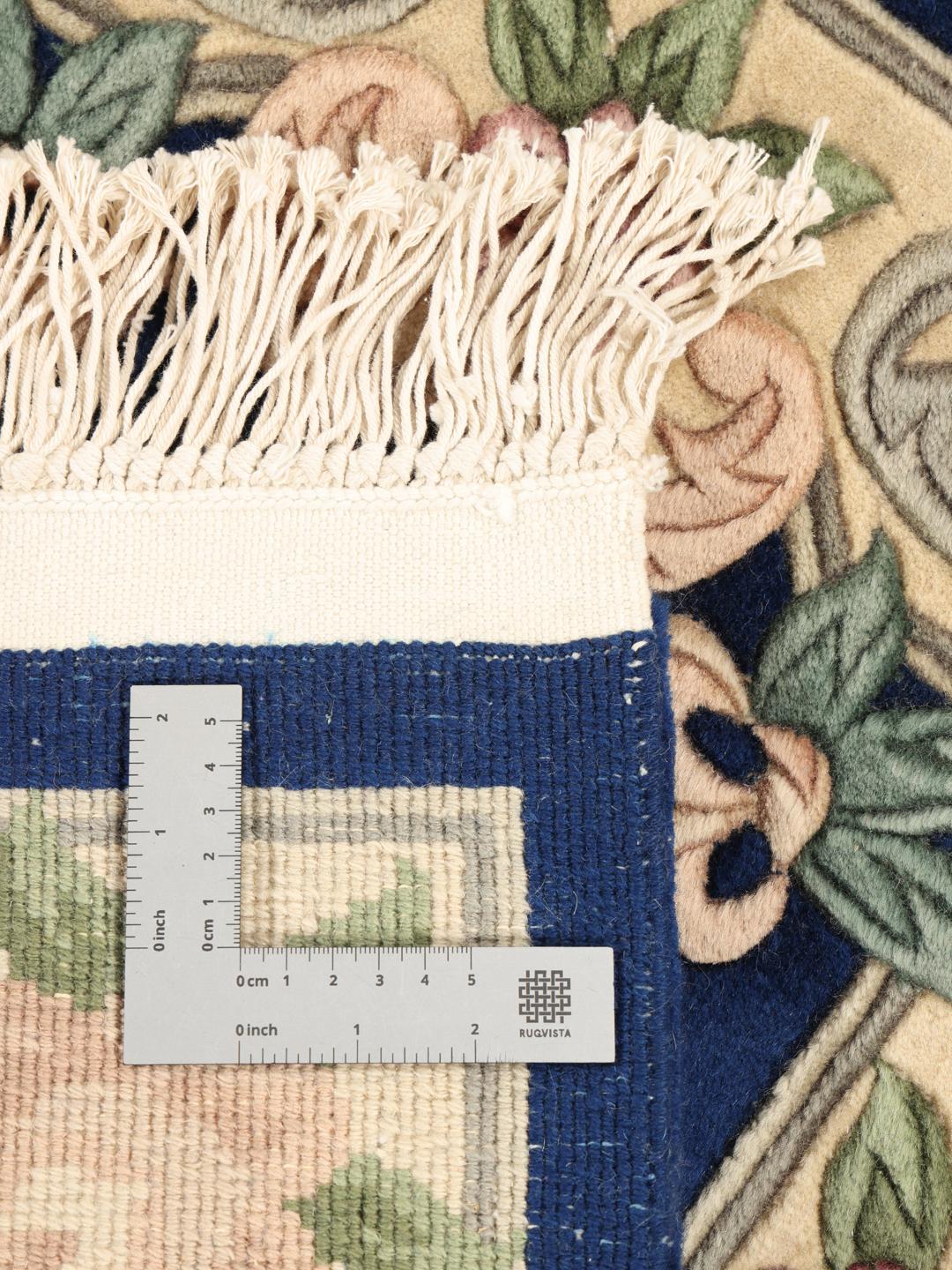
The terminology used to describe these pieces often refers to the 'line' count, which historically denotes the density of the knots per foot. This technical measurement is a direct indicator of the precision involved in the weaving process. A higher line count allows for more intricate curves and finer details in the design, ensuring that the finished rug is not only structurally sound but also visually refined, with a crispness that simpler methods cannot achieve.
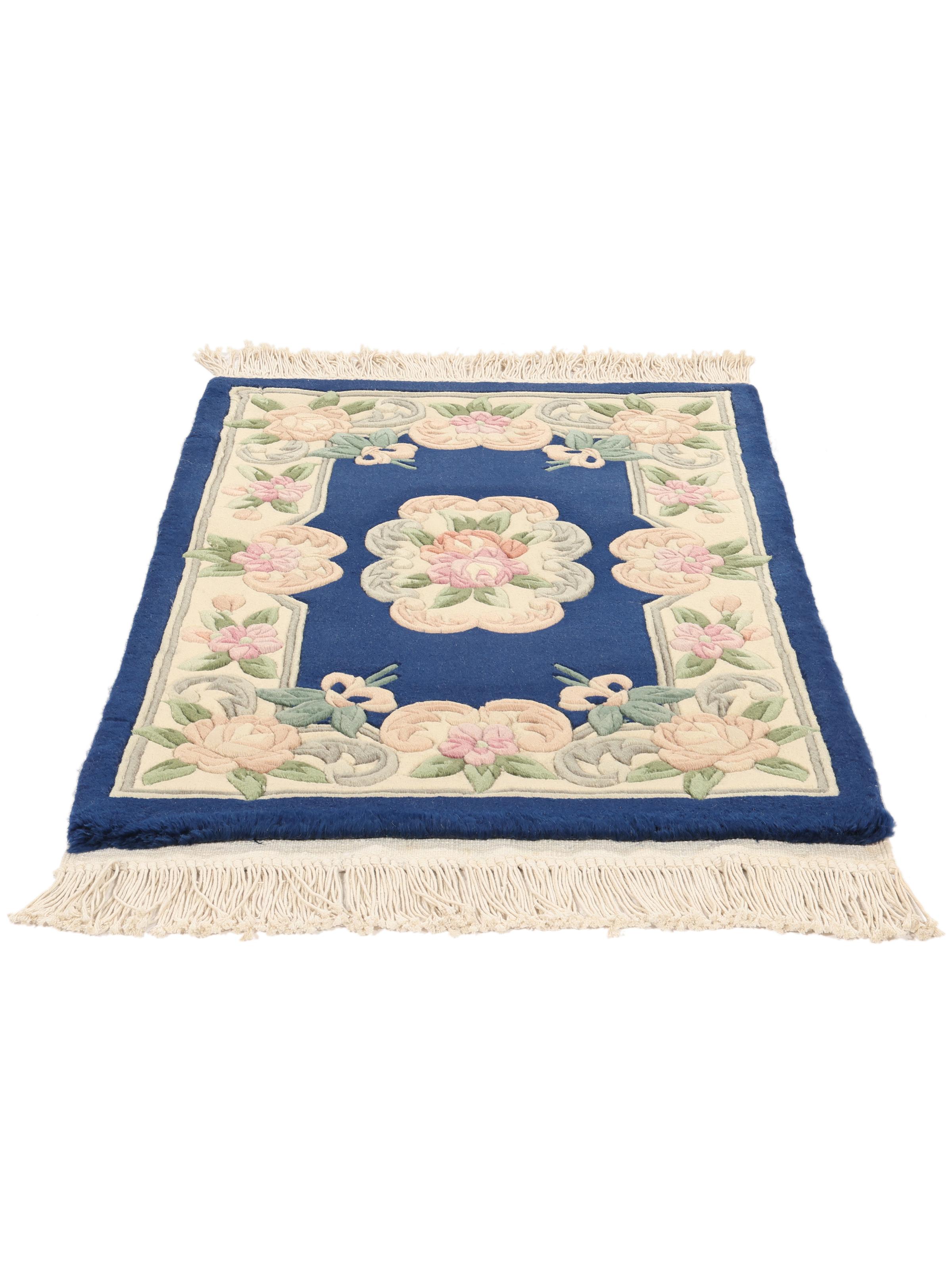
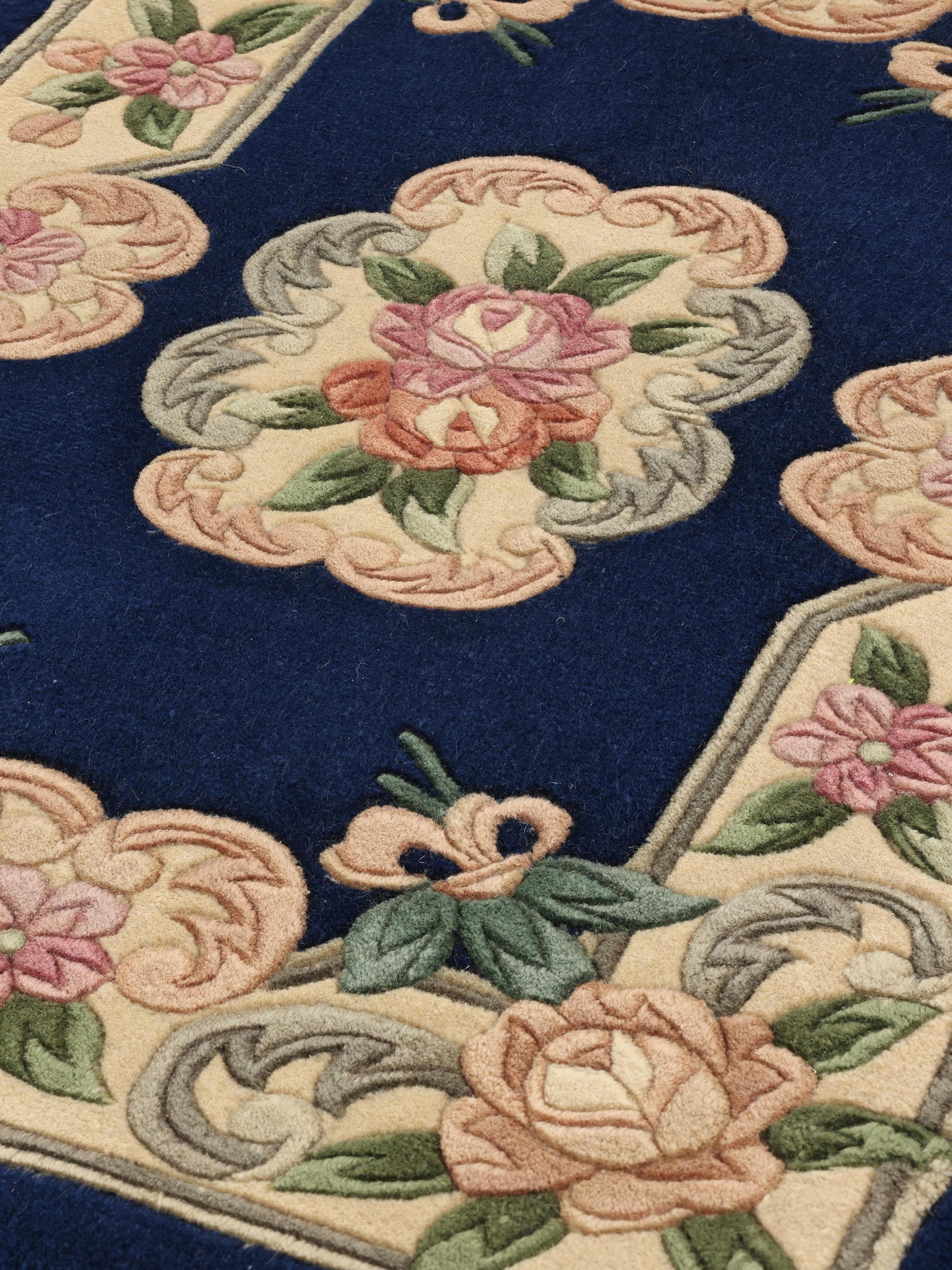
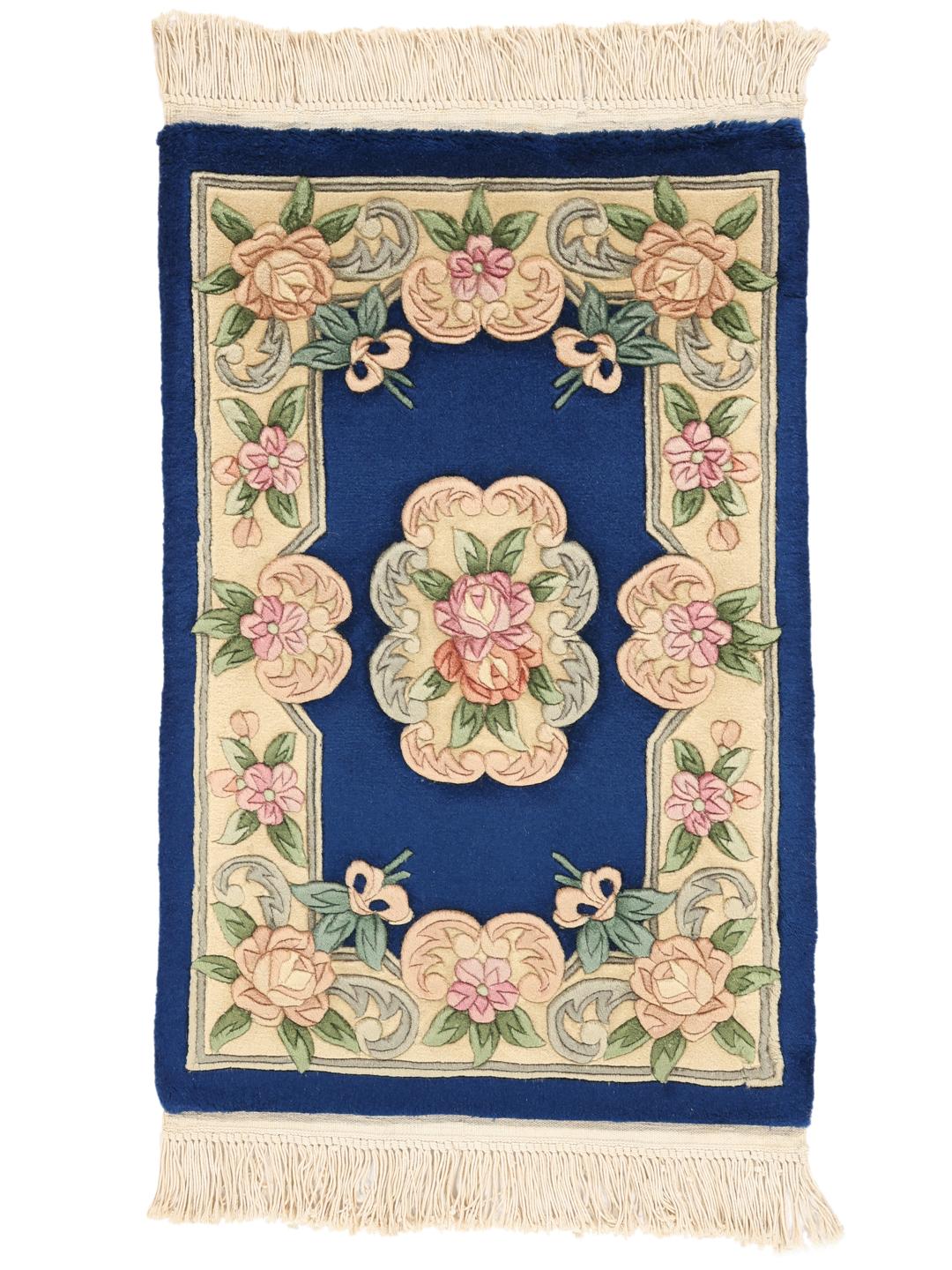
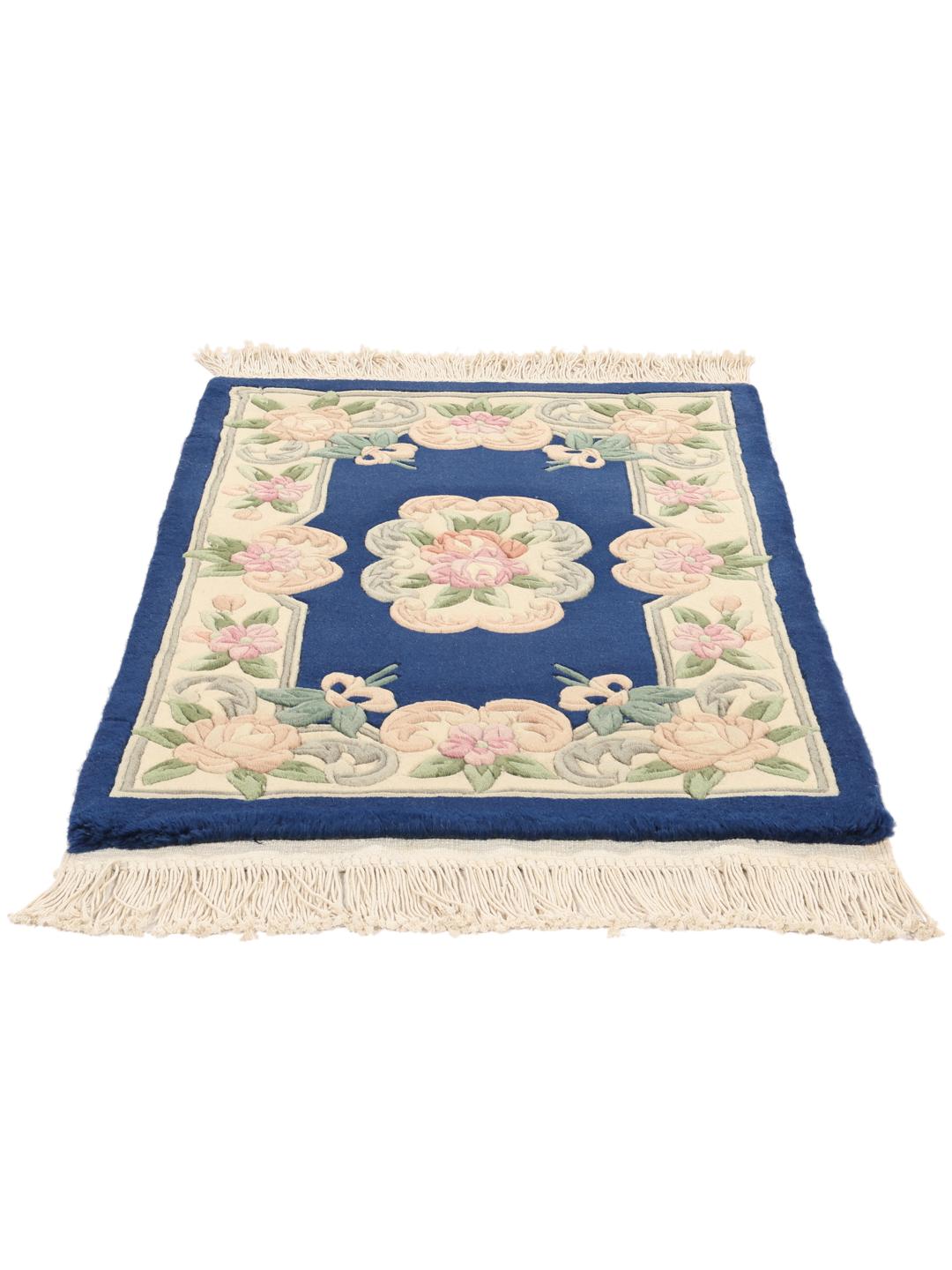
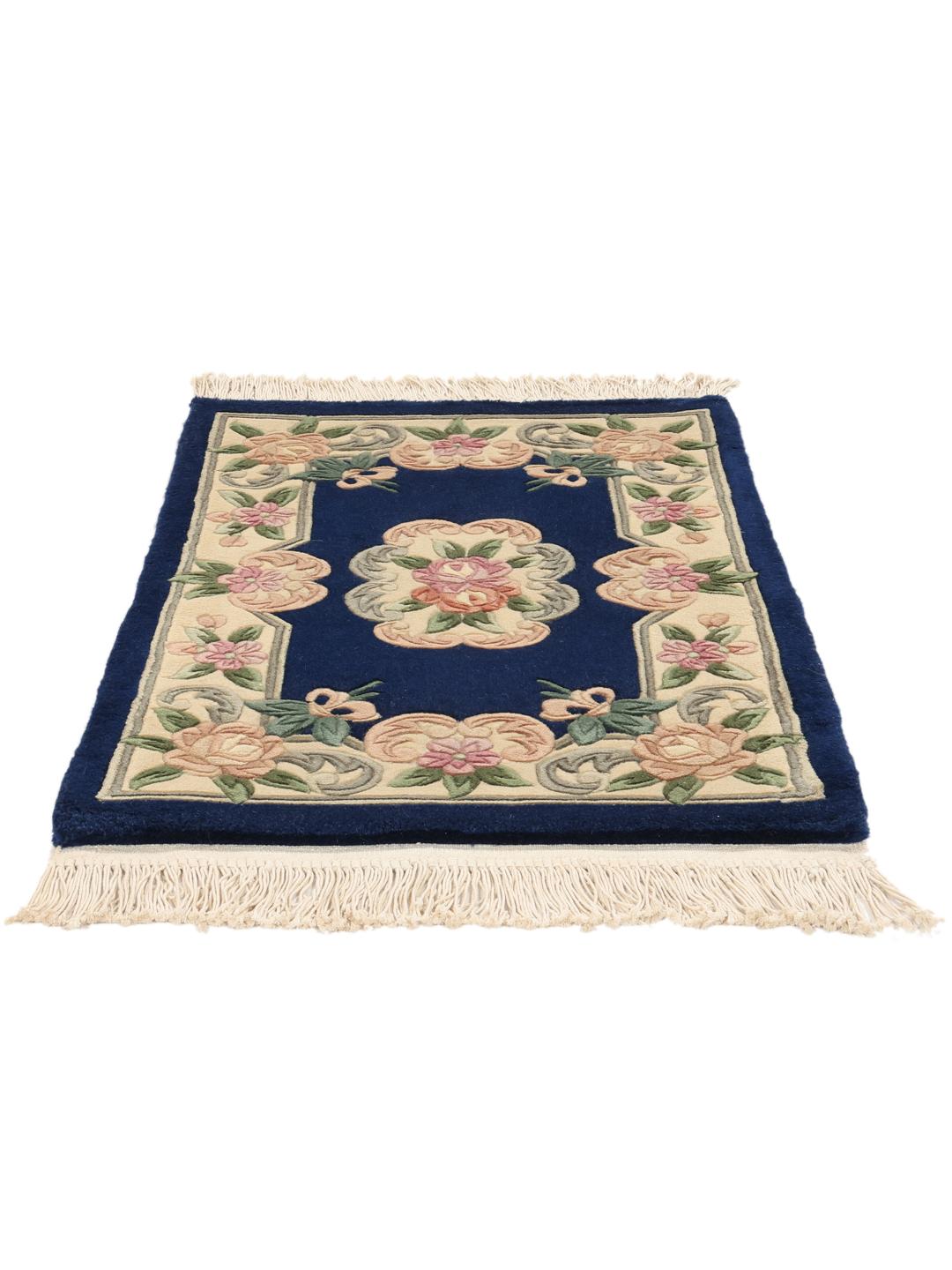
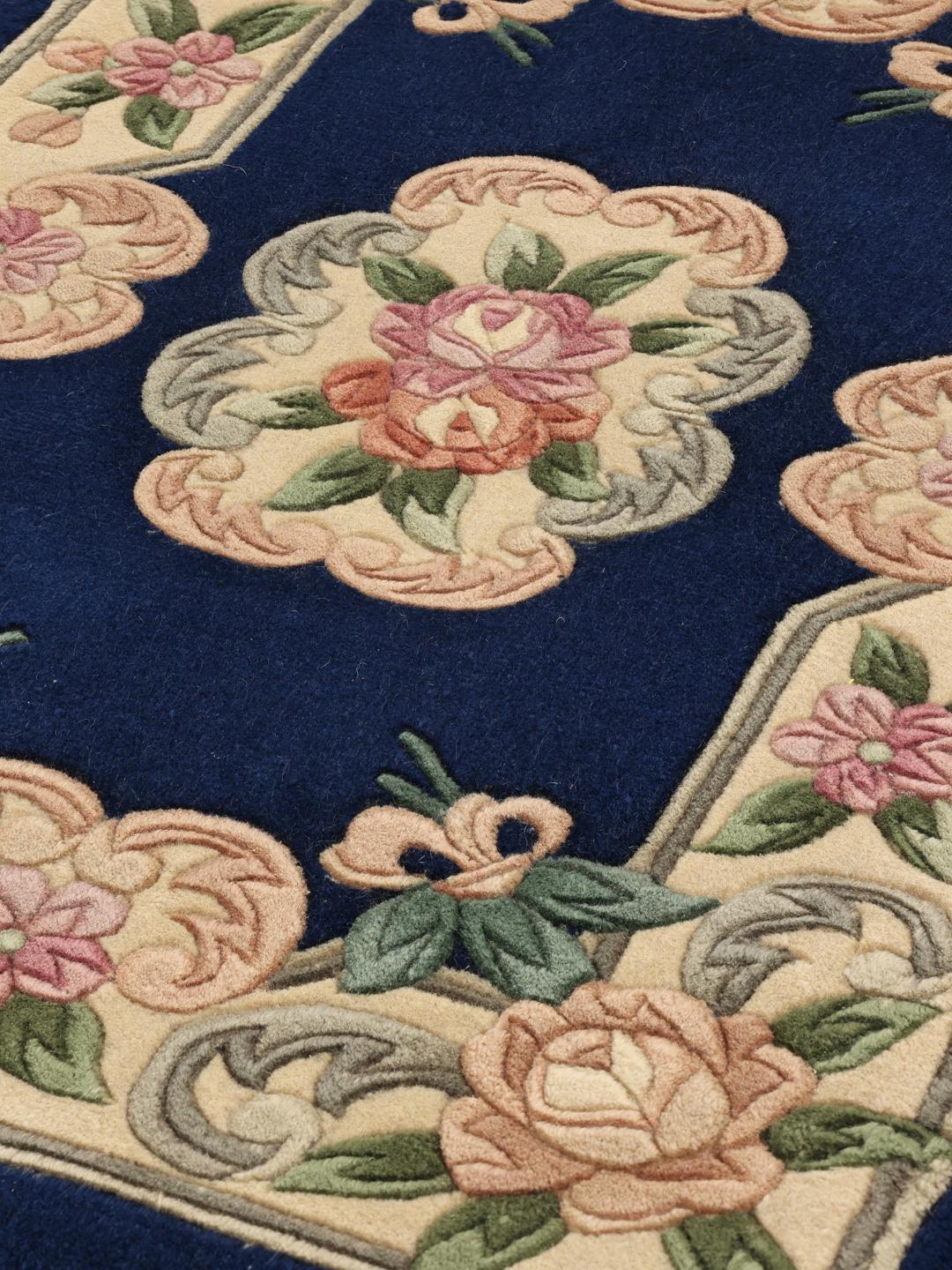
Signature design elements in this tradition often centre on balanced, symmetrical layouts, frequently incorporating floral motifs such as roses, peonies, and lotus blossoms. These patterns are often carved into the pile to create a subtle, three-dimensional effect that adds depth and a tactile quality to the surface. The use of a deep, bold field colour against softer, organic botanical shapes is a hallmark of the style, providing a sophisticated contrast that anchors any interior space.
Collecting a hand-knotted rug from this tradition is an appreciation of a craft that values both durability and aesthetic harmony. These rugs are prized not just for their beauty, but for their ability to hold their value and aesthetic appeal over time. Owning one is a connection to a long lineage of artisans who have refined these techniques, making it a meaningful addition to any collection that values heritage, skill, and enduring quality.