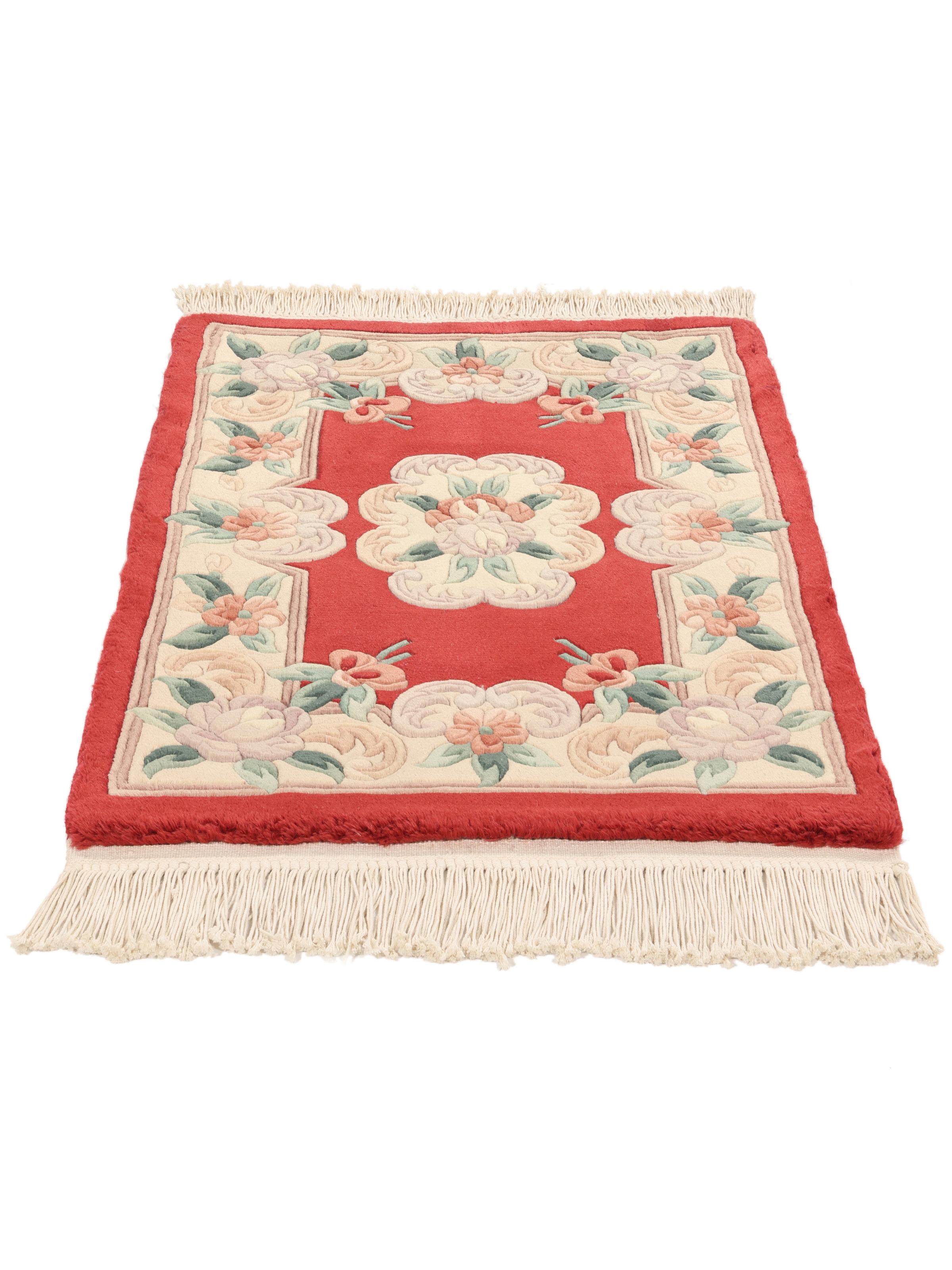
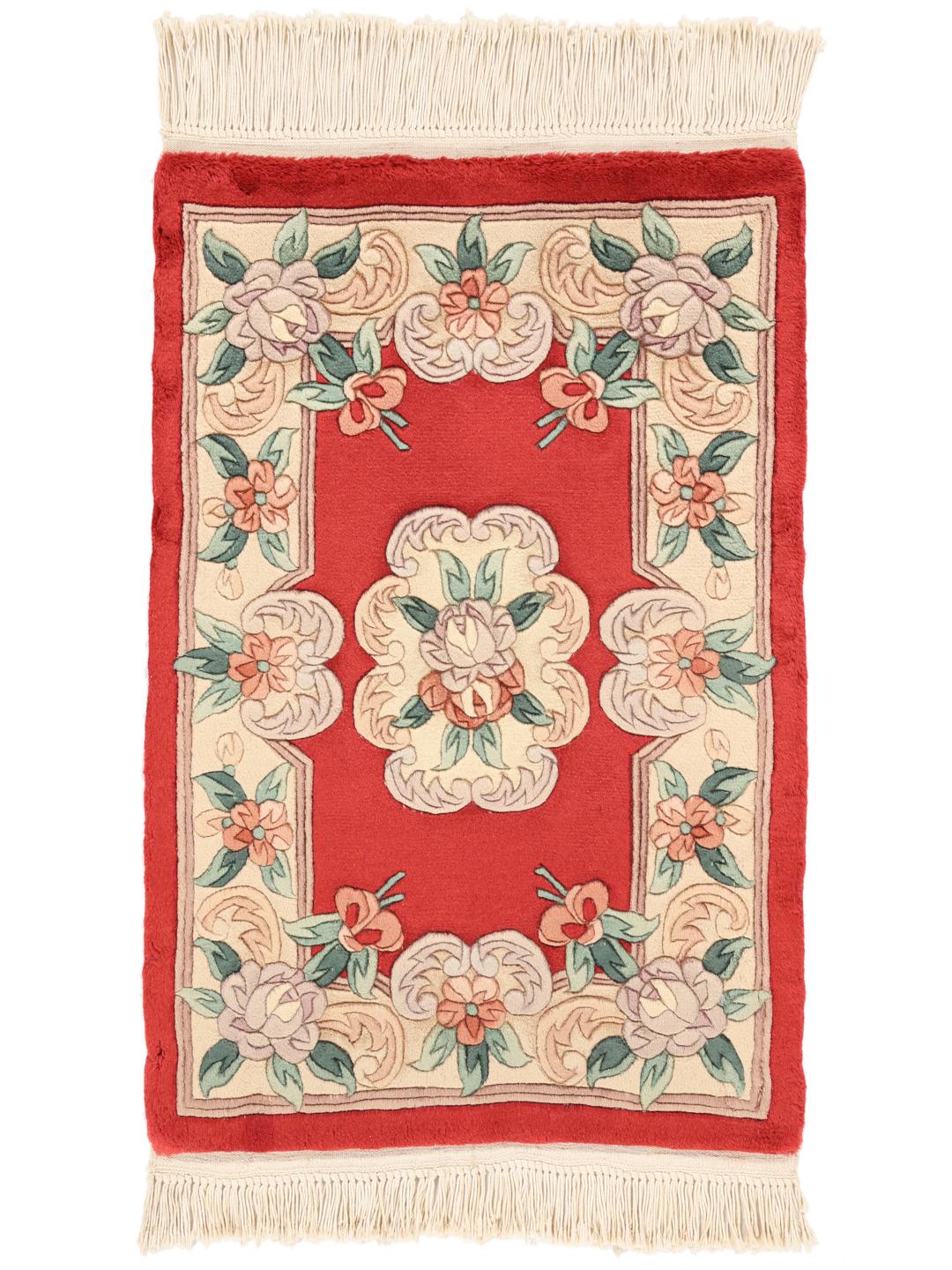
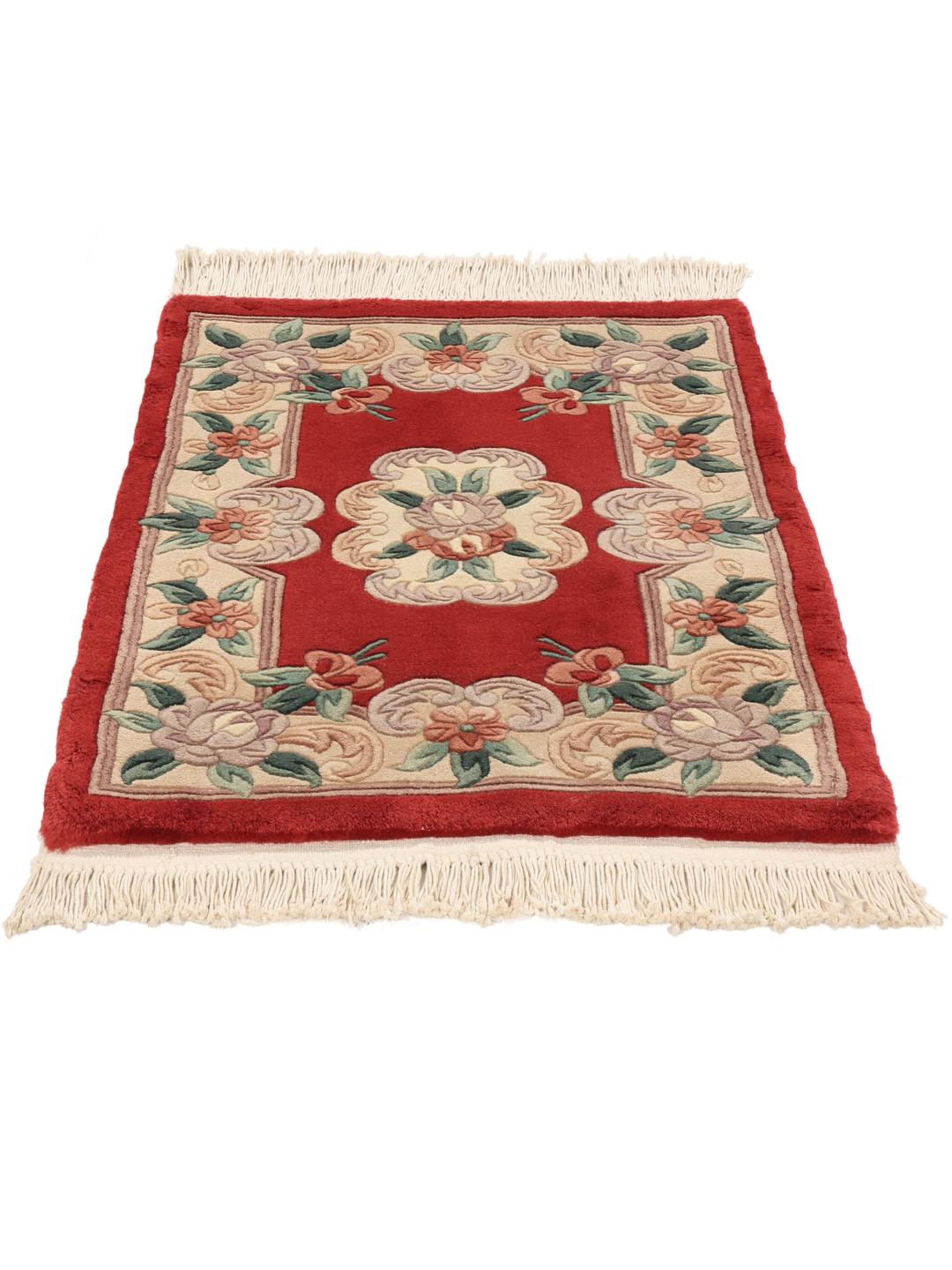
Chinese rug weaving has a long and storied history, evolving from ancient traditions that were initially focused on silk and wool production for imperial use. Over centuries, these techniques were refined to create the distinct styles that are highly sought after today. The artistry often reflects a deep connection to nature, with motifs that symbolise prosperity, harmony, and longevity, all of which are deeply rooted in regional cultural heritage.
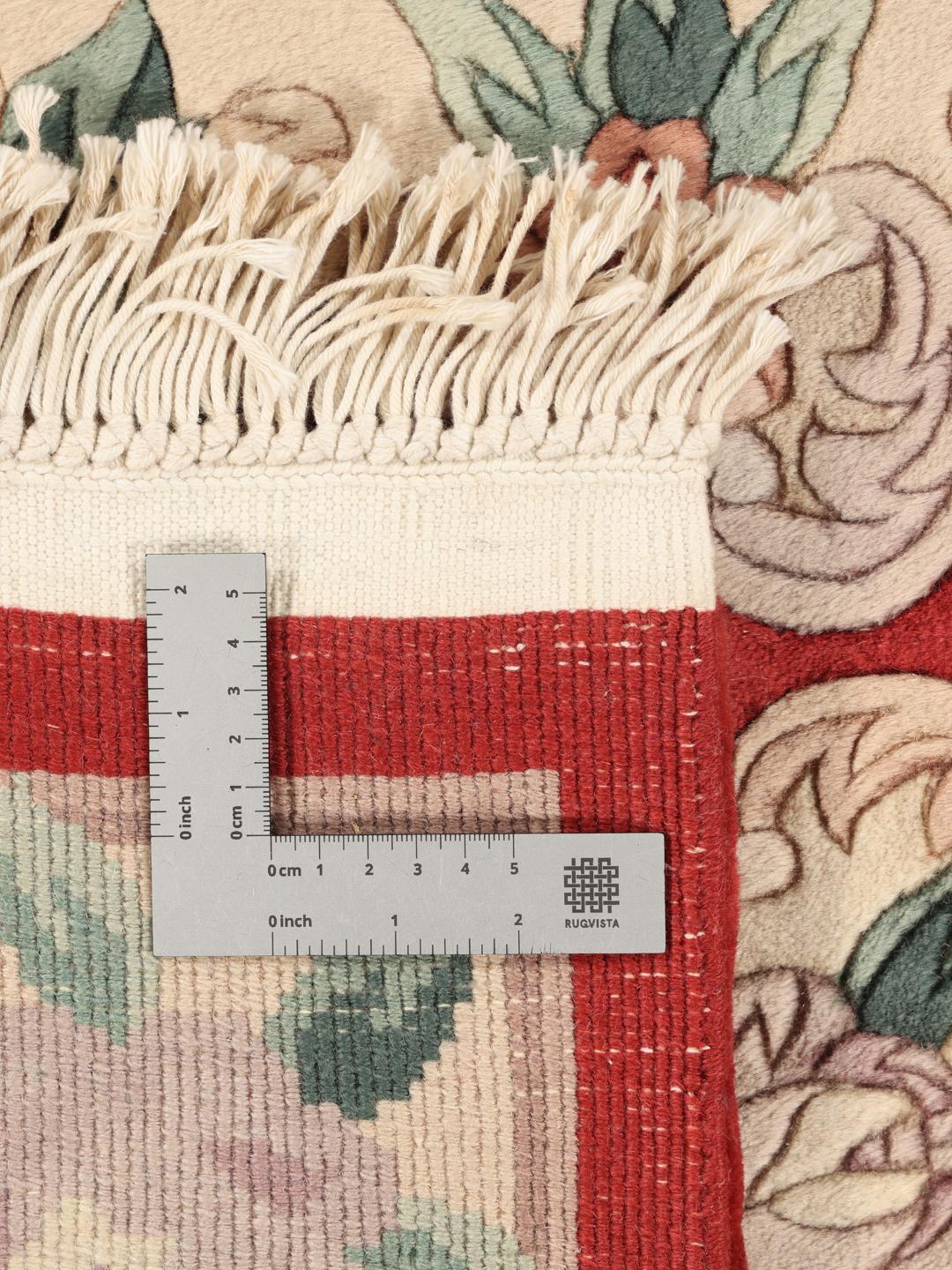
The term 90 line refers to a specific traditional method of classifying the density of the rug. This system counts the number of knots across a set distance, acting as a standard for measuring the fineness and technical quality of the weave. A 90 line construction provides an ideal balance, allowing for intricate floral designs while maintaining a sturdy and comfortable pile that is perfect for domestic environments.
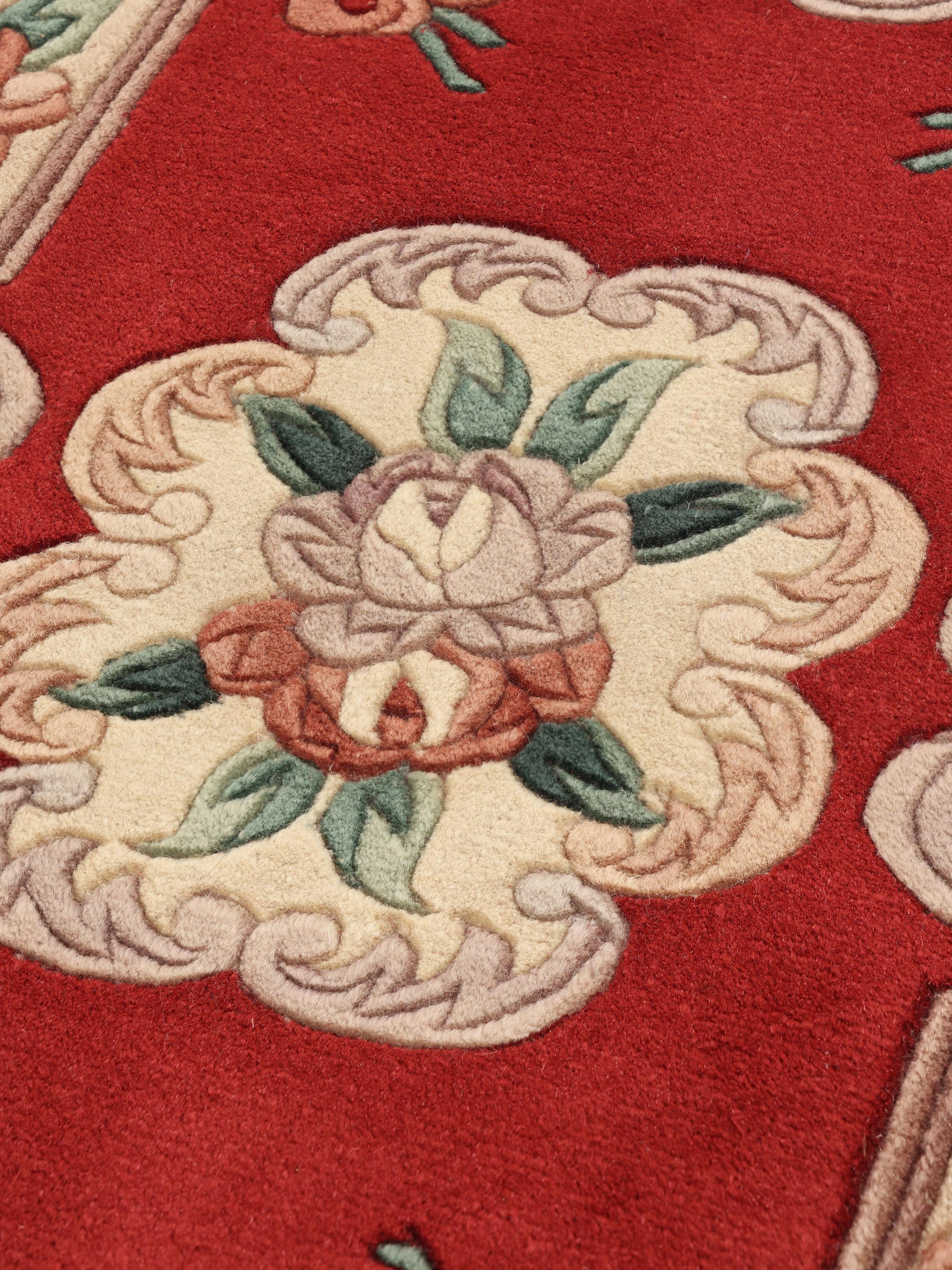
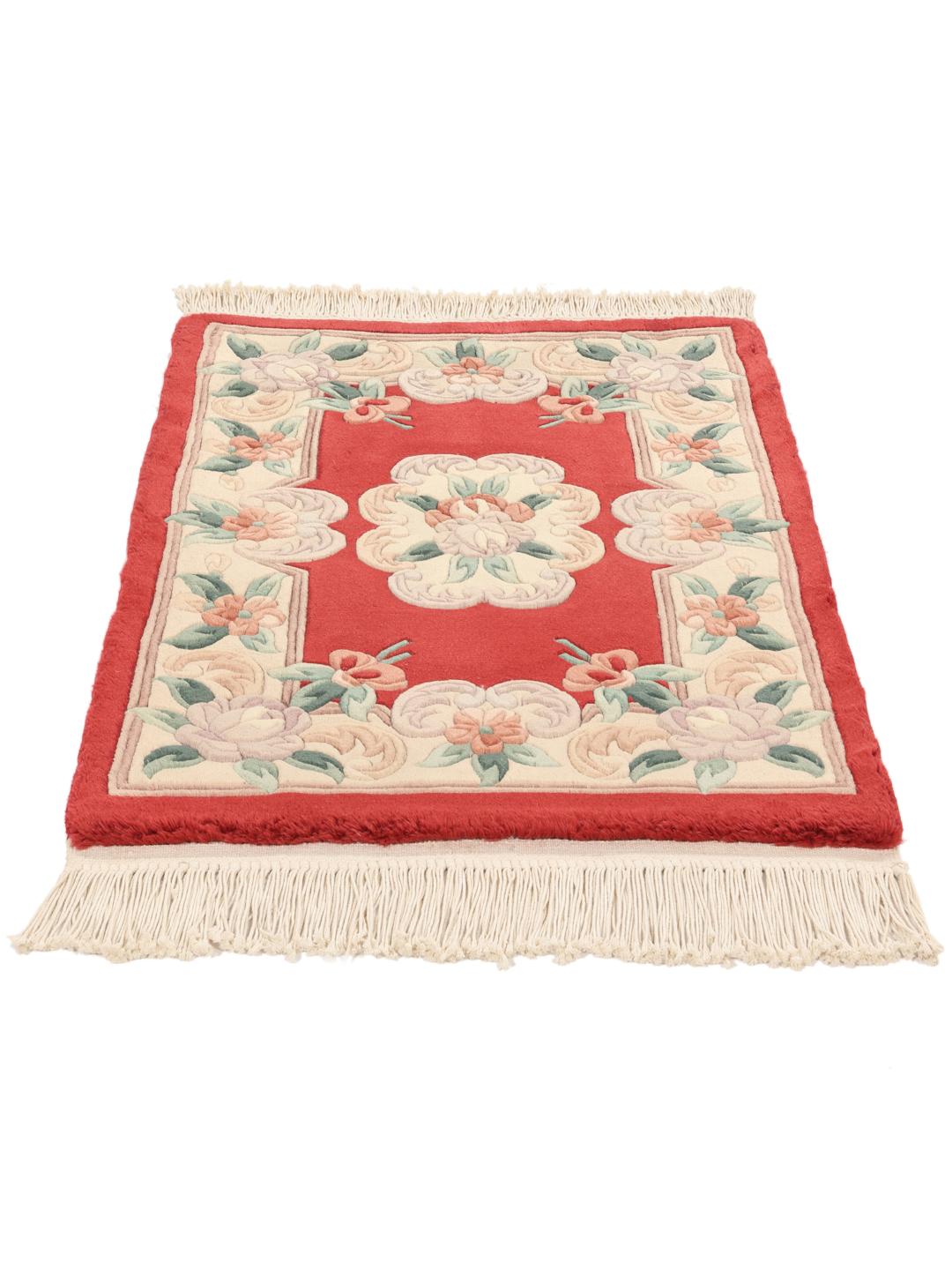
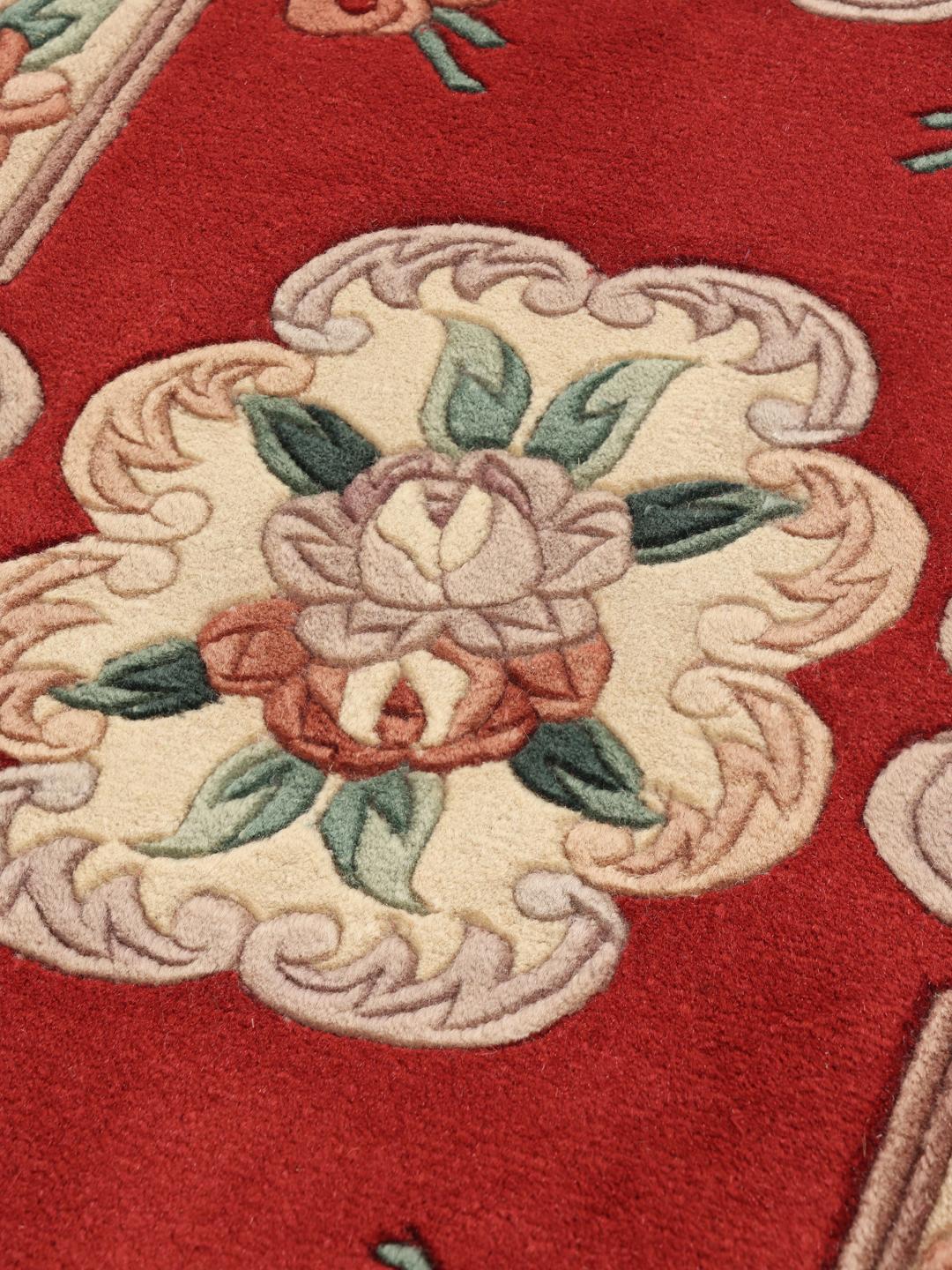
Signature design elements in these rugs often include elegant floral arrangements, central medallions, and carefully composed borders. The use of colour is typically bold yet harmonious, often featuring deep reds, blues, and creams that have been used for generations to highlight the complexity of the patterns. These motifs are not merely decorative but are part of a visual language that has defined Chinese textile art for decades.
Collectors value these rugs for their balance of artistic expression and technical reliability. Acquiring a piece from this tradition is a way to bring a fragment of history into your home. It represents a commitment to supporting human skill and enduring design, ensuring that these beautiful, hand-crafted objects continue to be appreciated for their cultural weight and lasting quality.