The tradition of rug making in China is a centuries-old craft that has evolved from serving the needs of the imperial court to becoming a globally recognised art form. Chinese rugs are distinct for their unique approach to design, often emphasising negative space and symbolic floral motifs that reflect the cultural values of harmony and nature. While the techniques have been refined over generations, the core philosophy of creating a balanced, meditative piece remains unchanged.
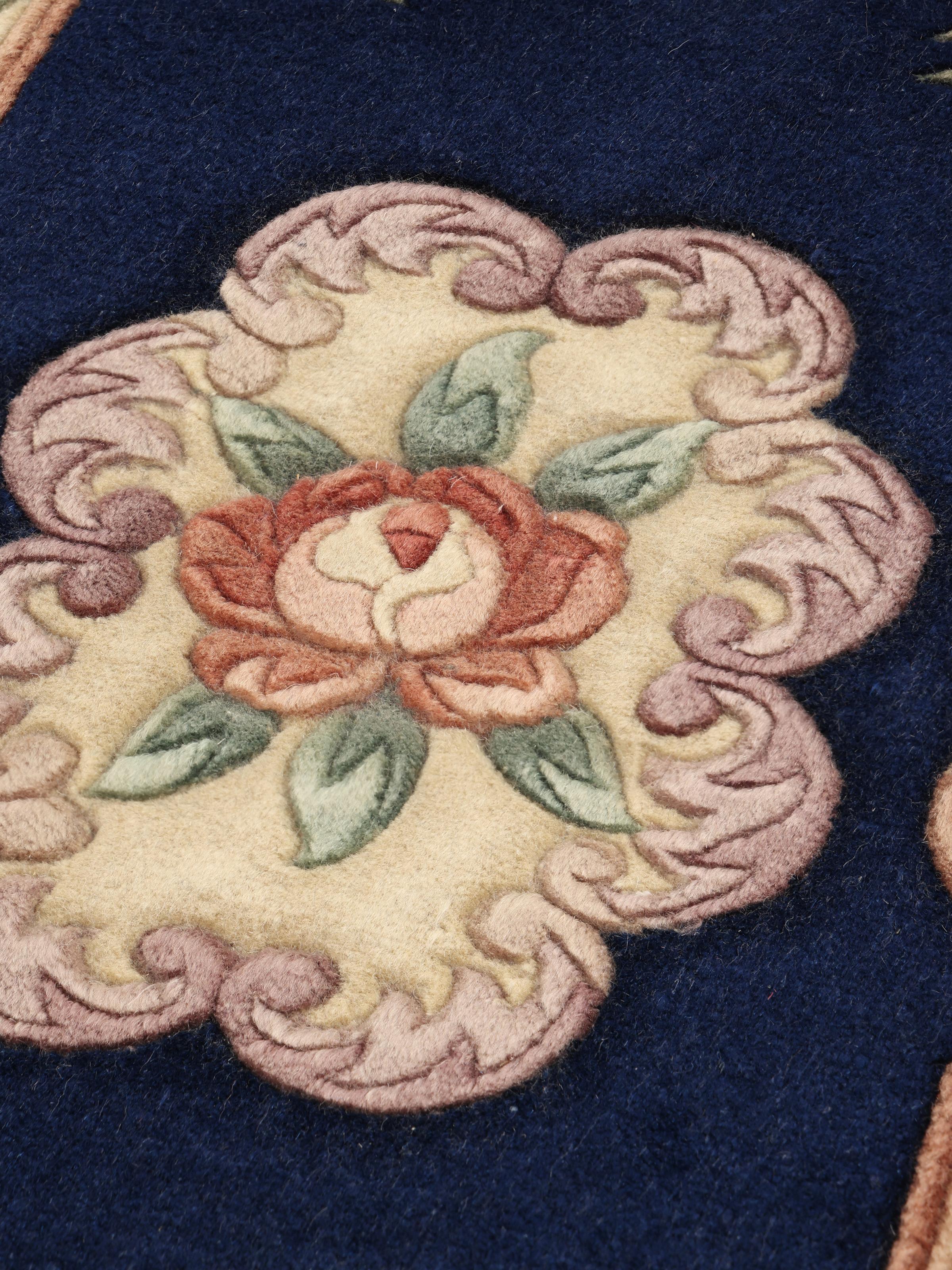
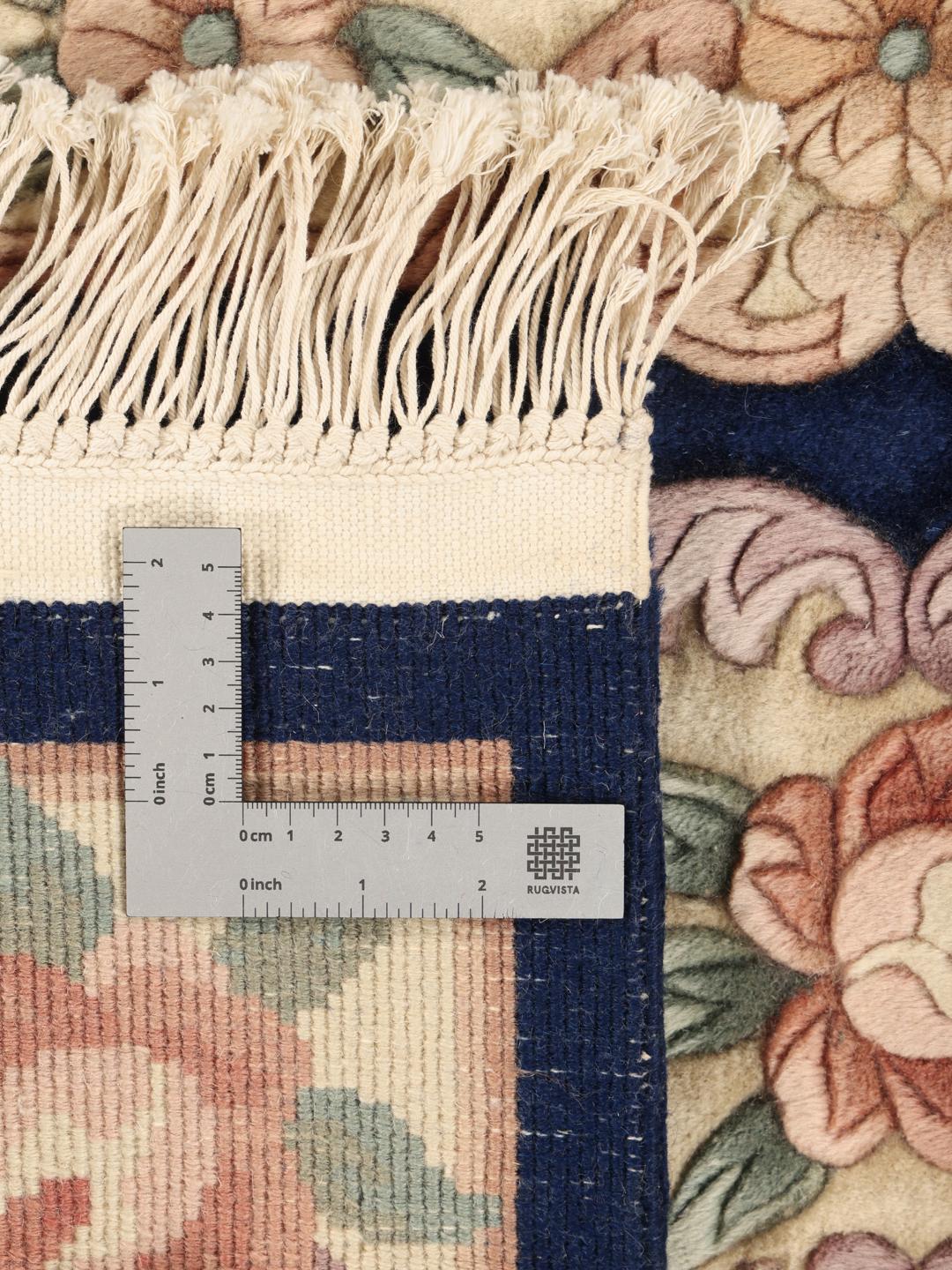
The 90 Line designation refers to a traditional measurement of quality based on the number of knots across a specific width. This standardised approach allows makers to maintain a consistent density that supports the intricate, carved-like appearance of the motifs. By controlling the tension and spacing of these knots, artisans are able to create a pile that is both durable and soft, ensuring that the rug maintains its structure even in high-traffic areas of the home.
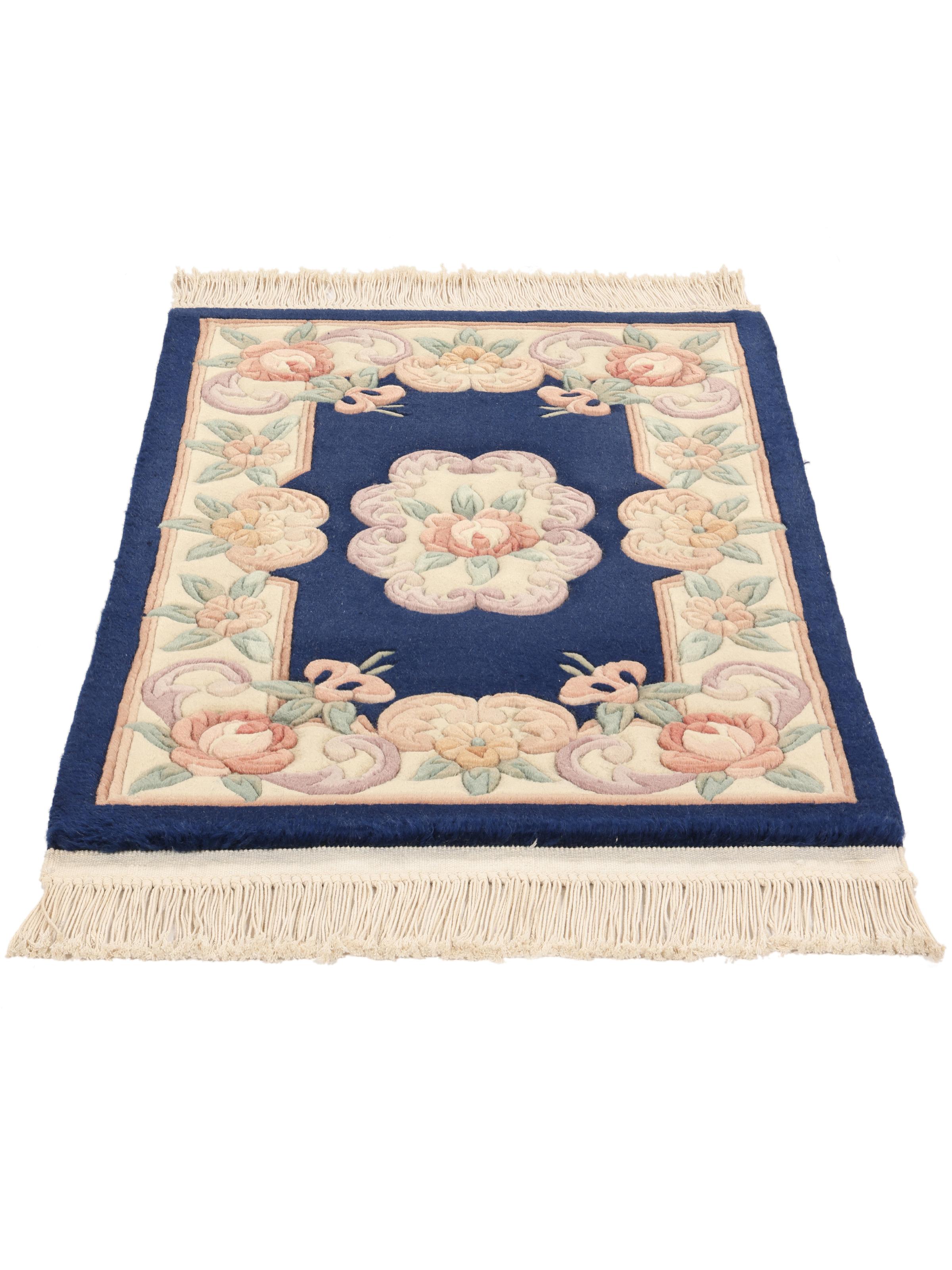
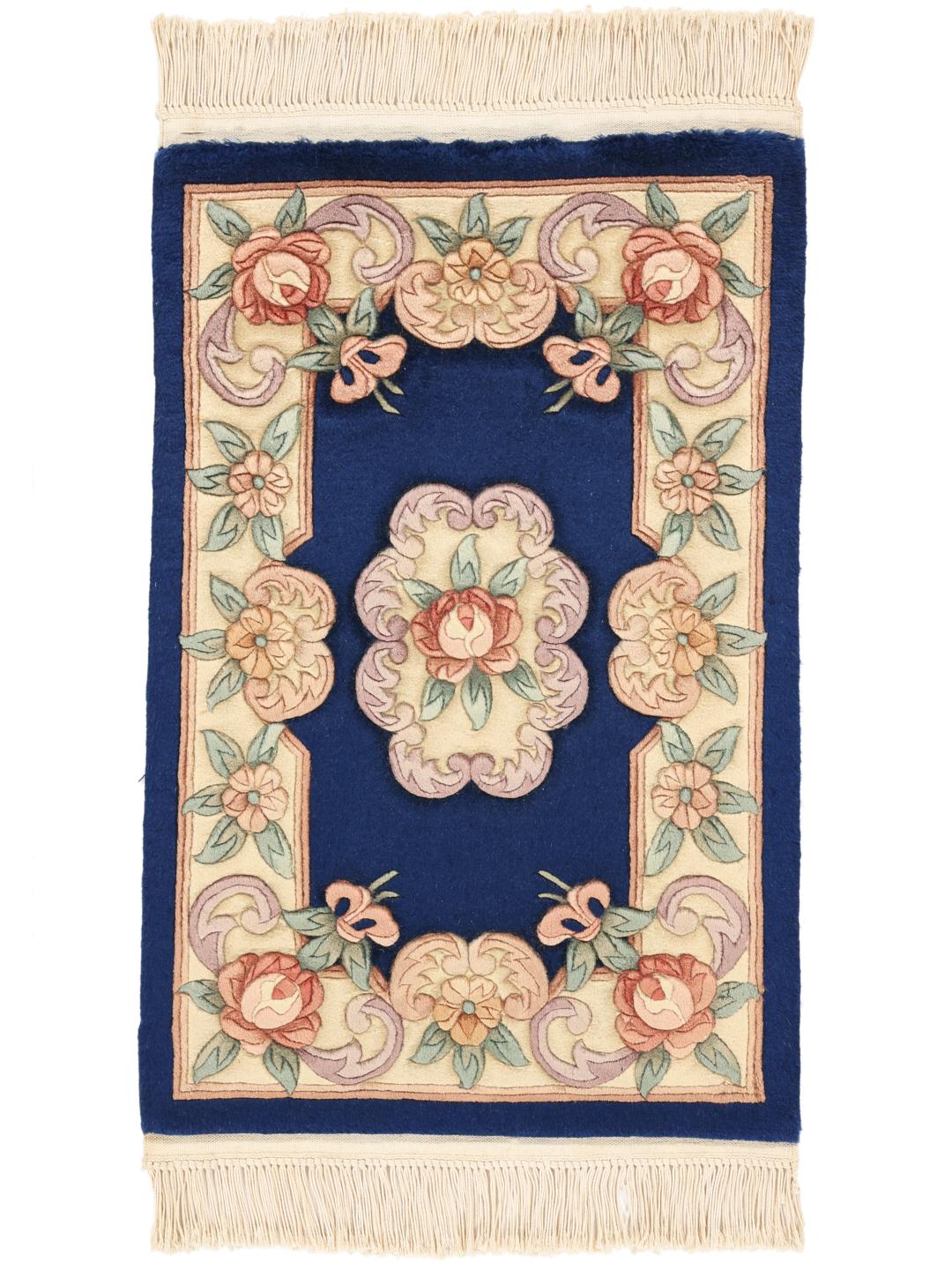
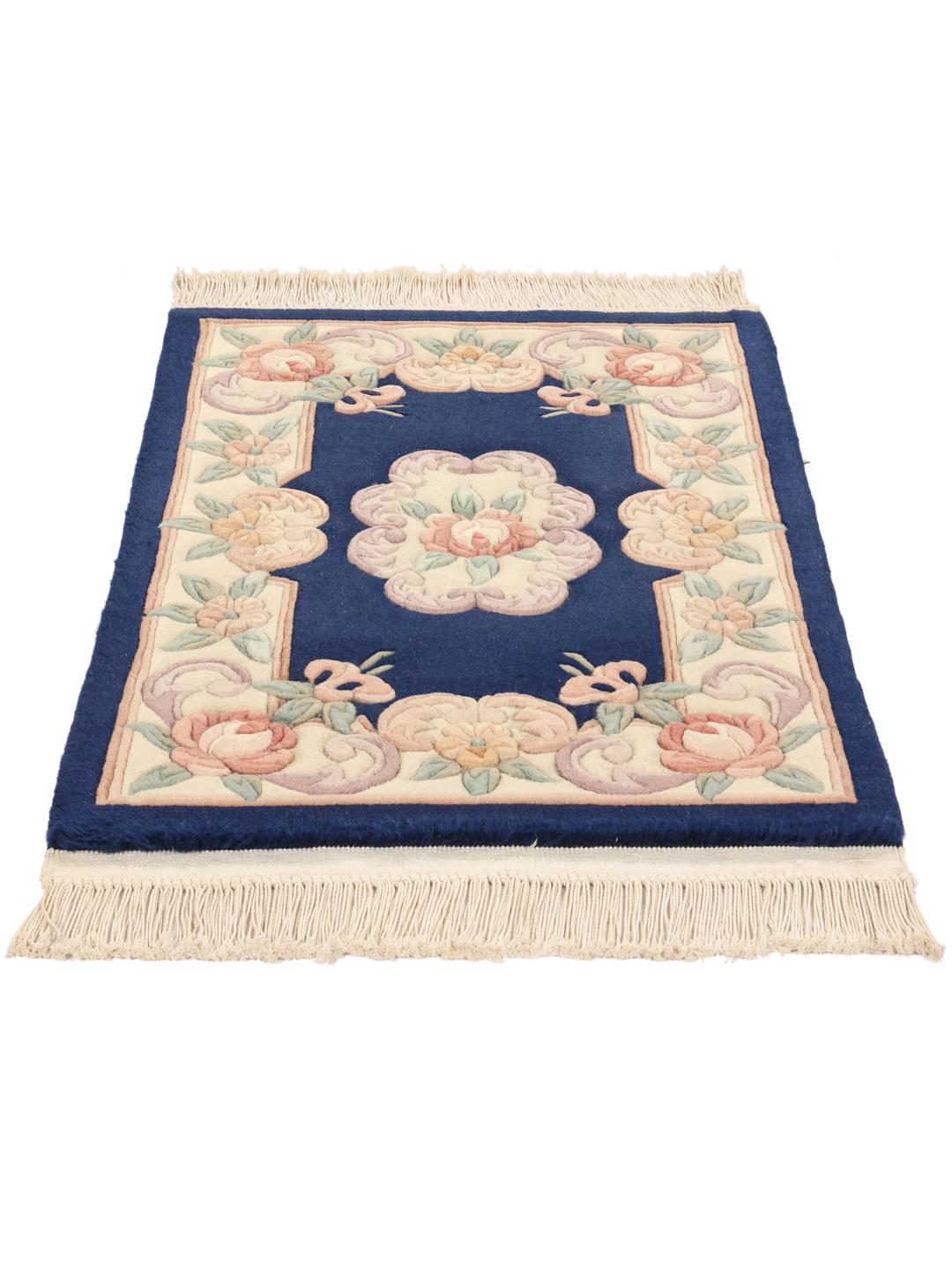
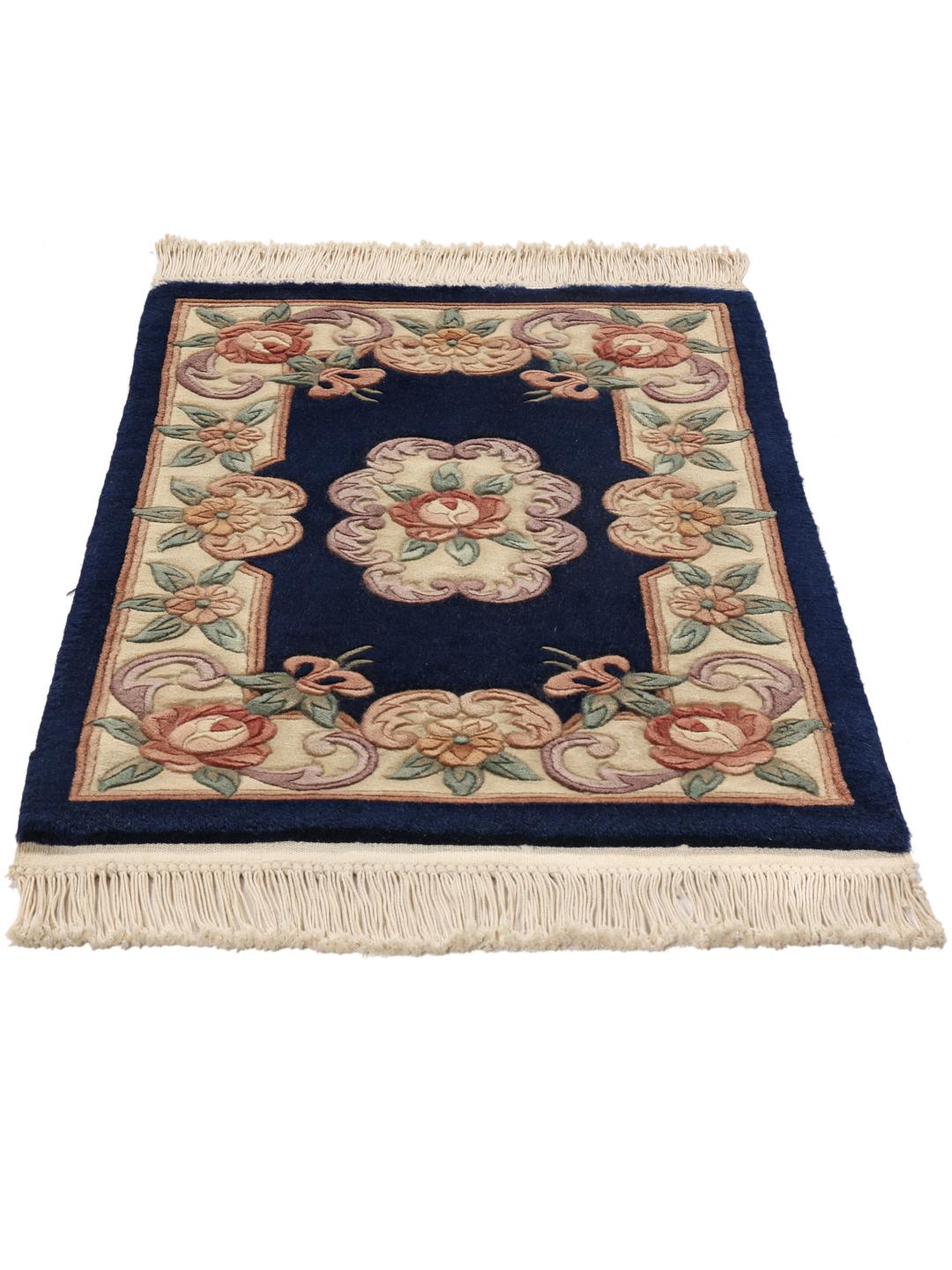
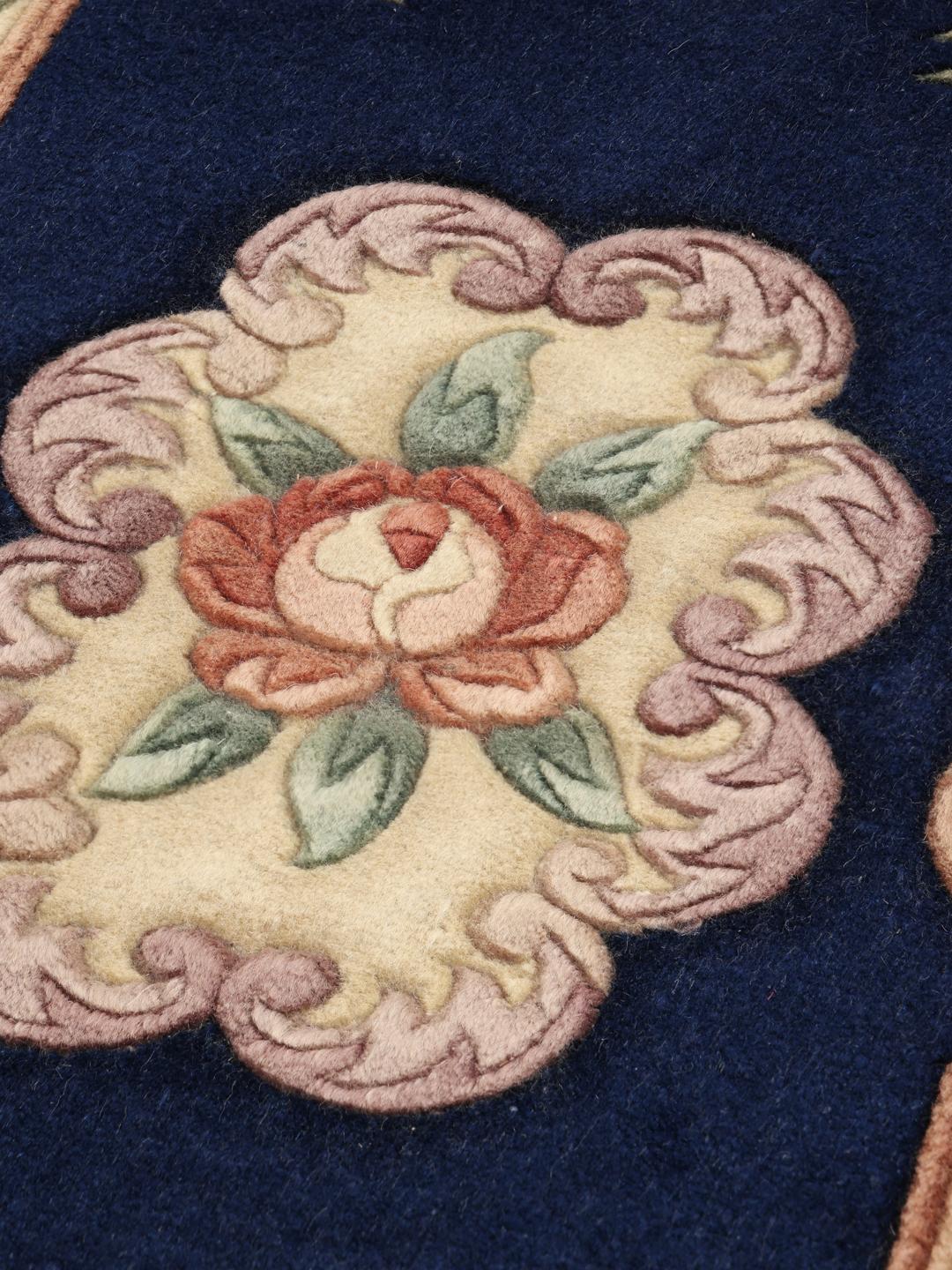
Signature elements in this style often include stylised flowers, such as peonies or lotuses, which are deeply rooted in regional iconography. These motifs are frequently framed by elegant borders that mirror the central design, creating a sense of enclosure and focus. The use of a deep blue field, as seen in this rug, is a classic choice that highlights the lighter, pastel-toned floral work, providing a striking contrast that is both bold and refined.
Collecting a rug from this tradition is an act of preserving a piece of cultural history. These rugs are highly valued not just for their aesthetic grace, but for the human skill required to translate complex, organic designs into a woven format. Owning a piece like this connects you to a long lineage of craftspeople who have dedicated their lives to mastering this delicate art, making it a meaningful addition to any collection.