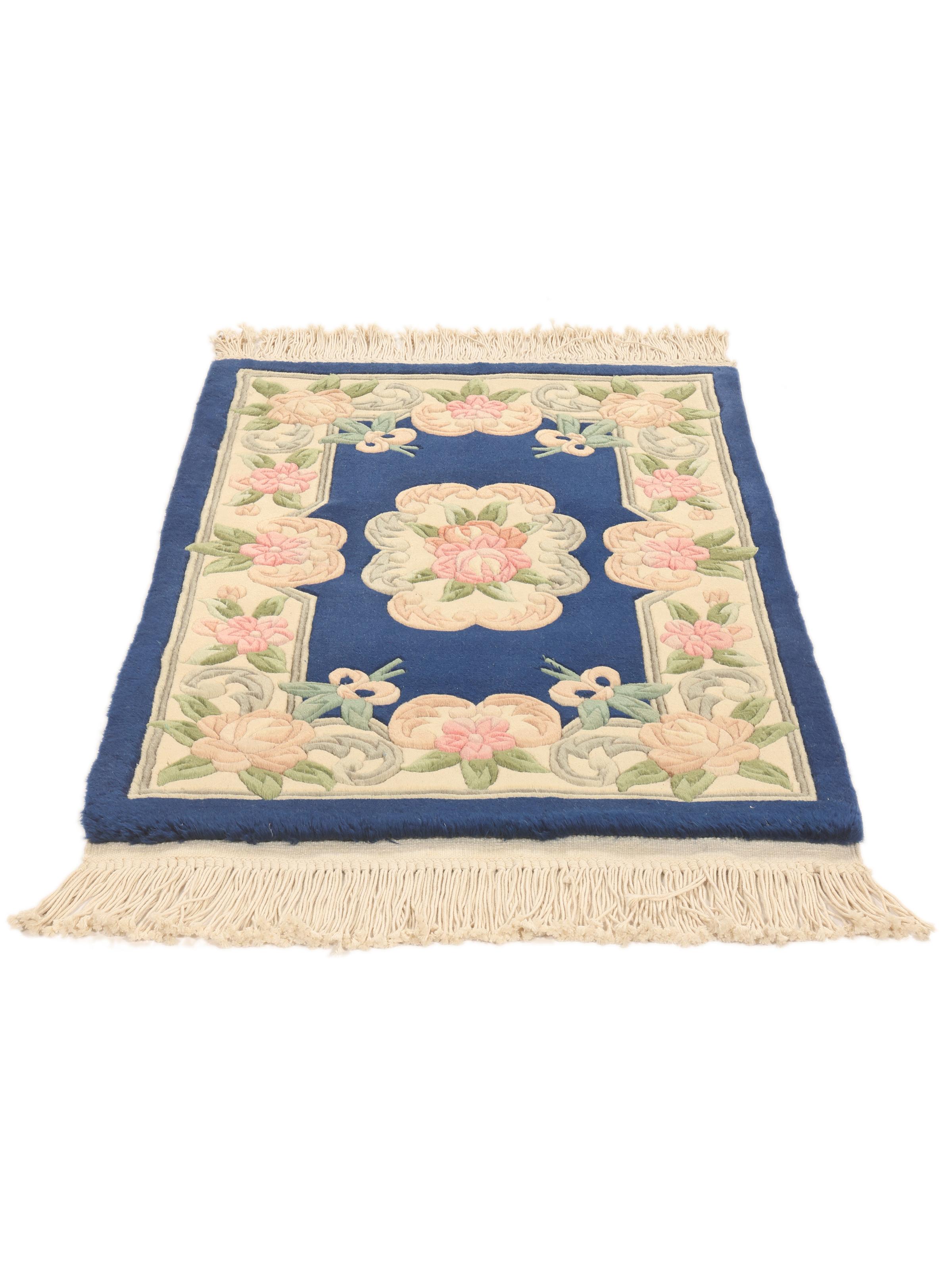
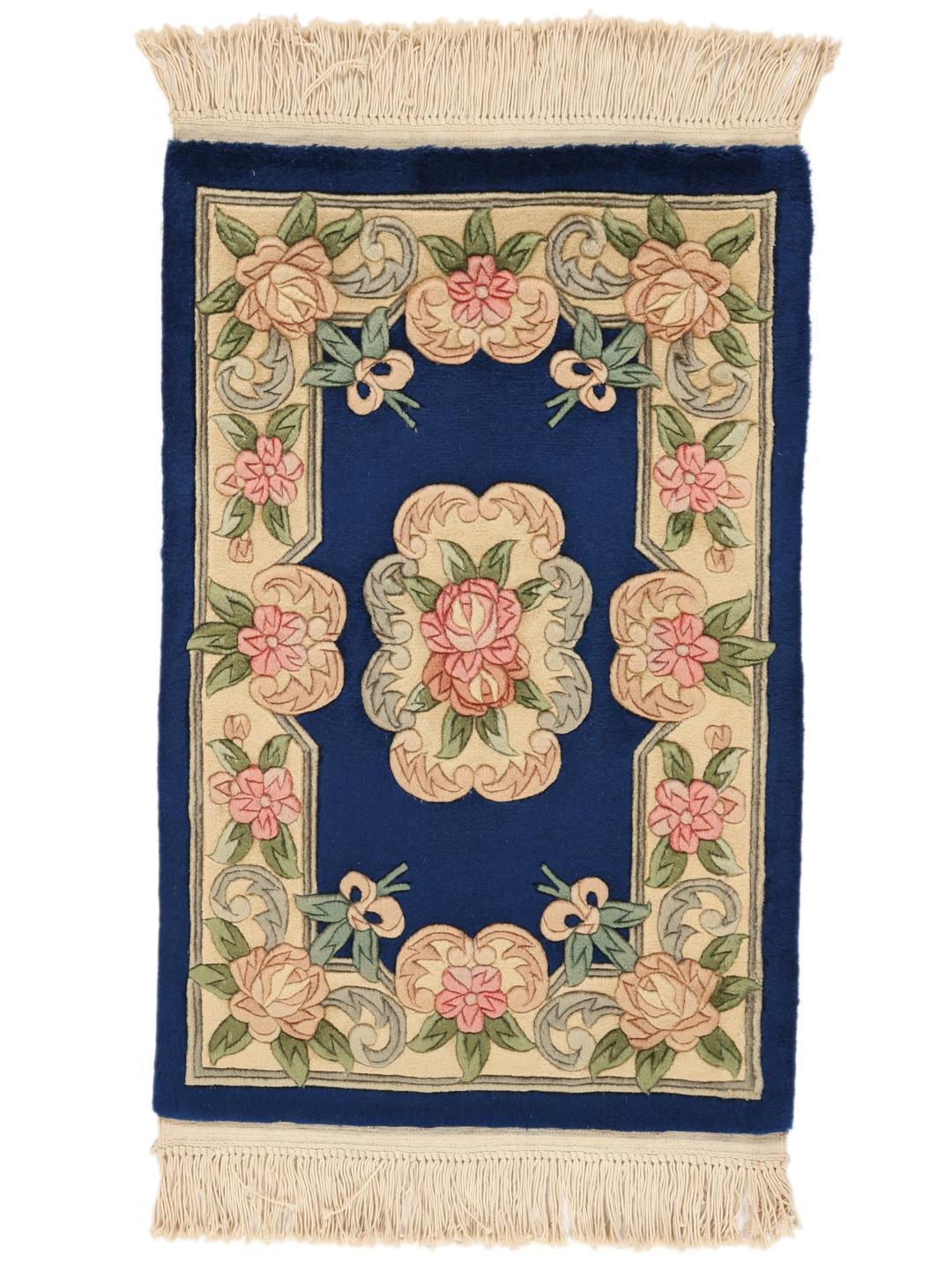
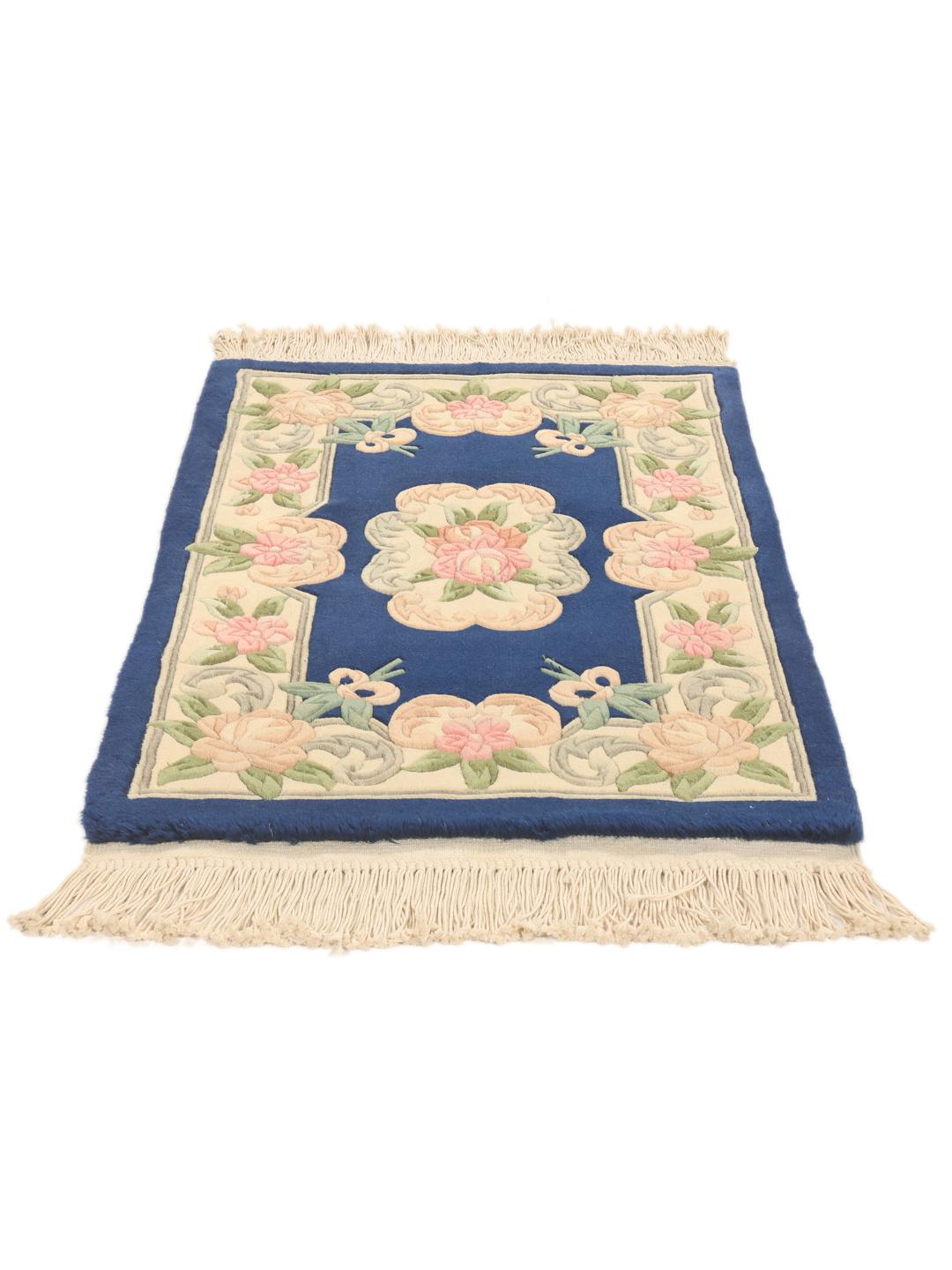
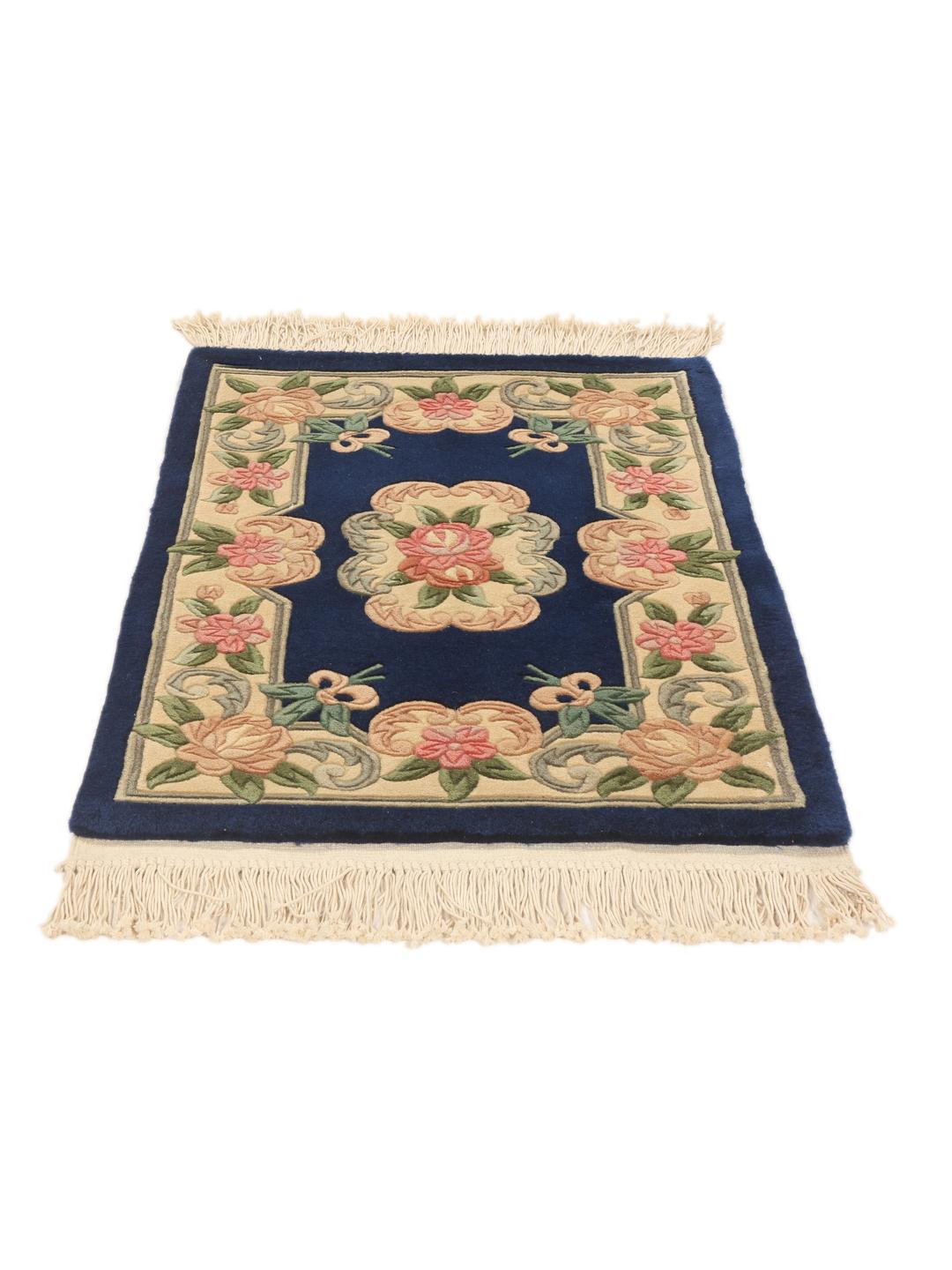
Chinese rug-making is a craft with a rich and varied history, deeply rooted in the artistic traditions of the region. Historically, these rugs were often commissioned for imperial palaces or temples, featuring motifs derived from ancient silk paintings, ceramics, and nature. Today, the tradition continues to evolve, blending these historic aesthetic foundations with modern sensibilities to create pieces that are both culturally significant and highly versatile.
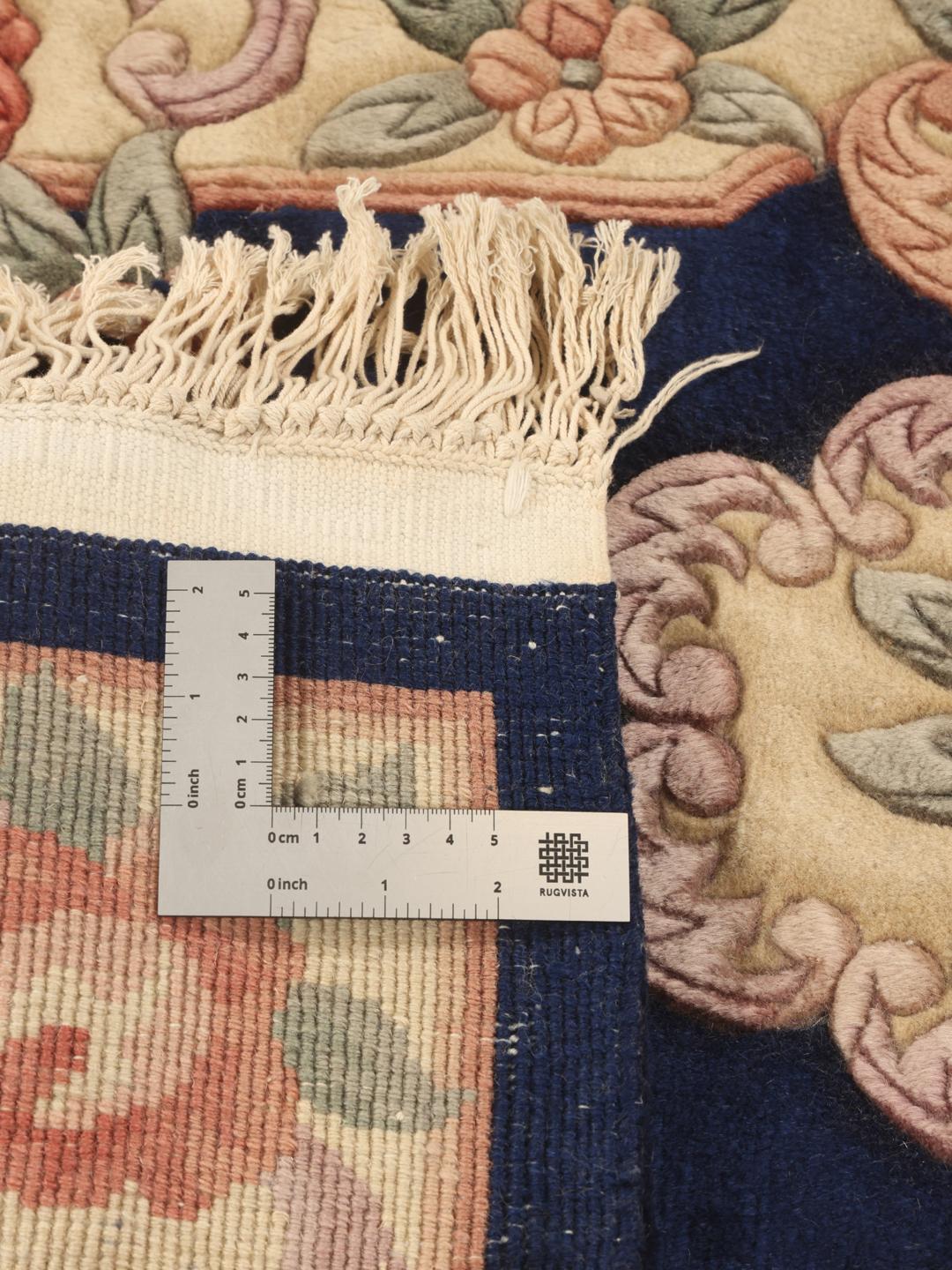
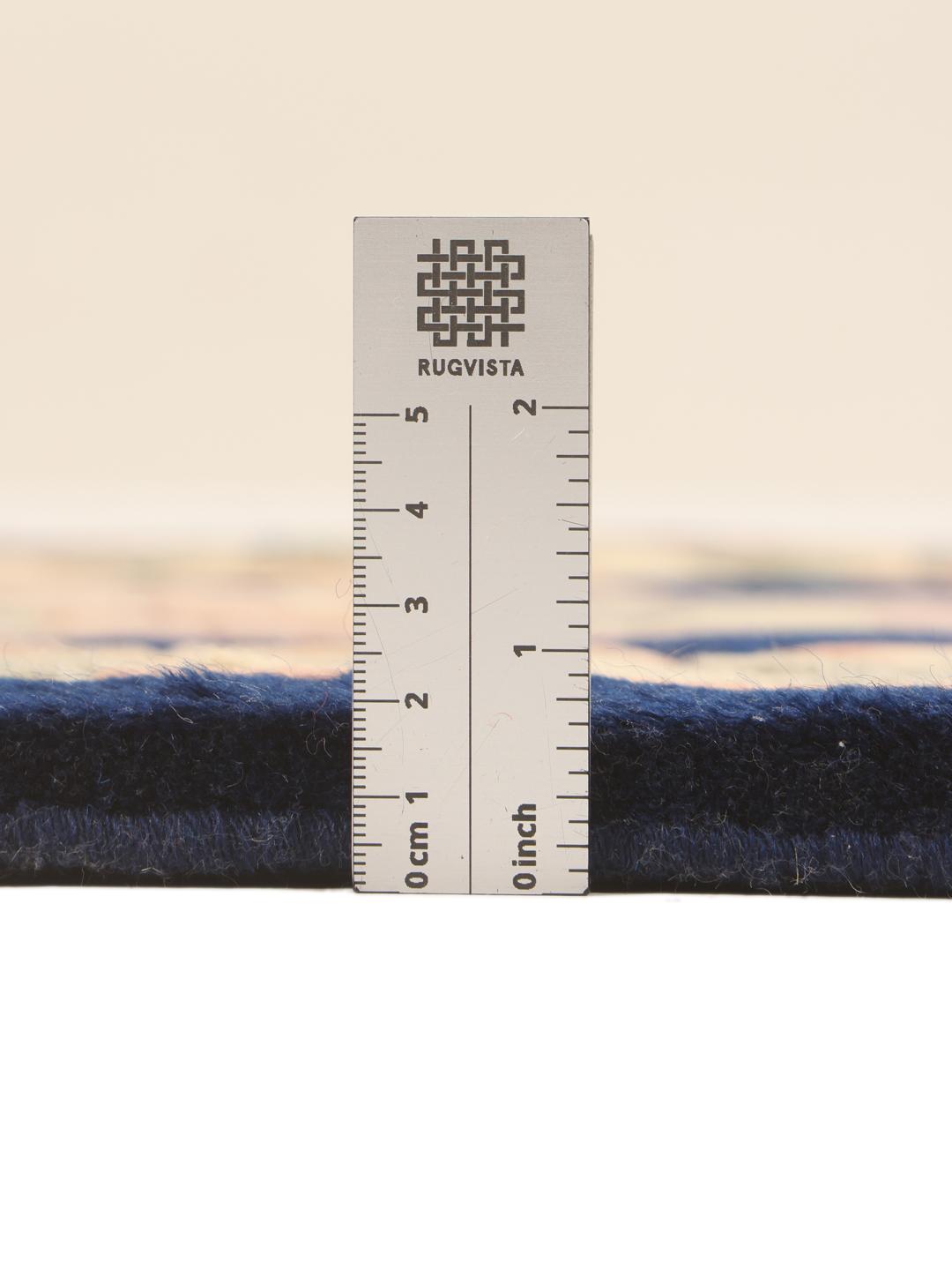
The term '90 line' refers to a specific traditional metric of density in Chinese rug production. This classification system measures the number of knots across a standard width, which directly influences the sharpness of the design and the density of the pile. A higher line count allows for more fluid, intricate floral curves and a more substantial, luxurious feel, ensuring the rug provides both aesthetic joy and lasting performance.
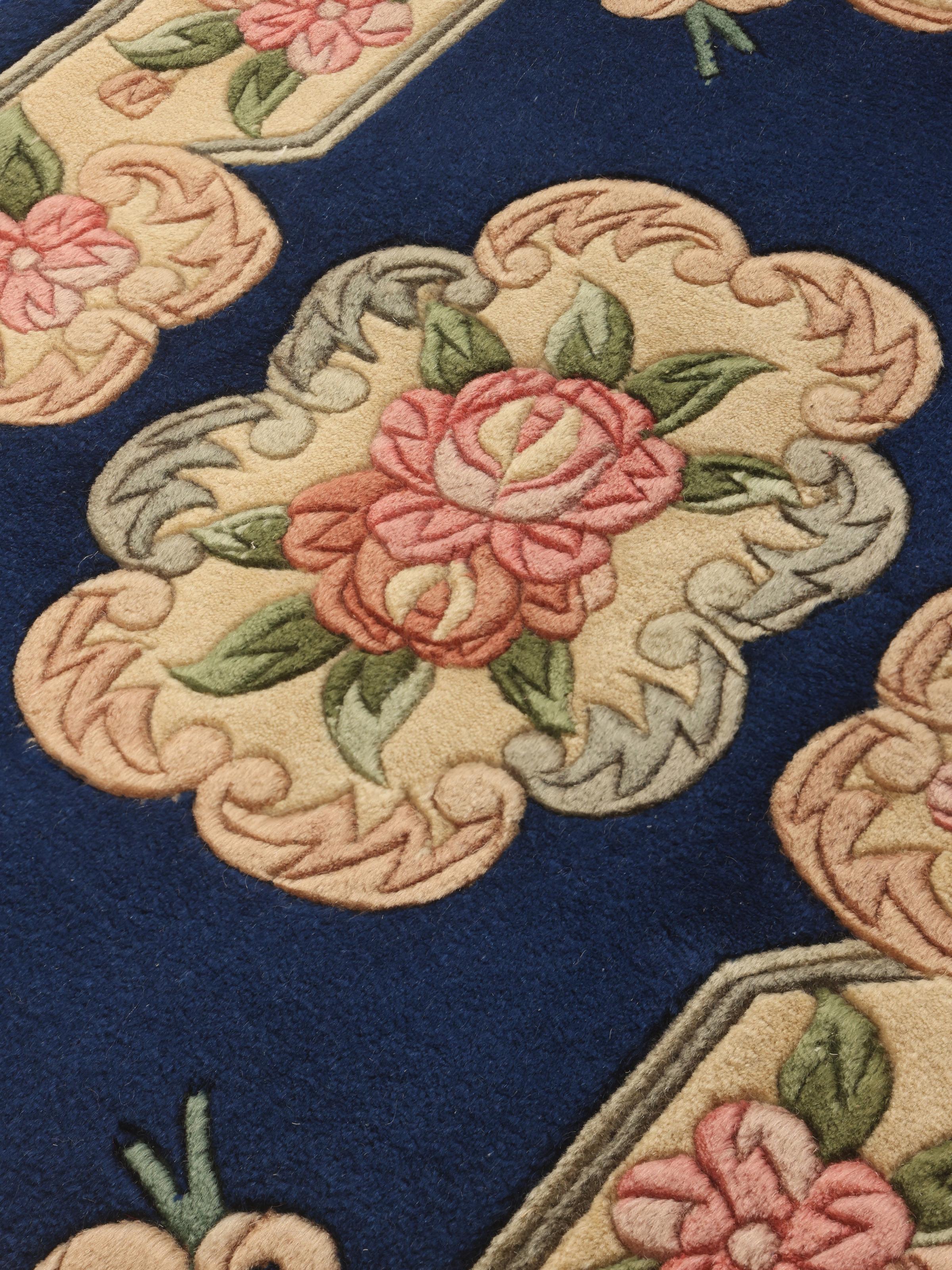
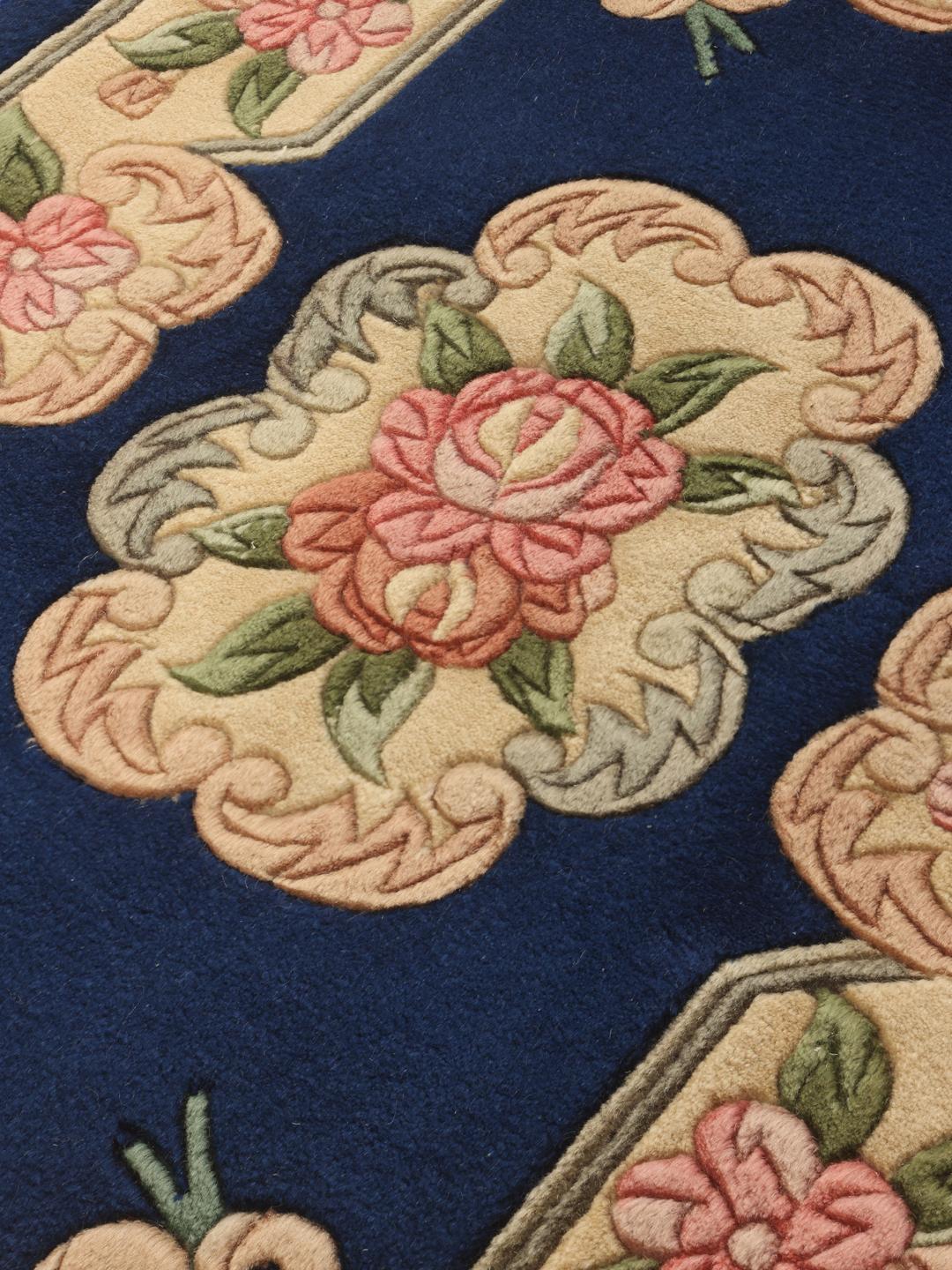
The visual language of this rug is characterised by its balanced composition and artistic floral elements. The use of a clear, defined border to frame the central field is a hallmark of this style, often drawing inspiration from the 'Hundred Antiques' or traditional botanical motifs. These designs are not merely decorative but are imbued with symbolism, often representing longevity, prosperity, and the natural beauty of the changing seasons.
Collectors value these rugs for their unique combination of technical precision and artistic expression. Owning a hand-knotted piece from this tradition is an investment in human skill and cultural heritage. It represents a commitment to quality over mass production, offering a sense of depth and history that transforms a simple floor covering into a cherished heirloom.