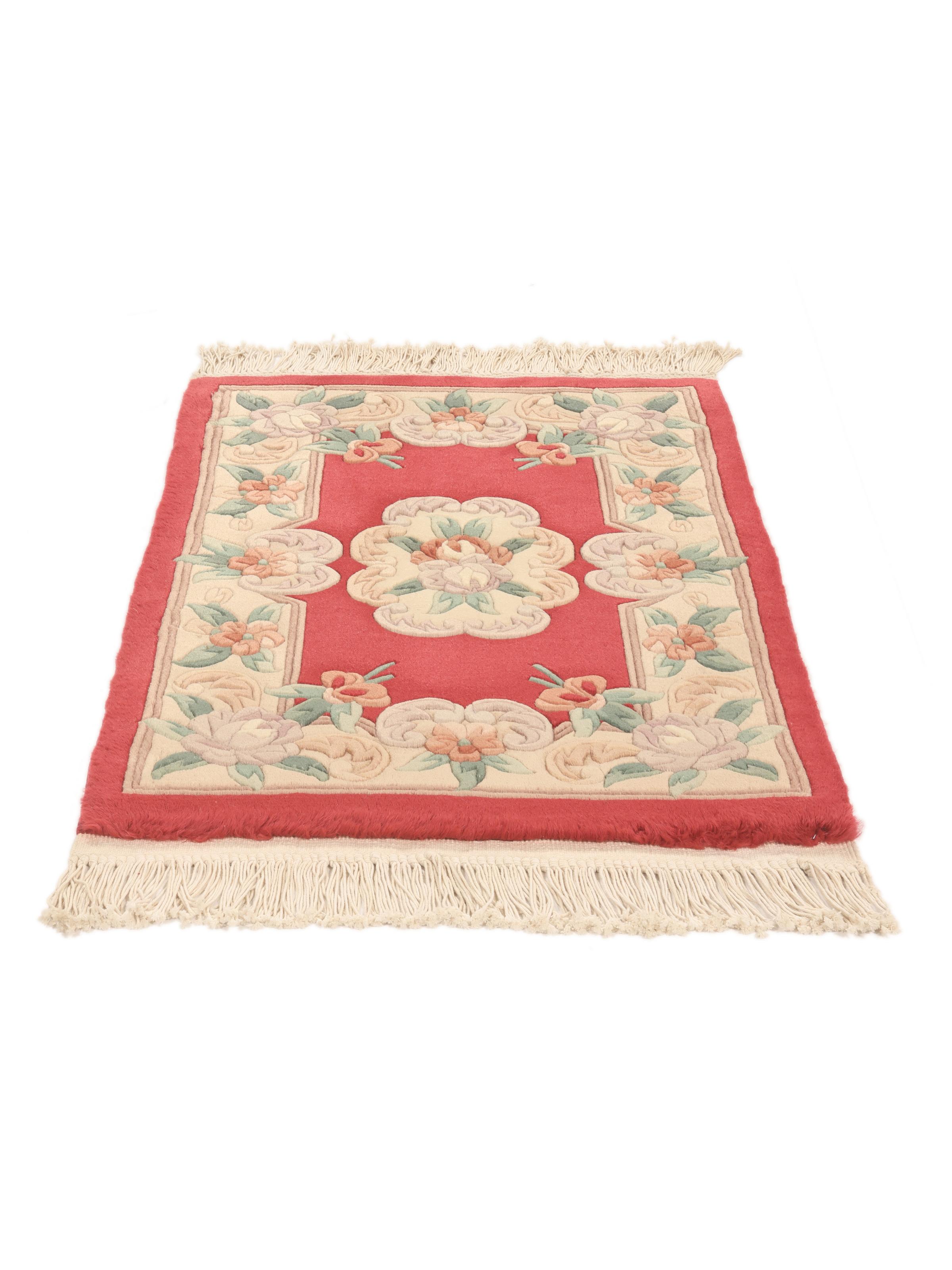
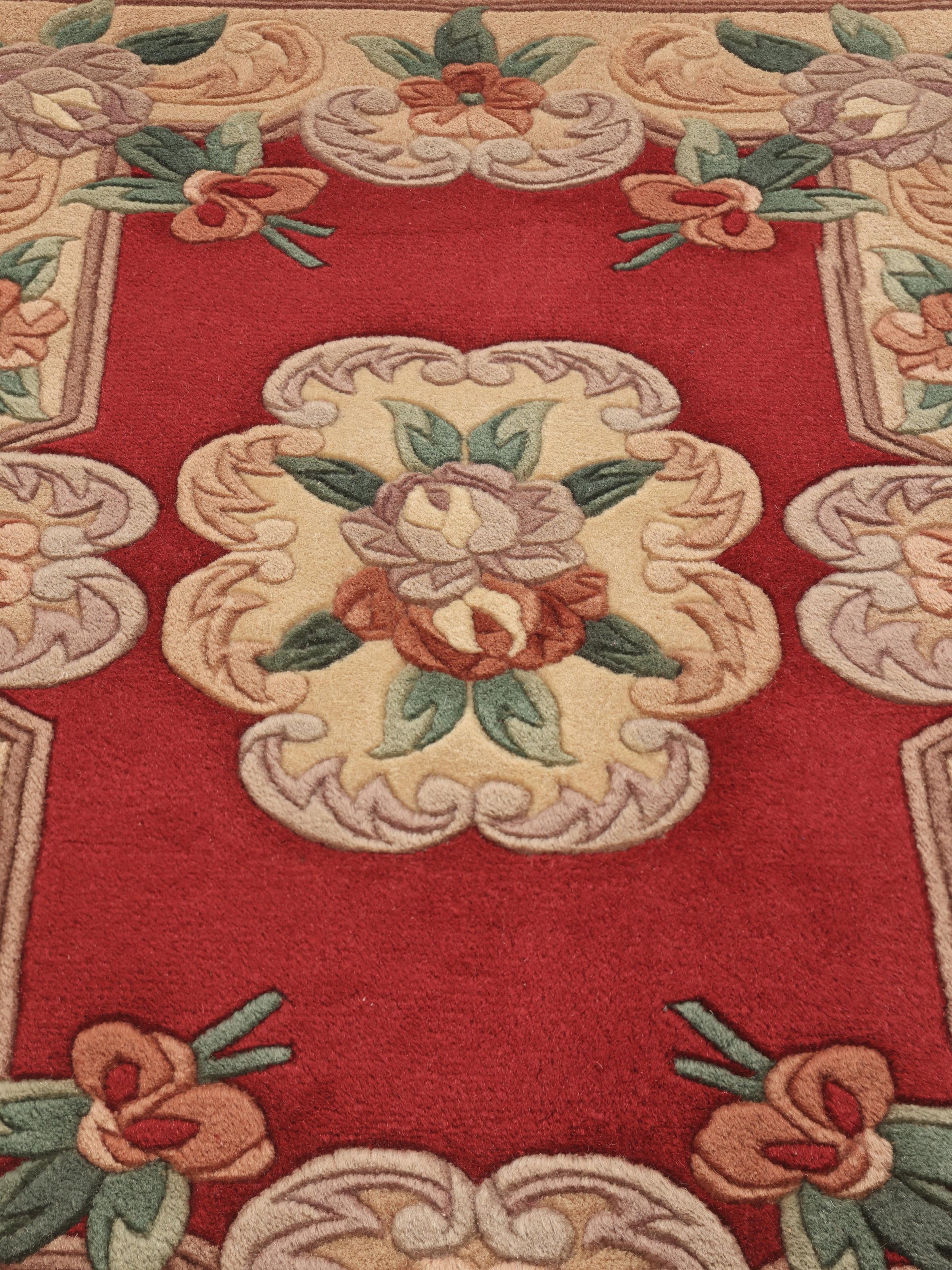
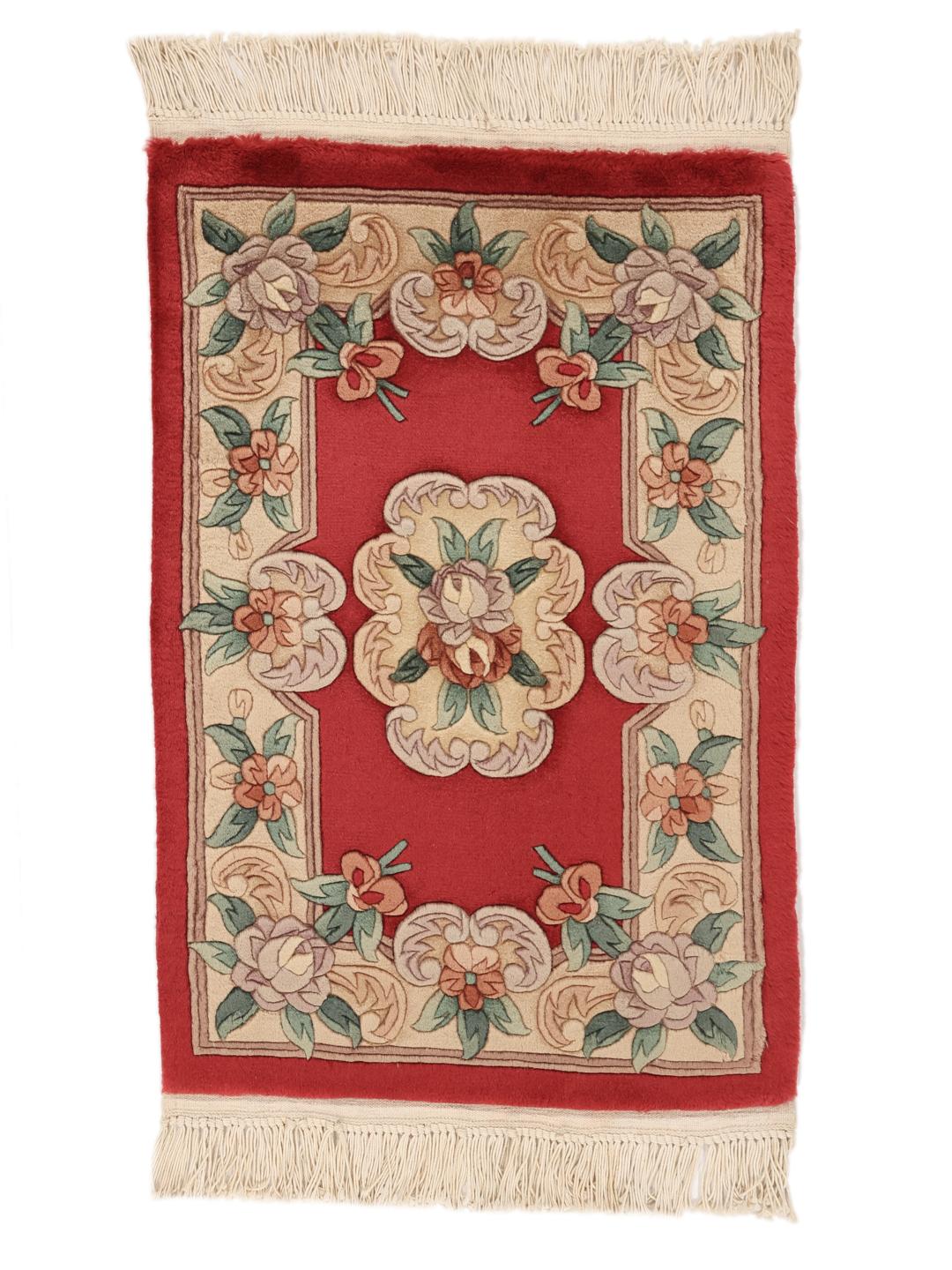
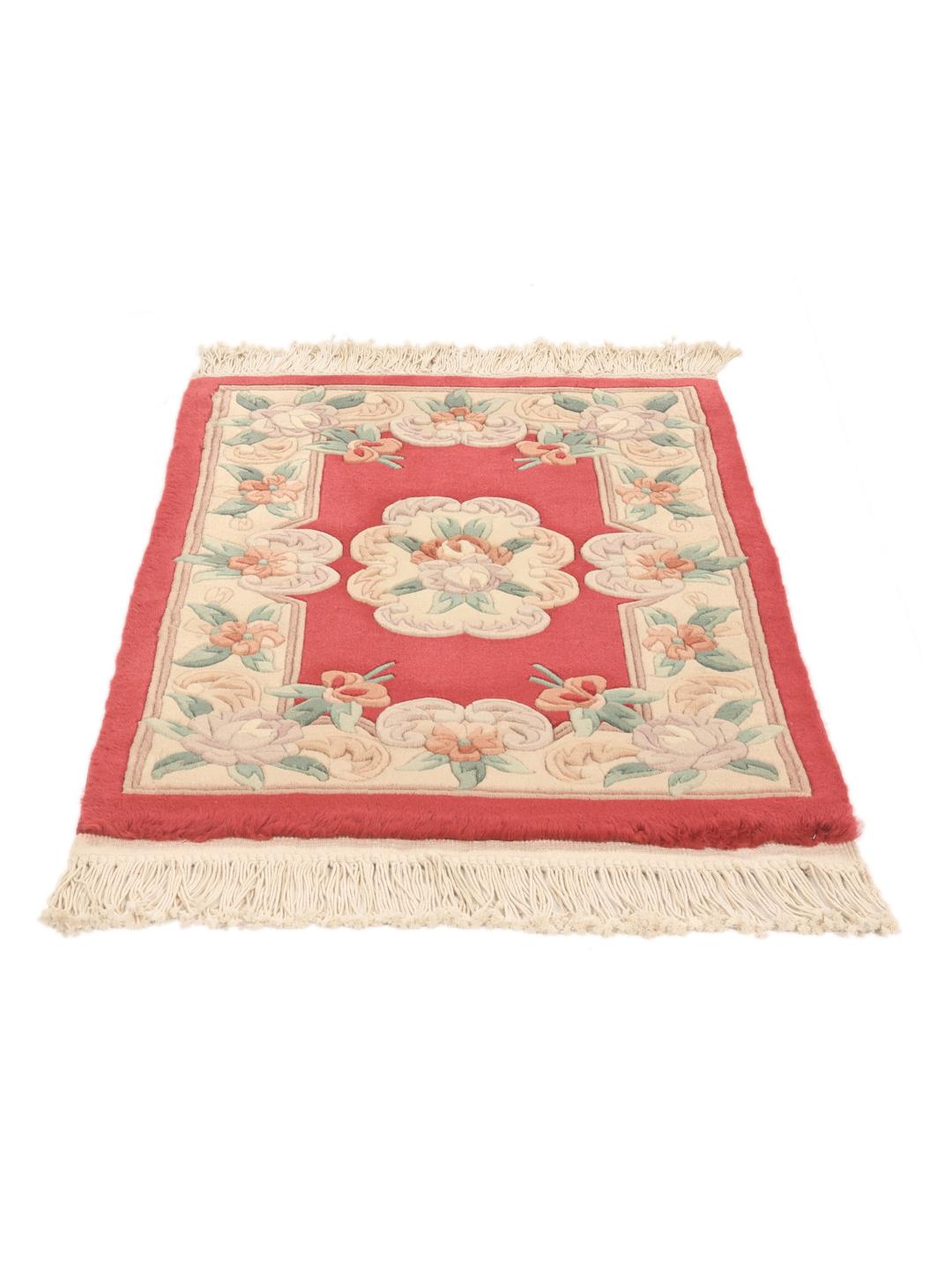
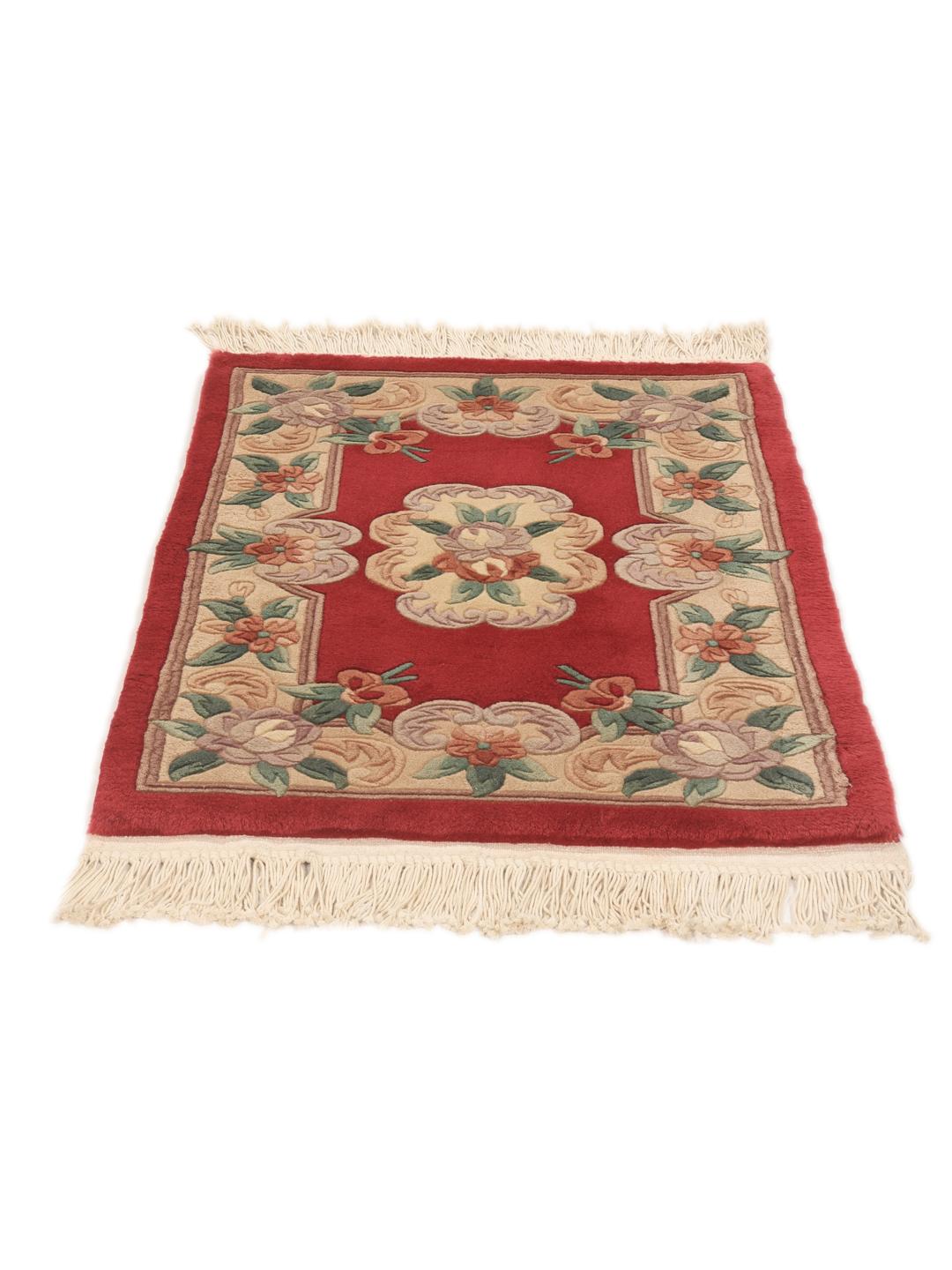
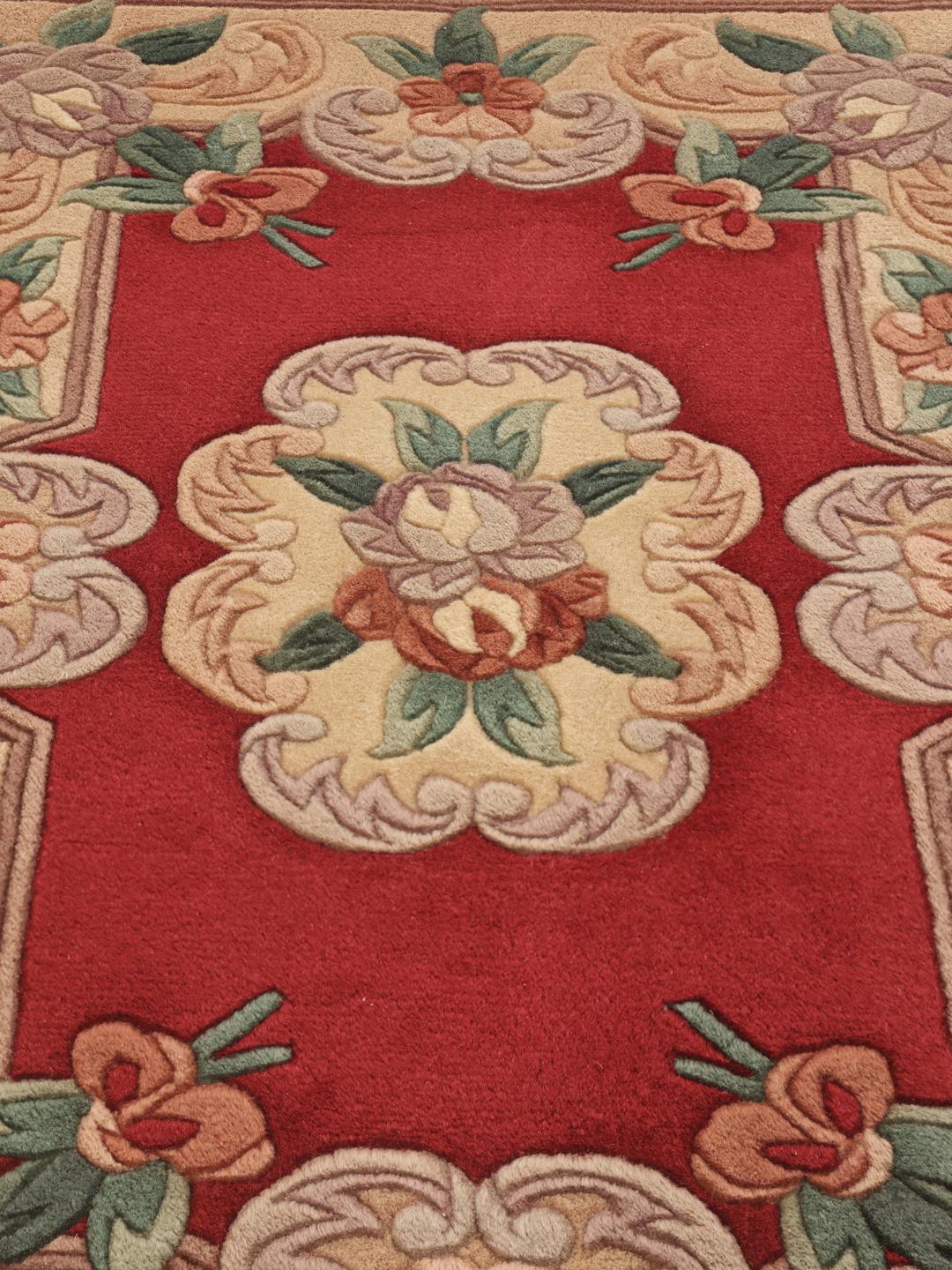
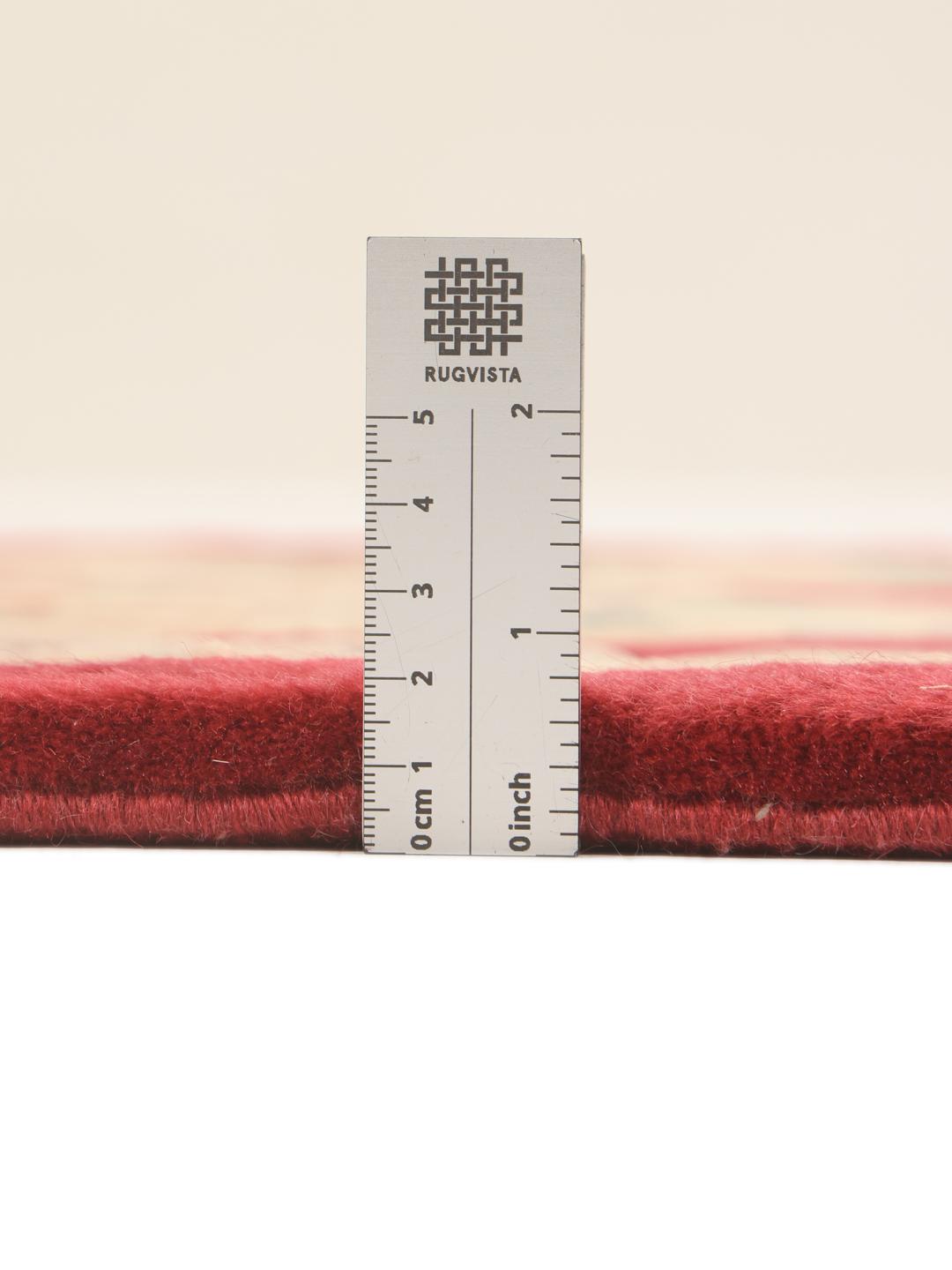
The history of rug making in China is a centuries-old tradition that has evolved from functional floor coverings to elevated works of art. Traditionally, Chinese rugs are known for their sculptural pile, where the design is carved into the wool to create a three-dimensional effect. This technique highlights the motifs and adds a layer of depth that is distinct from the flatter rugs found in other parts of the world.
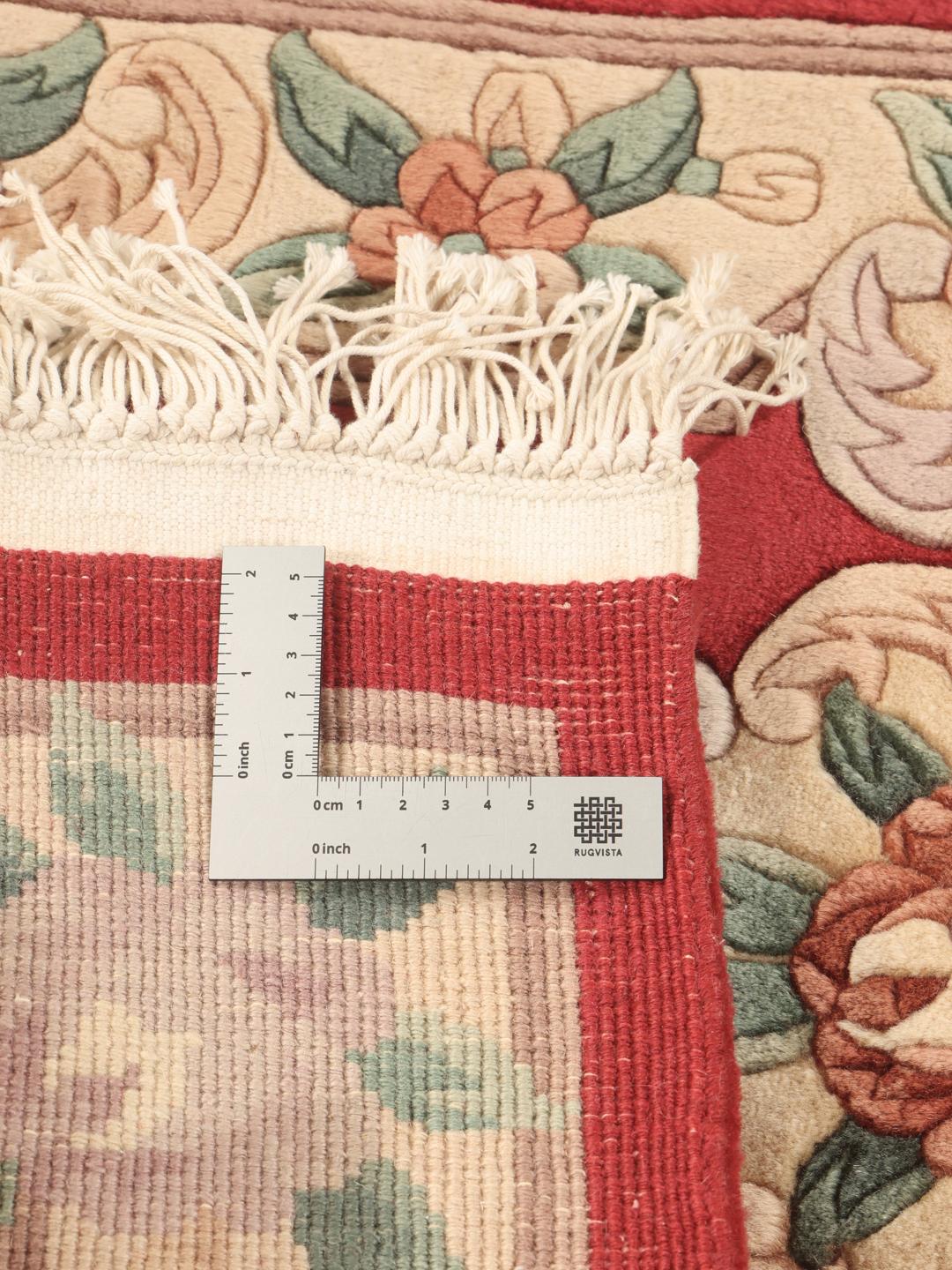
The '90 Line' refers to a specific technical measurement of quality in Chinese rug production, indicating the number of knots across a set width. This system has been used for decades to standardise the density and fineness of the weave. A 90-line construction provides a balance between a refined design and a practical, durable pile, making these rugs highly sought after for their ability to withstand the demands of a home while maintaining a sophisticated appearance.
Floral motifs are deeply rooted in Chinese artistic heritage, often drawing inspiration from nature, silk embroidery, and traditional porcelain painting. These designs are not merely decorative but often carry symbolic meaning, representing harmony and prosperity. The use of a central medallion surrounded by lush, flowing flowers is a hallmark of this style, creating a sense of balance and calm that remains popular in interior design today.
Collecting Chinese rugs from this tradition is a way to preserve a legacy of exquisite craft. Because these rugs are handmade, they hold a value that transcends their functional use, representing the cultural history of the regions where they were produced. Owning a piece from this tradition connects you to a lineage of makers who have spent generations refining their skills to create rugs that are meant to be cherished for a lifetime.