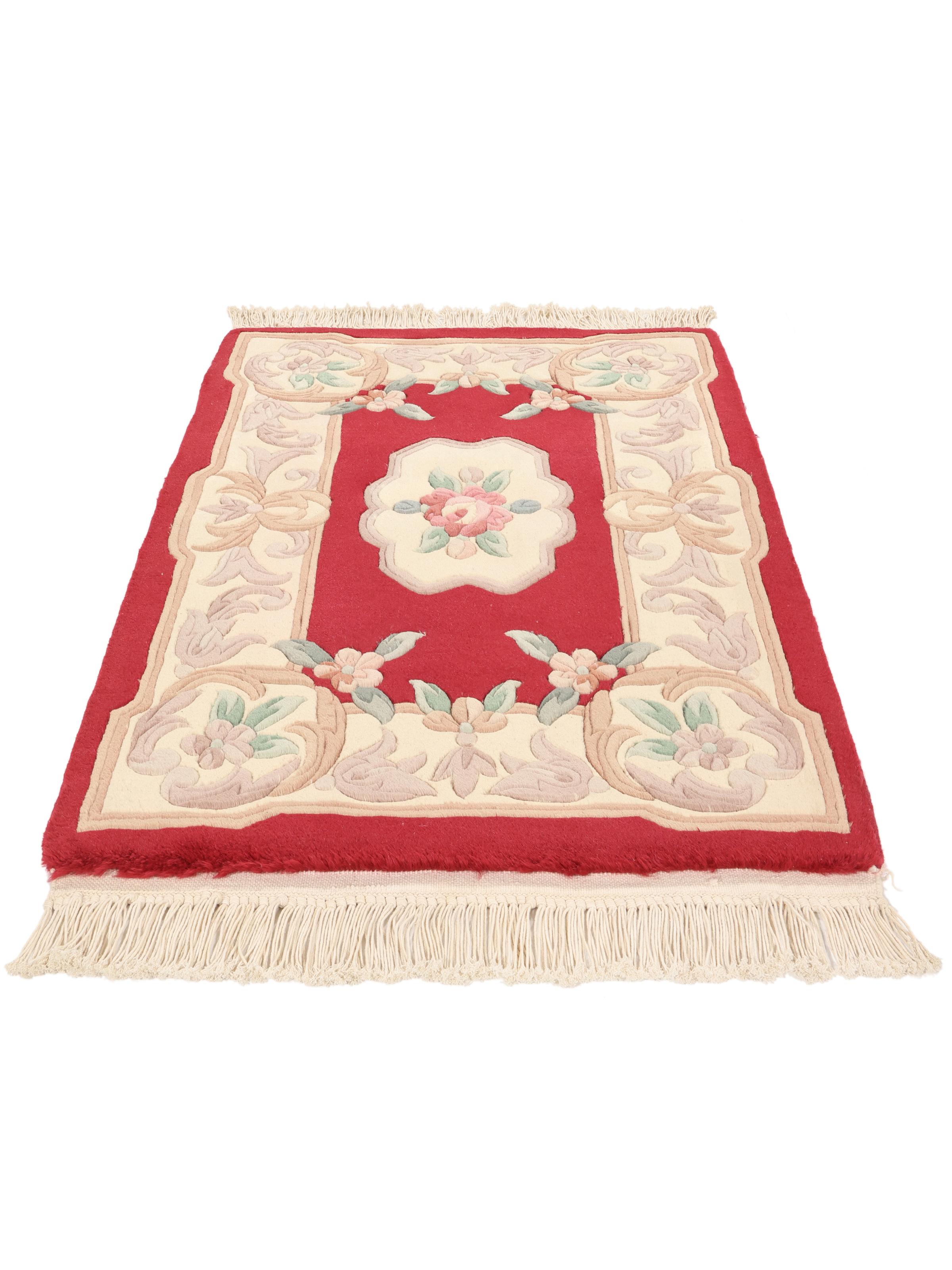
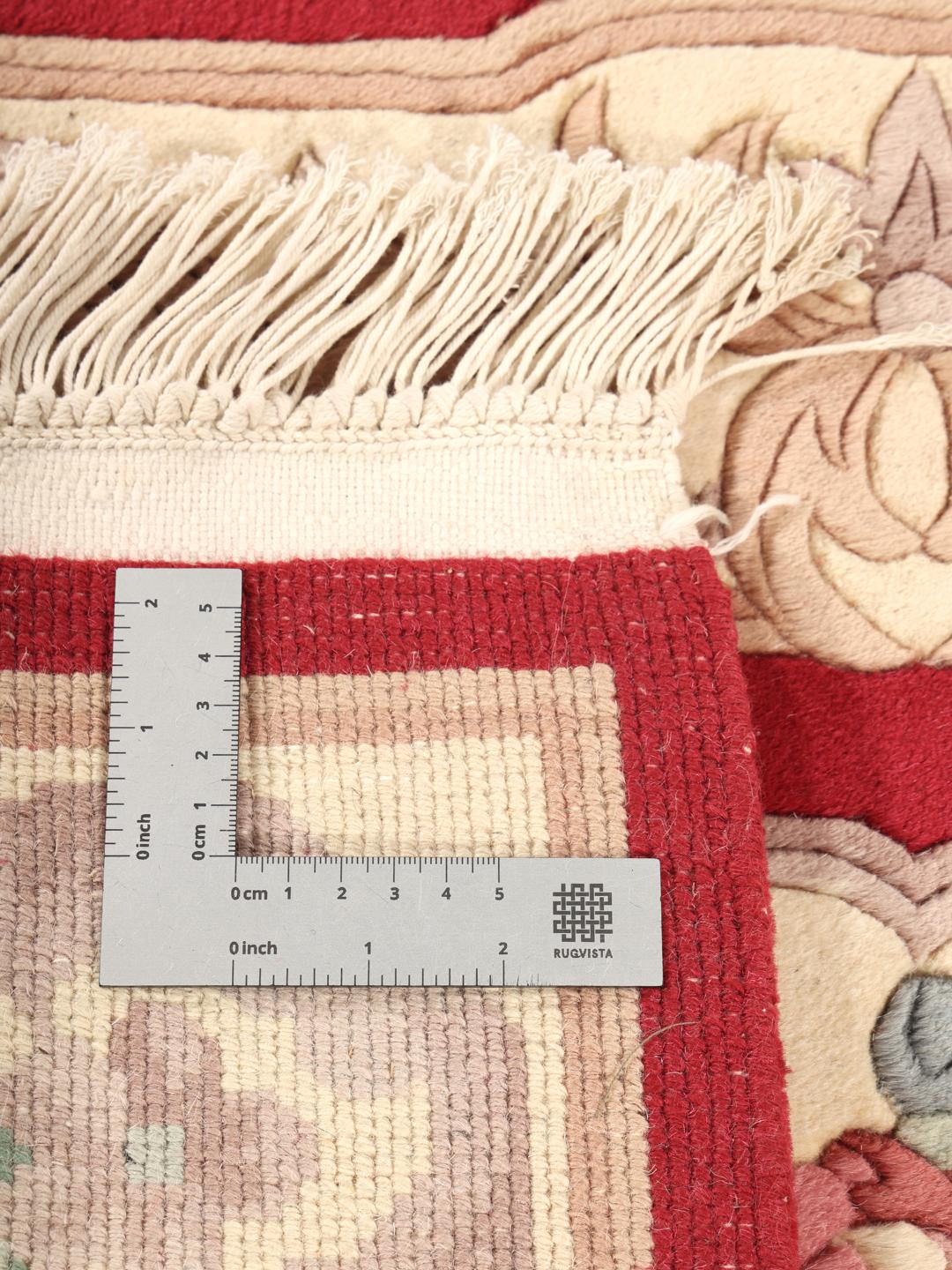
The art of rug making in China is a centuries-old tradition that has evolved into a highly respected craft. Historically, Chinese rugs were often commissioned for imperial palaces and temples, featuring motifs that held deep cultural significance, such as flowers, dragons, and clouds. Today, this tradition continues through the work of skilled artisans who blend these ancient aesthetic sensibilities with modern design needs.
The term 'line' in the context of Chinese rug making refers to the knot density, which serves as a vital indicator of the rug's quality and detail. A higher line count means more knots per square metre, which allows for finer, more intricate patterns and a denser, more resilient pile. This technical precision is essential for achieving the elegant, clear-cut floral designs that characterise these rugs.
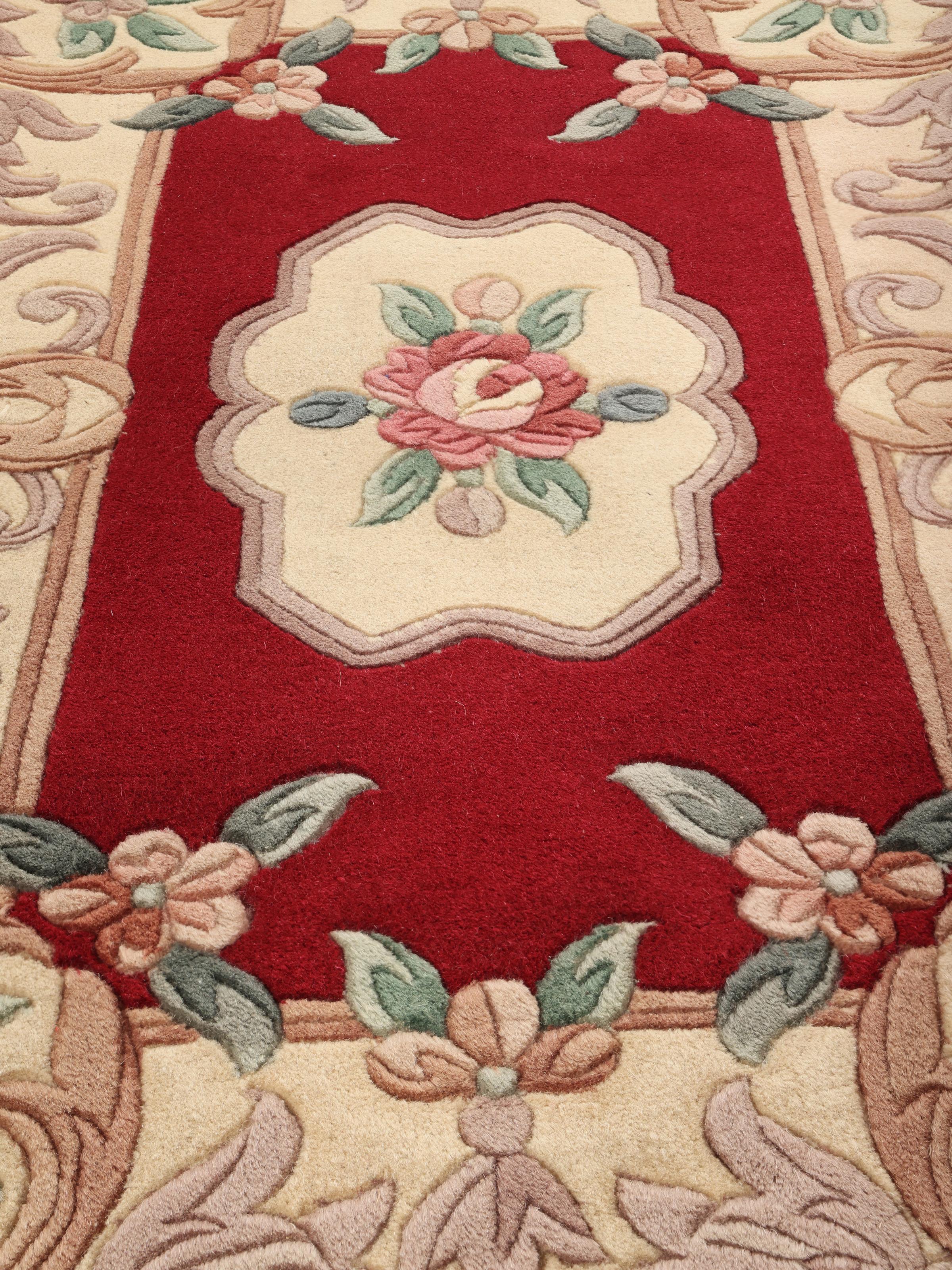
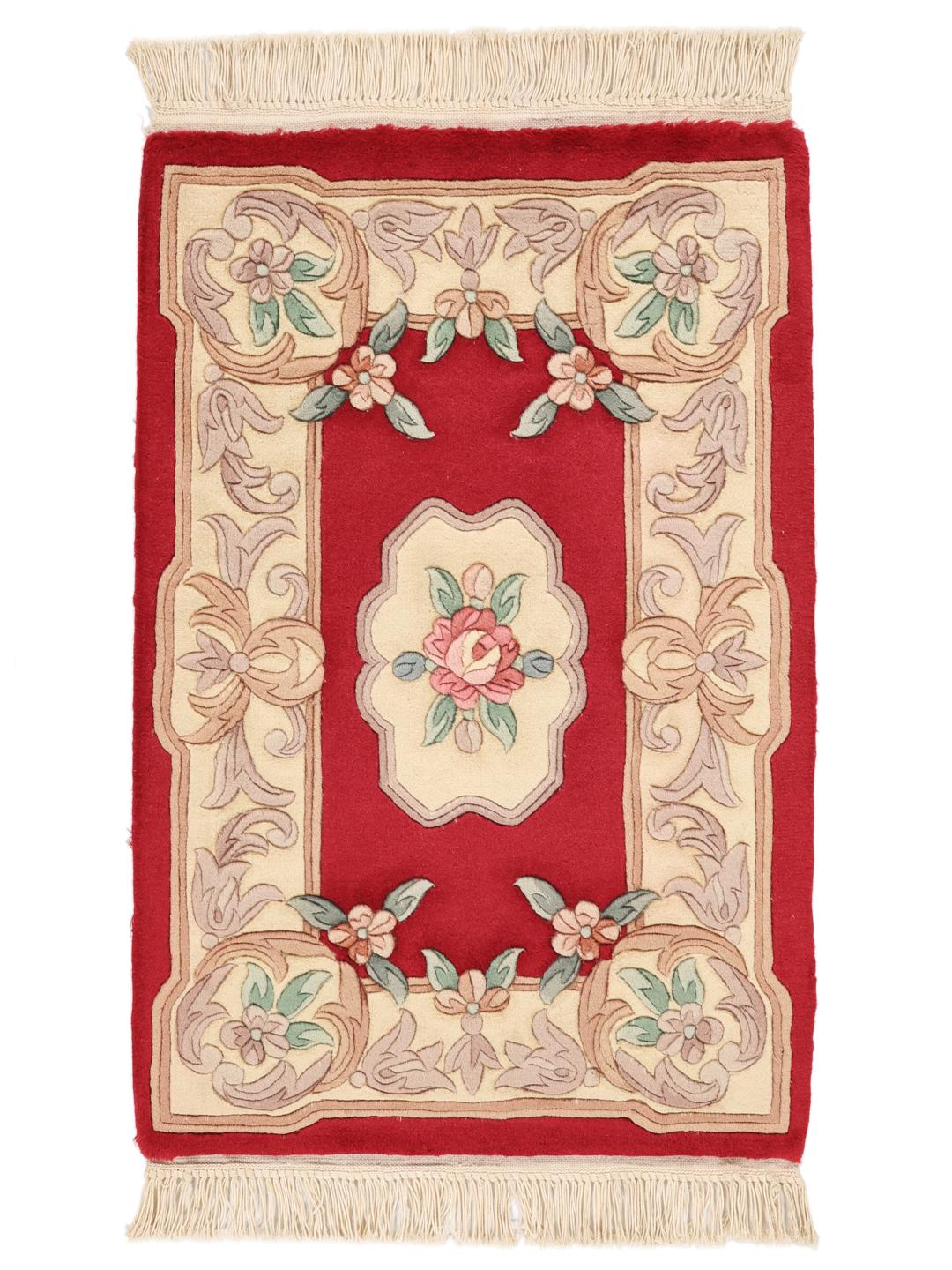
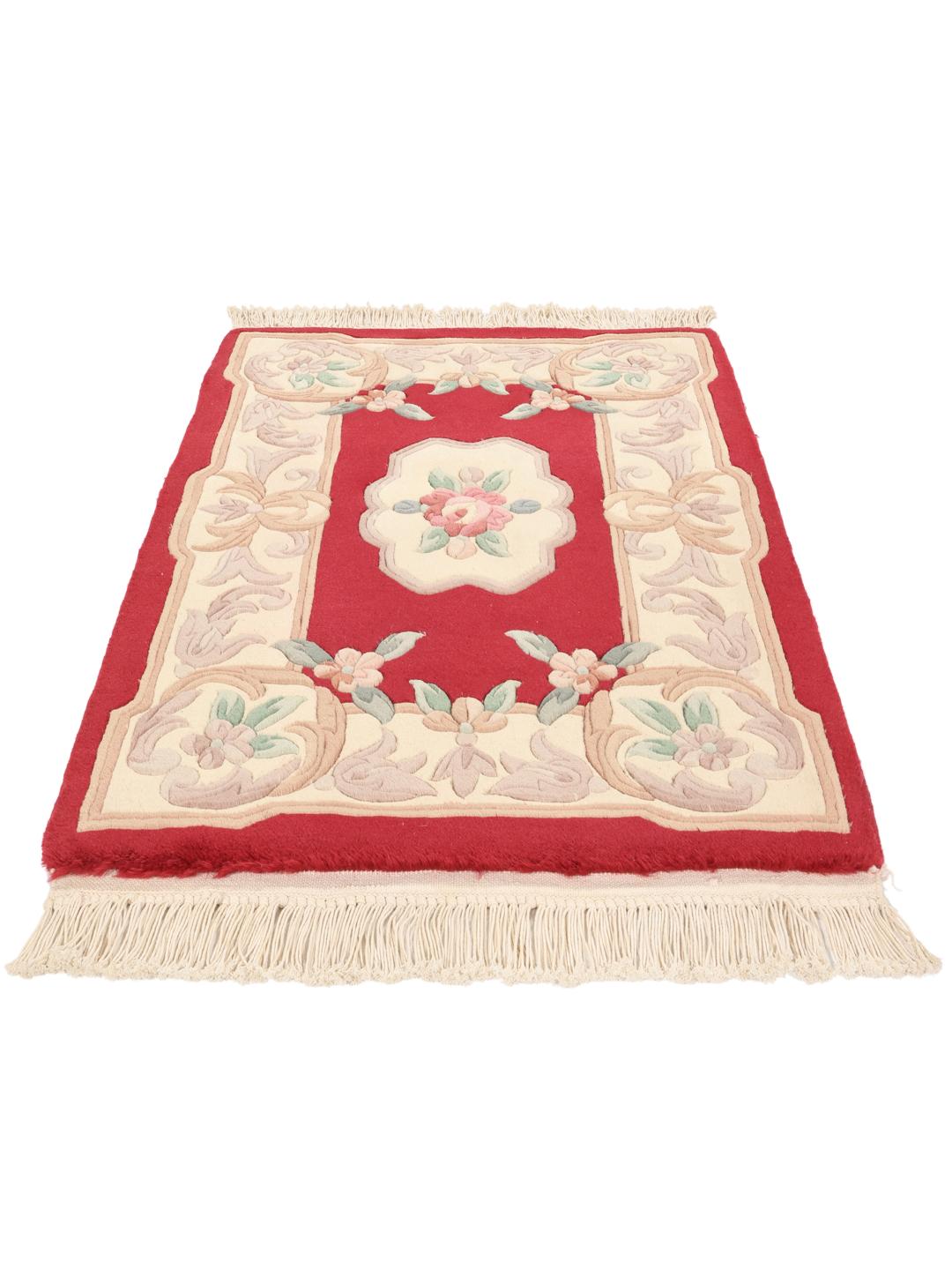
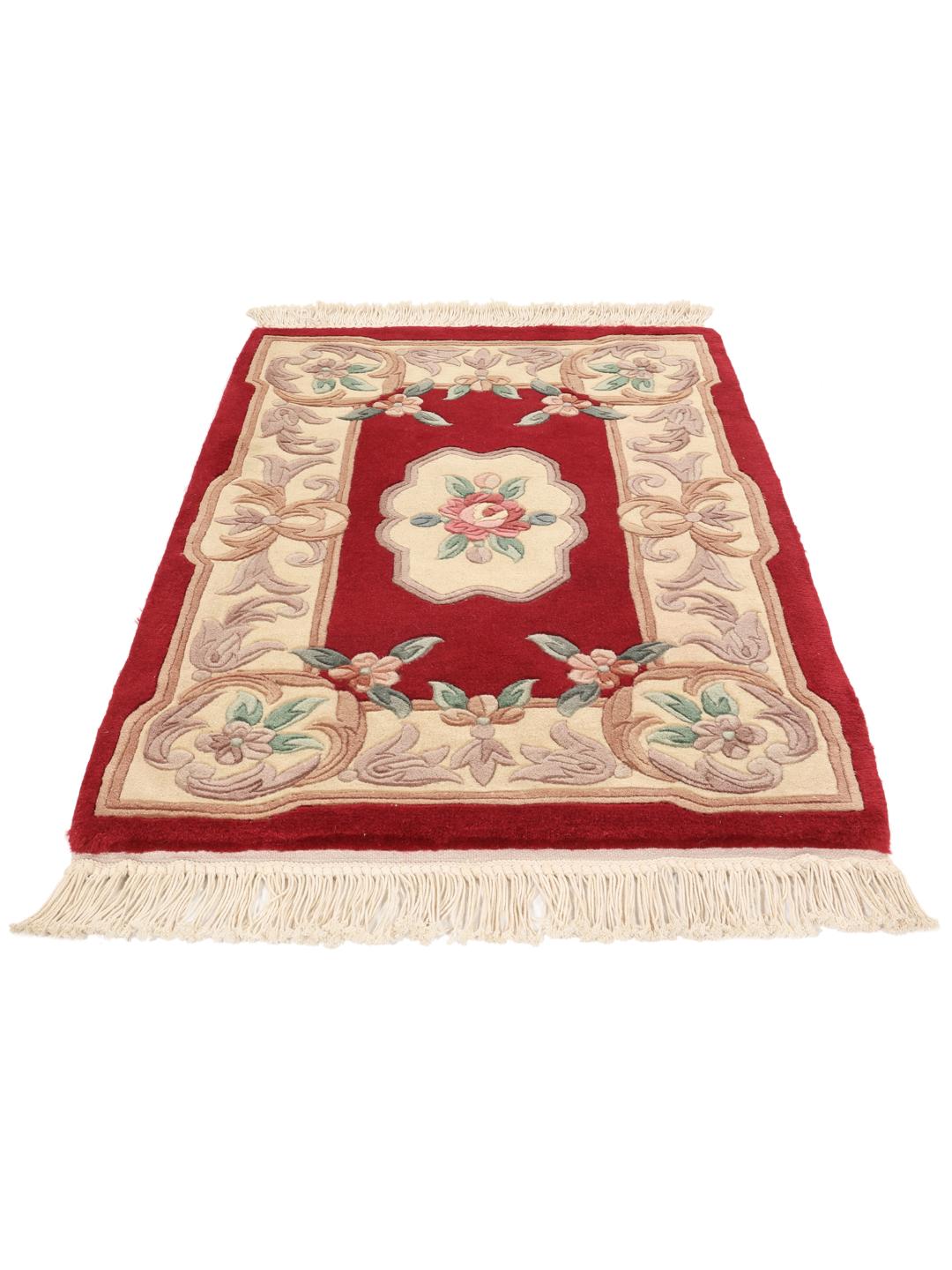
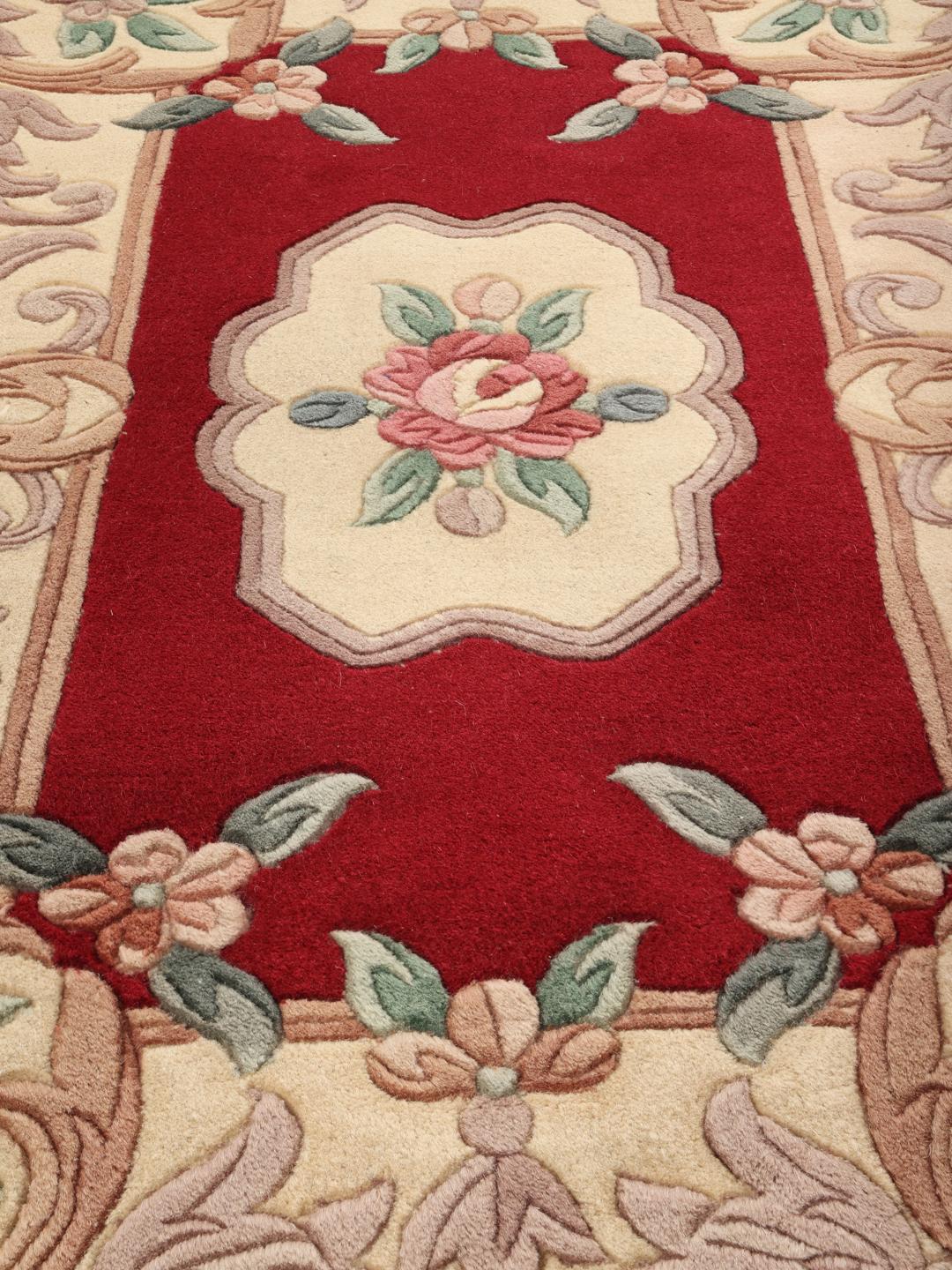
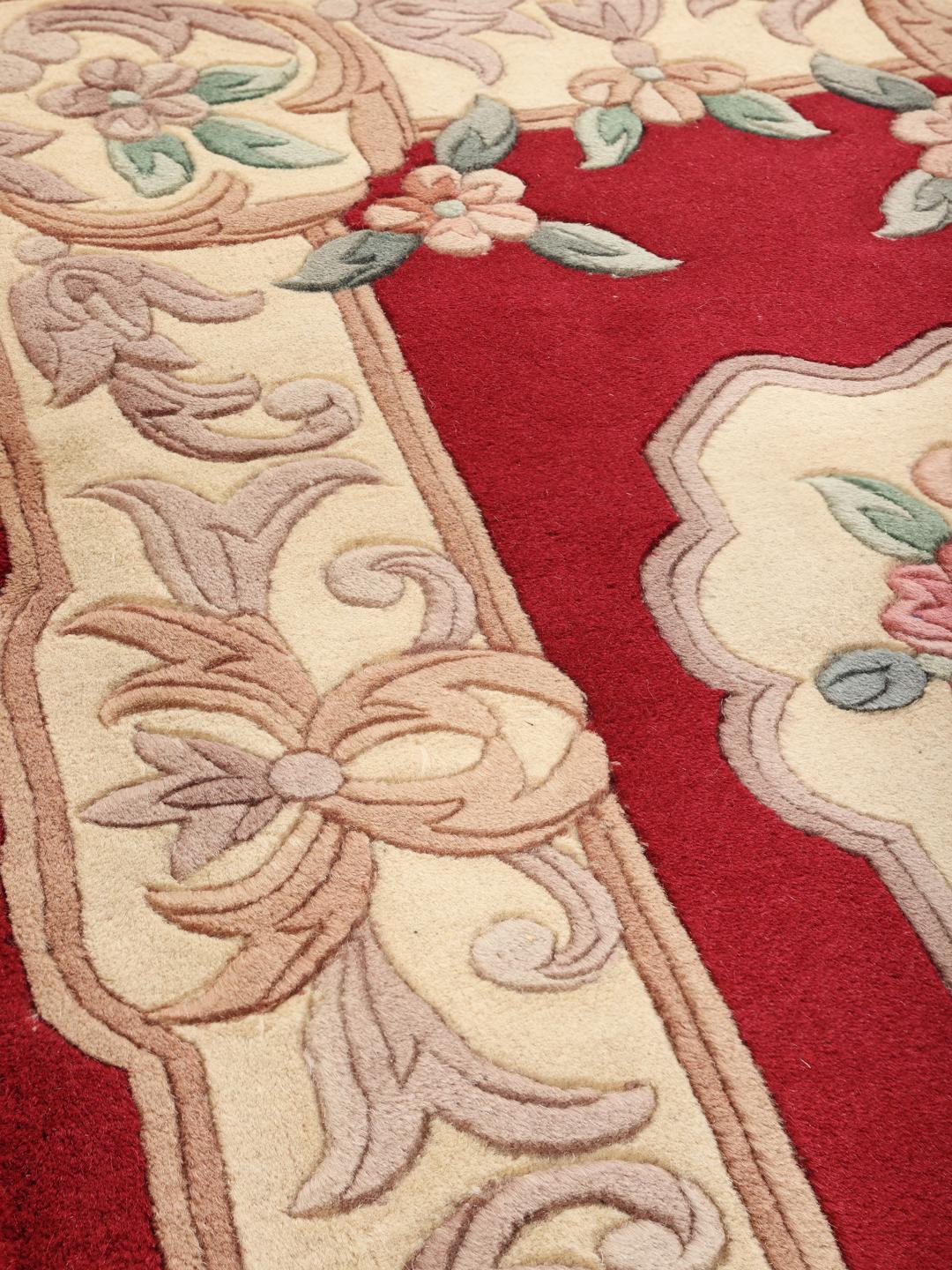
Chinese rugs are famously recognised for their use of distinct, often embossed or sculpted floral motifs. The designs typically emphasise balance and harmony, with a central medallion often framed by flowing botanical borders. The colour palette frequently balances deep, bold field colours with softer, natural tones, creating a sophisticated visual contrast that makes these pieces stand out in any interior.
These rugs are highly valued by collectors and homeowners alike for their combination of artistic beauty and robust construction. Owning a piece from this tradition is an investment in a craft that prioritises both form and function. It represents a commitment to supporting human skill and preserving a heritage of textile excellence that has been passed down through generations.