Chinese rug weaving is a tradition that spans centuries, evolving from functional floor coverings into highly artistic expressions of culture. Historically, these rugs were influenced by the intricate motifs found in imperial ceramics and silk textiles, often incorporating floral and botanical themes that symbolise prosperity and natural beauty.
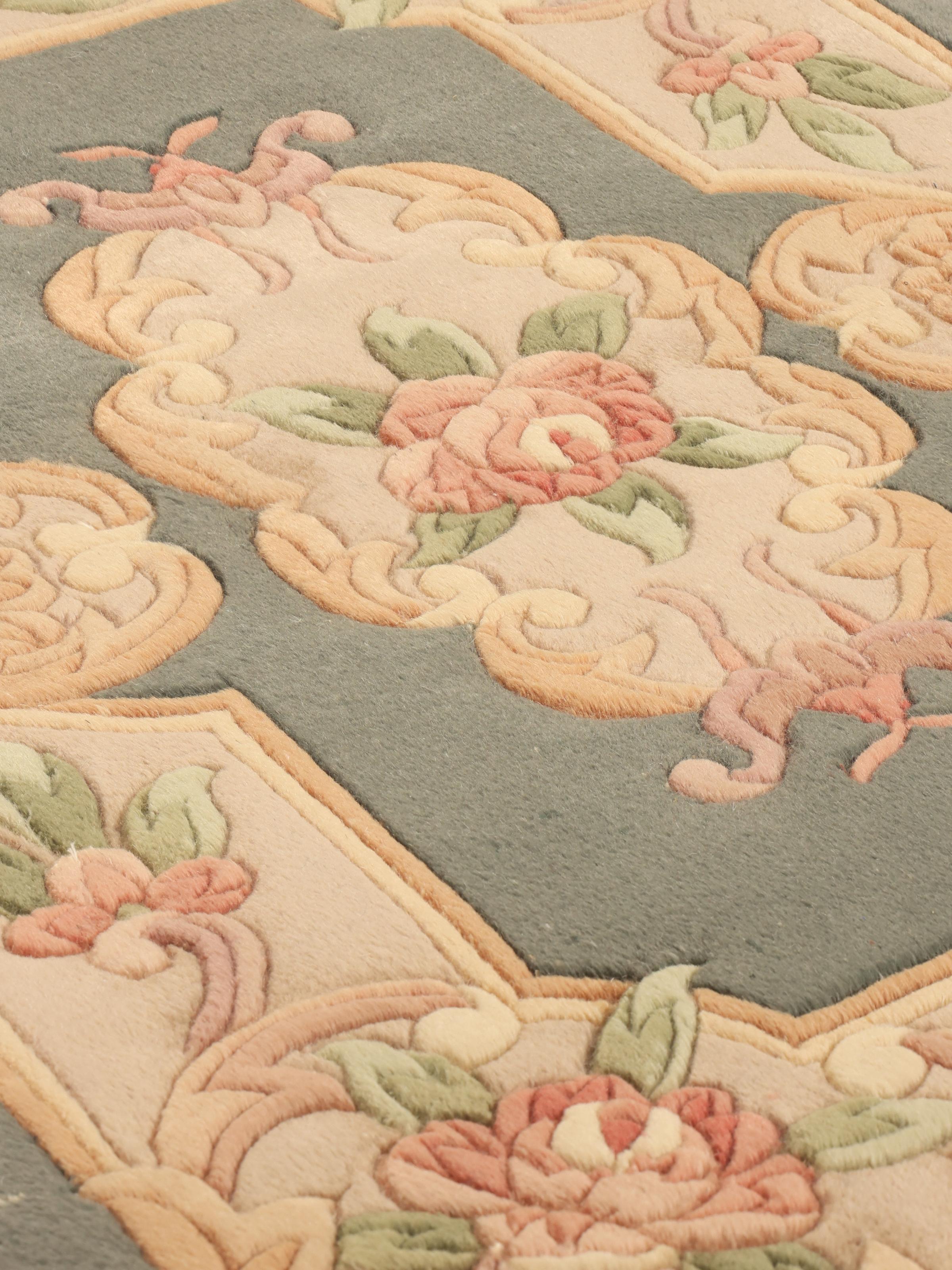
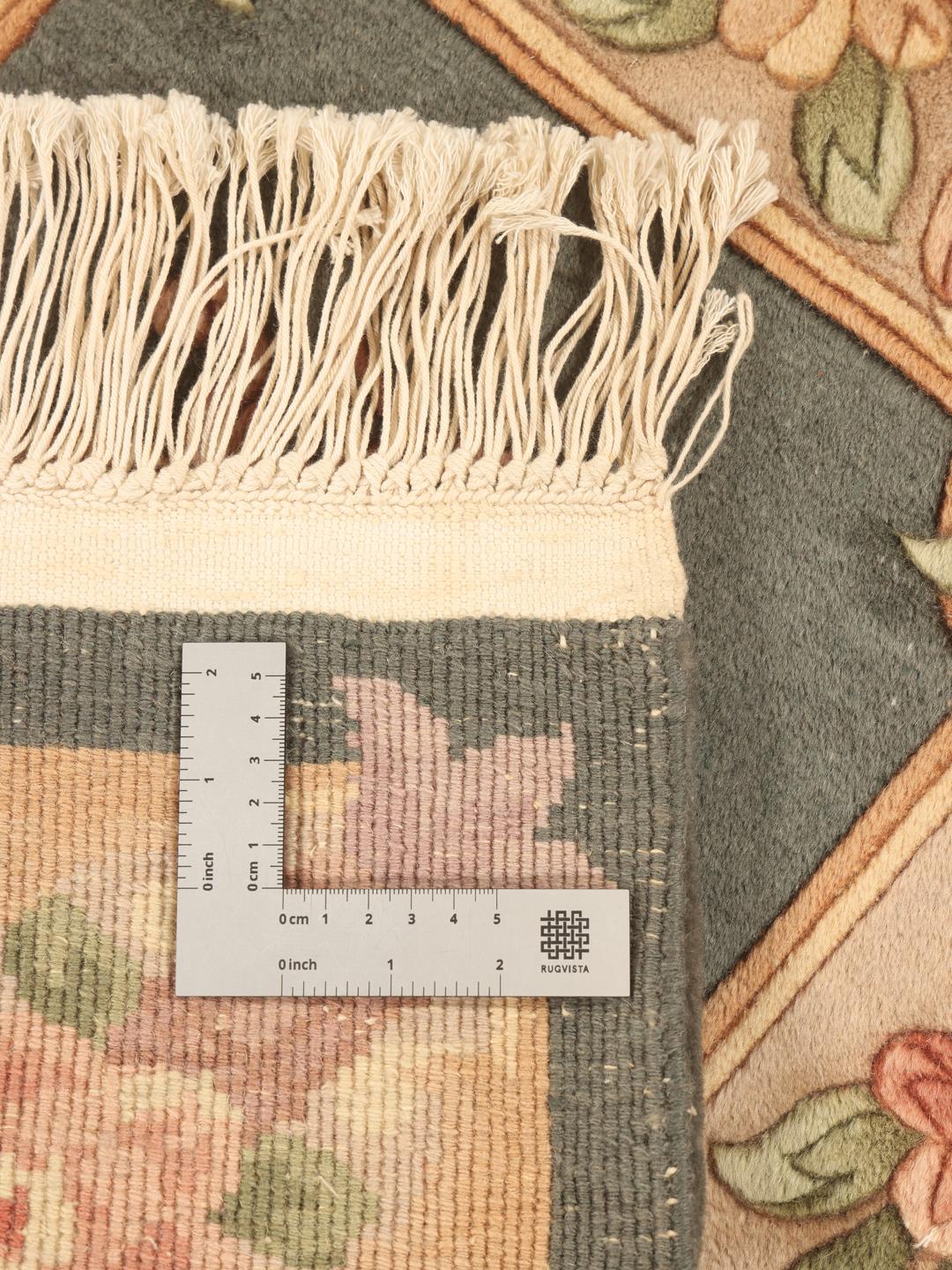
The term 90 line refers to the traditional system of measuring knot density in Chinese rug making, based on the number of knots across a specific width. This method is a hallmark of the craft, ensuring that each rug achieves a consistent, balanced texture that is both soft to the touch and structurally sound enough to last through generations of use.
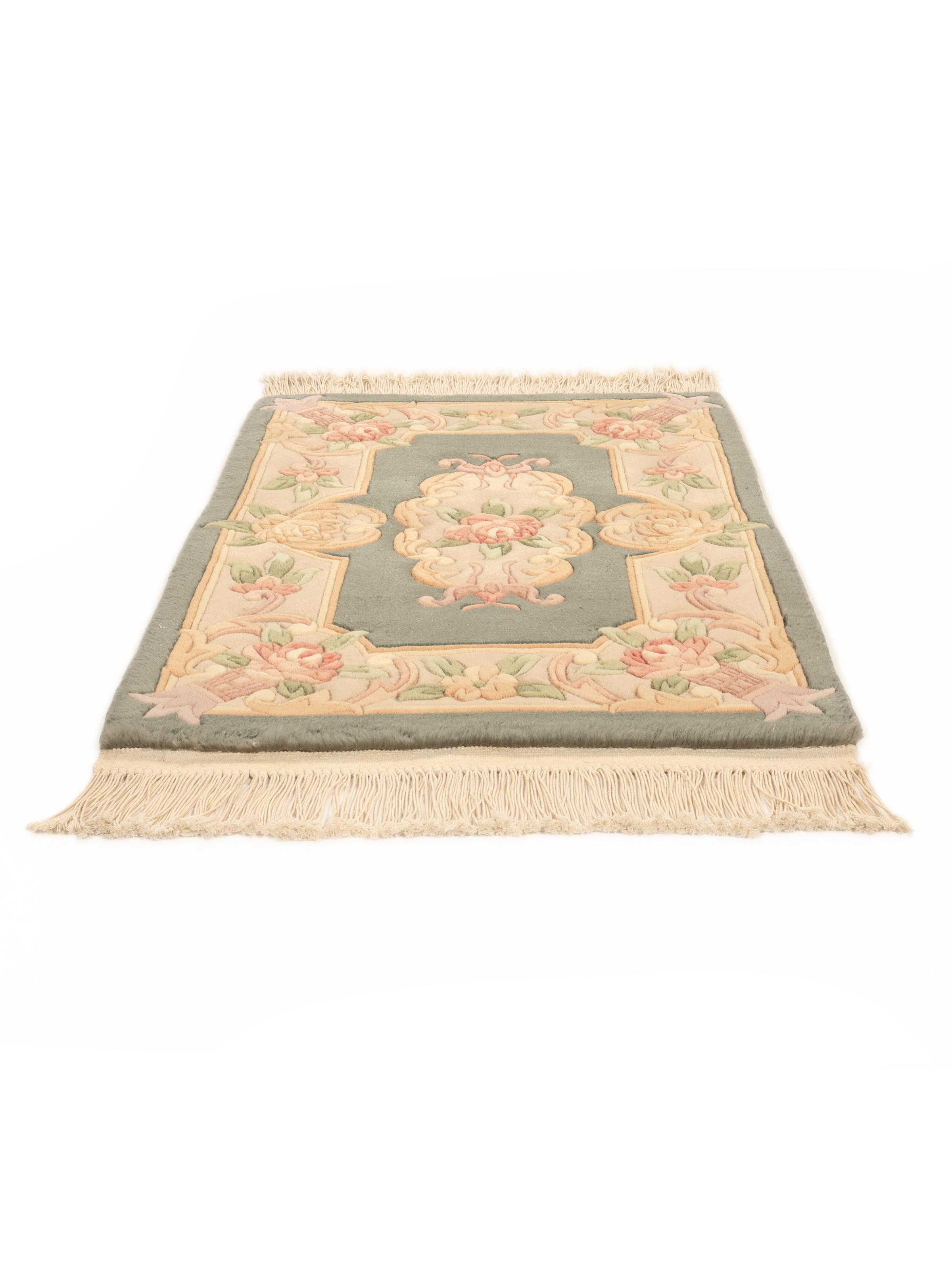
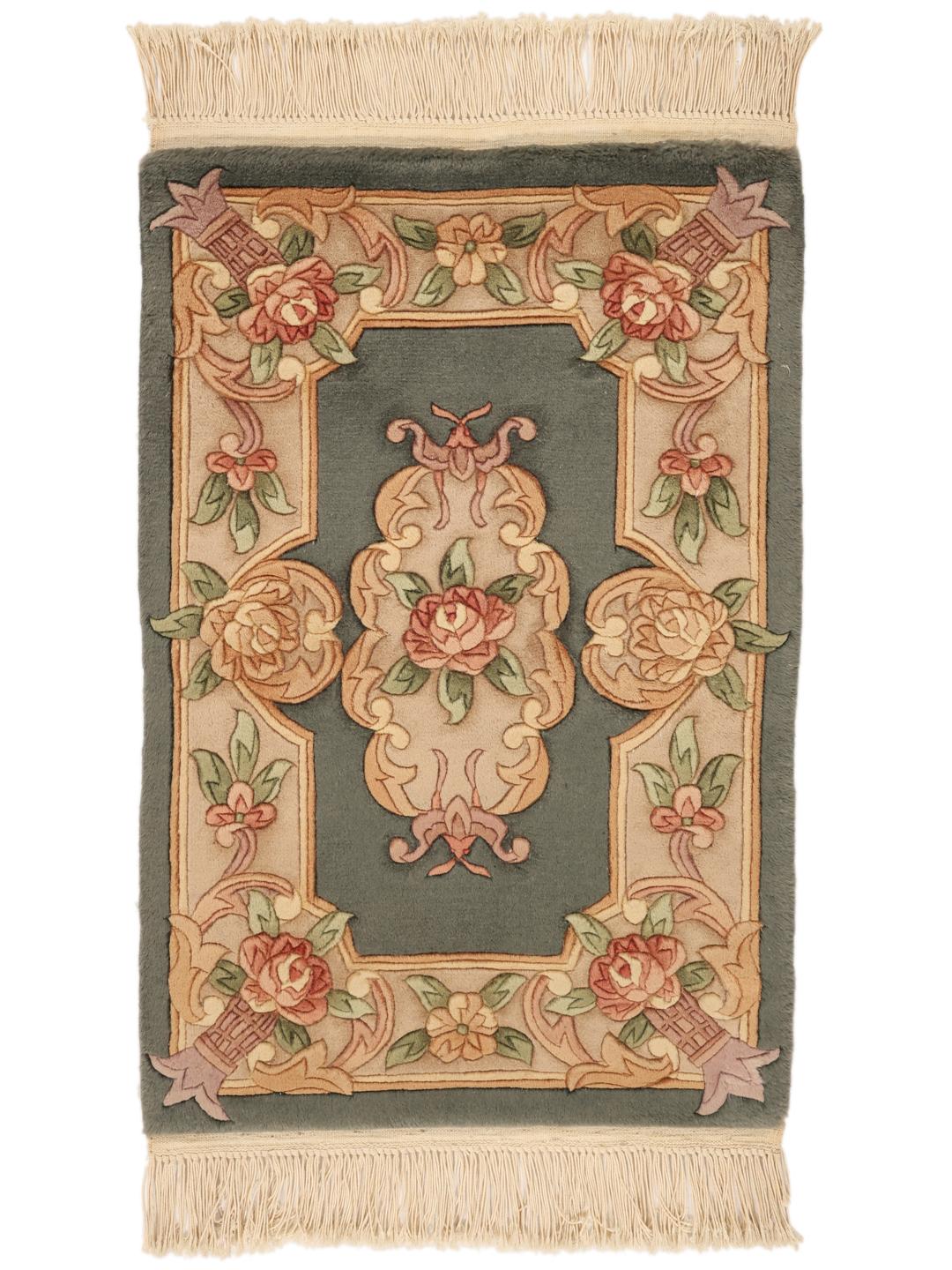
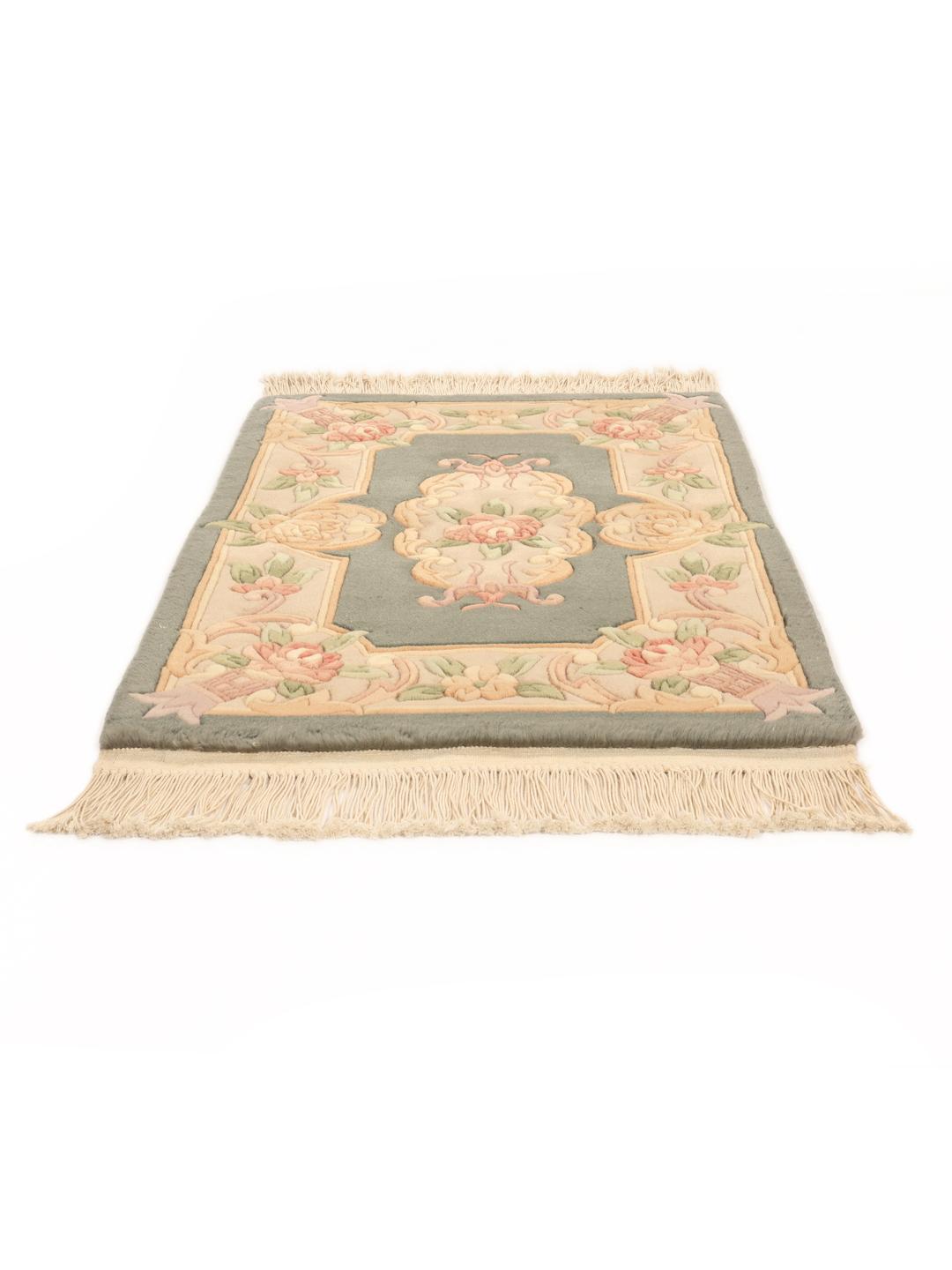
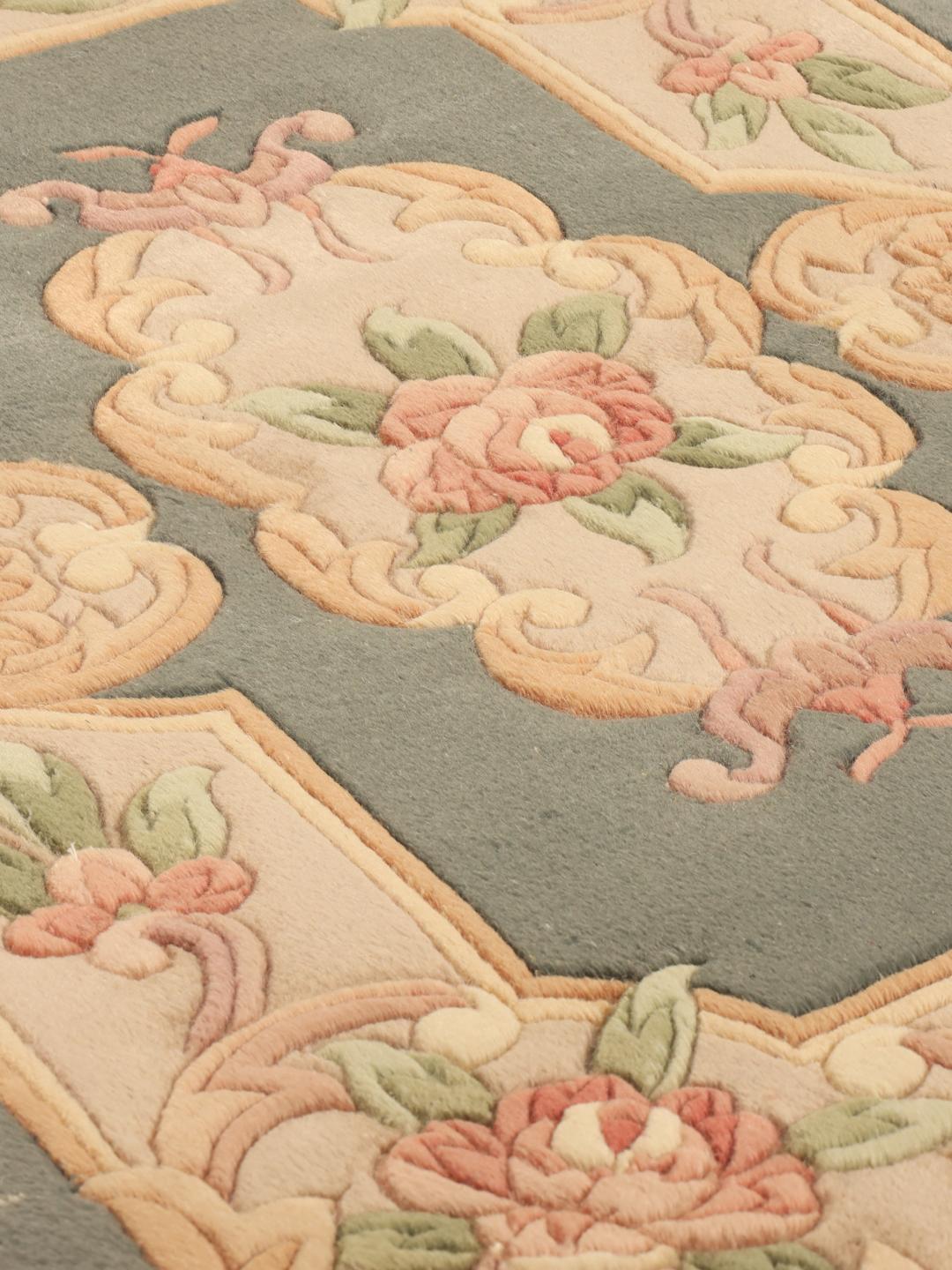
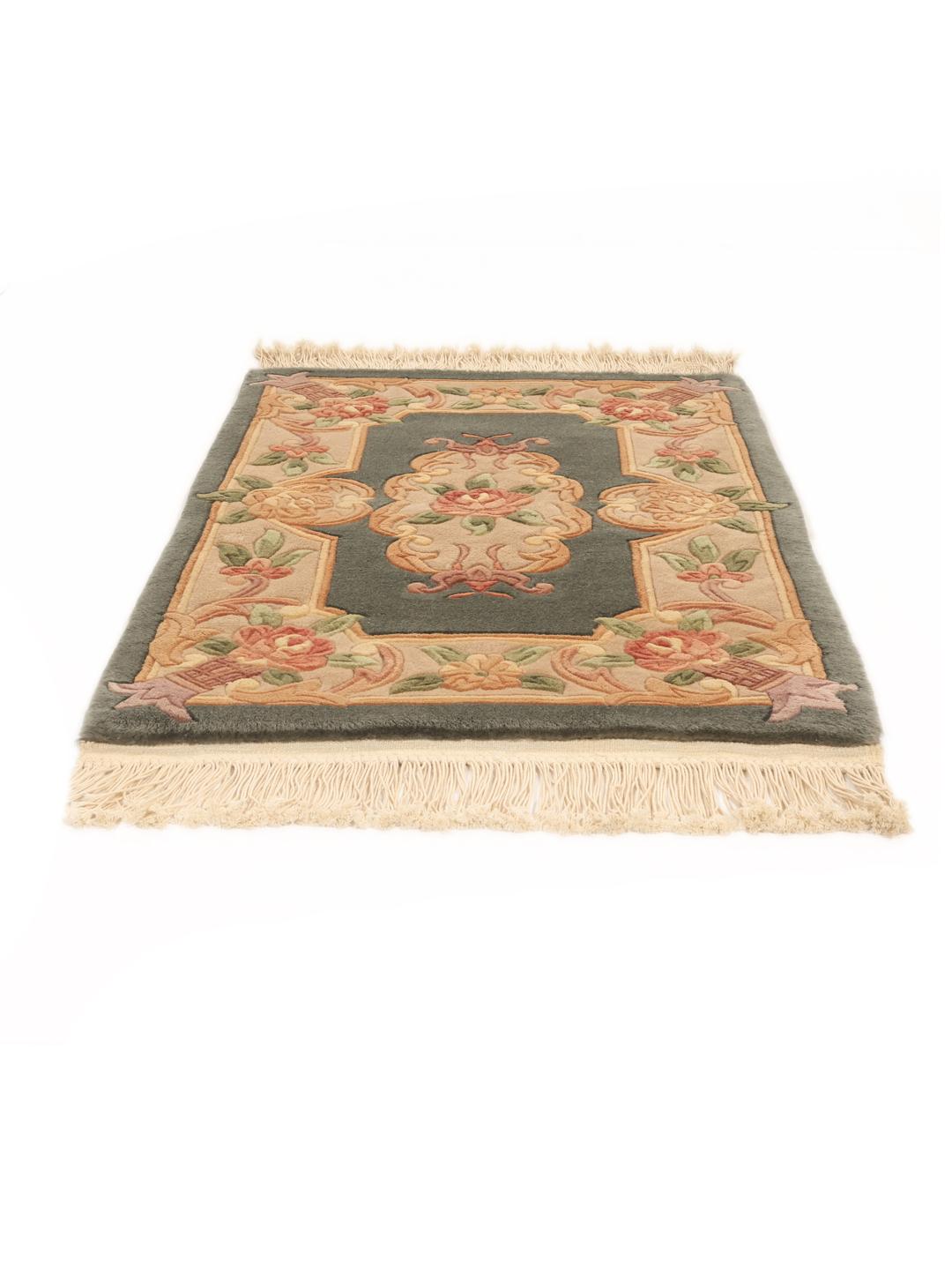
Signature design elements in these rugs often include stylised floral arrangements, such as the roses seen here, which are framed by decorative borders. These motifs are carefully placed to create a sense of harmony and balance, a central tenet of classical Chinese artistic philosophy that aims to bring a sense of peace to the interior environment.
Collecting a hand-knotted rug from China is an investment in a storied craft tradition. These pieces are valued not only for their aesthetic grace but for the immense human skill required to produce them, making them prized possessions for those who appreciate the intersection of historical technique and refined, modern home design.